- Stay Connected

Socialize

 Abraham Lincoln
If given the truth, the people can be depended upon to meet any national crisis...
Abraham Lincoln
If given the truth, the people can be depended upon to meet any national crisis...

 Guildford news...
for Guildford people, brought to you by Guildford reporters - Guildford's own news service
Guildford news...
for Guildford people, brought to you by Guildford reporters - Guildford's own news service
Landfill Capacity Running Out in Surrey – But What’s Going In Might Not Be What You Think
Published on: 30 Jan, 2026
Updated on: 30 Jan, 2026
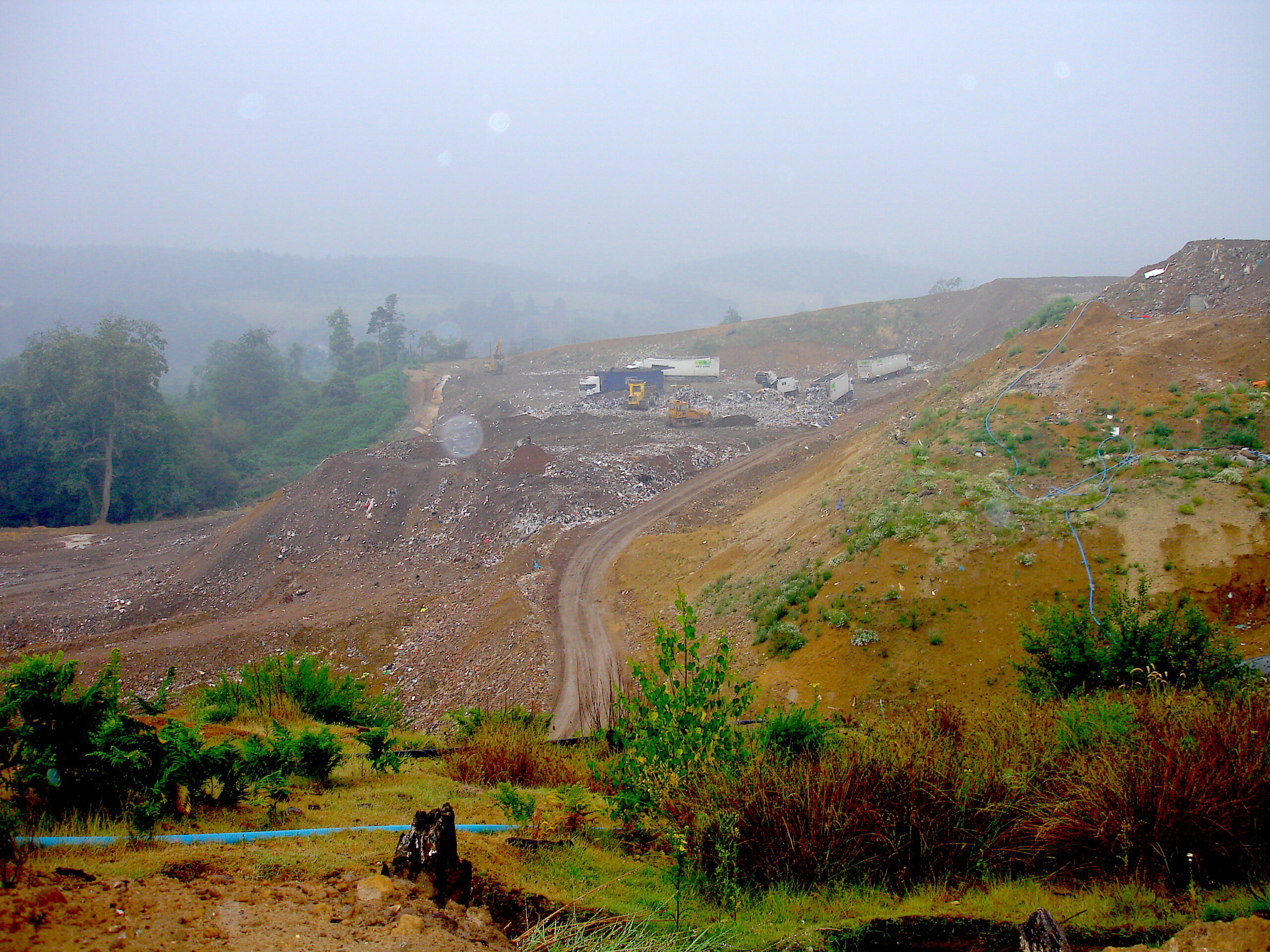
Albury landfill site in Surrey. ‘SuzanneKn’ via Wikimedia. No changes were made to this image.
By Esme Campbell
Landfill capacity across Surrey is set to run out within a decade as over half its sites, including Guildford’s, are now full but, perhaps surprisingly, domestic waste is not the main culprit.
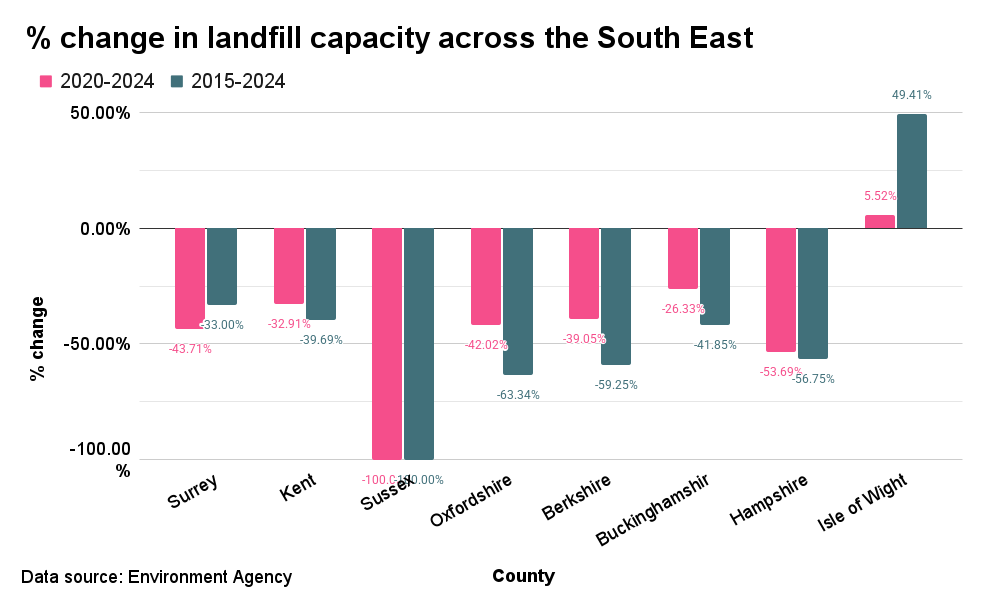
Surrey lost 44 per cent of its landfill capacity between 2020 and 2024, one of the fastest-depleting rates in the South-East, data from the Environment Agency reveals.
The county is on track to have no remaining landfill space by the end of 2031 if these rates continue.
Deborah Paterson, from environmental charity ZERO Carbon Guildford, said: “With landfill capacity under pressure, reducing waste at source is critical.
“Waste has environmental, climate and cost impacts, and without stronger action on prevention and reuse, those pressures will continue to grow.”
Surrey’s landfill capacity saw its largest dip during the Covid pandemic, losing 35 per cent in 2021, while landfill space in other South-Eastern counties was not as severely affected.
The decline in capacity has sharply accelerated in recent years. Looking at the most recent decade as a whole, Surrey has one of the slowest rates of decline across the South East. Only the Isle of Wight had better figures, actually gaining landfill space over the years.
Construction waste
A third of all waste in Surrey is landfilled each year, but the majority of landfill waste is not domestic.
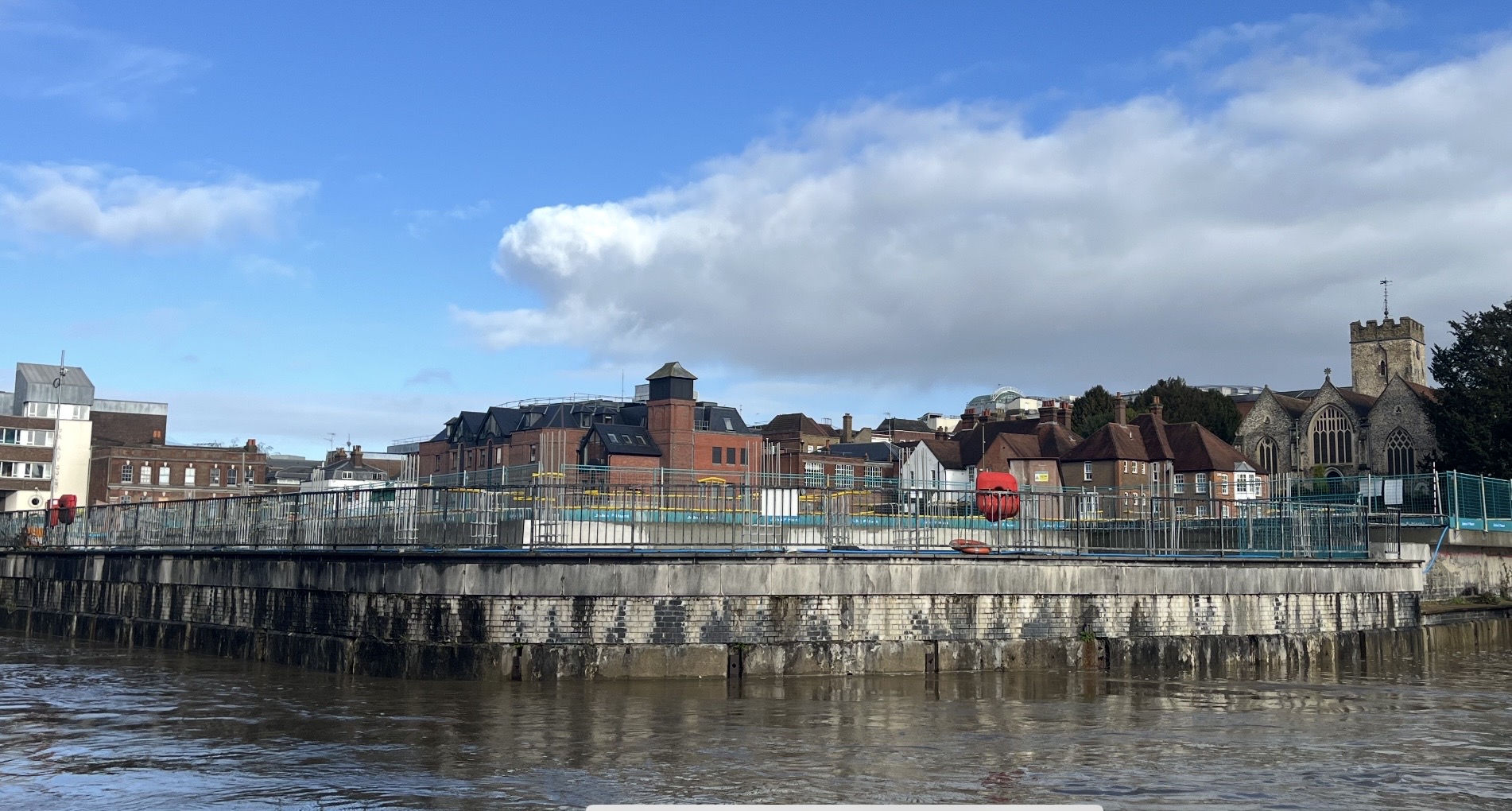
Waste from construction sites such as this one in Guildford form approximately half of all waste produced in Surrey each year
Of the four million tonnes created in the county annually, approximately half is construction and demolition waste, and only an eighth is household rubbish.
From 2026, the county is predicted to produce 1.8 million tonnes of inert construction, demolition and excavation (CDE) waste annually, Surrey County Council (SCC) reports.
Guildford is likely to contribute a large portion of this, with various large-scale construction projects underway in the borough, including the North Street, Solum, and St Mary’s Wharf developments.
Household waste
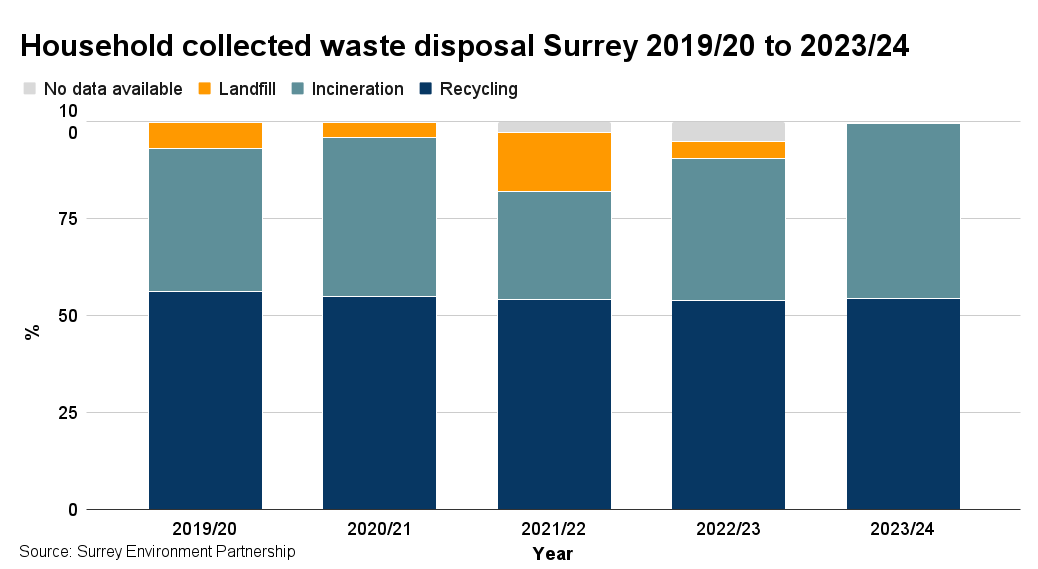
Of household waste, just 0.2 per cent was landfilled in 2023/24, amounting to one thousand tonnes out of the half a million that Surrey County Council manages each year.
Cllr Natalie Bramhall (Con, Redhill West & Meadvale), SCC Cabinet member for Property, Infrastructure and Waste, said landfill capacity does not pose a risk to SCC’s management of household collected waste.
She explained: “Landfill is not used by SCC as a routine treatment or disposal route. It is only relied upon in exceptional circumstances, when other facilities are temporarily unavailable.
“As part of our commitment to environmentally responsible waste management, our disposal contract includes a strict zero‑waste‑to‑landfill requirement, backed by financial penalties if breached.”
Nonetheless, an average of almost 40,000 tonnes of Surrey’s household waste went to landfill each year from 2019/20 to 2022/23.
The rest of the household collected rubbish is either recycled or incinerated for energy.
Mark Hall, waste management expert at BusinessWaste.co.uk, said: “Councils are facing tough decisions about how to manage non-recyclable waste.
“Energy from Waste [EfW] is increasingly being used to manage any remaining waste that cannot be recycled.”
“When used correctly, EfW can reduce reliance on landfill, recover energy from residual waste, and help support a more sustainable waste infrastructure at a time when disposal options are becoming more limited.”
Certainly, in the case of Surrey, the amount of waste being incinerated has risen since 2019/20, while recycling rates have marginally dipped.
Surrey holds the second-best recycling rate in England, and Guildford consistently scores above the county average, according to data from the Surrey Waste Tracker.
ZERO Carbon’s Paterson said: “Recycling plays an important role, but it shouldn’t be the default solution.
“Our main concern is that too much waste is still being created in the first place.
“Through our work, we see that when people are supported to reduce, reuse and share resources, they are keen to change behaviour.
“There are positive examples in Guildford, but there is much more that could be done across the borough.
“Community-led solutions have an important role to play alongside council and national approaches.”
ZERO Carbon Guildford encourages waste cutting through projects such as their Community Fridge and Guildford Library of Things, Paterson said, adding: “The popularity of these projects shows there is real appetite for solutions that make low-waste living accessible.”
Share This Post




And then there were seven. (See article: "Lib Dems Remain Puzzled By Leader’s Decision to Sack Executive Member")





Recent Comments