- Stay Connected

Socialize


 Abraham Lincoln
If given the truth, the people can be depended upon to meet any national crisis...

 Guildford news...
for Guildford people, brought to you by Guildford reporters - Guildford's own news service
Birdwatcher’s Diary No.360
Published on: 19 Nov, 2026
Updated on: 19 Nov, 2026
By Malcolm Fincham
High pressure continued to dominate over the UK as we moved into the first week of November, while daytime temperatures had dropped into low double figures Celsius.
Dry days continued, and although a few foggy mornings prevailed, it wasn’t too long before the sun burnt away the morning mist.
It allowed me another four, but ultimately unsuccessful days, hoping to see and photograph the ever-elusive great grey shrike that had been reported on Thursley Common during the first days of the month.
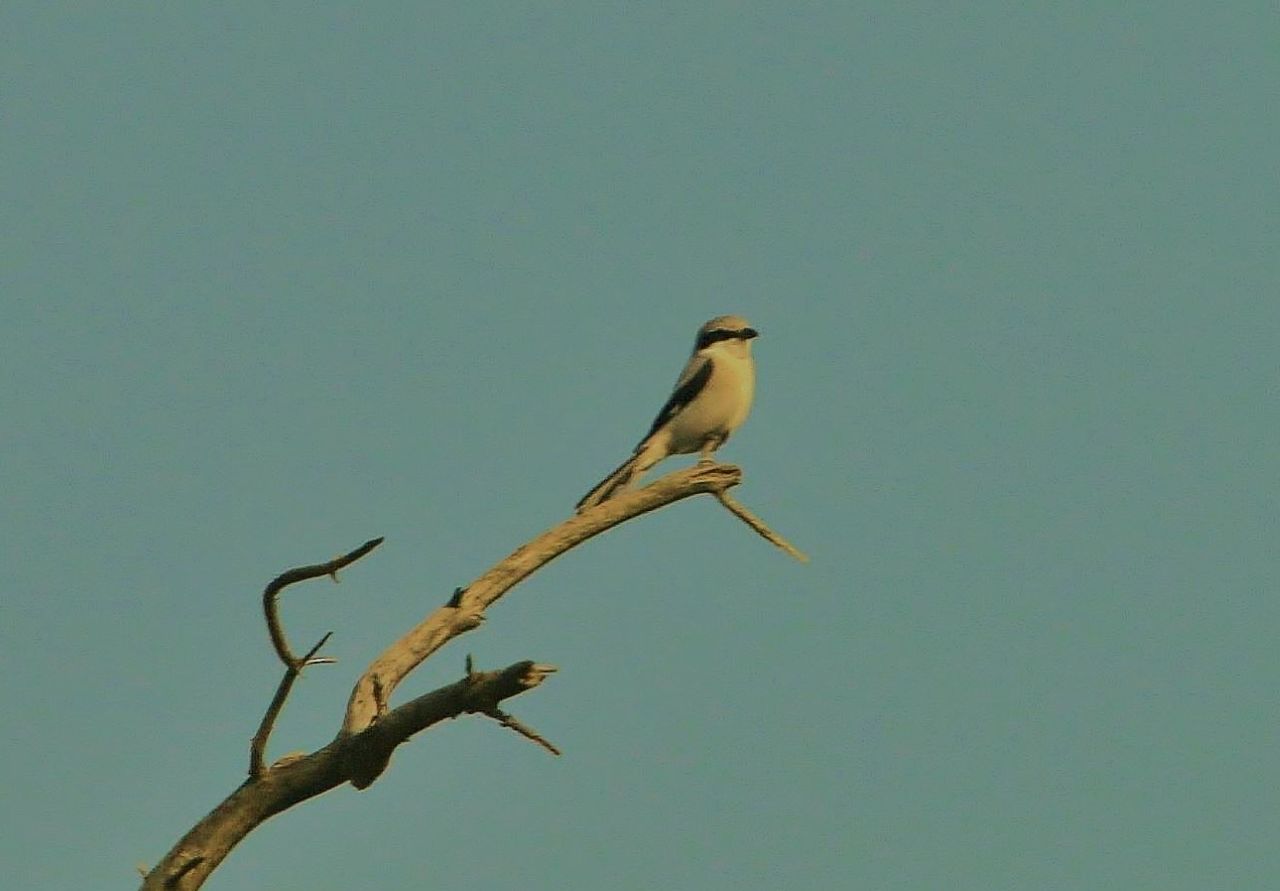
Great grey shrike on Thursley Common taken in March 2017.
Having seen and photographed possibly more than my fare share of this wintering species in years gone by on various Surrey heathlands, I checked my my records.
I was surprised that it had been nine years since I had recorded and photographed one on Thursley Common.
Now, I’m more concerned for the some of the new generation of birdwatchers I met there recently who were hoping to see a great grey shrike for the first time.
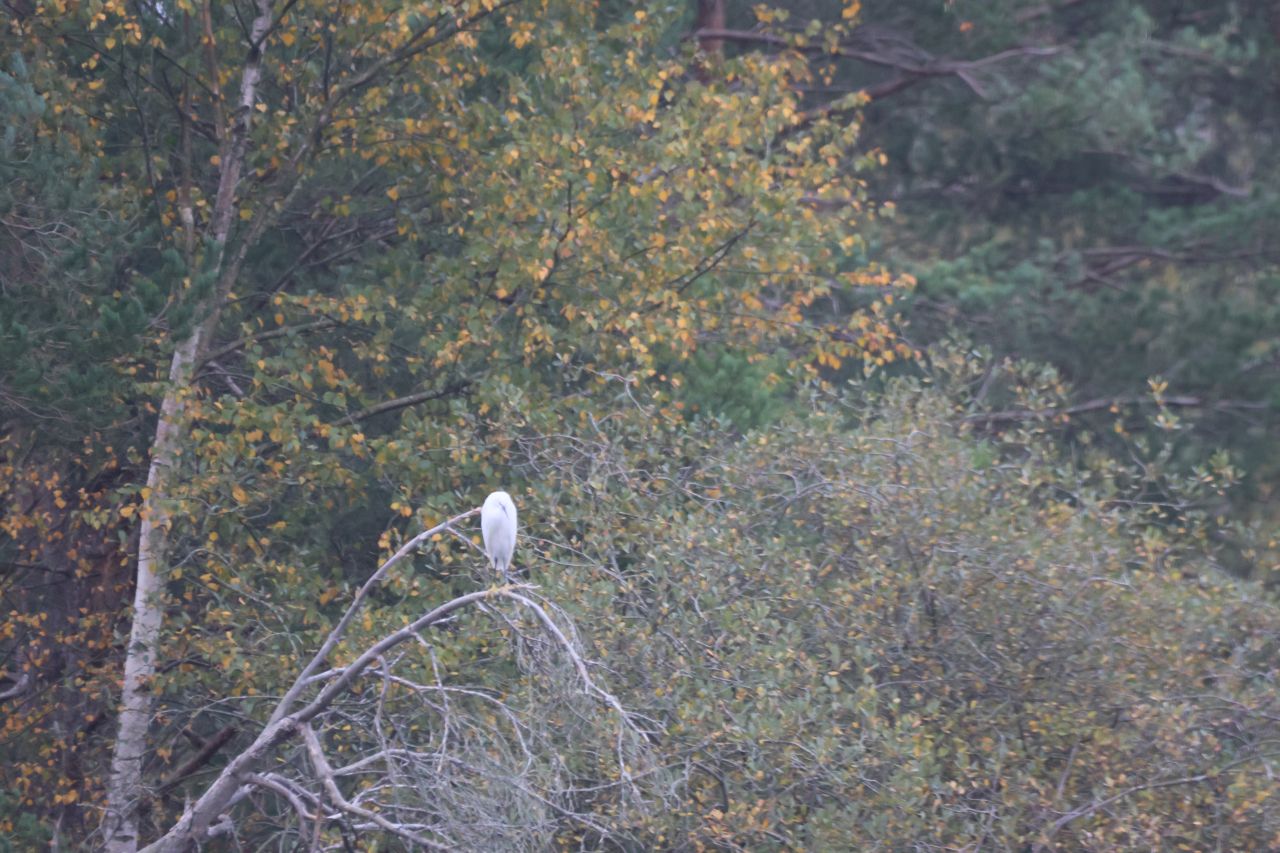
Little egret. Moat Pond, Thursley Common.
On one of my visits a little egret could be viewed perched up on the far side of the Moat Pond by the car park.
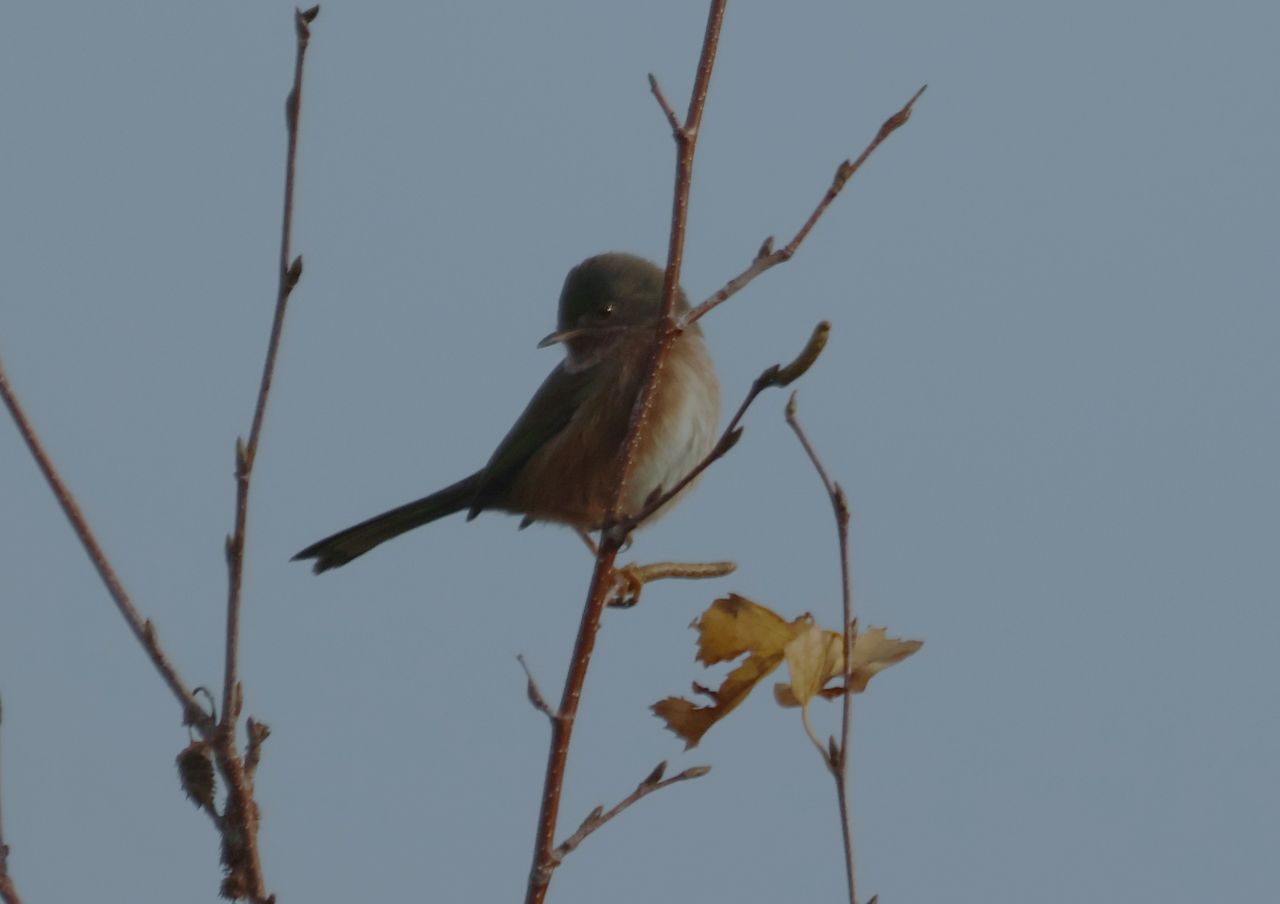
Dartford warbler, Thursley Common.
While on most visits I was able to get a selection of photos of several Dartford warblers present.
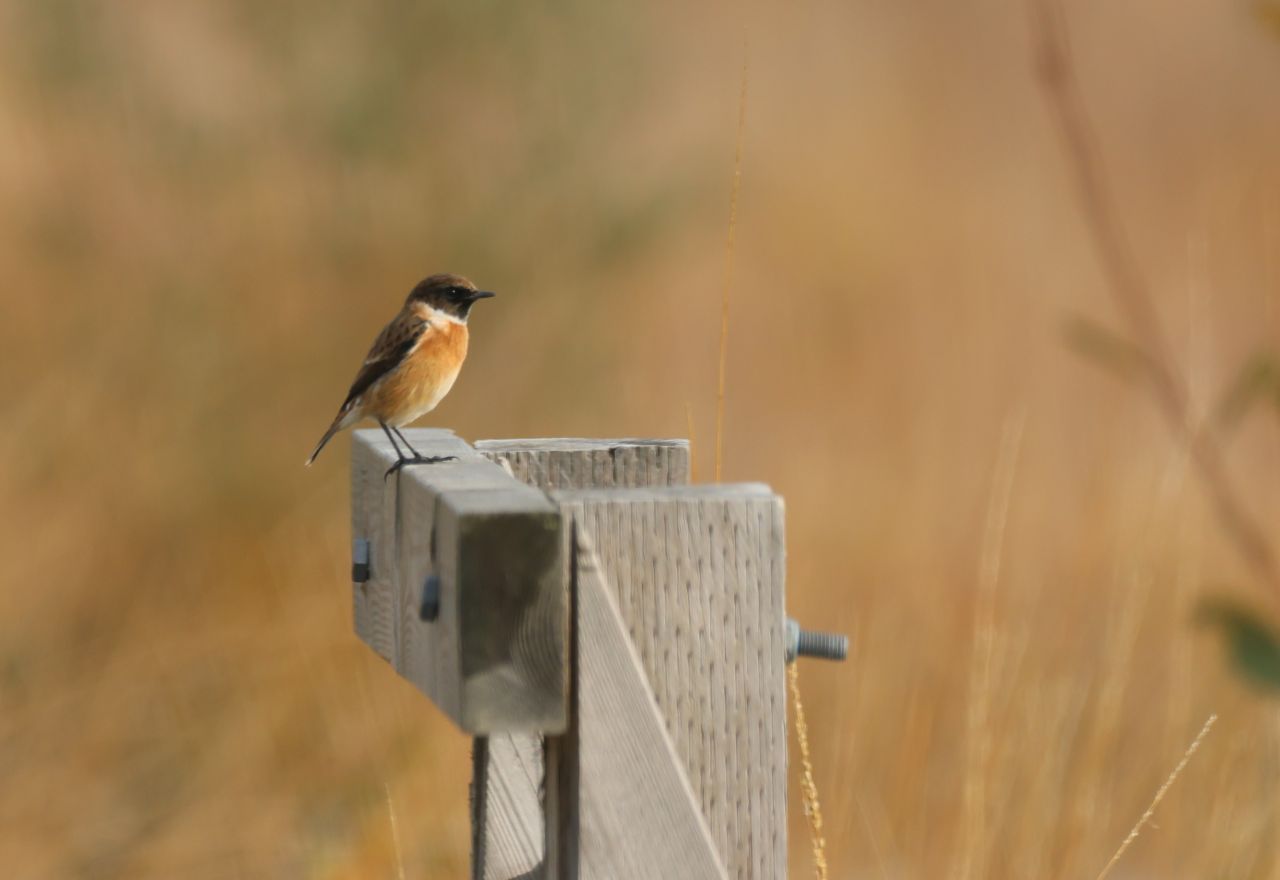
Stonechat, Thursley Common.
Along the main boardwalk and across the heathland several stonechats could be observed.
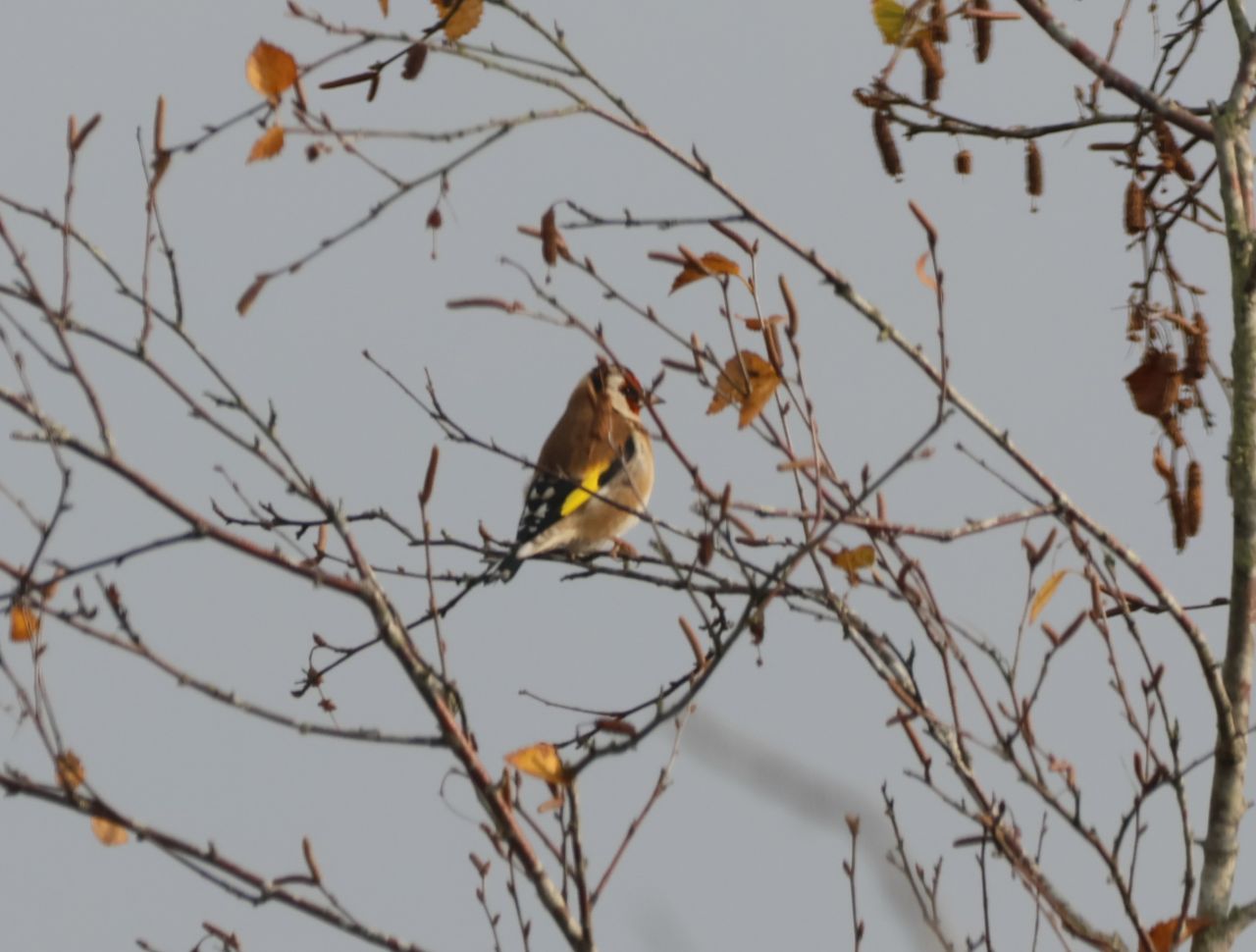
Goldfinch, Thursley Common.
As well as goldfinches.
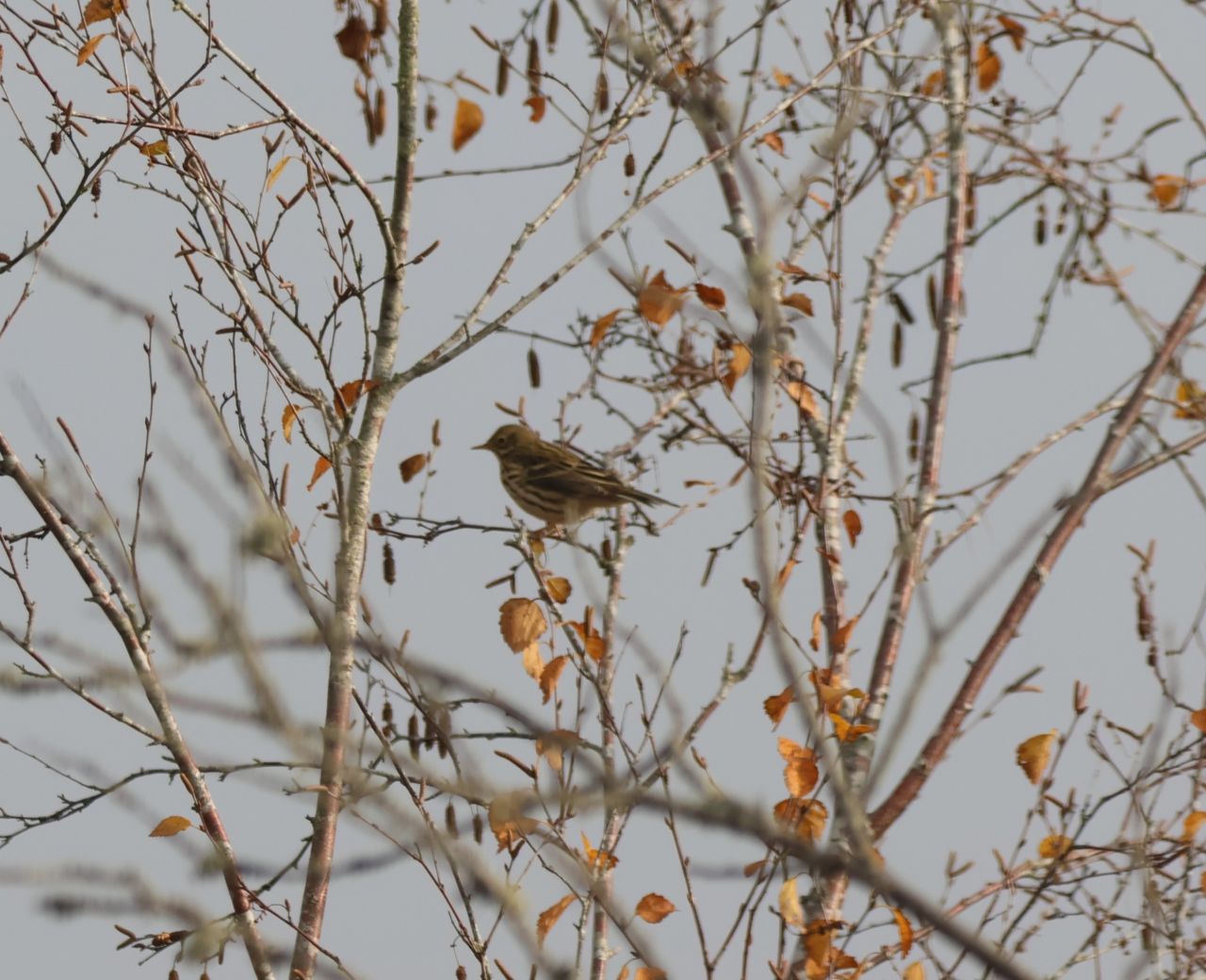
Meadow pipit, Thursley Common.
Meadow pipits.
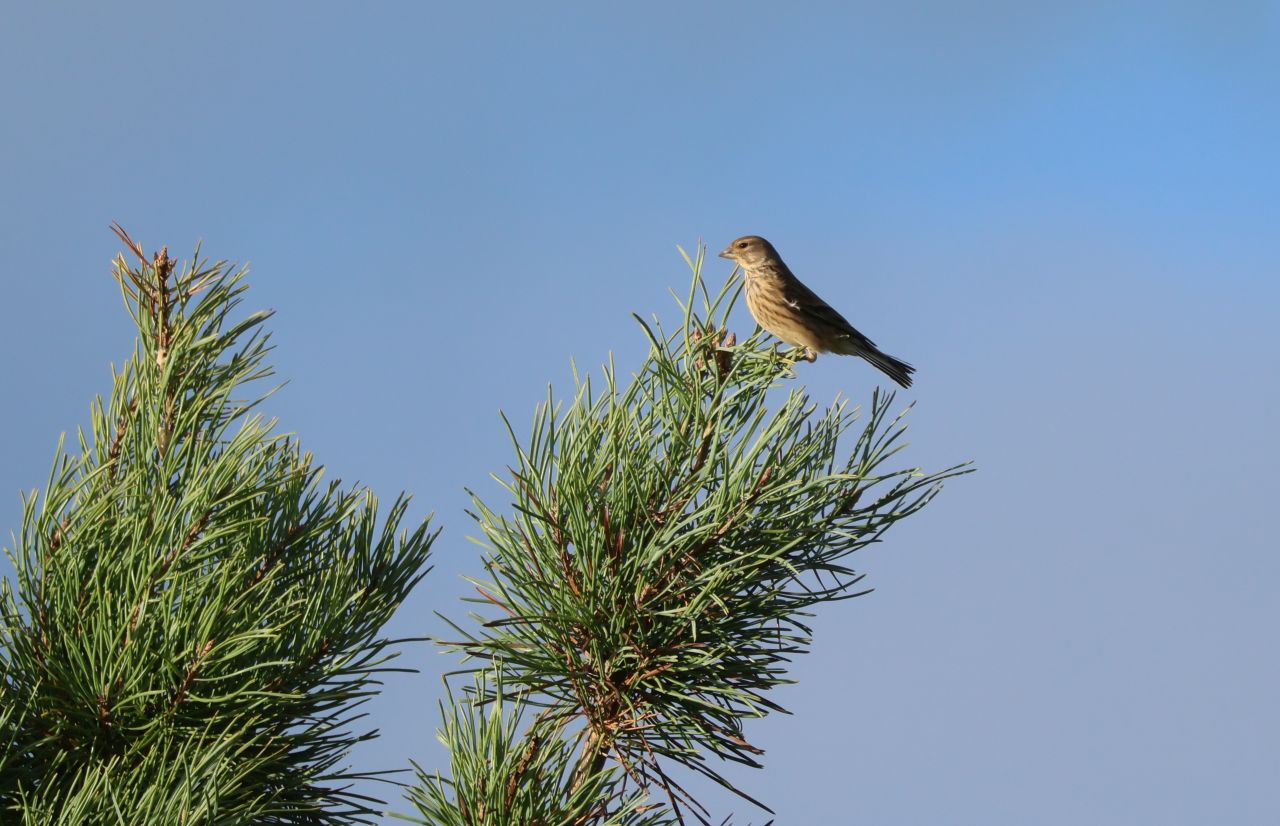
Linnet.
And a small group of linnets.
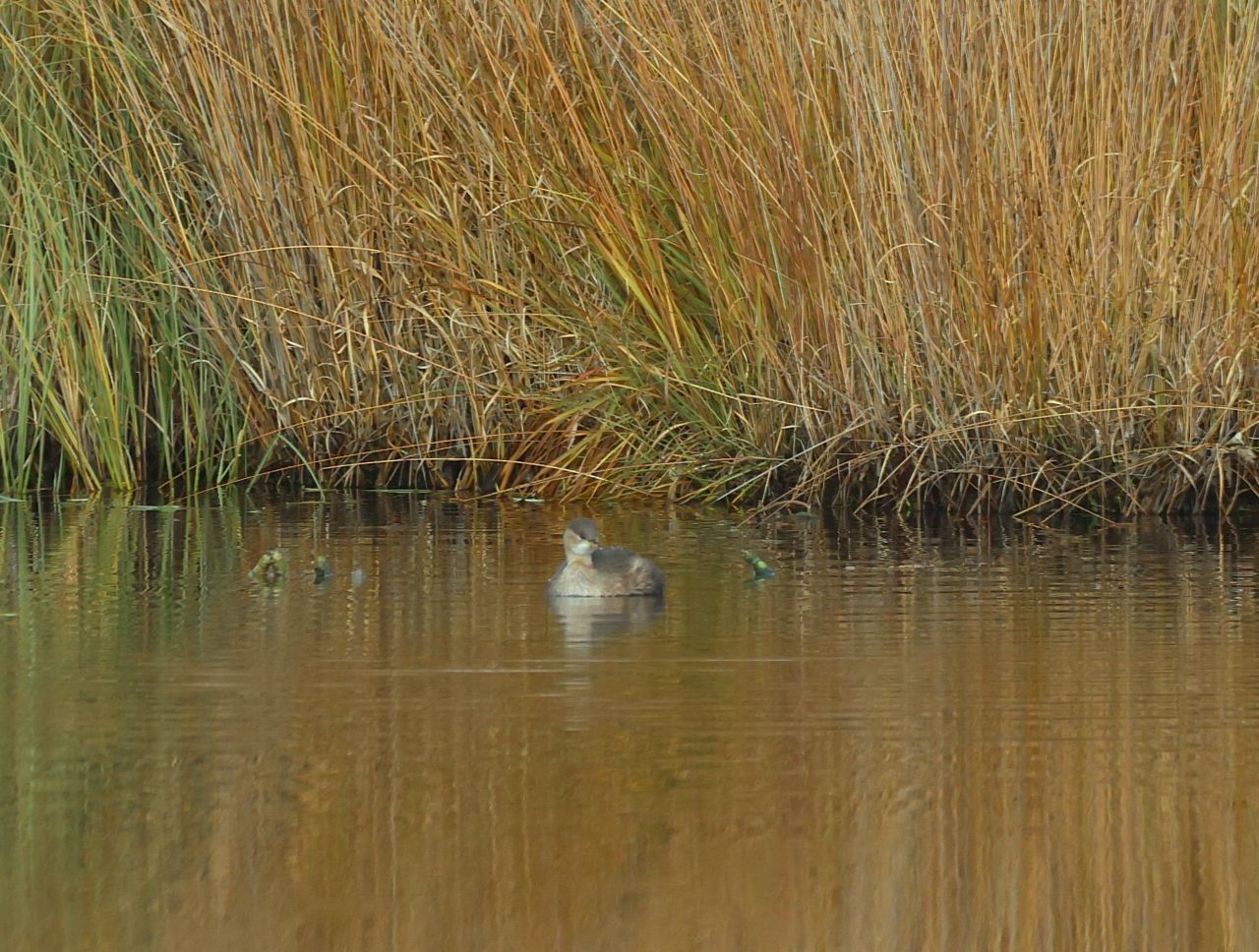
Little grebe, Pudmore Pond, Thursley Common.
Viewing out across Pudmore Pond, a little grebe briefly popped up to the surface of the water before once again diving back down to fish.
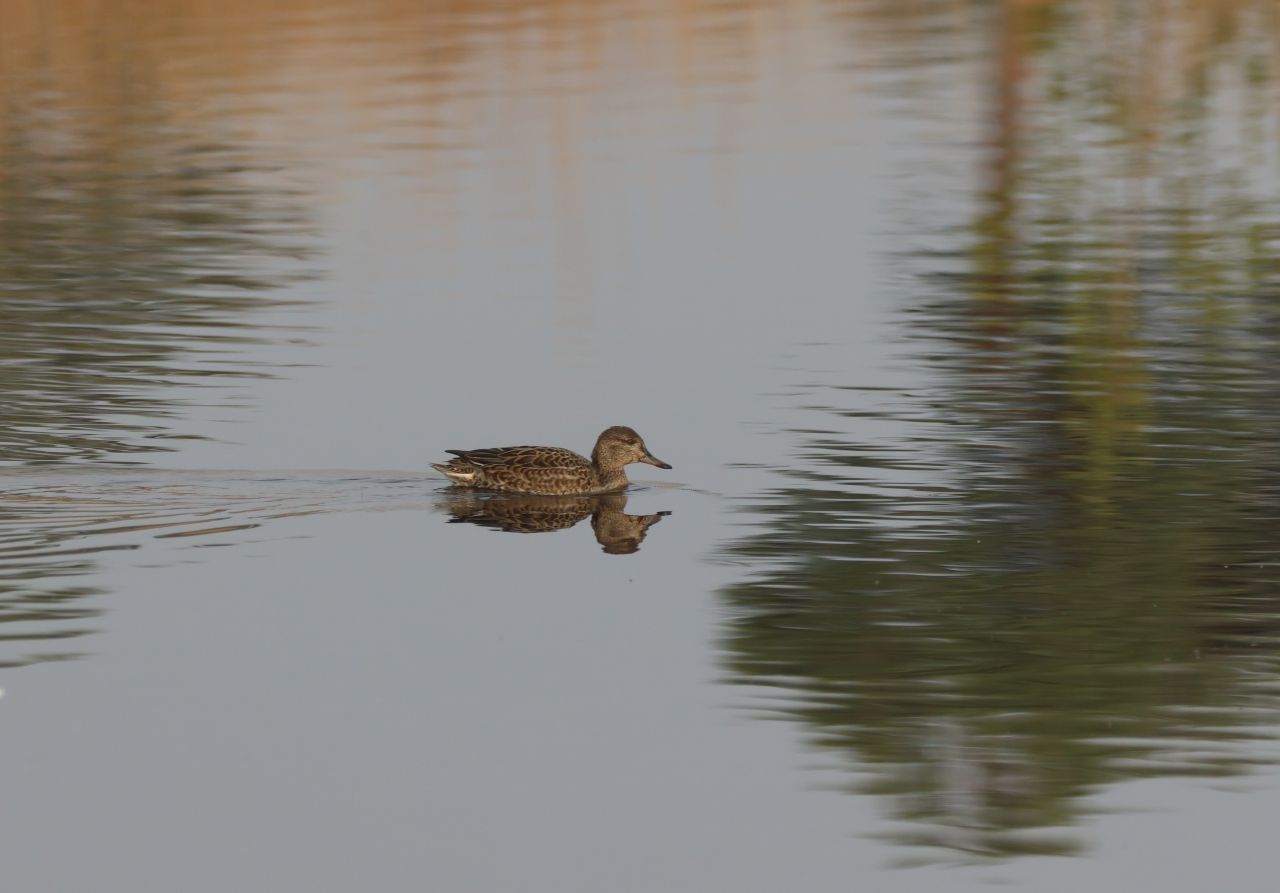
Teal, Thursley Common.
A count of three teal could also be seen on the pond.
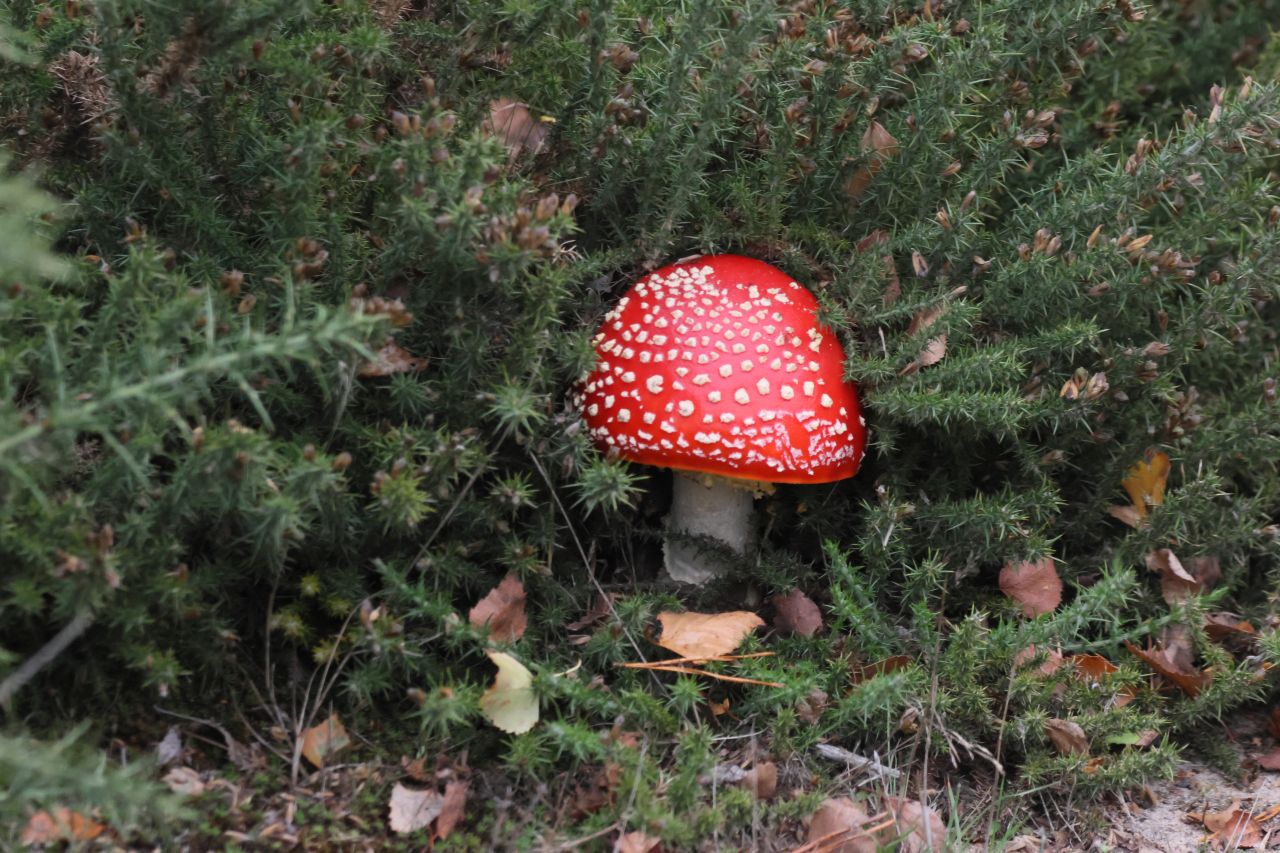
Fly agaric fungi, Thursley Common.
About the heathland fly agaric fungi was now thriving.
But alas, as for the shrike, having last been seen on November 5 and not by myself, it was no longer seen in the preceding days.
Optimistically, maybe it will make a return to the heathland before the winter is out?
On November 7, in the fields off Newark Lane, near Papercourt water meadow at Send, a tundra bean goose was picked out within a large flock of more than 100 greylag and Egyptian geese by the eagle-eyed ‘patch’ observer of the area Ed Sames.
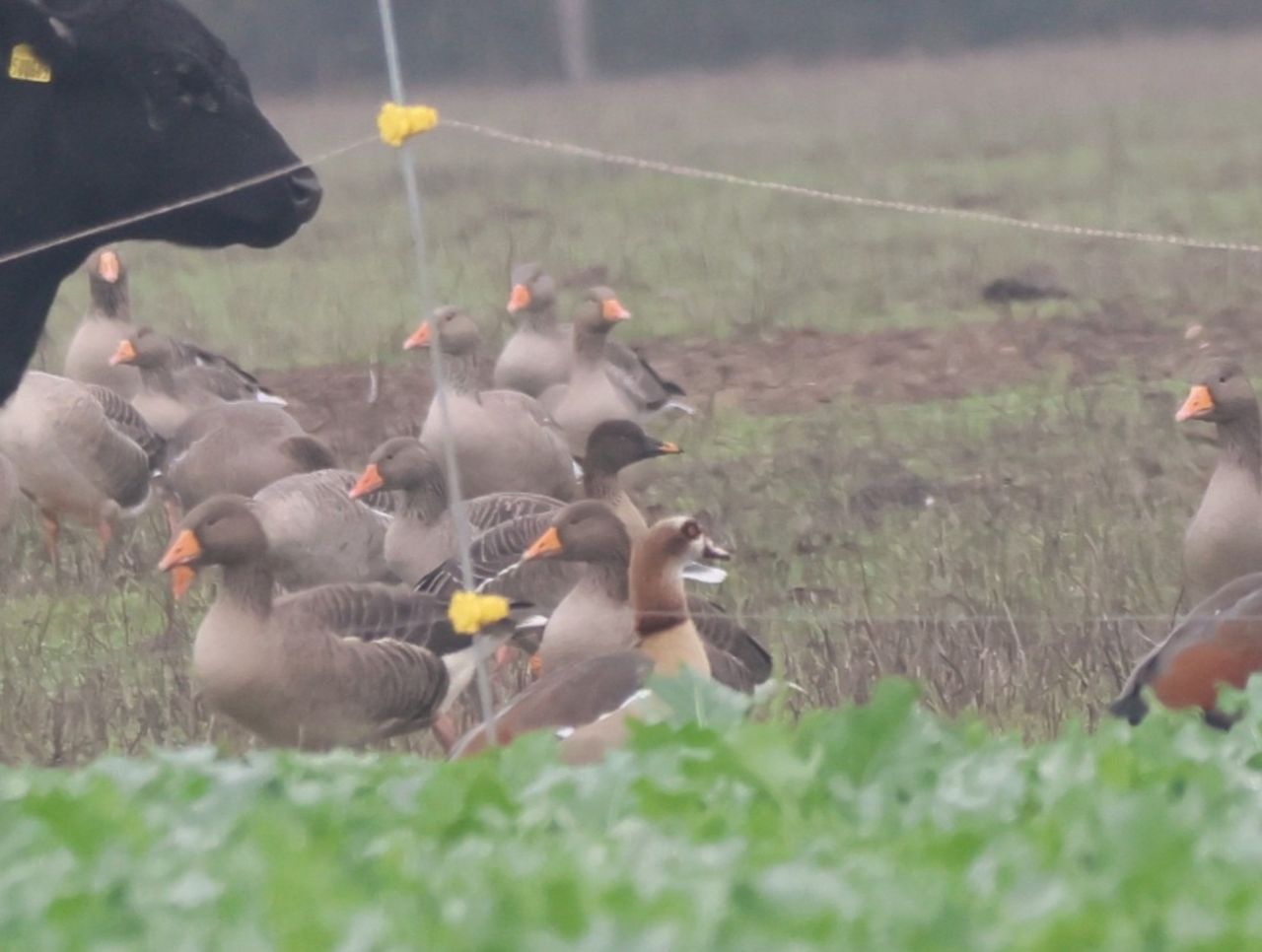
Tundra bean goose (note its darker coloured head) among a gaggle of greylags, near Papercourt meadows.
This being only a fifth Surrey record of this species! And indeed a great find among so many other geese present.
My only previous photos were of three in another part of Surrey in January 2021, https://guildford-dragon.com/birdwatchers-diary-no-224/ but just outside the vice-county borders and just north of the River Thames at Laleham (part of Middlesex until 1965).
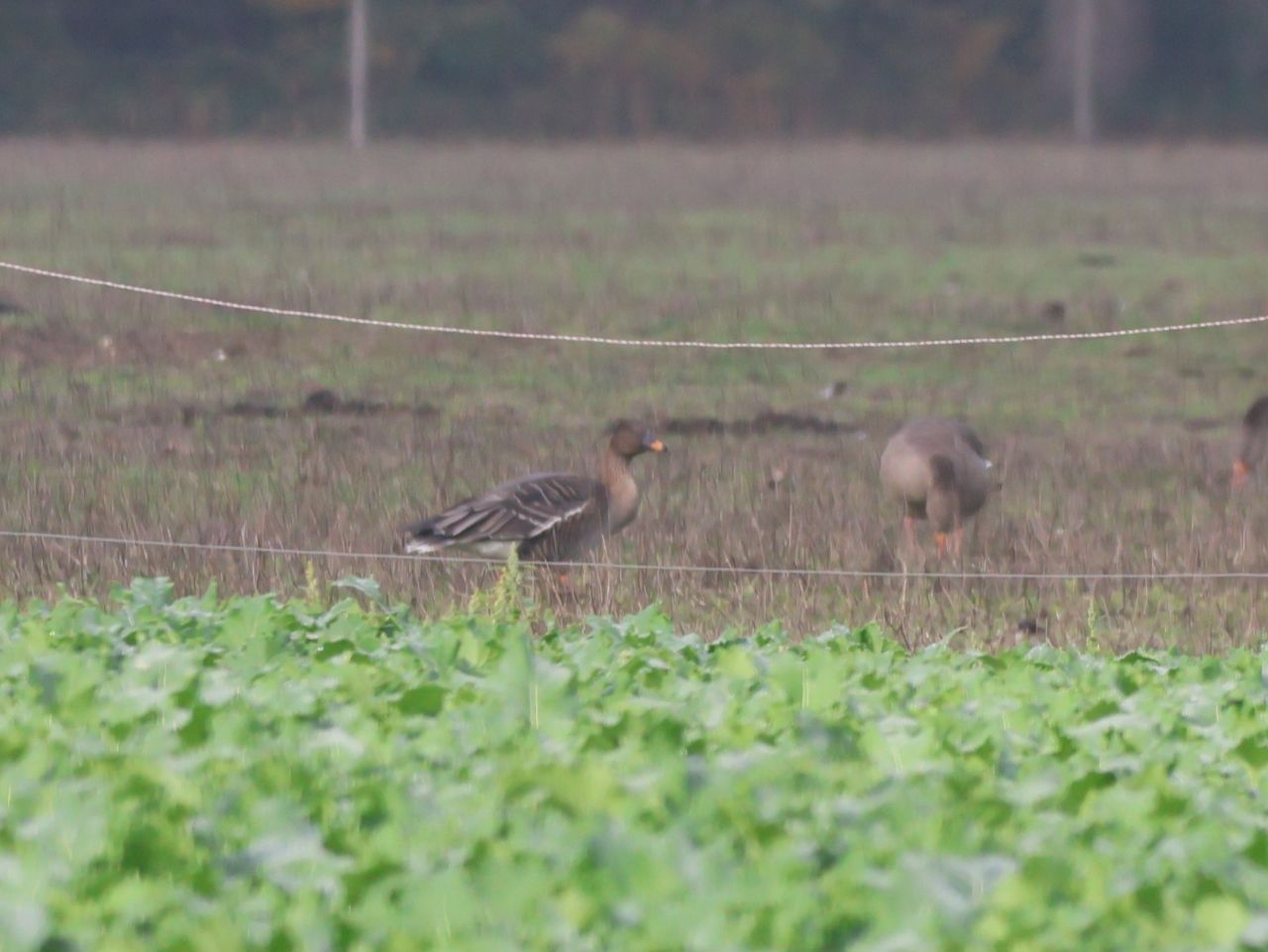
Tundra bean goose, near Papercourt meadows.
Bob, Dougal and myself found the tundra bean goose on November 8, but distant in a field and opposite the Seven Stars pub in Newark Lane.
We then took a walk around the nearby Prews Farm.
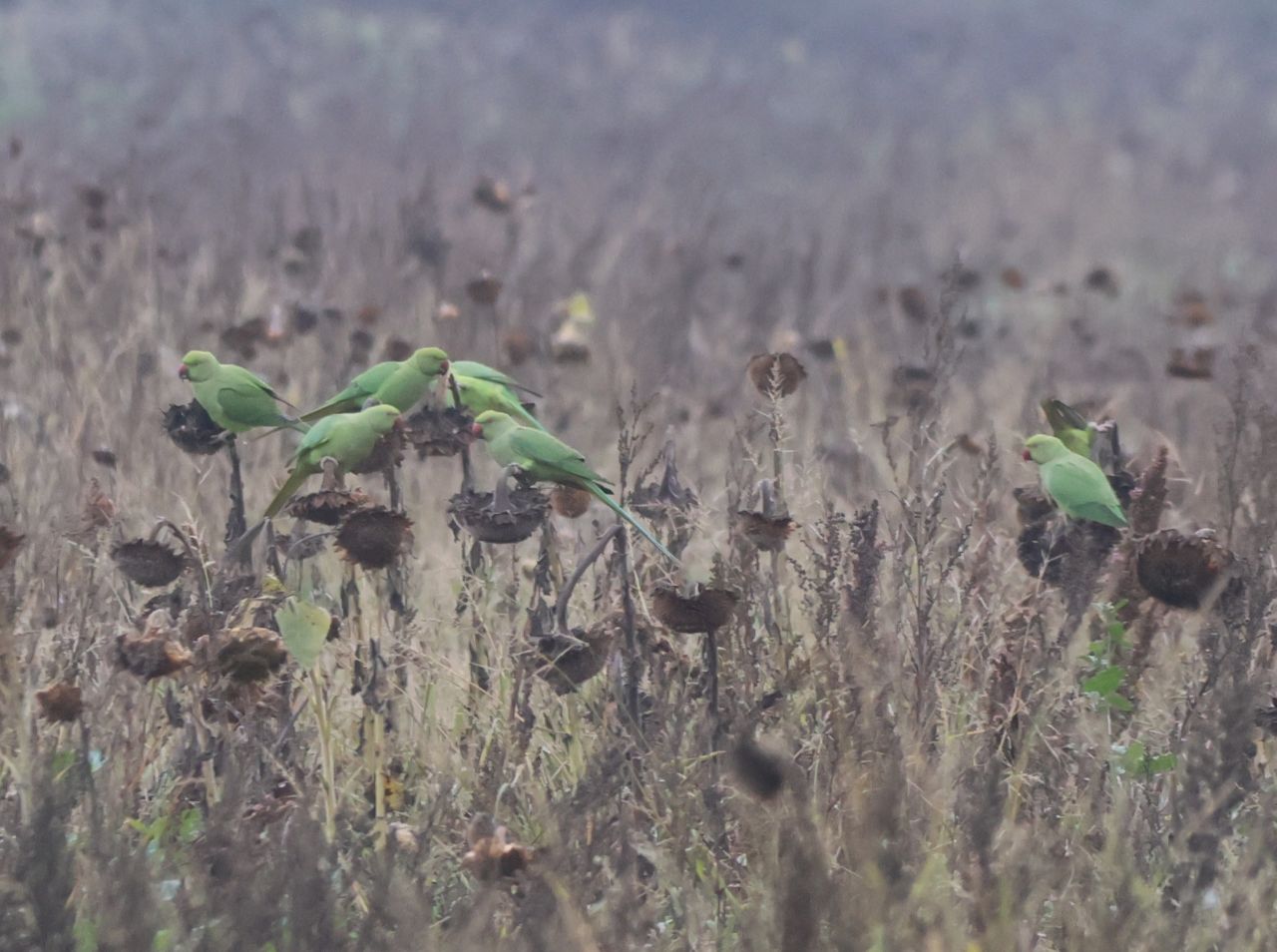
Ring-necked parakeets feeding on sunflower heads, Prews farm, Send.
There we were able to see a flock of more than 50 ring-necked parakeets who have become resident in the area in recent times.
They were feeding on the heads of a clump of self-seeded sunflowers.
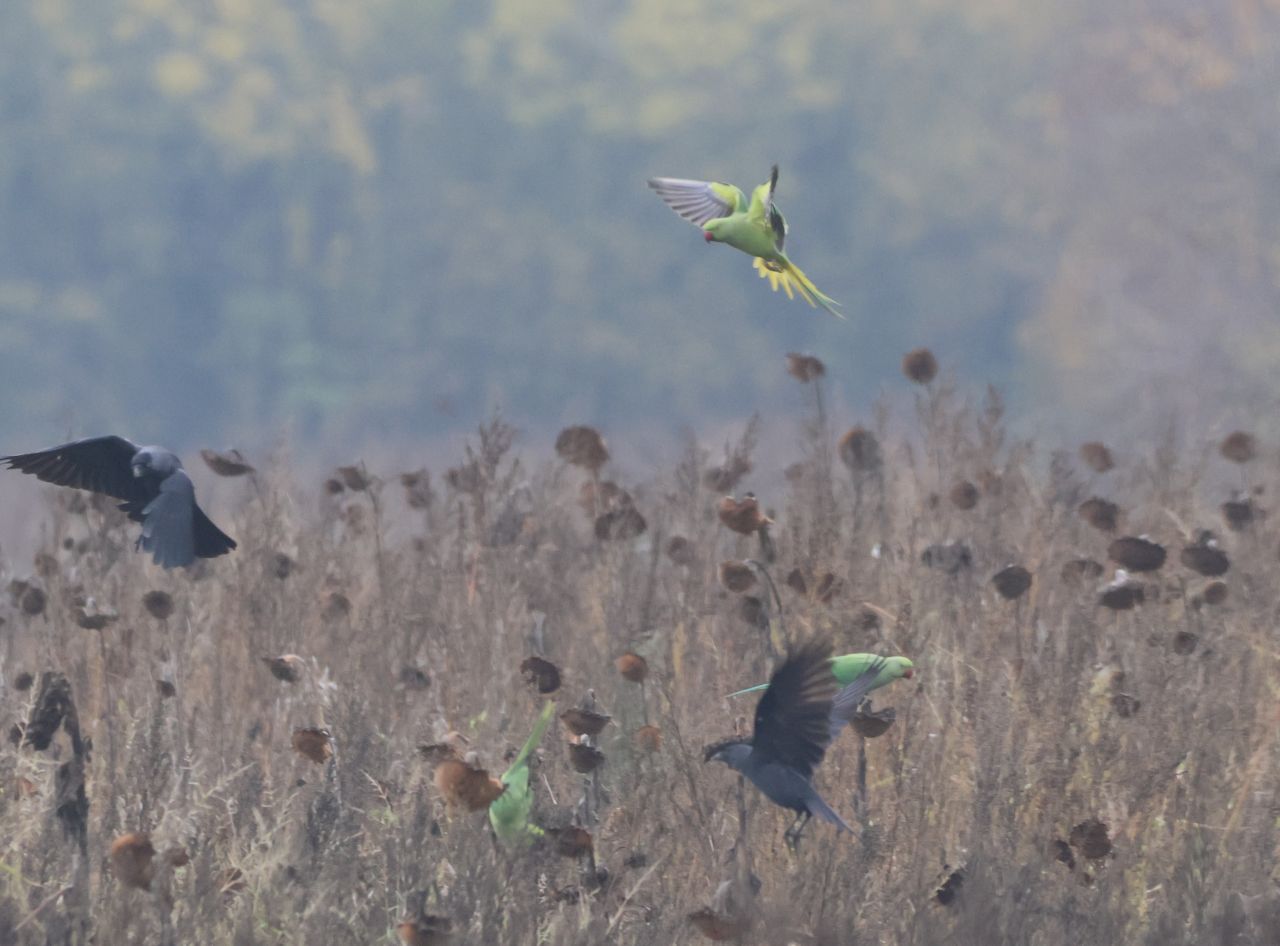
Jackdaws with ring-necked parakeets feeding on sunflower heads, Prews farm, Send.
A group of jackdaws had gathered to join in the feed.
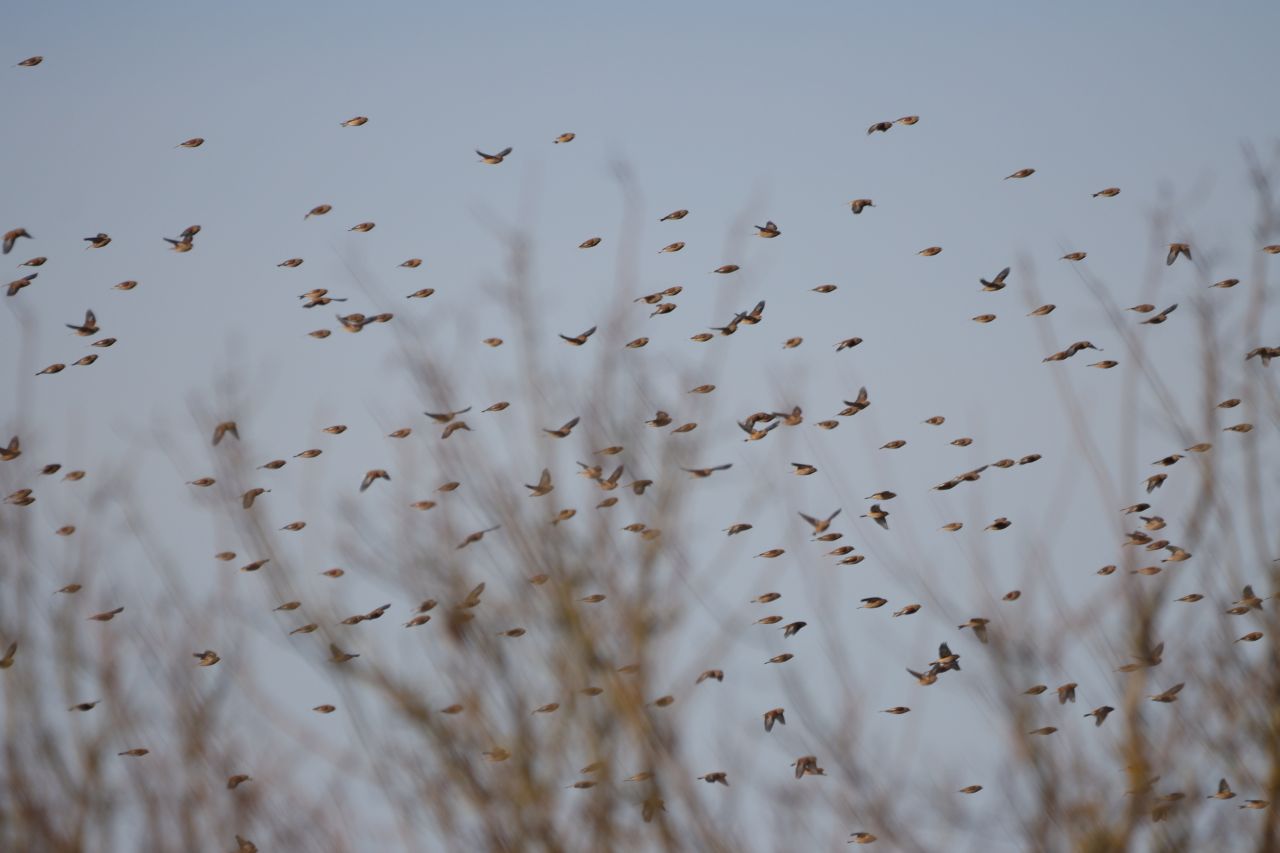
Linnets, Prews Farm.
Flocks of linnets continued to grow in number since our previous visits a few weeks ago.
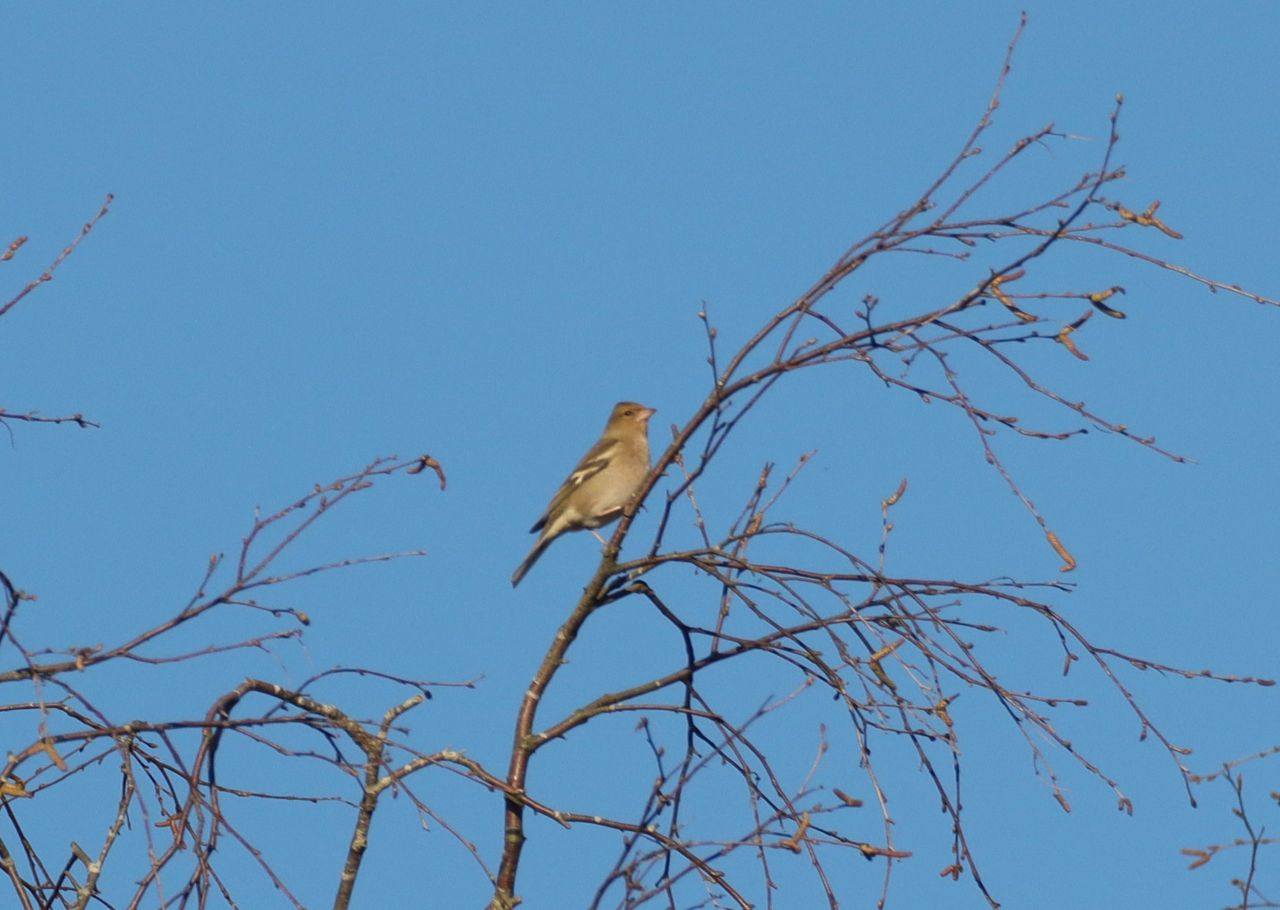
Chaffinch.
Numerous flocks of chaffinches were also present.
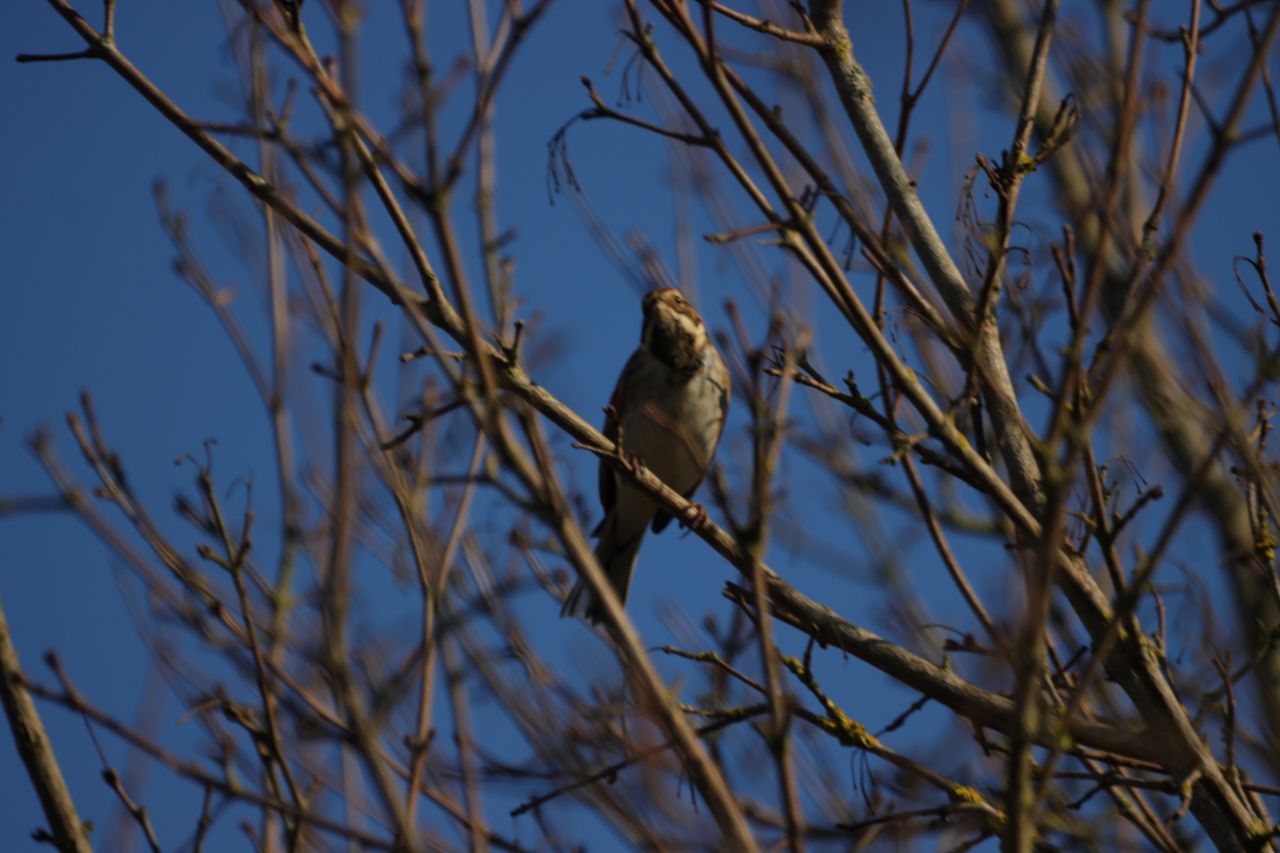
Reed bunting, Prew’s Farm.
And although light conditions that day remained unfavourable for photos, several reed buntings could be picked out.
And a pair of ravens could be heard and glimpsed across the fields.
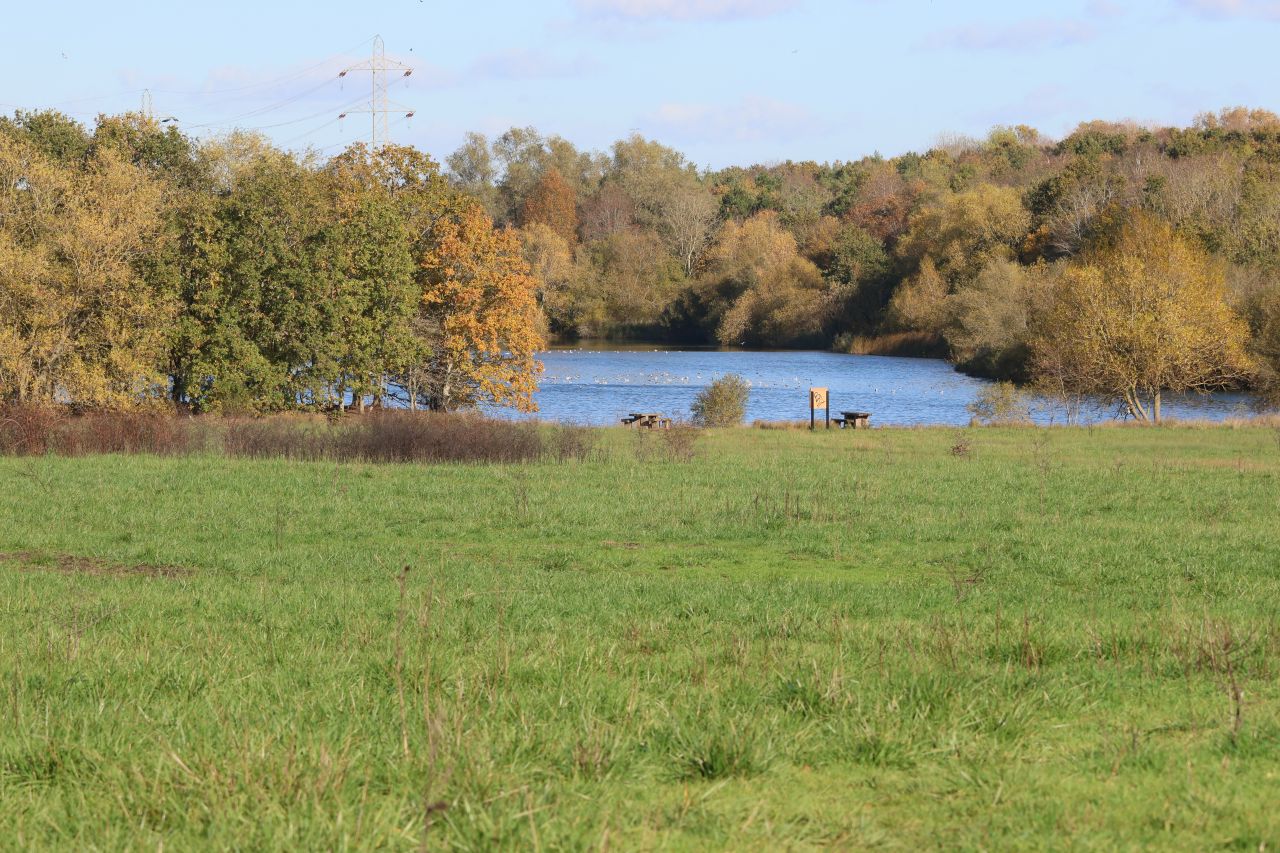
Stoke Lake, Riverside Nature Reserve.
By November 10, although there were slightly brighter conditions, daytime temperatures had dropped into high single figures Celsius when I visited the Riverside Nature Reserve near Burpham.
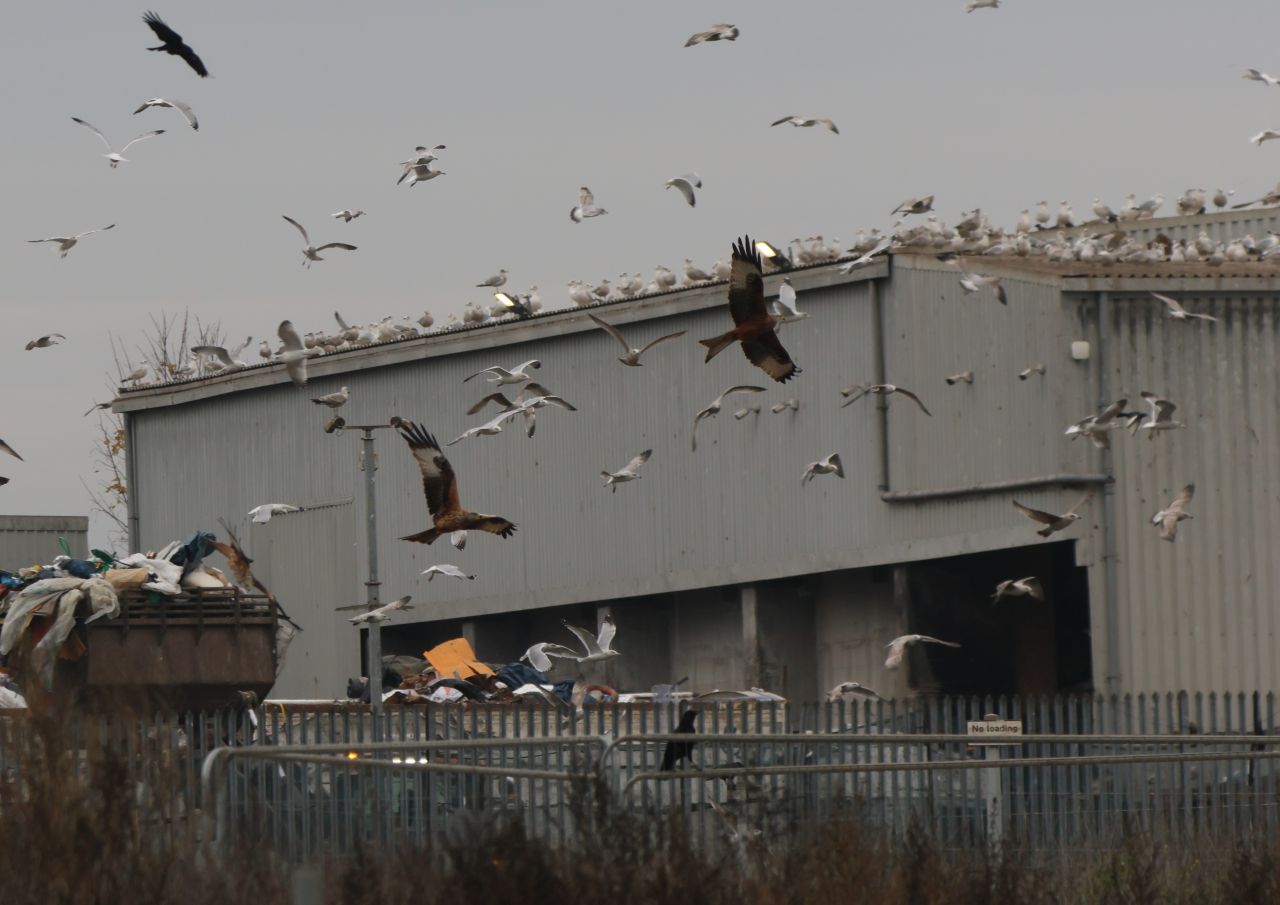
Red kites and gulls at the at Slyfield recycling centre.
Across the River Wey and viewed from the towpath, a minimum of 15 red kites could be counted, circling high and among the many gulls in the area around the recycling centre at Slyfield.
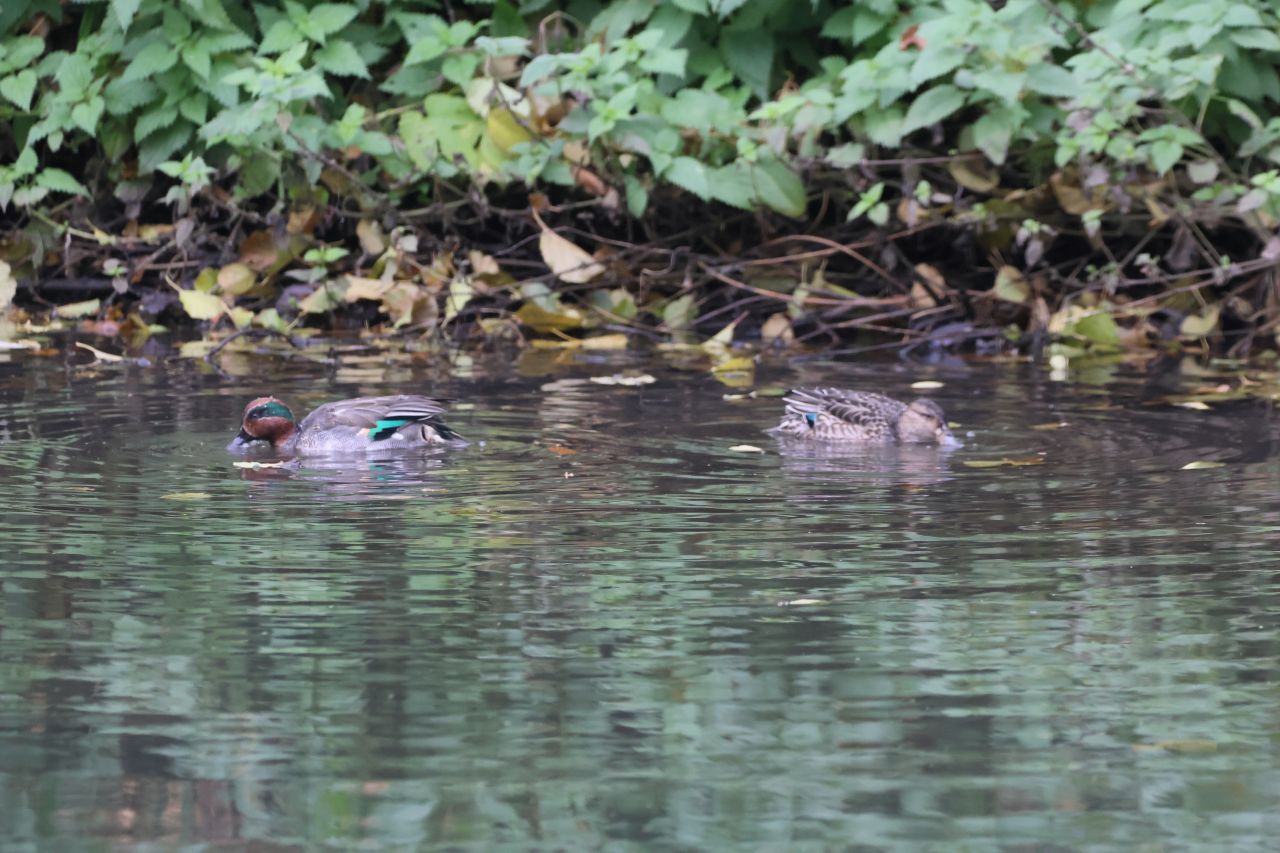
Teal on the River Wey.
Along the towpath a pair of teal could be seen on the water.
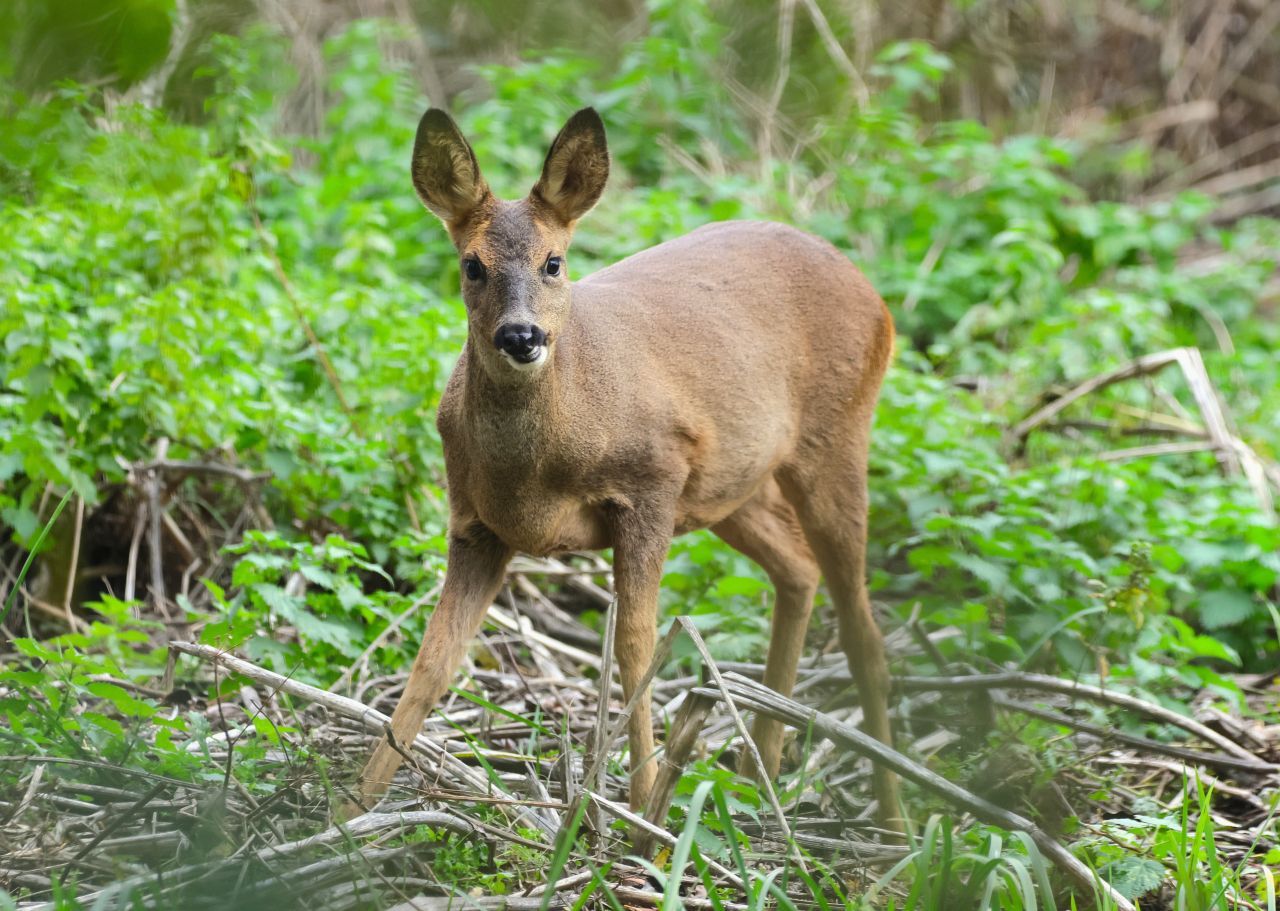
Roe deer, Riverside Nature Reserve.
On Stoke meadows, just beyond the fencing under the sallows, two roe deer could be viewed.
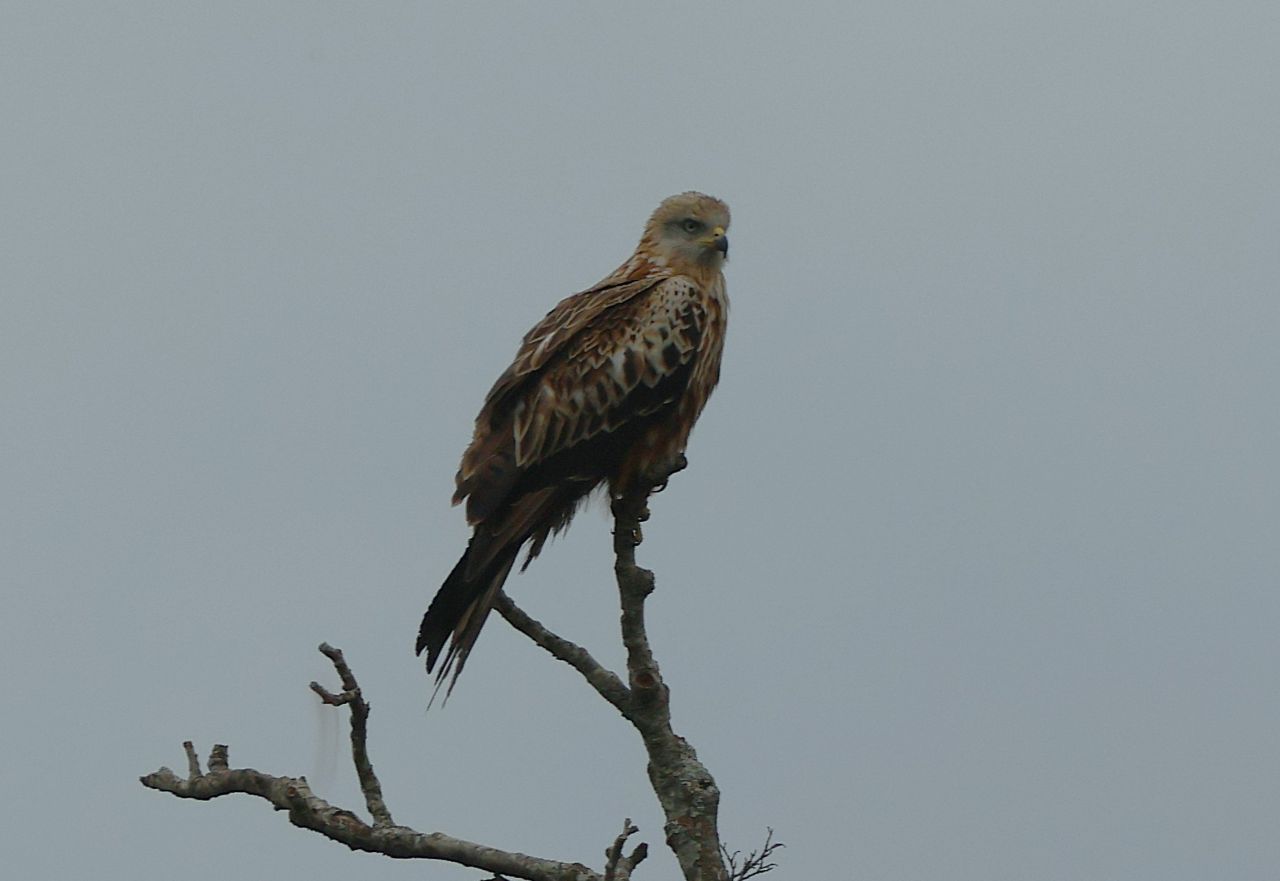
Red kite perched up in tree along the River Wey by the Riverside Nature Reserve.
And one of the many red kites could be seen perched up in a tree along the riverbank.
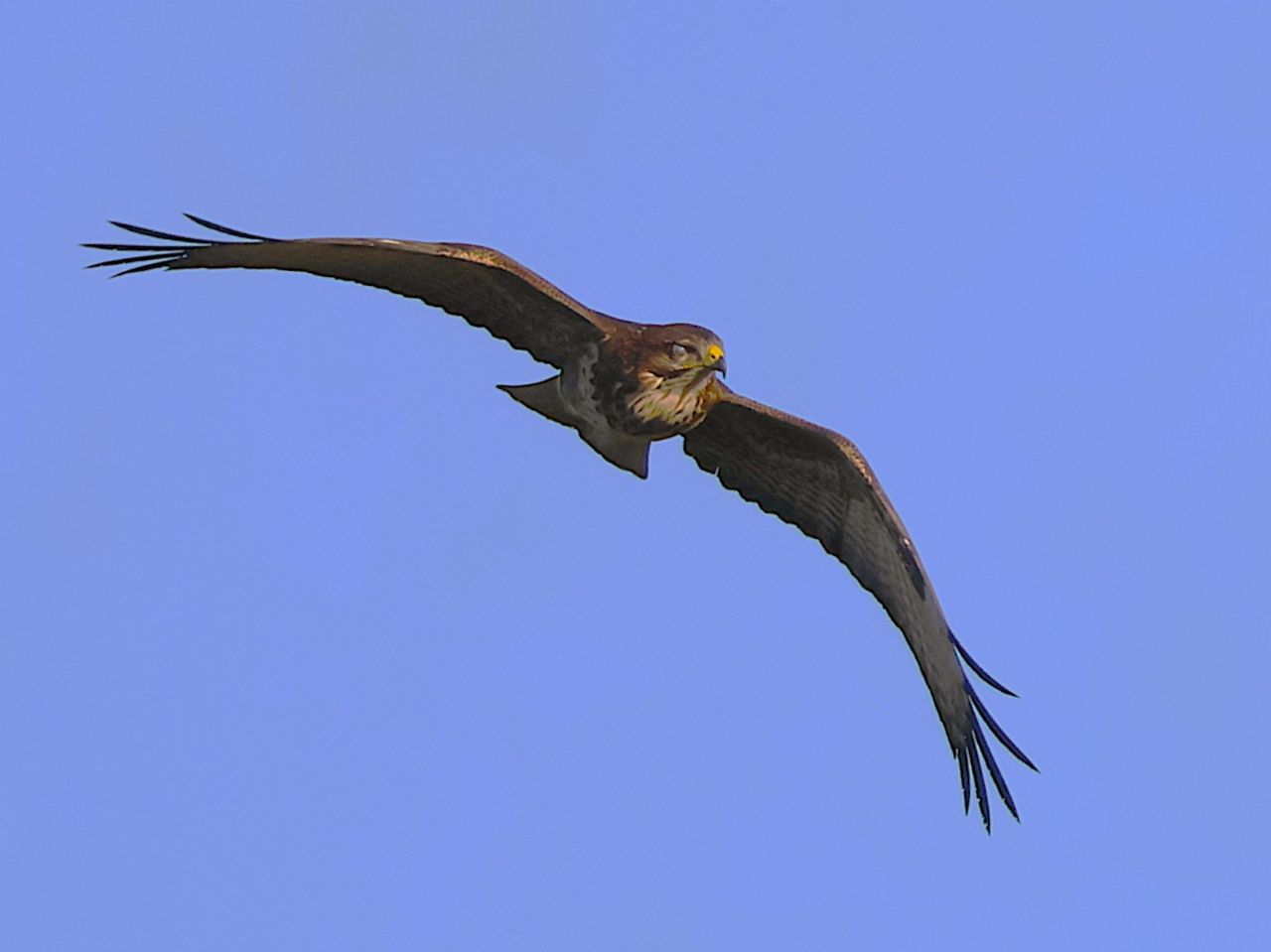
Common buzzard, Riverside Nature Reserve.
While a common buzzard could often be viewed flying low about the reserve .
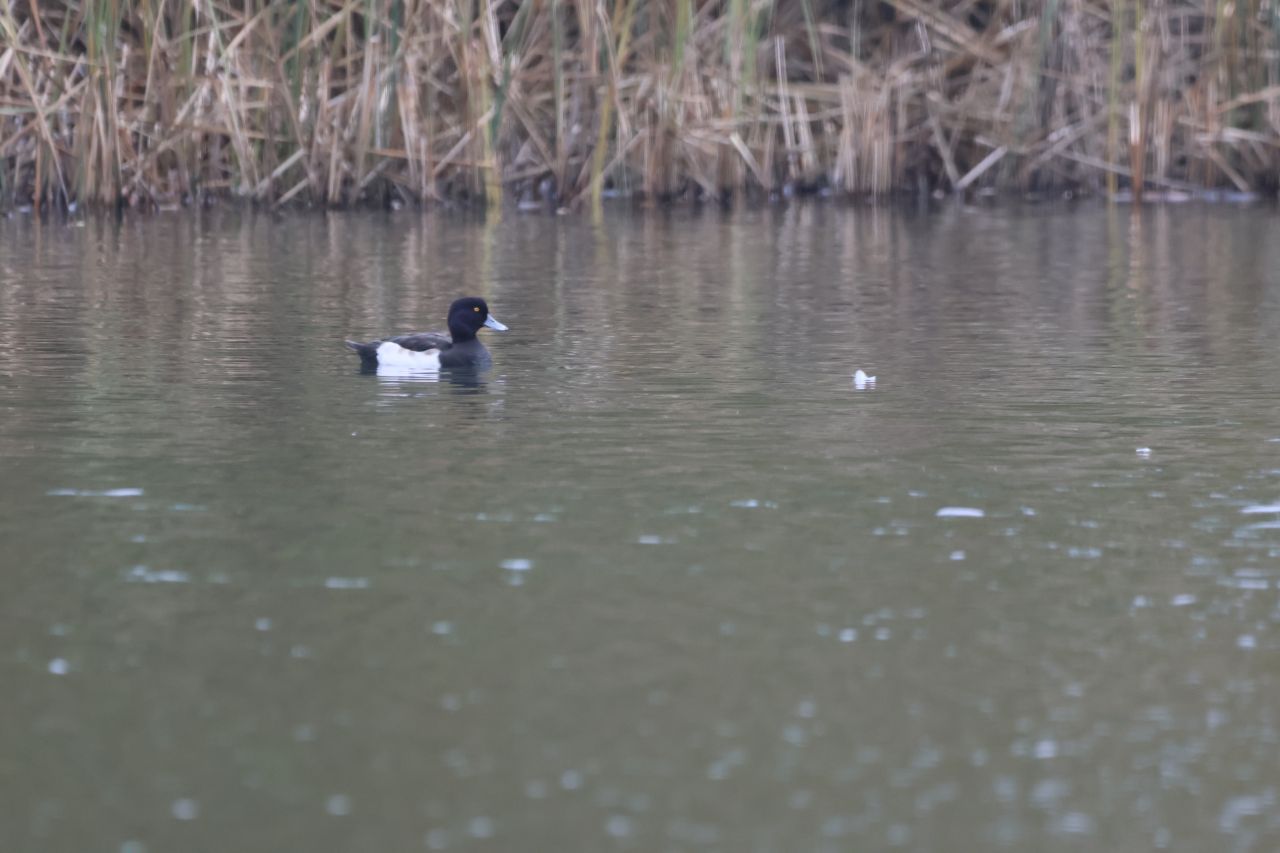
Tufted duck (drake), Stoke Lake.
On Stoke Lake more than 30 tufted ducks could be counted among the gulls present.
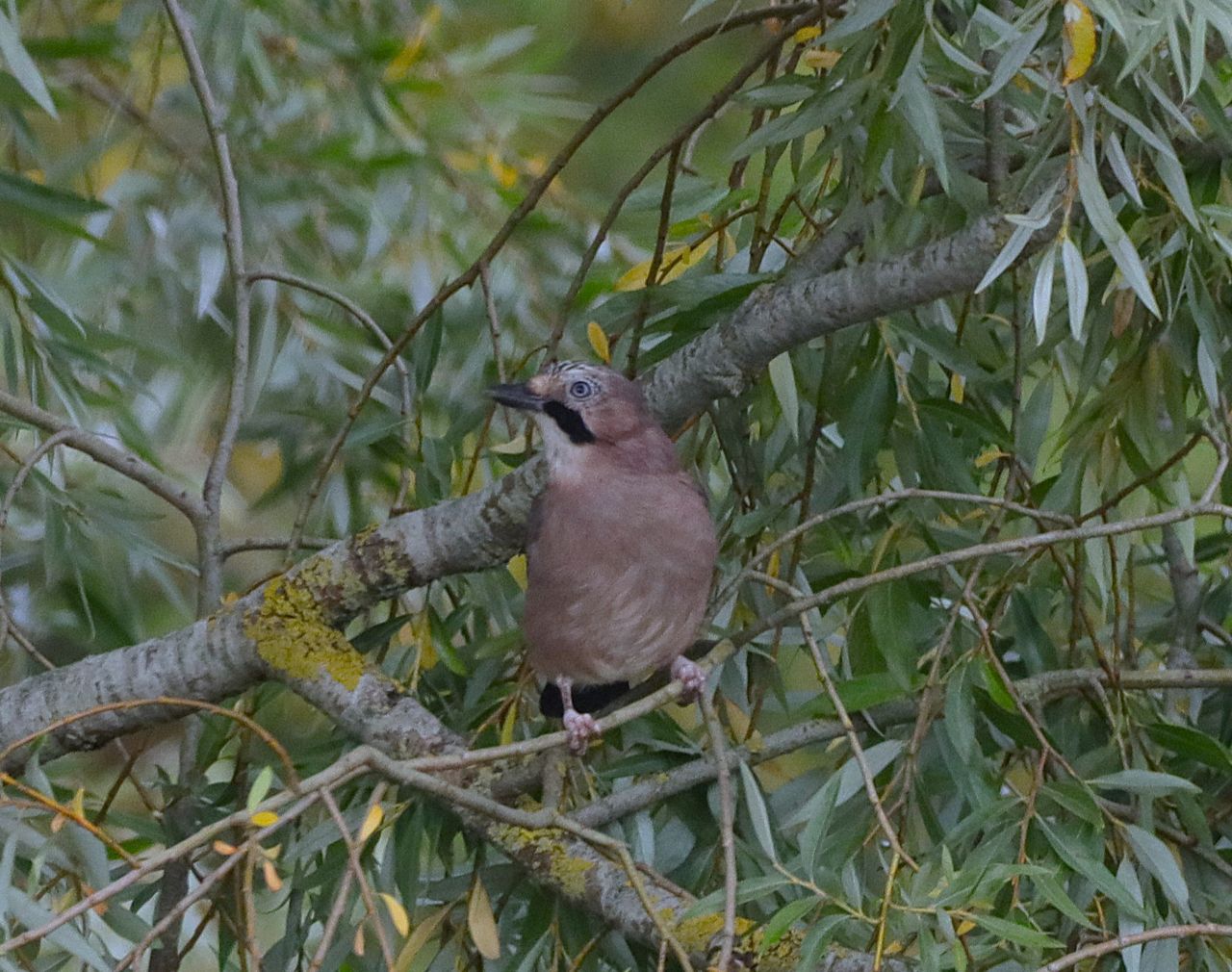
Jay, Riverside Nature Reserve.
While about the reserve I was able to add a jay.
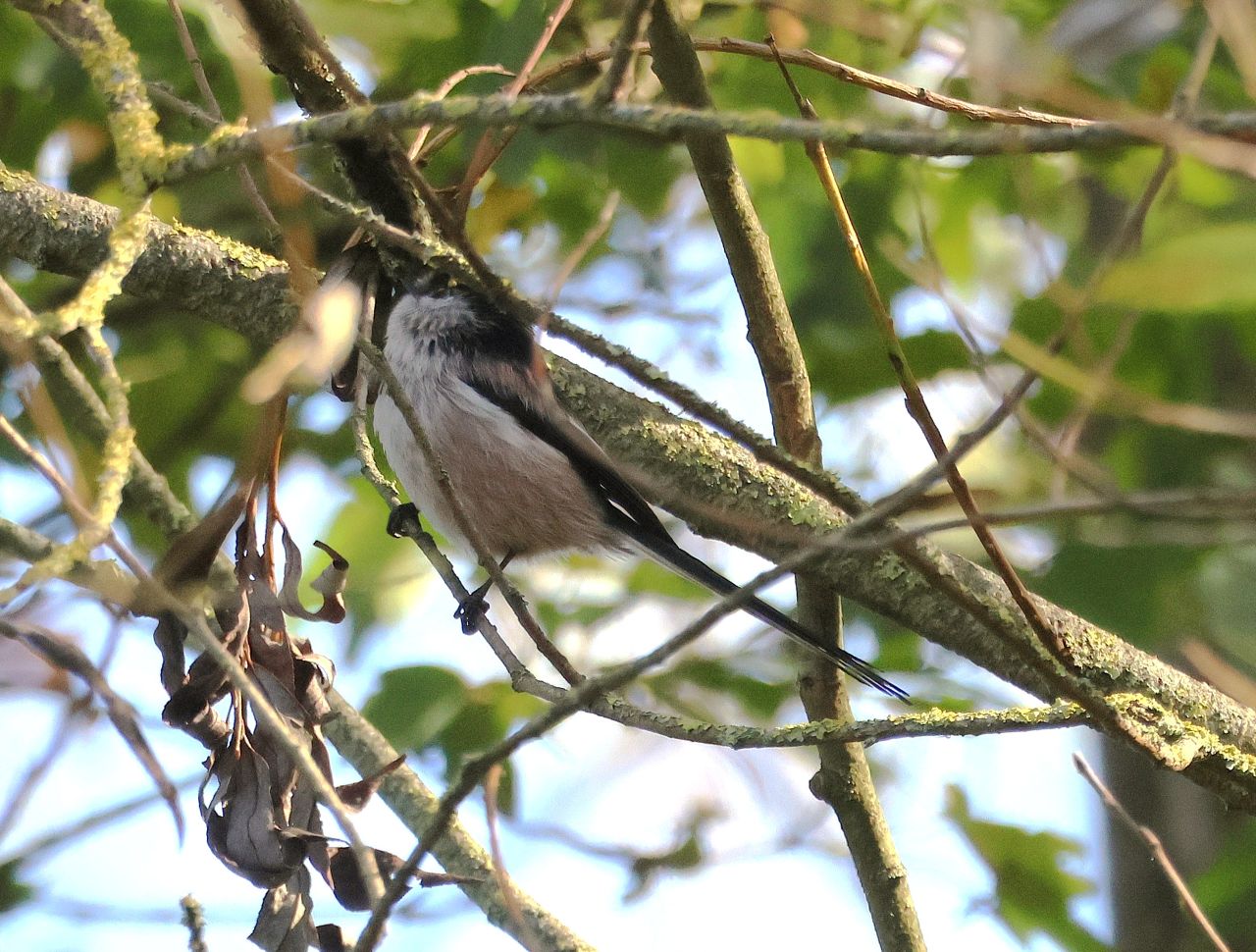
Long-tailed tit, Riverside Nature Reserve.
One of a group of long-tailed tits.
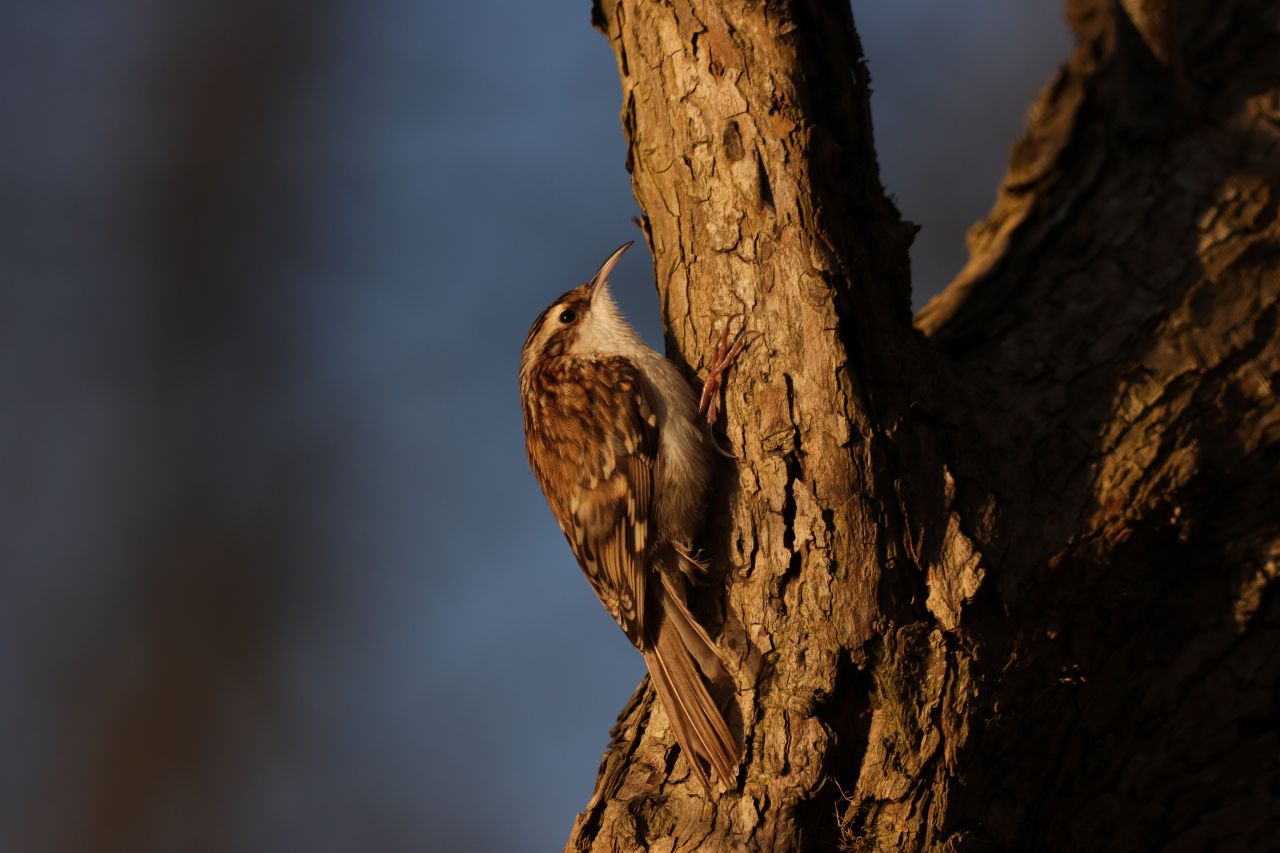
Treecreeper. This one photographed at Britten’s Pond.
And a treecreeper.
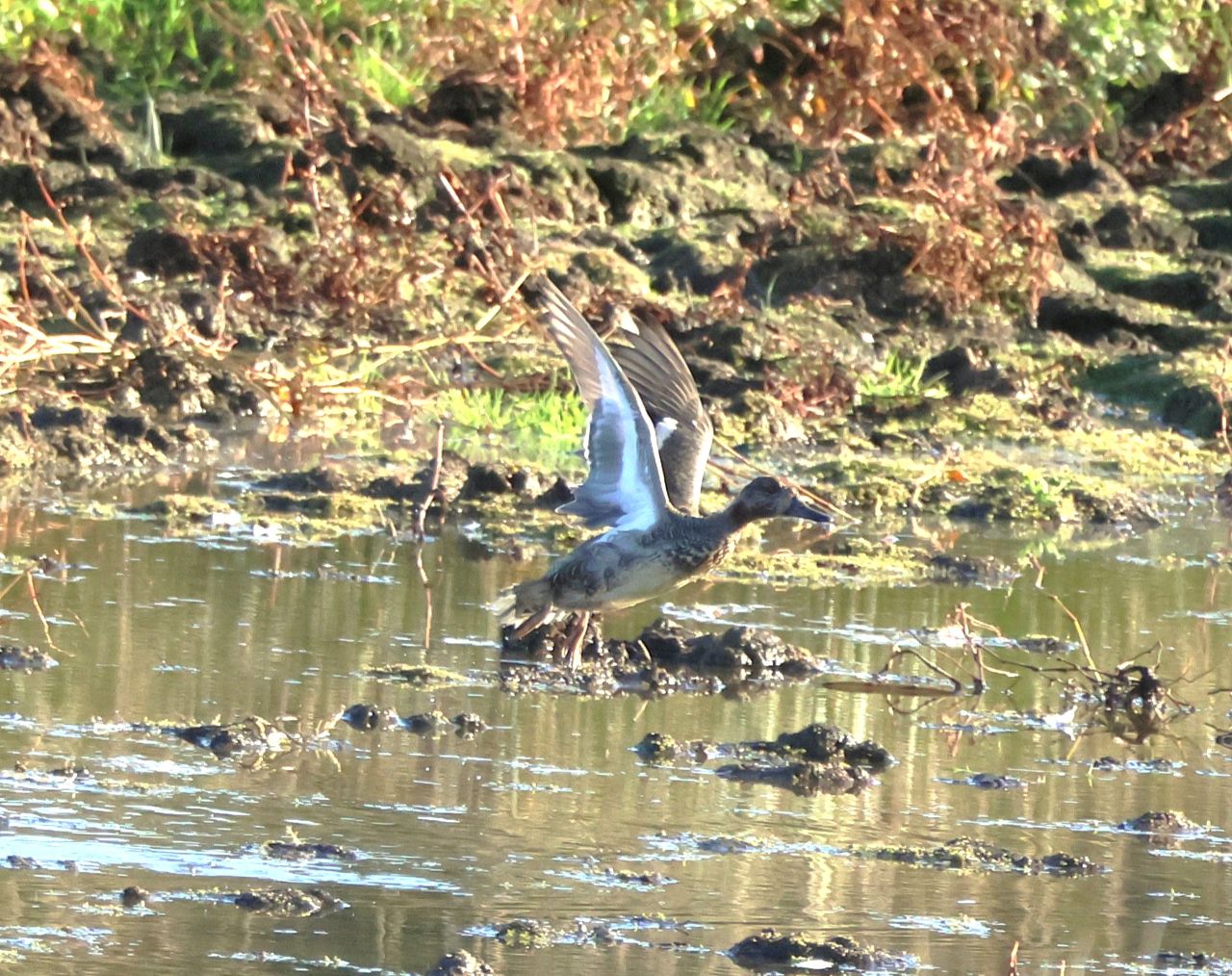
Gadwall on the scrape viewed from Stoke Lock
A few teal and gadwall could be observed in the shallow pool of the now slowly filling scape viewed from near Stoke Lock.
On November 12 we had our first frost of the autumn in Surrey as temperatures fell as low as minus three degrees.
On my visit to St Mary’s Churchyard, Perry Hill, Worplesdon that day I was able to get my first photo of a fieldfare this autumn.
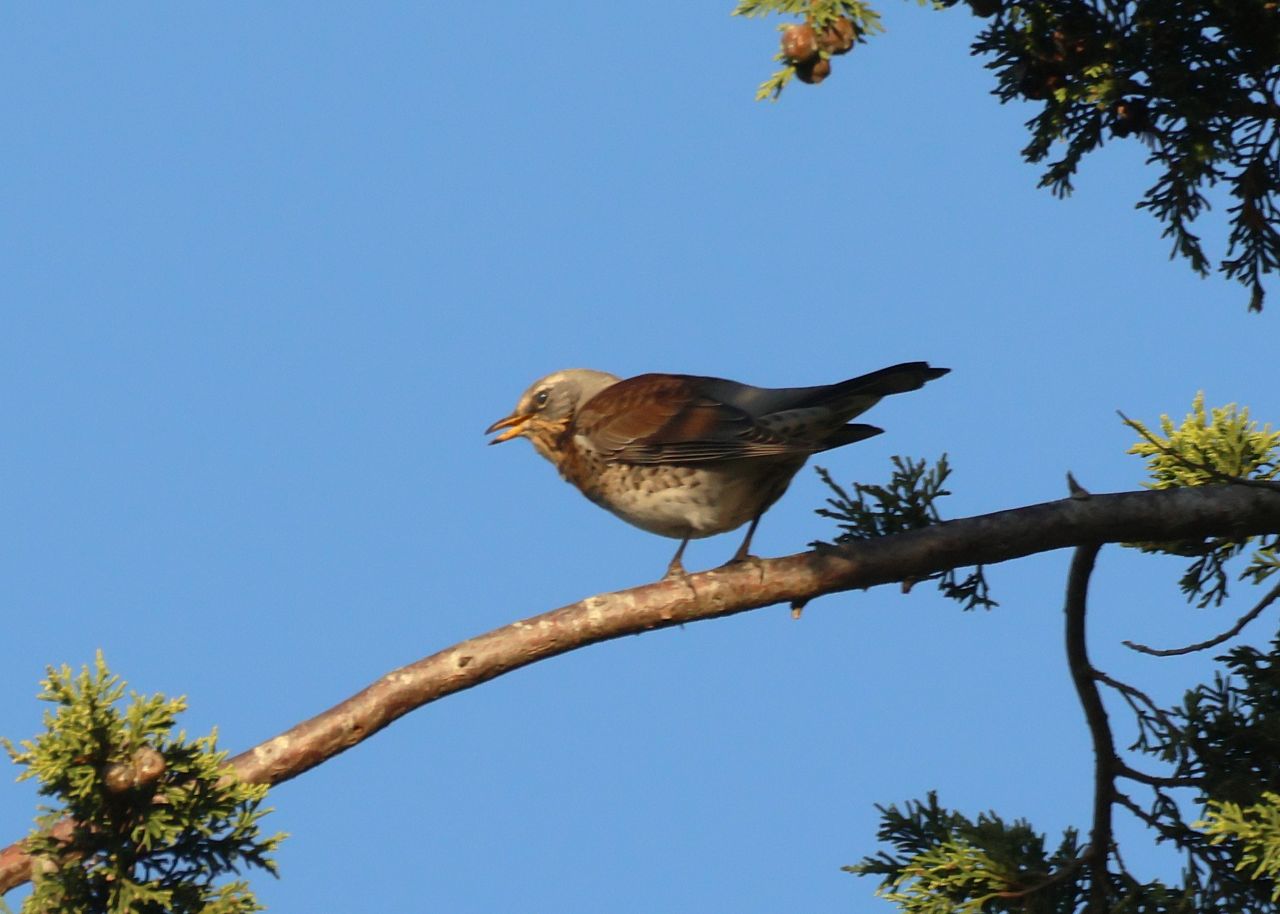
Fieldfare, St Mary’s Churchyard, Worplesdon.
I had heard its “chack chack chack” sound and eventually located it perched high up in one of the conifers.
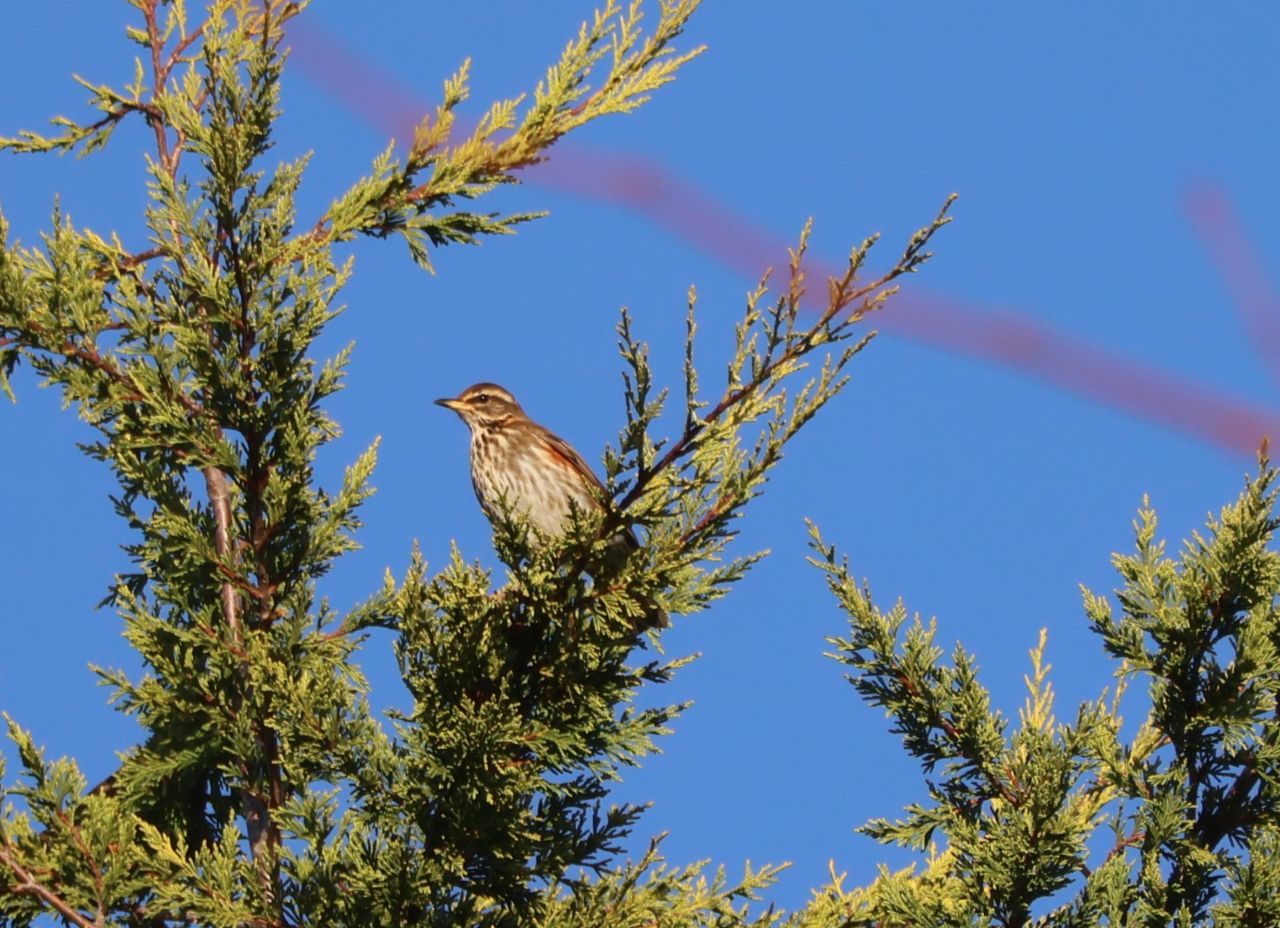
Redwing, St Mary’s Churchyard, Worplesdon.
Now feeding on the holly berries, as well as the remaining yew berries, was a small group of redwings.
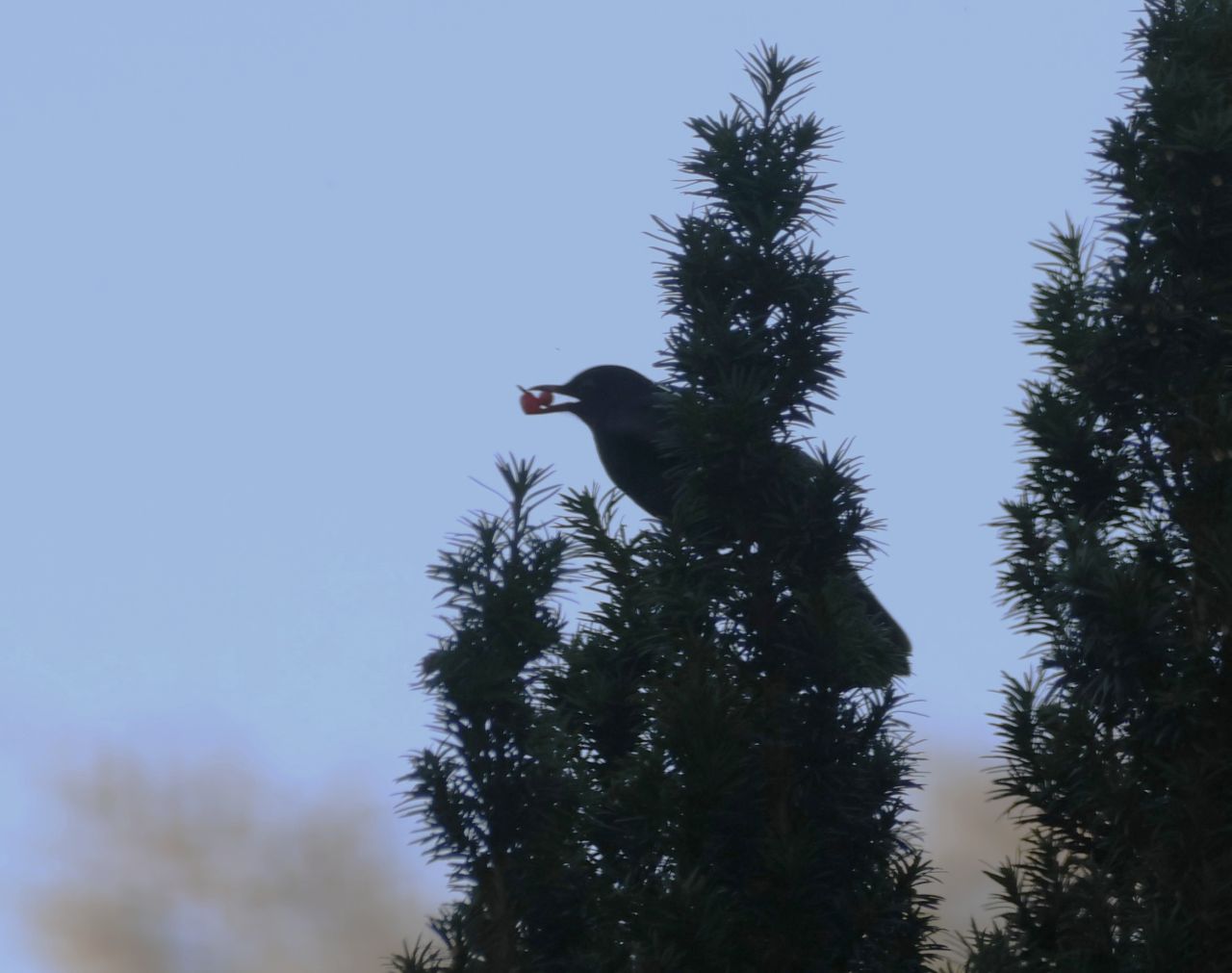
Blackbird feeding on yew berries, St Mary’s Churchyard, Worpolesdon.
A few blackbirds could also be seen and photographed in silhouette feasting on the berry crops as the afternoon sun faded.
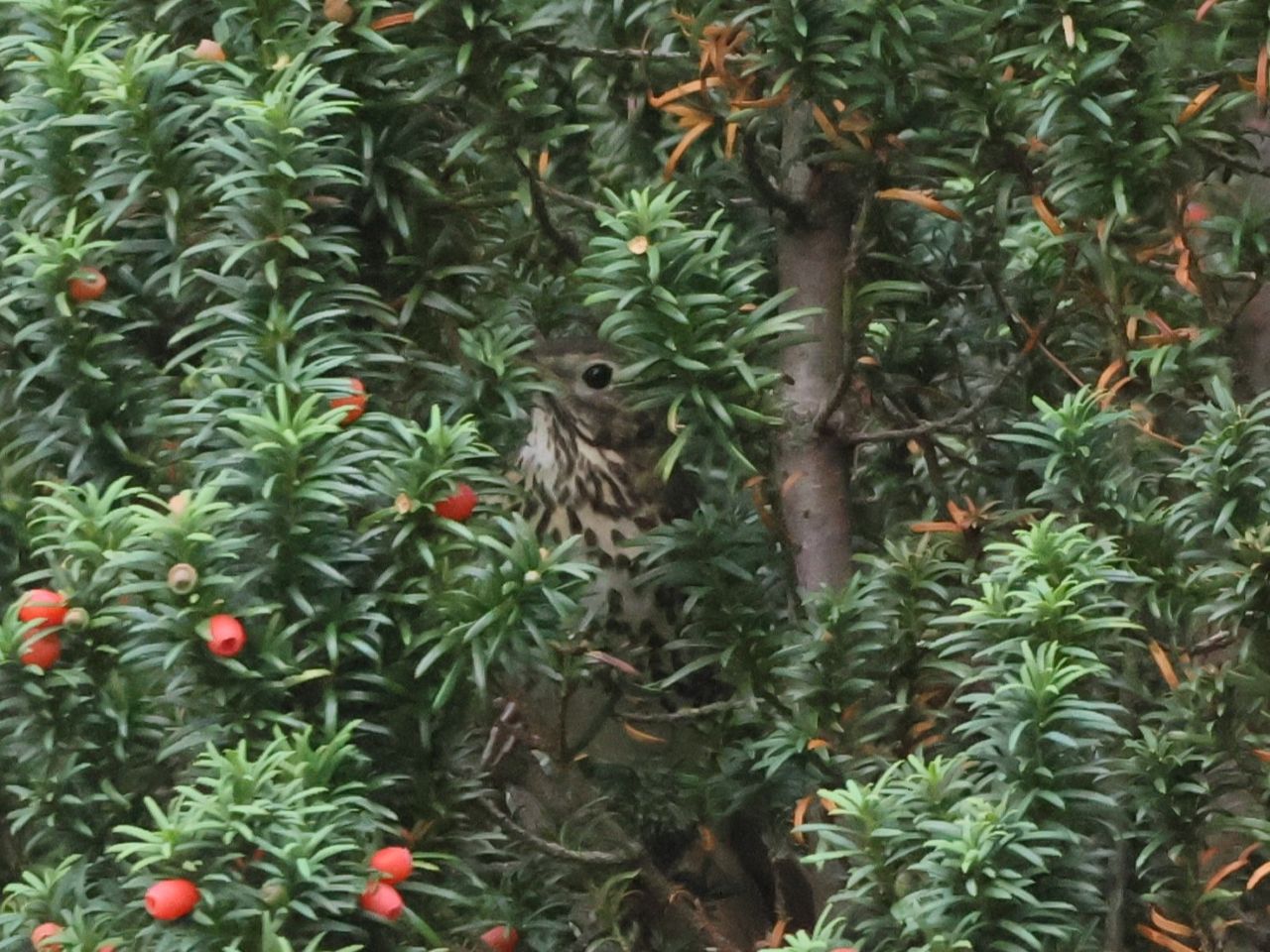
Song thrush hiding in one of the yew trees within St Mary’s Churchyard.
While a song thrush could be heard in song just beyond the churchyard, with another viewed but secluded within one of the yew trees.
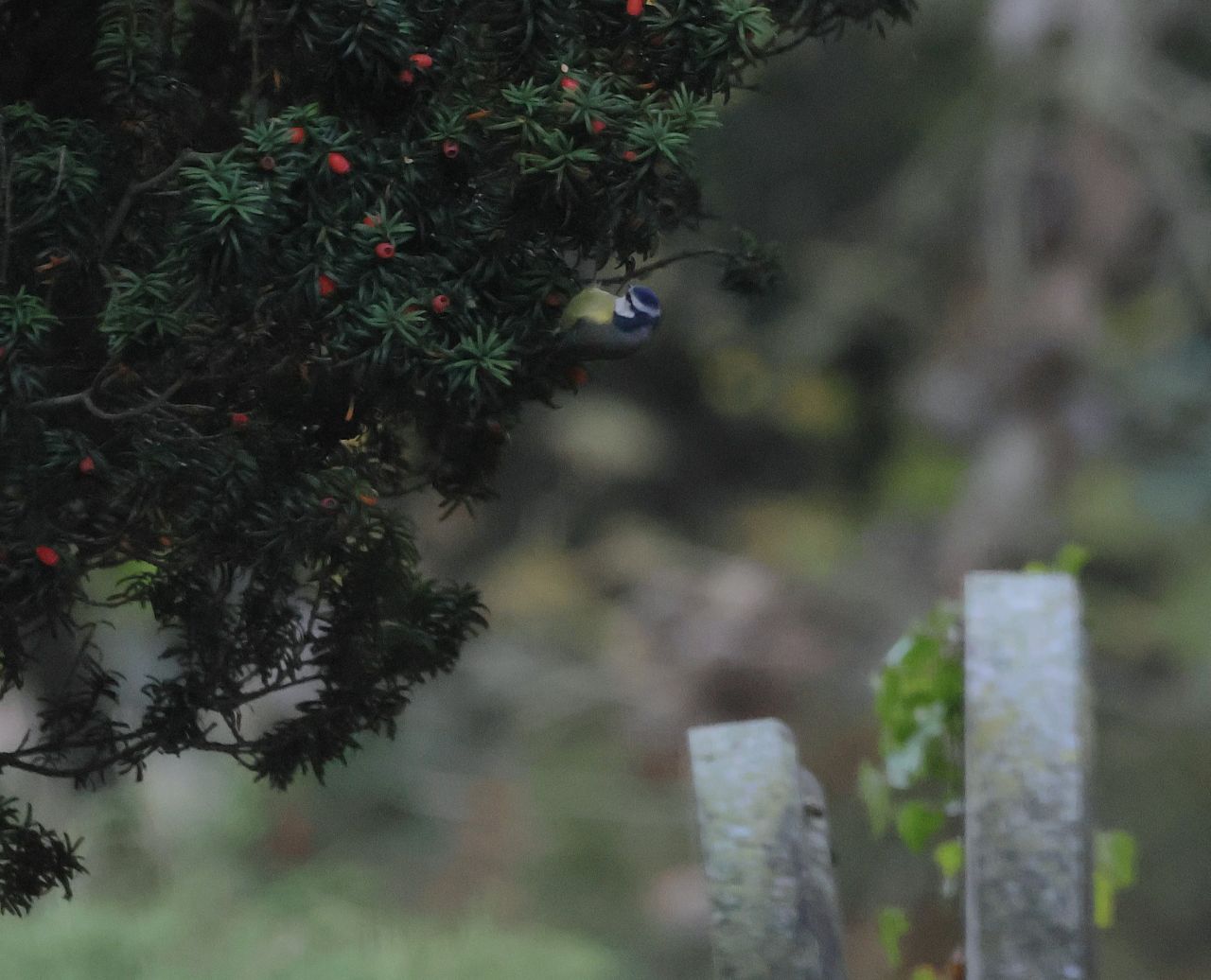
Blue tit nibbling on yew berries.
And a few blue tits could be seen nibbling on the berries.
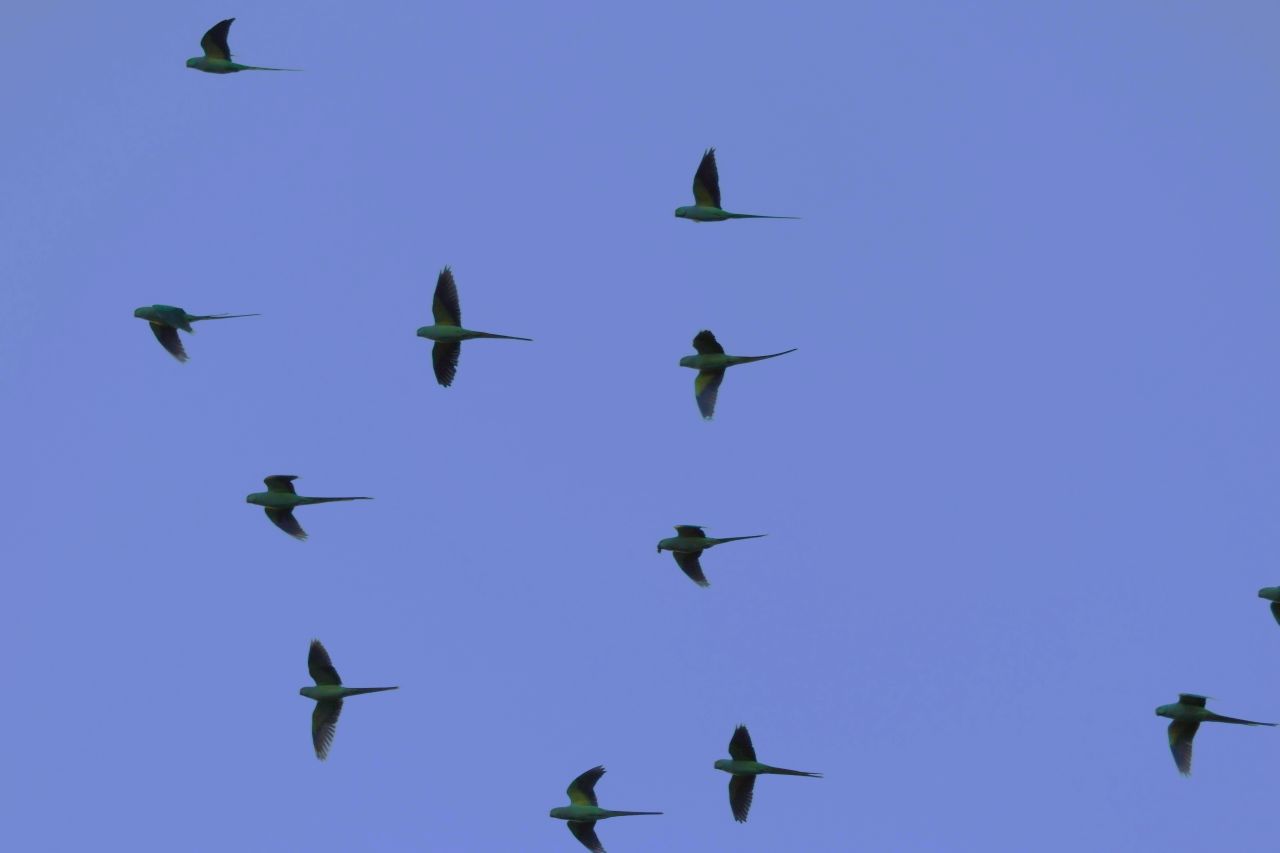
Ring-necked parakeets in flight over St Mary’s Churchyard, Worplesdon.
A group of more than a dozen ring-necked parakeets also flew over.
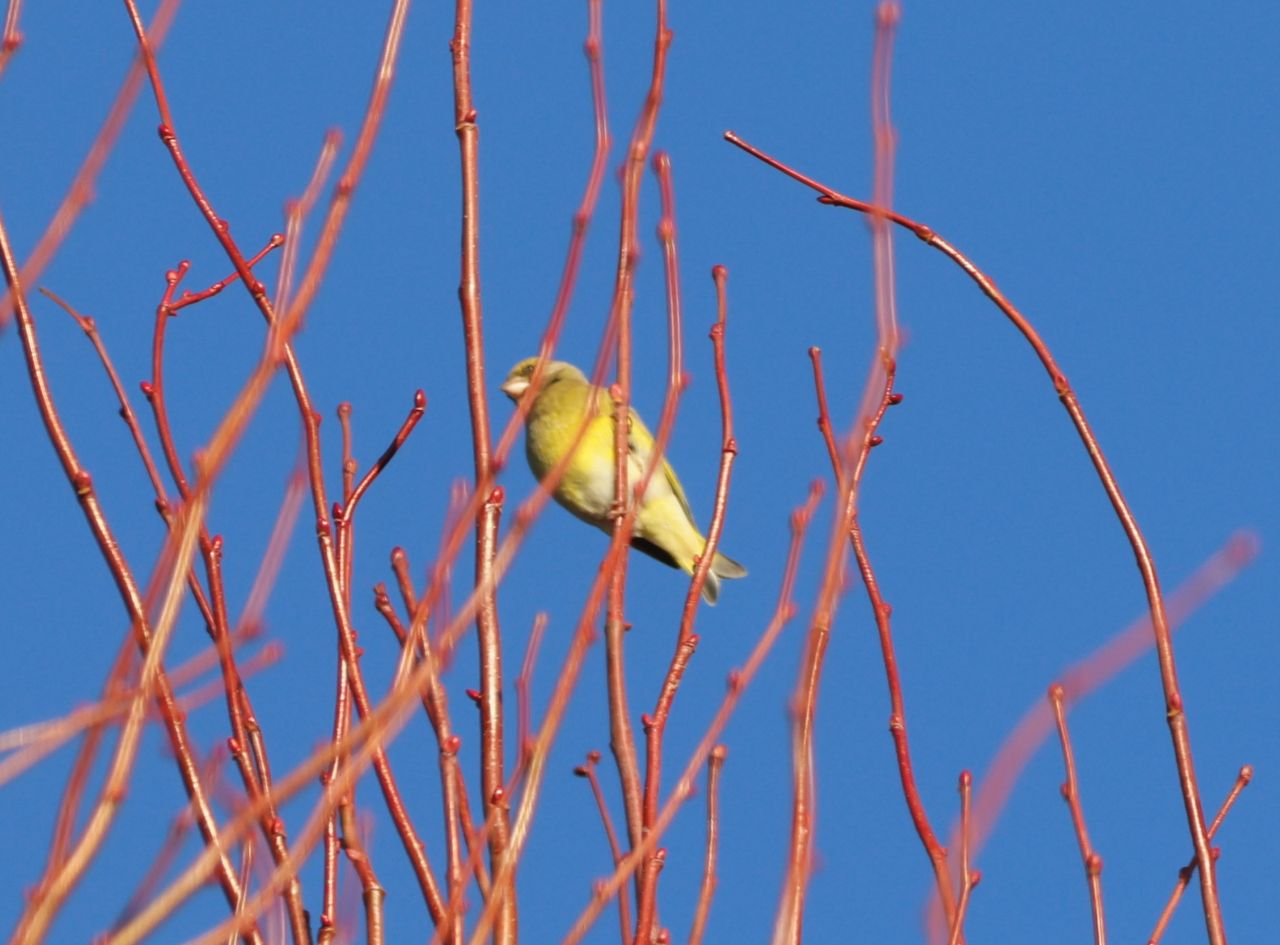
Greenfinch.
And a small flock of four or five greenfinches perched briefly high up in a deciduous tree.
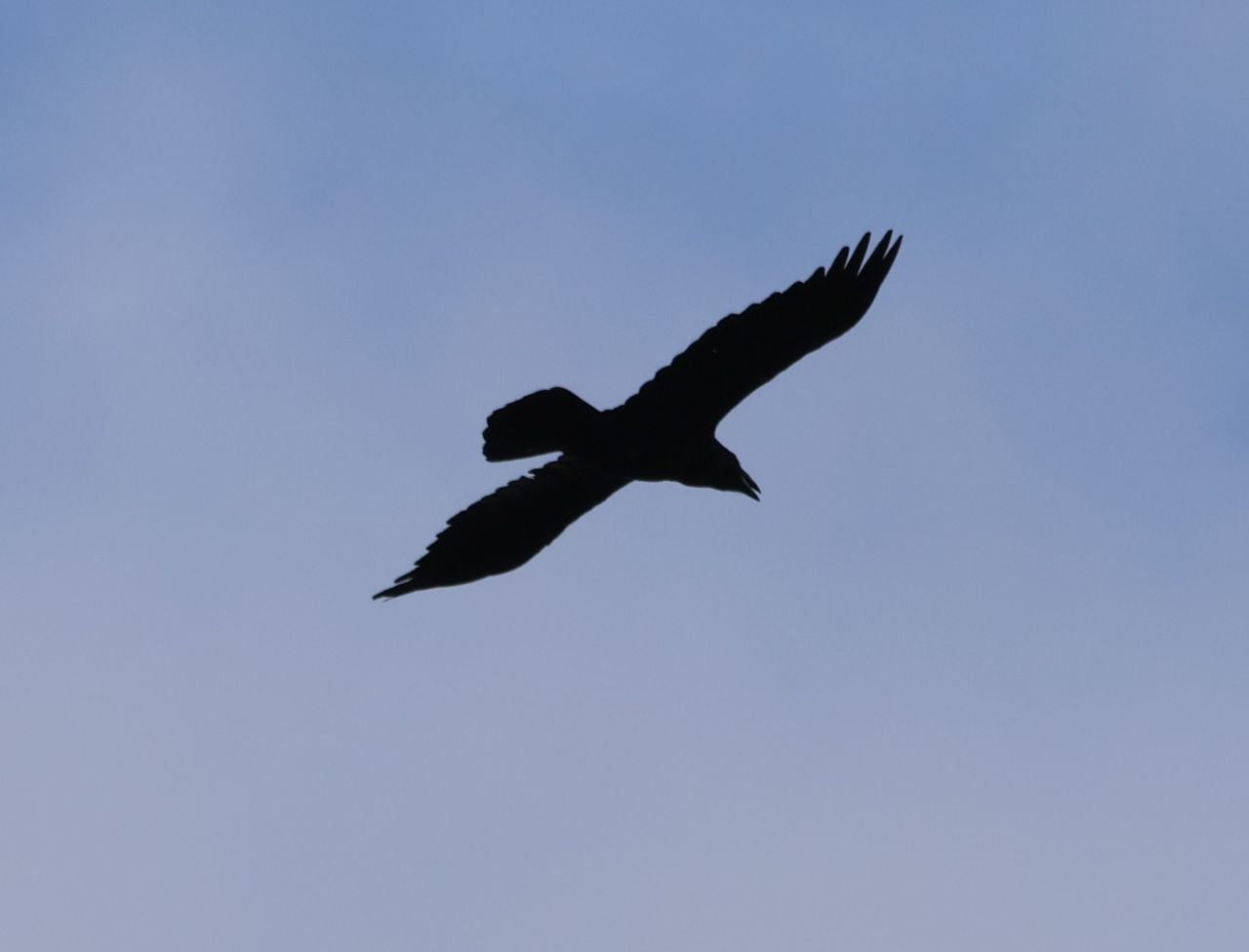
Raven over St Mary’s Churchyard, Worplesdon.
As at Prews Farm, a pair of ravens could be heard, briefly seen as they flew over the churchyard at Worplesdon.
On November 14, back in the company of Bob and Dougal, I was invited on a trip following reports of a rare American Franklin’s gull that had been seen in a field in Lanham Lane, Winchester.
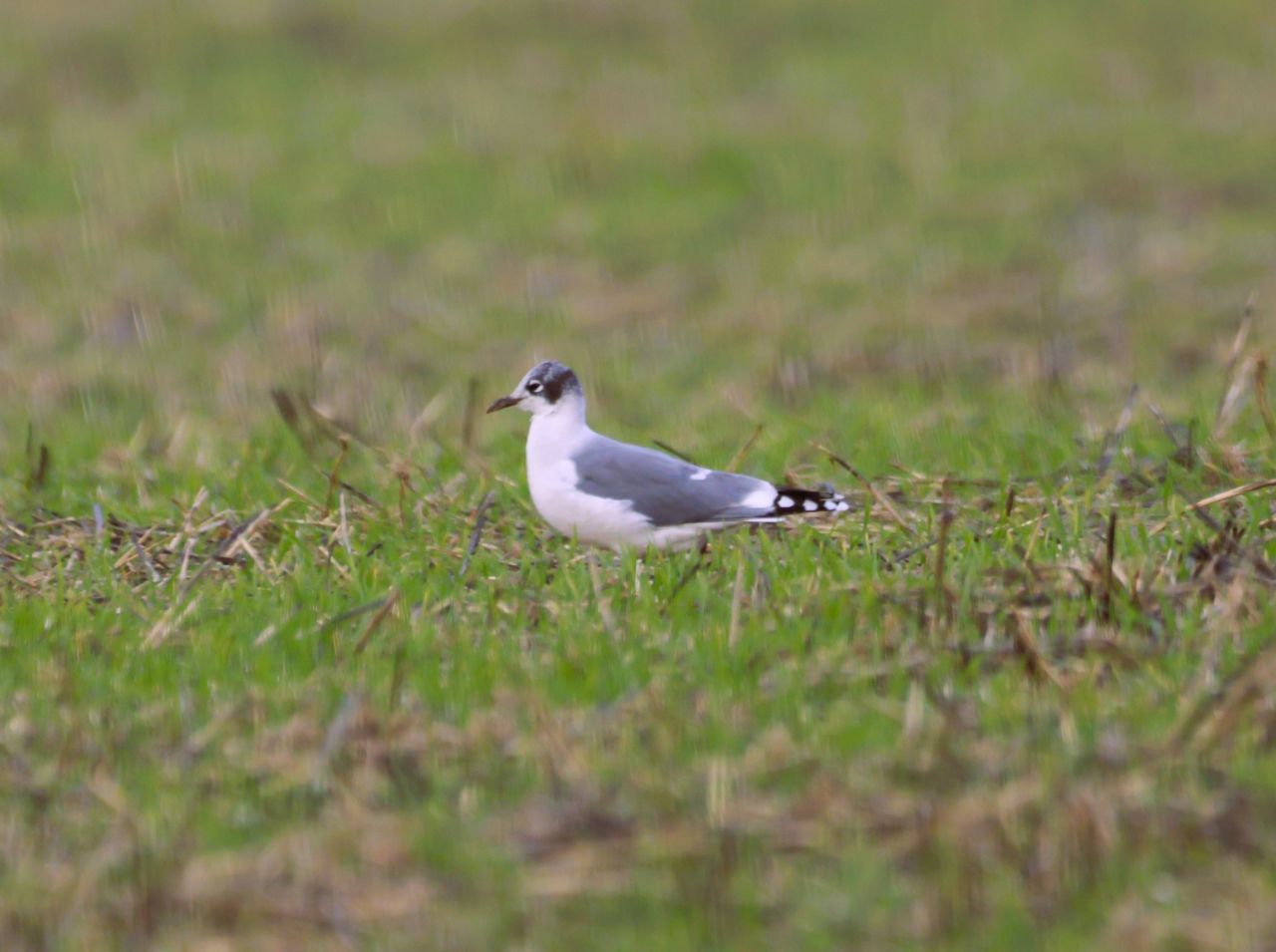
Franklin’s gull, Lanham Lane, Winchester.
Now in its second winter plumage, it had found its way across the Atlantic. It was first sighted on November 10, residing among a small gull population feeding on the farmland there.
Franklin’s gulls are native to North America and are named after the Arctic explorer Sir John Franklin.
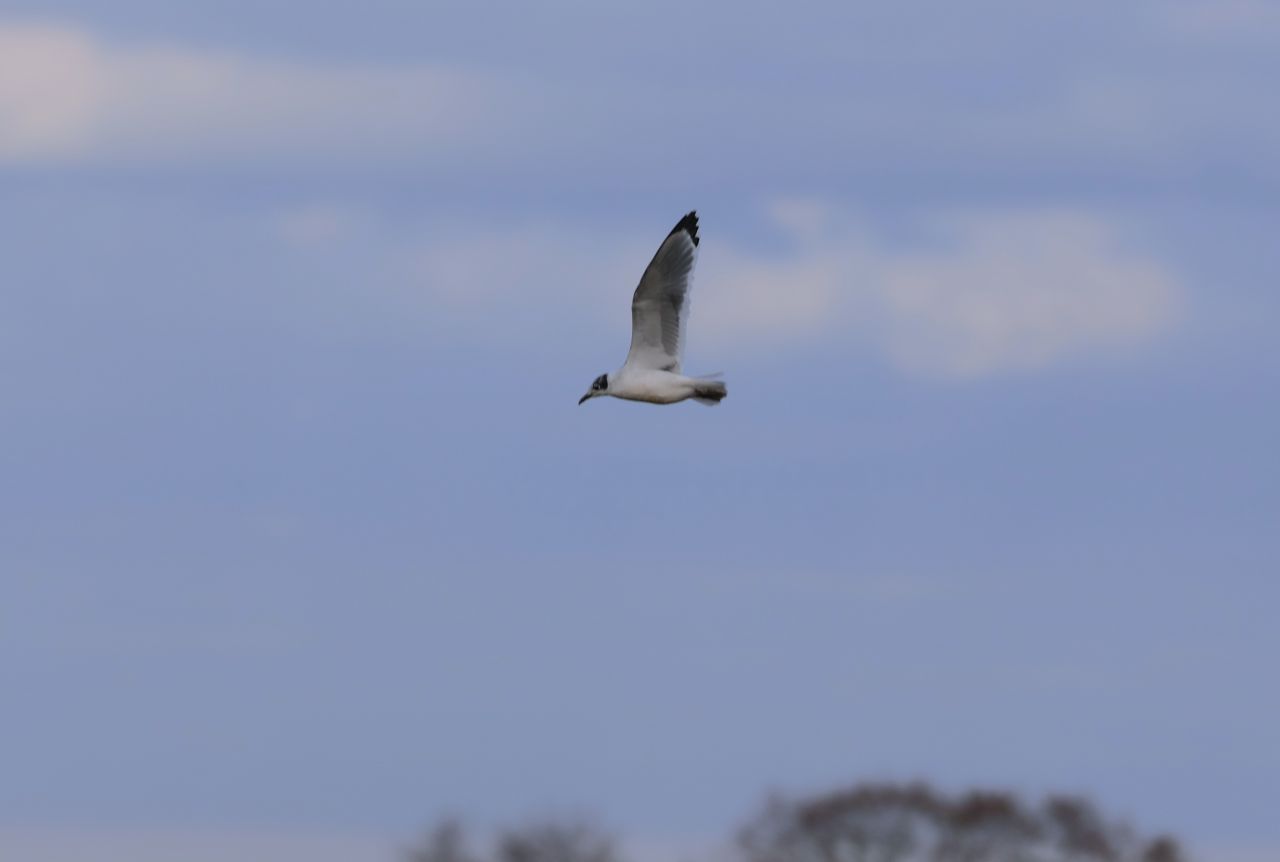
Franklin’s gull, Lanham Lane, Winchester.
During summer months they develop a black hood and look a little like our Mediterranean gulls.
They breed on inland marshes across northern United States and central Canada.
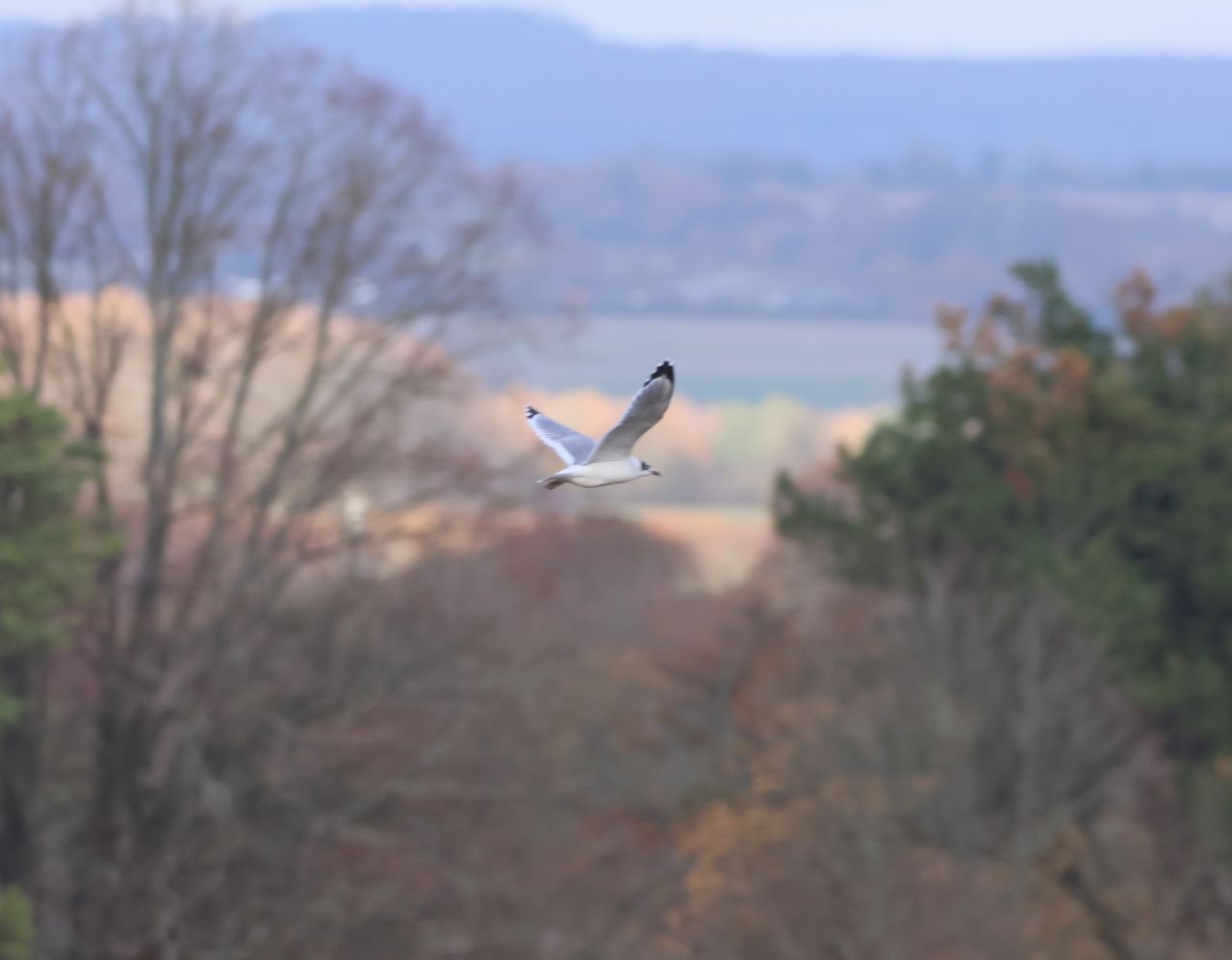
Franklin’s gull, Lanham Lane, Winchester.
In autumn they take a long migration down to South America to the Pacific coastal regions and mostly winter in Peru and Chile.
Share This Post




"But I was sure that at least Guildford, in Surreyland, would make me an Alderman. Such a nice robe." (Click here to see: Proposed List of Honorary Aldermen Rejected - Cartoon AI assisted.)











Recent Comments