- Stay Connected

Socialize

 Abraham Lincoln
If given the truth, the people can be depended upon to meet any national crisis...
Abraham Lincoln
If given the truth, the people can be depended upon to meet any national crisis...

 Guildford news...
for Guildford people, brought to you by Guildford reporters - Guildford's own news service
Guildford news...
for Guildford people, brought to you by Guildford reporters - Guildford's own news service
Birdwatcher’s Diary No.335
Published on: 22 Sep, 2025
Updated on: 22 Sep, 2025
By Malcolm Fincham
Heavy showers and longer spells of rain continued as we moved into first meteorological week of autumn.
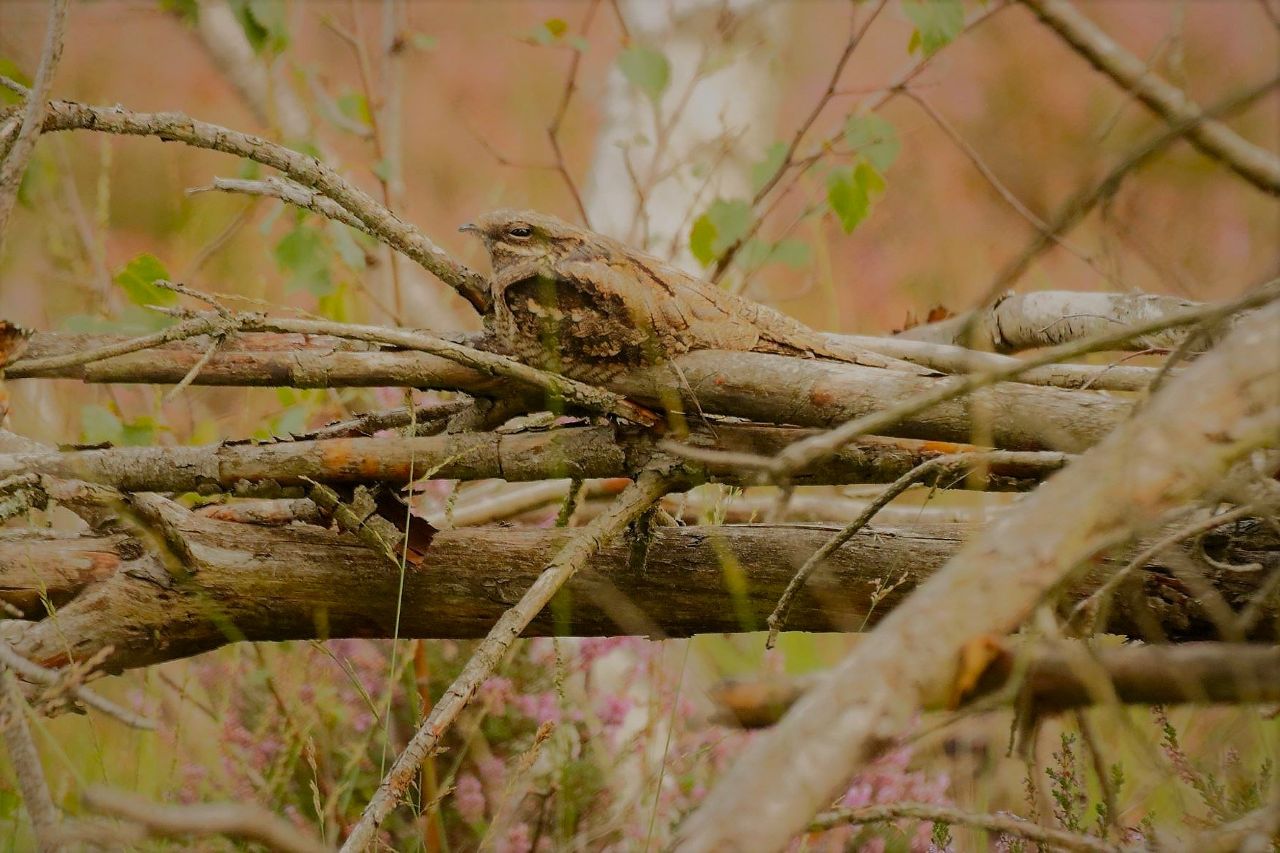
Nightjar. Whitmoor Common.
Although a regular visitor to Whitmoor Common and having regularly seen nightjars in flight there after dusk throughout the summer, September 1 was my first, and last time this year, I was fortunate enough to spot one in a daytime roost.
The nightjar was on a log pile within distance of my binoculars and camera lens, most probably just within days of it making its long journey back to its winter home in Africa.

Kestrel, Pewley Down.
Several visits to Pewley Down during the early days of the month continued to elude me of any sightings of a brown hairstreak butterfly. It did, however, allow me extended views of two kestrels hunting along the south-facing downland.
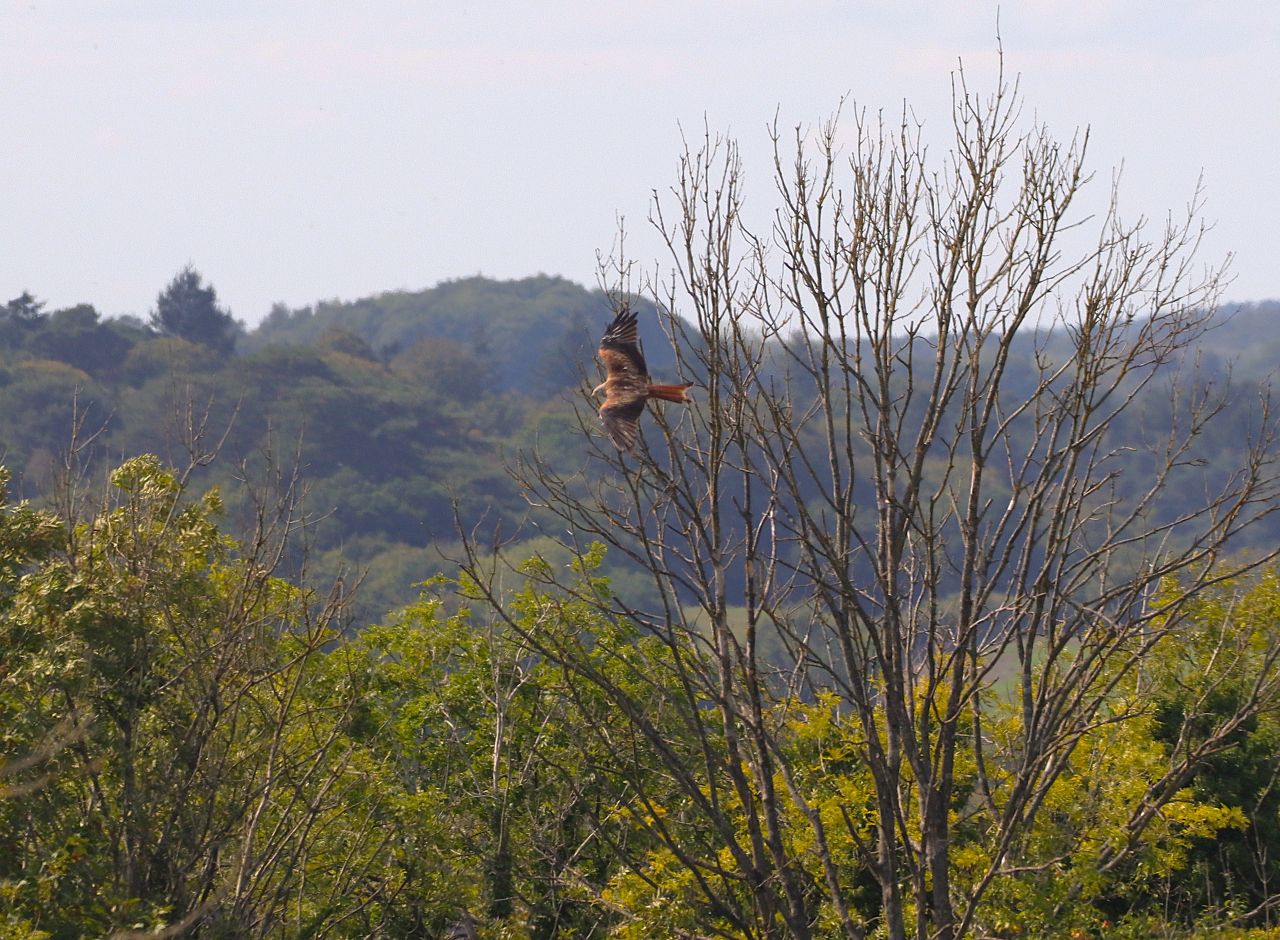
Red kite, Pewley Down.
Also adding a confiding red kite passing through low across the hillside.

Slow worm, Pewley Down.
On the north-facing slopes I was also able to capture a poor quality record shot of a slow worm. I only just avoided treading on it as it slithered across the path.

Stonechat, Pewley Down.
A few stonechats perched up within view.
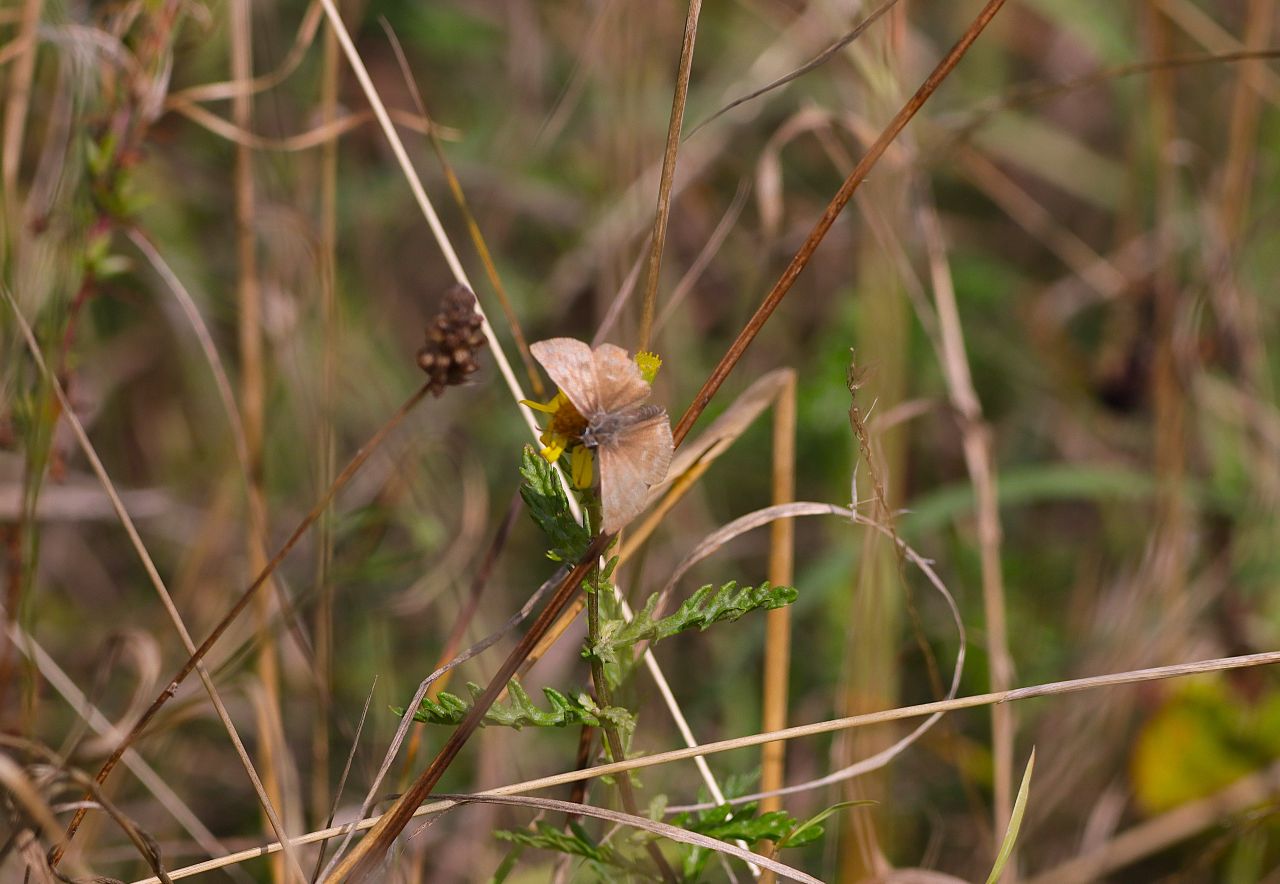
Dingy skipper butterfly, Pewley Down.
As well as getting a photo of what was probably my most dingy-looking, second brood, dingy skipper butterfly.
On September 4, in the company of Dougal, we visited the Riverside Nature Reserve near Burpham. With temperatures remaining in the low 20s Celsius and remaining dry with sunny spells, numerous butterflies could still be seen on the wing, counting nine separate species on our transect around the reserve.

Green-veined white butterfly, Riverside Nature Reserve.

Small white butterfly.
Most abundant were the white butterflies, these mostly small whites and green-veined whites.
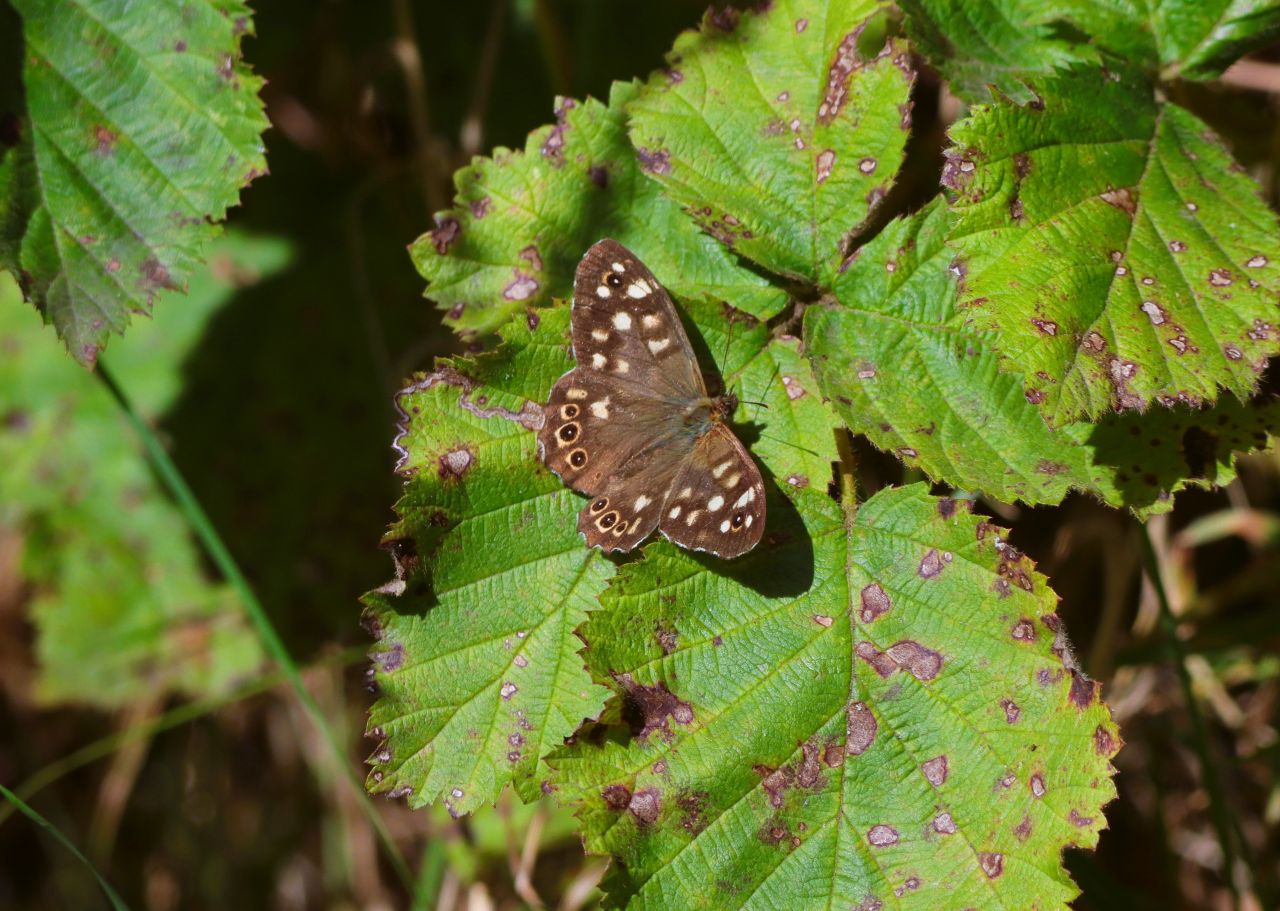
Speckled wood butterfly, Riverside Nature Reserve.
About the lakeside numerous speckled wood butterflies danced about in the under-story of the trees that lined the footpath as dappled sunlight filtered through their leaves.
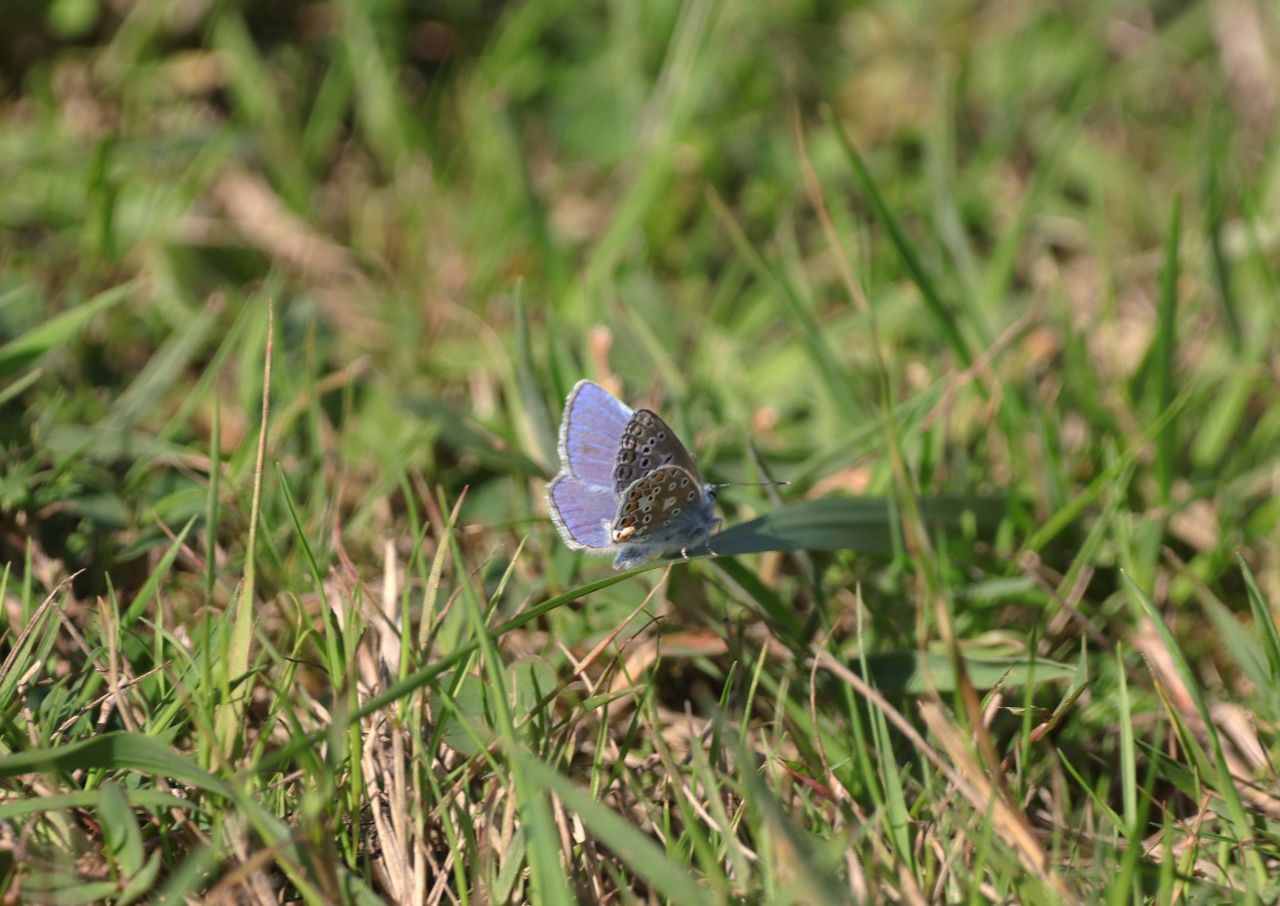
Common blue butterfly, Riverside Nature Reserve.
Others still on the wing about the grassland included several common blues, but surprisingly no red admirals, or peacock butterflies could be seen about the ivy flower now coming into blossom.
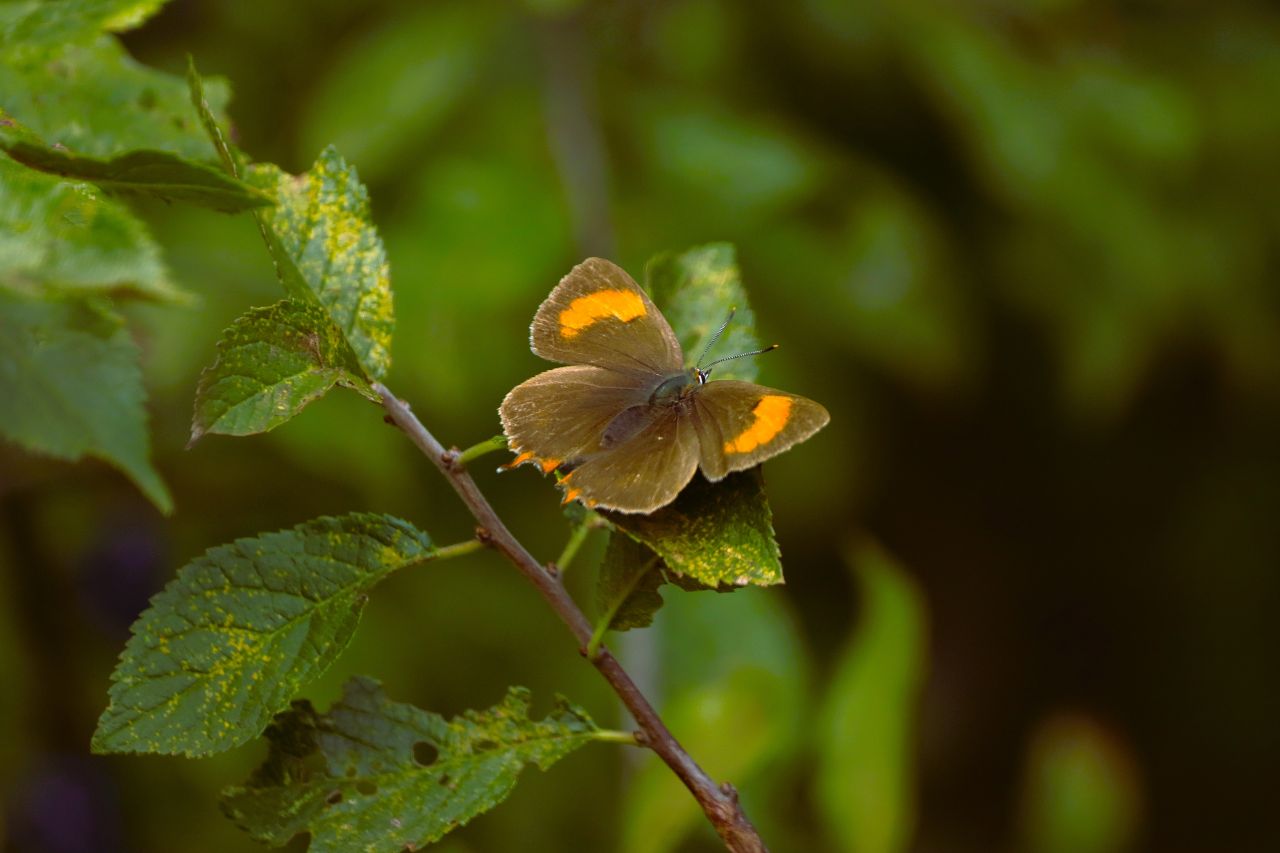
Brown hairstreak butterfly, Riverside Nature Reserve.
The highlight of that day was to find Dougal two brown hairstreak butterflies egg laying in the blackthorn at the southern end of the lake. And although us both having seen them in recent weeks at other sites, it was the first he had recorded seeing there, and having only found them myself there in recent years!
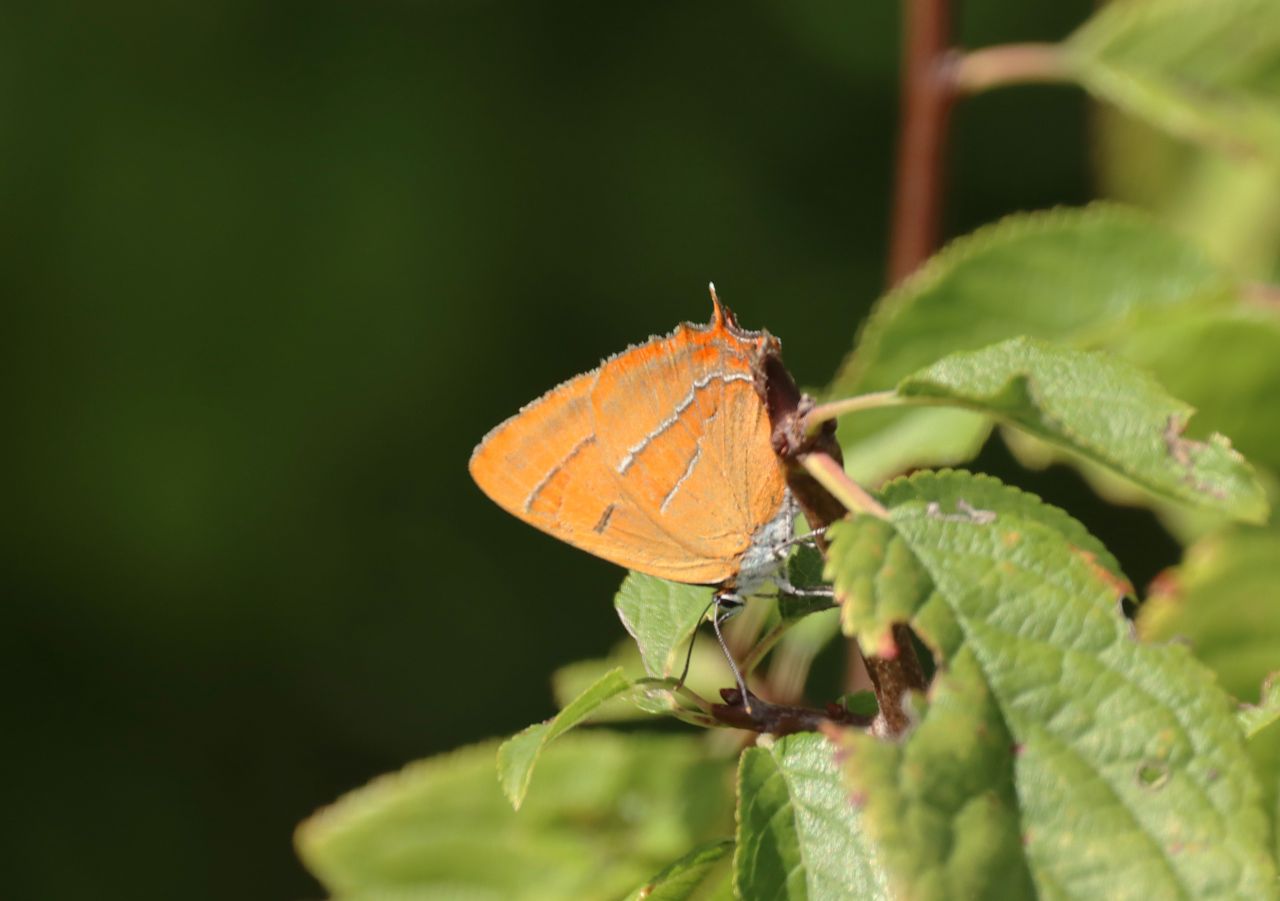
Another brown hairstreak butterfly, (wings closed) Riverside Nature Reserve.
A return to the location with the addition of Bob just a few days later on September 6 even allowing us all a second sighting of one, this time getting photos of it with wings closed.
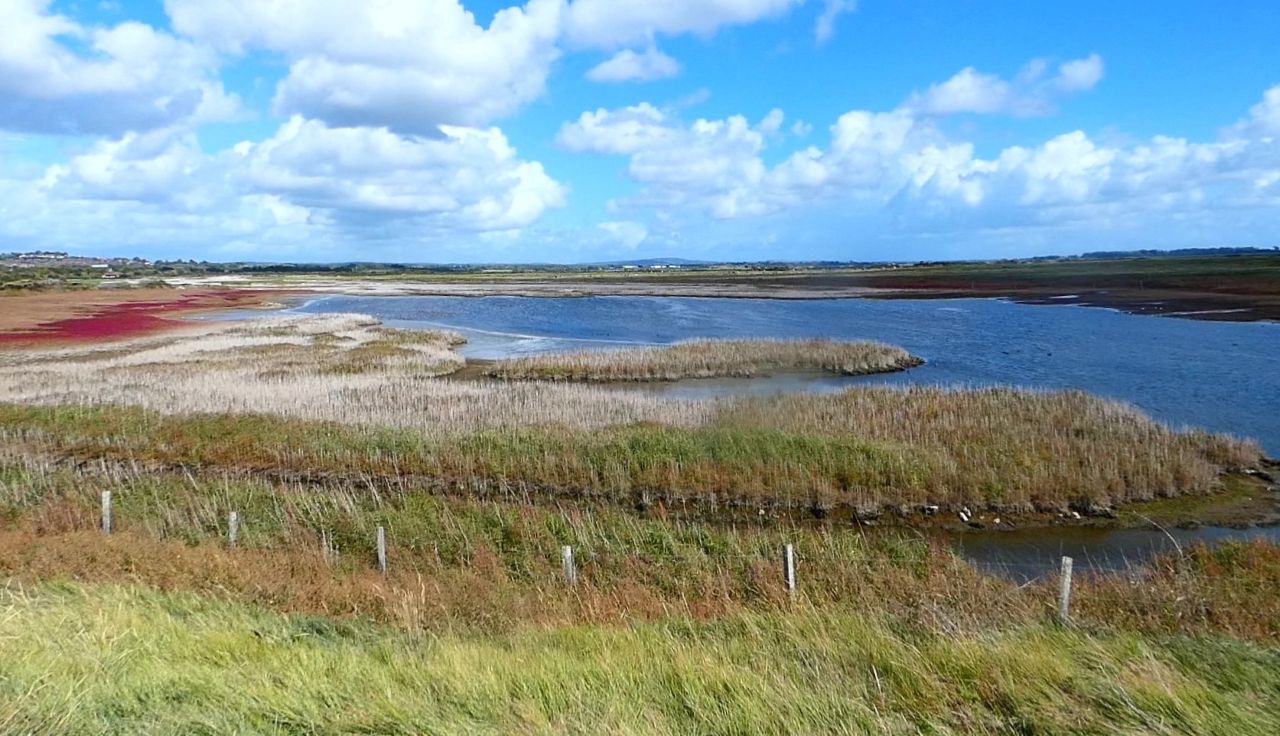
Farlington Marshes.
The first weeks of September allowed me a few opportunities to visit Farlington Marshes, near Portsmouth, this in the hope of a few migrating birds rarely encountered within the landlocked county of Surrey.

Avocet, Farlington Marshes.
Although avocets could be seen there early in the month, they appeared to have moved on during our latter visits.
Replacing them were a steady flow of birds that had begun to arrive from their more northerly breeding grounds.
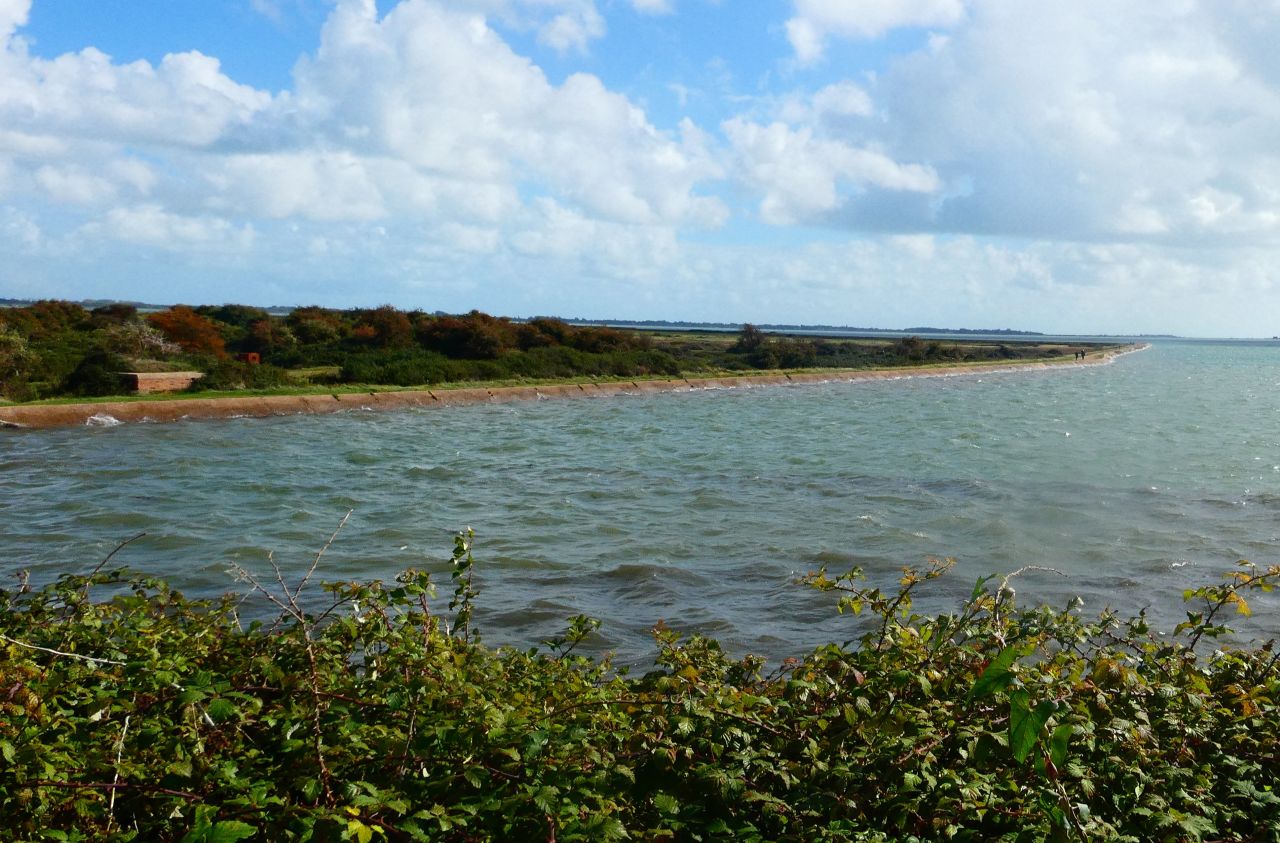
Looking across to Farlington Marshes, at high tide in Langstone Harbour.
Many waders had already begun to return and at high tide in Langstone Harbour they could be viewed on the inland pools and stream.
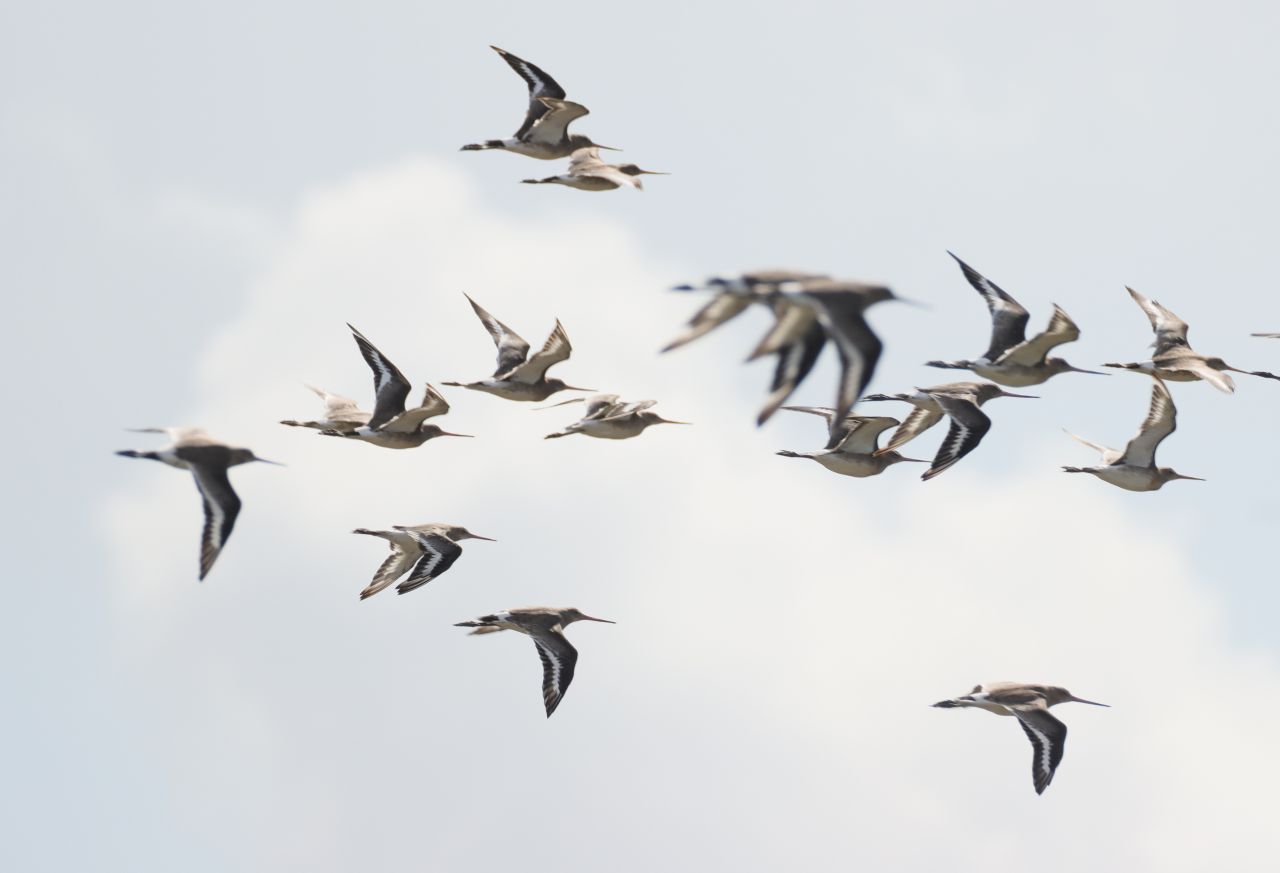
Black-tailed godwits, Farlington Marshes.
These included black-tailed godwits, many of whom having their bright orangey-brown summer plumage.
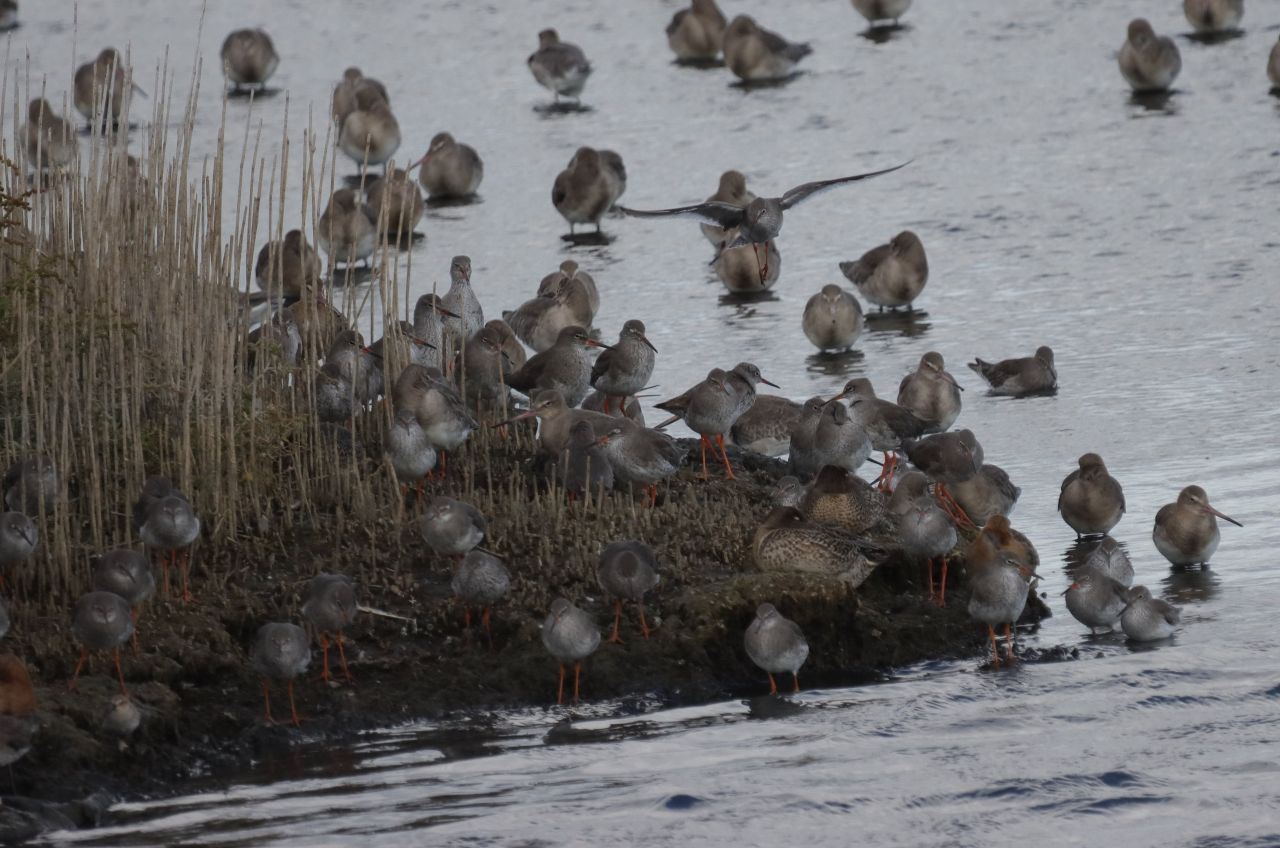
Common redshanks among the other waders at Farlington Marshes.
Groups of common redshanks could be seen among the gatherings.
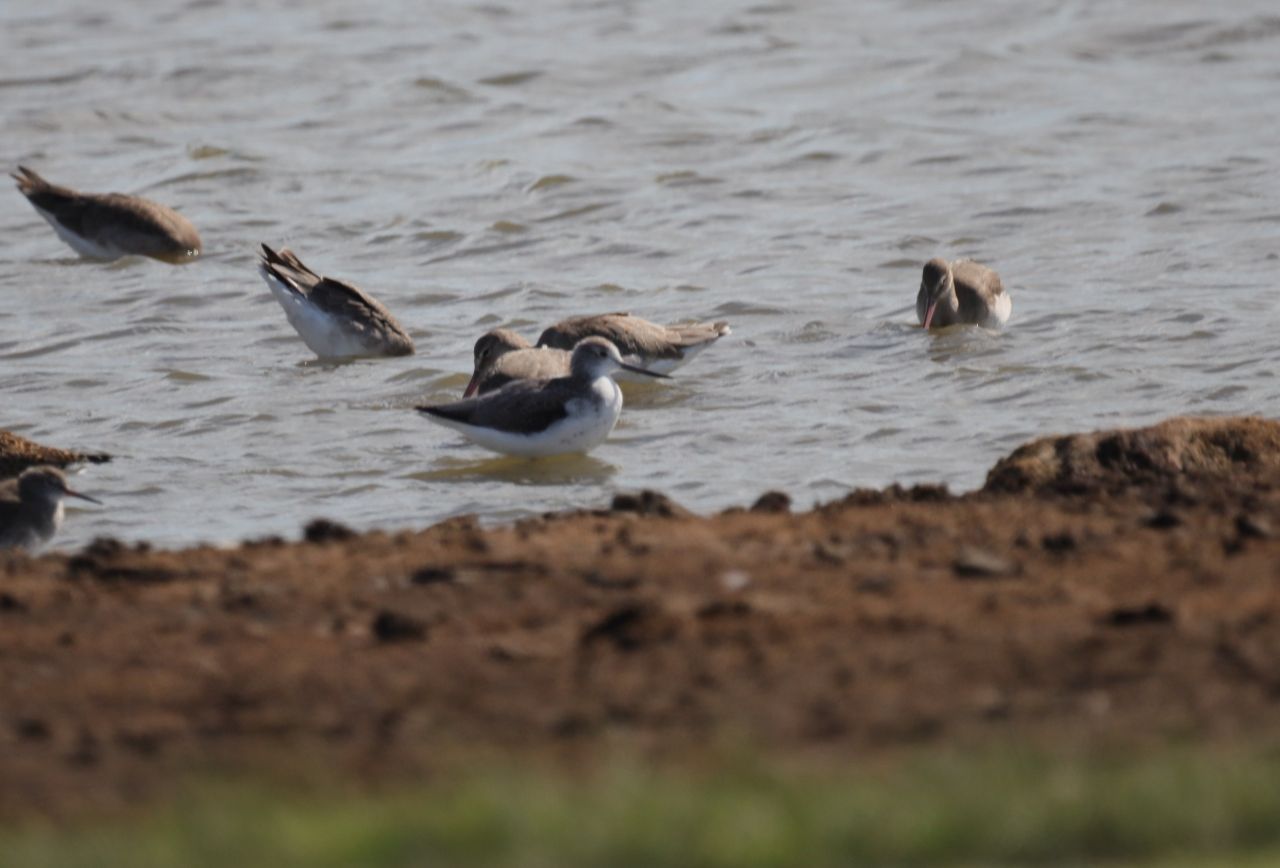
Greenshank, Farlington Marshes.
As well as a lone greenshank.
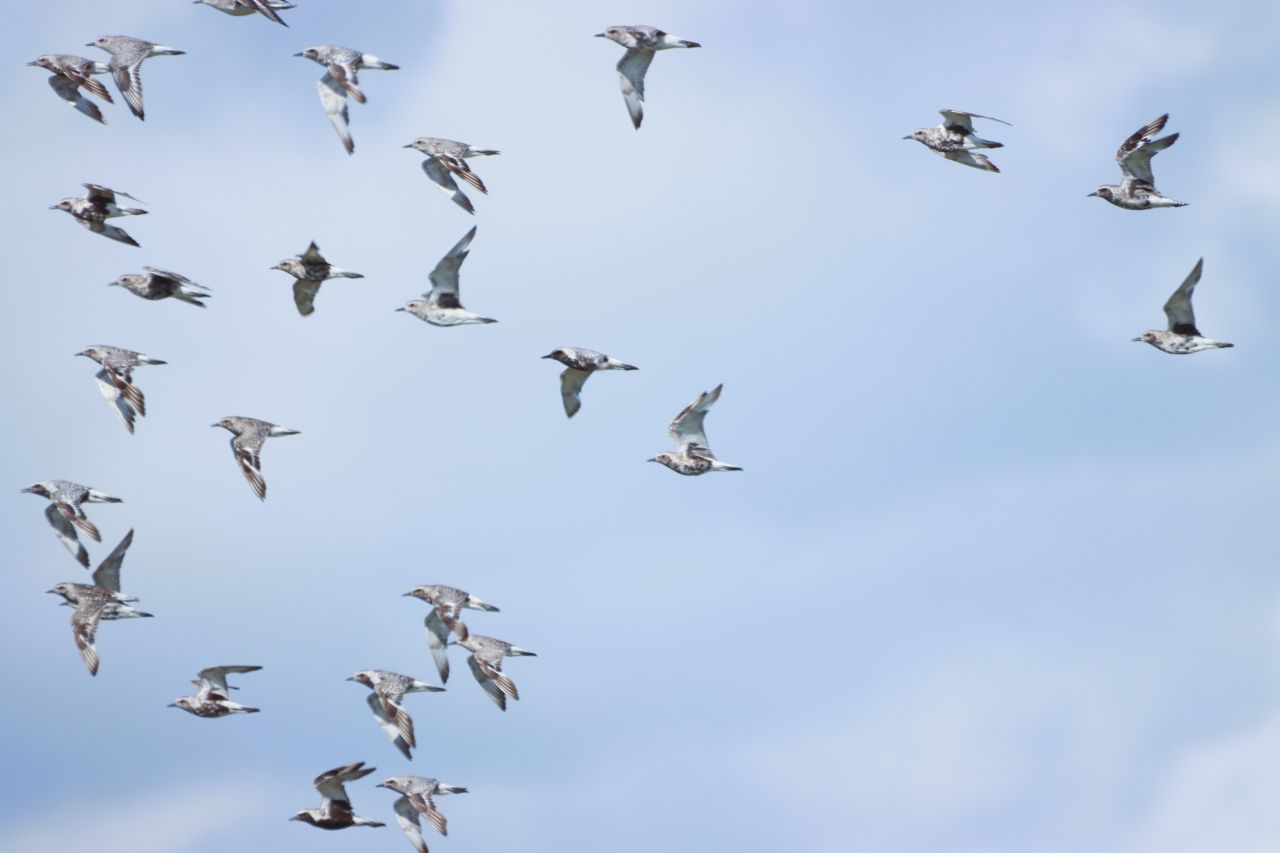
Grey plovers in flight, Farlington Marshes.
A large gathering of well in excess of 100 grey plovers (also referred to as black-bellied plovers due to their striking summer plumage) flew in from the harbour and landed on shallow margins of the main lake at high tide.
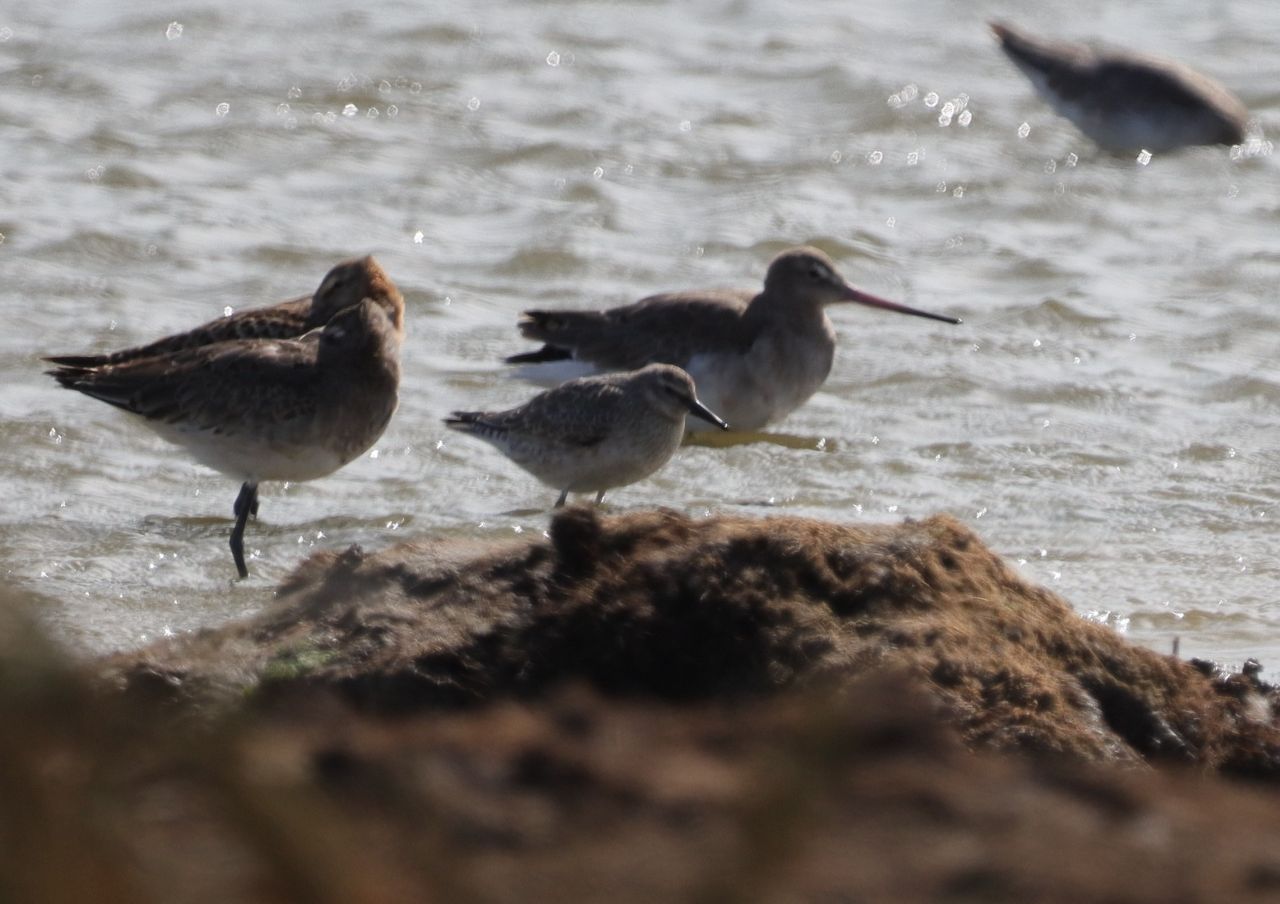
Knot, Farlington Marshes.
Within the group a few knot could also be picked out.
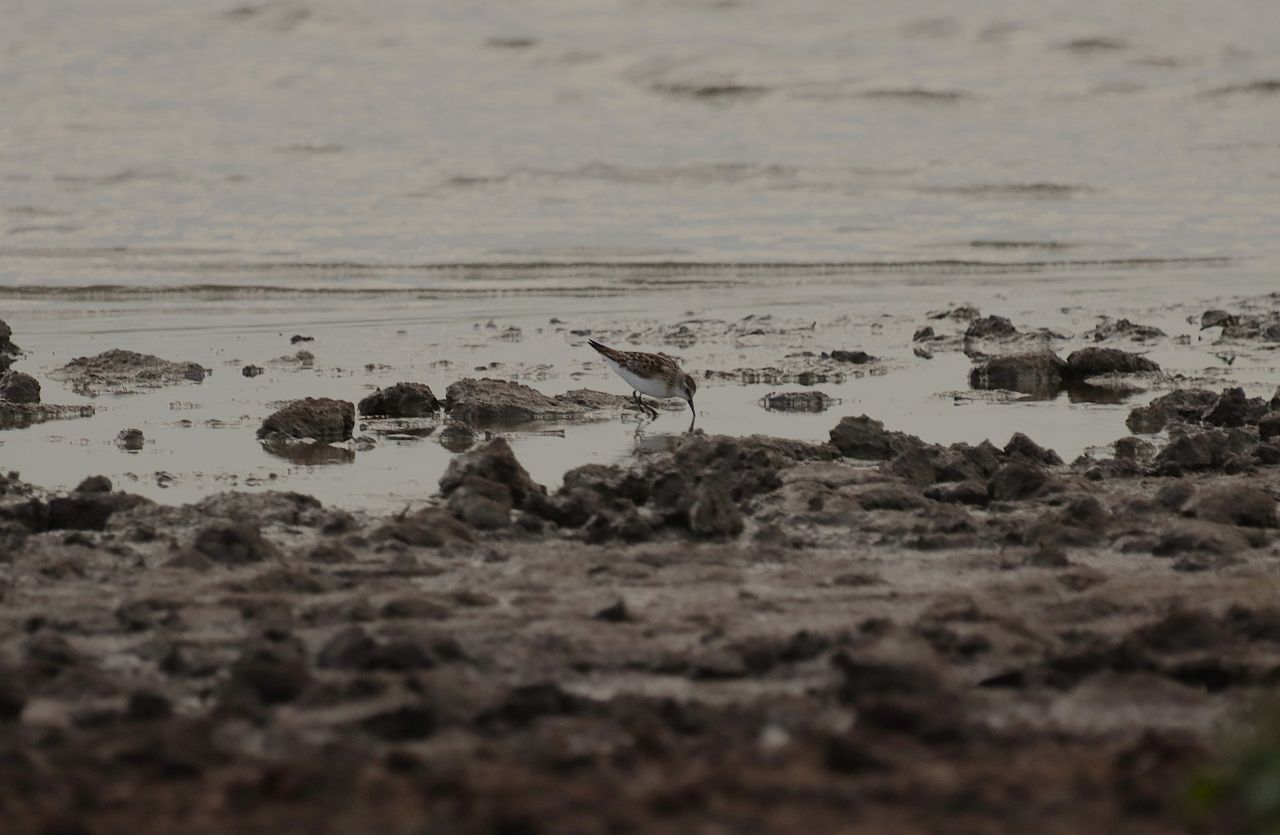
Little stint, Farlington Marshes.
While a little rarer to see there, and a first for me this year, were a few little stints feeding along the water’s edge of both the lake and the stream.
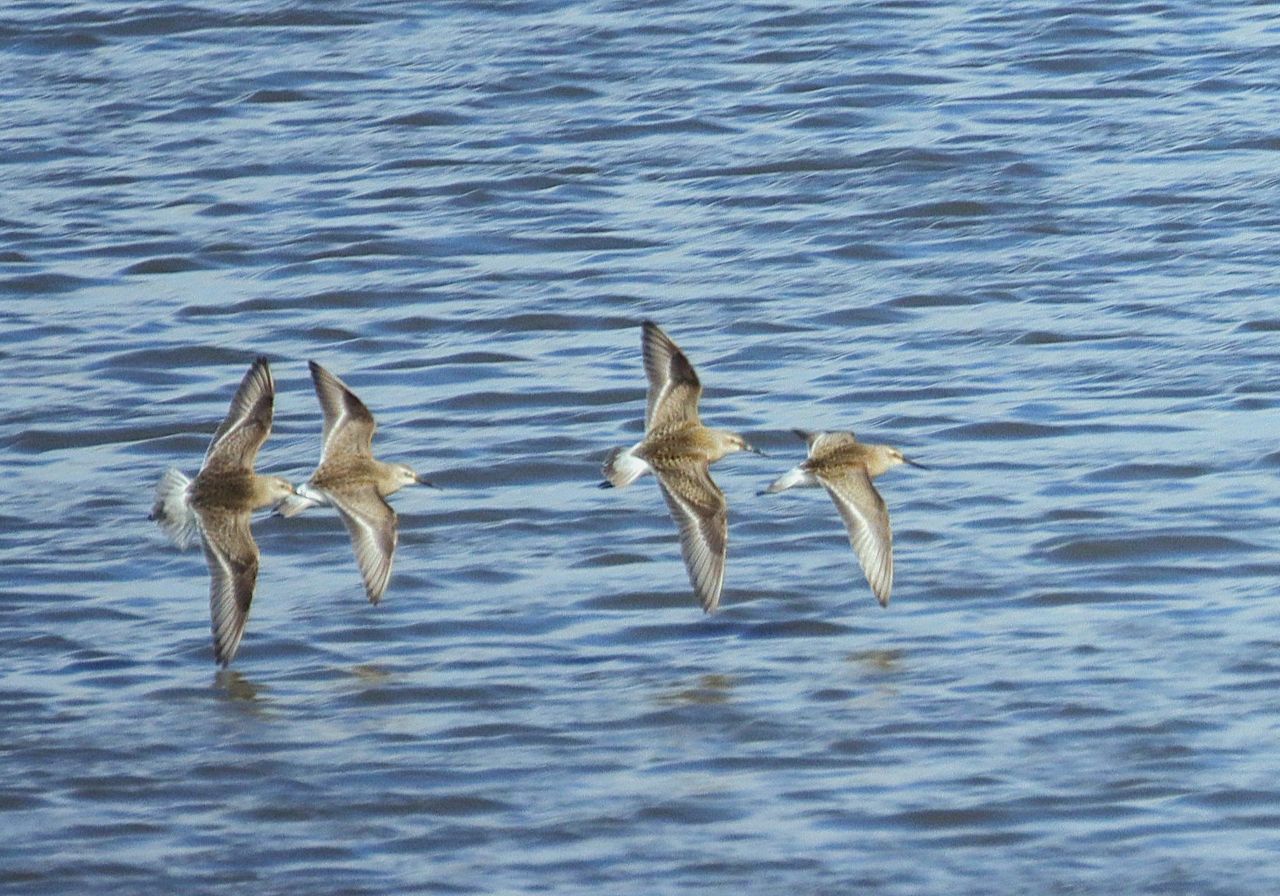
Curlew sandpipers, Farlington Marshes.
As well as, as many as 11 curlew sandpipers were out on the main lake.
This species, having breed in northern Siberia and alas having now lost their unmistakable brick-red dress that provides surprisingly good camouflage in its tundra breeding habitat.
Now in its rather drab grey winter plumage, they been seen in larger than normal numbers migrating through the UK this year on to their wintering grounds in western Africa. And a true reminder of the incredible journeys some of migrating birds achieve.

Ringed plovers, Farlington Marshes.
Beside them a dozen, or so, ringed plovers could be viewed.
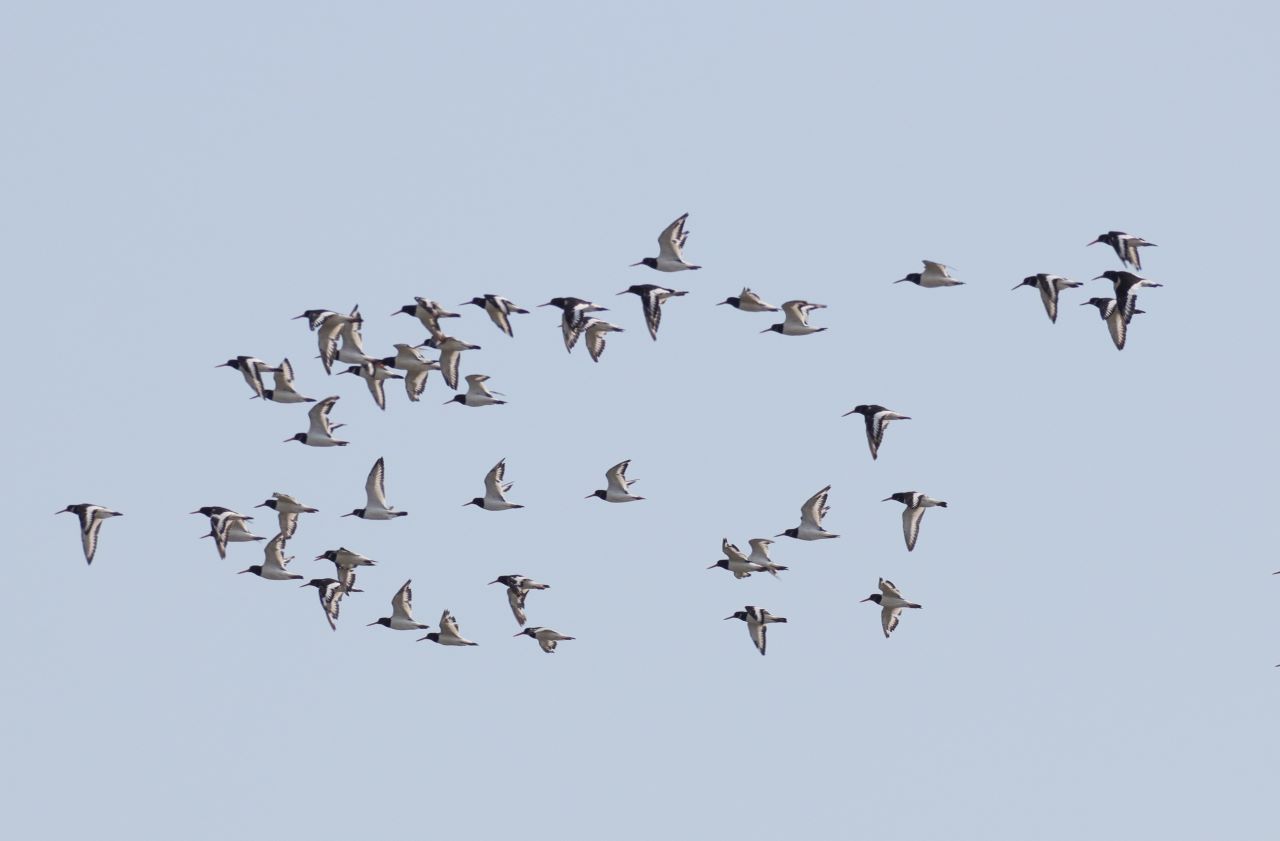
Oystercatchers, Farlington Marshes.
Large flocks of oystercatchers had also made a return, making their calls like squeaky toys that reverberated about the reserve as they flew in over the seawall.
Click here to hear their call.
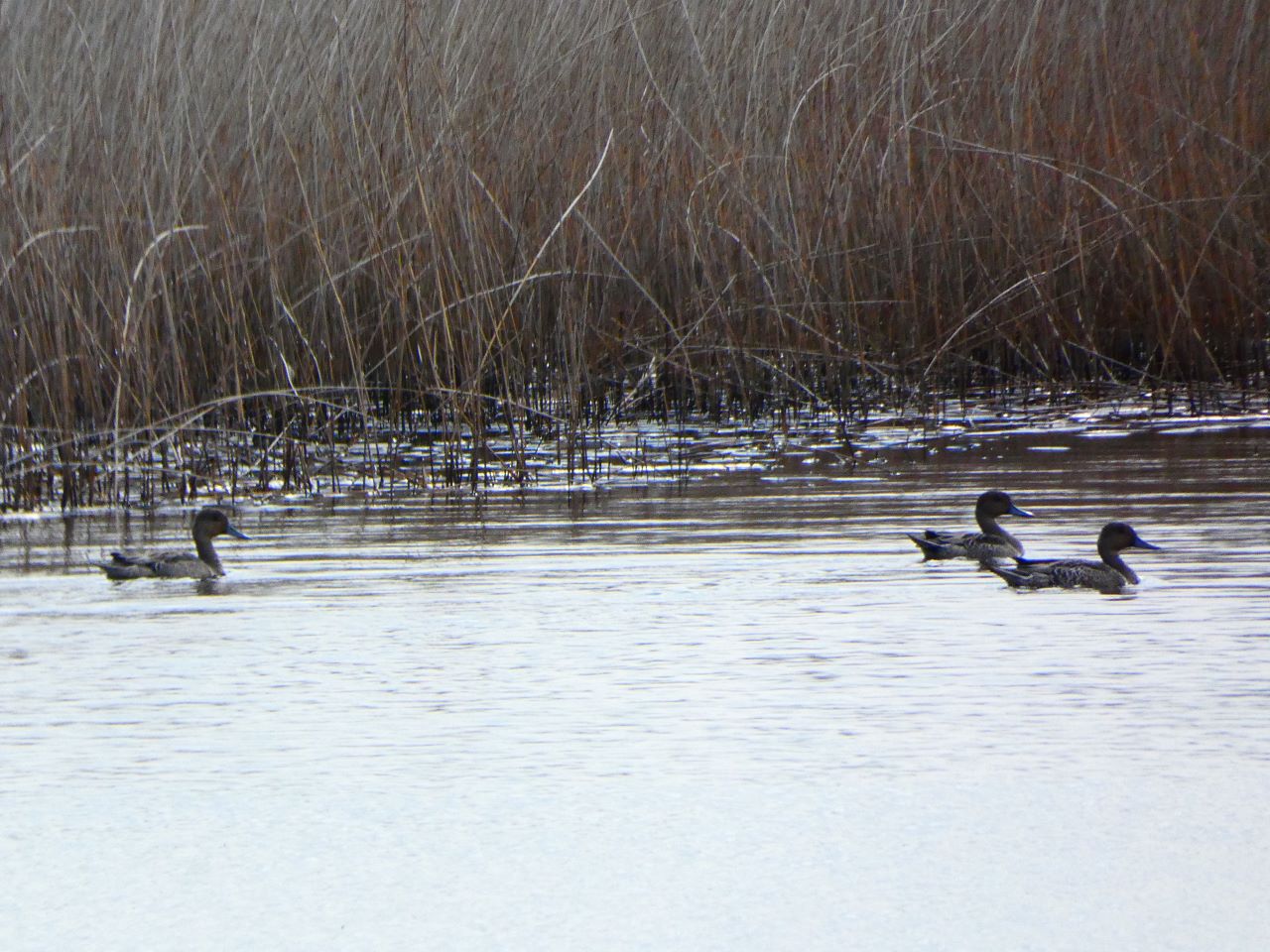
Pintail ducks, Farlington Marshes.
A few northerly breeding ducks had now started to make a return, although now mostly in ‘eclipse’ plumage-wise. And a few juvenile pintails were deserving of a record shot.
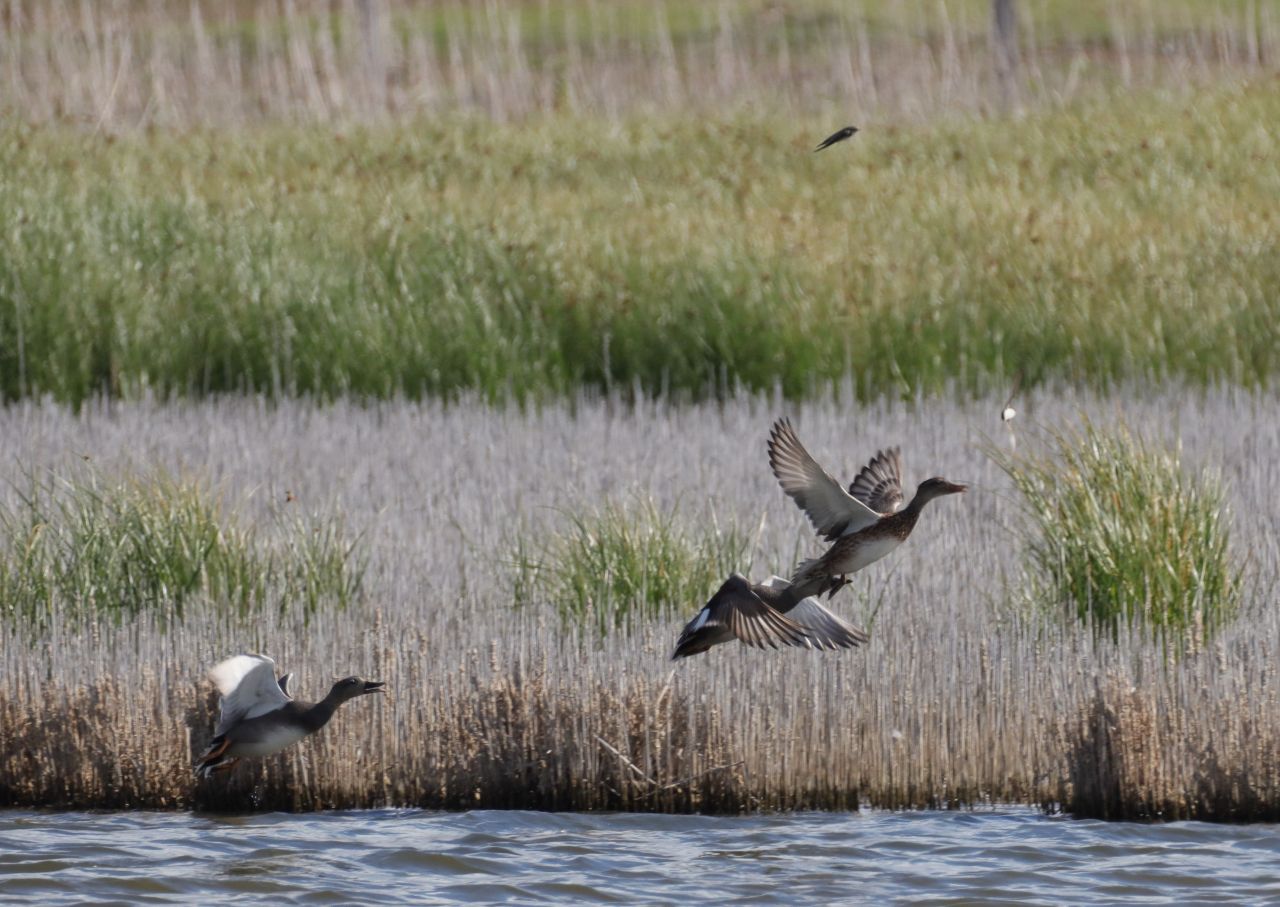
Gadwall, Farlington Marshes.
A few resident gadwalls in flight also added to my worthiness of a photo.

Shelducks, Farlington Marshes.
As well as a few locally breeding shelducks.
Over the reedbeds groups of hirundines flew back and forth fly catching.

Sand martin, Farlington Marshes.
Many of which could be picked out as sand martins.
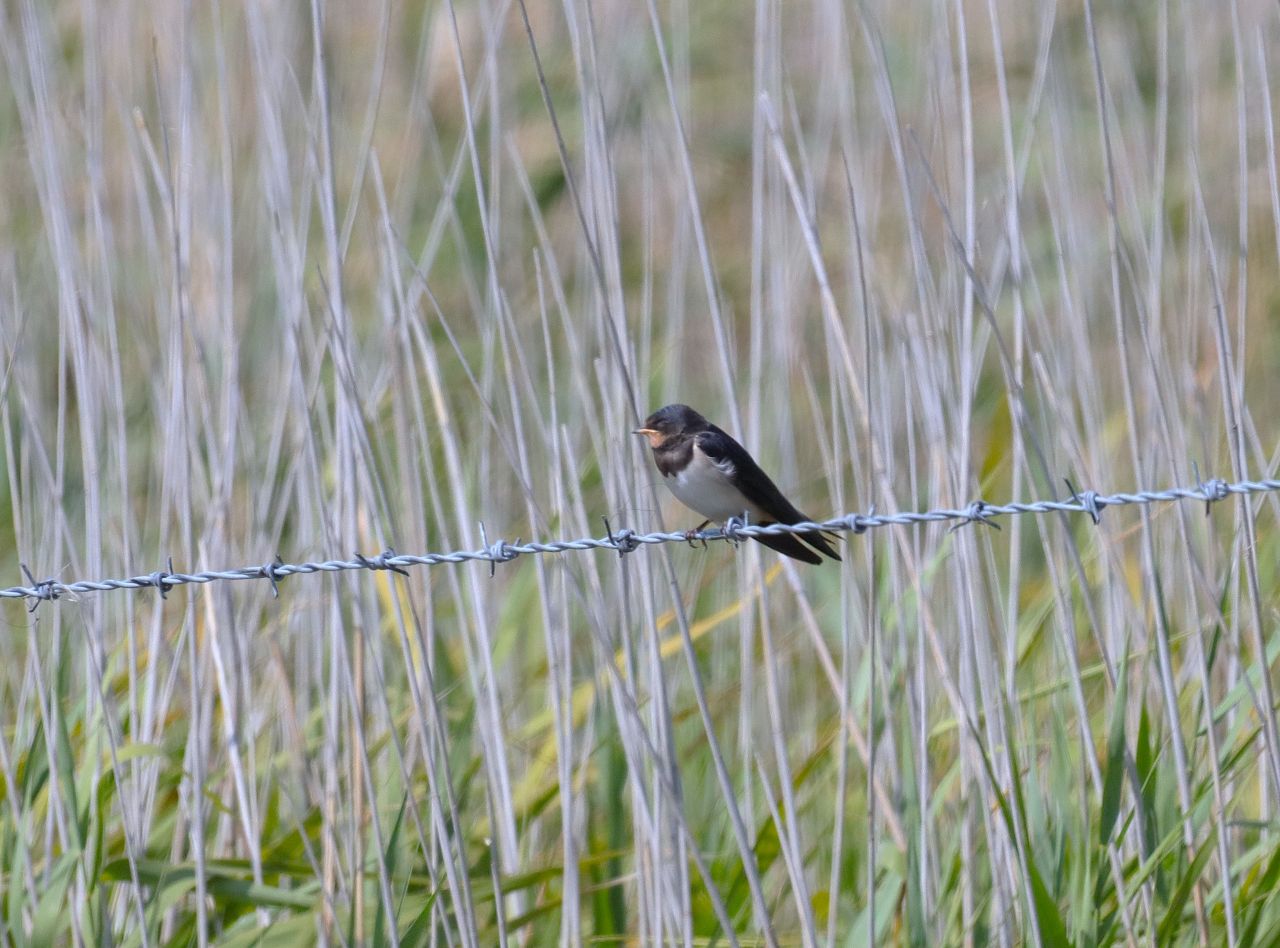
Swallow, Farlington Marshes.
As well as numerous swallows.
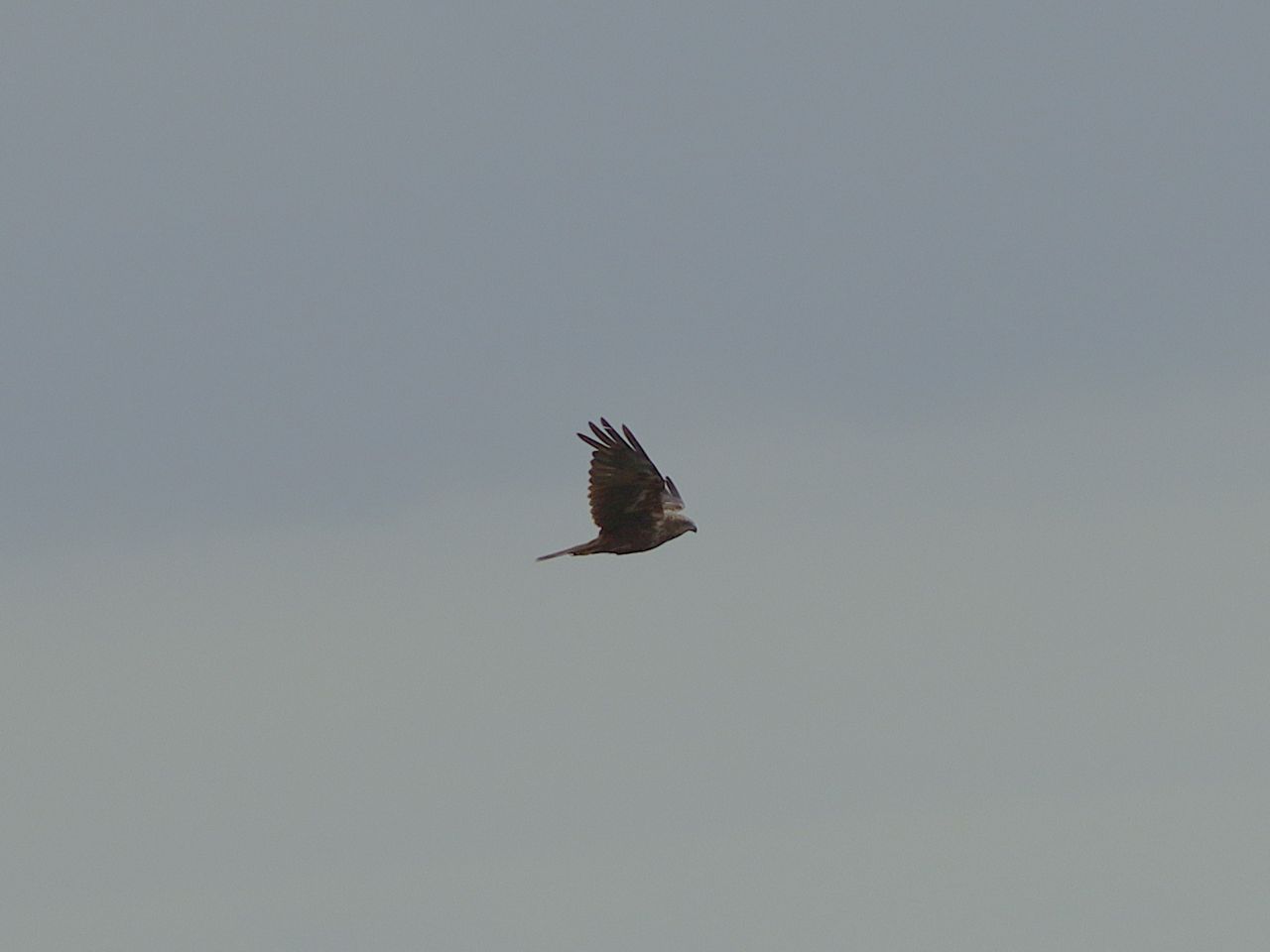
Marsh harrier, Farlington Marshes.
A regular visitor to the reserve in recent times was a marsh harrier with the fortune of seeing one present during most recent visits.
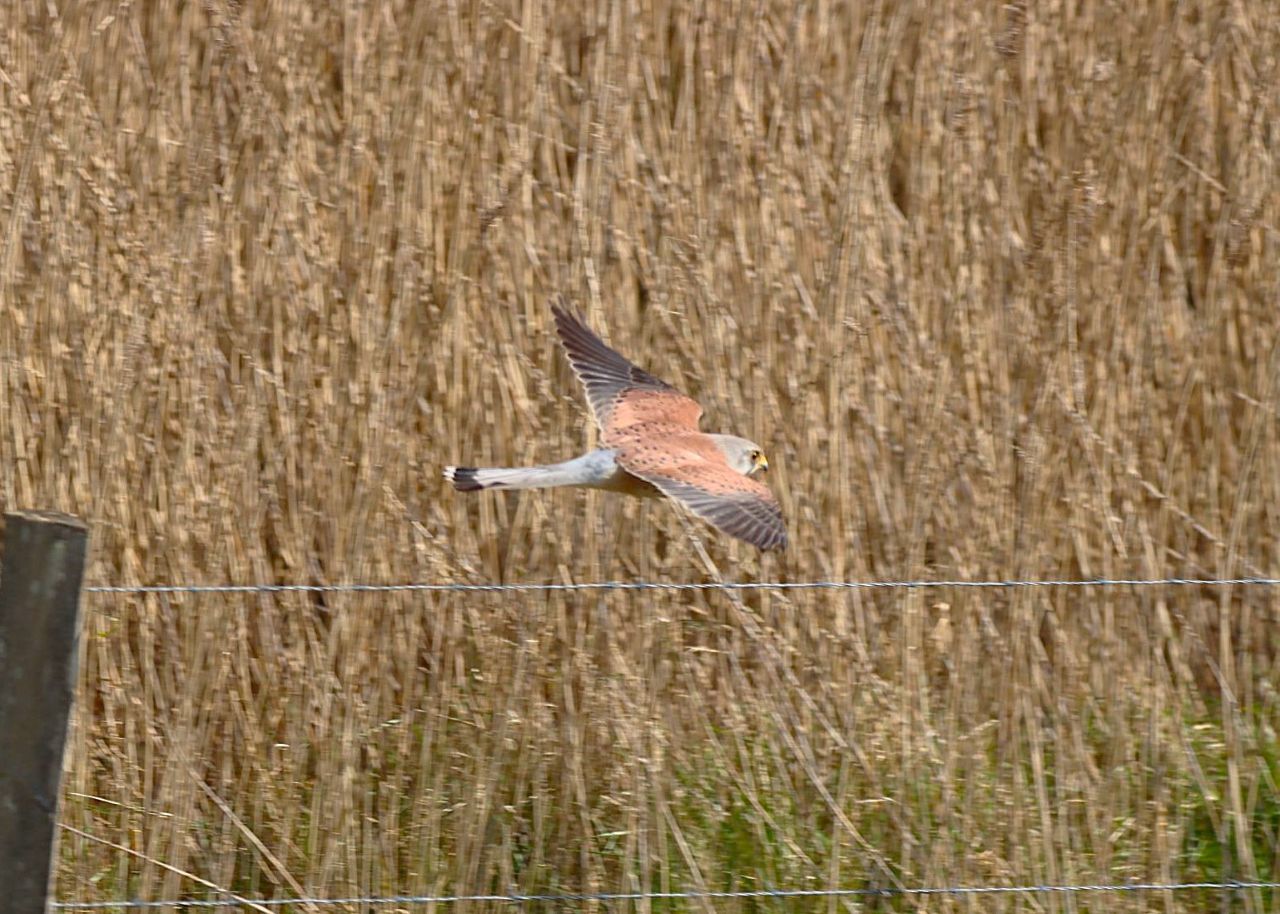
Kestrel flying low across the reedbeds, at Farlington.
While other birds of prey regularly seen included kestrels.
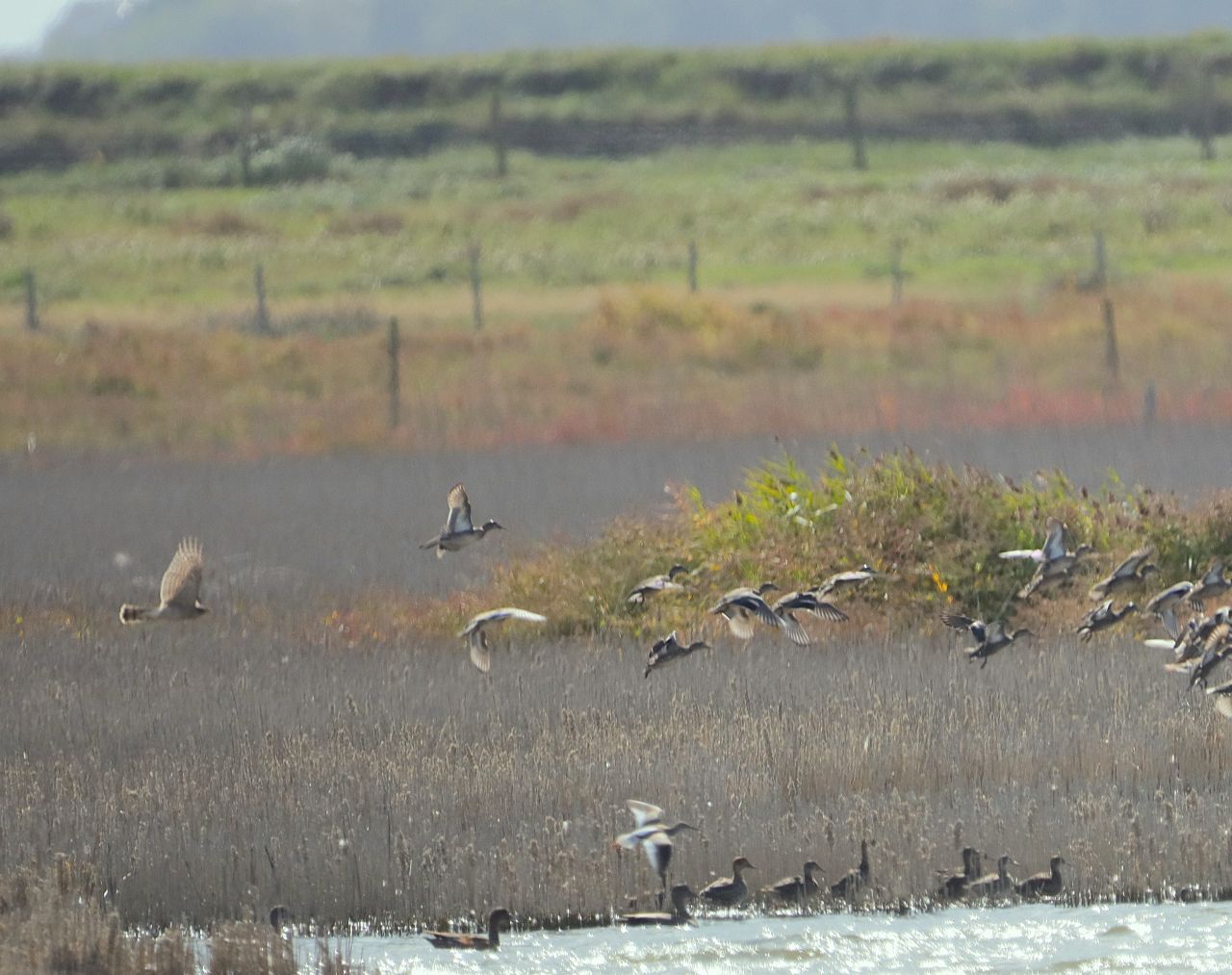
Sparrowhawk, (left of photo) flying across the reedbeds, spooking wildfowl at Farlington Marshes.
As well as a sparrowhawk seen flying low over the reeds.

Peregrine falcon, Farlington Marshes.
And often, the regular visit of a peregrine falcon.
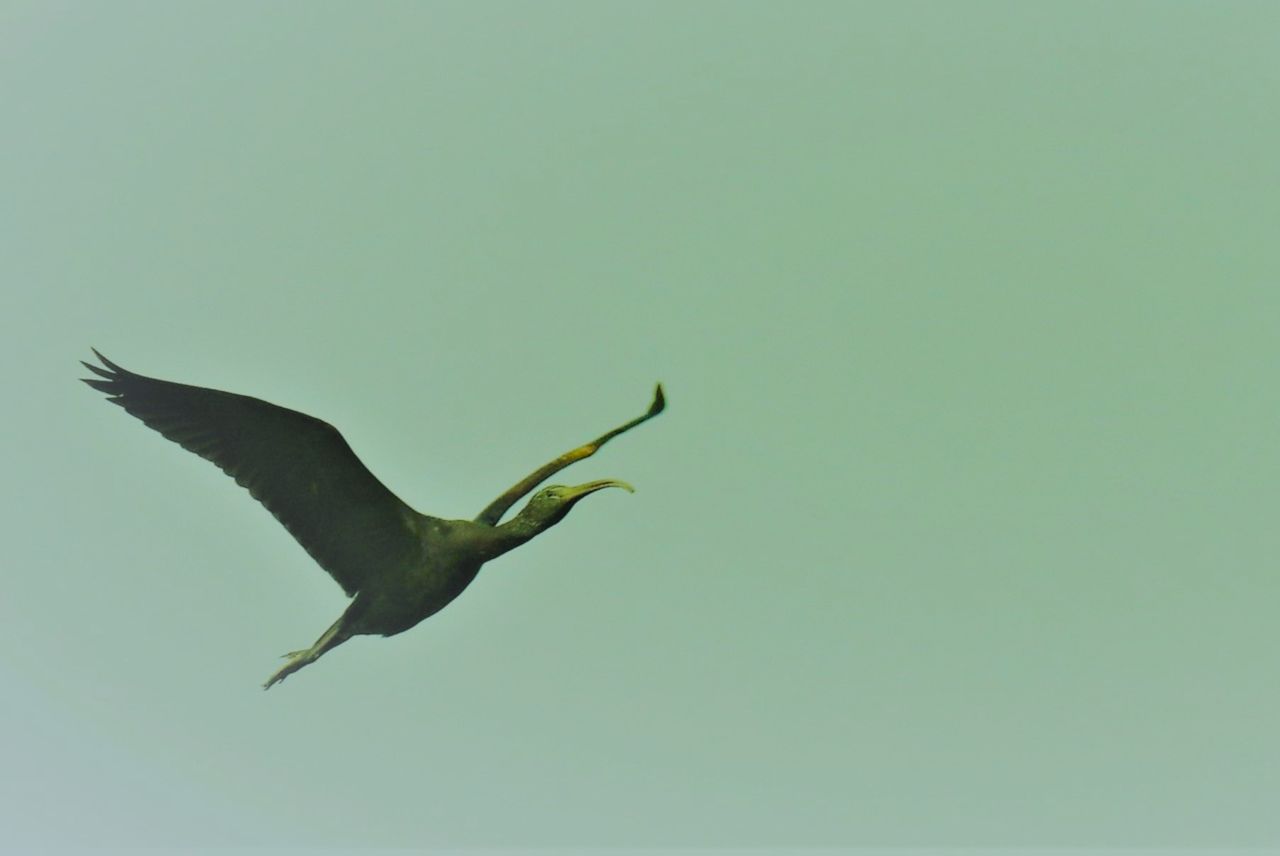
A previous sighting of a glossy ibis at Farlington Marshes in July 2022.
A glossy ibis was also present there on September 12. Although it spent much of its time feeding deep within the reedbeds, rarely giving just glimpses of its presence and unfortunately no opportunities of a photo on this occasion.

Cattle egret, Farlington Marshes.
On the marshes where the cattle were grazing, as many as six cattle egrets could be counted feeding among the cattle.
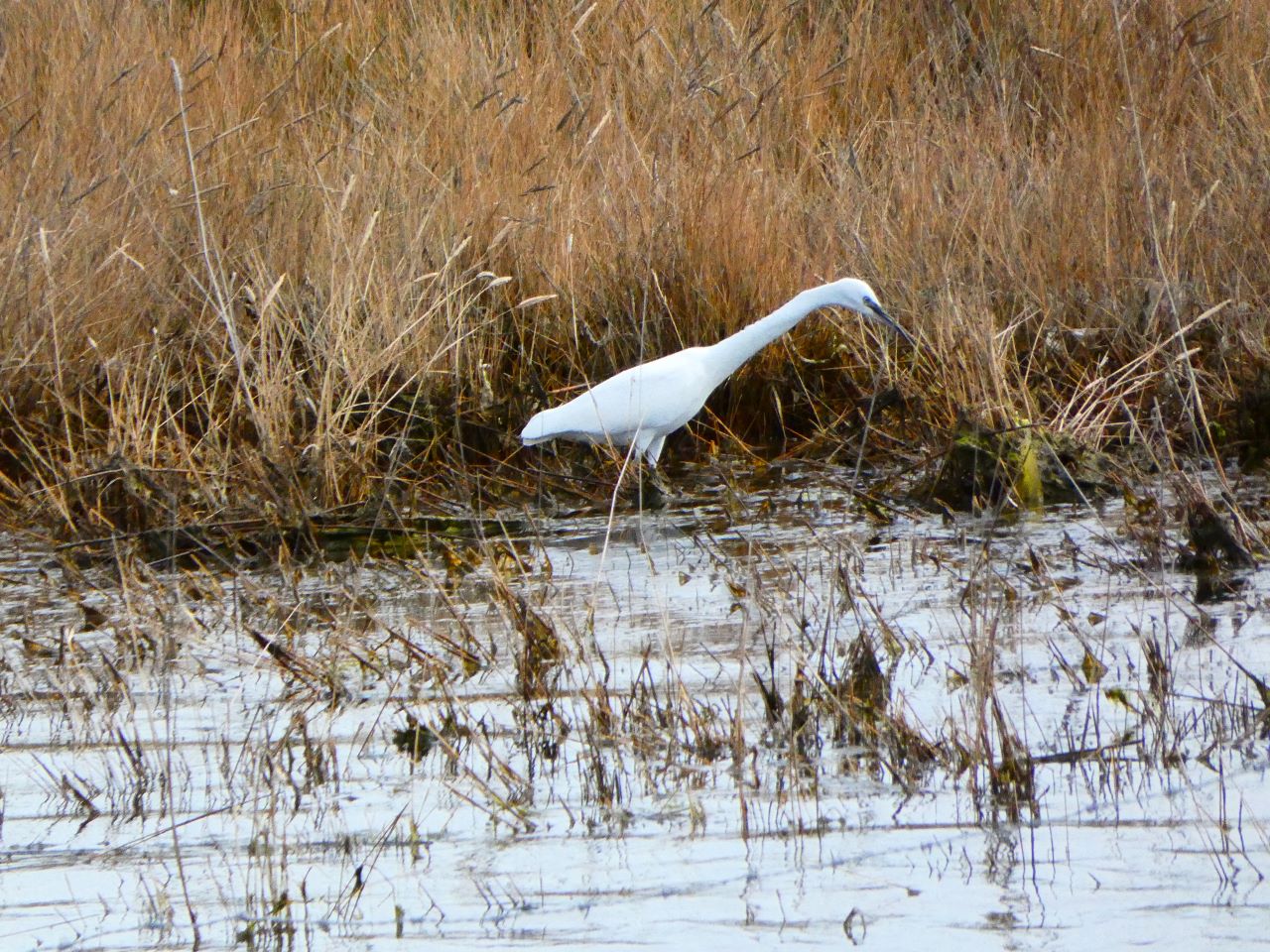
Little egret, Farlington Marshes.
These not to be confused with the slightly larger little egrets of which more than a couple of dozen could be counted at various locations around the reserve.

Yellow wagtail, Farlington Marshes.
Yellow wagtails, now moving on their migratory path back to Africa, had also stopped off to feed among the cattle. Counting more than 30 on one occasion as they scuttled about the feet of the cattle while catching flies.
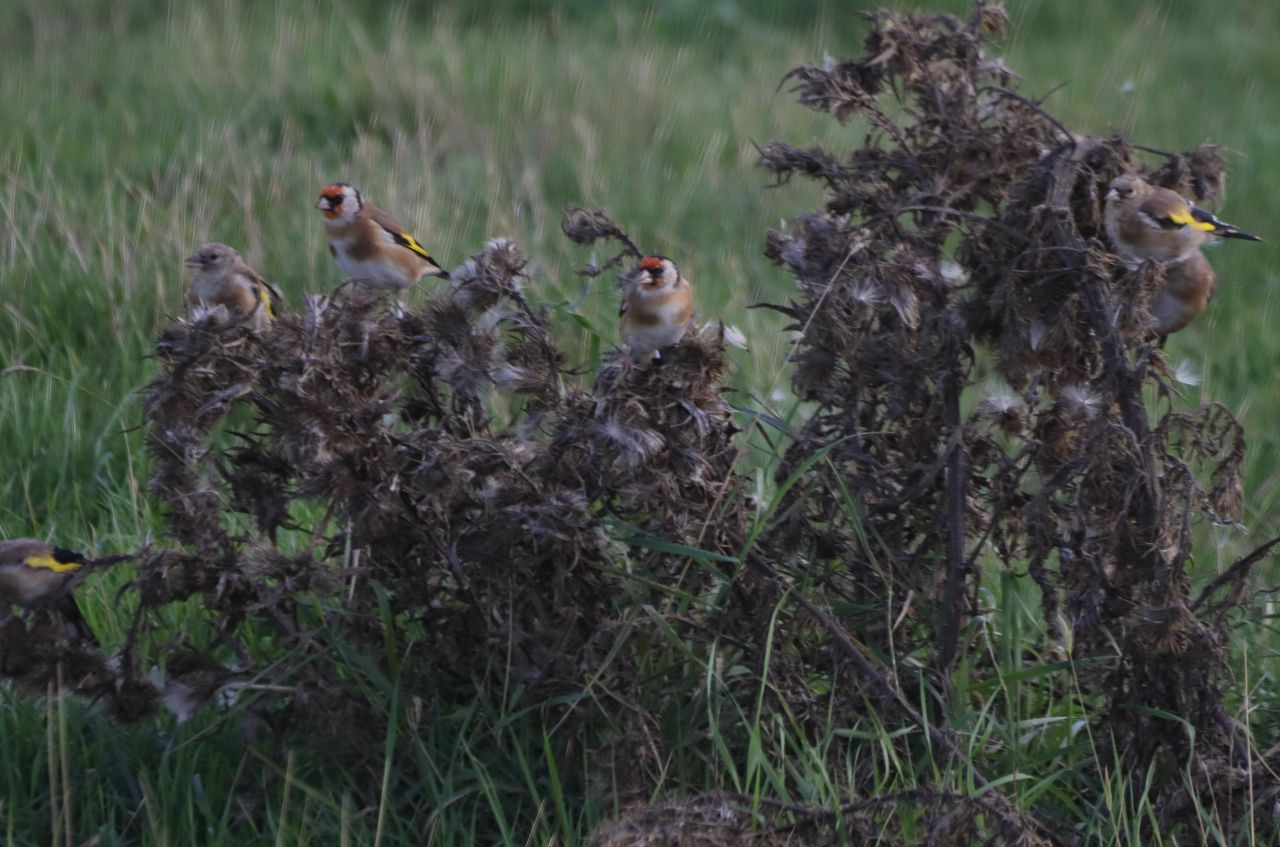
Goldfinches, Farlington Marshes.
About the grassland area goldfinches could be viewed feeding on thistle seeds.

Greenfinch, Farlington Marshes.
A few greenfinches continued to be resident too.
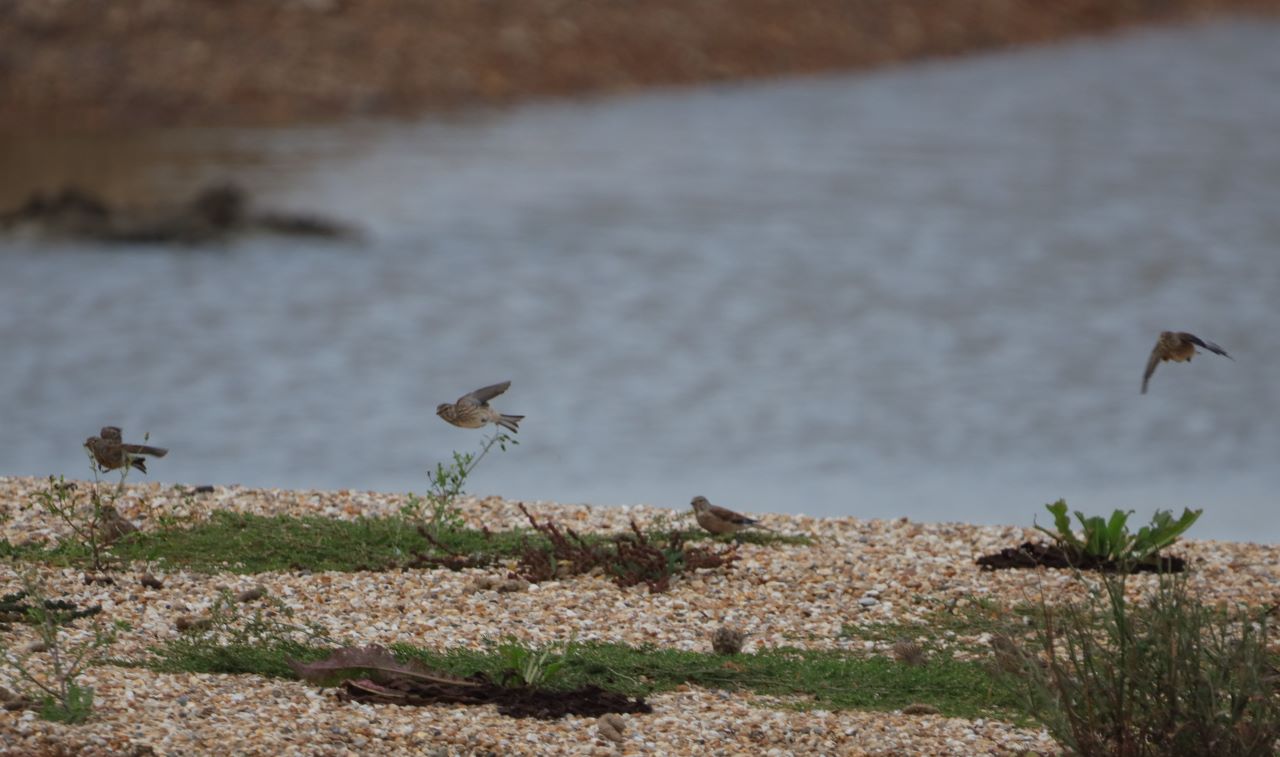
Linnets, Farlington Marshes.
Viewing from the seawall across the marshes, a flock of a dozen or more linnets could be picked out.

Meadow pipit, Farlington Marshes.
Growing numbers of meadow pipits could also be seen and heard.

Starlings, Farlington Marshes.
And a now growing flock of well over 100 starlings could be observed, feeding among the brambles on the remaining blackberries as another season slowly drew to a close.
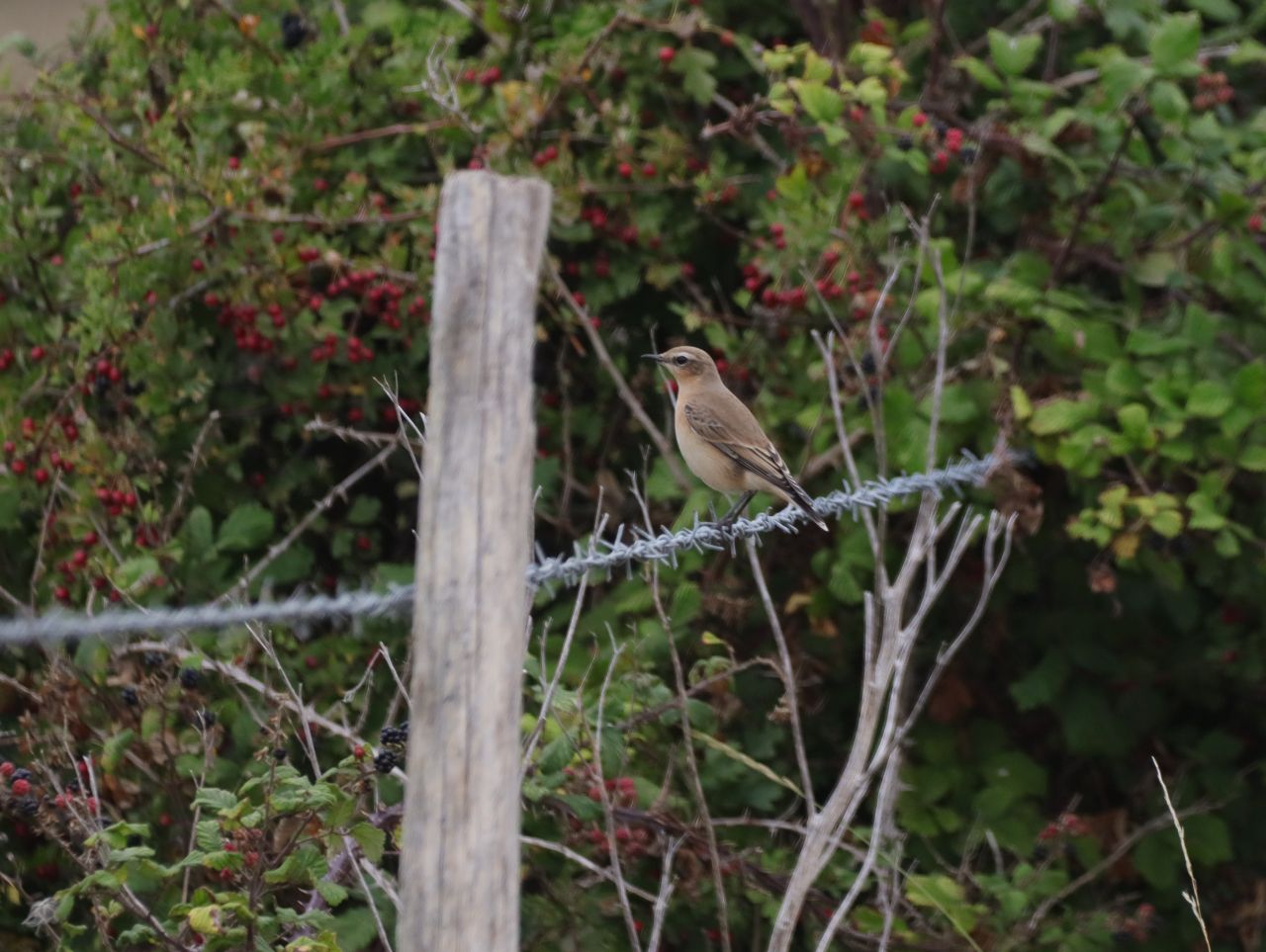
Wheatear, Farlington Marshes.
Also adding a wheatear having its last feed on UK soil before making it long journey to its African winter home.
Share This Post


Responses to Birdwatcher’s Diary No.335
Leave a Comment Please see our comments policy. All comments are moderated and may take time to appear. Full names, or at least initial and surname, must be given.










Lisa Land
September 23, 2025 at 10:04 am
Great capture of the nightjar 👏