- Stay Connected

Socialize

 Abraham Lincoln
If given the truth, the people can be depended upon to meet any national crisis...
Abraham Lincoln
If given the truth, the people can be depended upon to meet any national crisis...

 Guildford news...
for Guildford people, brought to you by Guildford reporters - Guildford's own news service
Guildford news...
for Guildford people, brought to you by Guildford reporters - Guildford's own news service
Birdwatcher’s Diary No.342
Published on: 12 Jan, 2026
Updated on: 12 Jan, 2026
By Malcolm Fincham
Weather conditions began to settle as a high pressure system began to build to the north west of the UK during the days leading up to Christmas, blocking off the Atlantic jet stream, sending it north and bringing an easterly wind on its cyclonic flow.

Russian greater white fronted geese, among a group of Canada and greylag geese at Newark Priory.
By Christmas Eve the increasing continental flow to the weather brought with it reports of surprisingly high numbers of Russian greater white-fronted geese that had arrived into the UK.
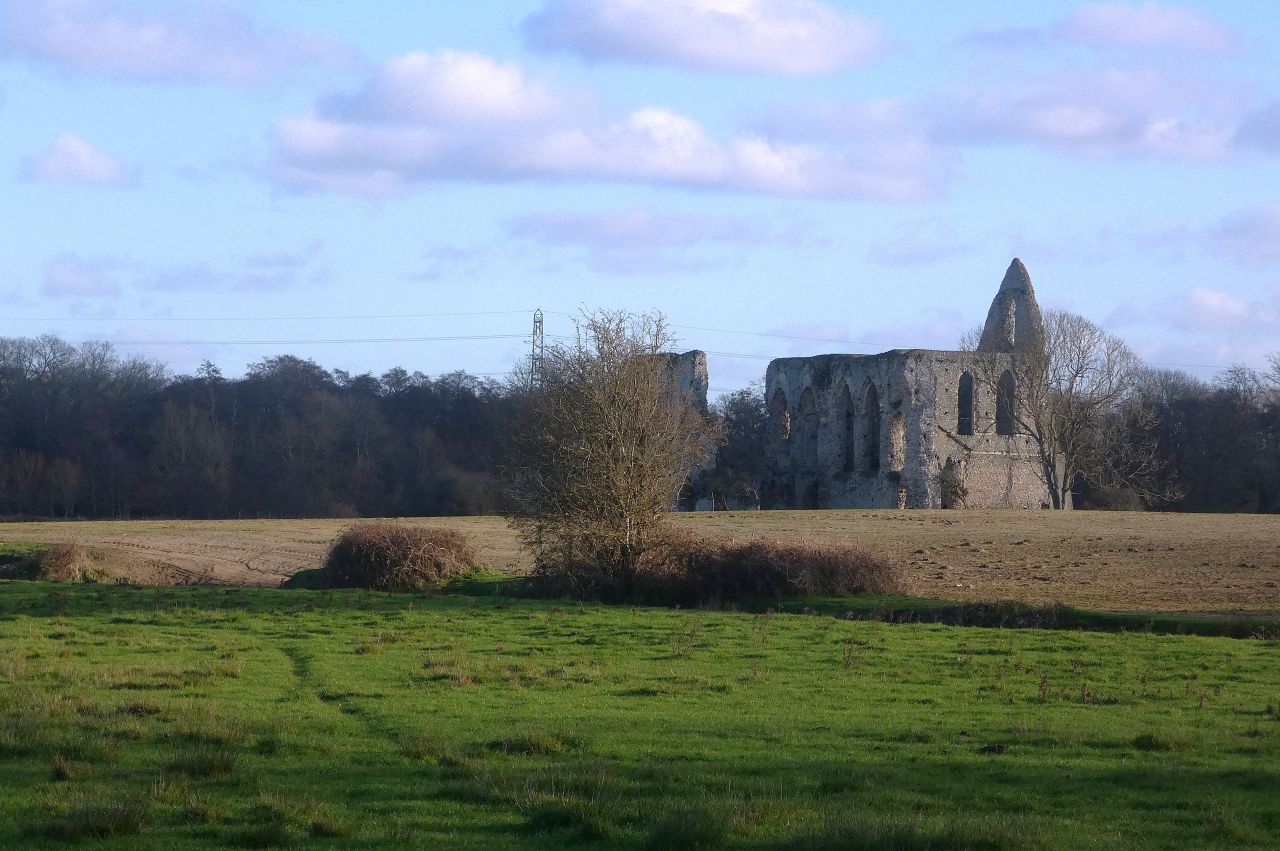
Newark Priory, near Ripley.
As many as 90 recorded within the vice-county borders of Surrey. In the company of Bob and Dougal, this including four birds I was fortunate to record and photograph, seen among a group of Canada and greylag geese at Newark Priory near Ripley.
Temperatures remained in low single figures Celsius throughout the Christmas period that also brought overnight frosts as well as a few misty days with sunshine struggling to break through.
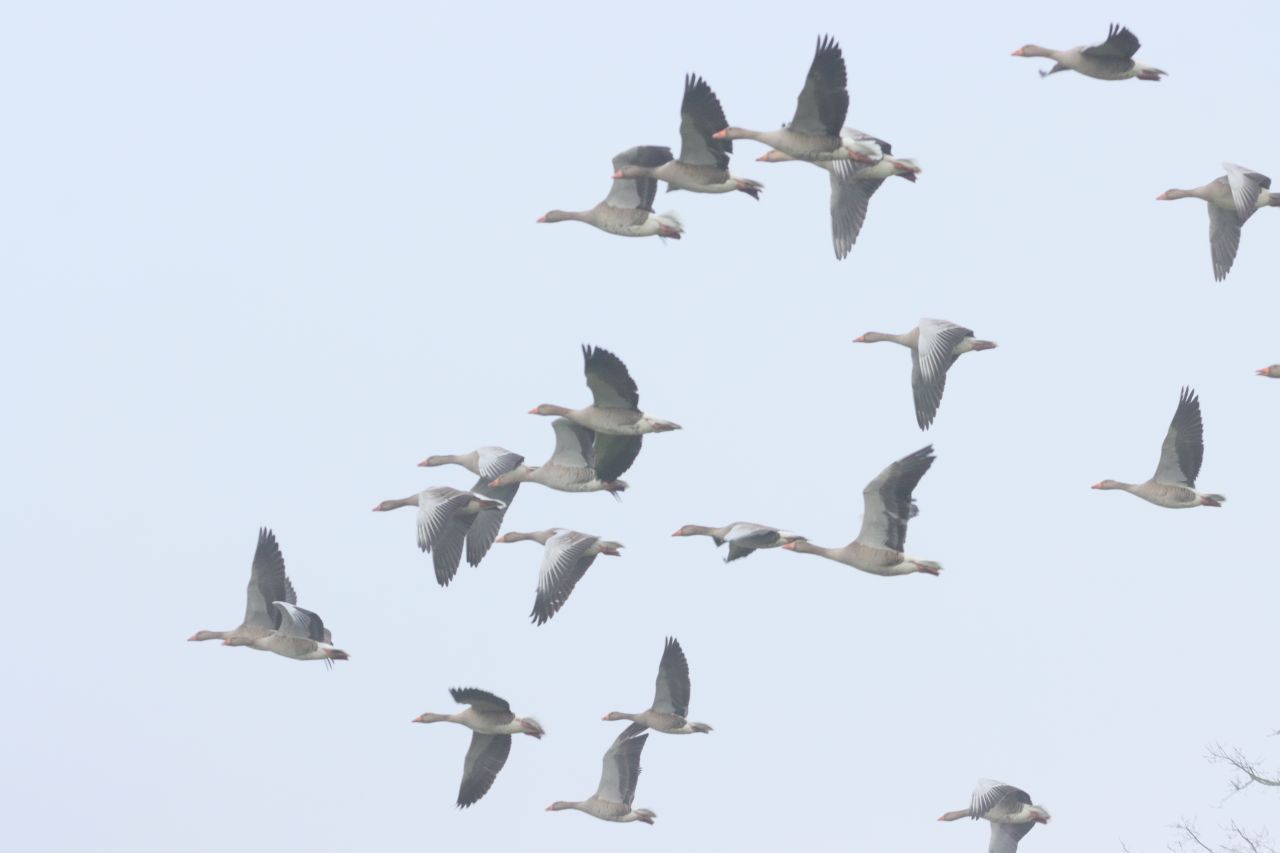
Greylag geese in flight at Papercourt, Send.
A visit to Papercourt water meadows on the last day of 2025 saw a skein of greylag geese flying over, through mist.
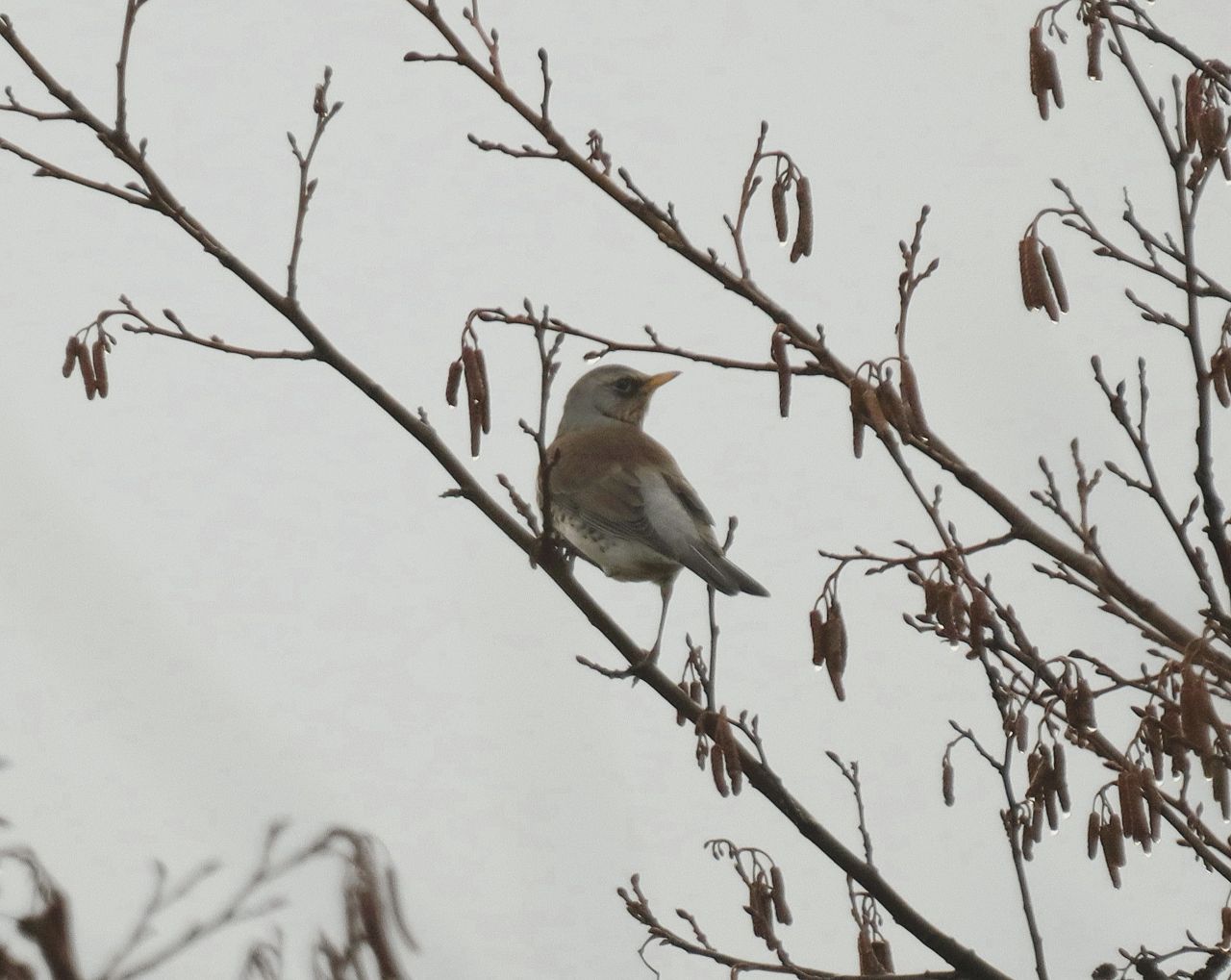
Fieldfare, Papercourt water meadow.
A small group of fieldfares in the meadows added to my photos.
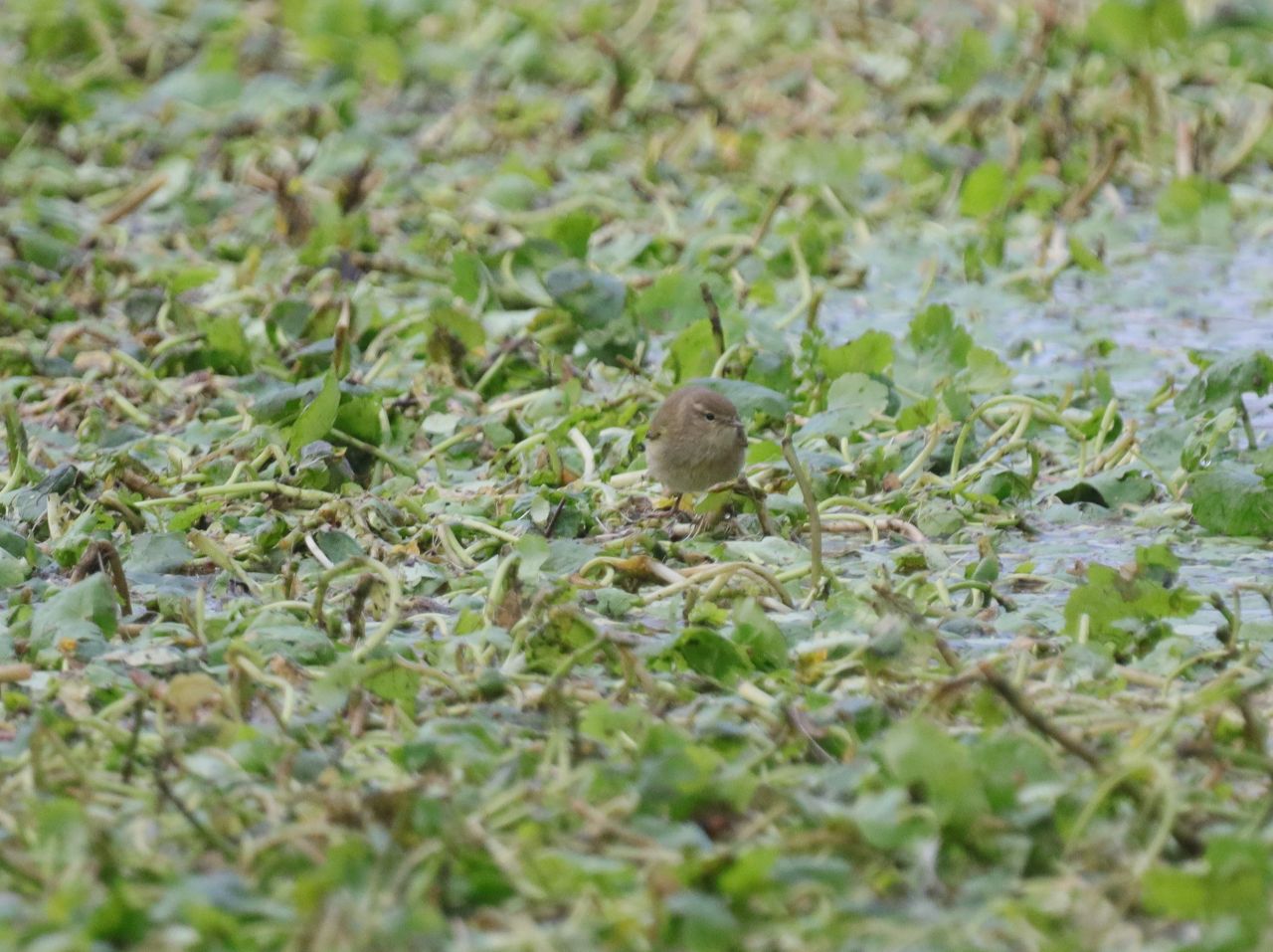
Chiffchaff, Papercourt water meadow.
And a couple of chiffchaffs feeding among the blanket of penny-wart that covered the river.
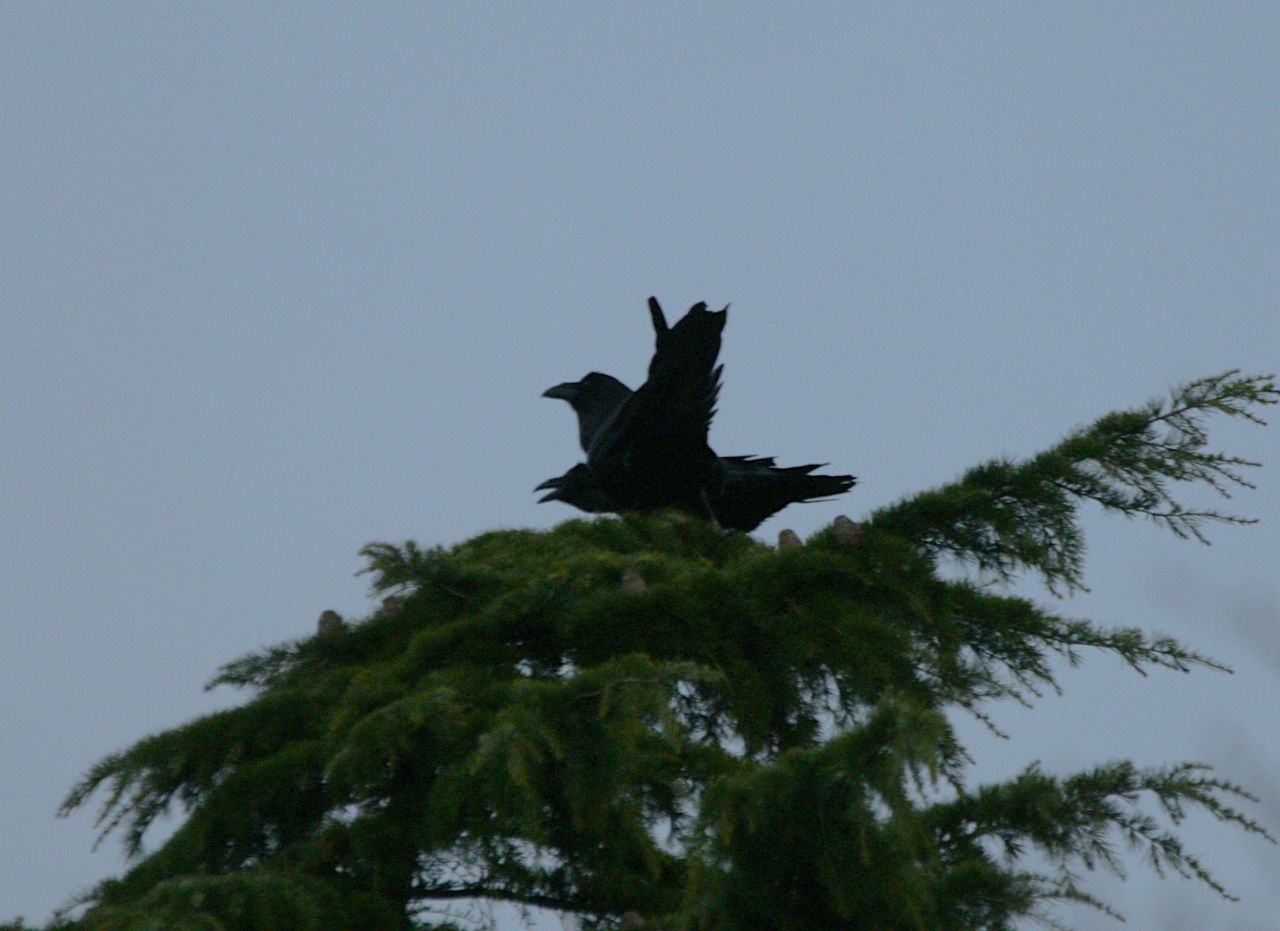
Ravens, Worplesdon churchyard.
Stopping of at St Mary’s Church, Perry Hill, Worplesdon, on our return home, a pair of ravens flew over and could be viewed briefly perching up in a conifer to the rear of the churchyard.
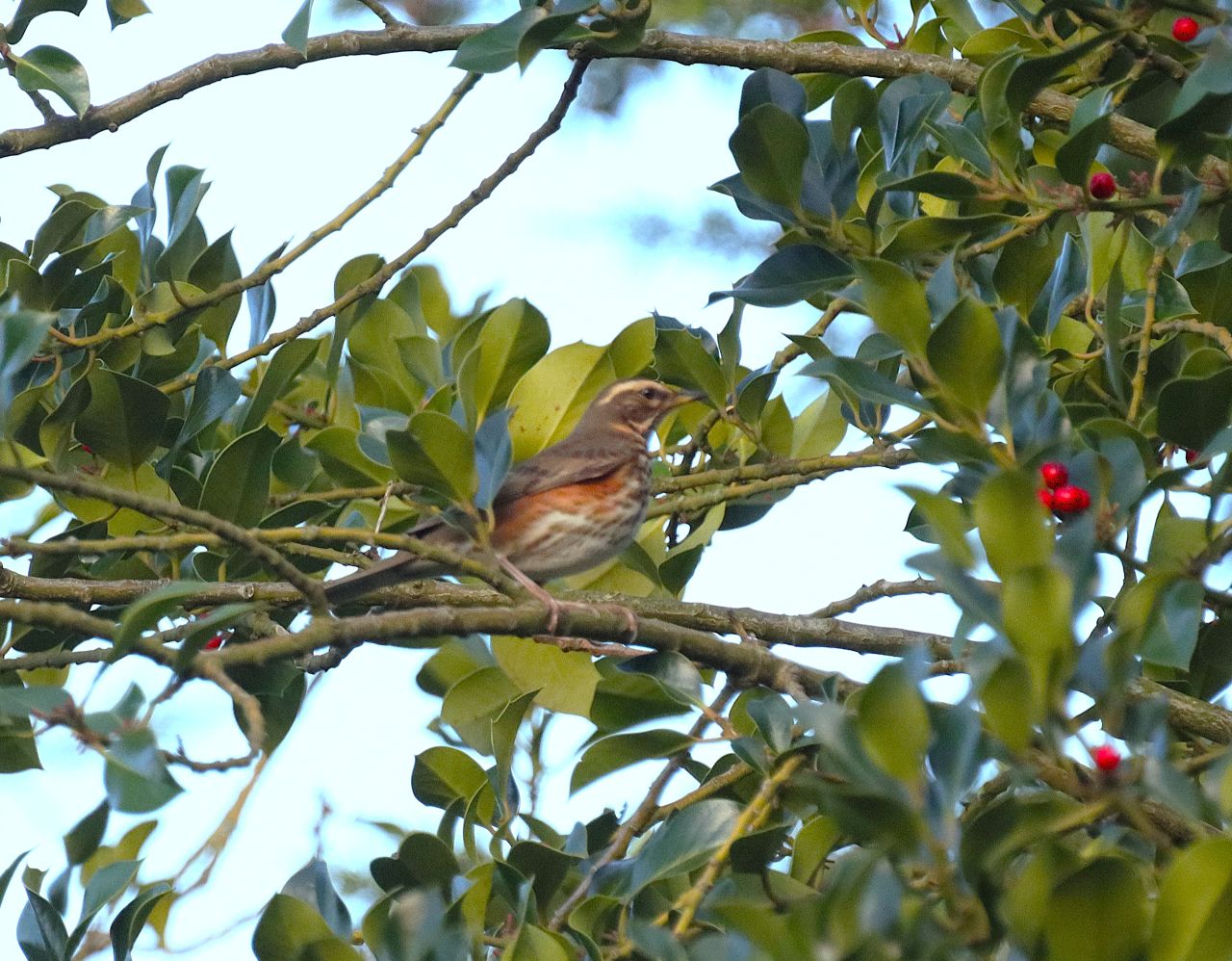
Redwing, Worplesdon churchyard.
While a group of a score or more, wintering Scandinavian redwings and other thrushes were rapidly harvesting the remaining holly berries in the churchyard.
On January 1, among a company of friends including Bob and Dougal, it was time for them to start another year of listings. And for me to attempt to start another year of achieving the best photos I am able to, restricted by progressing disabilities and having to set up for the most part, a tripod to steady the photos I take.
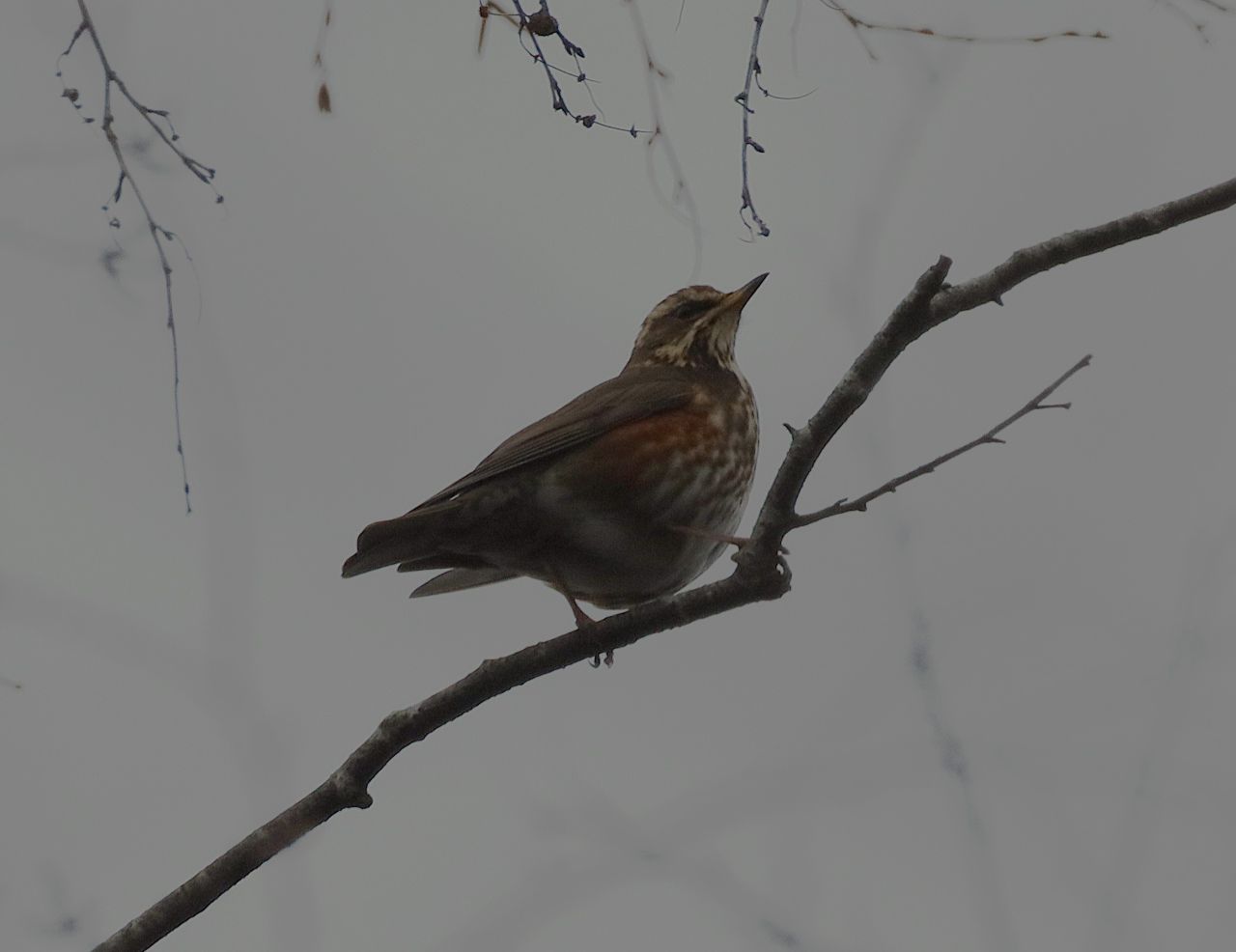
Redwing, Britten’s Pond, New Year’s Day.
Our first port of call was Britten’s Pond, where although getting a dozen or so species to start our new year lists the only photos worthy of showing was of a redwing.
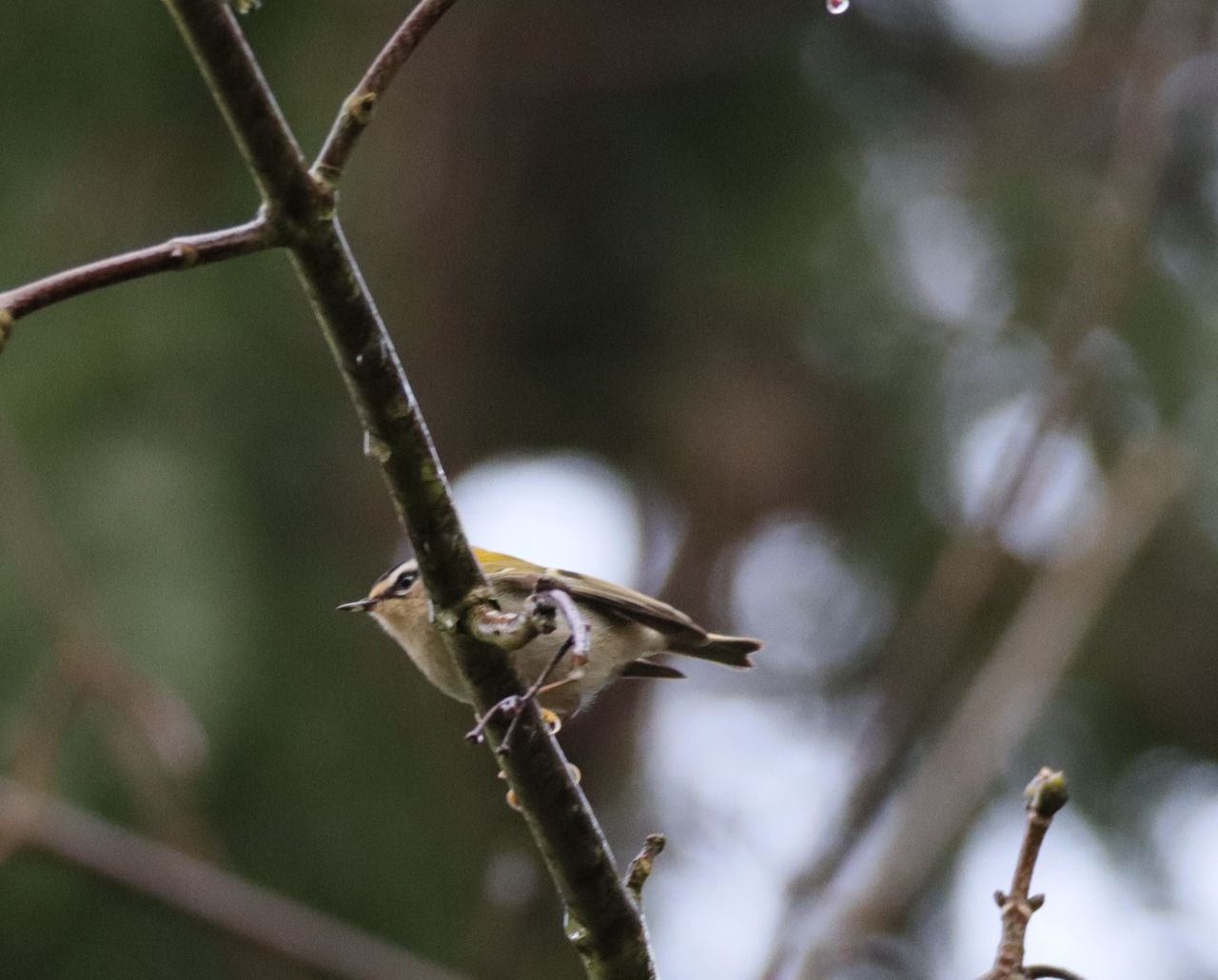
Firecrest.
And also a firecrest.
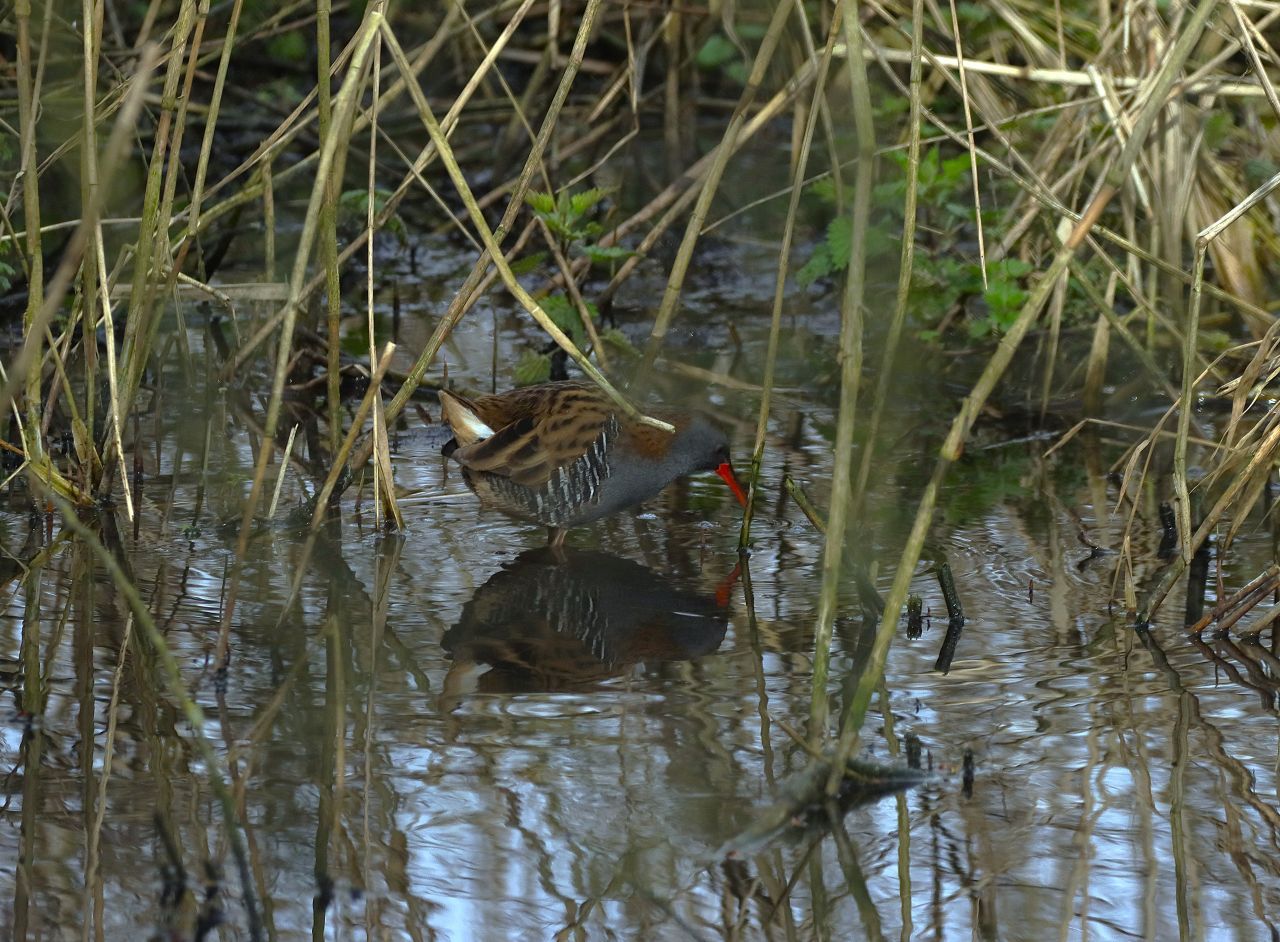
Water rail, Unstead Sewage Farm.
Our next stop was Unstead Sewage Farm near Godalming, where I was able to add one of two water rails spotted there.
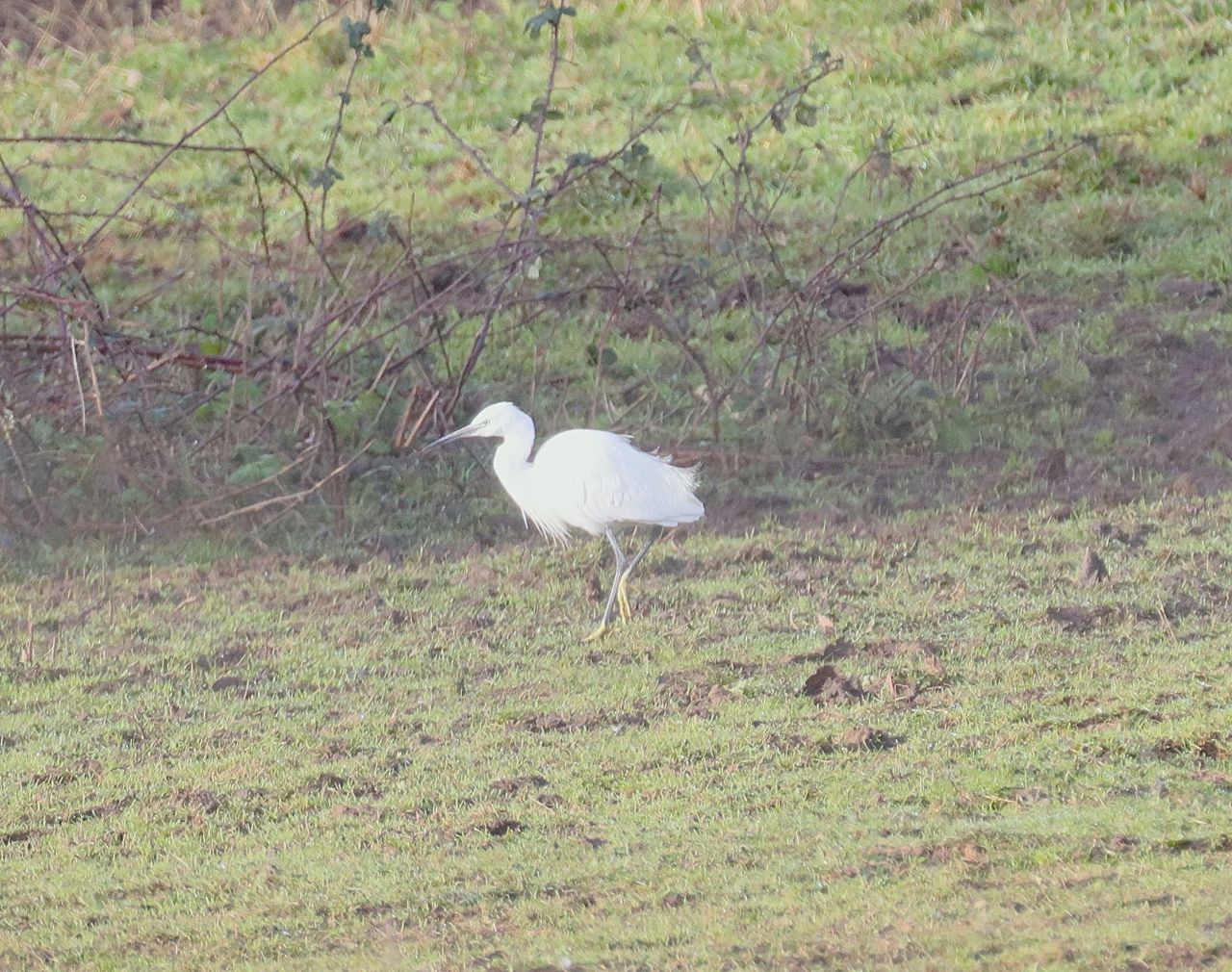
Little egret, Unstead Sewage Farm.
Also adding a little egret present in the meadows.
Furthering our adventure we visited Cutt Mill Pond in Puttenham.
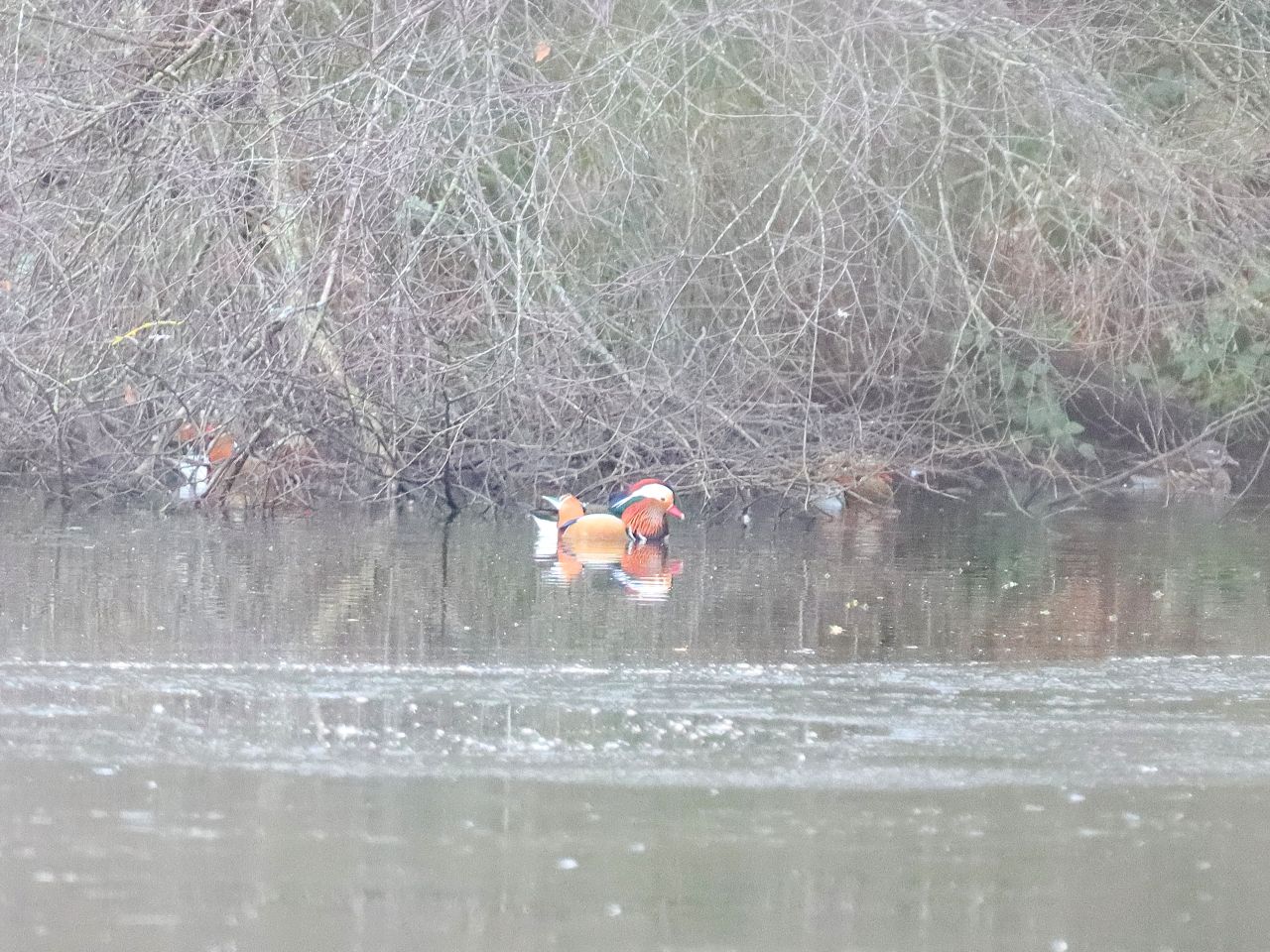
Madarin duck, Cutt Mill Pond.
Unfortunately, the waters were frozen dismissing our hopes of seeing any of the goosanders we had previously seen there just a week before, although adding the mandarin ducks still present on the ‘house pond’.
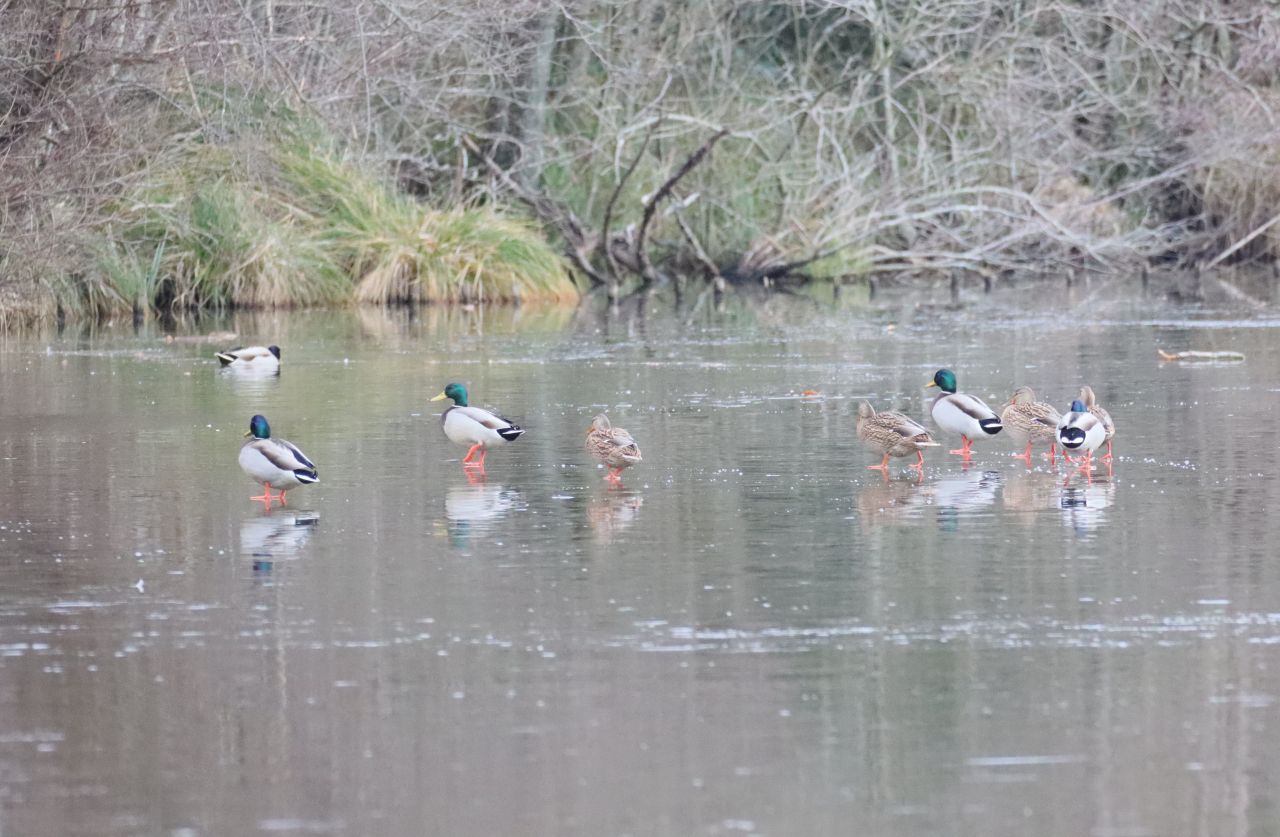
Mallards on ice, Cutt Mill Pond.
With just a few mallards present on the ice.
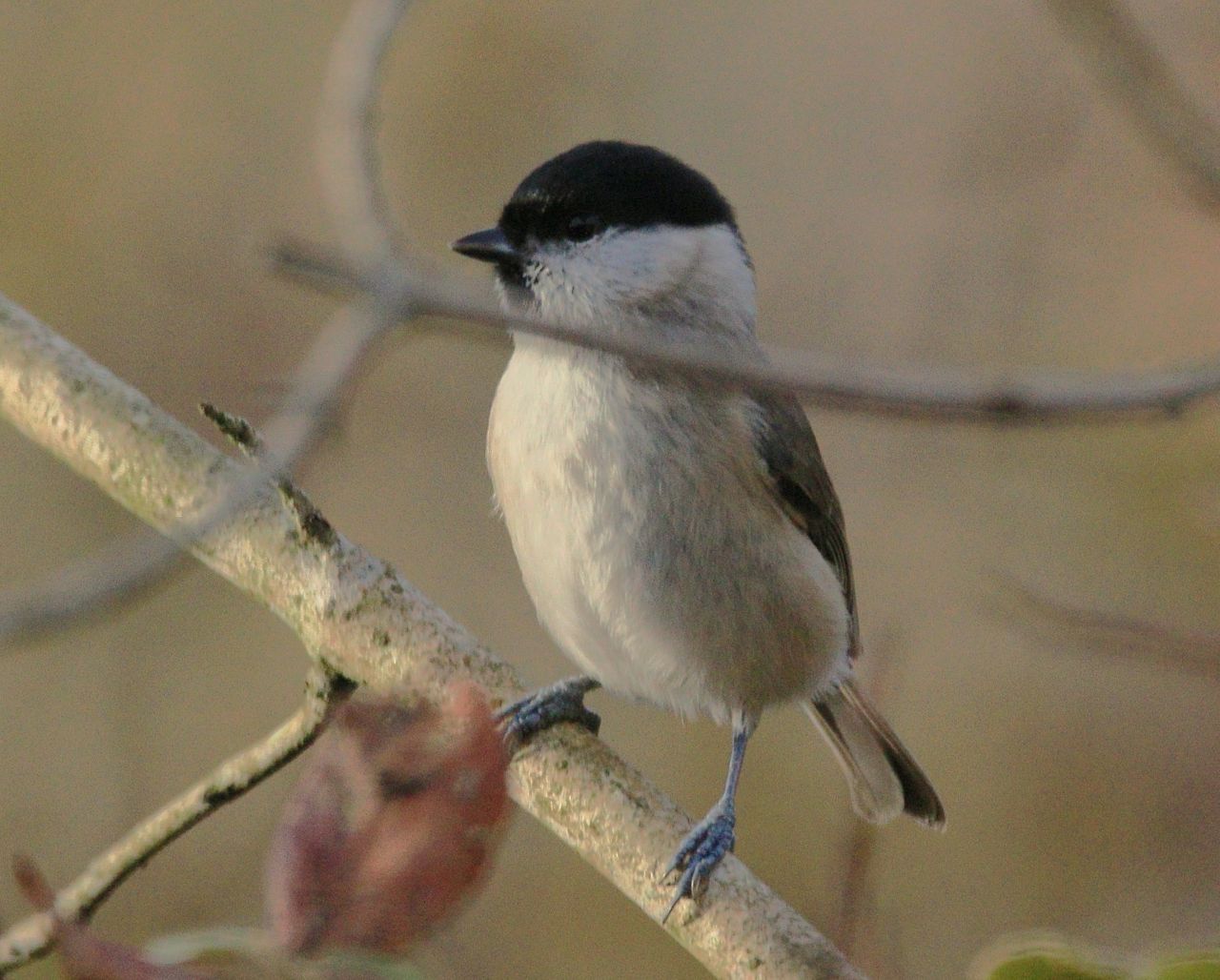
Marsh tit.
And the only other notable sighting for me there was a marsh tit.
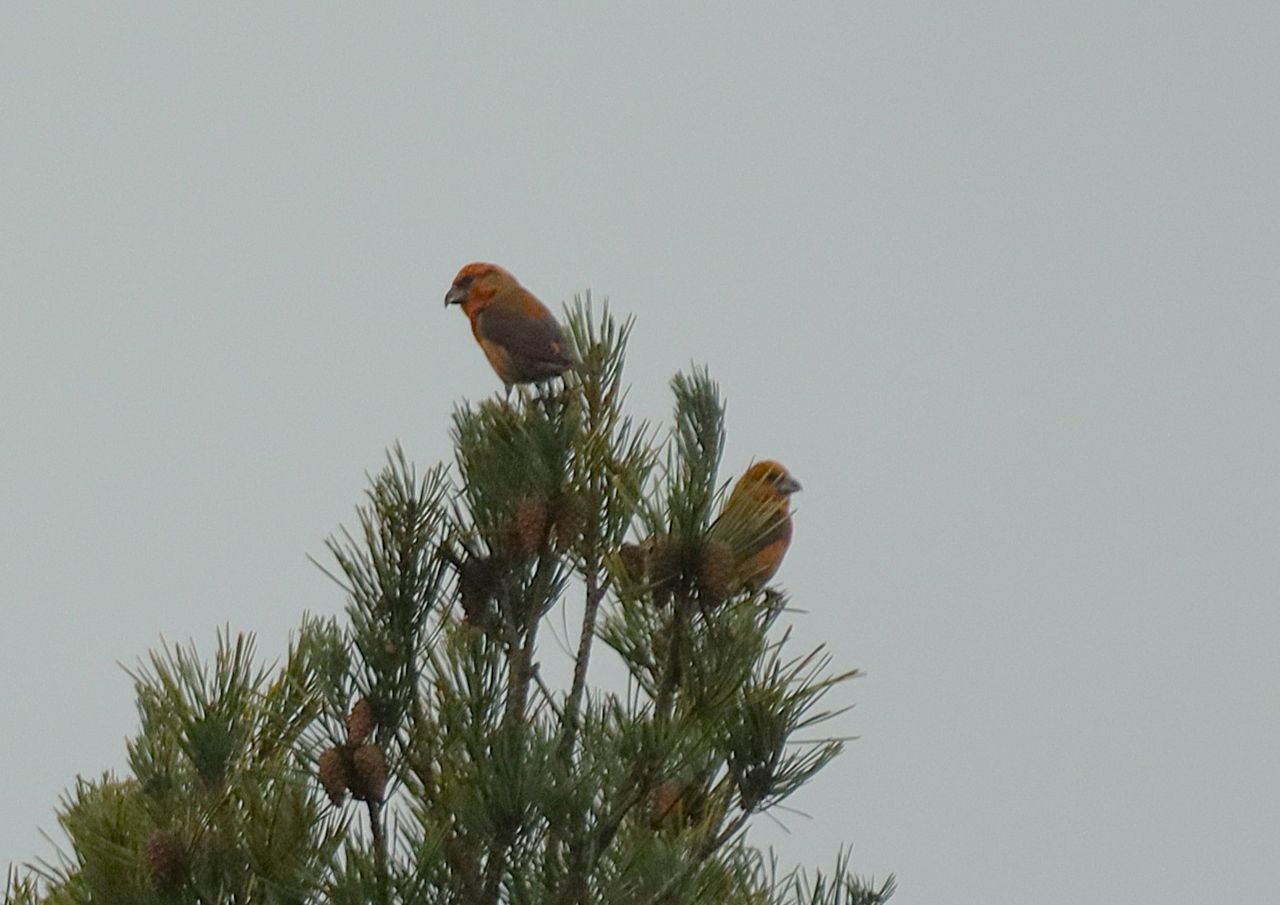
Common crossbills, Crooksbury Common.
Then a short drive to Crooksbury Common where I was able to add photos of a few of eight common crossbills we counted there.
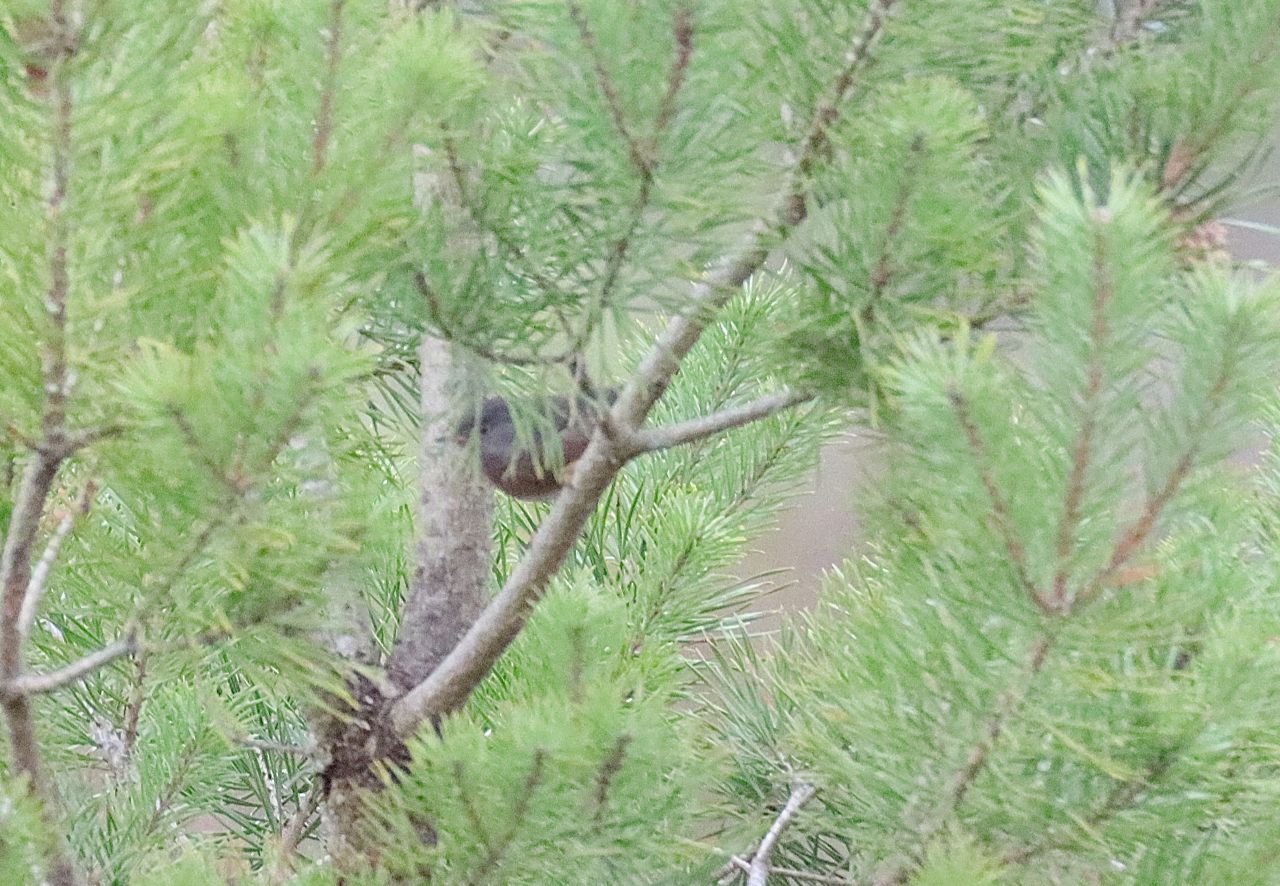
Dartford warbler, Crooksbury Common.
As well as brief glimpses and obscured photos of a Dartford warbler.
Our last port of call that day was to Tice’s Meadow, near Farnham.
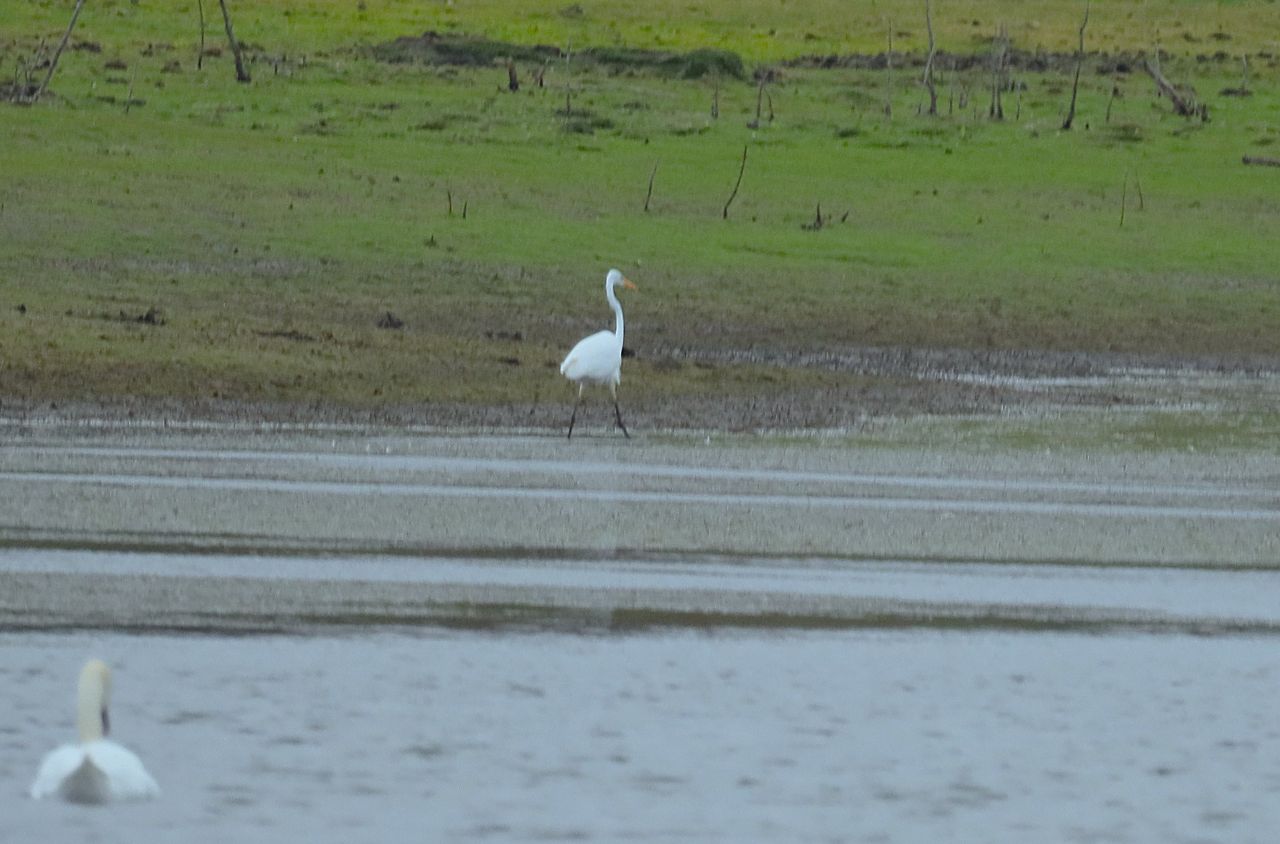
Great white egret, Tice’s Meadow.
Here we were able to add to my photos, a great white egret, one of two that had been present in the area.
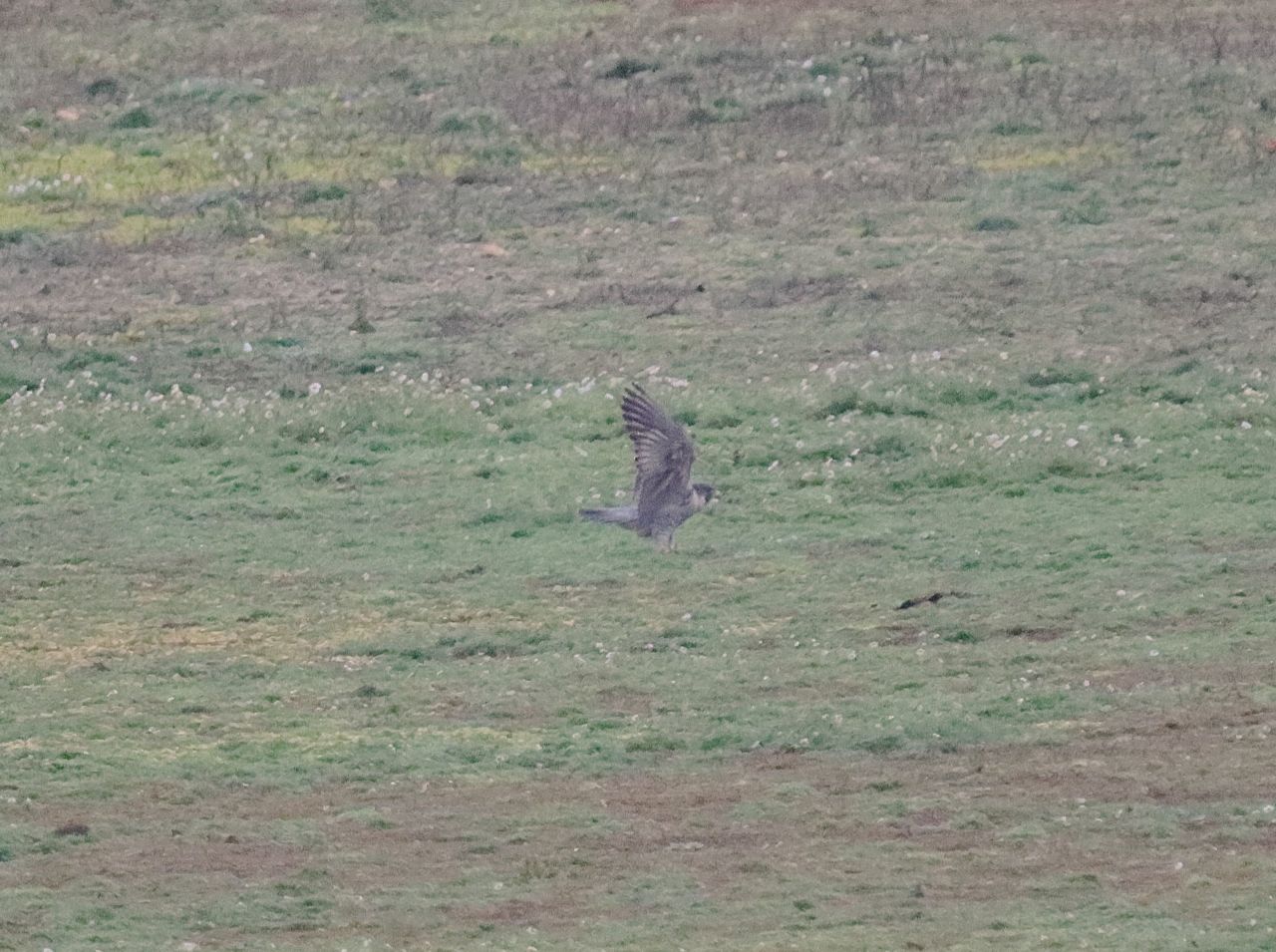
Peregrine falcon, Tice’s Meadow.
Also adding distant photos of a peregrine falcon feeding on prey out in the meadows.
Also adding to our sightings a female pintail duck, and a dunlin that had apparently been present for well over a month. But both too distant for my camera.
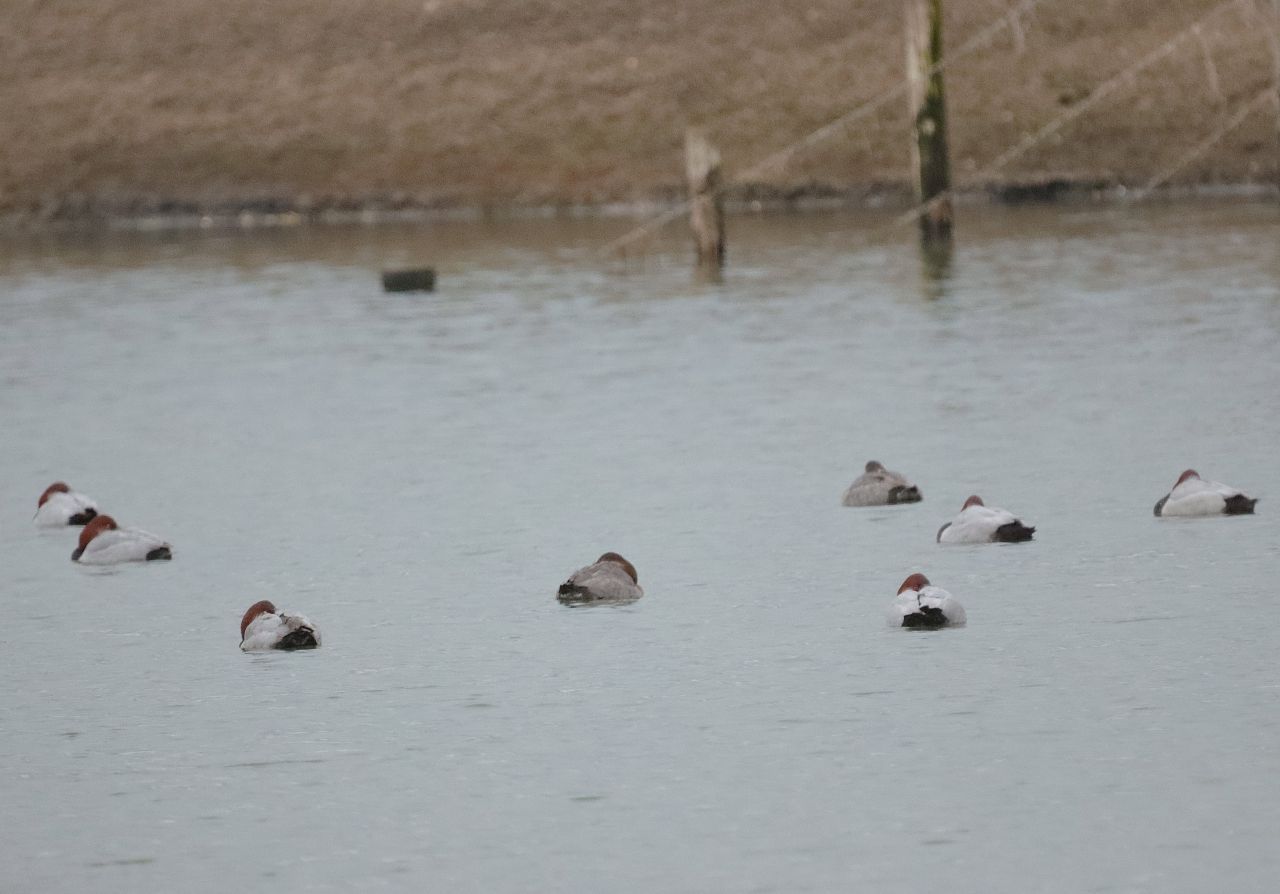
Pochards, Tice’s Meadow.
A small raft of sleepy pochards could be added to our lists.
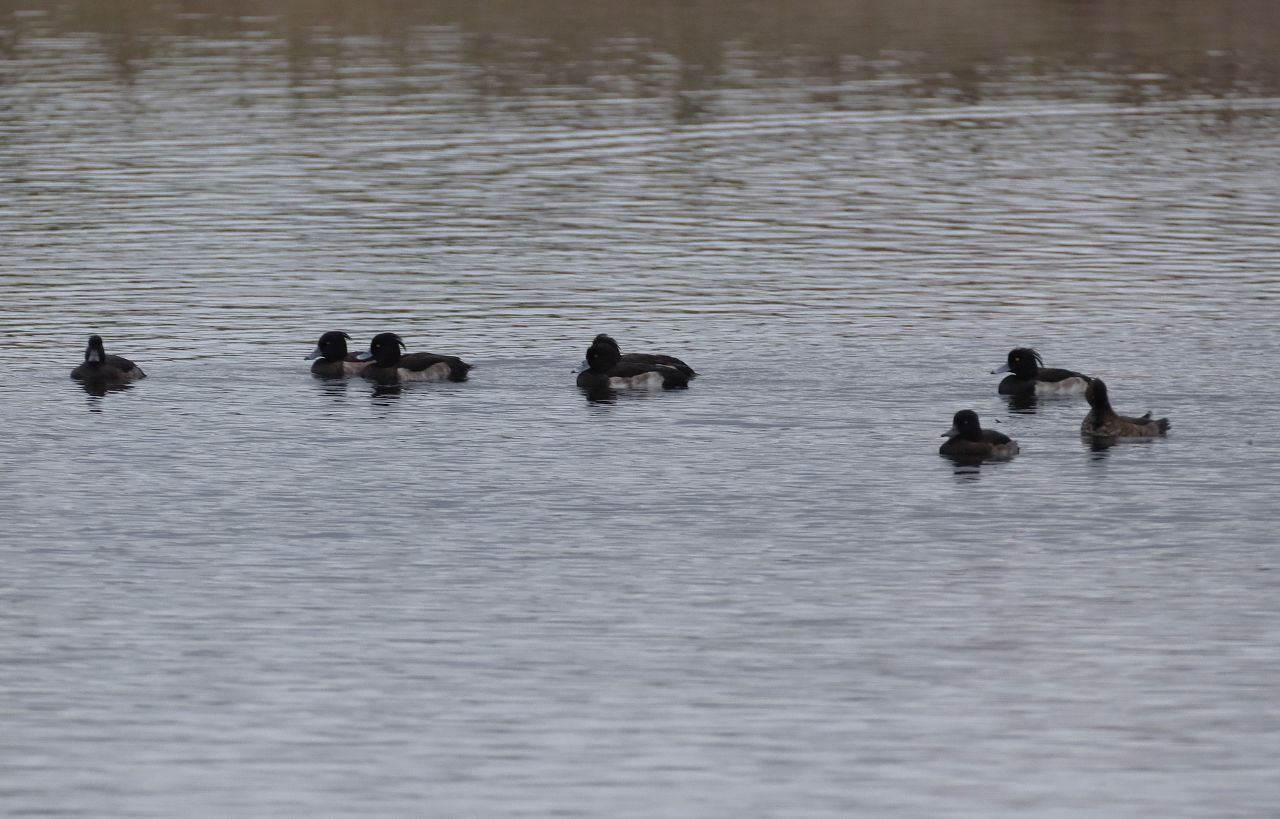
Tufted ducks, Tice’s Meadow.
As well as a small raft of tufted ducks out on the water.
By January 2 winds had freshened and turned northerly introducing some pleasant days of sunshine as we moved into the new year. Skies brightened allowing me opportunities of accomplishing an improvement in some of my photos.
Once again grateful for the invite, this time we visited the London Wetland Centre allowing me to add to this year’s selection of photos.
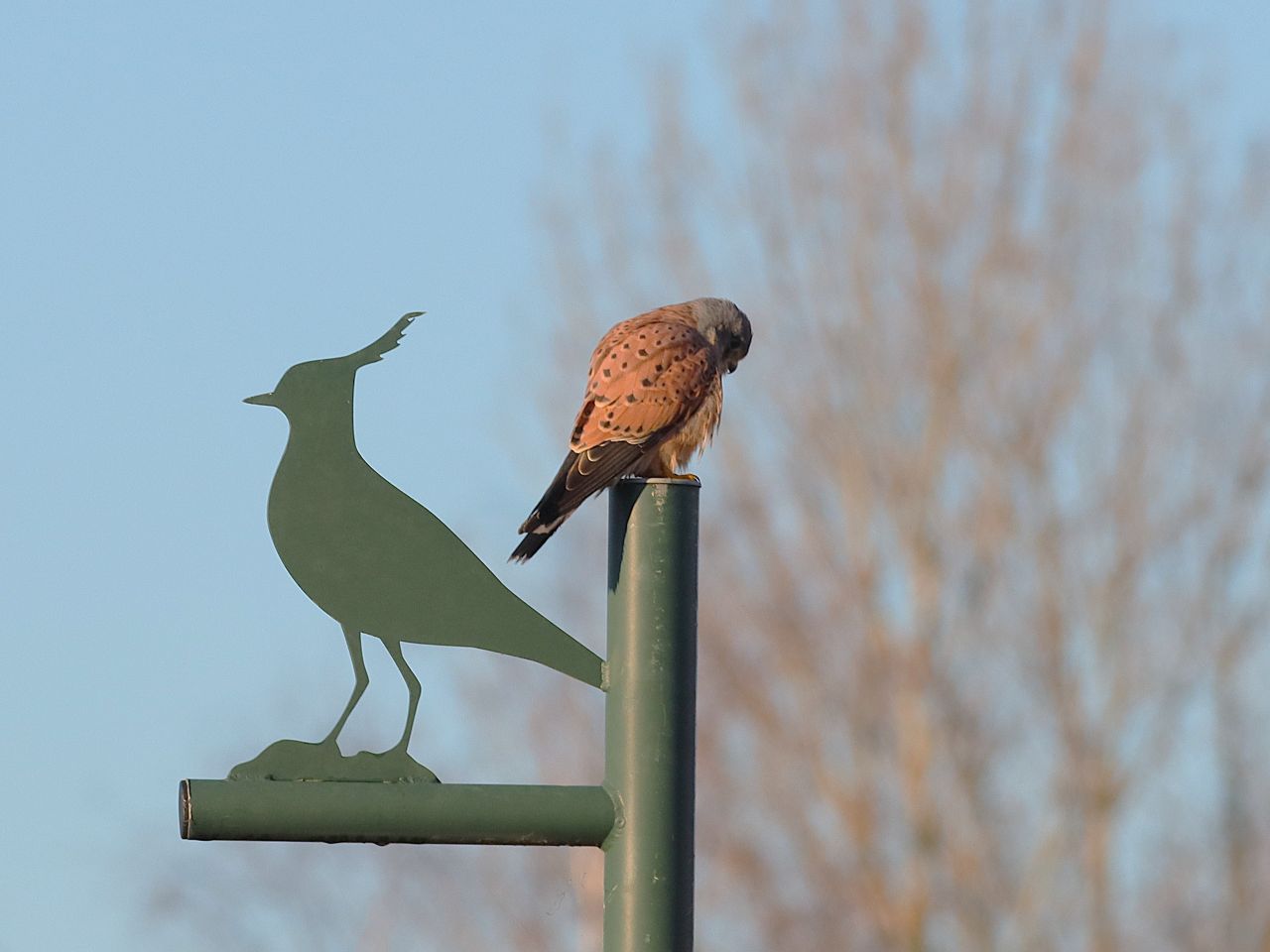
Kestrel at the London Wetland Centre.
My first addition to the day’s photos was the welcoming views of a kestrel in the car park.
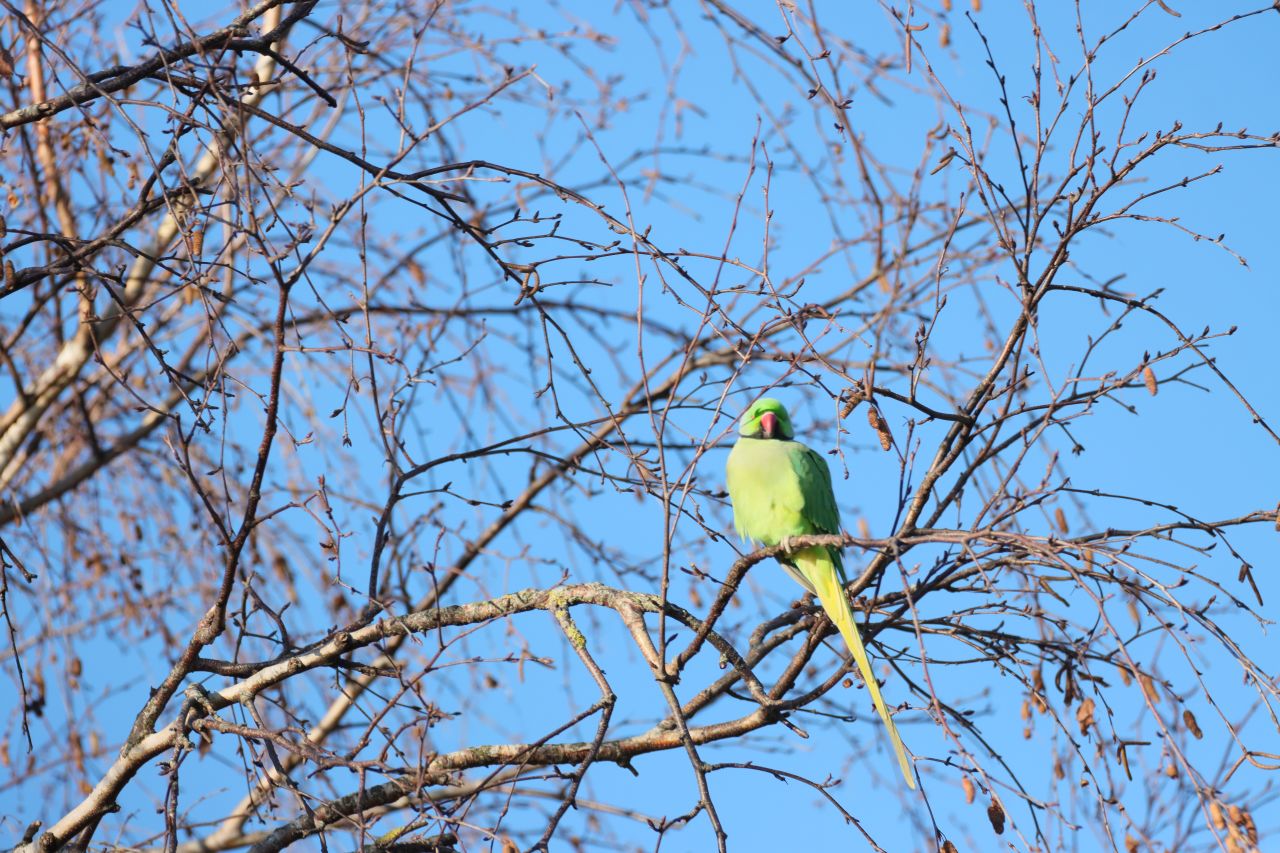
Ring-necked parakeet at the London Wetland Centre.
Along with a number of ring-necked parakeets (also known as rose-ring parakeets) about the entrance to the reserve.
The target species we had most hoped to see that day was at least one of the two bitterns that had been reported seen there in recent weeks.
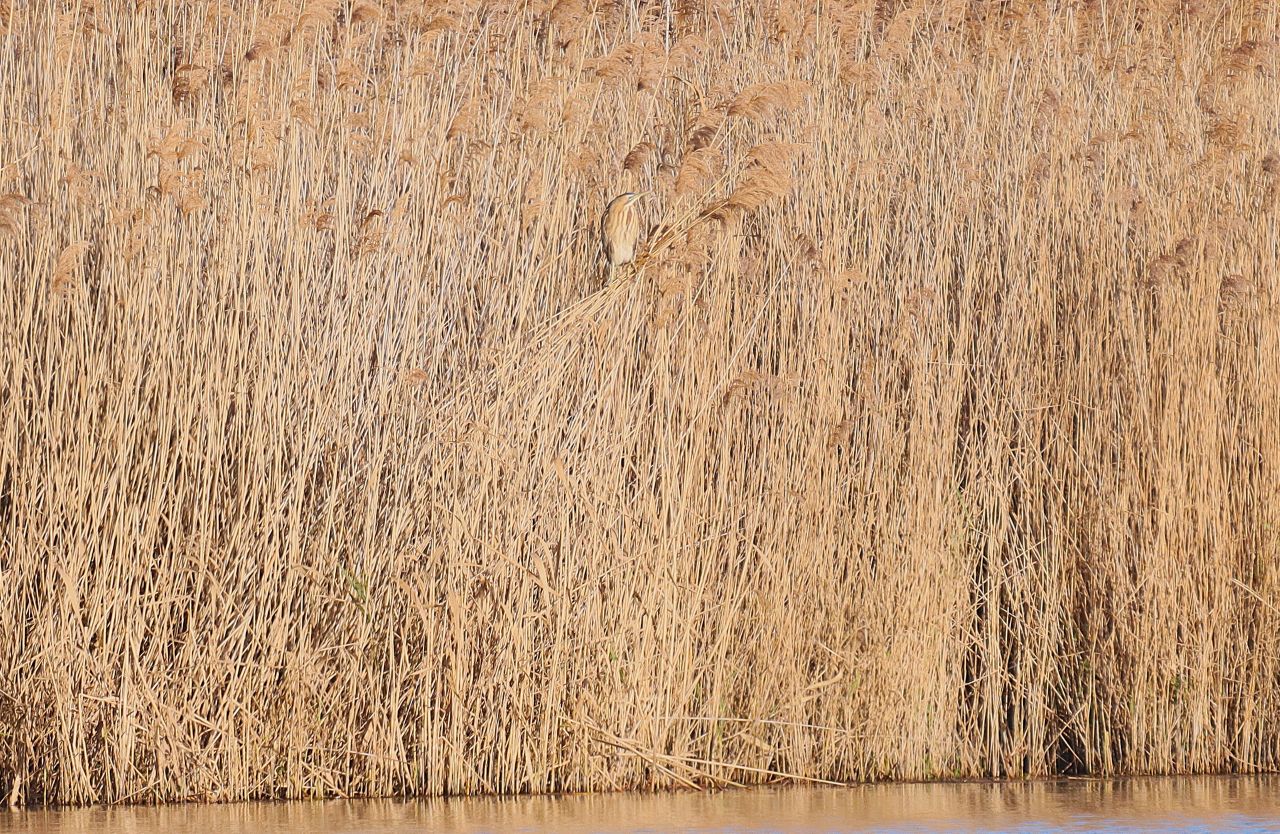
Bittern at the London Wetland Centre.
Fortune came our way early on our visit. Viewing from the Dulverton hide across the main lake we were elated to pick one out.
Unusual and surprisingly, it could be seen as it climbed up the phragmites reeds on the far side of the lake.
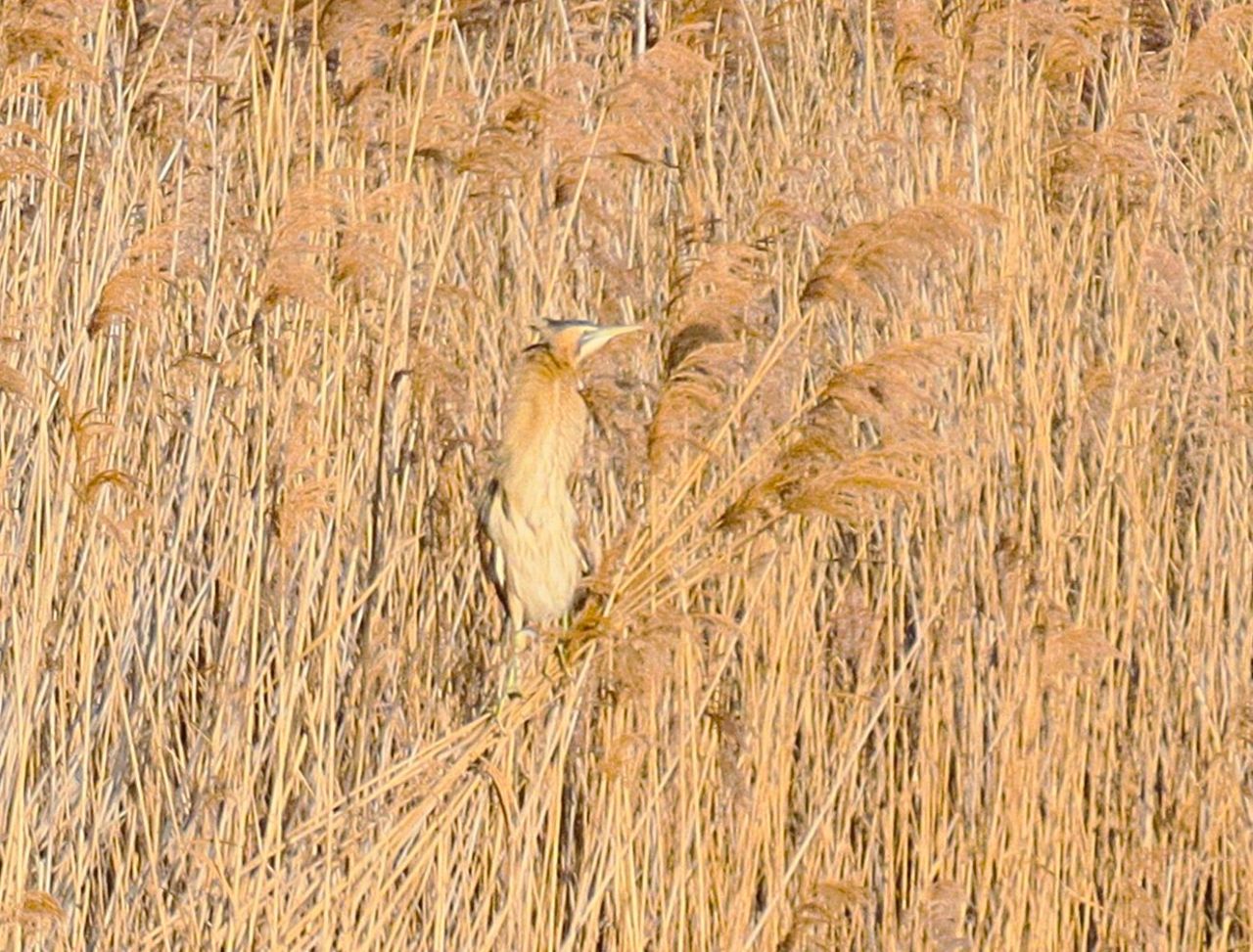
Bittern at the London Wetland Centre.
Using its feet to pull together and clasp numerous reed stems, it was able to estimate the amount of reed stems it needed to sustain its weight as it climbed a good five feet above the base of the reed beds.
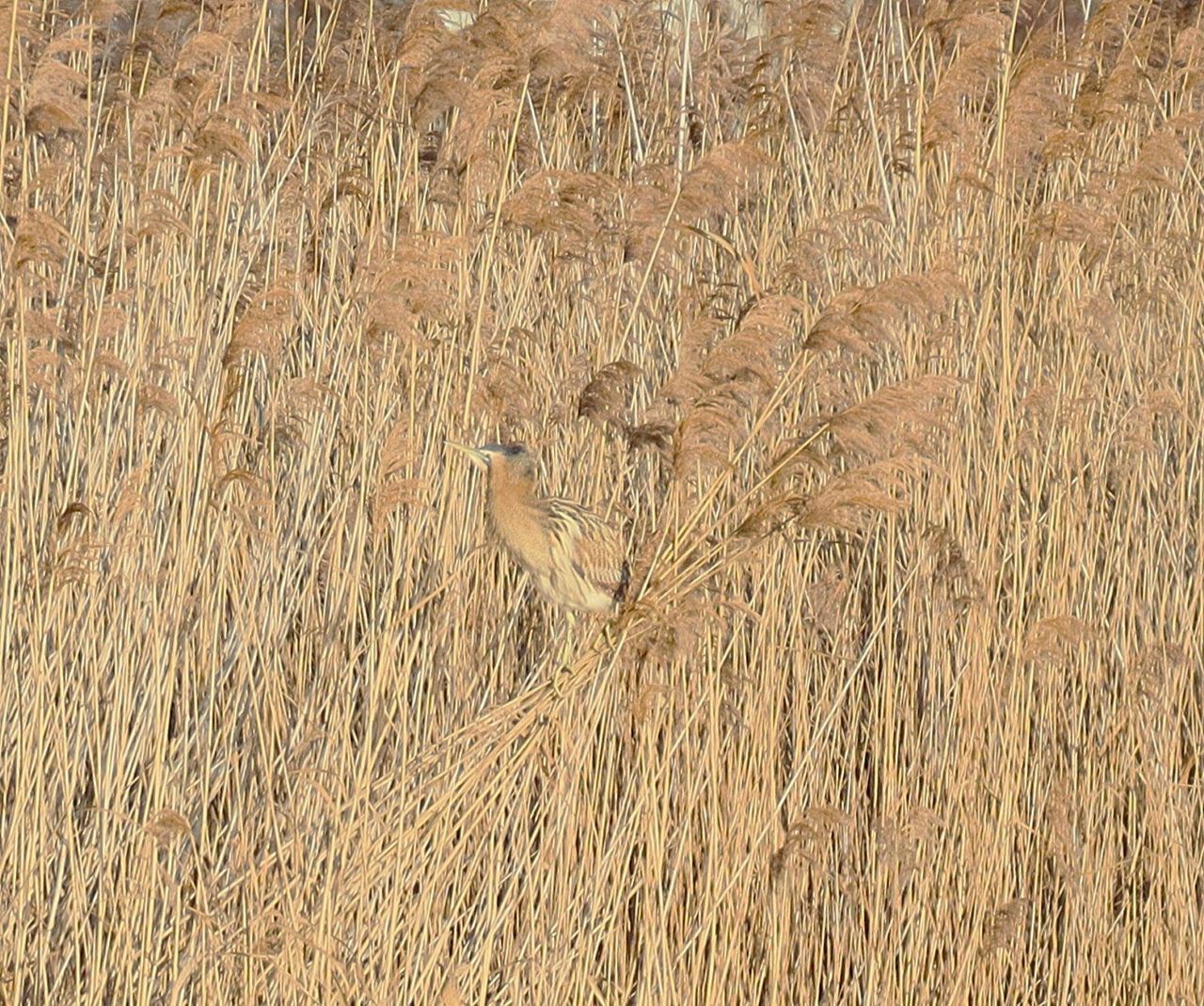
Bittern at the London Wetland Centre.
Spending a good 20 minutes or more preening and taking in the sunshine on what was a rather bright, but chilly day.
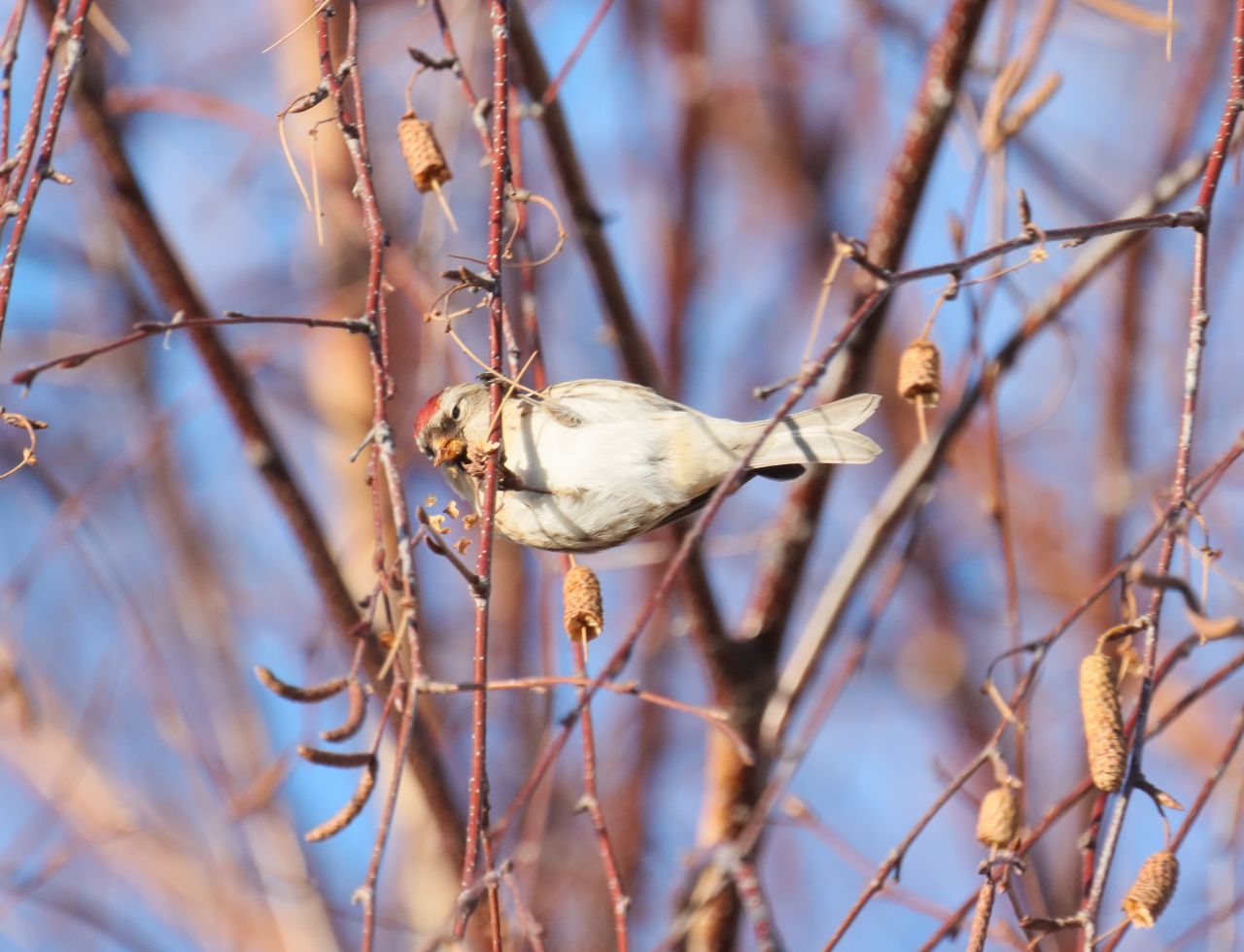
Redpoll at the London Wetland Centre.
Our walk around the reserve also gave me the opportunity of some reasonable pictures of a small group of redpolls feeding on the seeds of the alder and silver birch trees within the grounds.
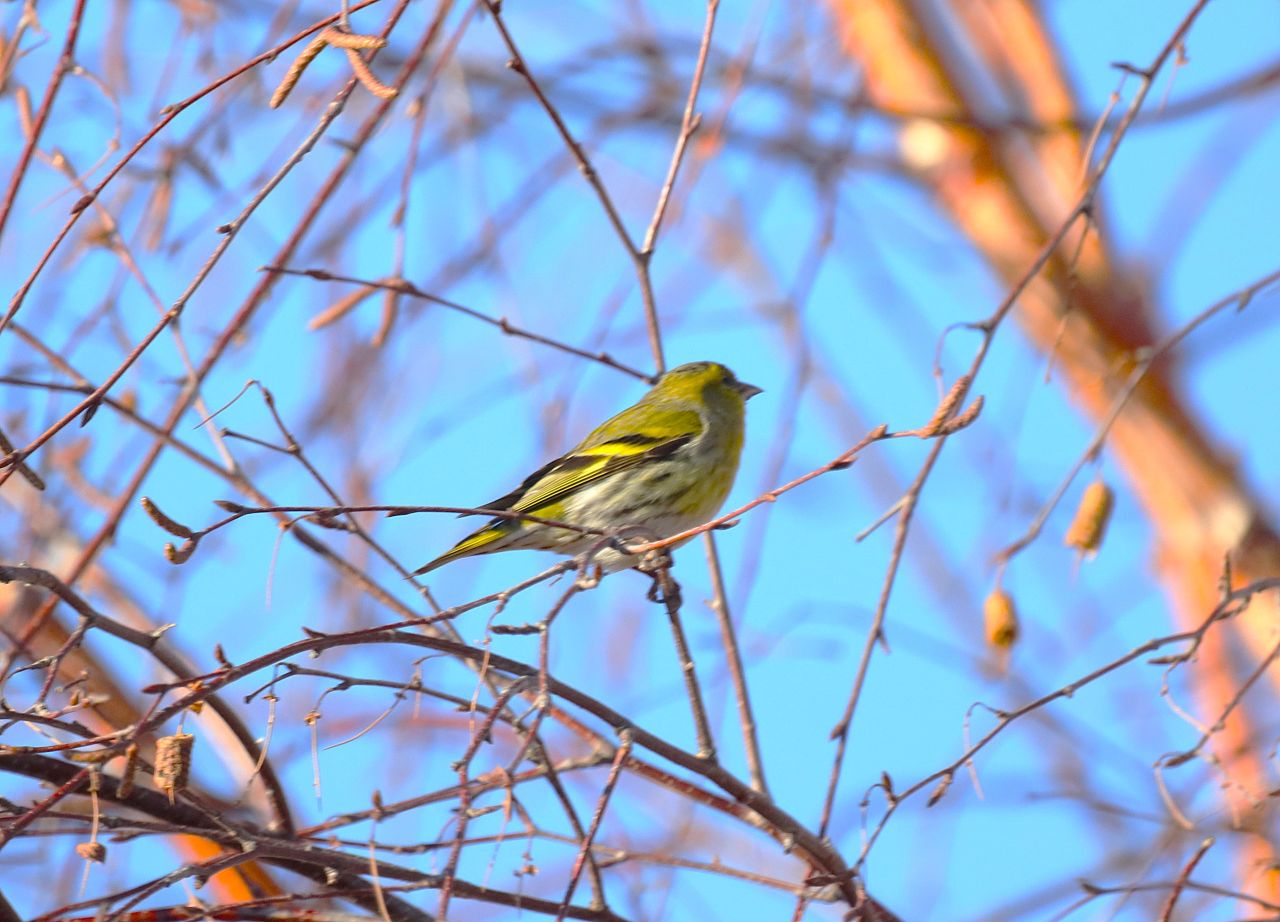
Siskin at the London Wetland Centre.
While among the group at least one siskin could be picked out.
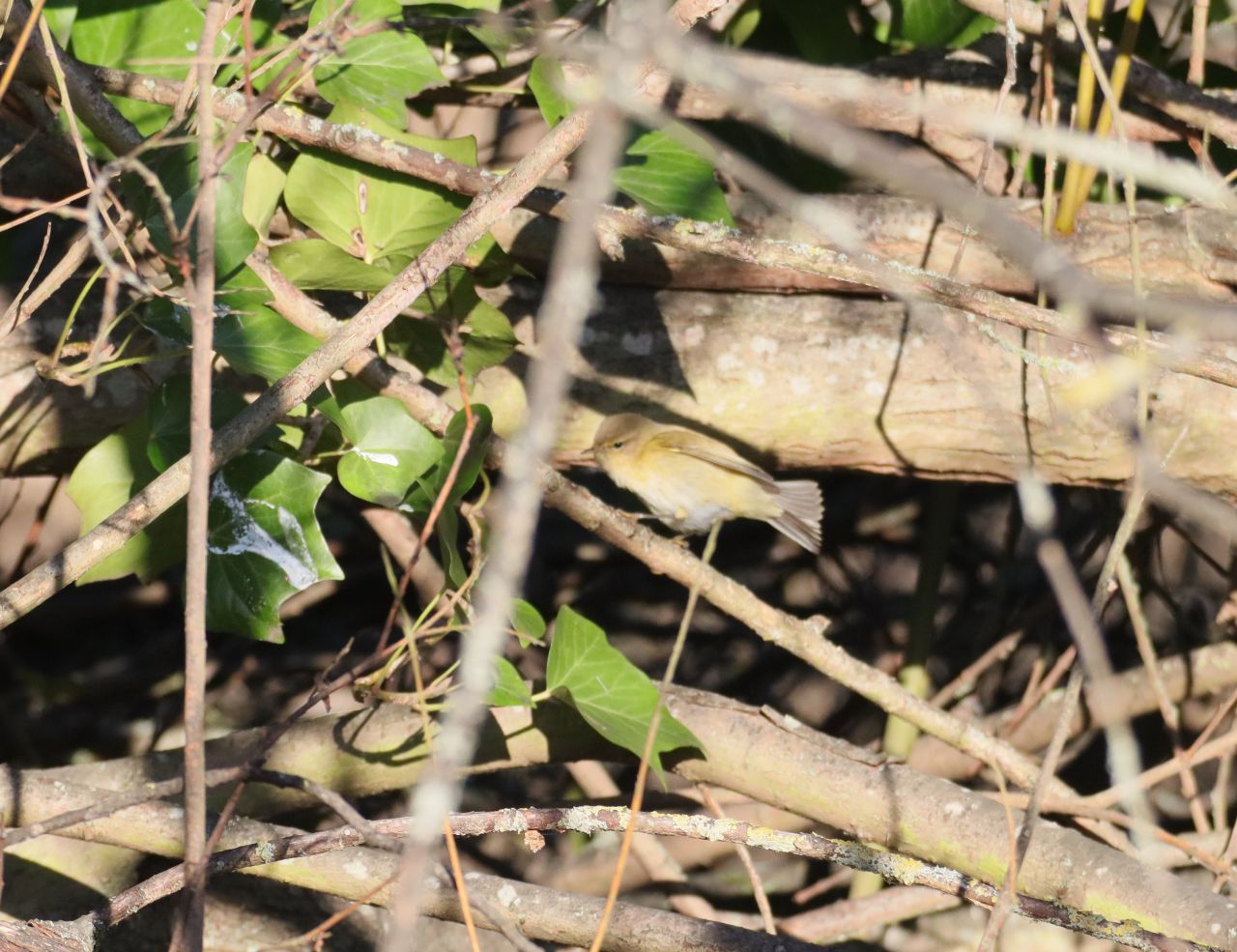
Chiffchaff at the London Wetland Centre.
Also spotting a chiffchaff looking for any insects available within a woodpile.
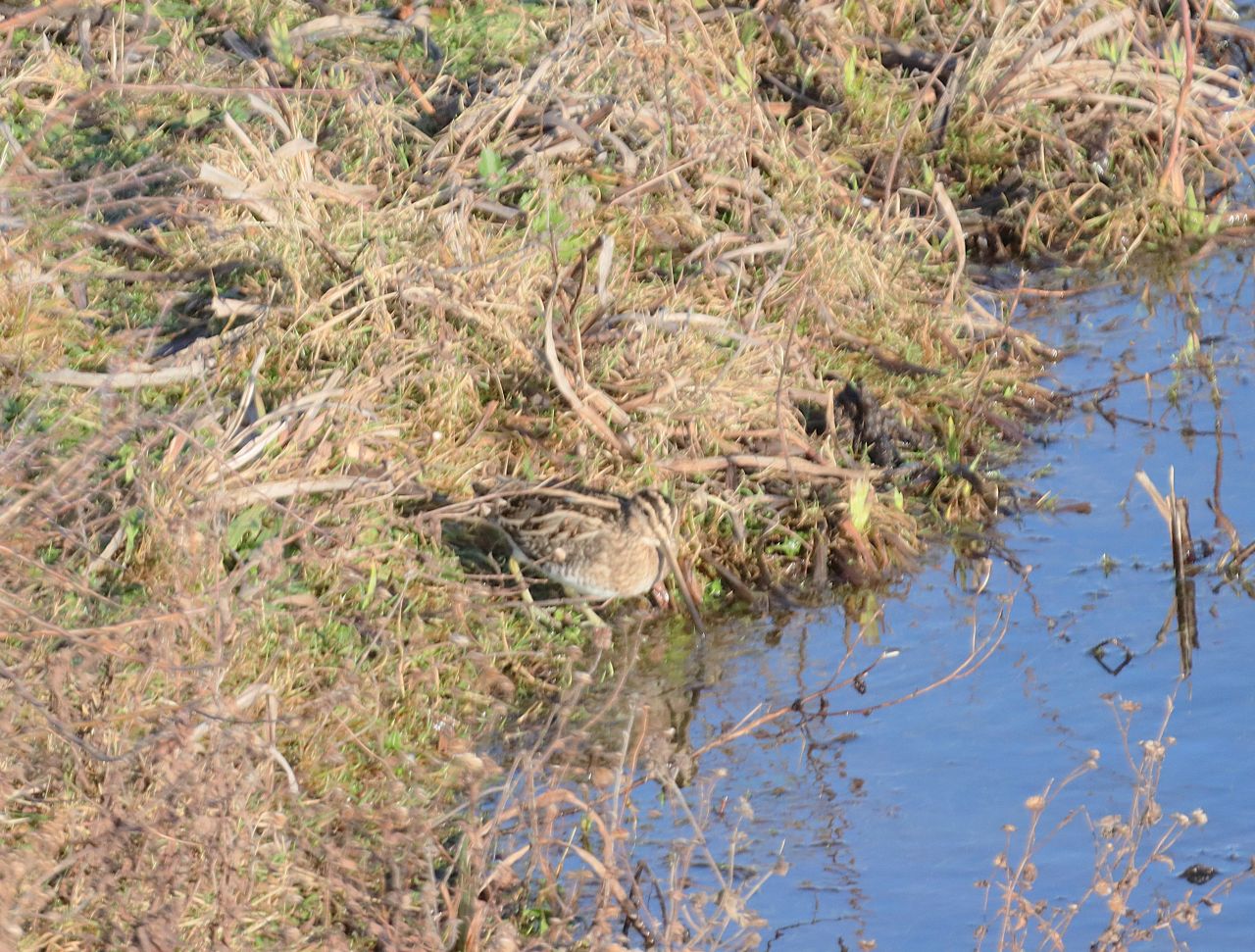
Common snipe at the London Wetland Centre.
Back out on the water and around its margins a few common snipe could be viewed.
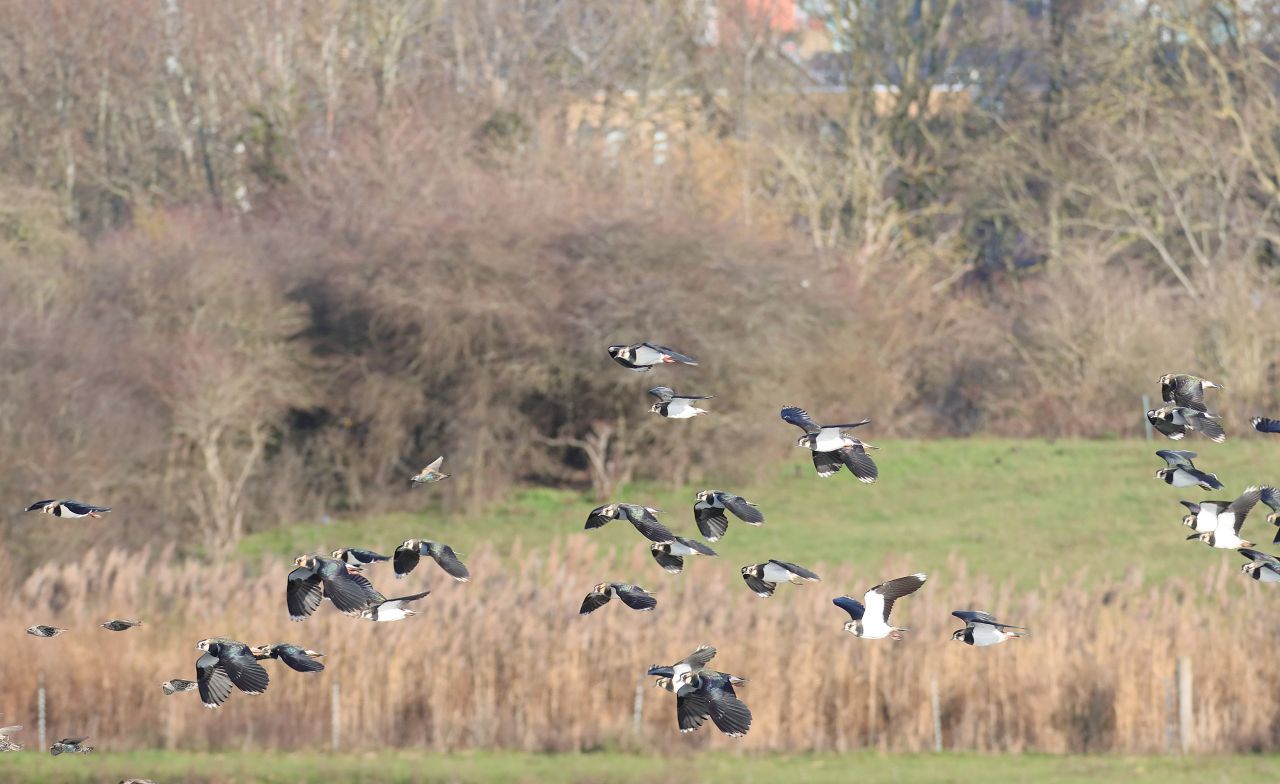
Lapwings at the London Wetland Centre.
And more than 40 lapwings could be counted as they occasionally took flight together about the reserve.
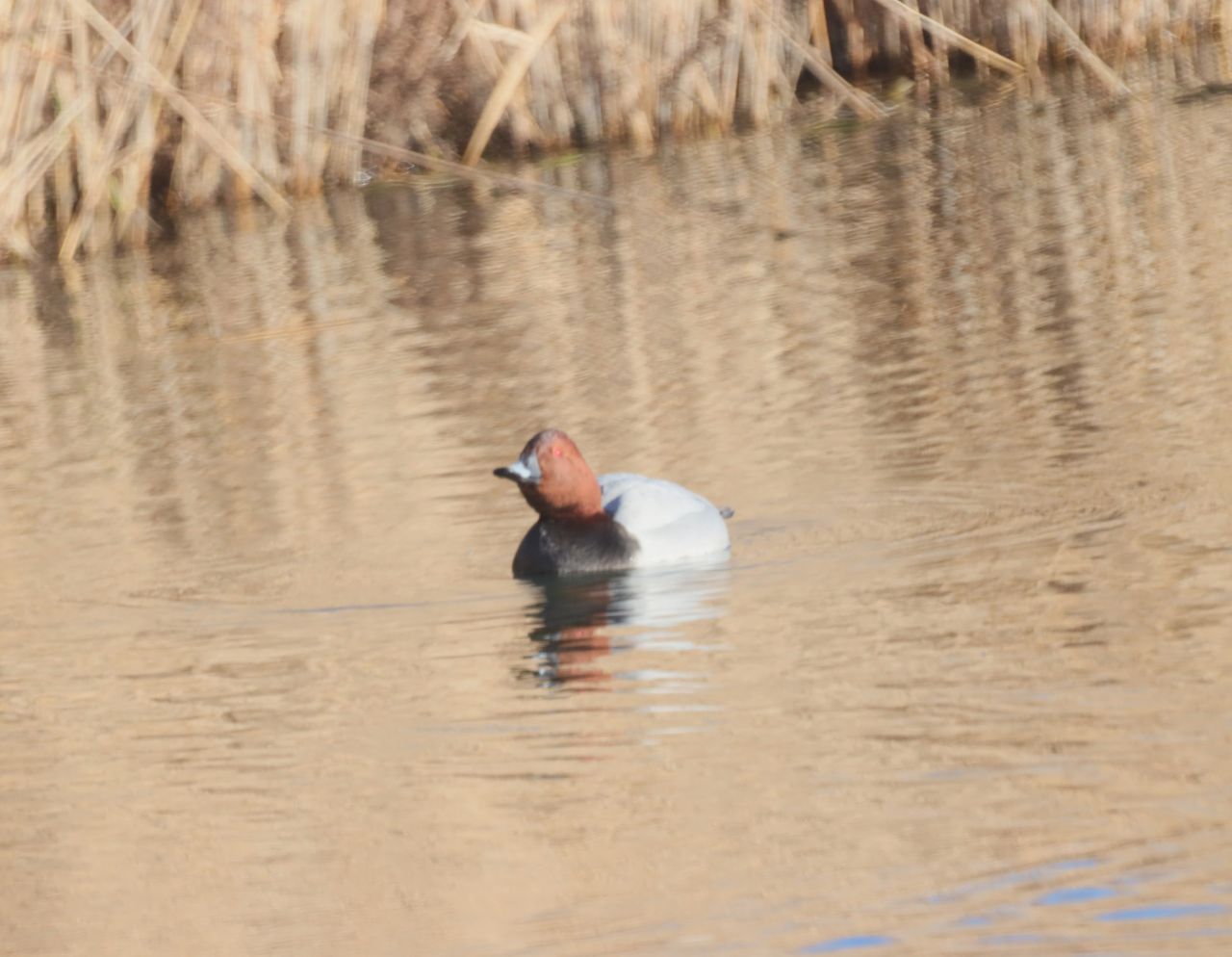
Pochard at the London Wetland Centre.
Numerous pochard ducks were also present.
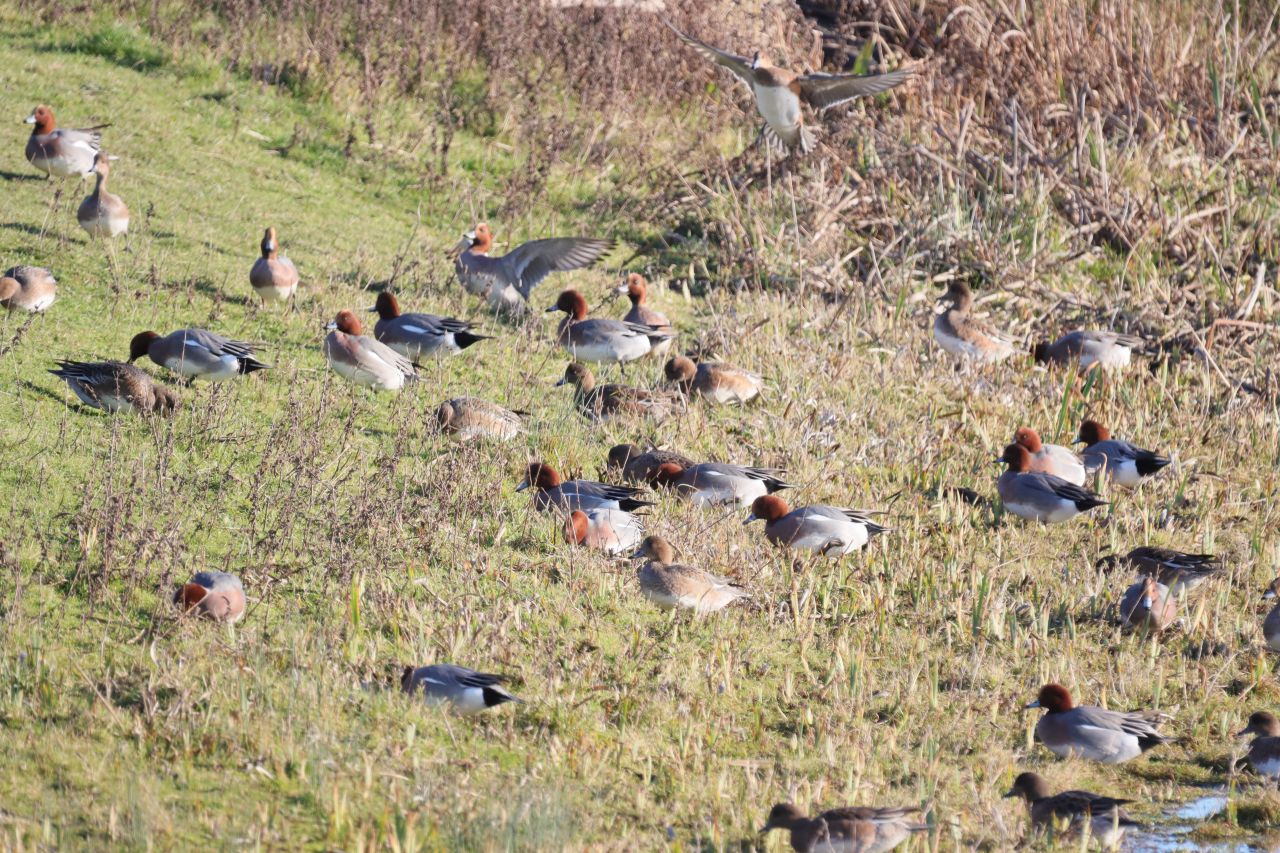
Wigeon at the London Wetland Centre.
As well as wintering wigeon around the water’s edge and out on the water.
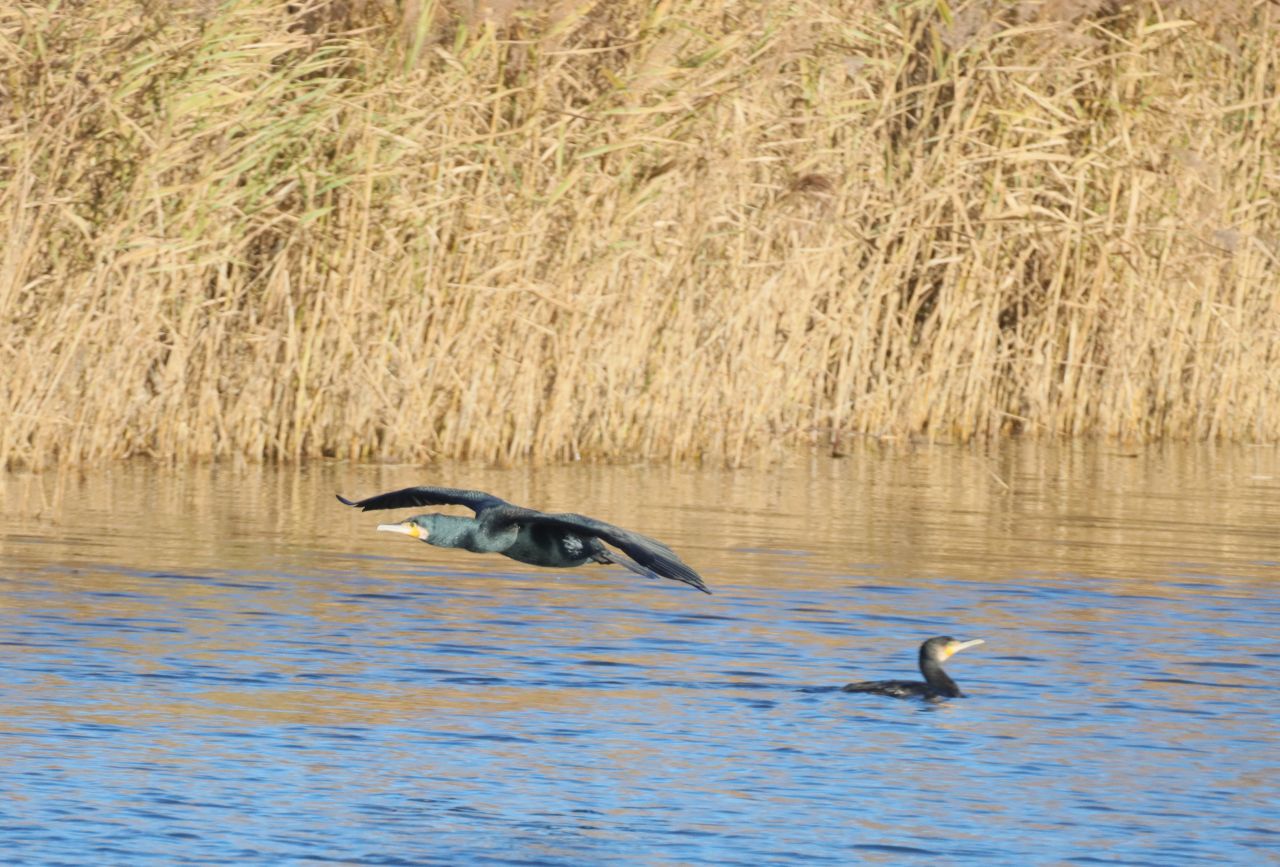
Cormorants at the London Wetland Centre.
And a handful of cormorants could be seen flying low over the water.
January 3 continued to bring blue skies and sunshine on our visit to Farlington Marshes, near Portsmouth.
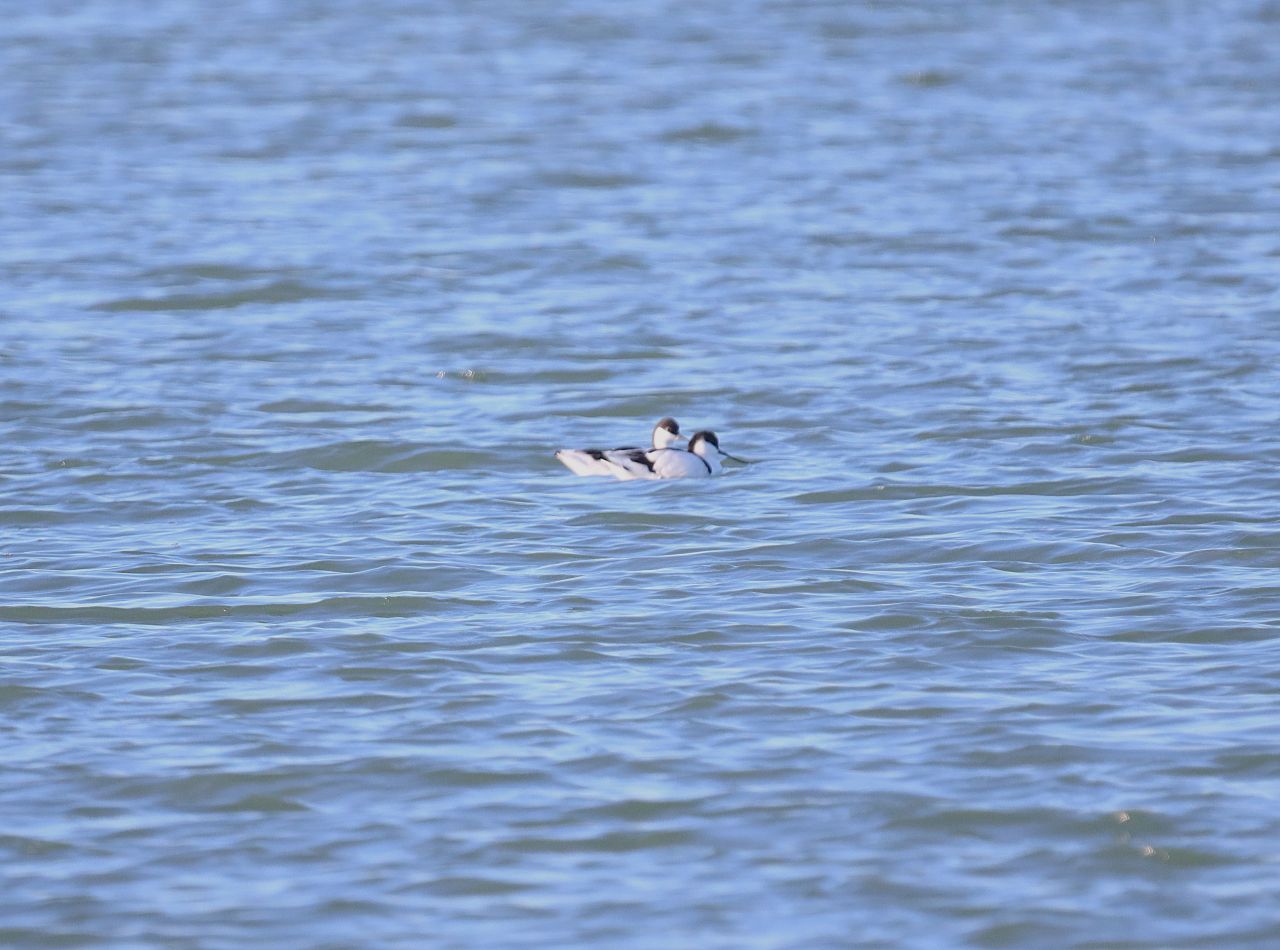
Avocets, Langstone Harbour, Farlington Marshes.
Arriving there at high tide, among the various gulls out in Langstone Harbour the first addition to this year’s sighting were two avocets.
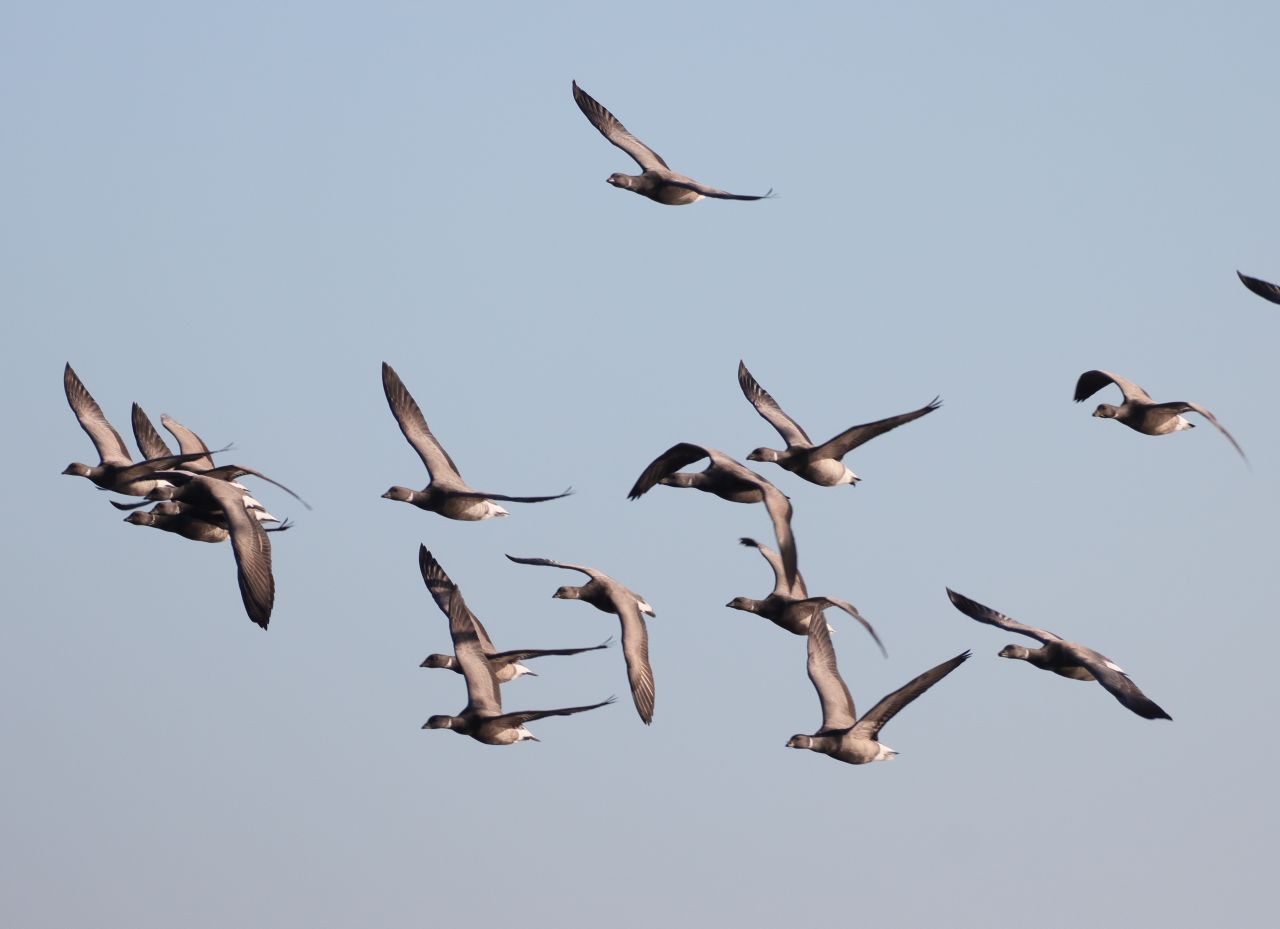
Brent geese, Farlington Marshes.
As usual at this time of the year, large skeins of wintering brent geese could be viewed around the reserve.
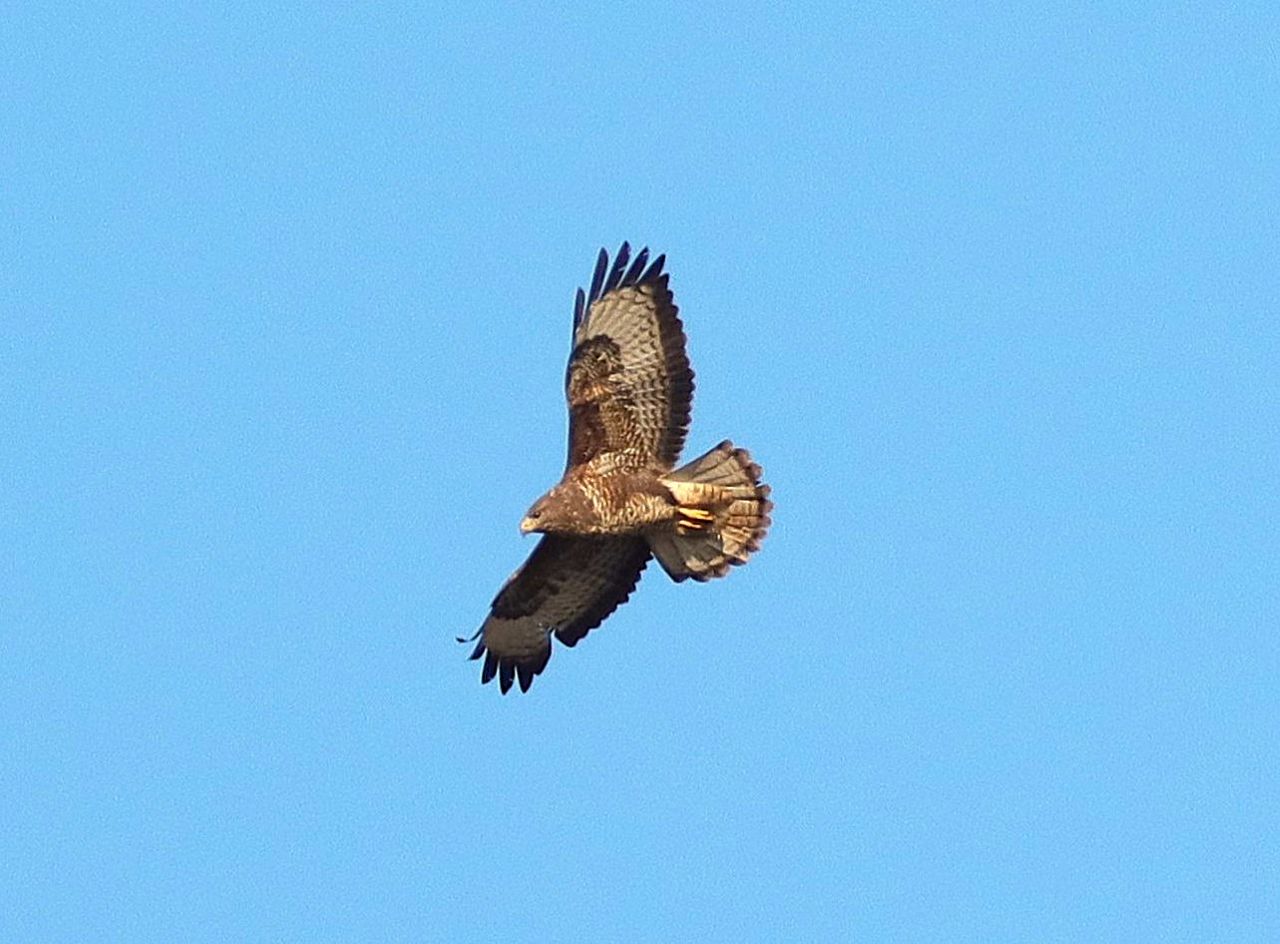
Common buzzard, Farlington Marshes.
Birds of prey seen included a common buzzard overhead.
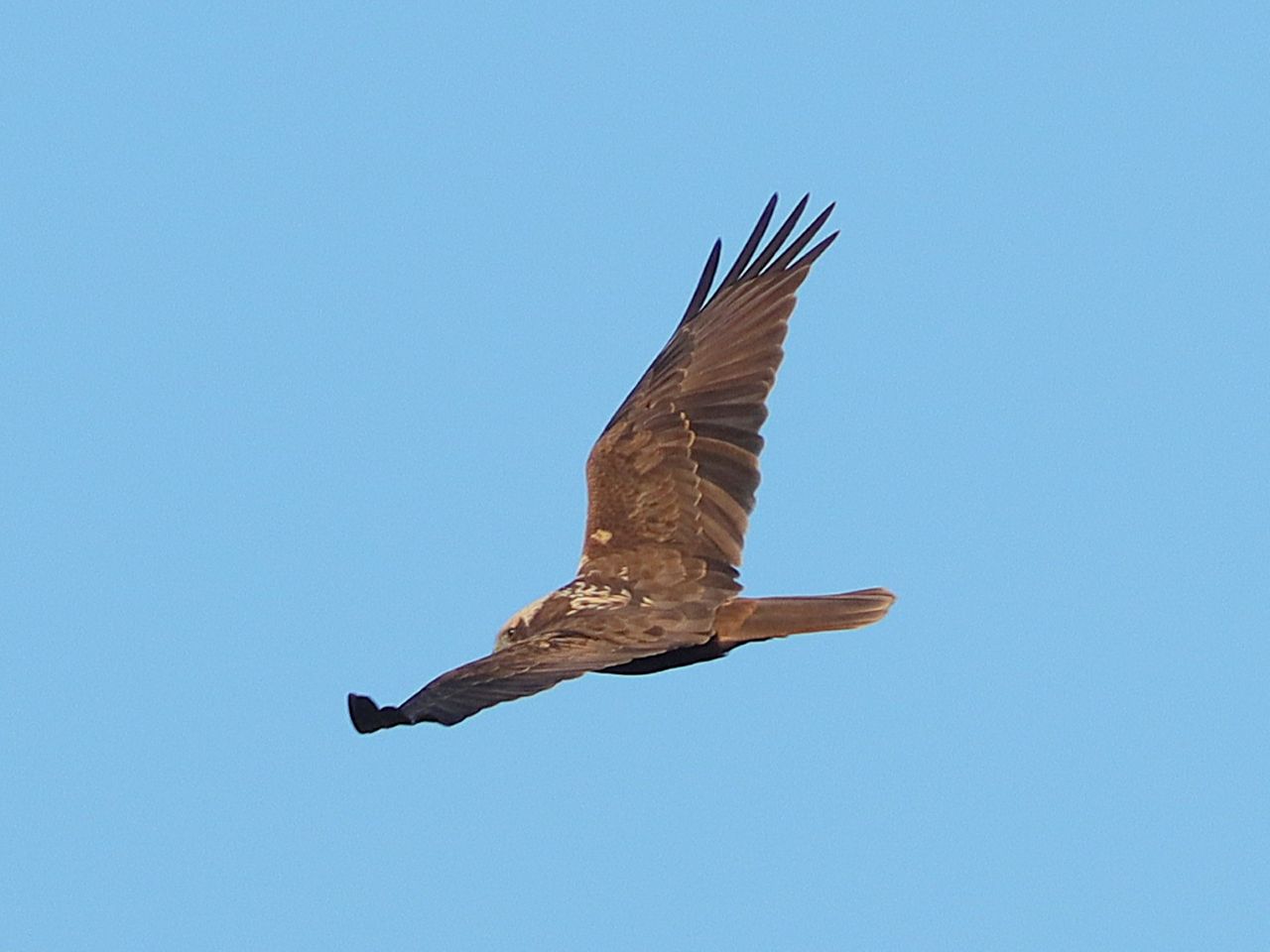
Marsh harrier, Farlington Marshes.
A marsh harrier seen drifting over the reed beds.
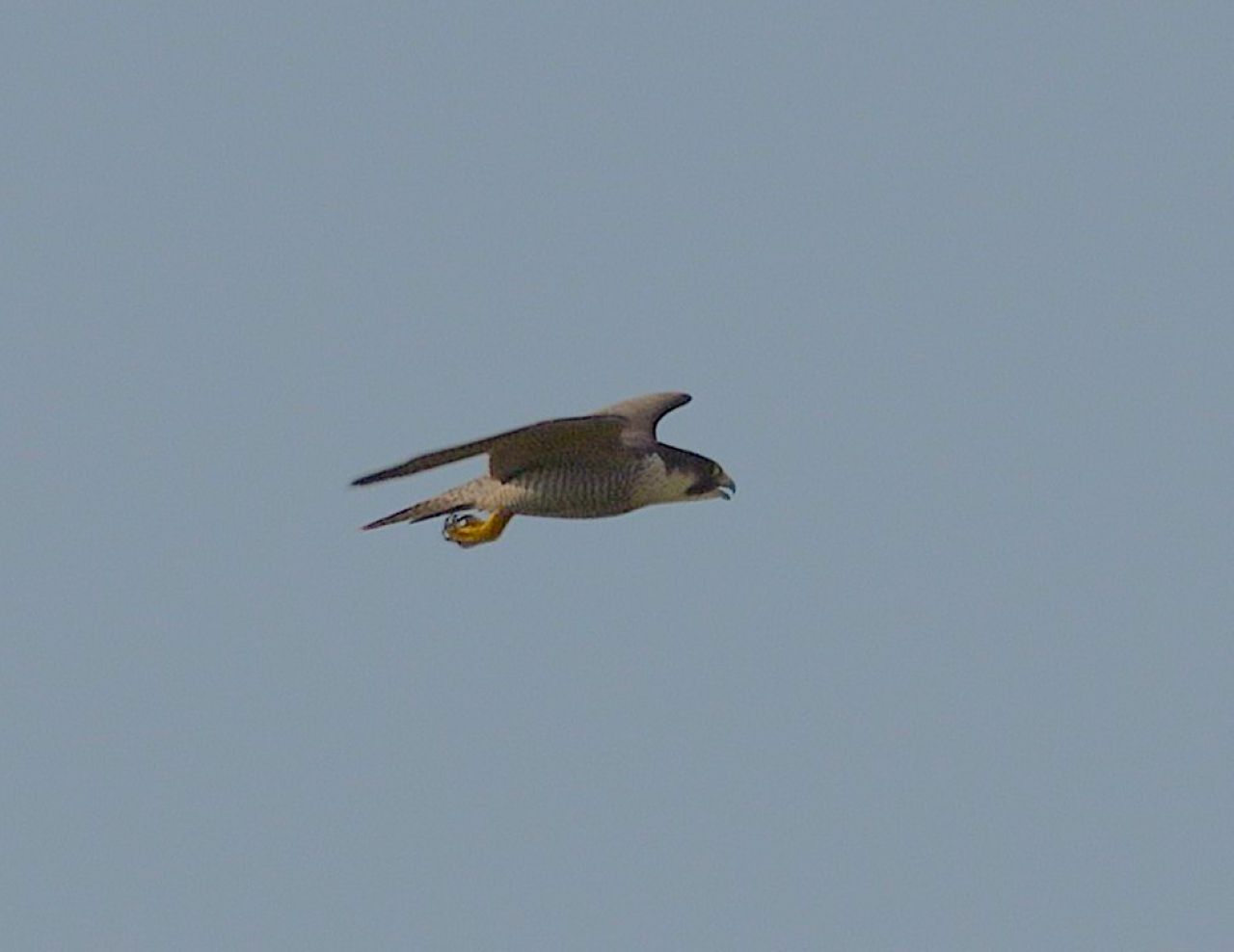
Peregrine, Farlington Marshes.
A sighting of a resident peregrine seen regularly on recent visits there.
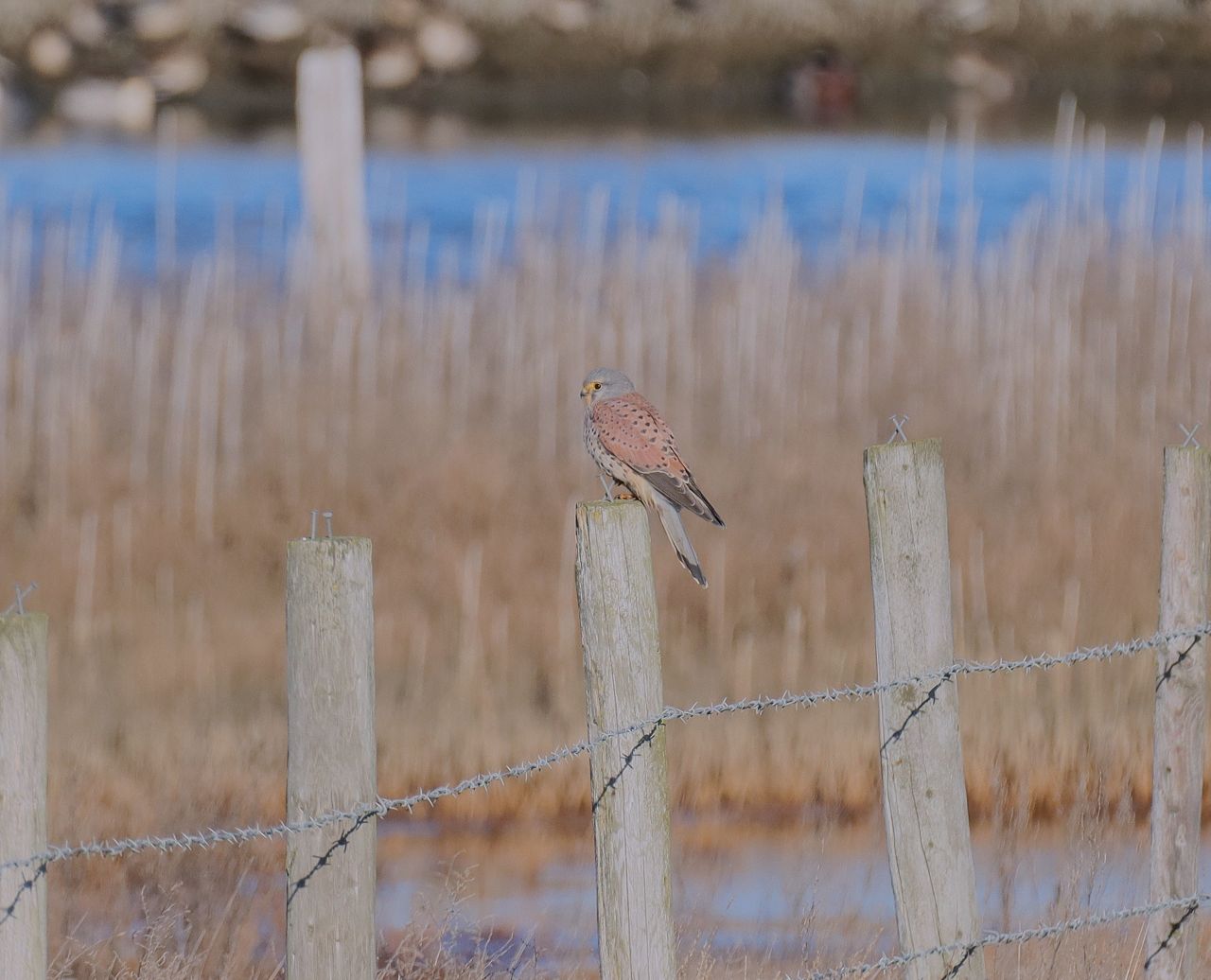
Kestrel, Farlington Marshes.
And a kestrel perched on a fence post.
Plenty of the usual wintering wildfowl were also present.
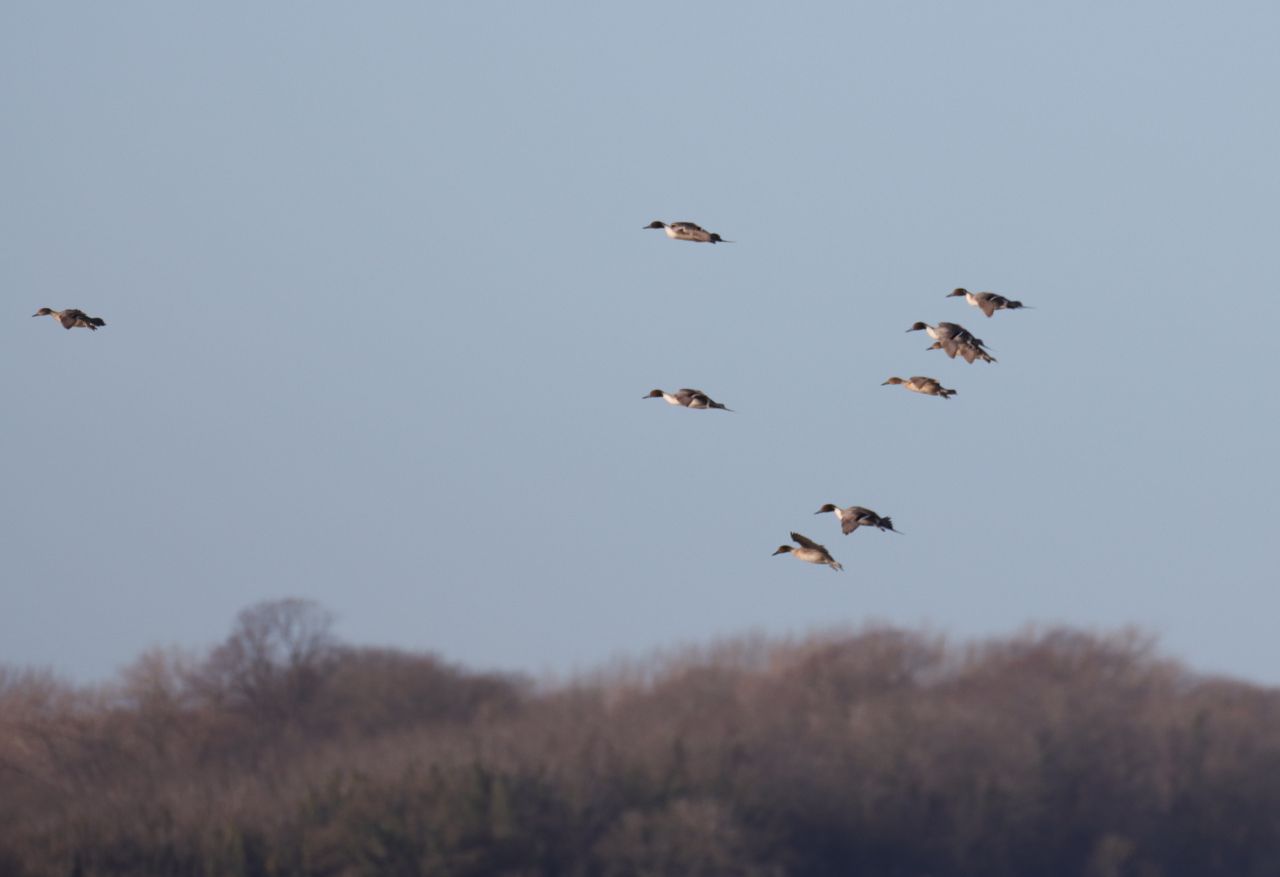
Pintail ducks in flight at Farlington Marshes.
These including pintail ducks in flight.
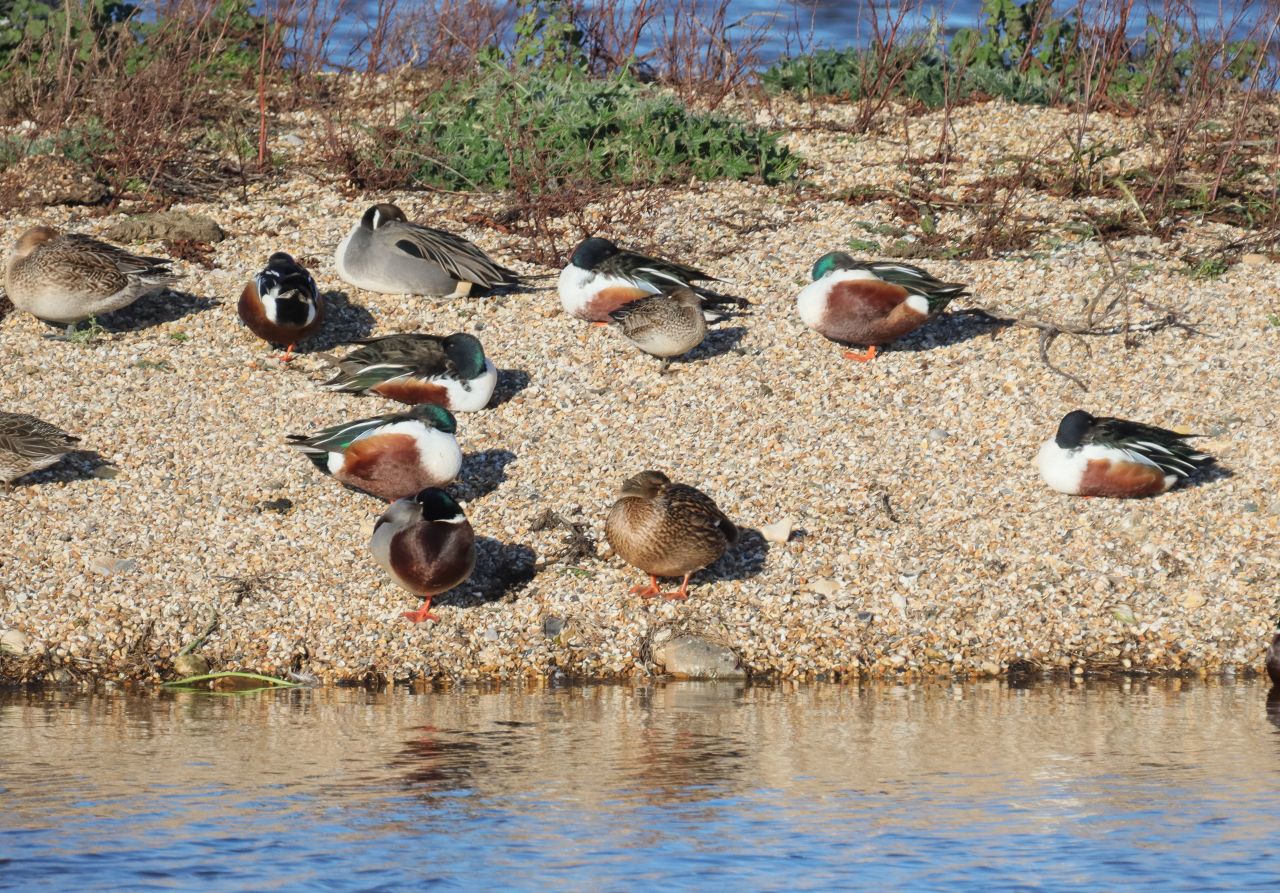
Pintail, teal and shoveler ducks at Farlington.
And teal, shoveler ducks and pintail ducks.
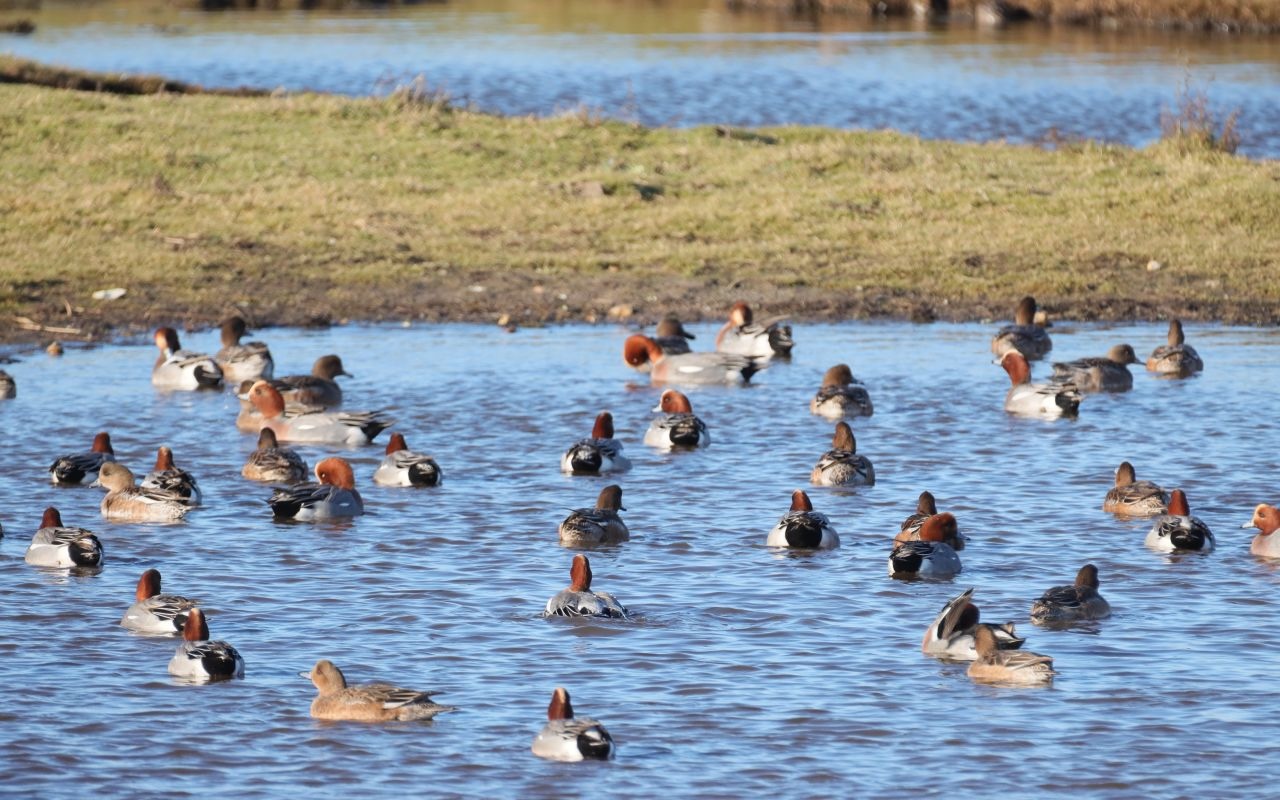
Wigeon ducks at Farlington Marshes.
Also wigeon.
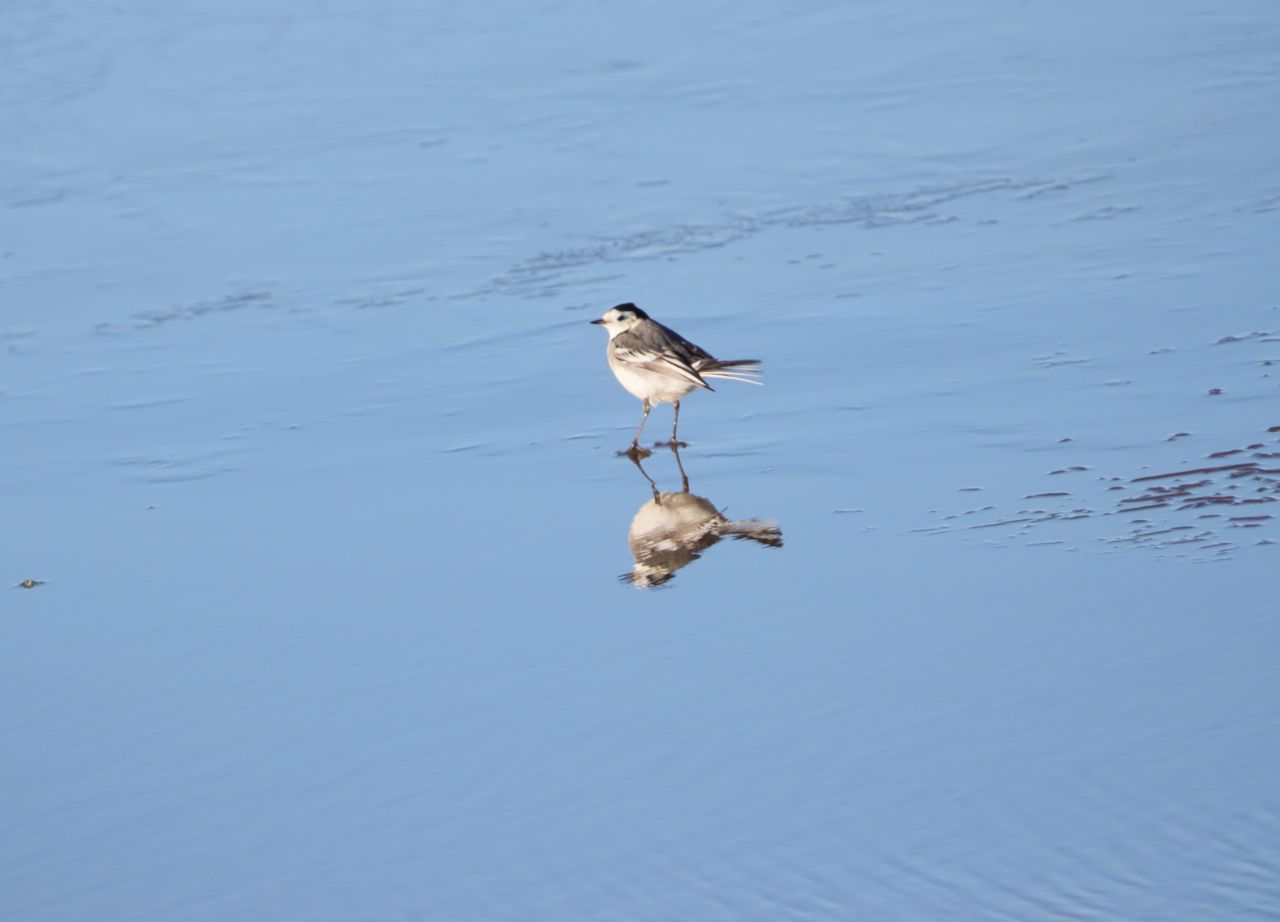
Pied wagtail on ice at Farlington Marshes.
With continuing overnight frosts, temperatures remained close to freezing leaving several species, including a pied wagtail, to gingerly walk on some of the icy patches.
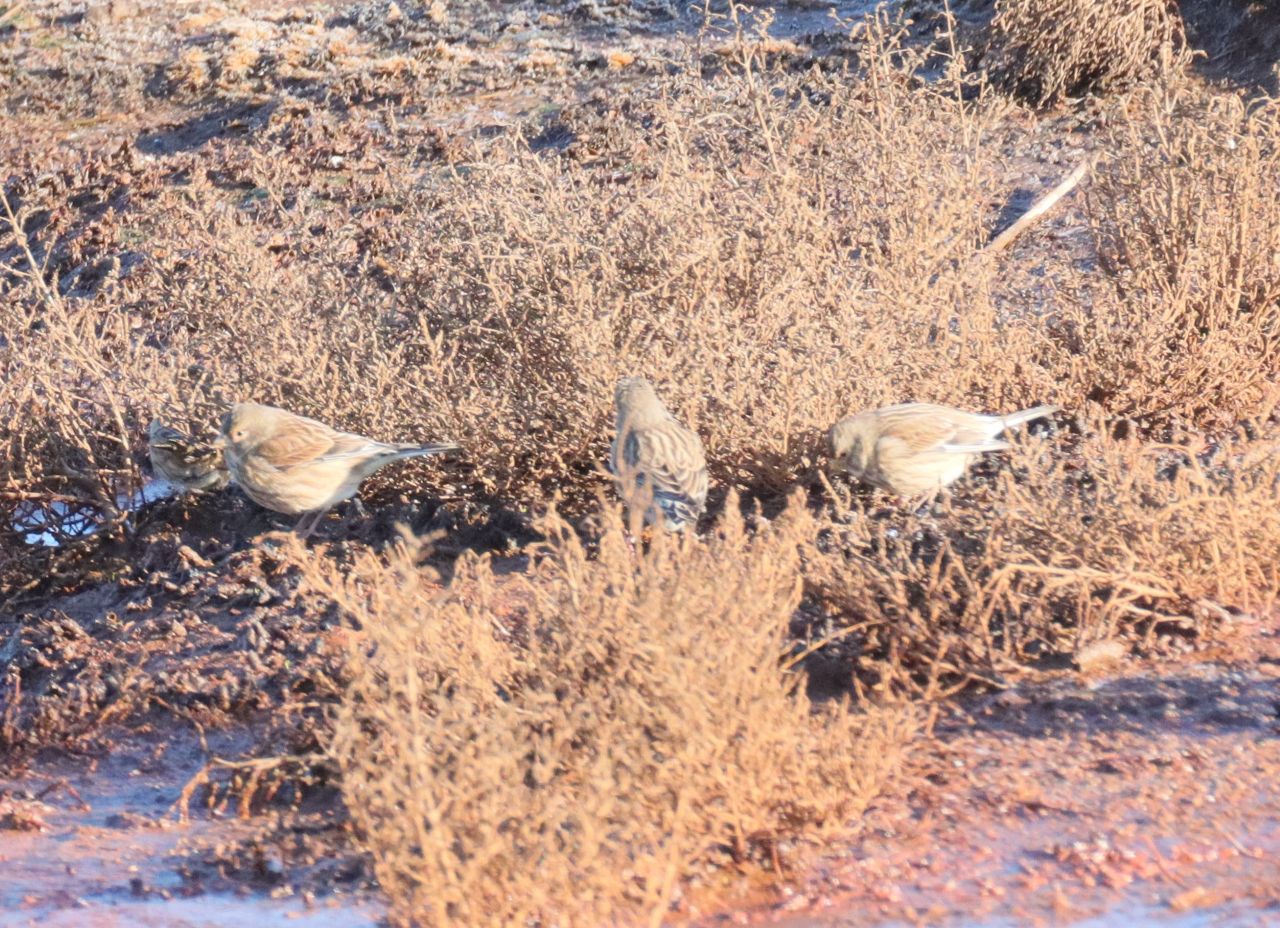
Linnets, Farlington Marshes.
While a small group of linnets could be observed.
Elsewhere on our circular walk around the reserve I was also able to photograph…
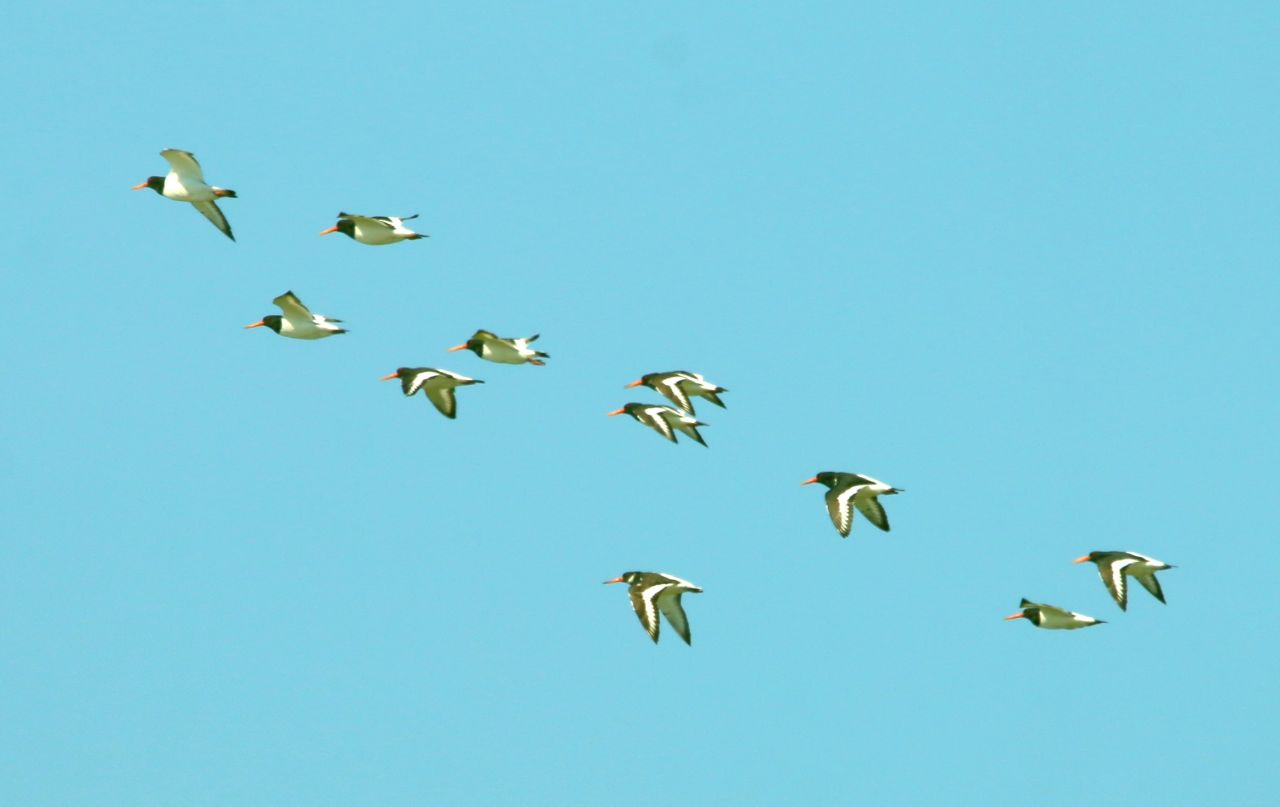
Oystercatchers at Farlington Marshes.
A small ‘stew’ of oystercatchers as they flew over.
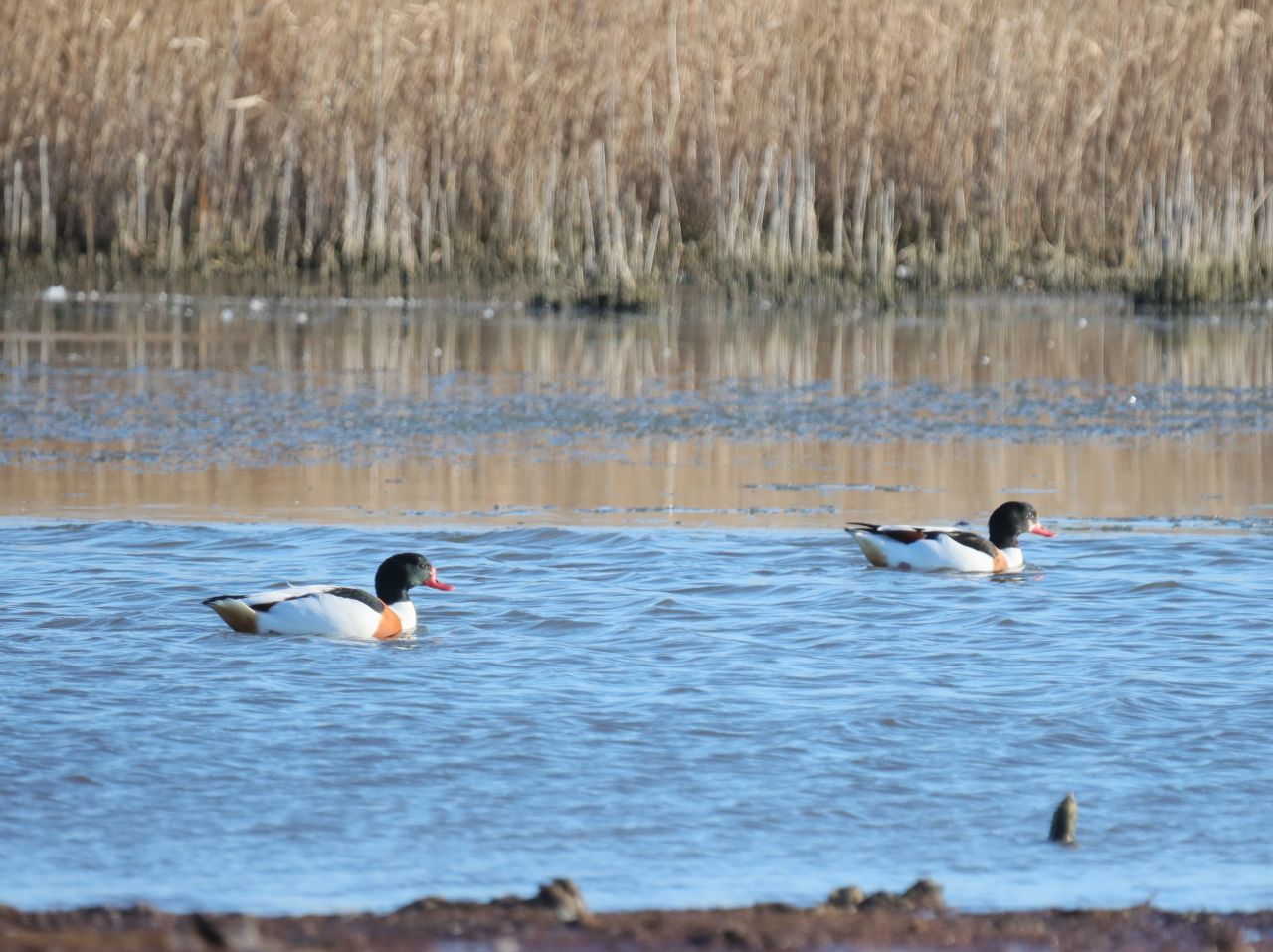
Shelducks, Farlington Marshes.
And a pair of shelduck along the stream.

Curlew in flight, Farlington Marshes.
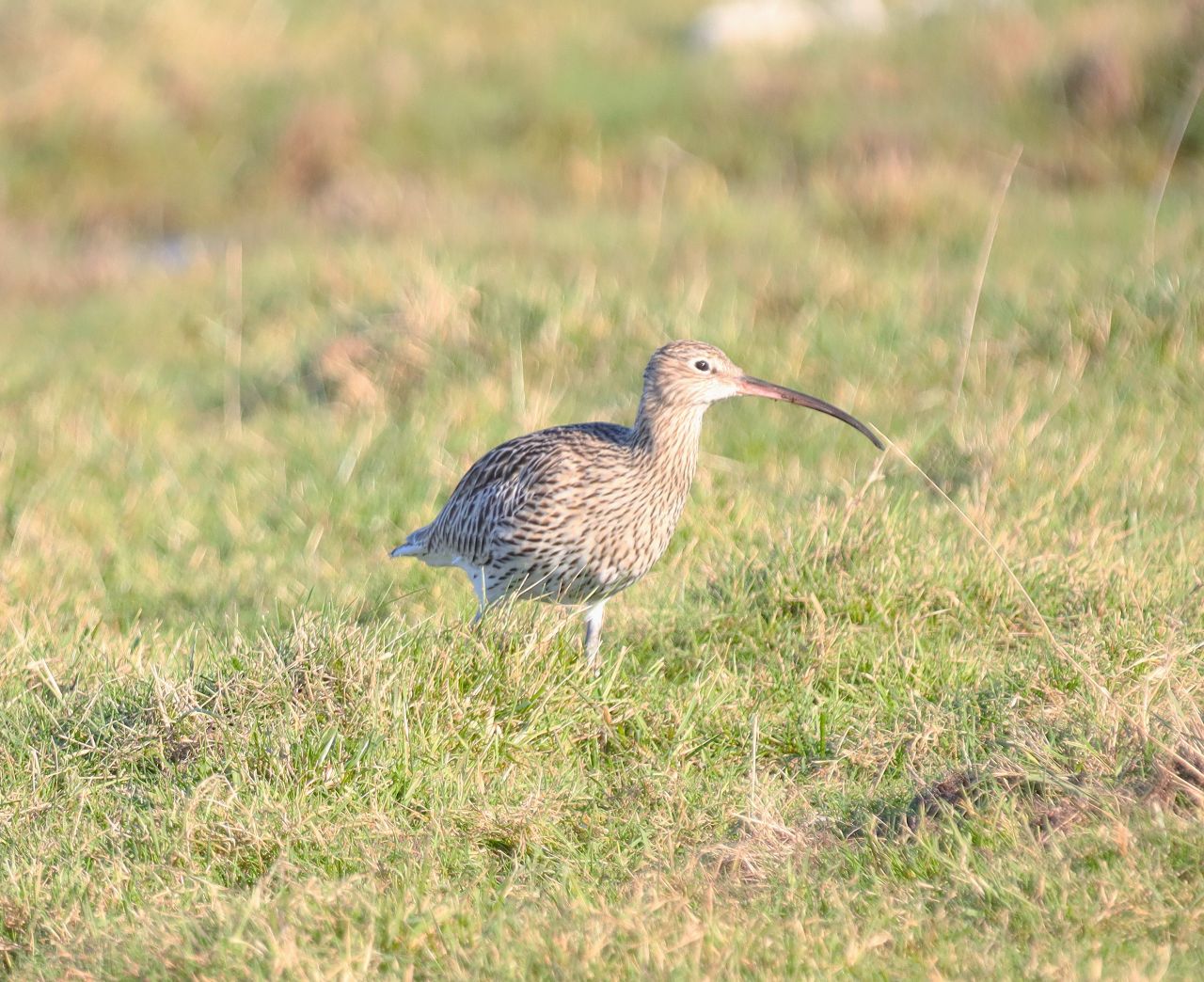
Curlew, Farlington Marshes.
Also achieving a few reasonably successful shots of curlews, both in flight as well as several feeding in the fields.
Personally, my most fascinating (although rather disturbing) photos of the day came my way when we were alerted by loud, spine-chilling, squealing sounds, out from a ditch just a few feet from where we stood. A grey heron had caught a rat and flew a short distance with it close to some brambles!
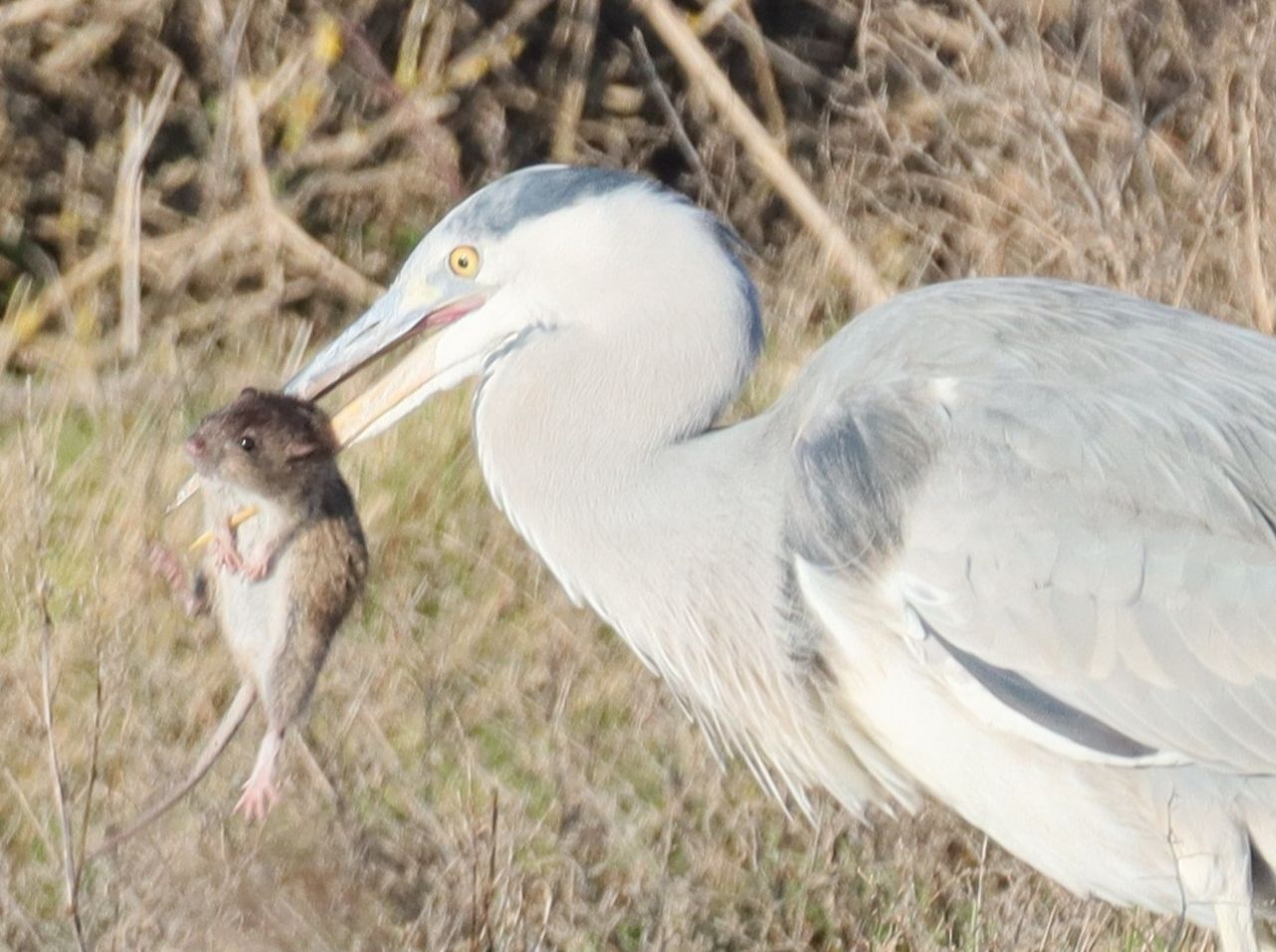
Grey heron with rat at Farlingtron Marshes.
Relocating it, I was able to photograph it with the rat still griped tightly in its beak allowing little in the way of mercy, or opportunity of resistance.
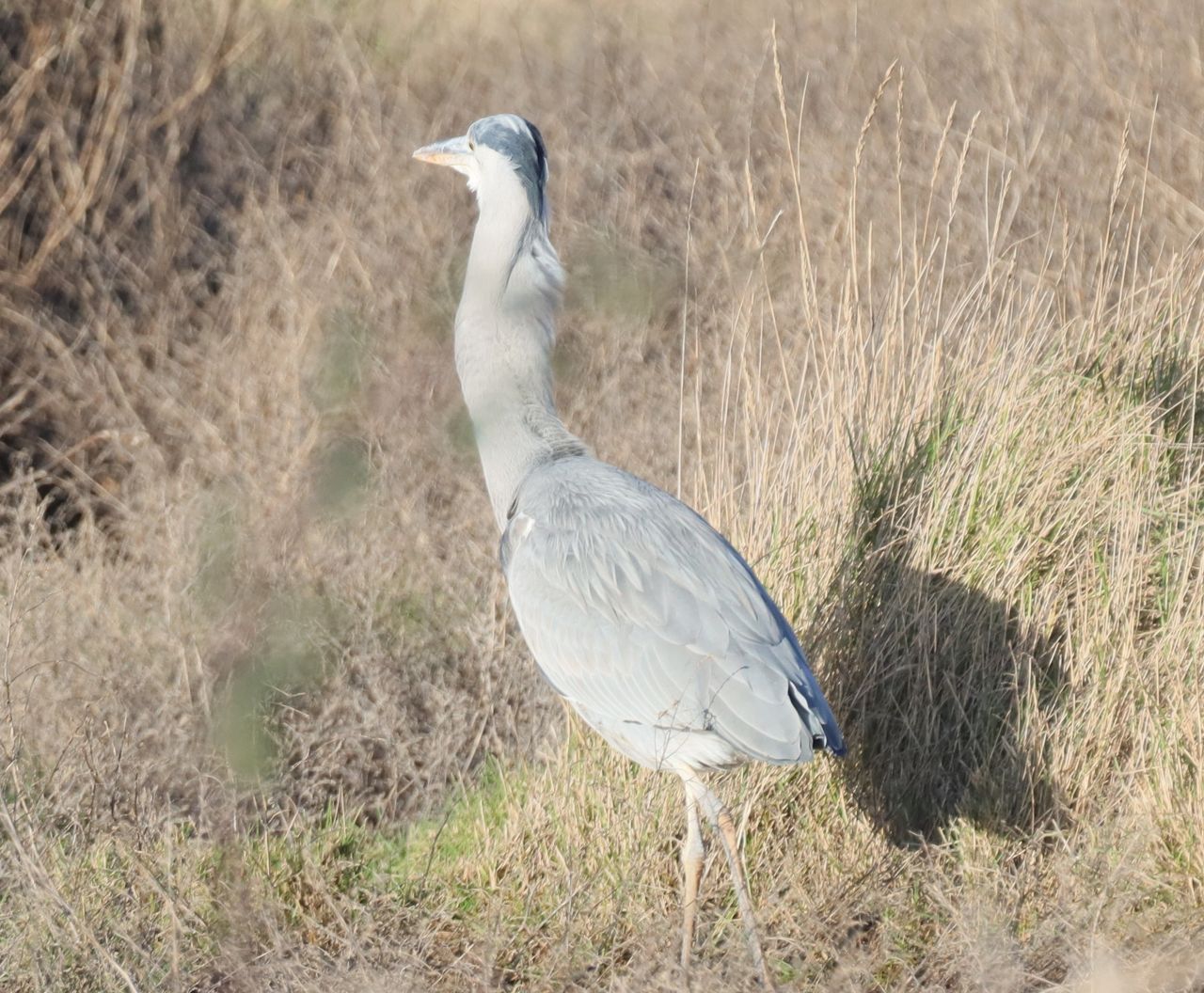
Grey heron having swallowed the rat at Farlington Marshes.
Eventually swallowing the rat whole!
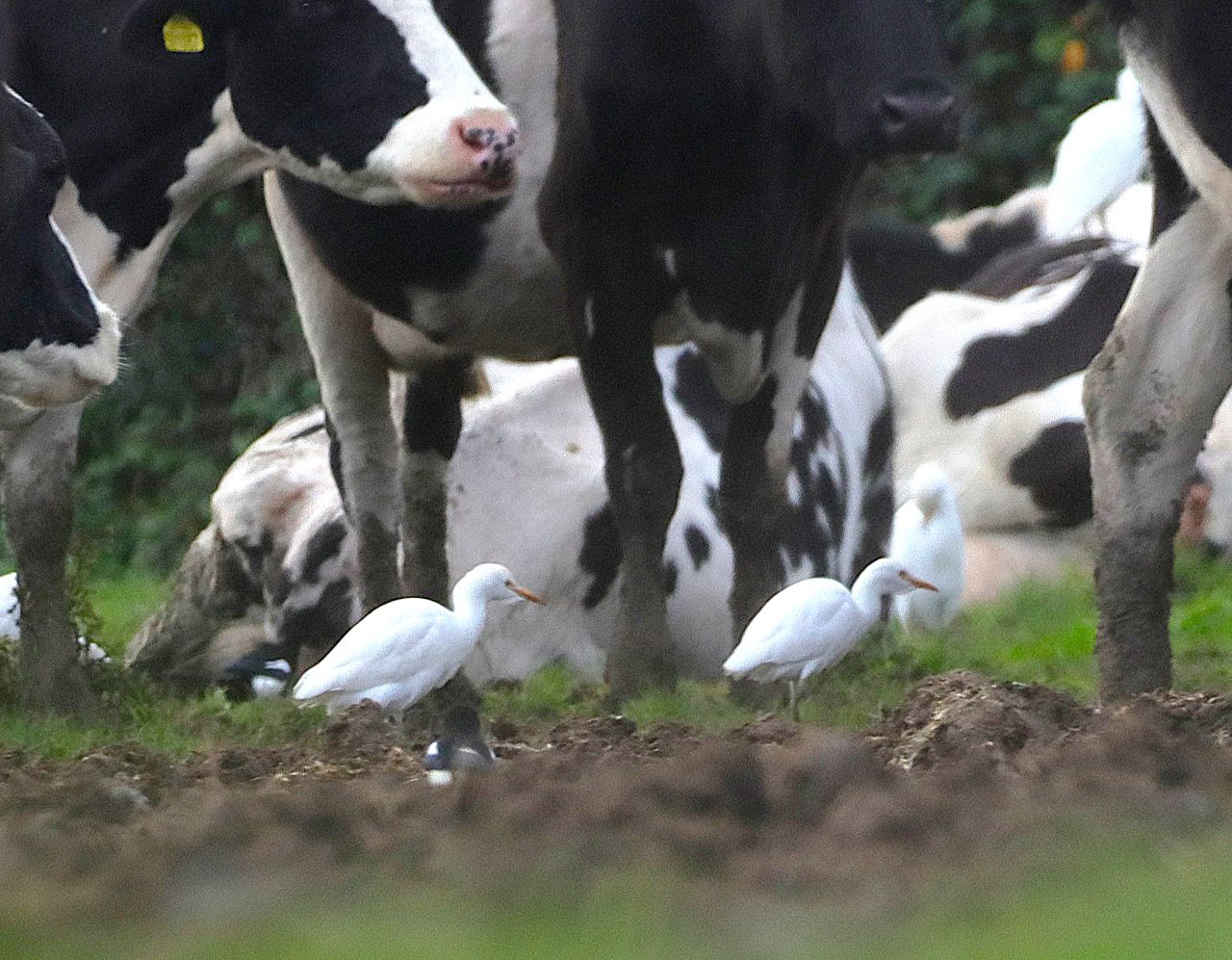
Cattle egrets.
Having completed our circuit around the marshes we found we had a few hours of daylight spare. Enough time to visit Thorney Island, stopping off to view a couple of cattle egrets we had spotted as we passed them along the way.
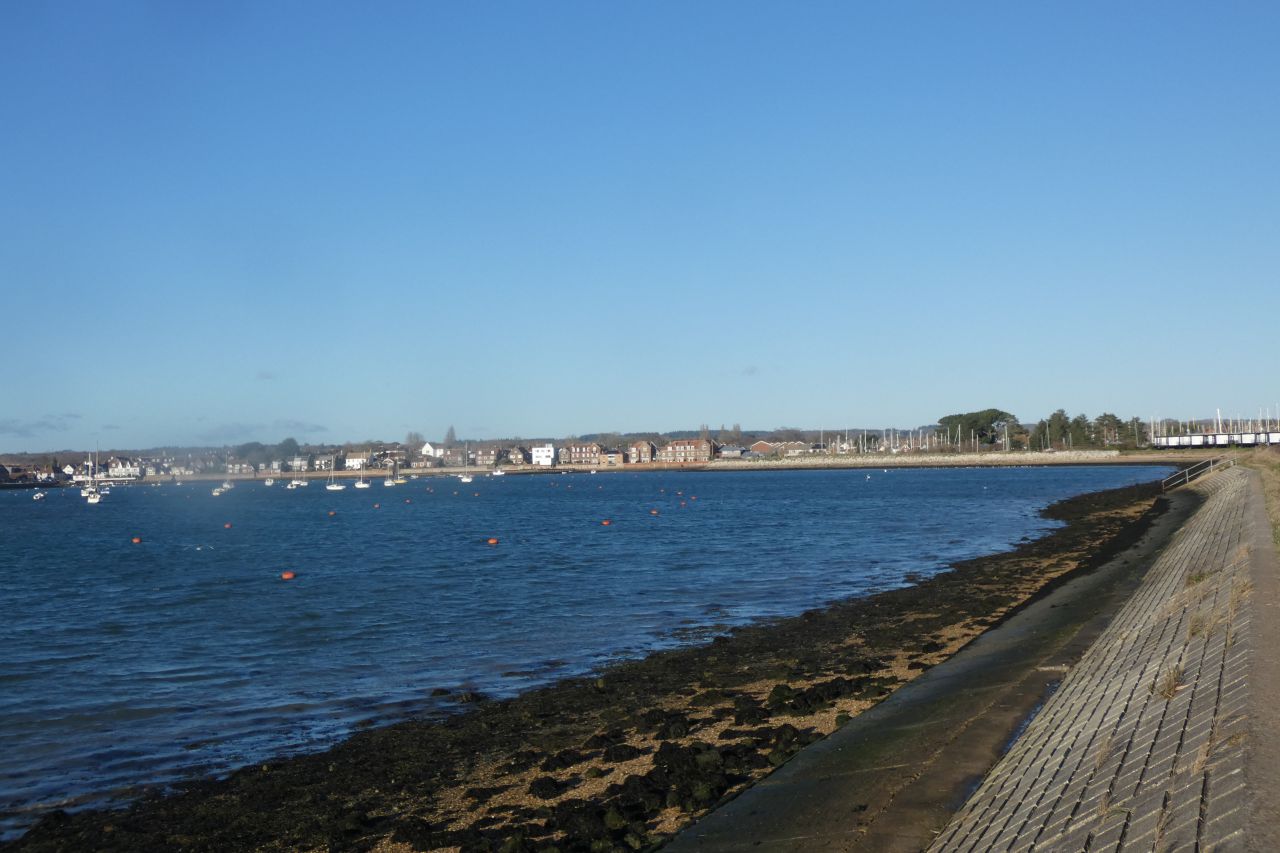
View from Thorney Island.
By the time we had arrived at Thorney Island, having taken a bit of a ‘dog-leg’ in our journey home from Farlington, Hampshire into its bordering county of West Sussex, the tide there had begun to recede.
Viewing from the seawall, numerous species of small waders had begun to arrive on the mudflats, some of which adding to our day’s sightings and photos.
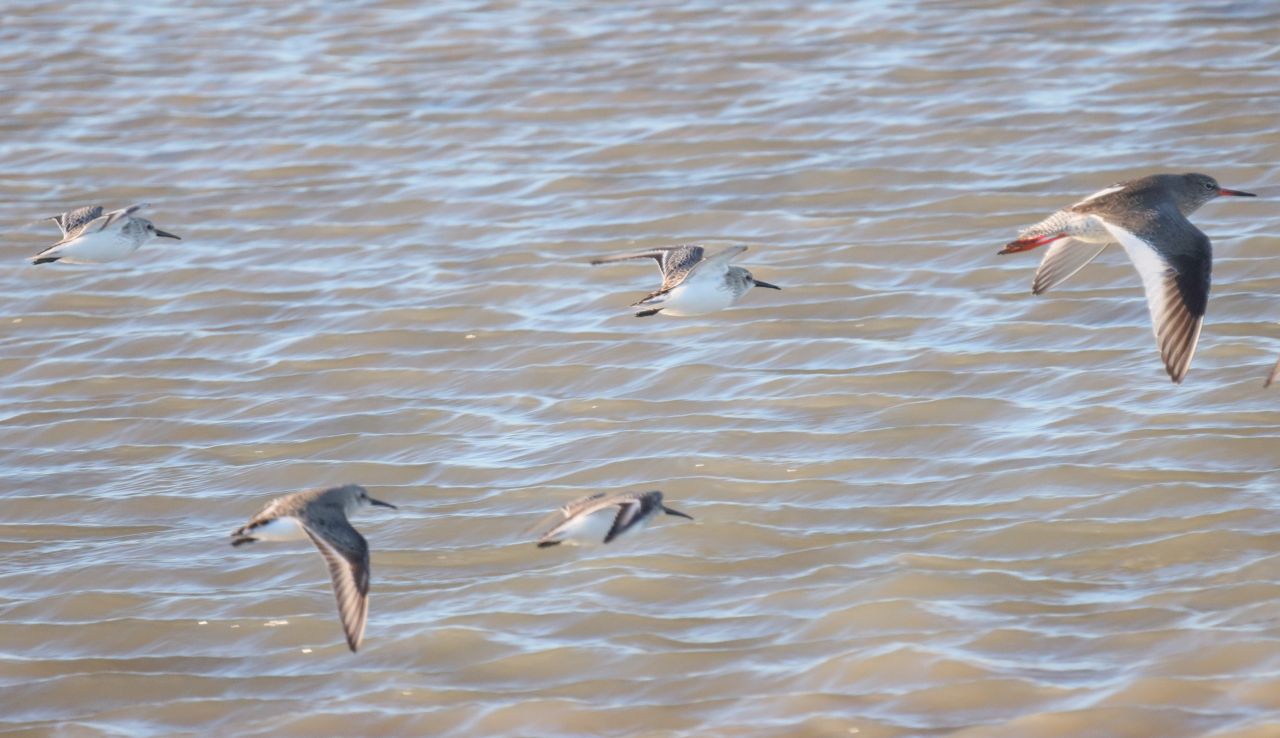
Dunlin, Thorney Island.
These included groups of dunlin.
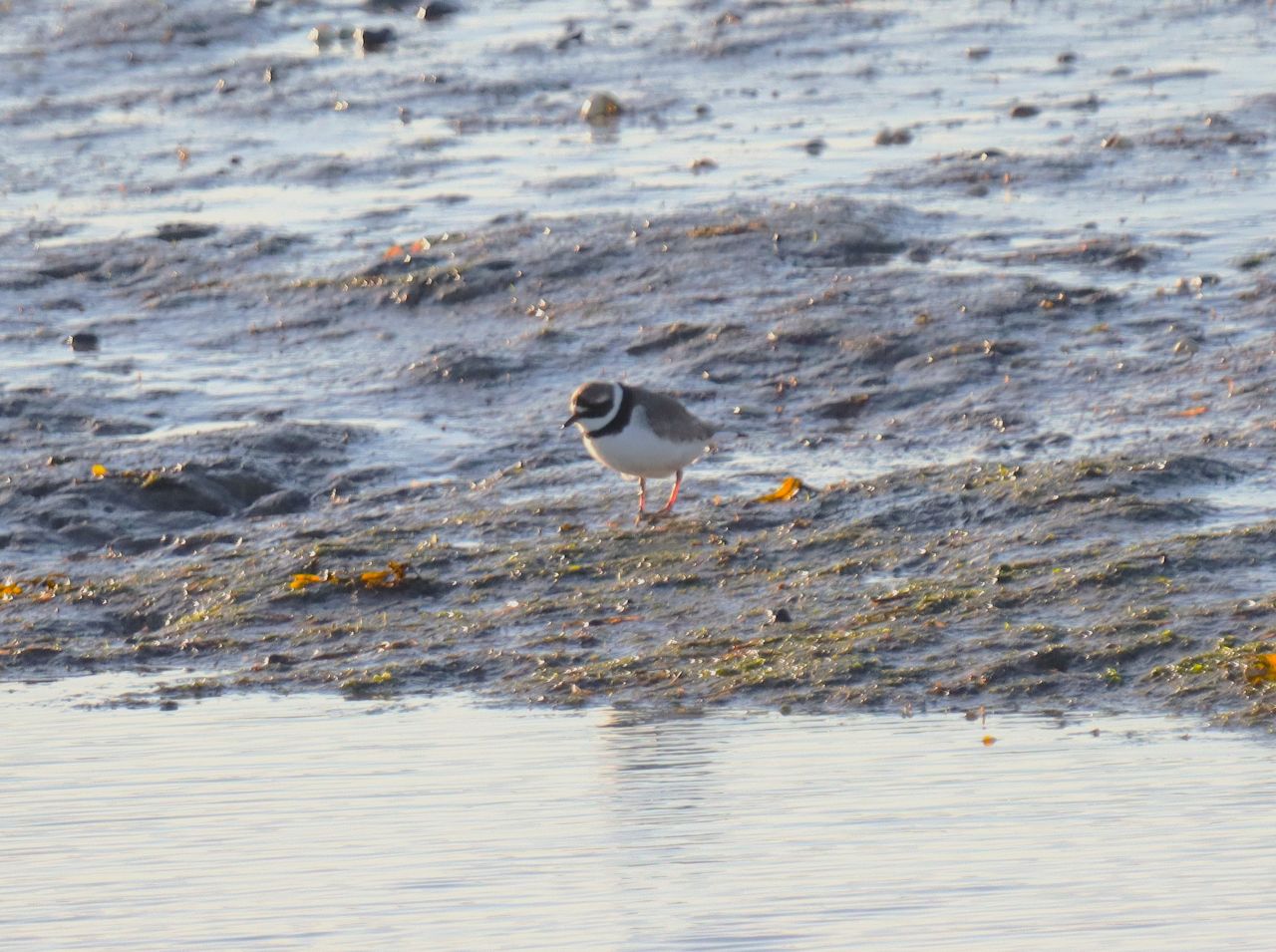
Ringed plover, Thorney Island.
Several ringed plovers.
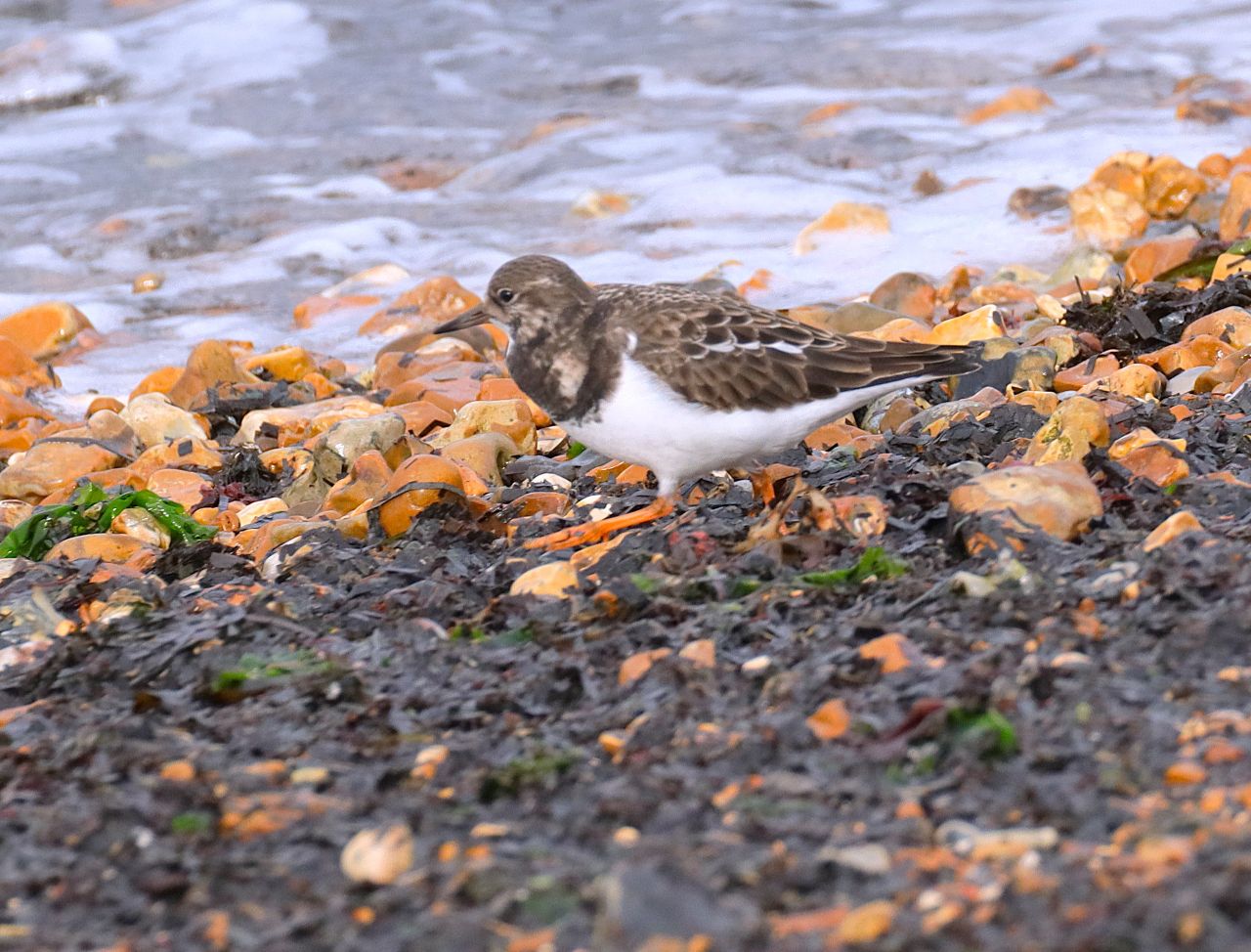
Turnstone.
And also adding a turnstone to our sightings.
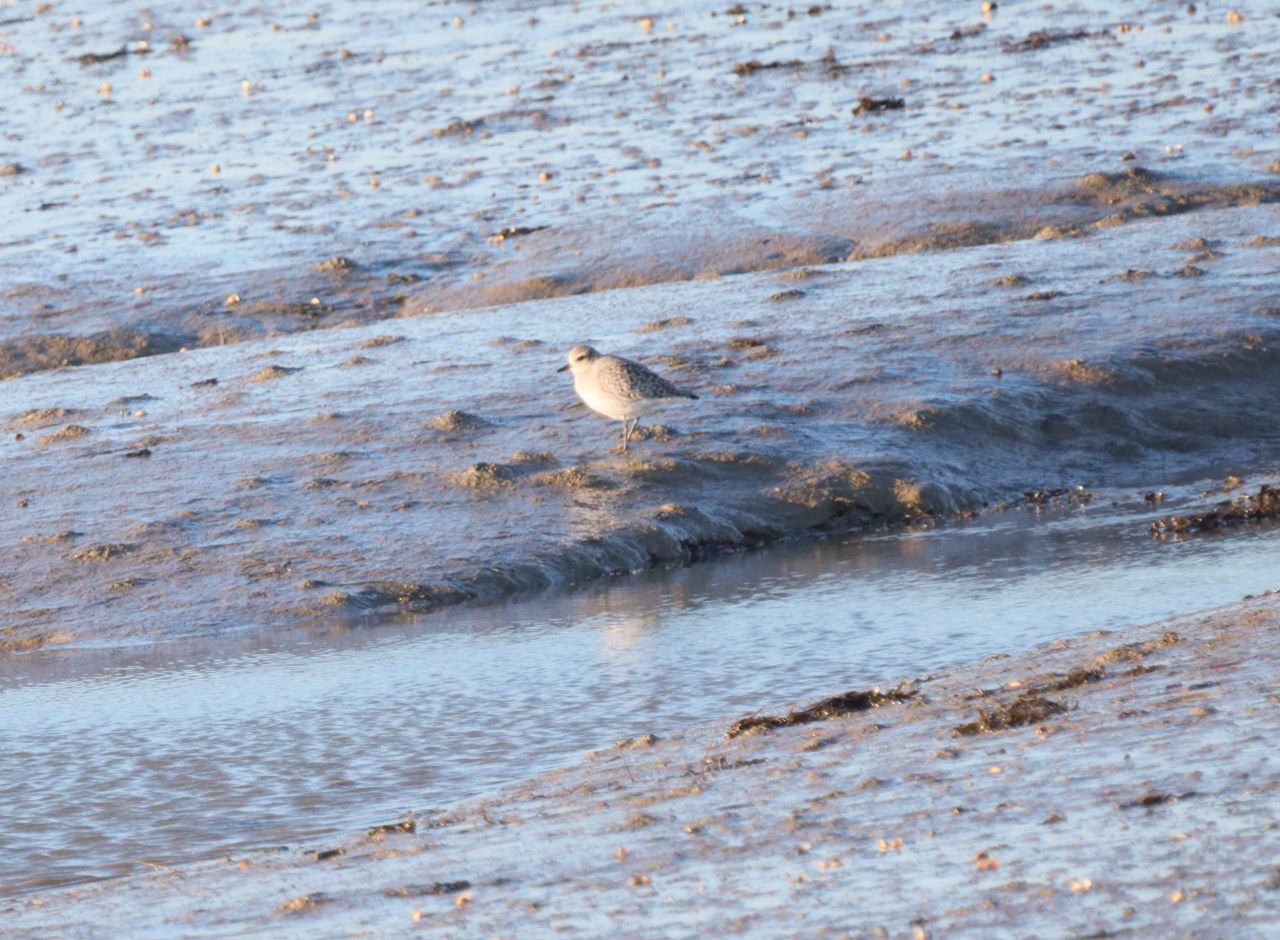
Grey plover, Thorney Island.
With a few grey plovers previously noted at Farlington.
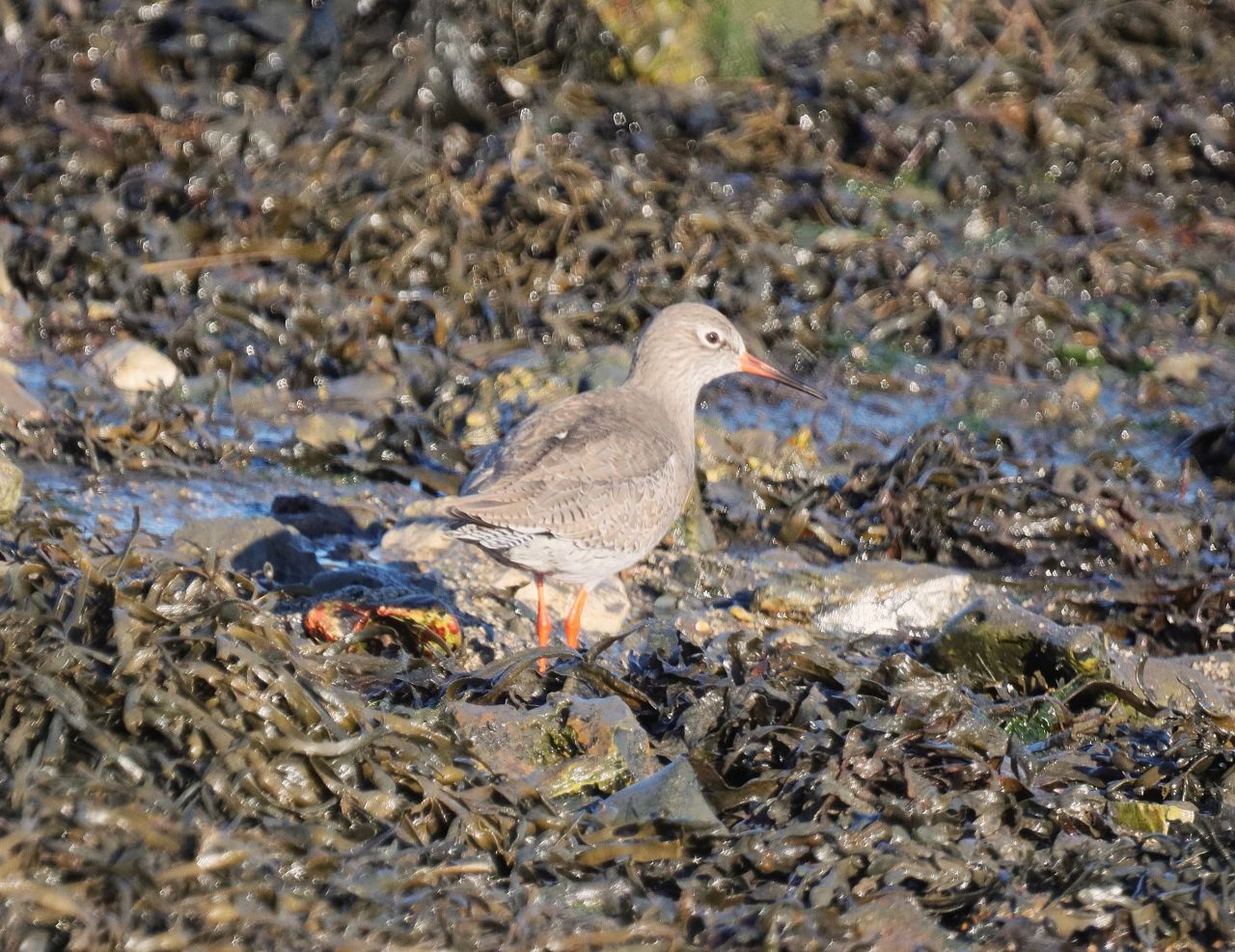
Common redshank.
And also a few common redshanks.
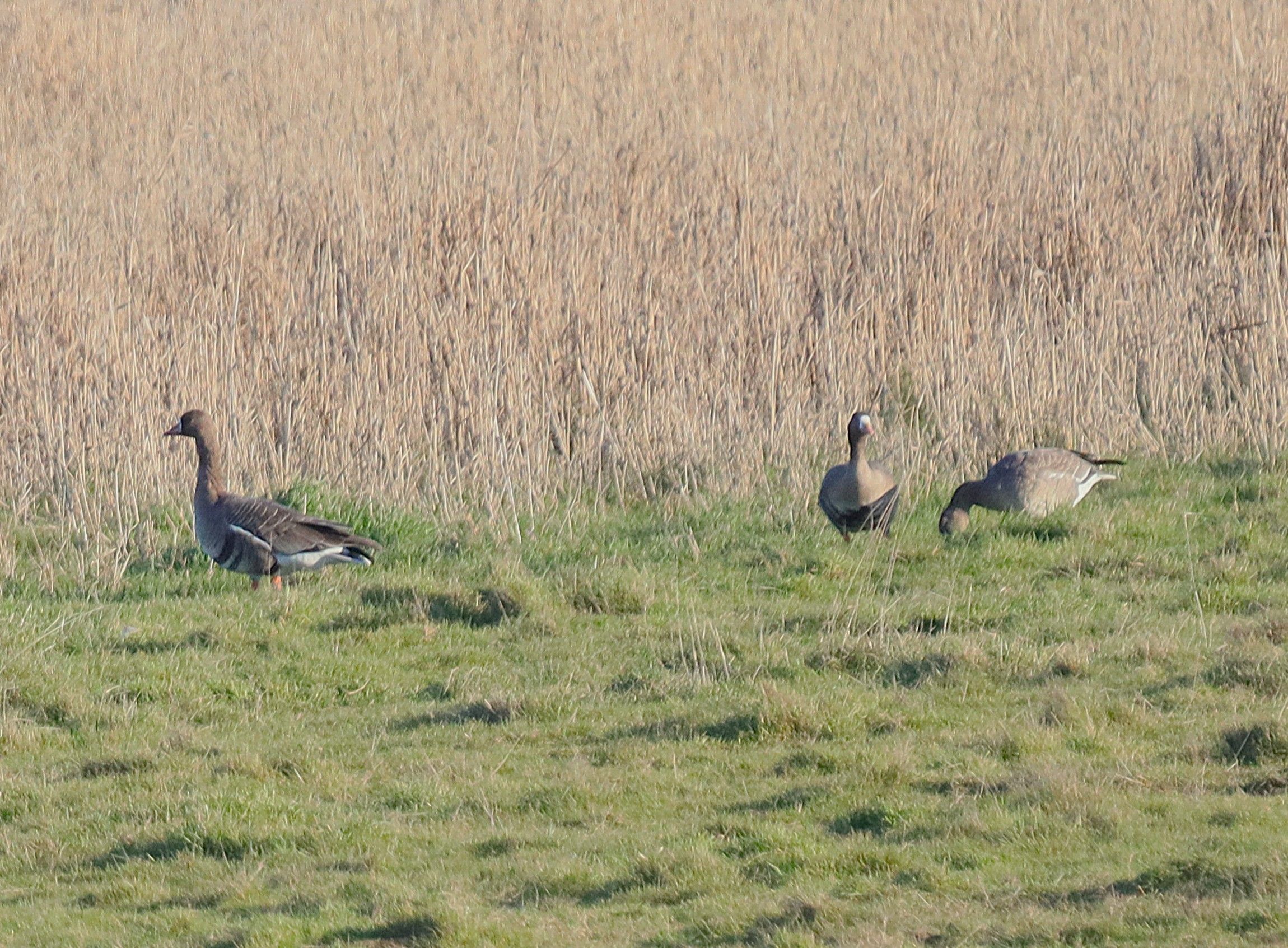
Russian greater white-front geese at Thorney Island.
Also adding to this year’s sightings on the inland side of the reserve, were a small group of distantly viewed Russian greater white-fronted geese.
These were a few of many that had recently come to winter in the UK, having seen some previously viewed four at Newark Priory on Christmas Eve, earlier in this report.
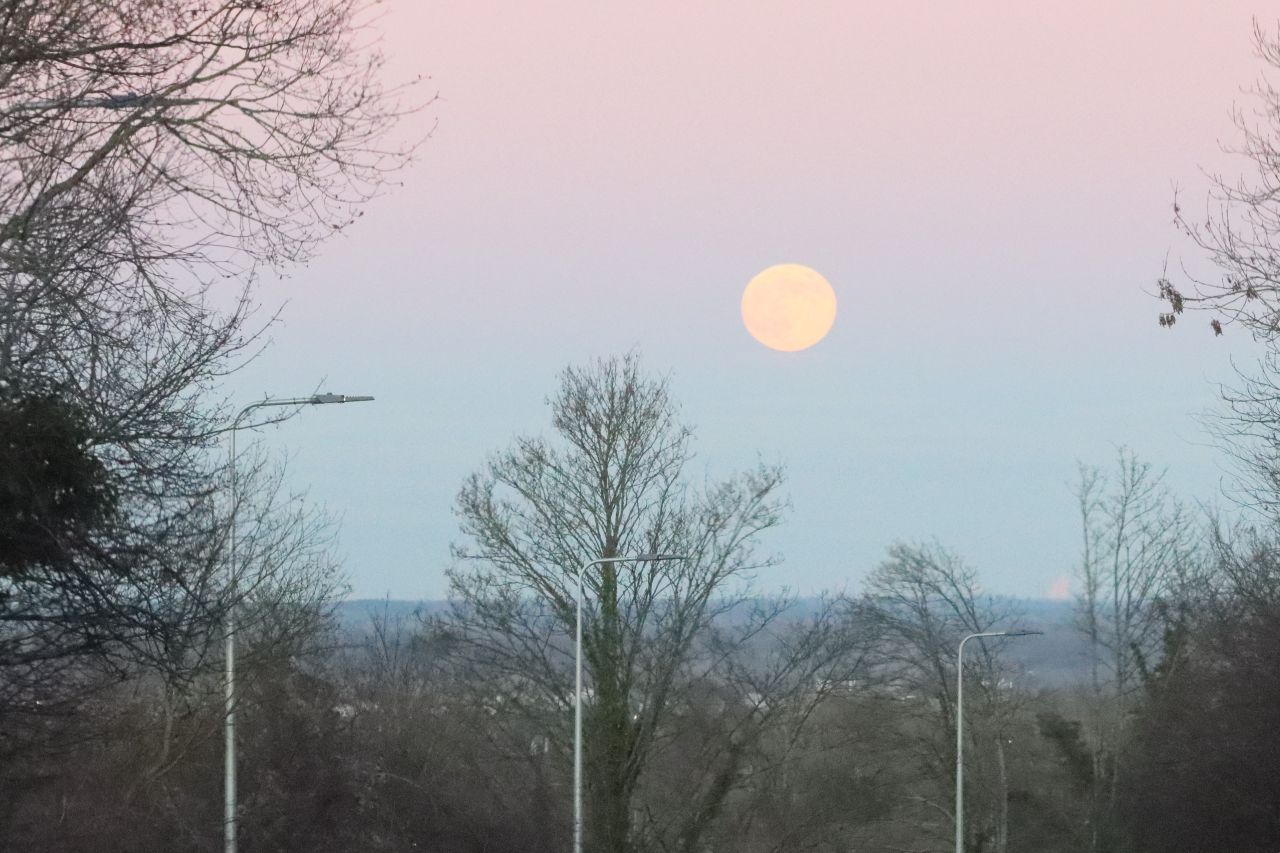
Full moon rising over Guildford.
On last leg of our homeward journey we were welcomed home as we came back down the A3 by a rising ‘Super Moon’.
Native Americans and medieval Europeans called January’s full moon a Wolf Moon.
It’s thought to be because wolves howled more at this time of year, as there was less food.
It was to be the fourth super moon in a row following October’s Harvest Moon, November’s Beaver Moon and the Cold Moon in December!
To be continued…..
Share This Post


Responses to Birdwatcher’s Diary No.342
Leave a Comment Please see our comments policy. All comments are moderated and may take time to appear. Full names, or at least initial and surname, must be given.

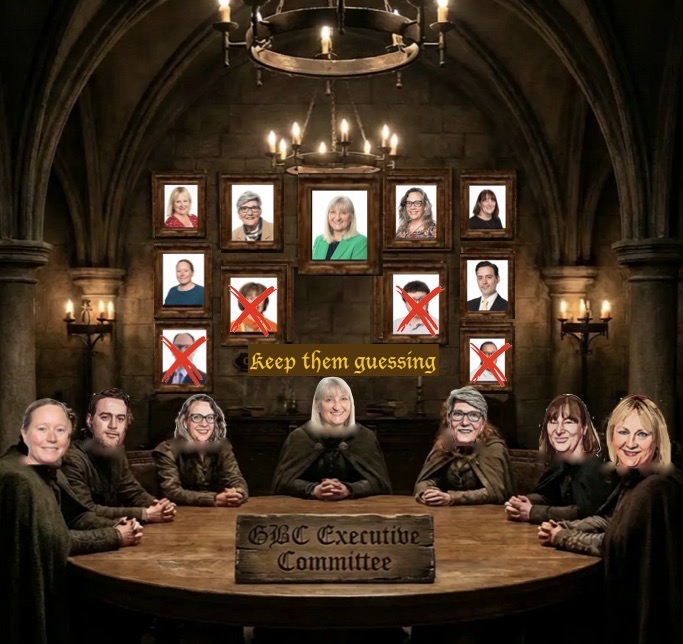
And then there were seven. (See article: "Lib Dems Remain Puzzled By Leader’s Decision to Sack Executive Member")





Michael Duff
January 13, 2026 at 9:28 am
Wonderful as usual. Thank you for sharing these great photos with us. We are truly grateful and hope your health stands up.
Malcolm Fincham
January 24, 2026 at 12:03 am
Thank you Michael Duff for your thoughts and comments. Hopefully you and all my other readers may continue to enjoy my reports, on what I feel are important updates of what can be seen, mostly within local areas of Surrey.