- Stay Connected

Socialize

 Abraham Lincoln
If given the truth, the people can be depended upon to meet any national crisis...
Abraham Lincoln
If given the truth, the people can be depended upon to meet any national crisis...

 Guildford news...
for Guildford people, brought to you by Guildford reporters - Guildford's own news service
Guildford news...
for Guildford people, brought to you by Guildford reporters - Guildford's own news service
Birdwatcher’s Diary No.349
Published on: 17 May, 2026
Updated on: 17 May, 2026
By Malcolm Fincham
The weather remained largely settled in south-eastern regions of the UK during the first weeks of May.
And when the sun shone temperatures rose to suit. However, a northerly breeze kept temperatures mostly below average during my local walks about the Surrey countryside.
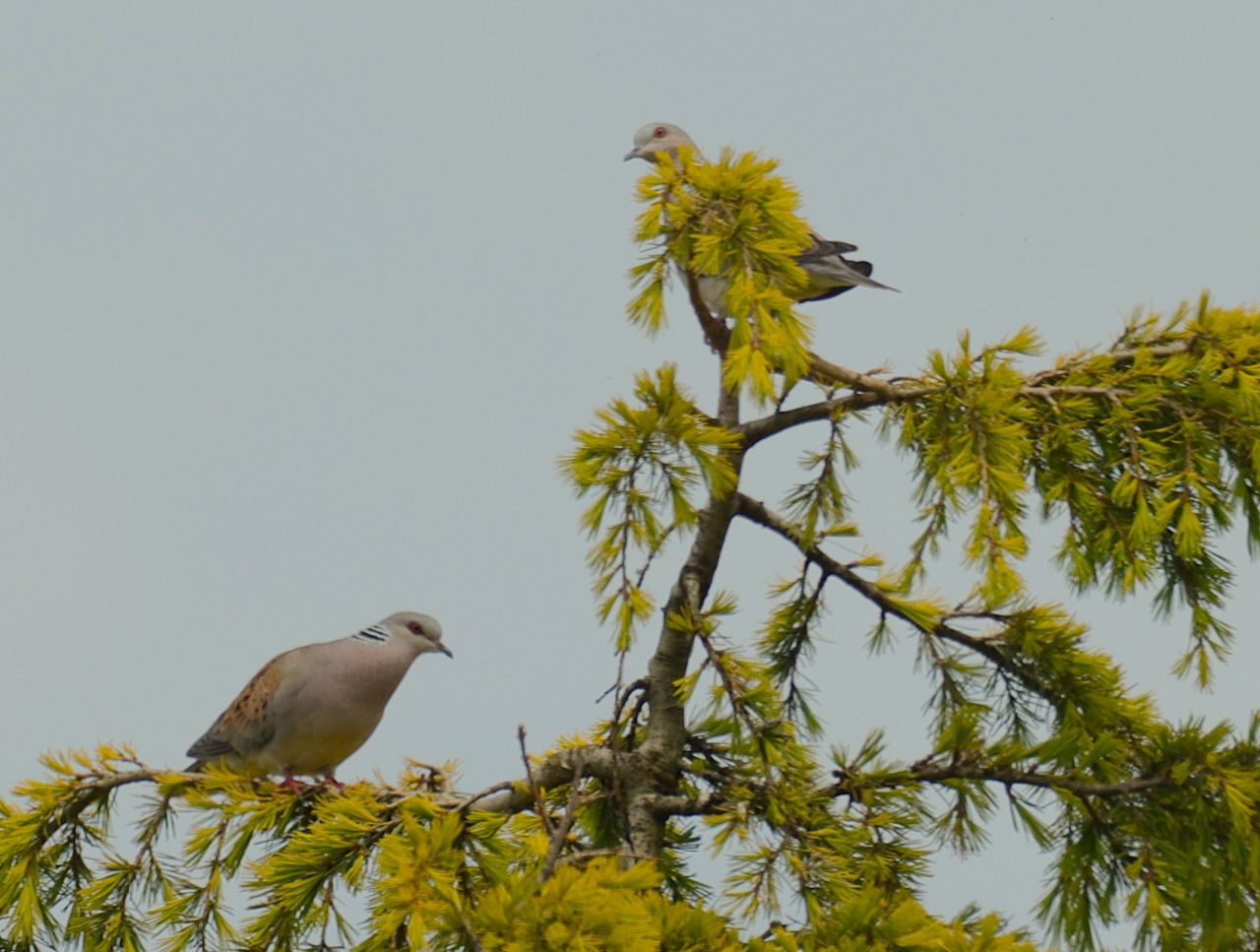
Turtle doves, Kent.
A trip out in the month into Kent allowed me to photograph my first turtle doves since August 2024. https://guildford-dragon.com/birdwatchers-diary-no-310/ A bird rarely seen in Surrey since my youth.
Also while in Kent and along its part of the North Downs, I was able to photograph several wall brown butterflies.
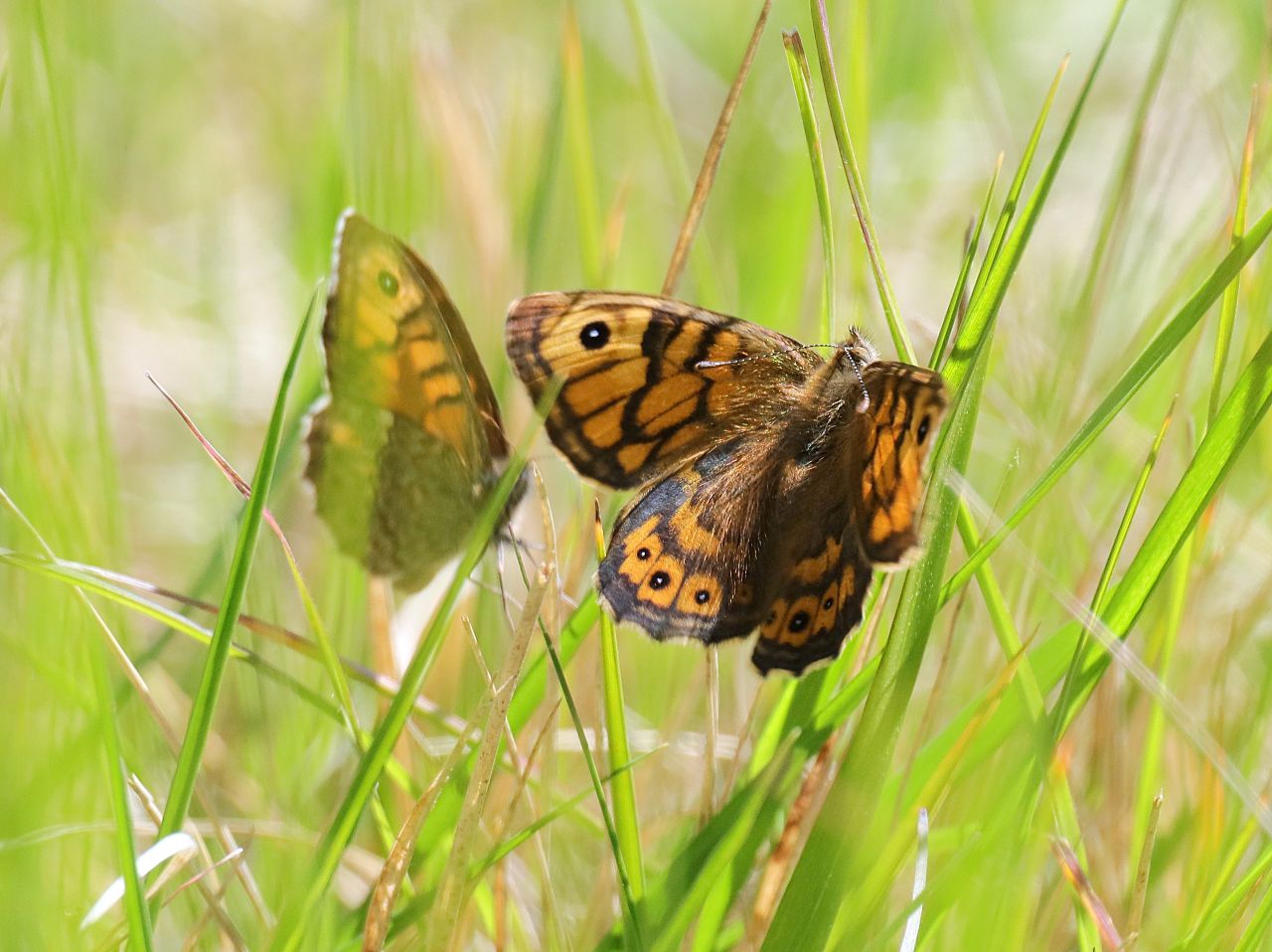
Wall brown butterflies.
These are no longer seen in Surrey. I had not seen or photographed this species since the ones I saw at Whitehawk Hill near Brighton in September 2020. https://guildford-dragon.com/birdwatchers-diary-no-216/
For the best part of the first weeks of May I spent my time, while the weather was appropriate, gathering photos of interest locally.
Five white storks continued their presence around the site of the new sewage treatment plant being built as part of the Weyside Urban Village regeneration project at Slyfield.
Often they could be seen perched up or roosting on lamp-posts. And could also be seen on the flooded scrape viewed from Stoke Lock, or occasionally across the meadows at Burpham Court Farm.
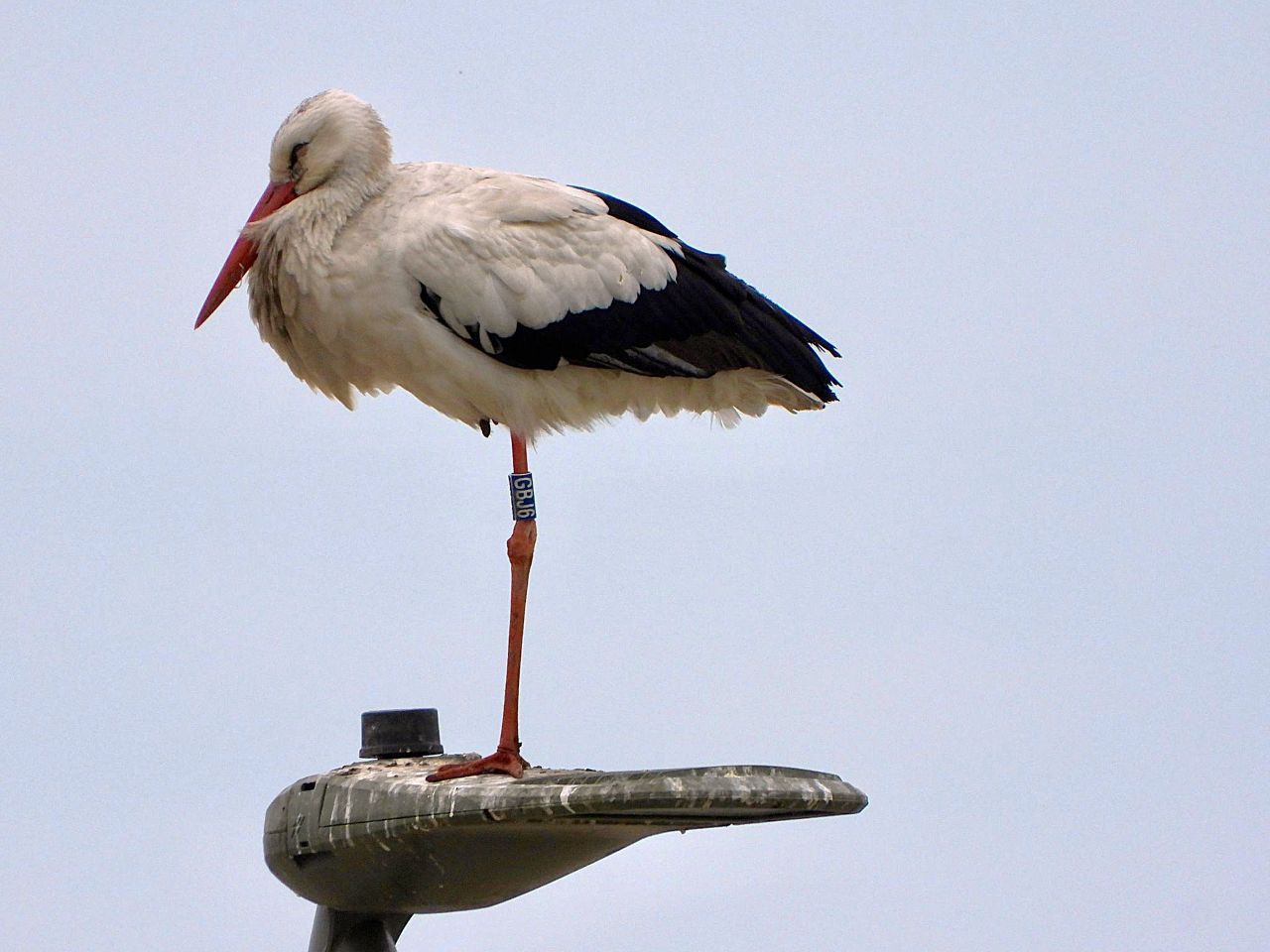
White stork by the recycling centre at Slyfield. Photo by Alan Lobb.
Much thanks go to Alan Lobb who took photos of one of the birds and submitting them to Knepp’s reintroduction scheme in West Sussex.
Within a few days he got an interesting detailed response, with much thanks for his enquiry.
It stated: “The bird spotted (JPJ6) is a male who hatched in the wild at Knepp in 2024. He is relatively young still to begin breeding! He migrated in his first year and we have a report that he spent the winter in the Netherlands in 2025. so it is great to hear that he returned safely and has found other storks here in the UK! Many thanks, Becca, white stork project.”
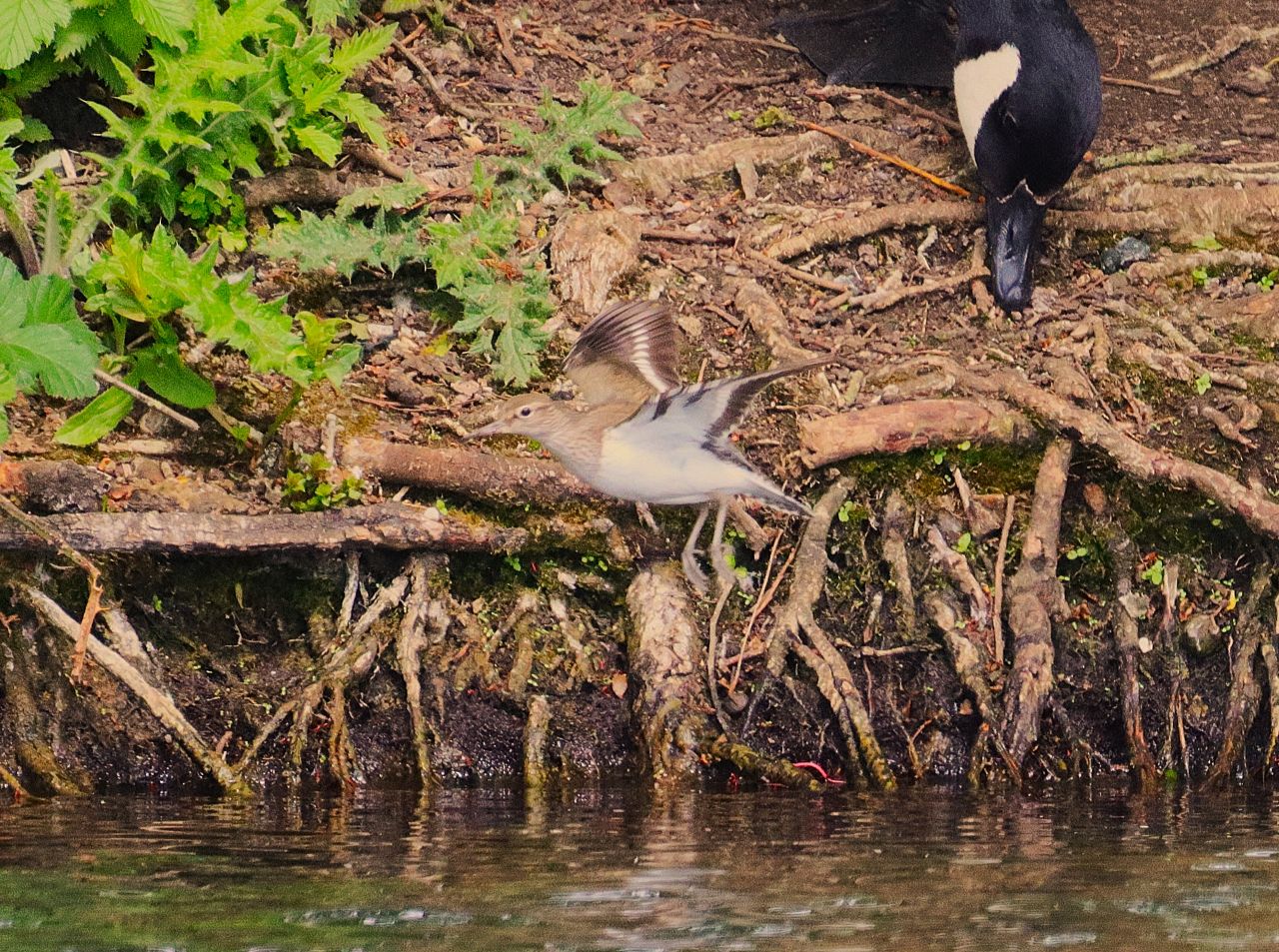
Common sandpiper on Stoke Lake, Riverside Nature Reserve.
Elsewhere about the area of the Riverside Nature Reserve near Burpham, on May 1 I was able to add another sighting of a common sandpiper that had stopped off on passage. This one seen feeding around the island on Stoke Lake.
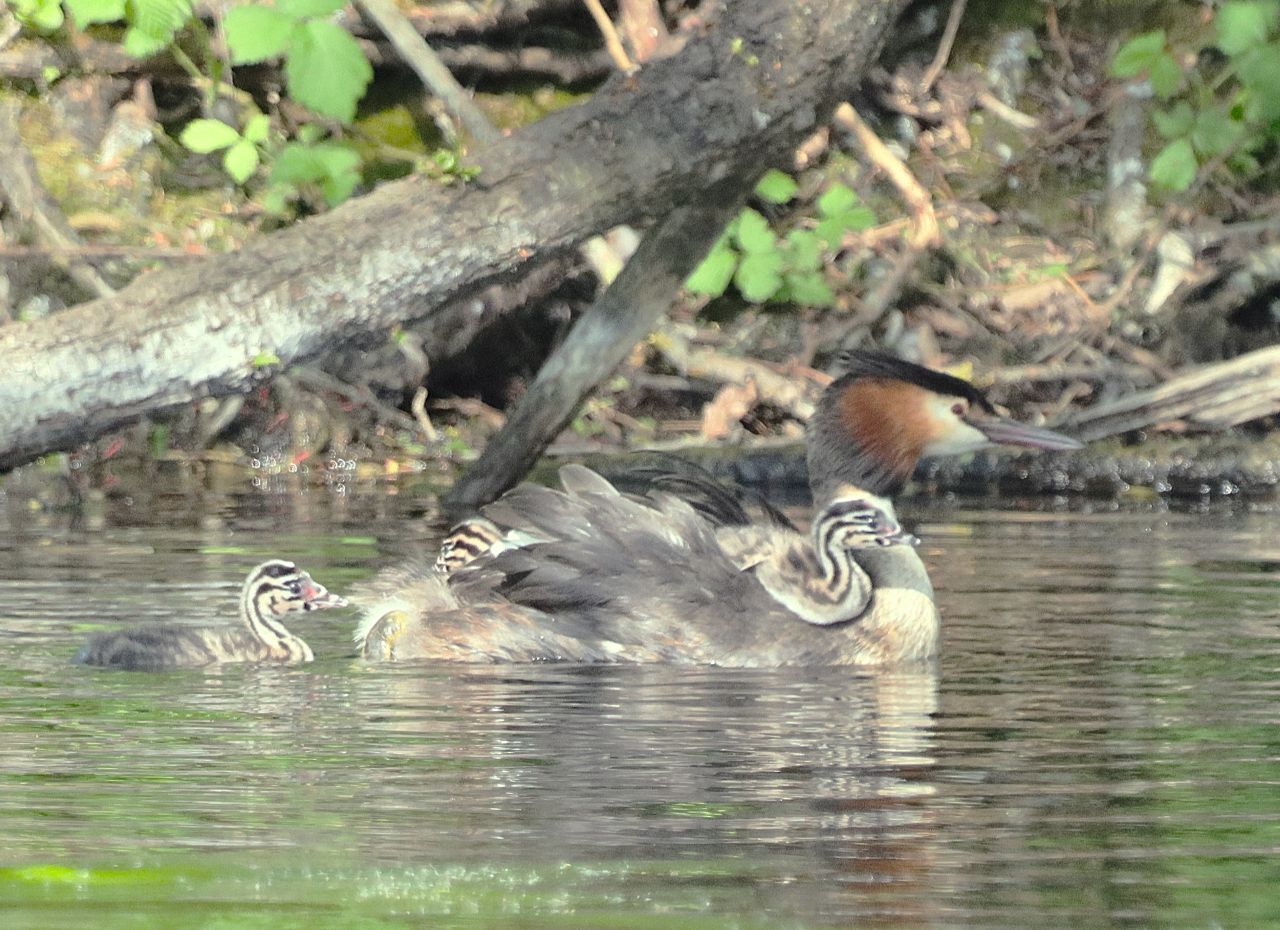
Great crested grebe on its maiden voyage with chicks on Stoke Lake on May 1.
Having been following their progress since watching them conducting their pre-nesting mating rituals back in mid-March, the pair of great crested grebes could now be seen having already left their nest site and carrying their four ‘humbug-coloured’ chicks on their backs.
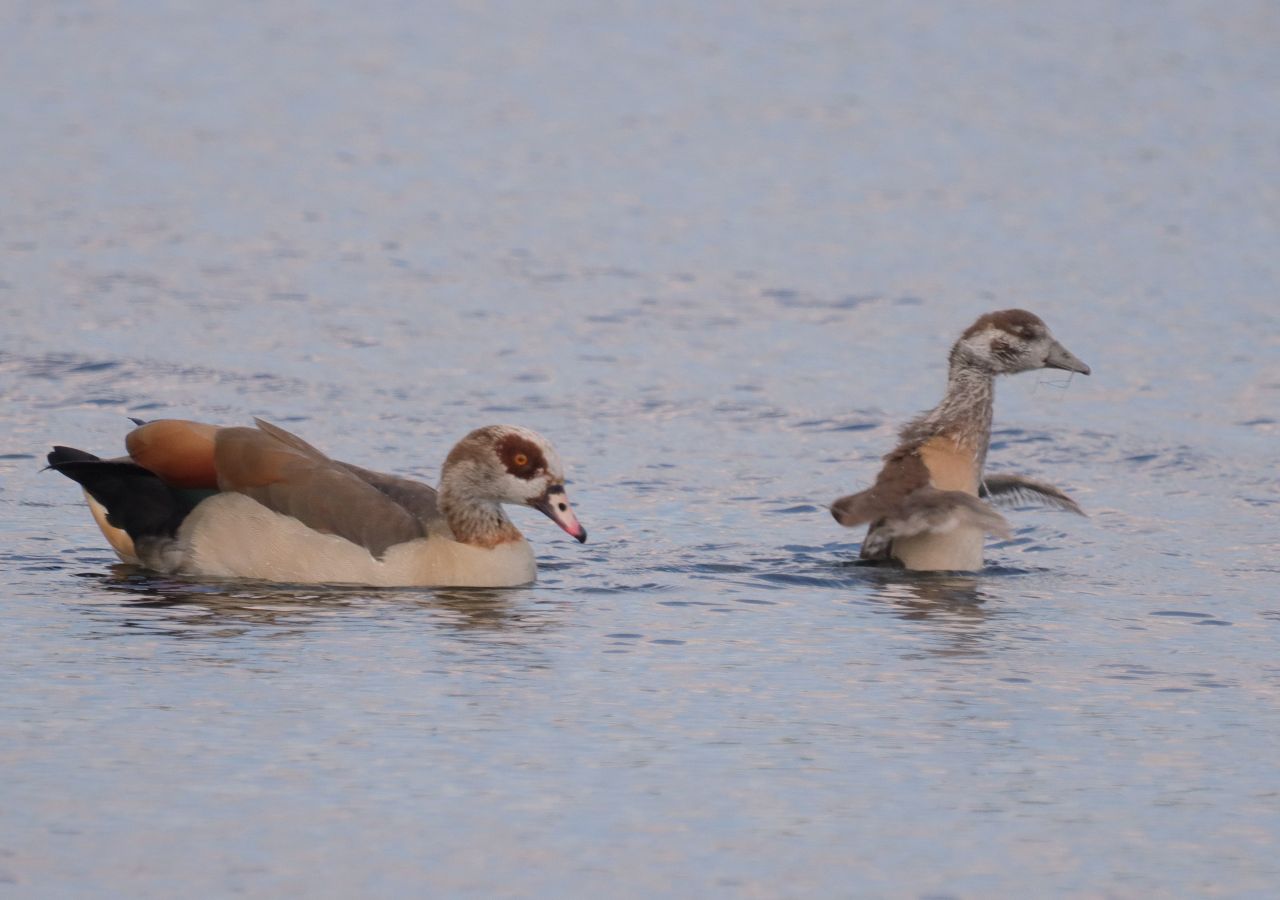
Egyptian goose with gosling.
The Egyptian geese still had at least four of their goslings now rapidly growing, although still with wings far too small for flight. Therefore still vulnerable to predation.
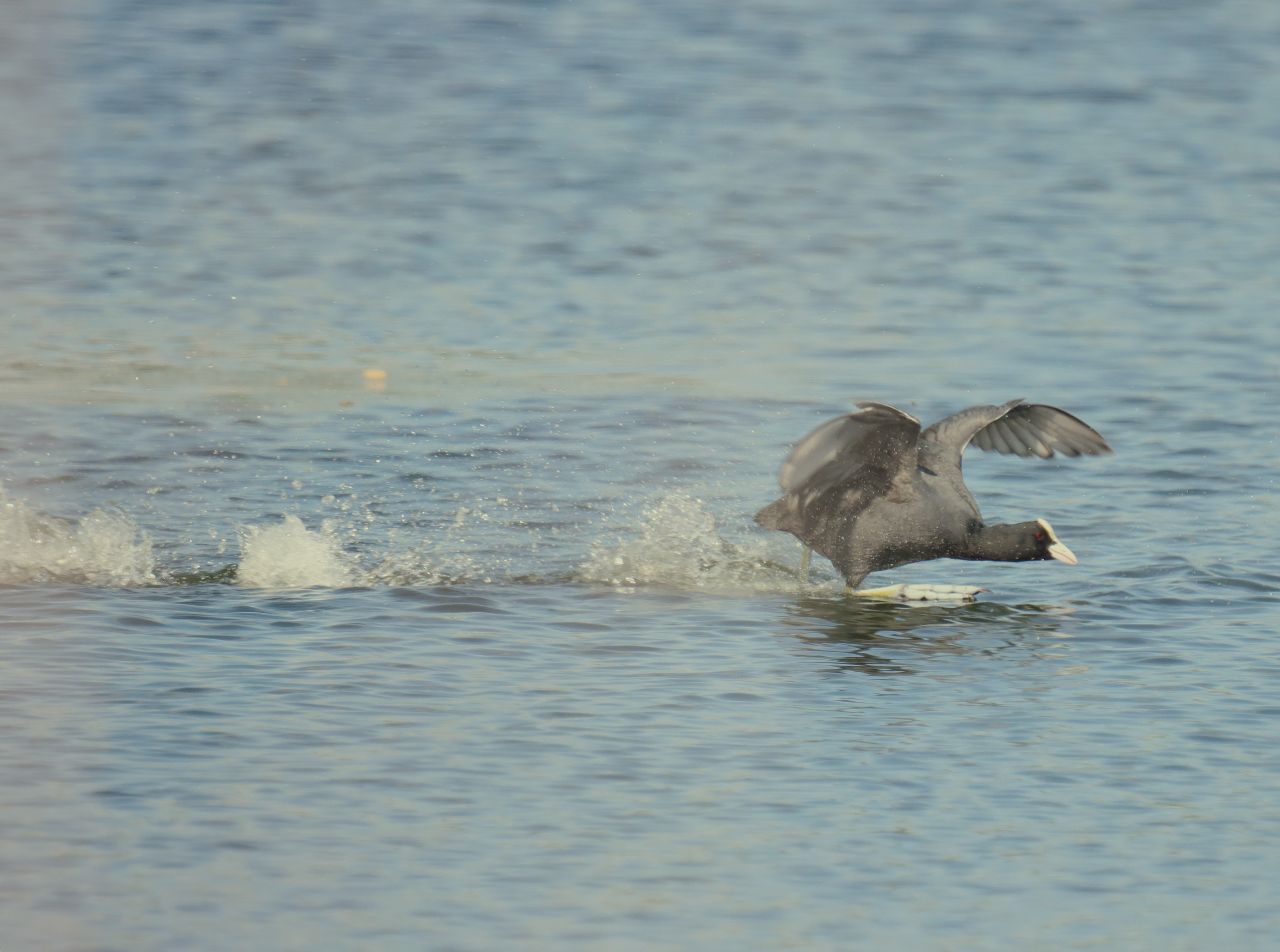
Coot, Stoke Lake.
Coots could regularly be seen chasing each other across the lake, while some had already constructed their nests.
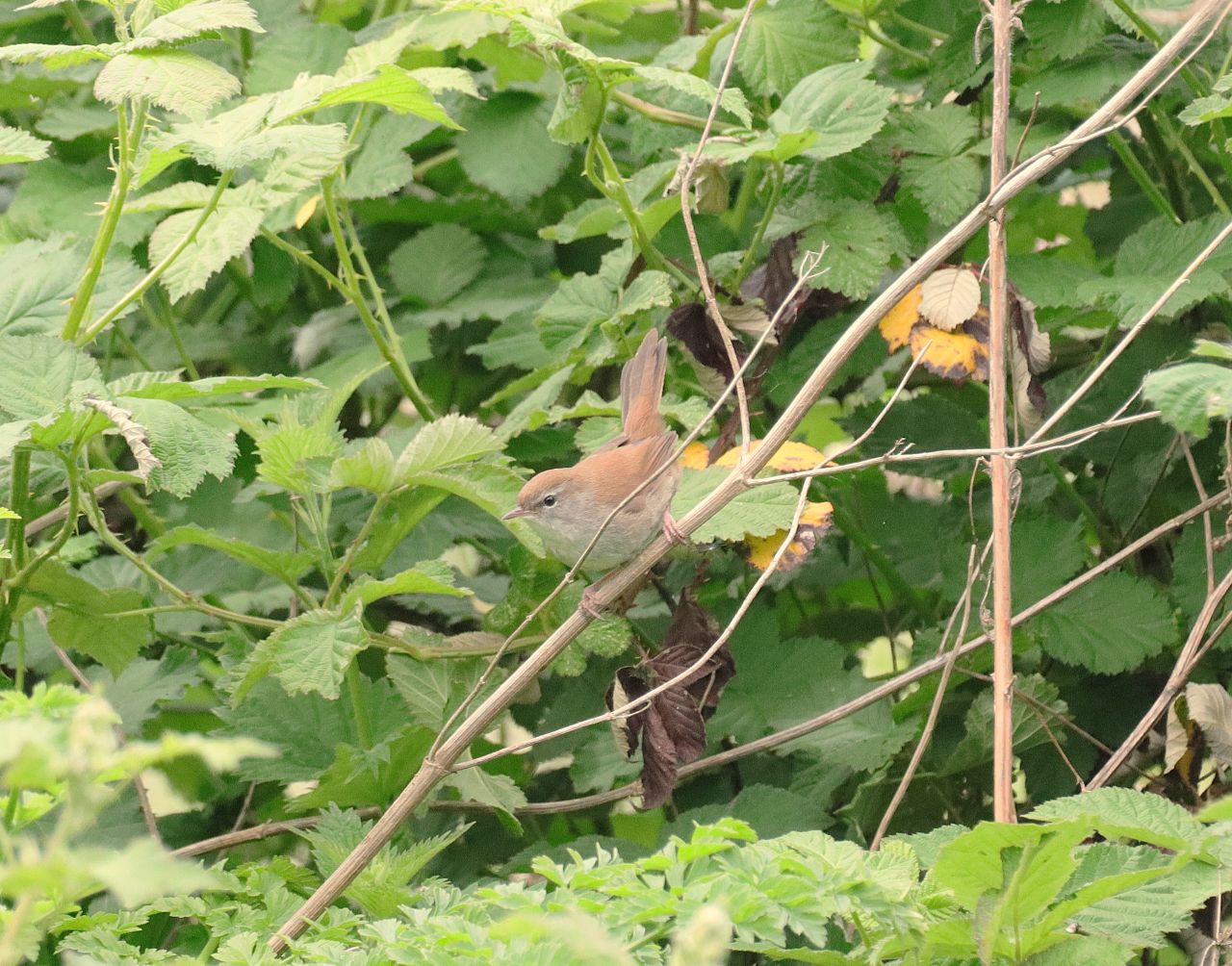
Cetti’s warbler, Riverside Nature Reserve.
Elsewhere on the reserve the abrupt song of cetti’s warblers continued to be heard.
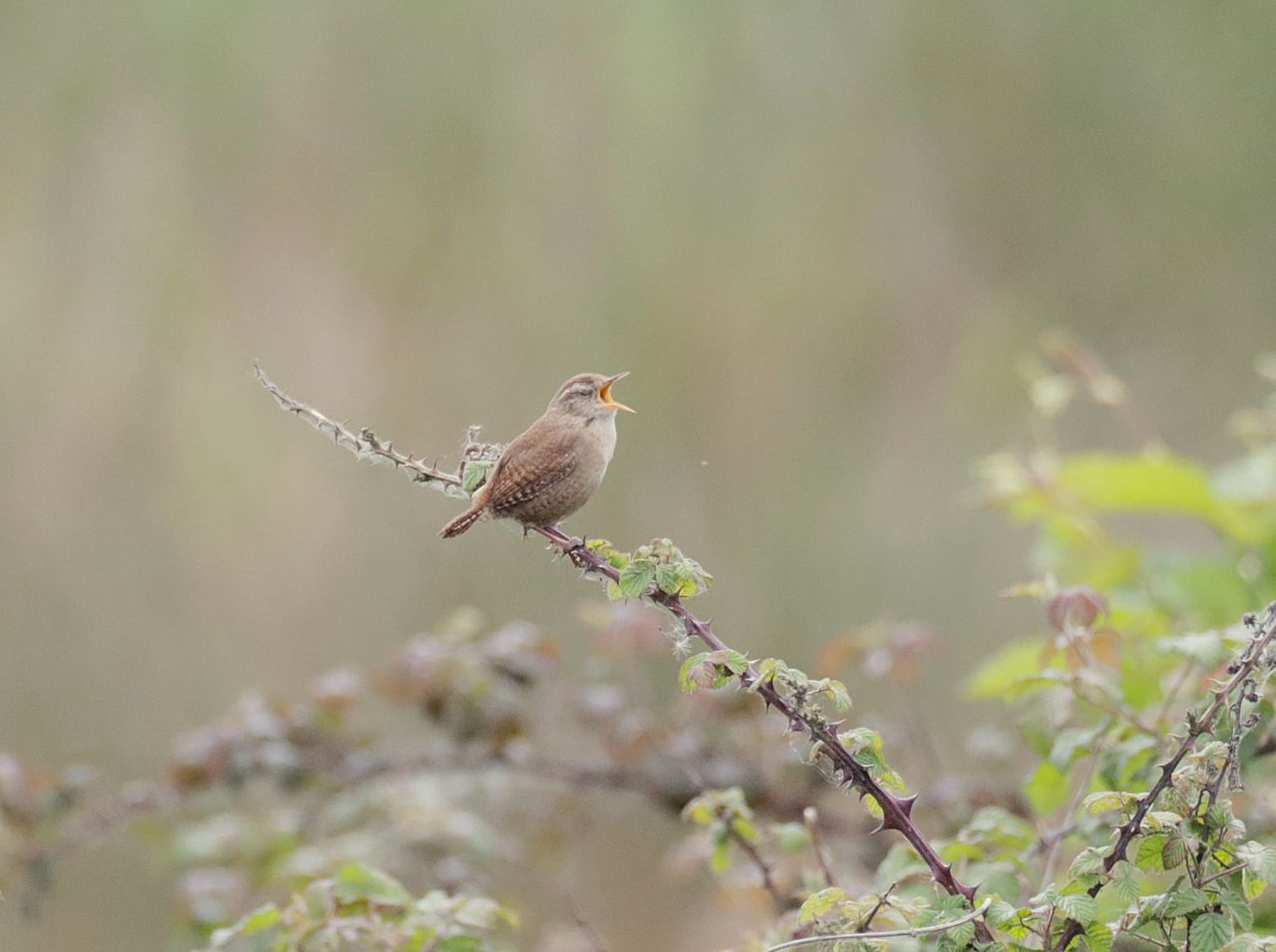
Wren in song at the Riverside Nature Reserve.
While the smaller ‘Jenny’ wren, with its own loud call for its size, would occasionally and unsuccessfully try to out-compete the cetti’s in song.
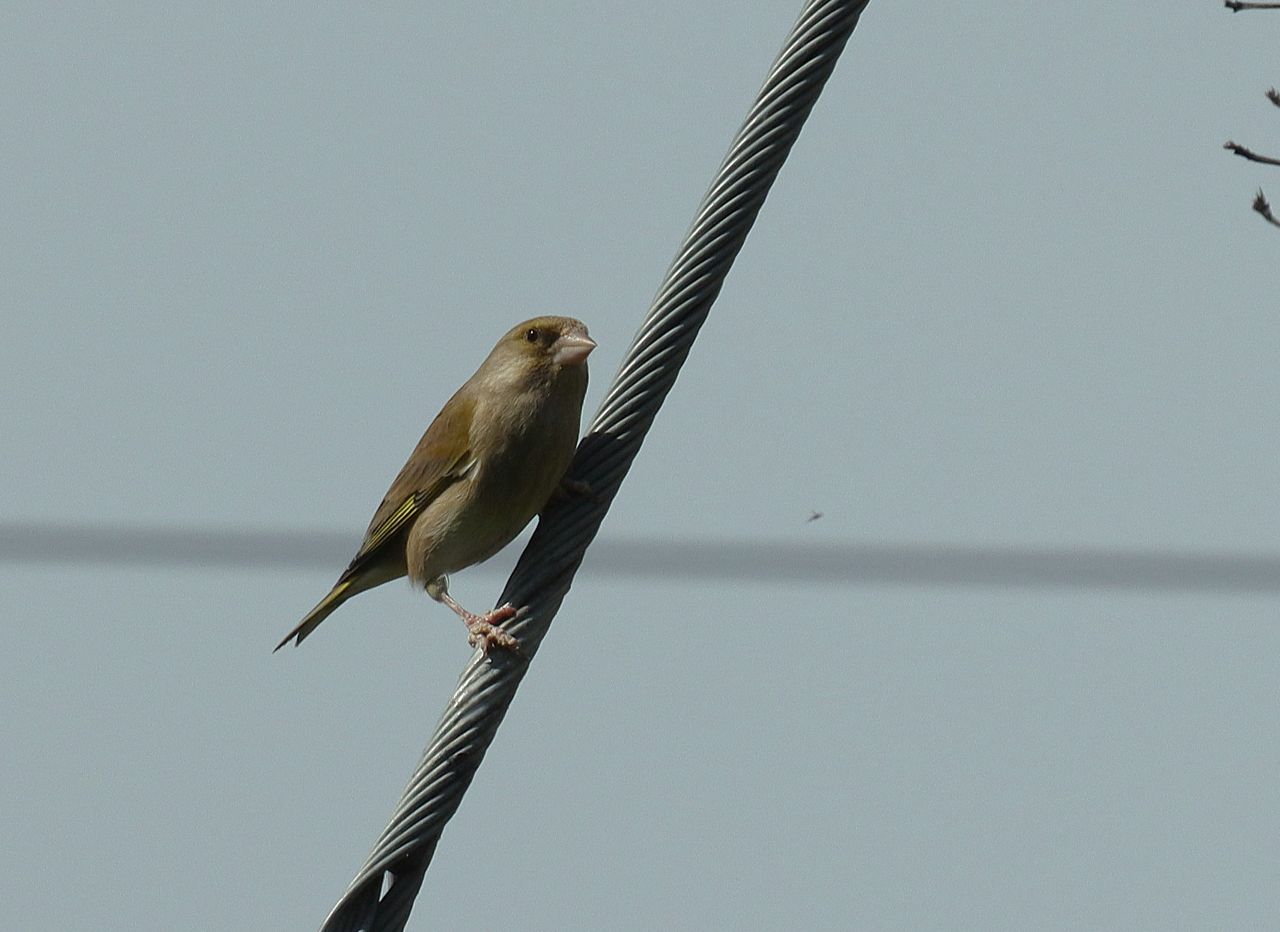
Greenfinch (female), Riverside Nature Reserve.
The ‘wheezing’ sounds of a few greenfinches continued to be heard from the trees along the riverbank.
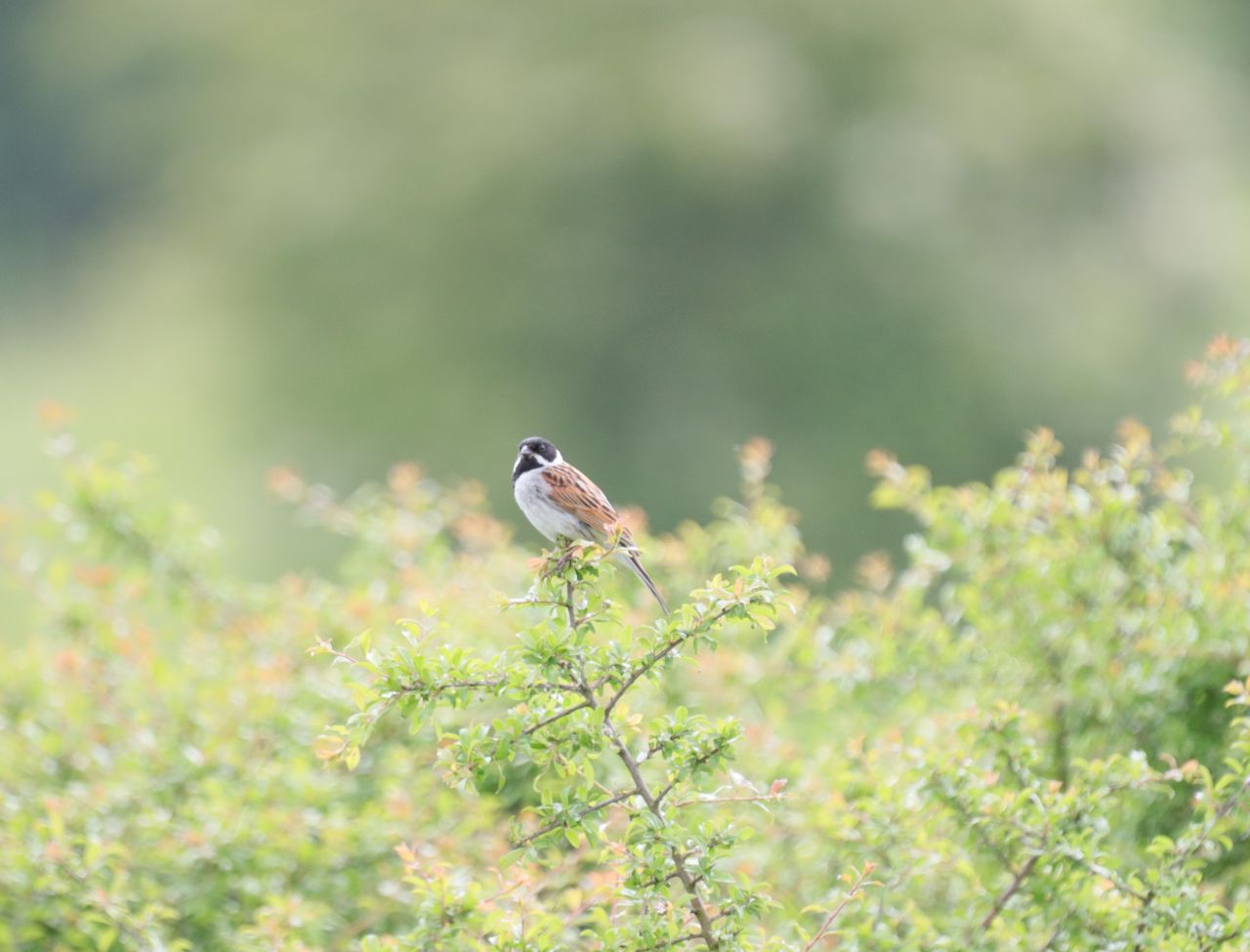
Reed bunting at the Riverside Nature Reserve.
And a reed bunting could be heard and seen from the boardwalk.
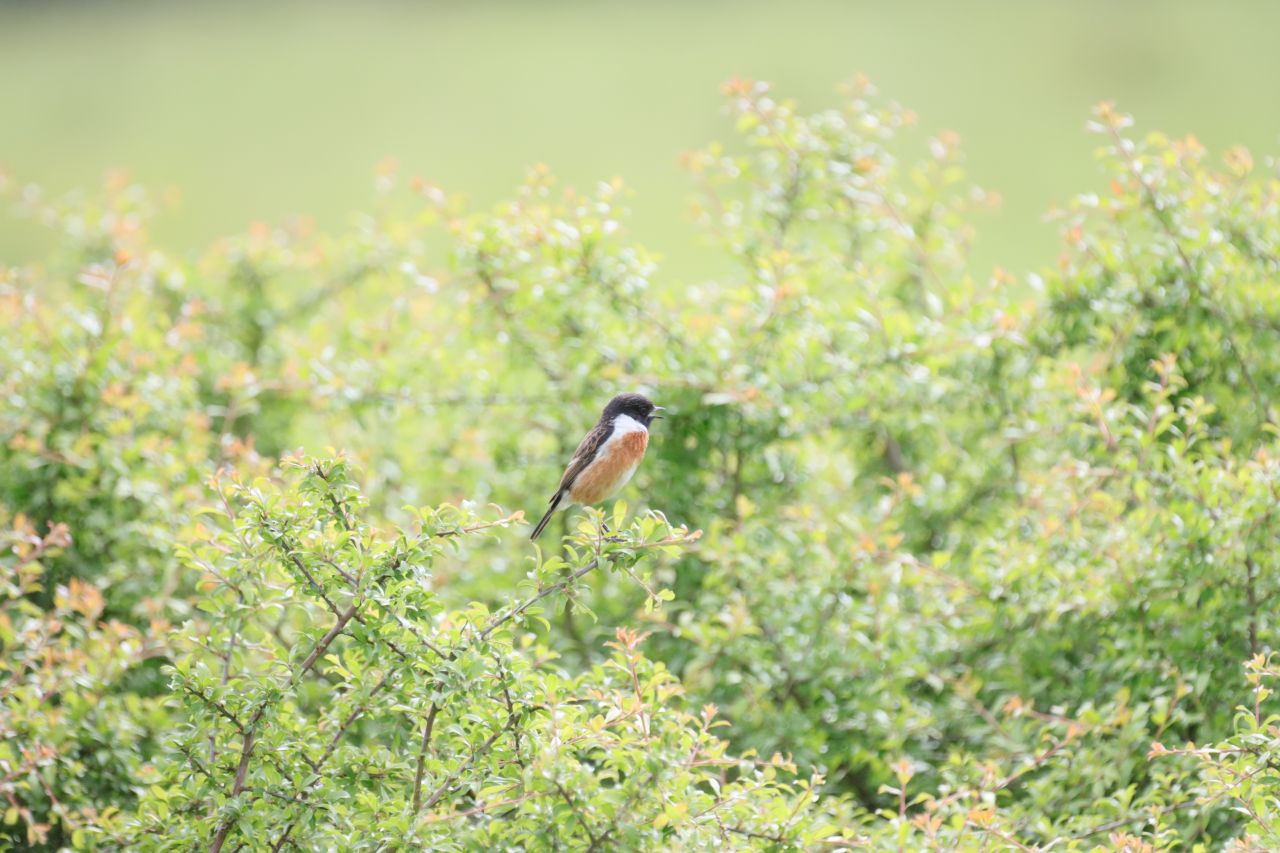
Stonechat (male) at the Riverside Nature Reserve.
In the meadow at the southern end of the lake, a male stonechat obliged me with a photo.
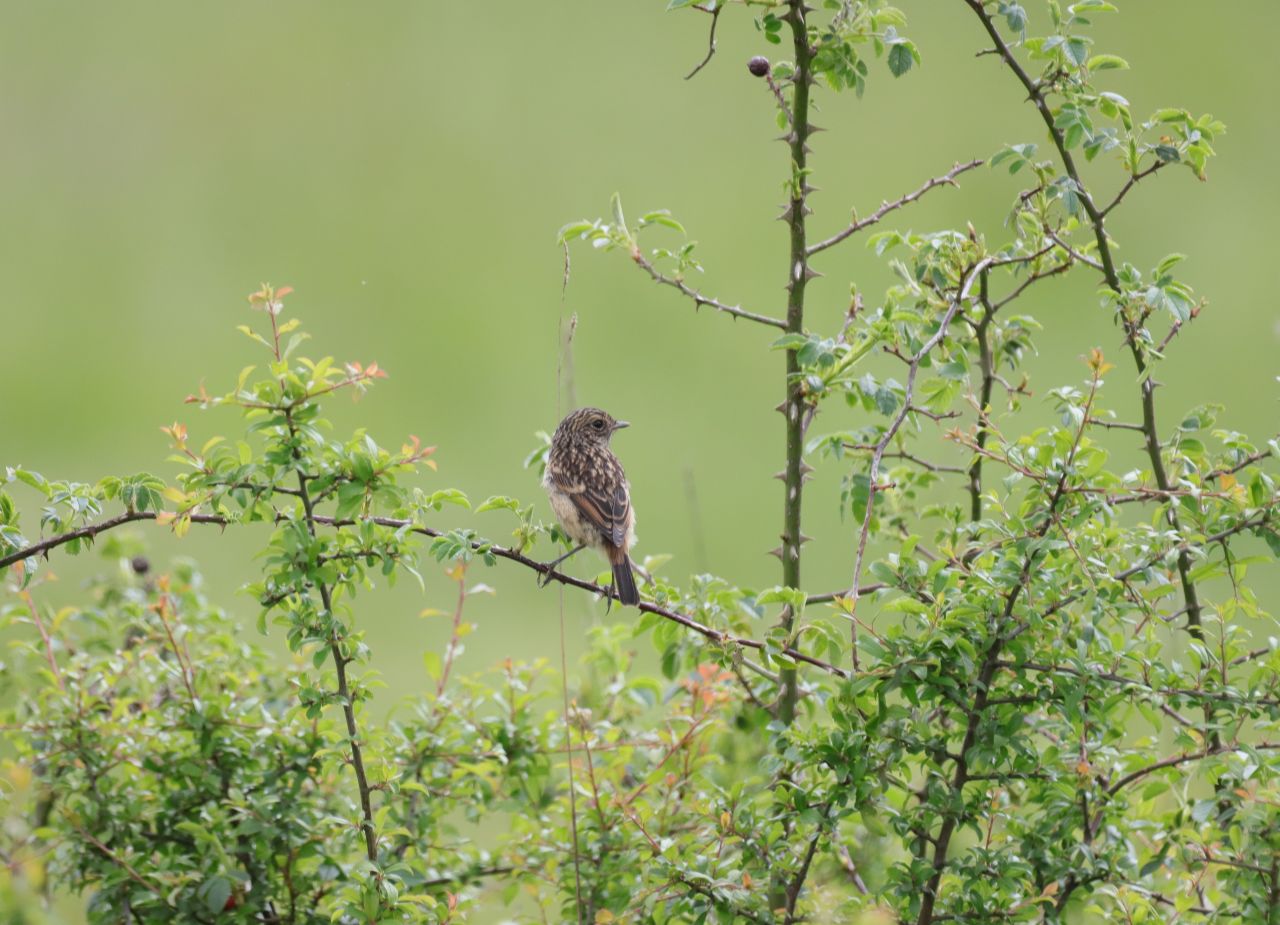
Juvenile stonechat, Riverside Nature Reserve.
While what looked to be a juvenile could be seen nearby.
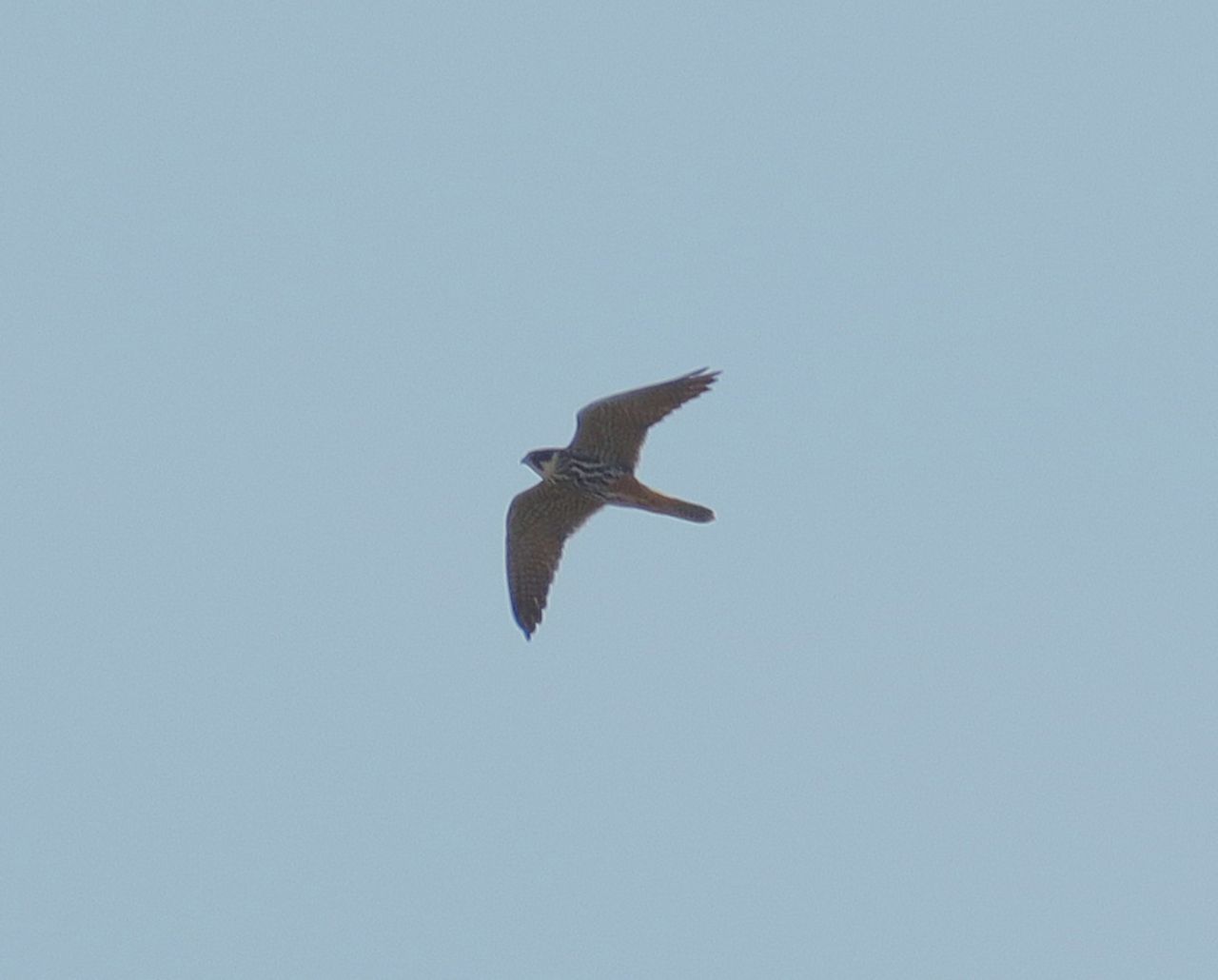
Hobby, Thursley Common.
On May 2, in the company of Bob and Dougal, we revisited Thursley Common. Although only adding one new species to this year’s sightings, that of two hobbies hunting over the heathland.
I was, however, able to improve on some of the photos of spices previously seen there.
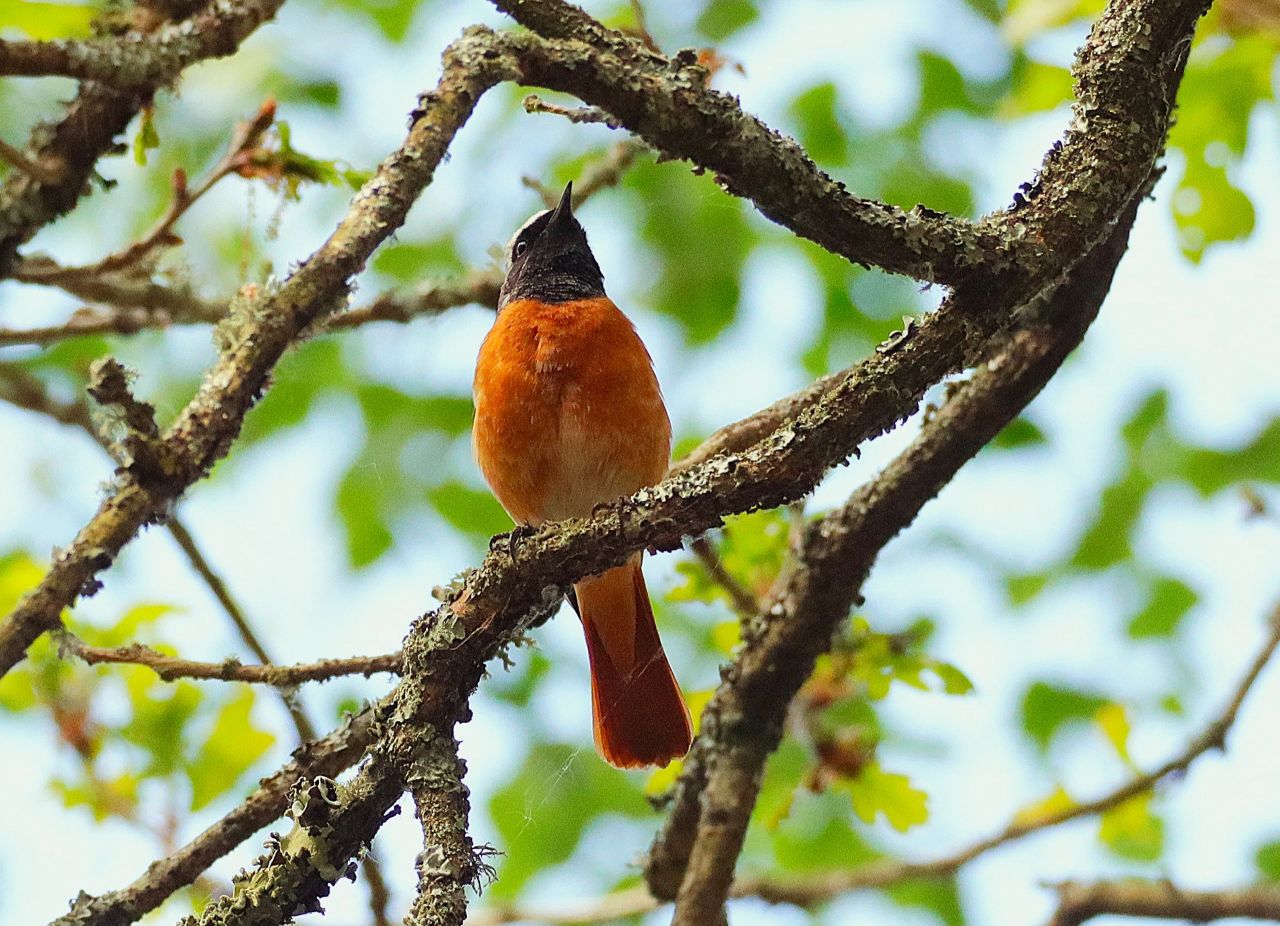
Male common redstart, Thursley Common.
Possibly my best improved photo was that of a male common redstart, in song and showing well near the Parish Field.
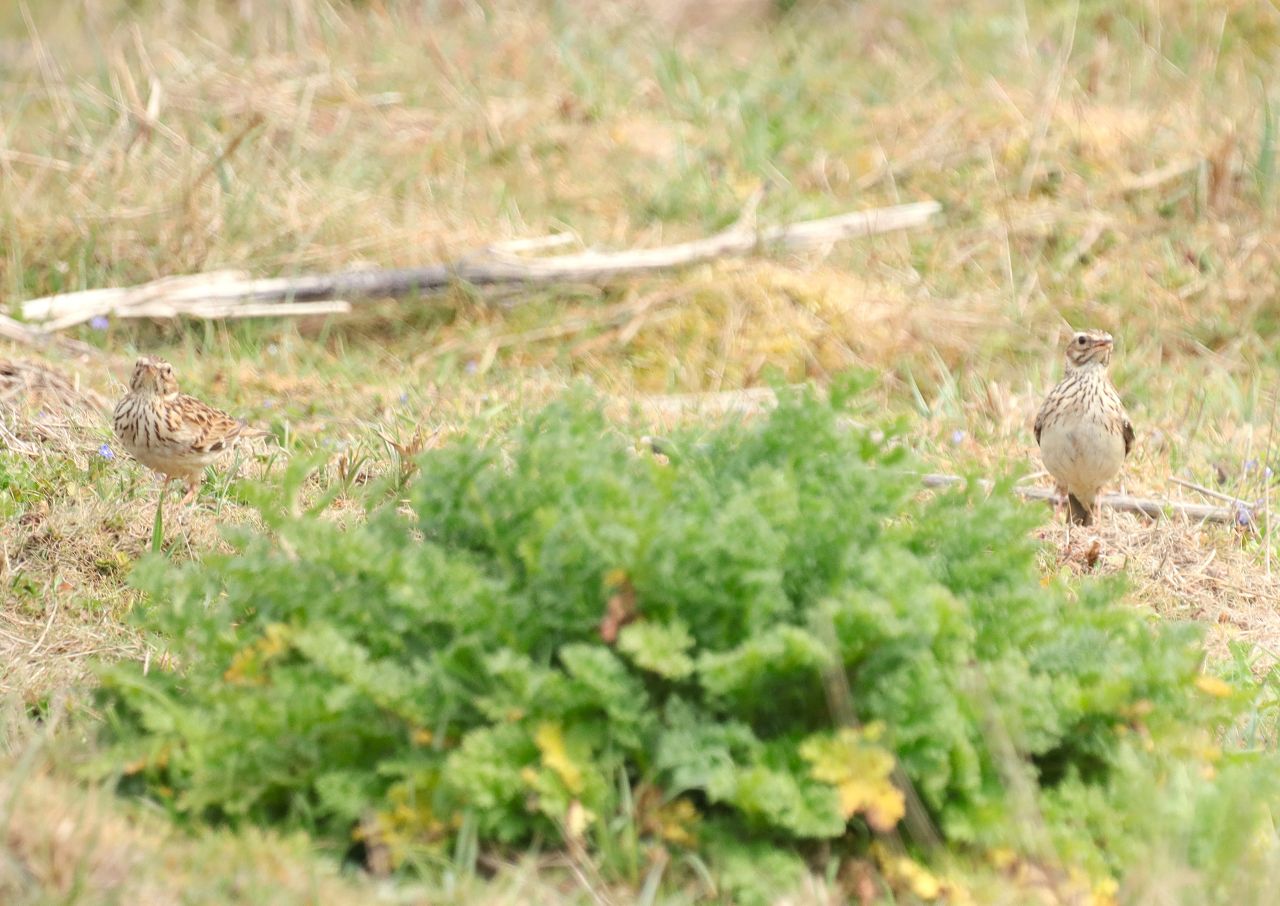
Woodlark, Thursley Common.
In the Parish Field a pair of woodlarks could be viewed feeding together in the grassland.
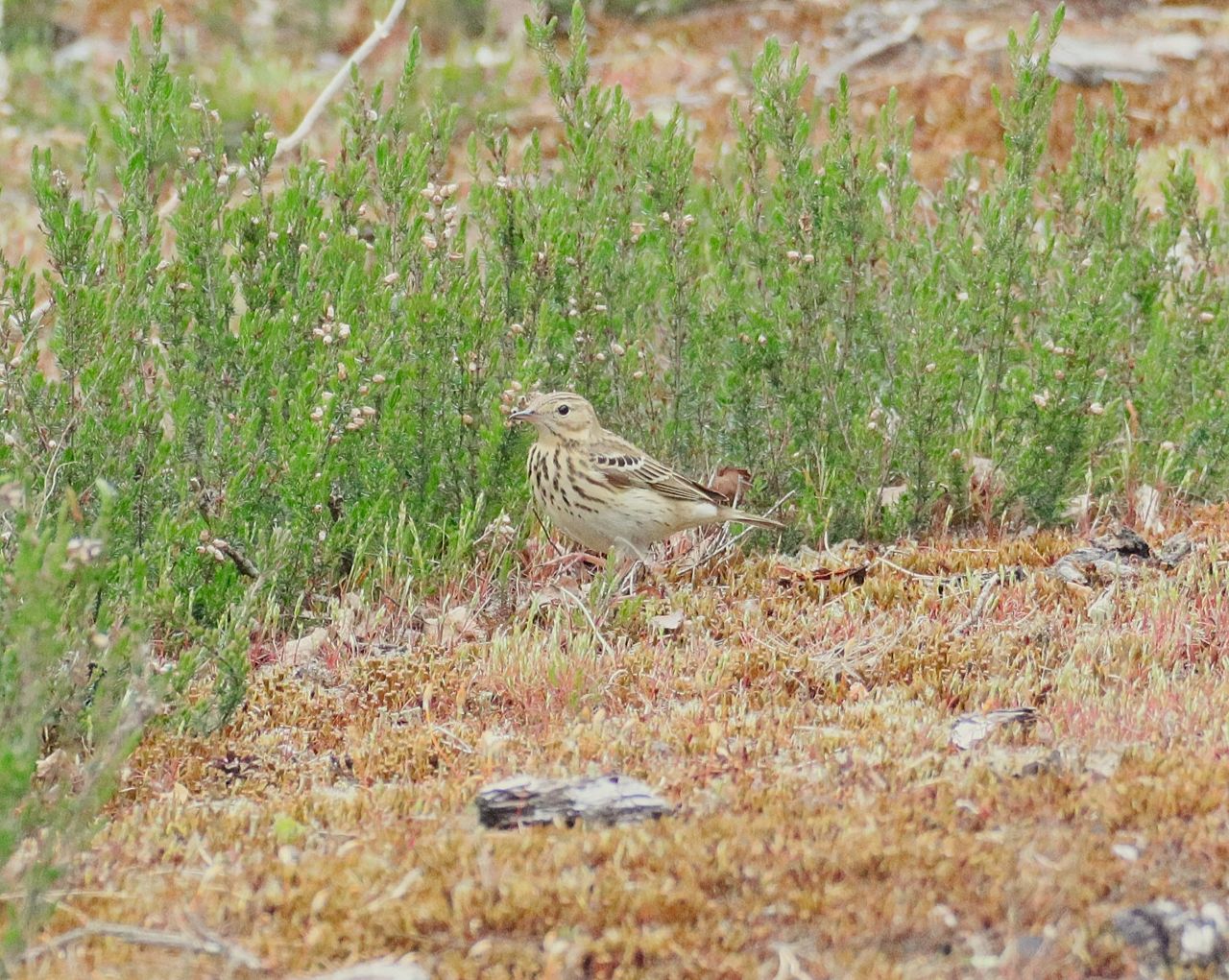
Tree pipit, Thursley Common.
Having recently photographed a tree pipit on nearby Hankley Common, it was nice to picture one at Thursley too.
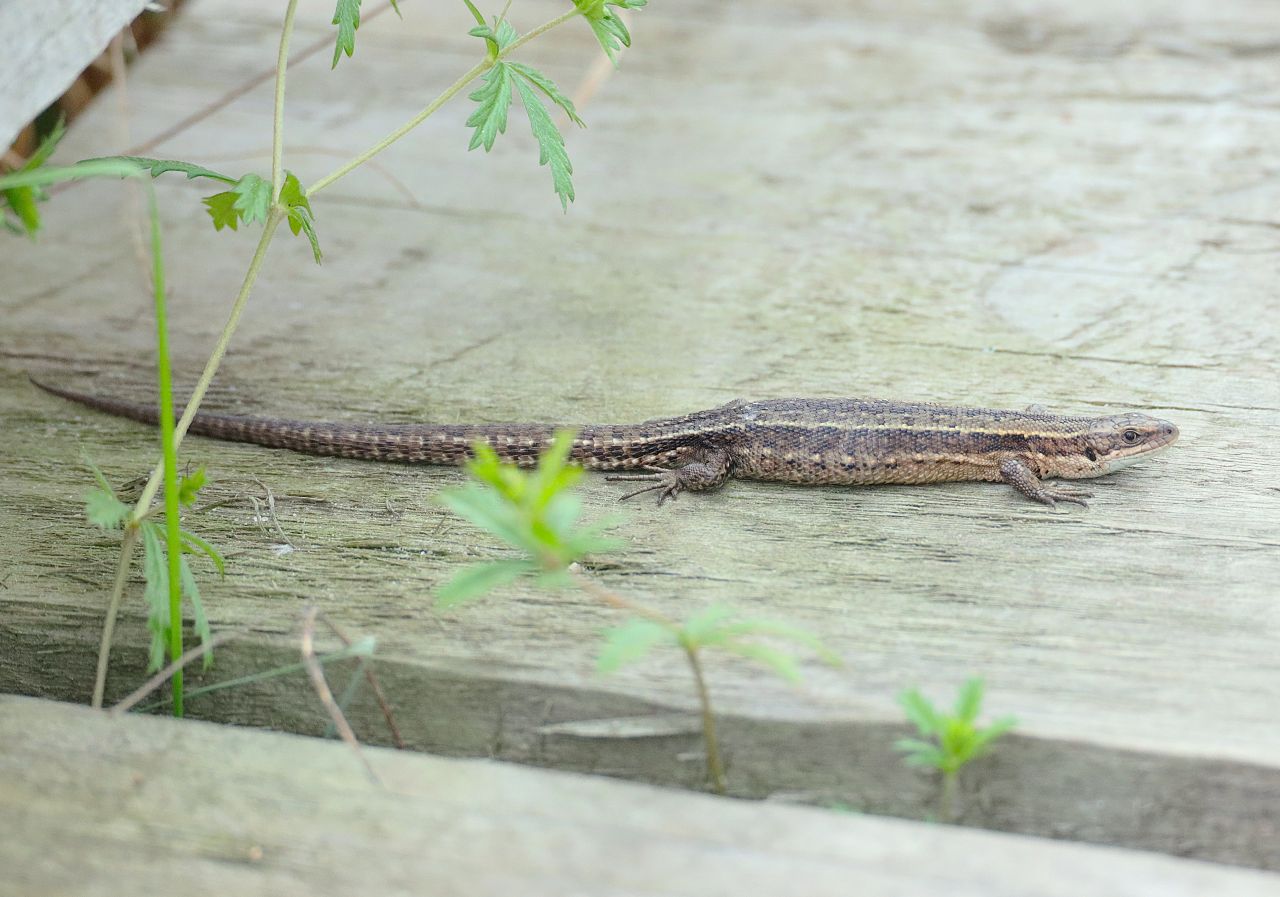
Common lizard, Thursley Common.
The heat from the sunshine sustained by the boardwalks had encouraged several common lizards to bask on them.

Dartford warbler, Thursley Common.
Good numbers of Dartford warblers continued to be heard and seen about the heathland.
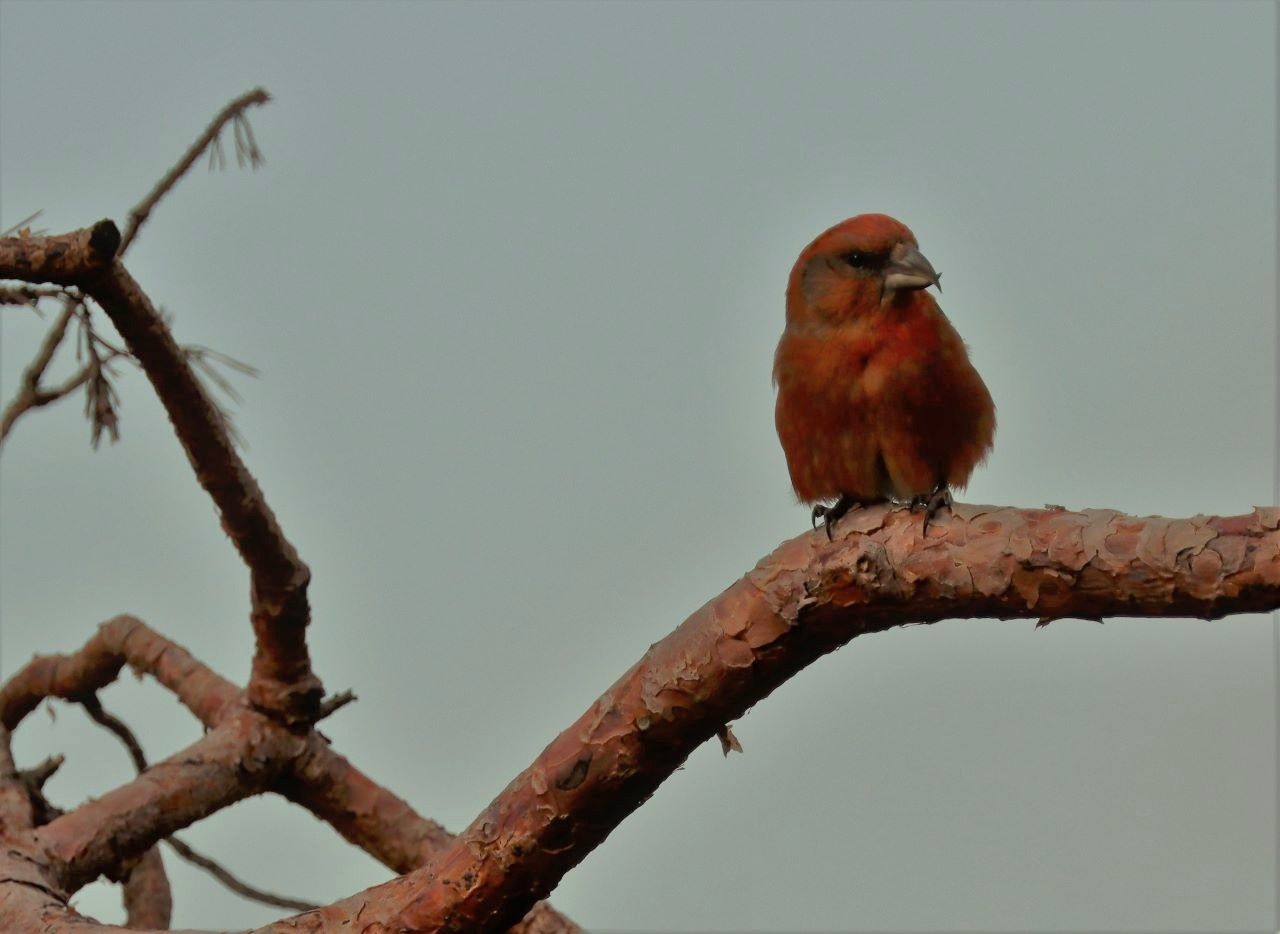
Male common crossbill on Thursley Common.
While a few common crossbills could still be located among the pines.
More local to home on May 6, on Whitmoor Common, the warmth of the sunshine that day had brought a few new species of butterflies out on the wing to add to this year’s photos.
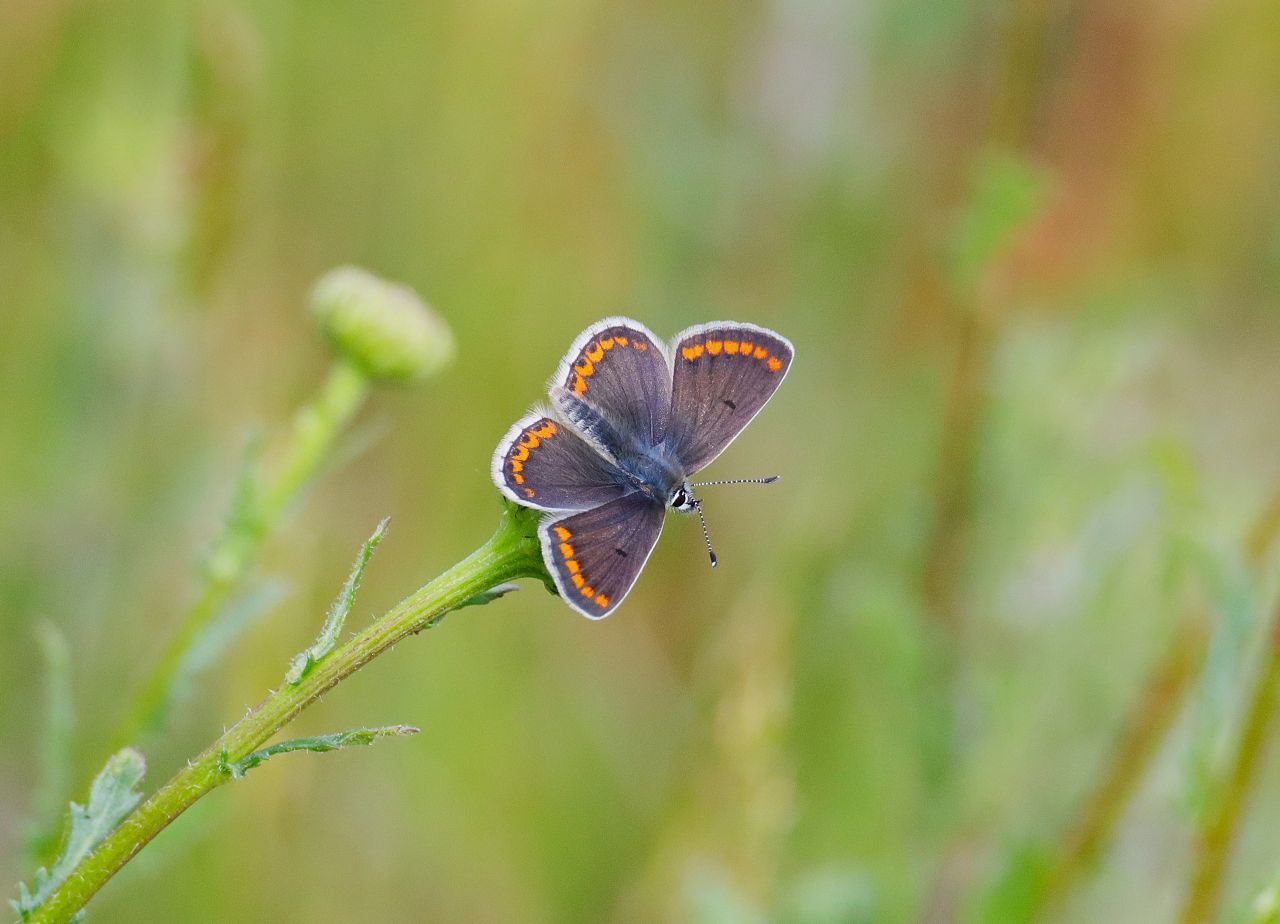
Brown argus butterfly, Whitmoor Common.
This included a brown argus butterfly.
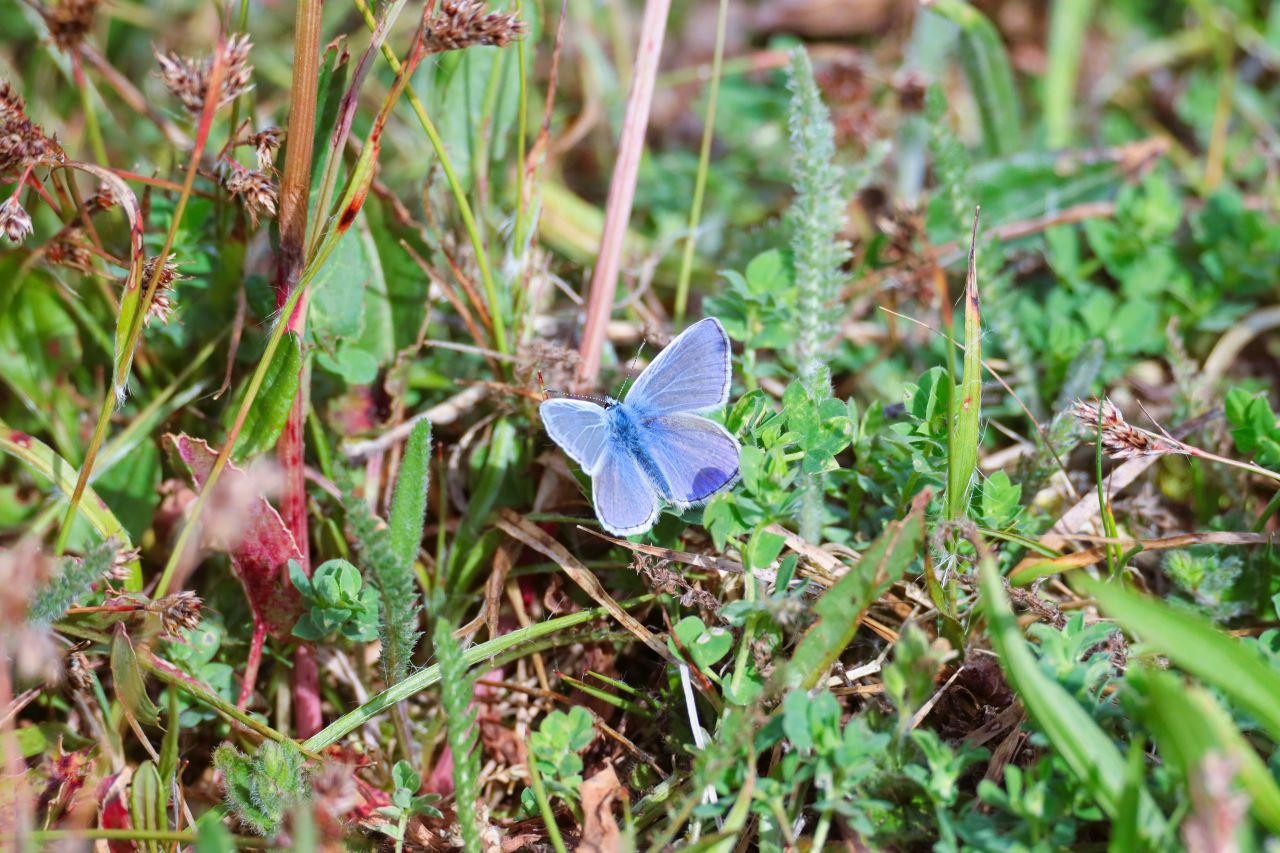
Common blue butterfly, Whitmoor Common.
And my first common blue butterfly of the year.
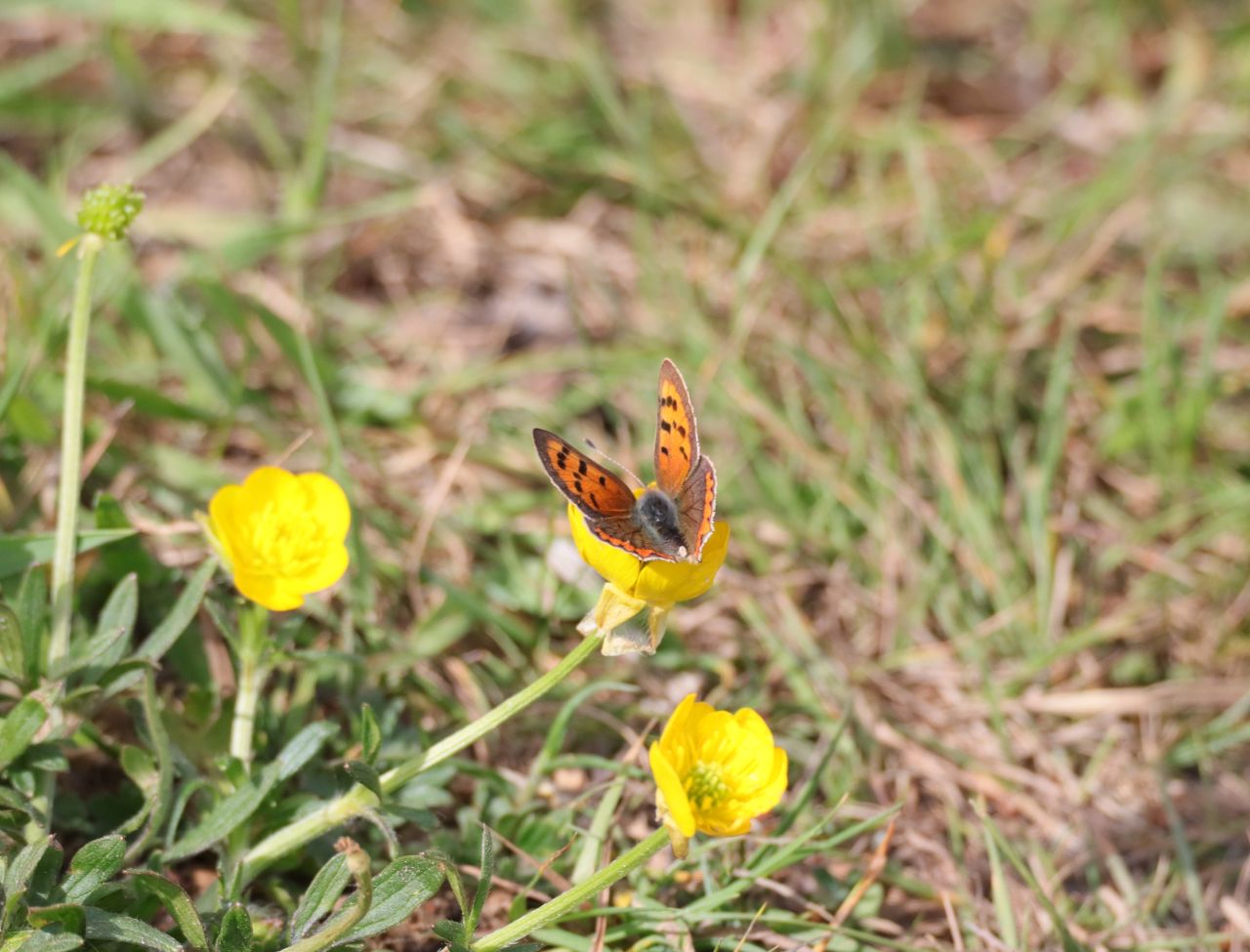
Small copper butterfly, Whitmoor Common.
Also adding a small copper butterfly to my day list.
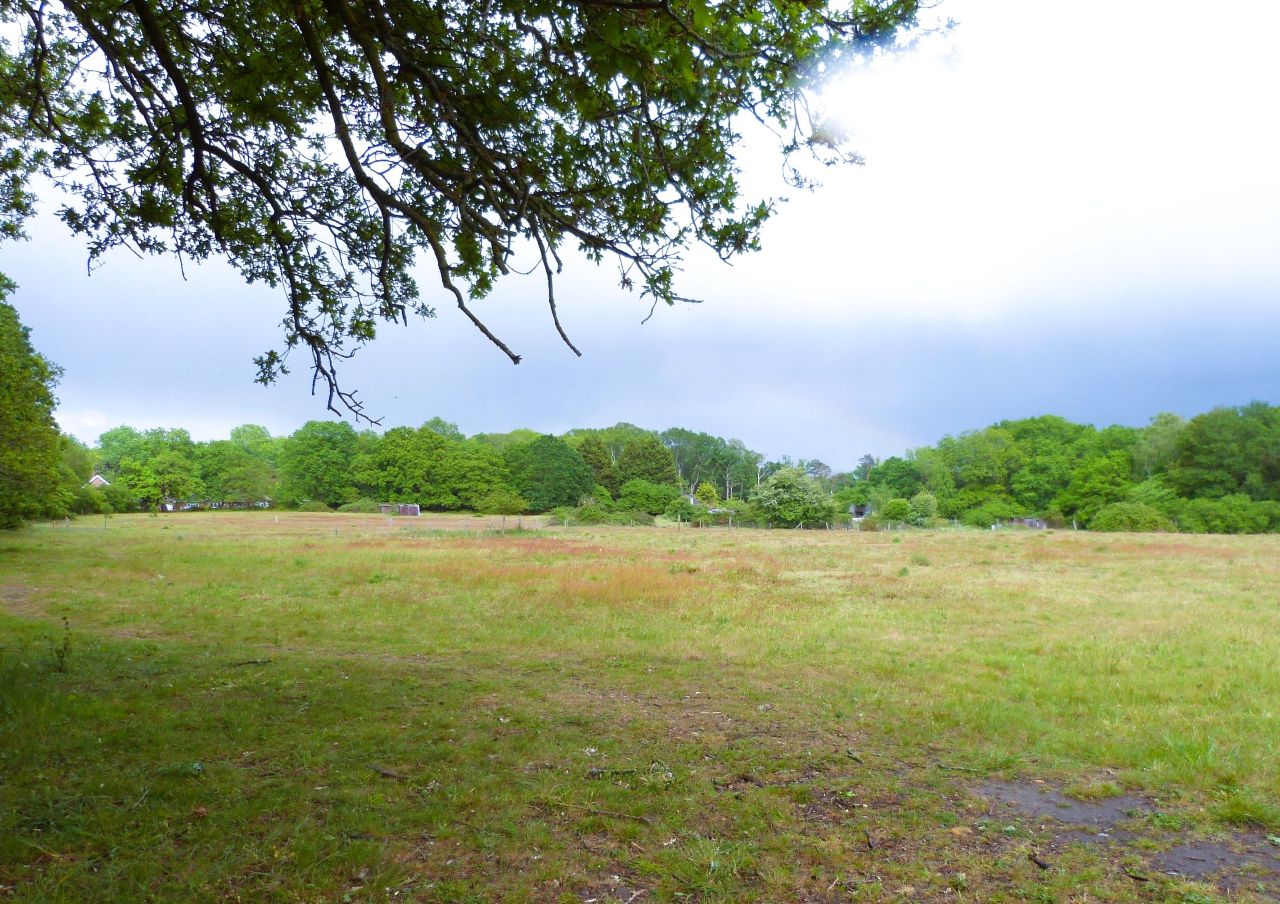 These all seen within the old horse paddocks where the ox-eyed type daisies were now starting to flower.

Green woodpecker, Whitmoor Common.
A few green woodpeckers could be seen about the field.
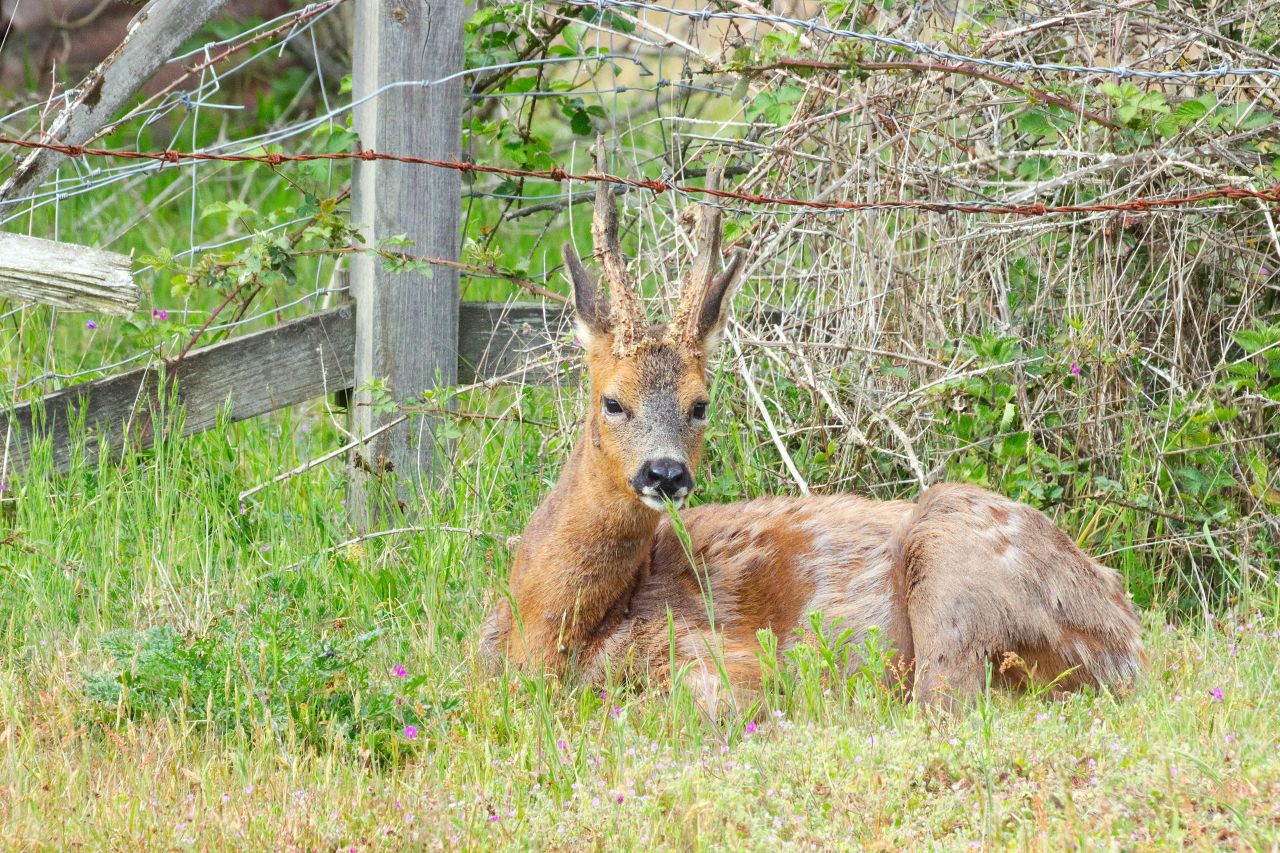
Buck roe deer, Whitmoor Common.
While a buck roe deer lazily took in the warmth of the sunshine, unperturbed by my presence.

Painted lady butterfly, Whitmoor Common.
Out on the heathland another butterfly could be added to this year’s sightings. A painted lady, one of many that had reportedly in-fluxed southern regions of the UK on their migration.
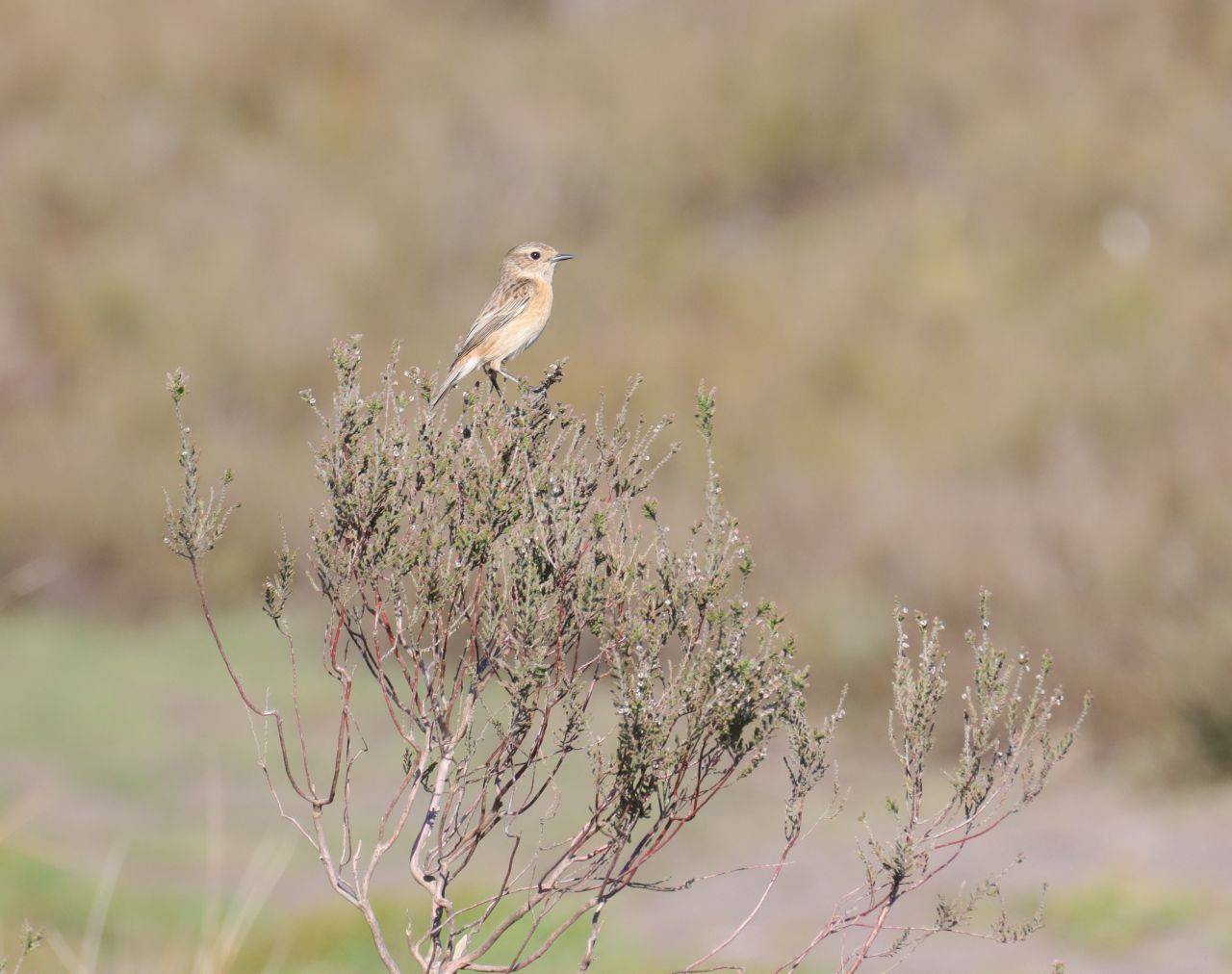
Stonechat (female), Whitmoor Common.
Stonechats continued to be seen about the heathland, some already with young.
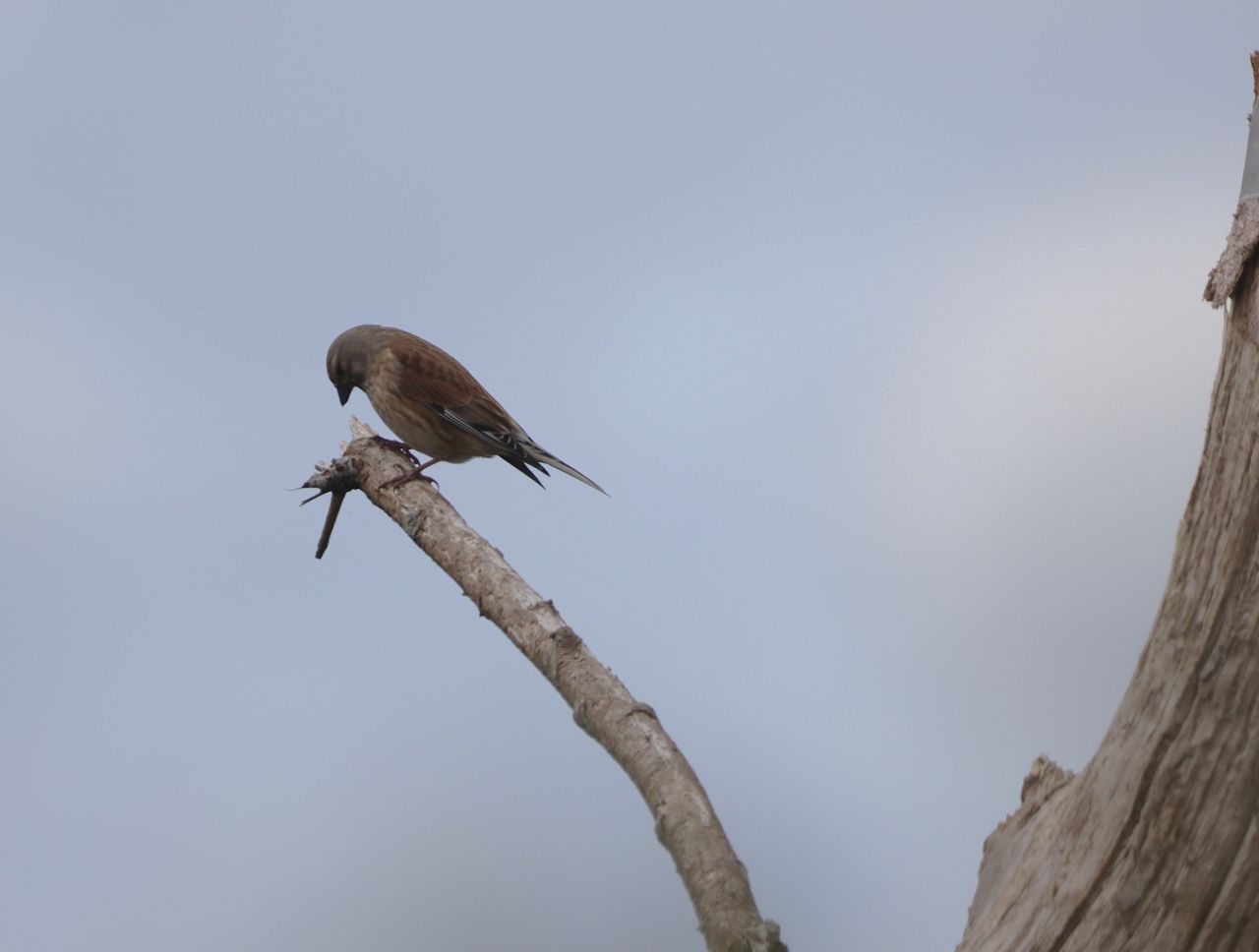
Linnet, Whitmoor Common.
And linnets continued to feature in my sightings.
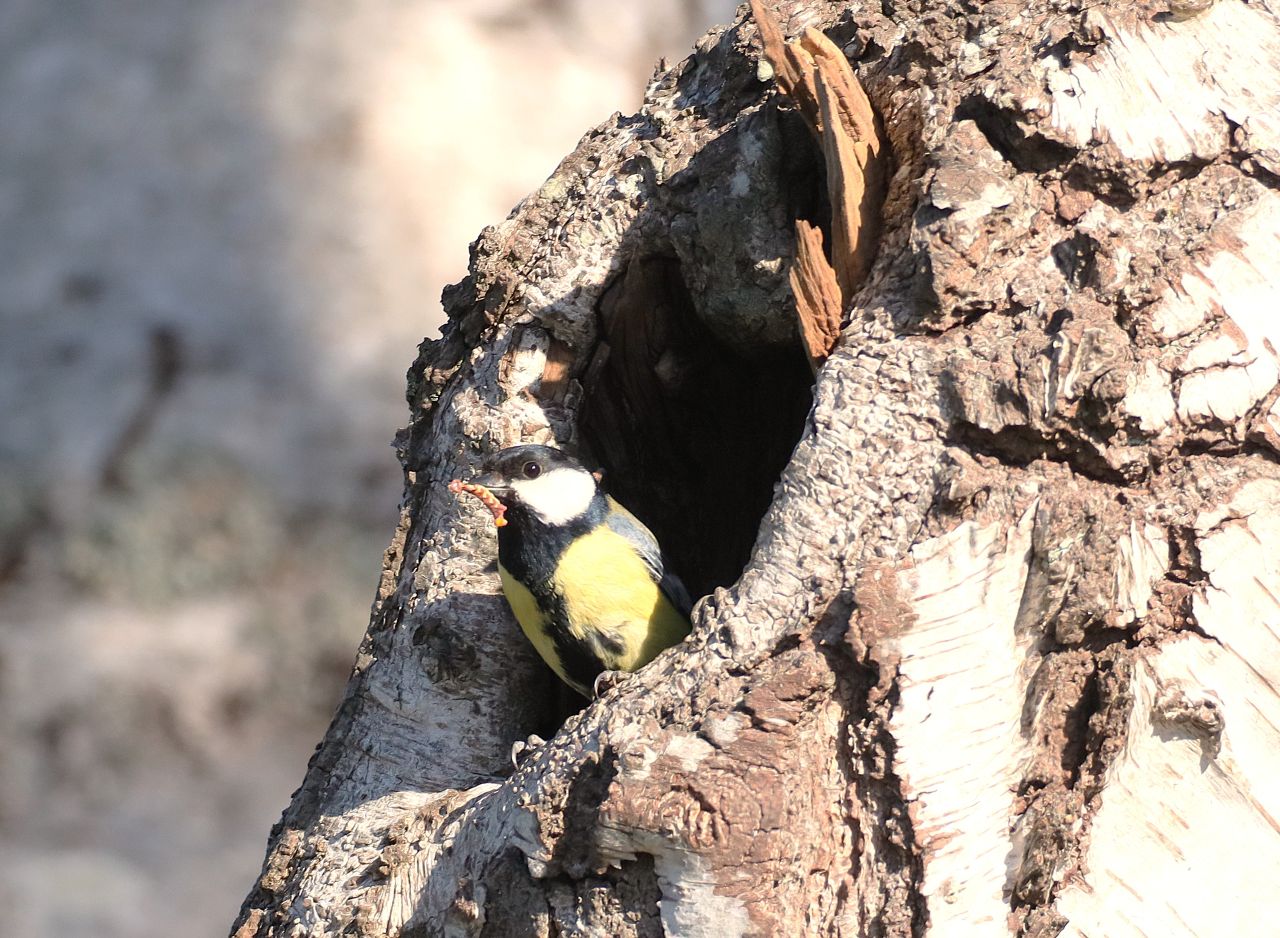
Great tit, Whitmoor Common.
Numerous small birds including great tits could be viewed in various stages of raising their young.
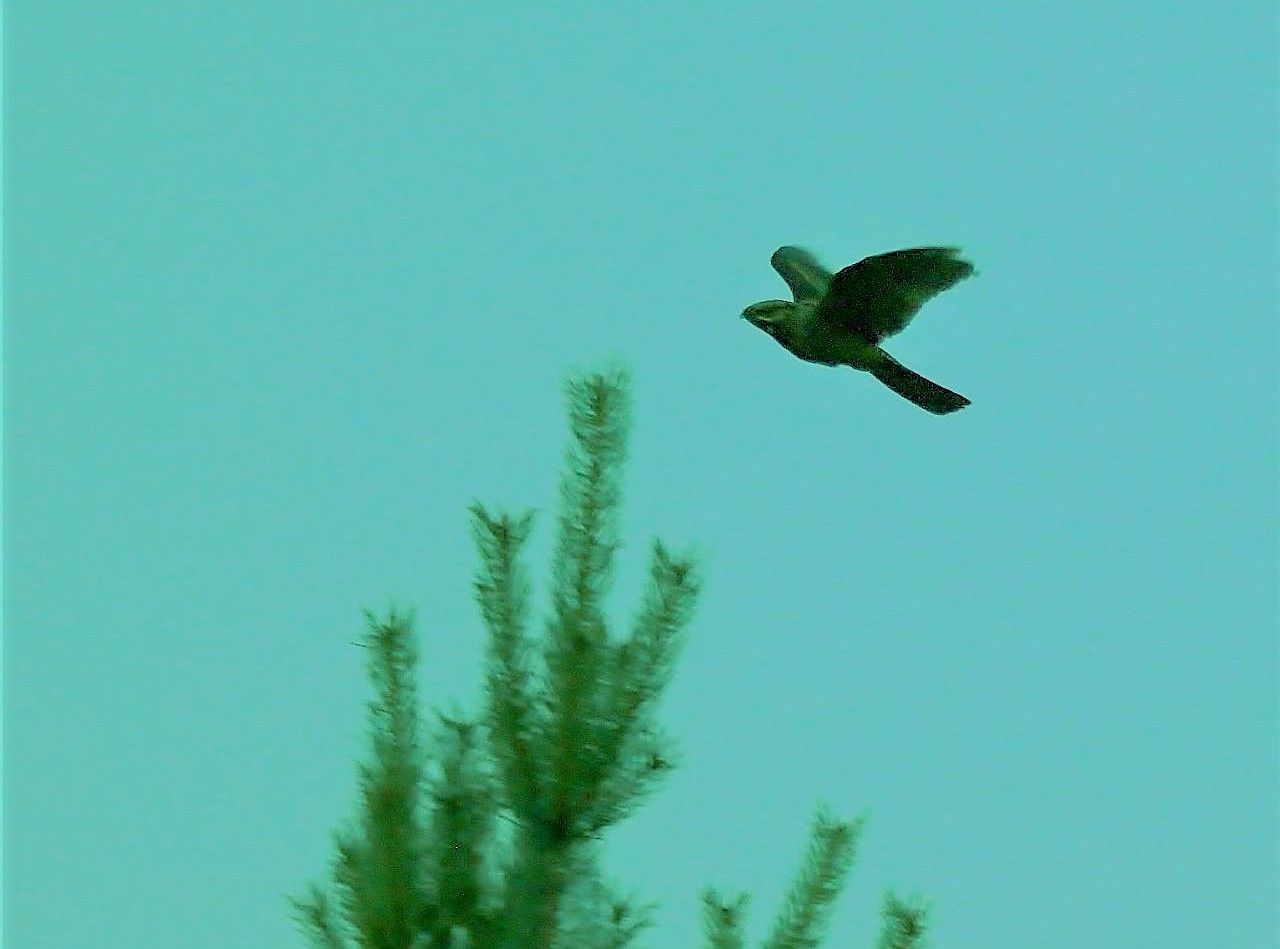
Previously taken photo of a Nightjar in flight at dusk on Whitmoor Common.
As night fell across the heathland the familiar sounds of ‘churring’ nightjars could once again be heard. These having recently returned from their winter homes in Africa to breed here.
A fresh feel to the weather remained with us as we moved into the second week of the month. A brisk northerly flow of air with daytime temperatures struggling to reach the mid-teens Celsius, while local nighttime frost warnings for gardeners continued.
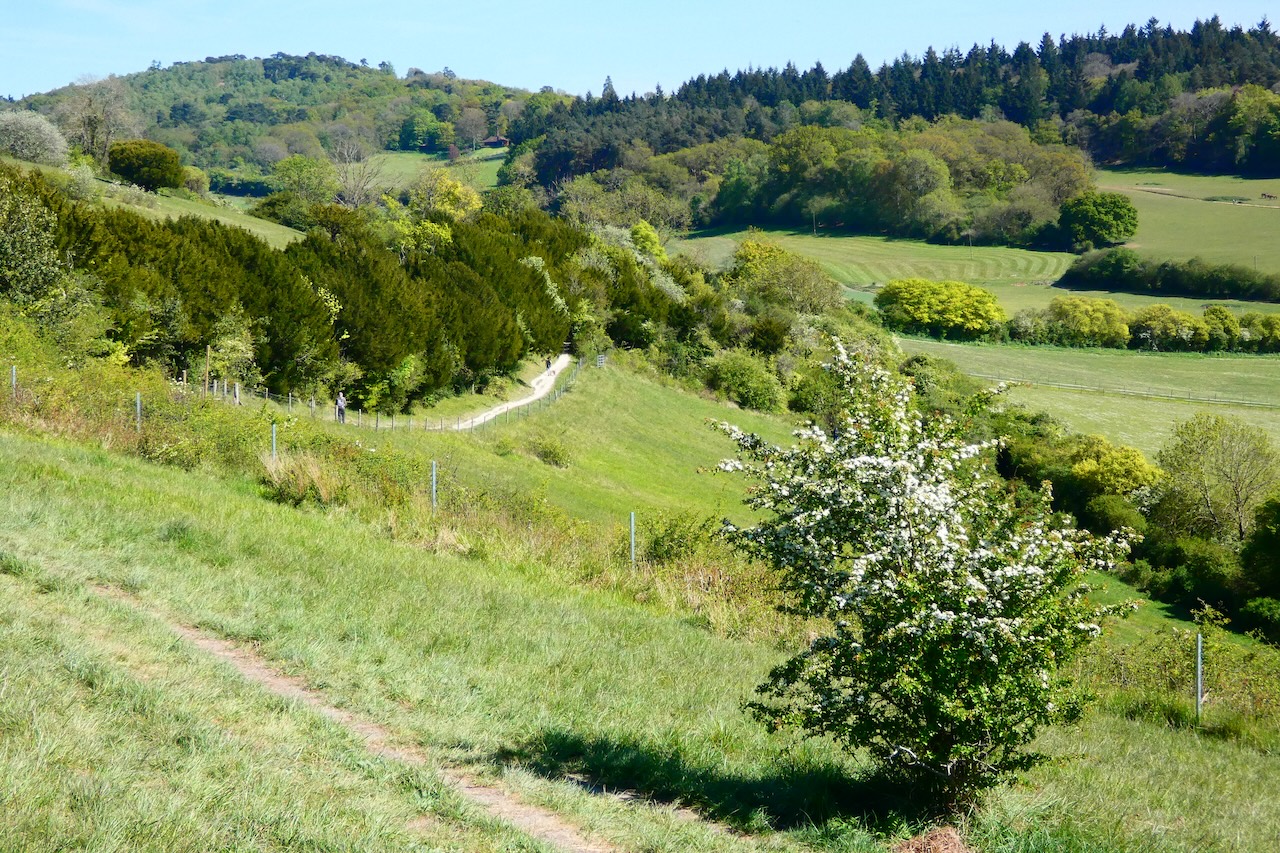
Pewley Down.
Taking advantage of a day of sunny periods and slightly warmer daytime temperatures, on May 9, in the company of Bob we visited Pewley Down in what turned out a successful attempt to add a few more new species of butterflies to this year’s tally.
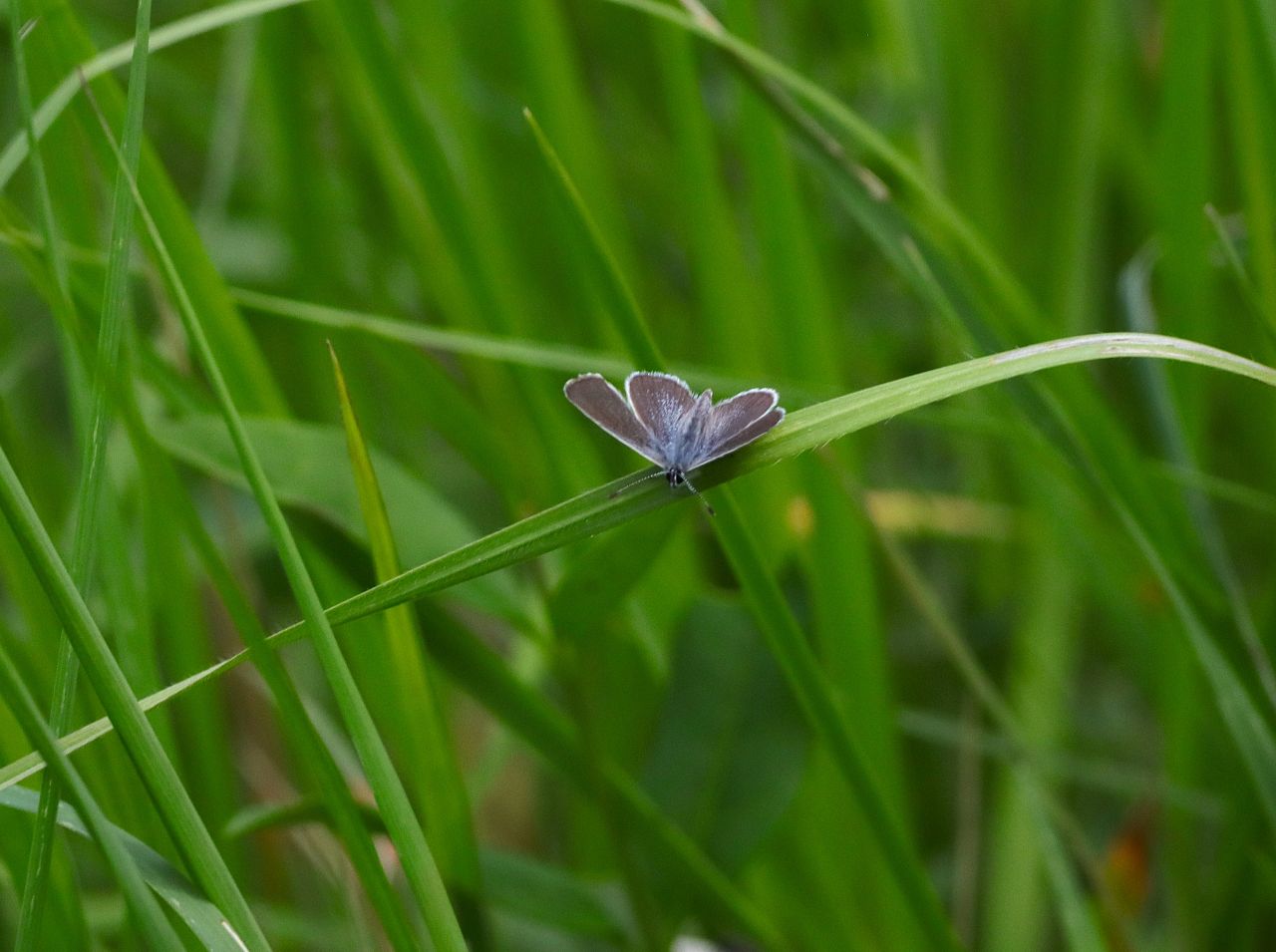
Small blue Butterfly, Pewley Down.
Although only finding just the one, and on the northern side of the downland, a small blue butterfly could be added.

Common blue butterfly, Pewley Down.
While several common blue butterflies could now be seen on the wing.
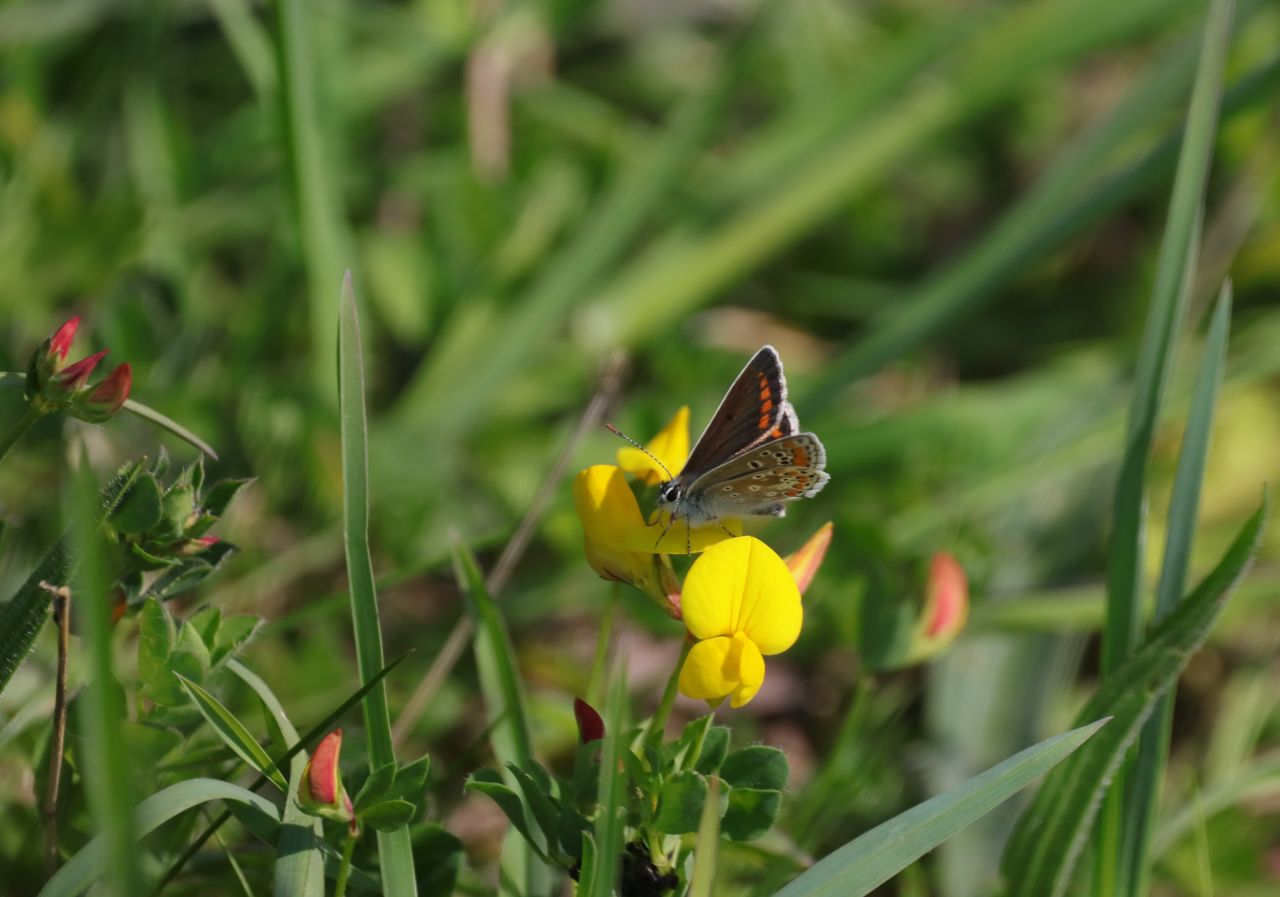
Brown argus butterfly, Pewley Down.
And a brown argus butterfly.

Adonis blue butterfly, Pewley Down.
On the south-facing slopes of the downs, the first sighting of Adonis blue butterflies could be seen on wing, counting at least eight as we traversed the hillside.

Small copper butterfly, Pewley Down.
Also adding to our day-list were a few small copper butterflies.
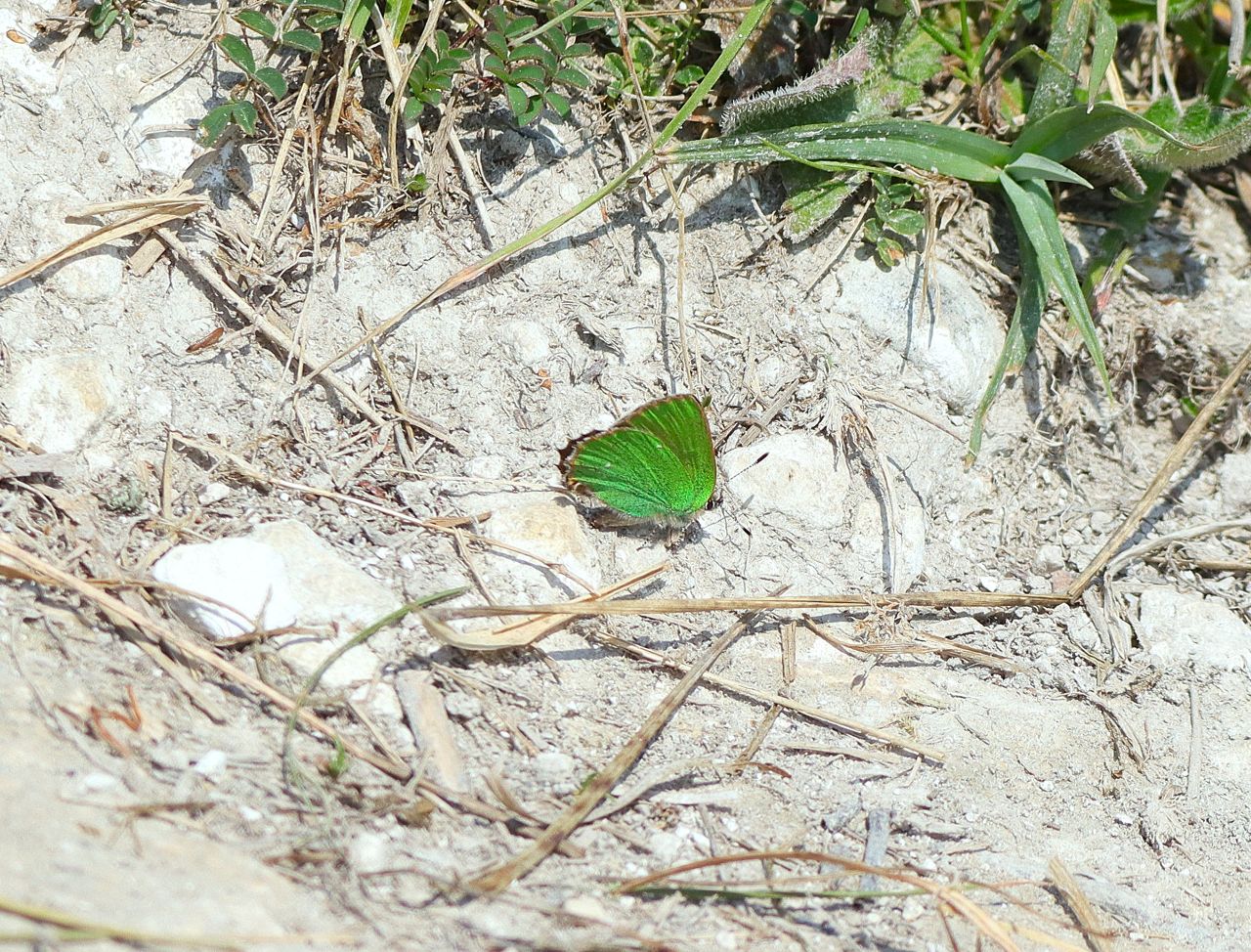
Green hairstreak butterfly, Pewley Down.
A lone green hairstreak.
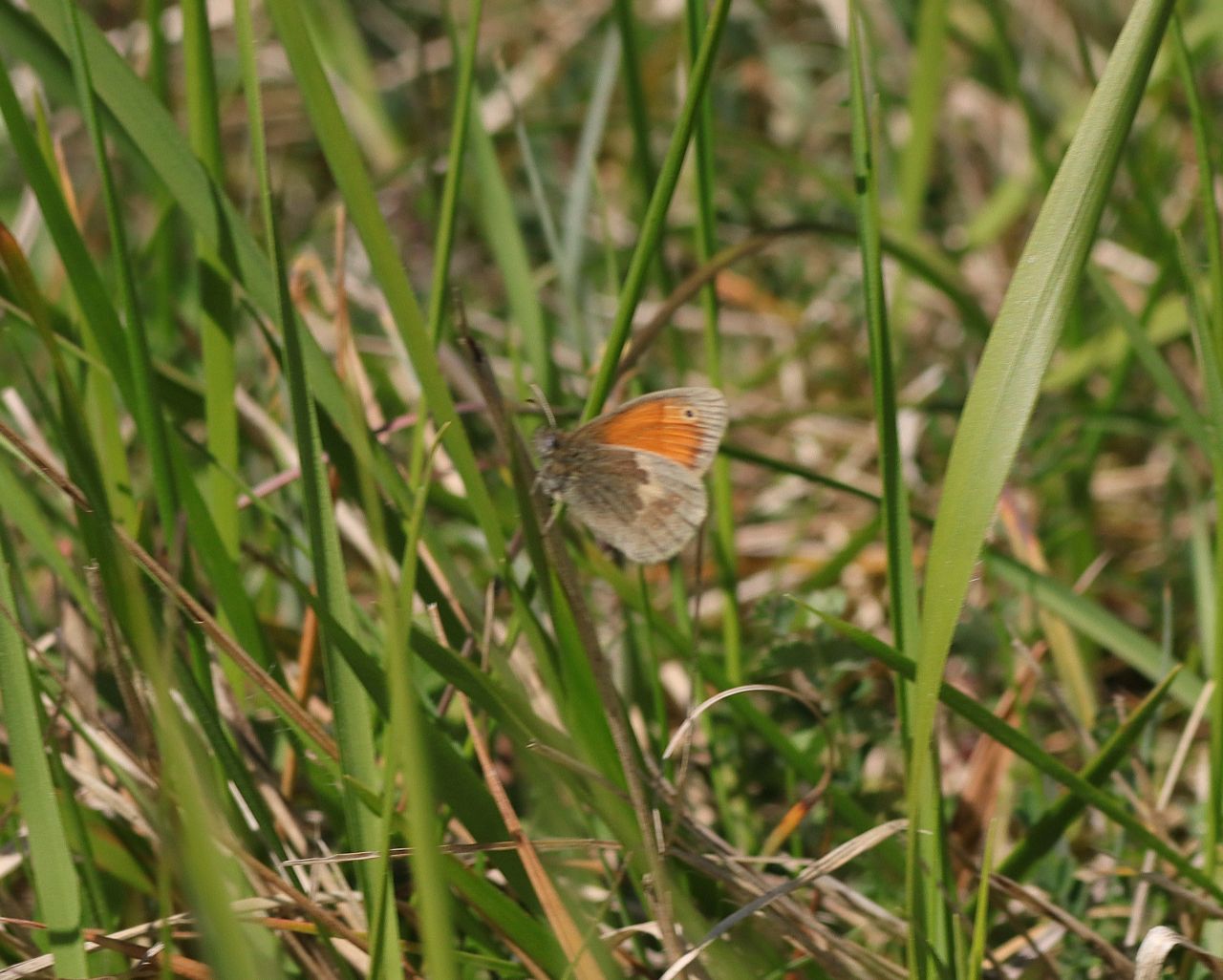
Small heath butterfly, Pewley Down.
And several small heath butterflies.
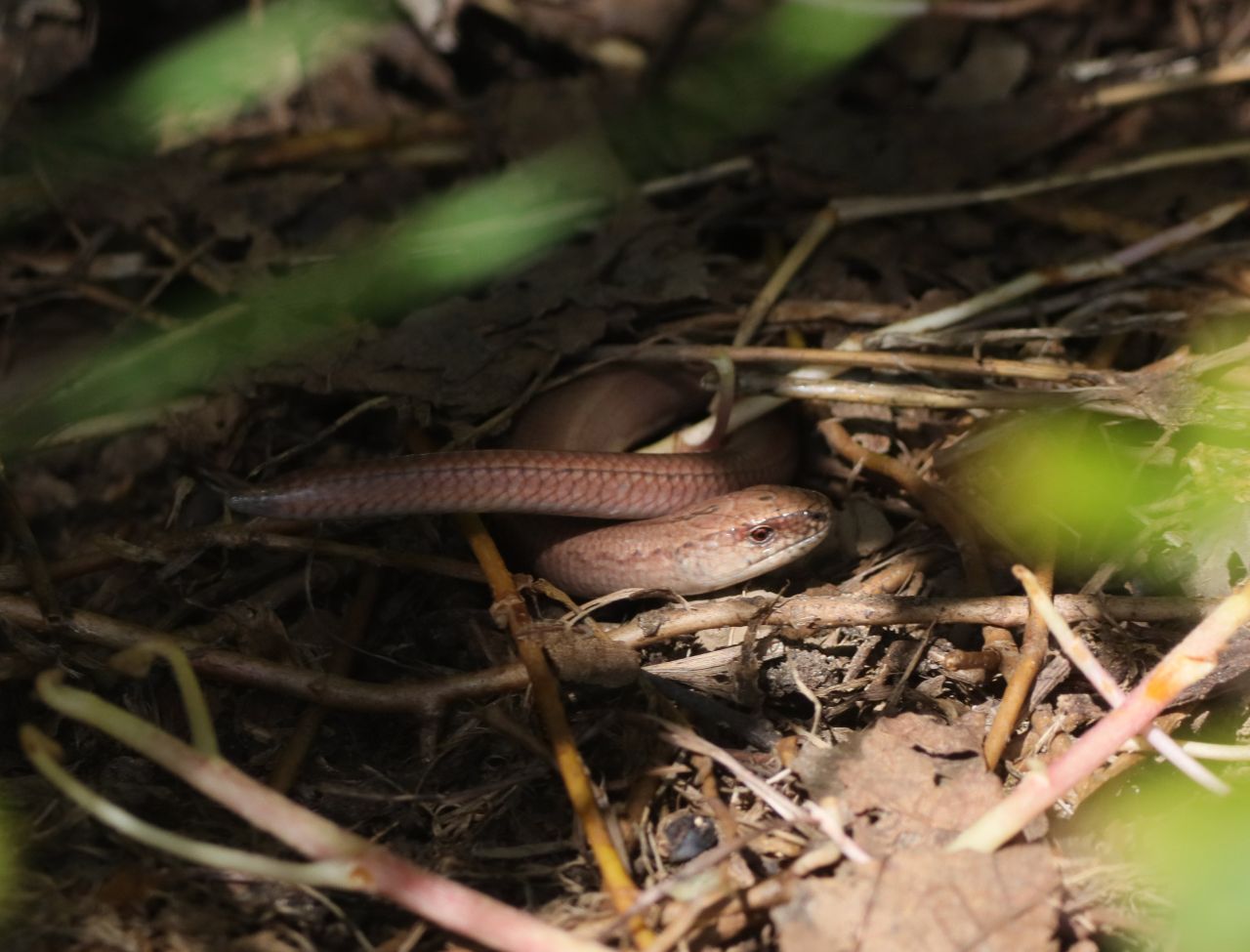
Slow worm, Pewley Down.
Also adding to the reptile list, a slow worm.

Common terns at Britten’s Pond.
On my visits to Britten’s Pond a pair of common terns occasionally visited early in the month.
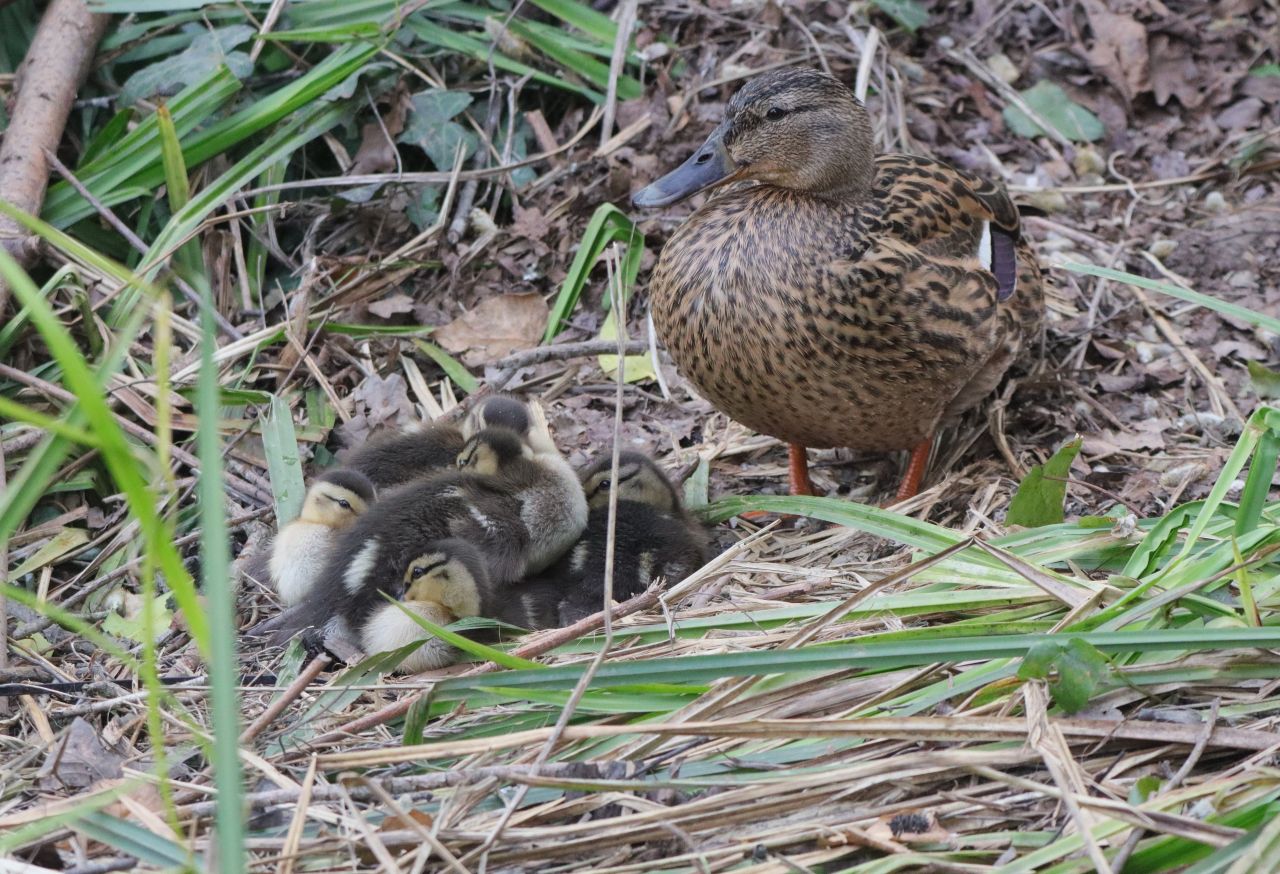
Mallard (female),with chicks at Britten’s Pond.
A few pairs of mallards could be seen with their ducklings.

Great crested grebe on Britten’s Pond.
A lone great crested grebe spent the most part of the first two weeks of May out on the water.
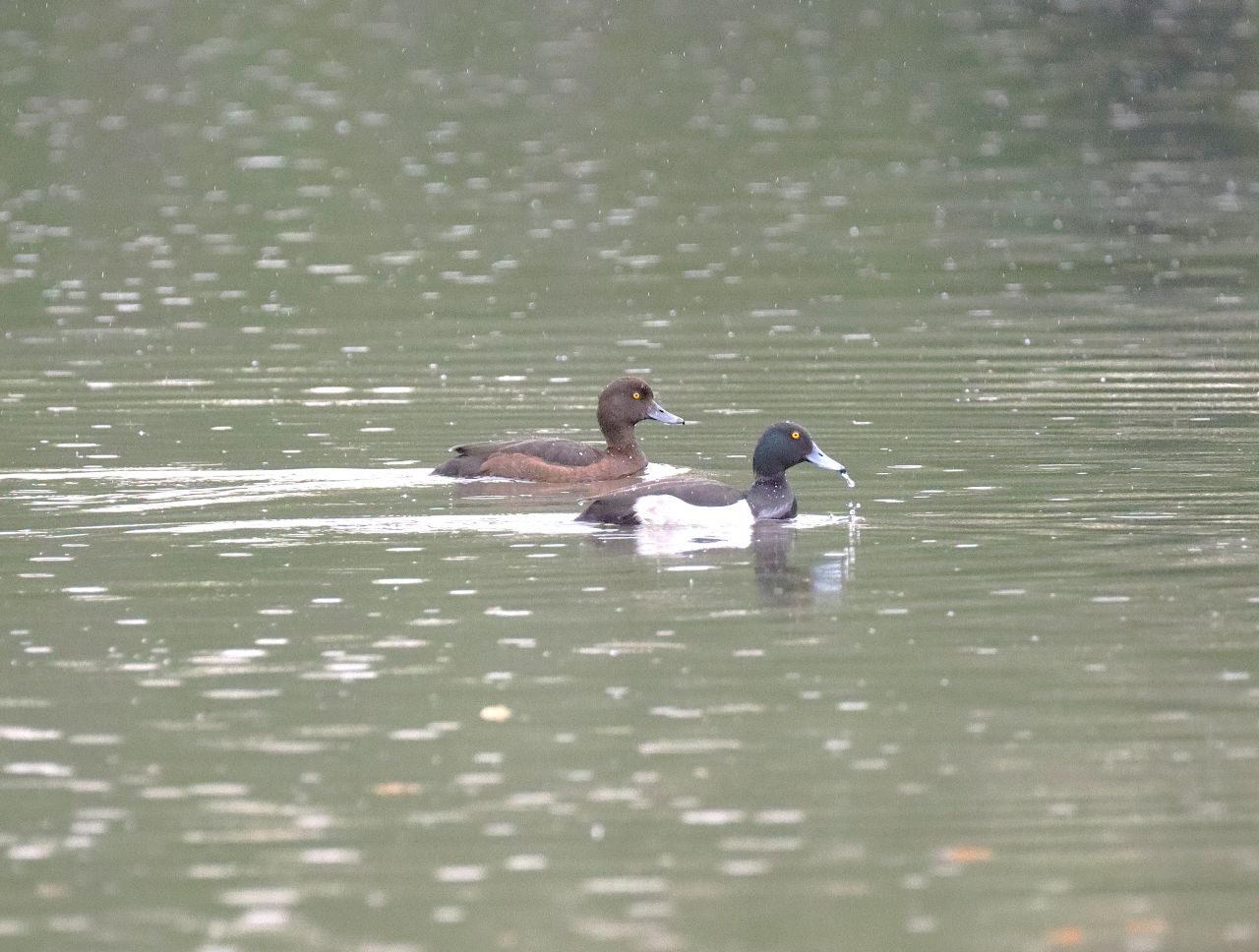
Tufted ducks, Britten’s Pond.
While a pair of tufted ducks made a reappearance.

Grey heron, Britten’s Pond.
And a grey heron remained resident.
On my return to the Riverside Nature Reserve on May 12, I continued to be amazed to find the white storks were still present.
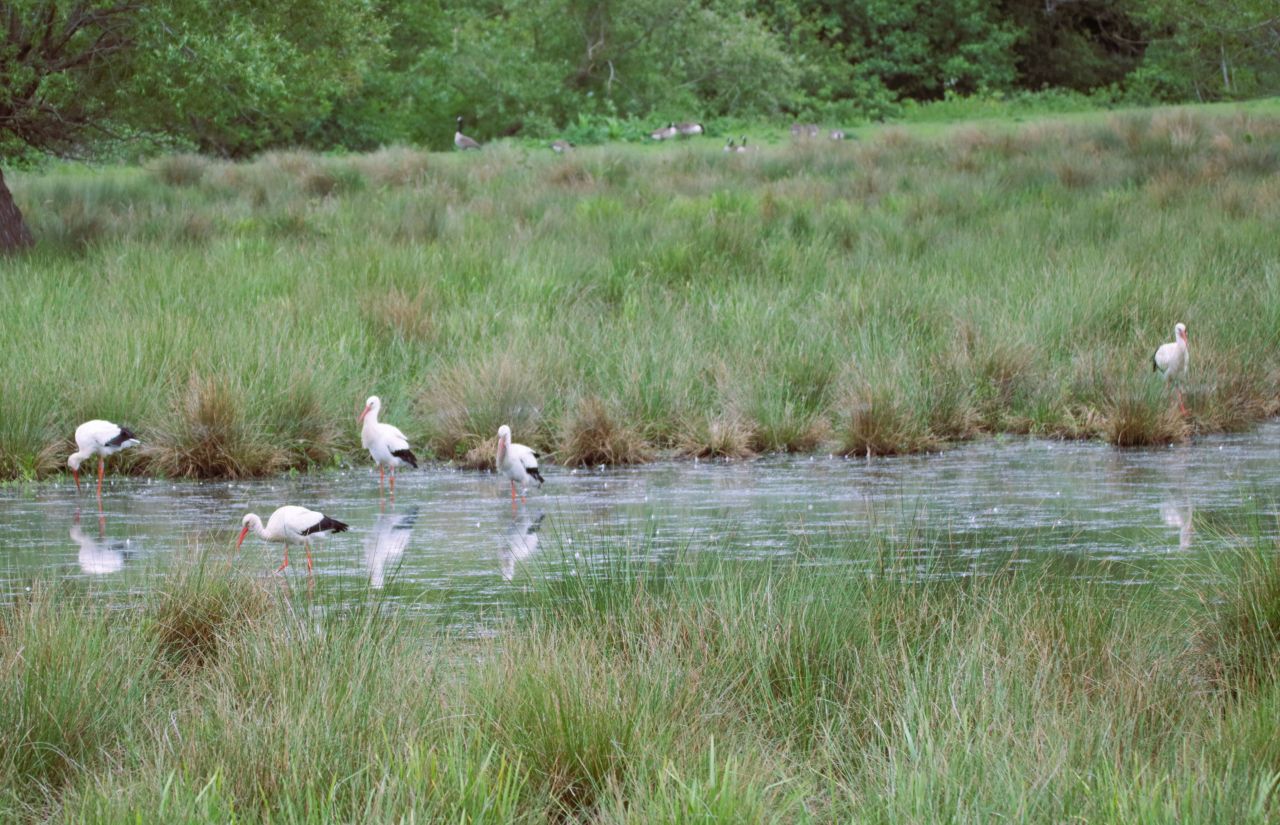
Five white storks on the flooded scrape, viewed from Stoke Lock.
On this occasion viewing five – the most I had seen together since their arrival. I viewed them on the flooded scrape area from the towpath by Stoke Lock where I had seen the first three on April 29.
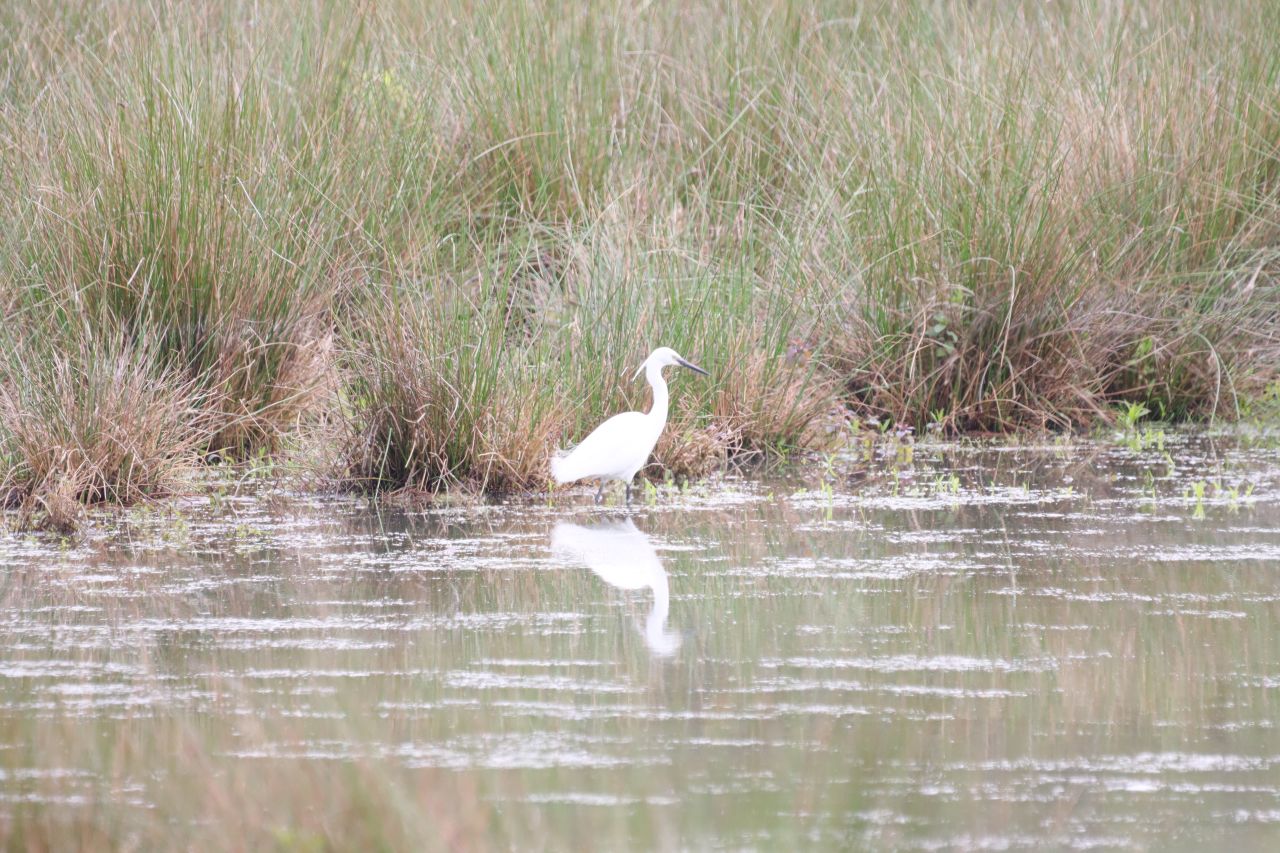
Little egret, Riverside Nature Reserve.
Also observing a little egret feeding along the water’s edge.

Red kites over the recycling centre at Slyfield.
Over the recycling centre at Slyfield, on the adjacent side of the River Wey, red kites had grown in number since previous recent visits. I counted at least 10 gracing the skies among the many gulls.
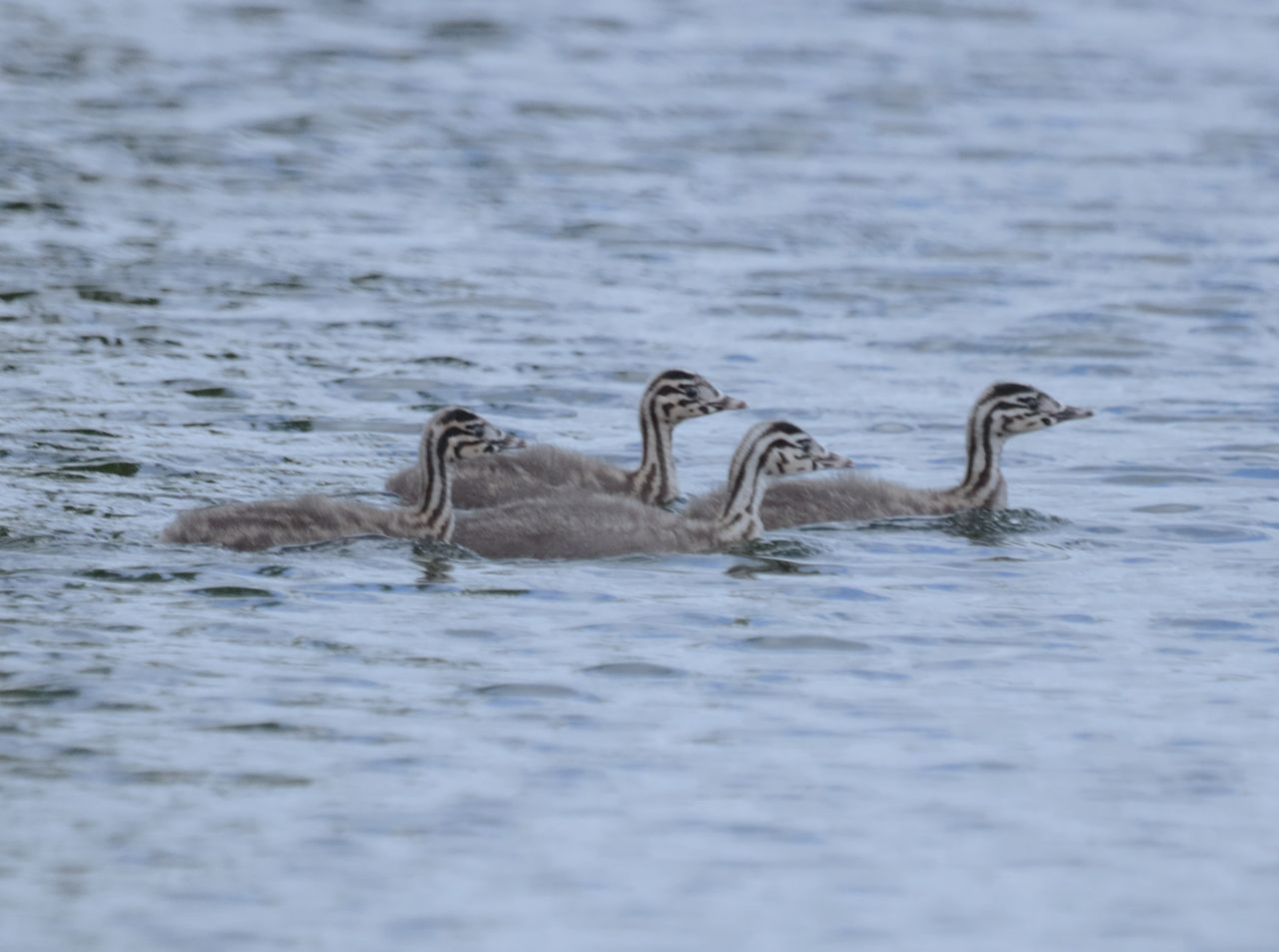
Rapidly growing great crested grebe chicks, Stoke Lake.
My return to Stoke Lake saw the four great crested grebe chicks had, so far, all survived the first weeks in this world. However, they were now becoming too large to ride, or hide, on their parents’ backs.

Reed warbler, at Stoke Lake.
Reed warblers continued to occasionally be heard singing from within the reedbeds.
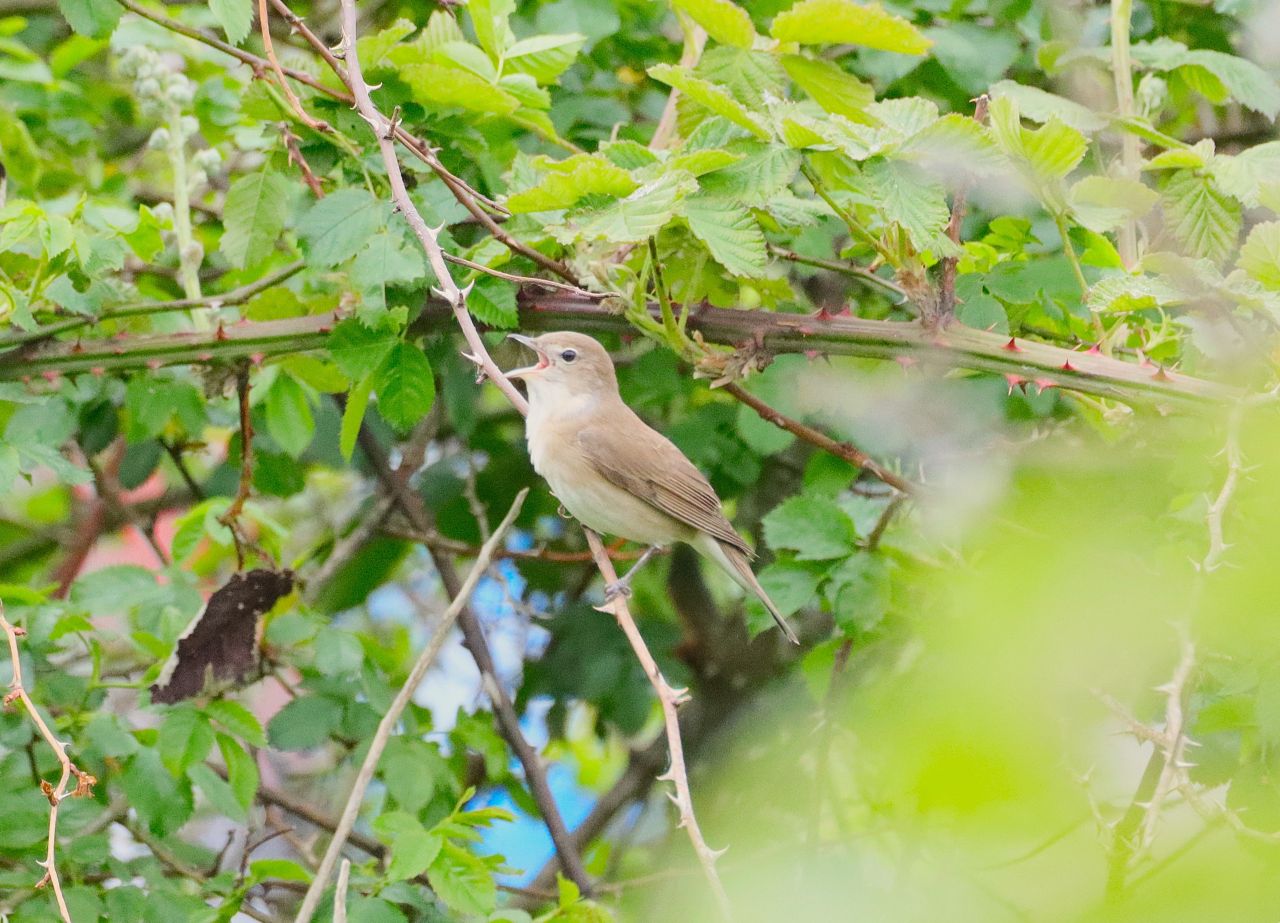
Garden warbler in song.
Also adding a garden warbler, in song, to my photos.
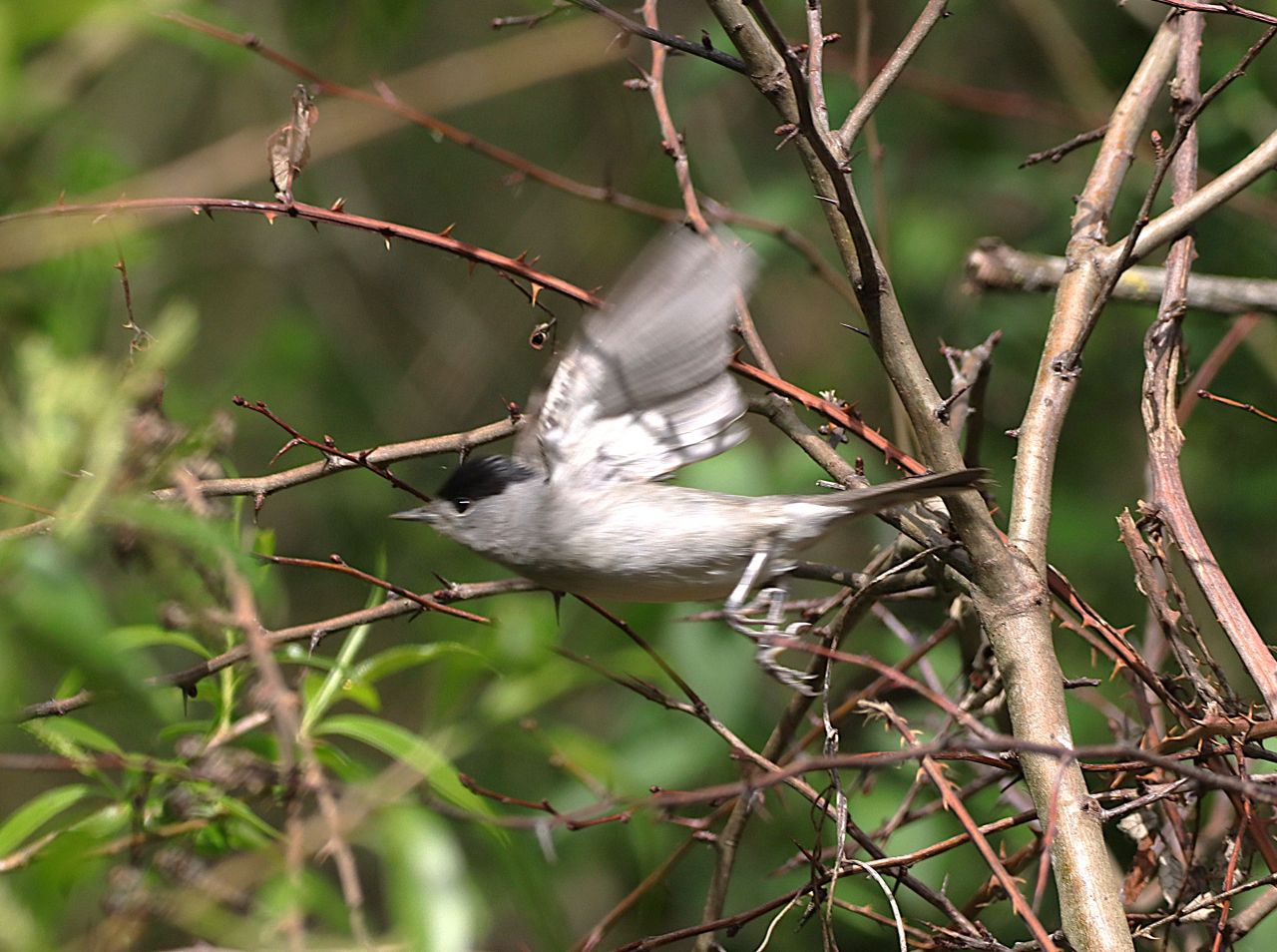
Blackcap (male), Riverside Nature Reserve.
As well as a similar sounding blackcap in flight.
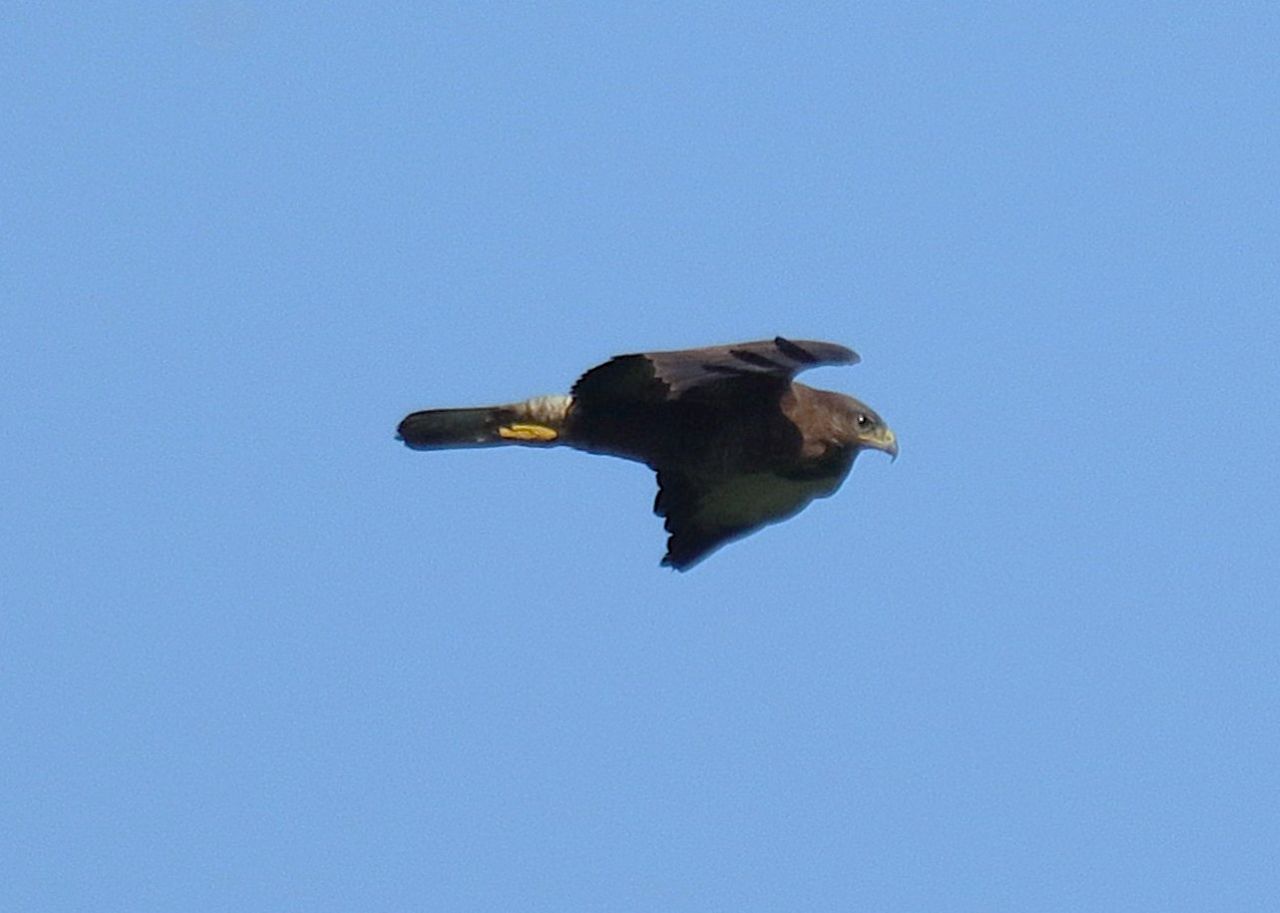
Common buzzard, Riverside Nature.
And a common buzzard flew over the reserve.
Back at home, on a plant pot on the windowsill by my back door, I was delighted to see a critter I hadn’t seen in my garden for several years, since changing some of the plants in my garden.
I had often spotted them feeding on my flowers, particularly liking dog roses. Their nibbling possibly worries some gardeners, but rose chafers are more friend than foe.
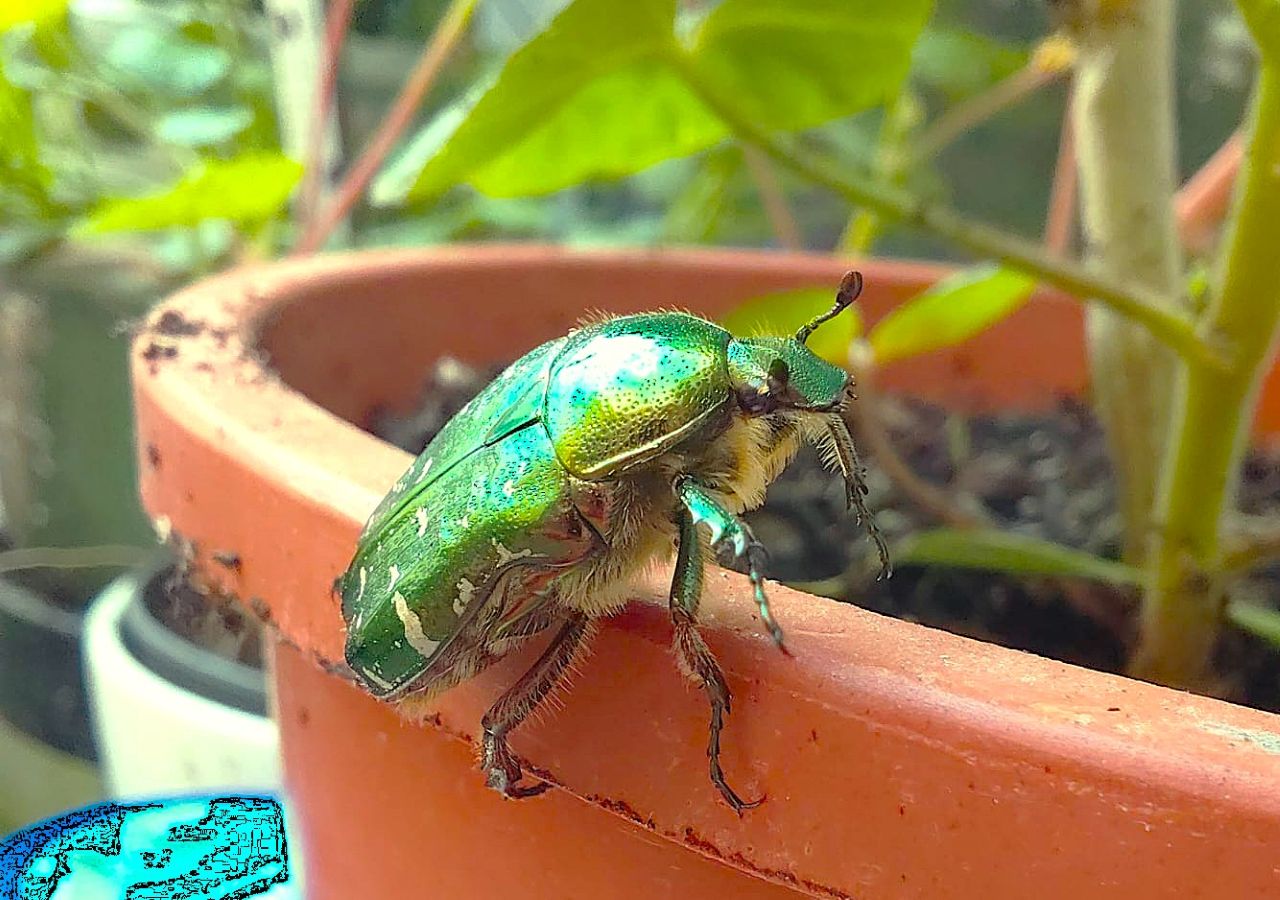
Rose chafer beetle.
Not only good for feeding on rotting vegetation and recycling nutrients back into the soil, but their hairy bodies pick up pollen, allowing them to play a role in pollination.
Rose chafers are indeed a surprisingly valuable part of a healthy garden ecosystem. And after all, a rather handsome little beast too!
Share This Post


Responses to Birdwatcher’s Diary No.349
Leave a Comment Please see our comments policy. All comments are moderated and may take time to appear. Full names, or at least initial and surname, must be given.










Elaine McGee
May 20, 2026 at 8:20 am
Thank you Malcolm Fincham. Brilliant as always!