- Stay Connected

Socialize

 Abraham Lincoln
If given the truth, the people can be depended upon to meet any national crisis...
Abraham Lincoln
If given the truth, the people can be depended upon to meet any national crisis...

 Guildford news...
for Guildford people, brought to you by Guildford reporters - Guildford's own news service
Guildford news...
for Guildford people, brought to you by Guildford reporters - Guildford's own news service
Birdwatcher’s Diary No. 339
Published on: 16 Nov, 2025
Updated on: 16 Nov, 2025
By Malcolm Fincham
A more southerly flow to the weather during the first week of November continued to push up unsettled conditions with daytime temperatures remaining in the mid teens Celsius and not falling lower than 10c overnight, while mostly overcast with rain and drizzle in southern counties of the UK.
A few days respite did still permit several ventures out with my camera, allowing some rather productive results.

Crooksbury Common.
A return to Crooksbury Common on November 1, once again in company of Bob and Dougal, gave me the opportunity this time to get a few photos of common crossbills, having missed out on my attempts in previous recent weeks.
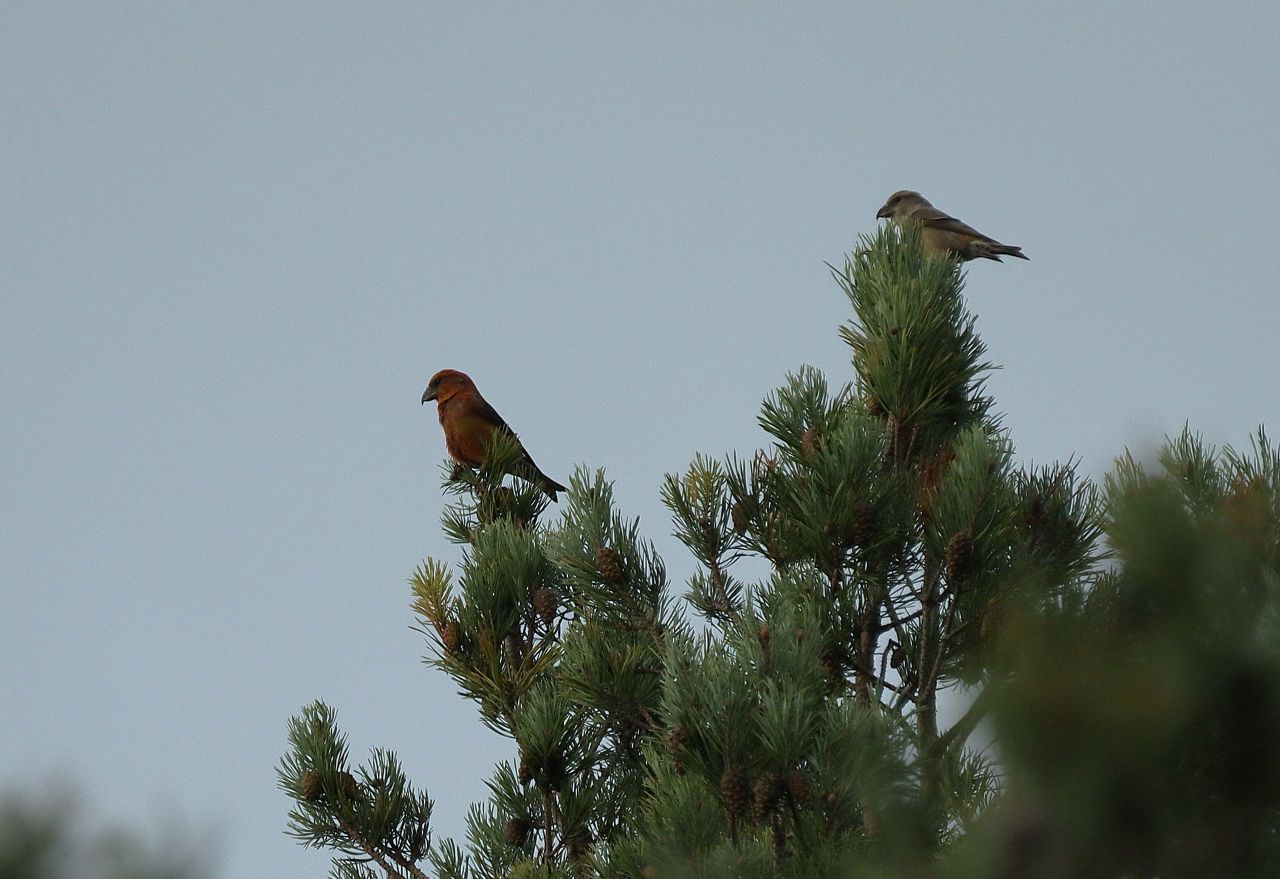
Common crossbills, Crooksbury Common.
Capturing several photos of two of three or more common crossbills we were able to view that afternoon.
A ‘brick-red’ male and the more yellowy coloured female that had perched up together atop a tall pine tree as we ambled around the heathland.
The following day we headed off south to Thorney Island, West Sussex, situated just to the east of Hayling Island, Hampshire. https://group.rspb.org.uk/chichester/local-wild-places/thorney-island/.
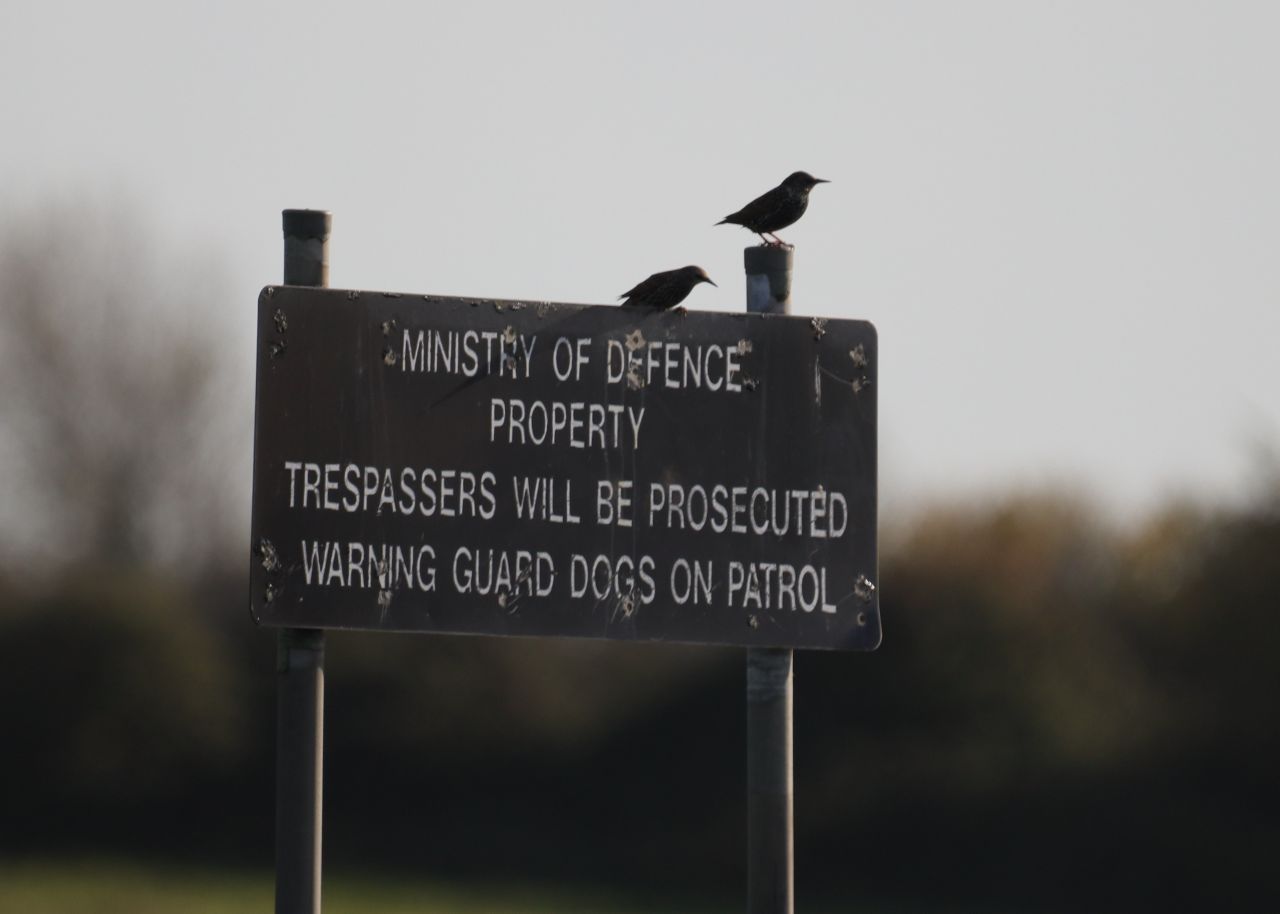
Starlings on Ministry of Defence sign post at Thorney Island.
Once used as a RAF base, Since 1984 t has been been an army base, while a coastal public footpath is available to walk.
A pair of snow buntings had been reported there. I had not seen one since a visit to Holkham beach, in Norfolk on January 5, 2020, where a flock of over 80 individuals could be viewed feeding. https://guildford-dragon.com/birdwatchers-diary-no-201/
Therefore, we decided to make an attempt to see them.
Snow buntings are a sparrow-sized bird that mostly breed in the Arctic. A few, however, are known to, (and I have seen in years gone by in summer plumage) be resident to the UK, and breed in the Cairngorms, in Scotland.
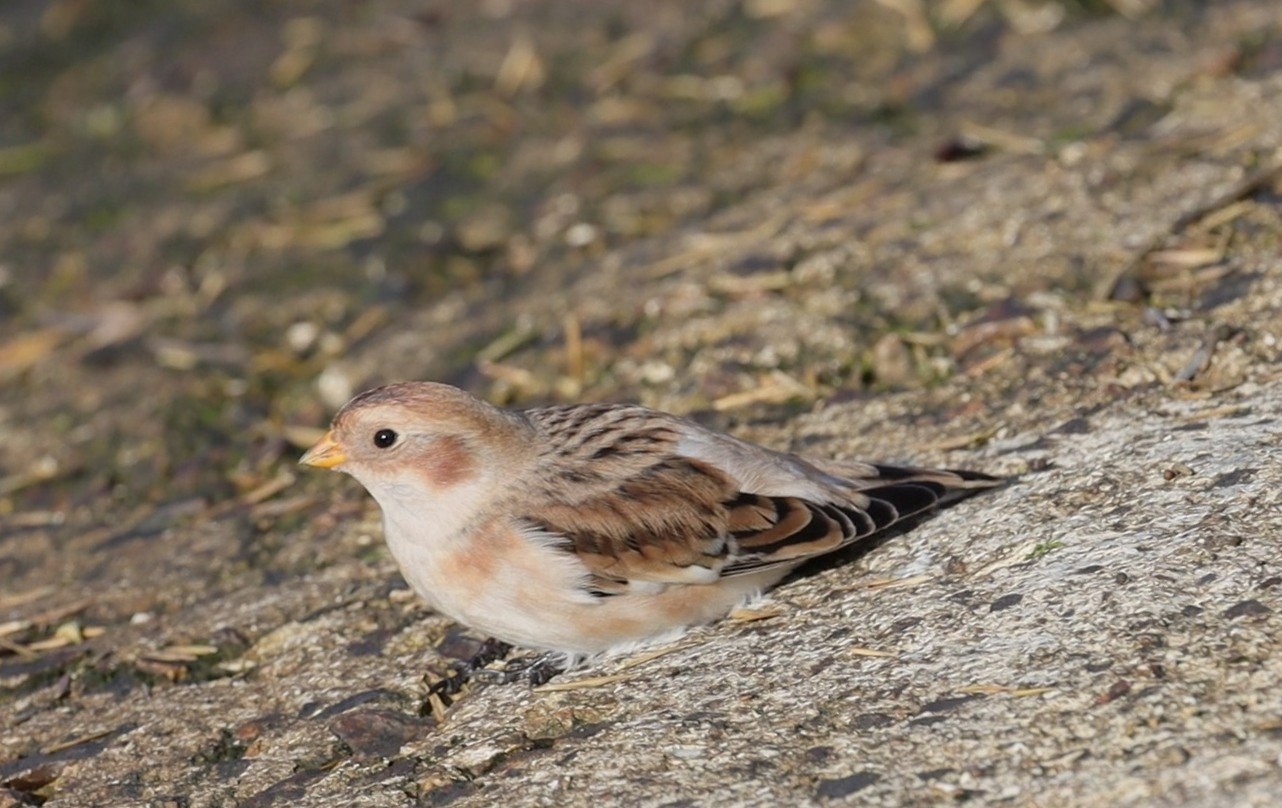
Snow bunting, Thorney Island.
Varying numbers winter around the coast, mostly on the eastern side of the UK.

Snow bunting, Thorney Island.
In spring, snow buntings do not moult like many other birds. Instead, their breeding colours appear as their old feathers wear away. Unlike most small songbirds, the snow bunting has feathers on its legs and feet. helping it survive in their cold home.
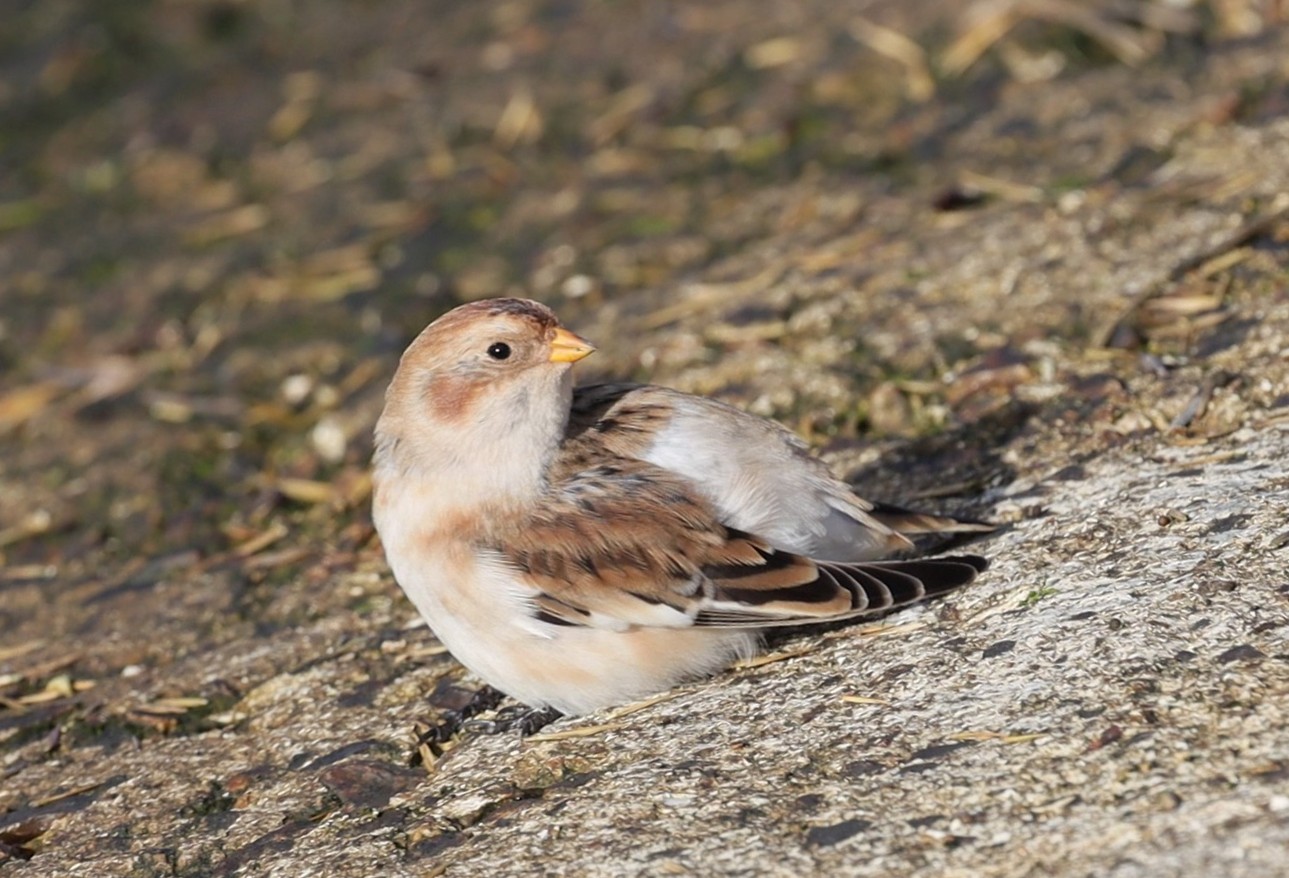
Snow bunting, Thorney Island.
On our arrival just the female could be found. It remained very confiding for us and a small group of other observers as it fed along the beach no more than a few yards from the footpath.
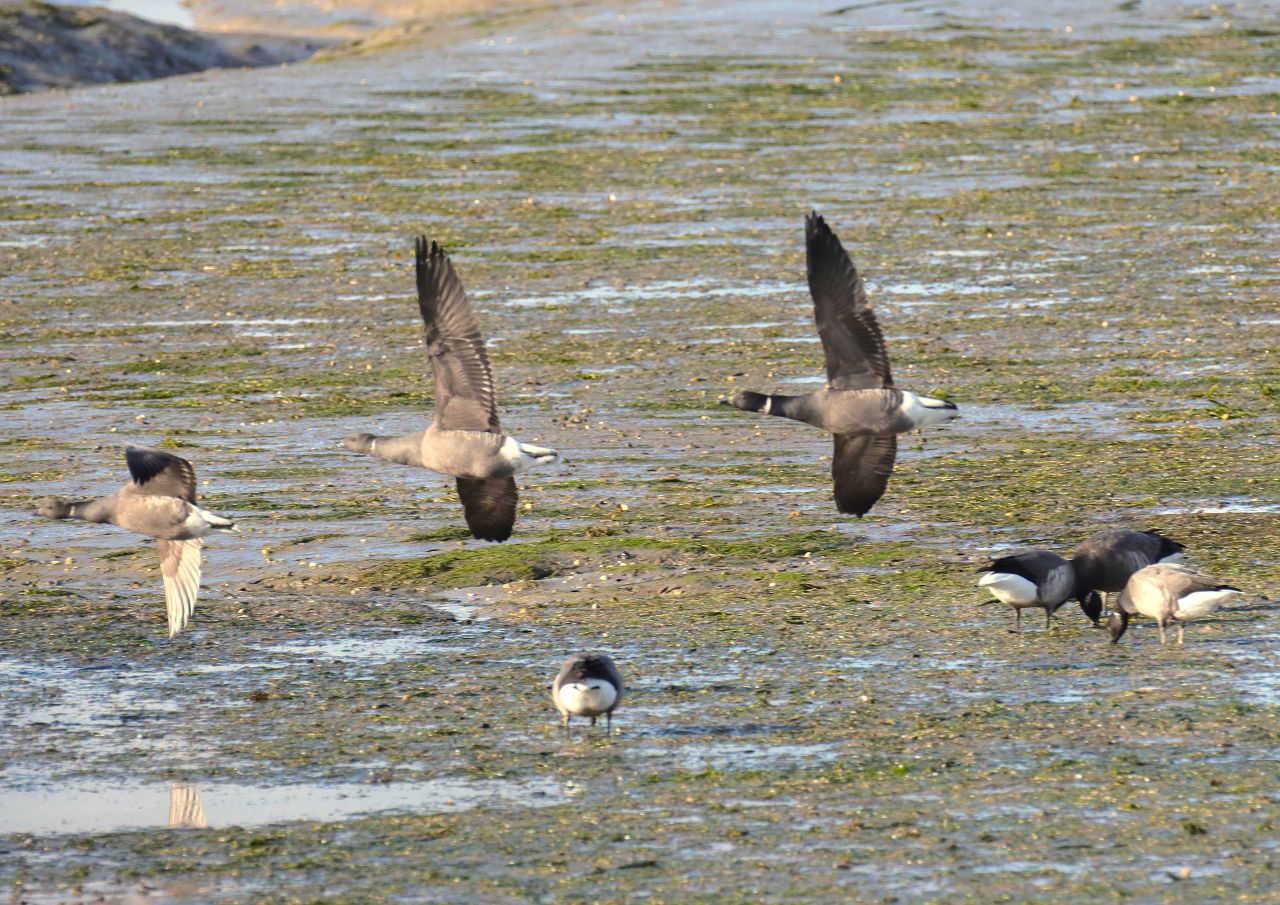
Brent geese, Thorney Island.
Adding to the day’s sightings wintering brent geese could be seen out in the harbour at low tide.

Marsh harrier, Thorney Island.
And a marsh harrier was regularly viewed over the reedbeds.
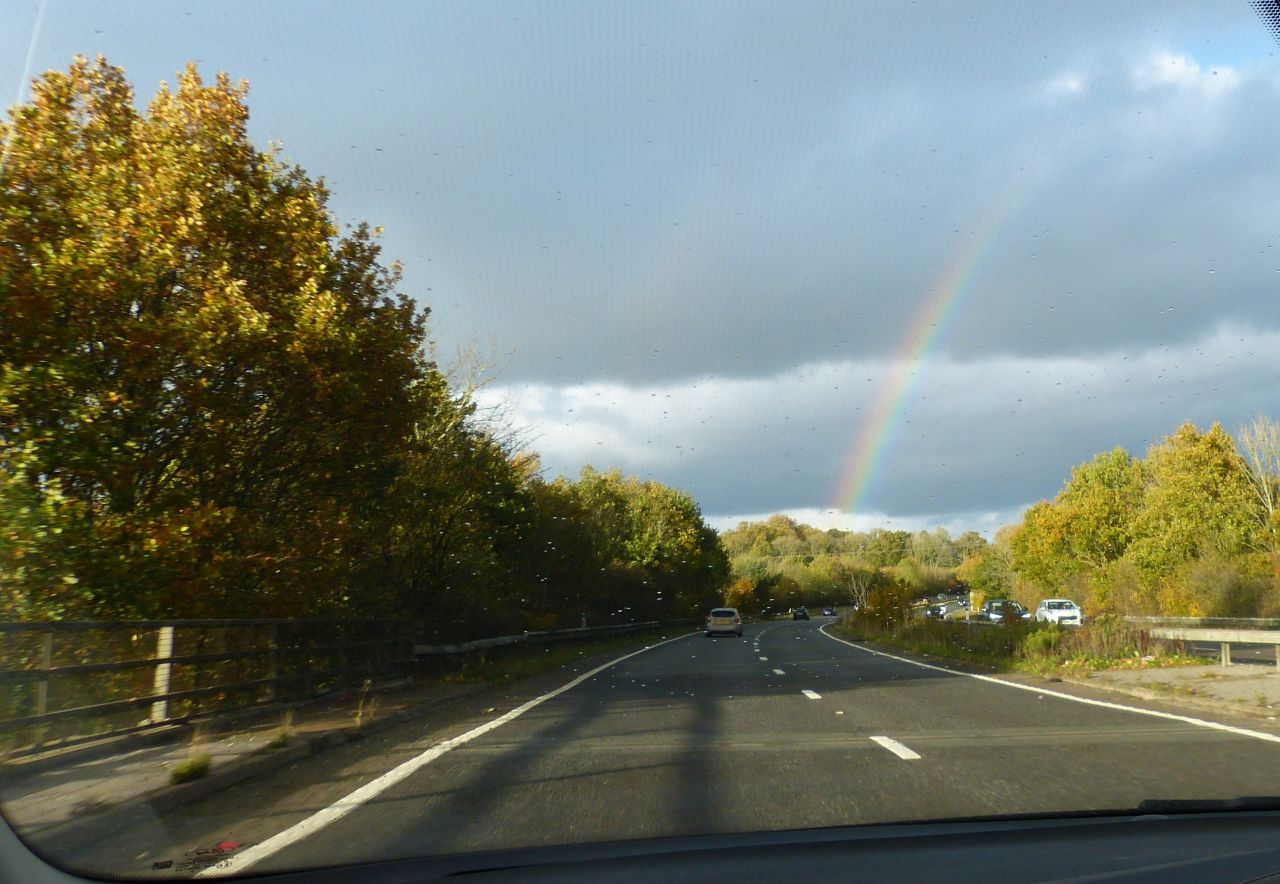
Rainbows from the car on our return.
We had been blessed by a few hours of dry weather enlightened by inland showers and rainbows on our return home.
On November 3 I found myself, once again, venturing beyond our Surrey borders. Invited this time on a trip down the M3 in the direction of Southampton, in the company of Dougal, and John while on his visit from Kent.

Boat-tailed grackle Calshot, Southampton.
A non-native male boat-tailed grackle had made a surprising appearance in Calshot, almost certainly ship assisted across the Atlantic given its proximity to the Port of Southampton. This being the first ever record of the species in the UK.
Due to the strict rules adjudicated by the British Ornithologists Union, the likelihood of this example ever being accepted onto the British List is near zero.
This is due to the verdict being that it must have been ship assisted. However, I’m think many of the birds that are accepted to the British List have at least been partly carried on a ship before arriving on land in the Britsh Isles.
However, the chance to see this bird couldn’t be avoided.
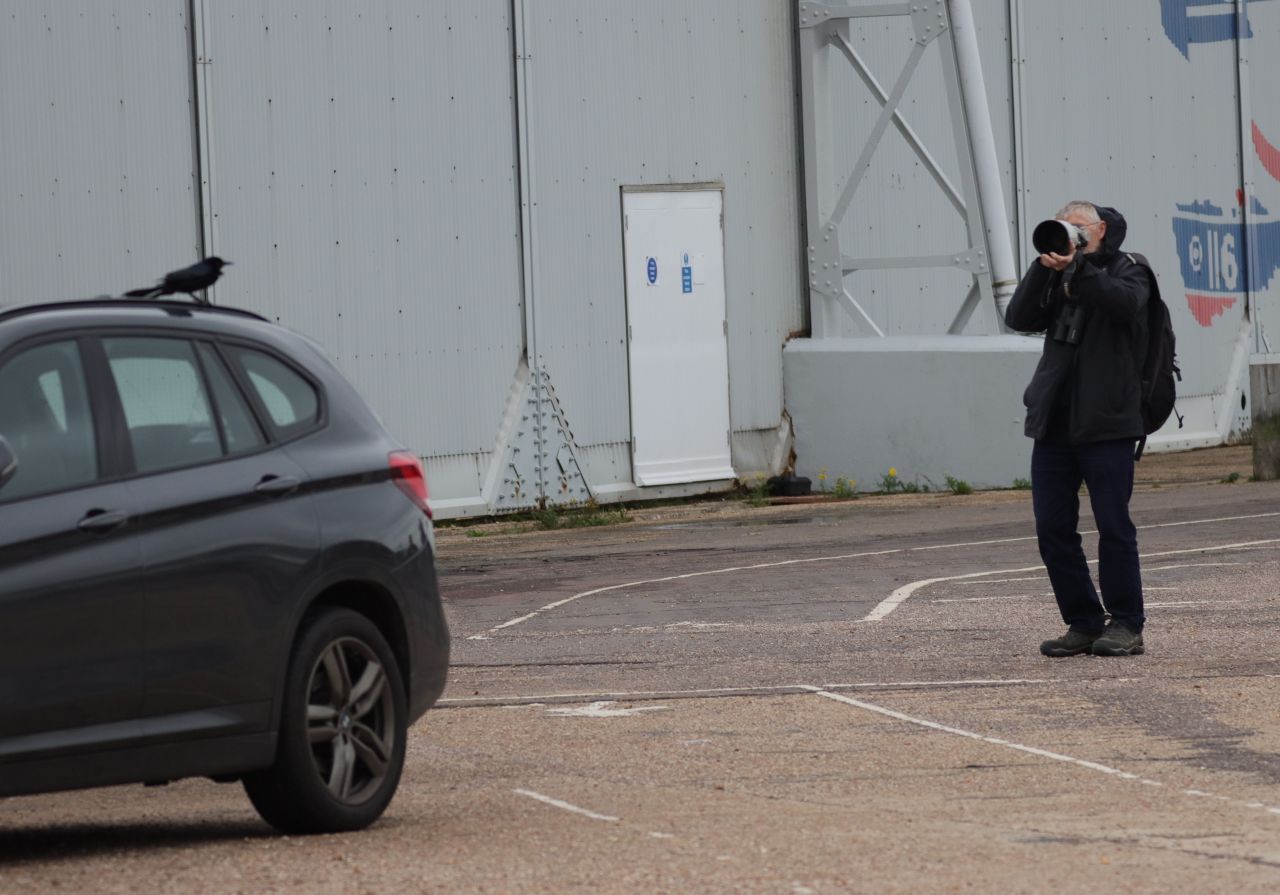
A fellow birdwatcher photographing the boat-tailed grackle, Calshot, Southampton.
As it also appeared to be for many of the UK’s top bird ‘listers’ also present while we were here, with others also known who went to see it.
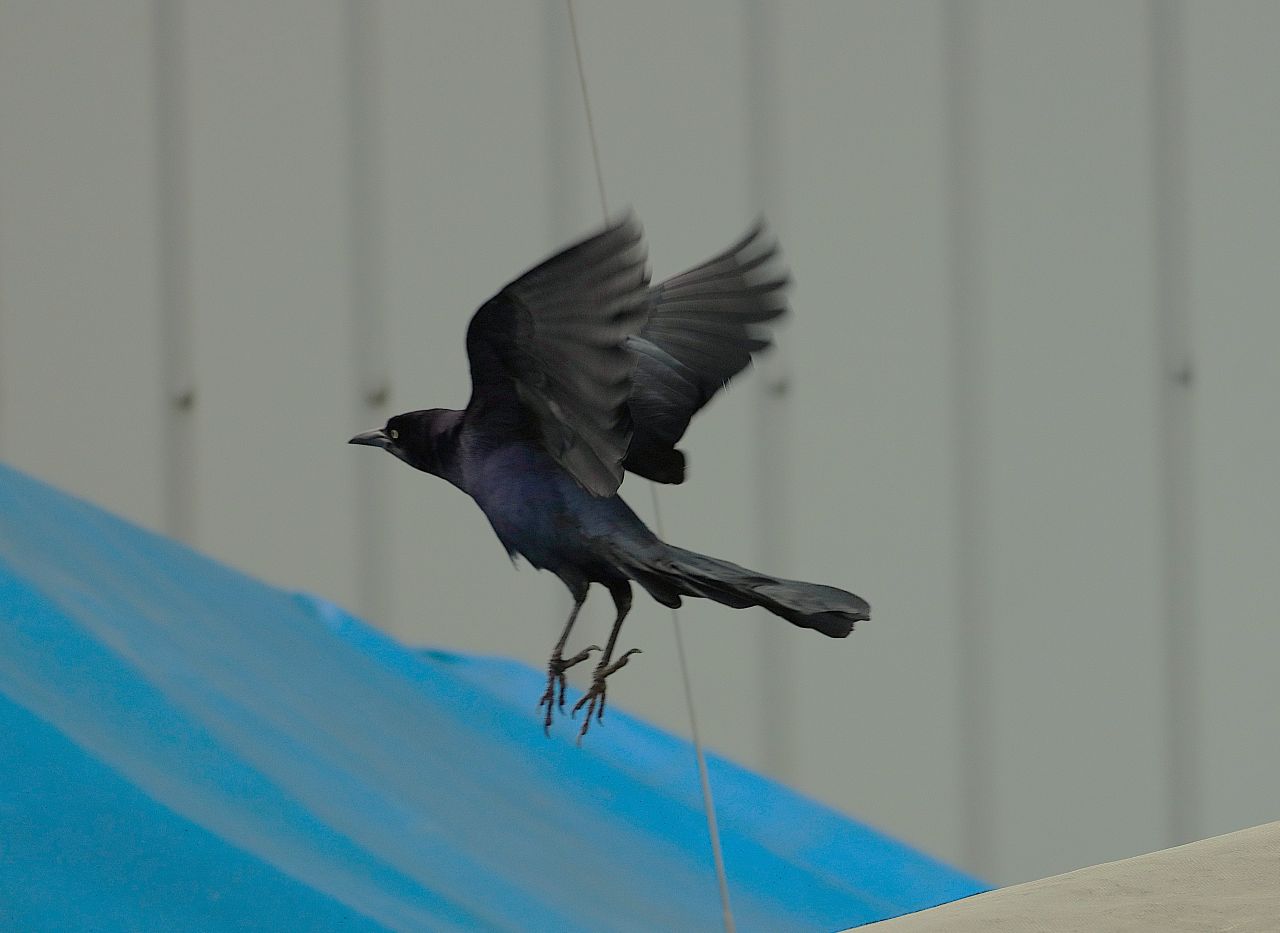
Boat-tailed grackle Calshot, Southampton.
Boat-tailed grackles are a strictly coastal species through most of their range in America. However, they do live across much of the Florida peninsula, often well away from the immediate coast.
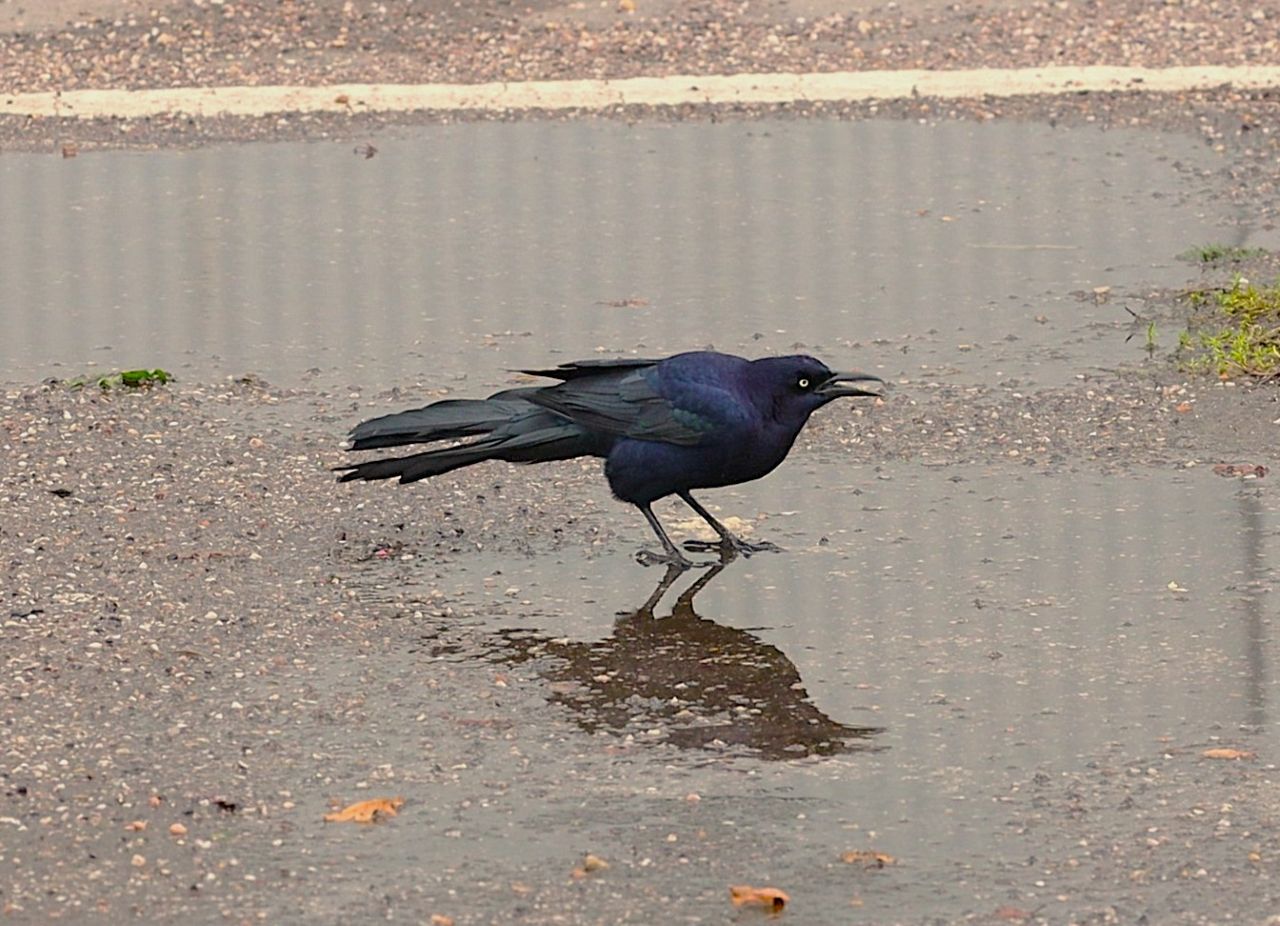
Boat-tailed grackle Calshot, Southampton.
Along the western Gulf Coast, boat-tailed grackles have dull, brownish eyes, but along the Atlantic Coast and the Gulf Coast west to Mississippi, they have bright yellow eyes, as this one showed.
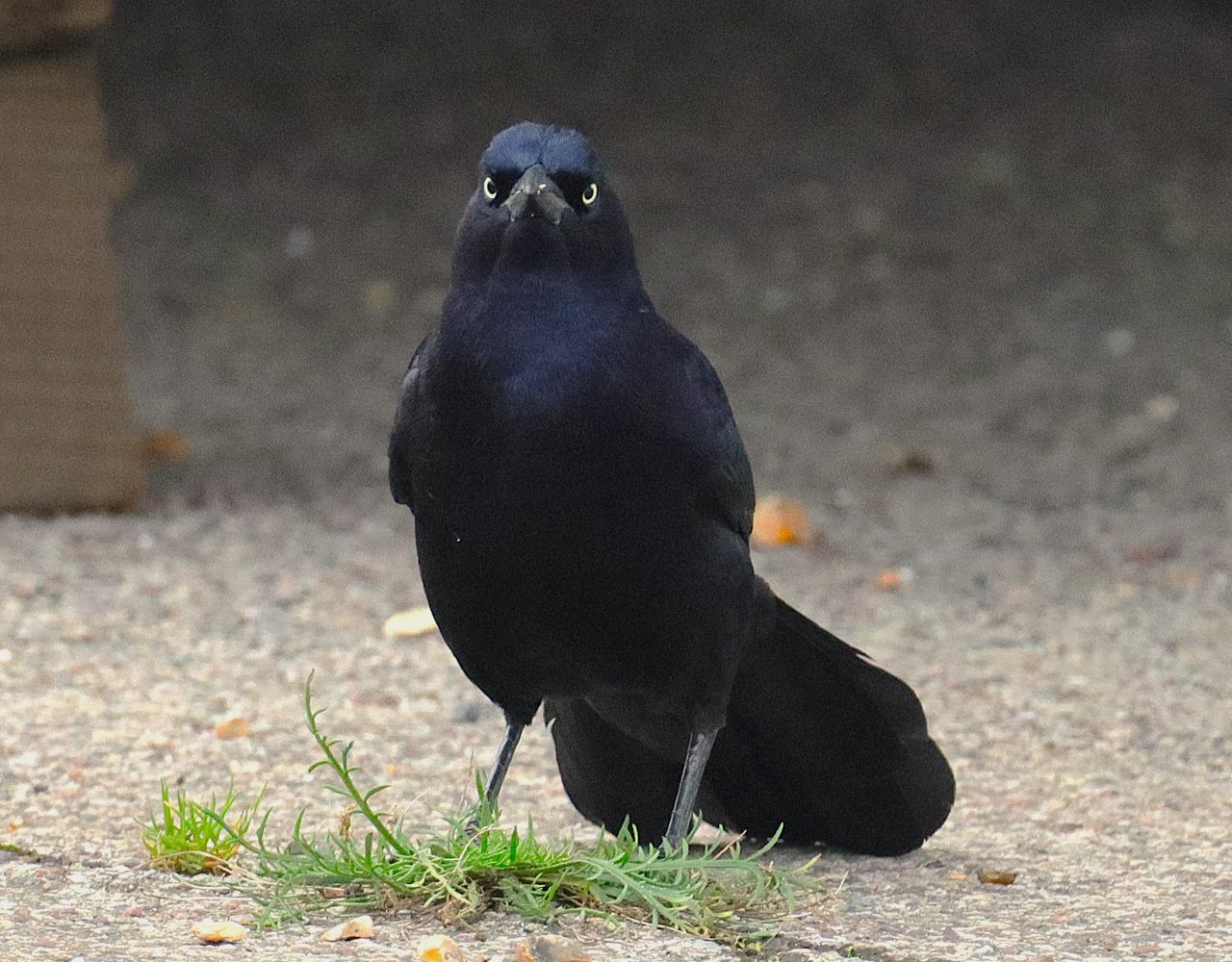
Boat-tailed grackle at Calshot, giving me the ‘eyes’.
While most are resident year-round, some of the more northern populations may move slightly south in winter.
Another bird adding to my personal interest while there was my first ever photo of a leucistic starling.
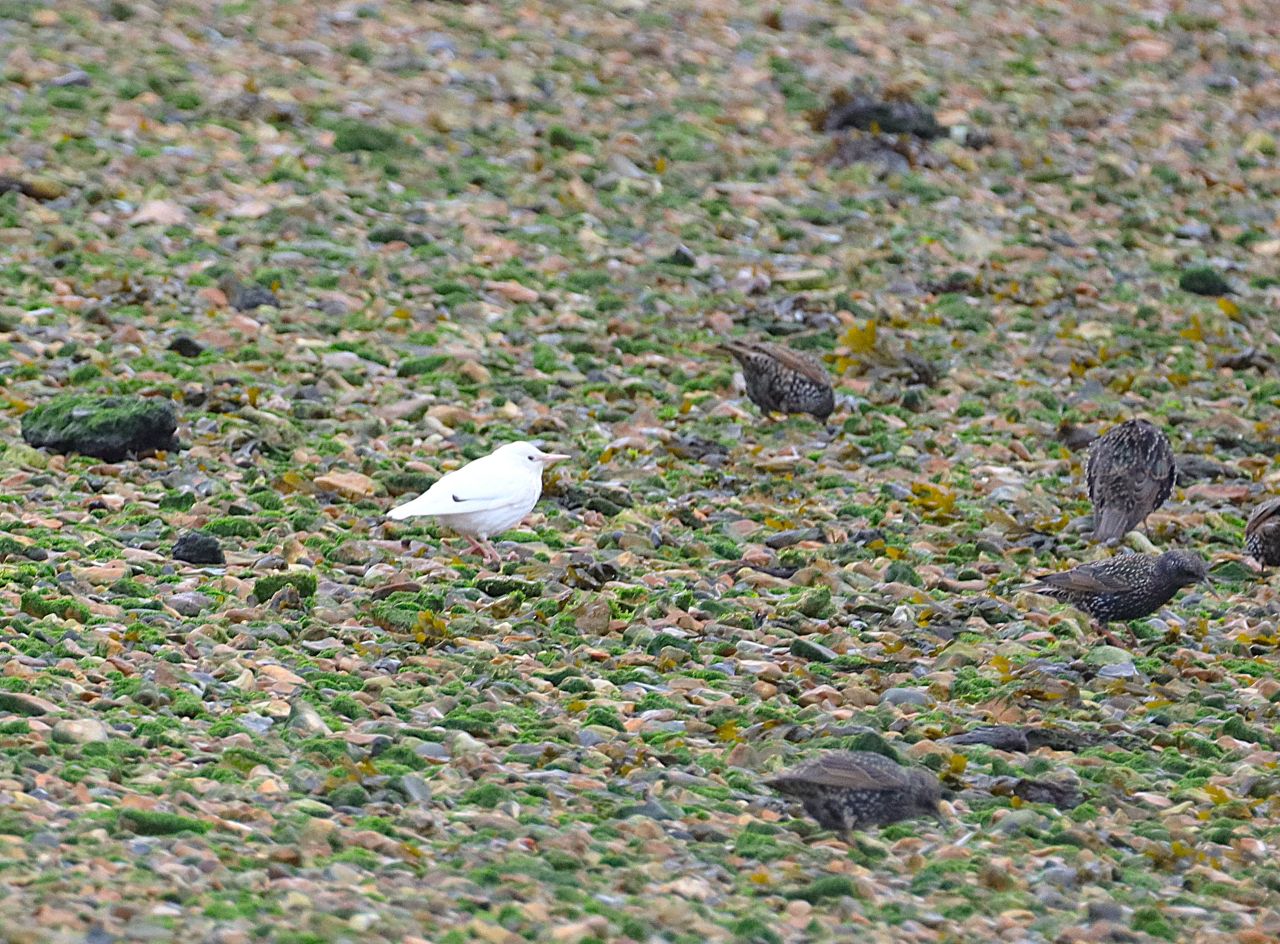
Leucistic starling at Calshot, Hampshire.
During recent winters it has regularly been seen among a flock of more regular coloured starlings.
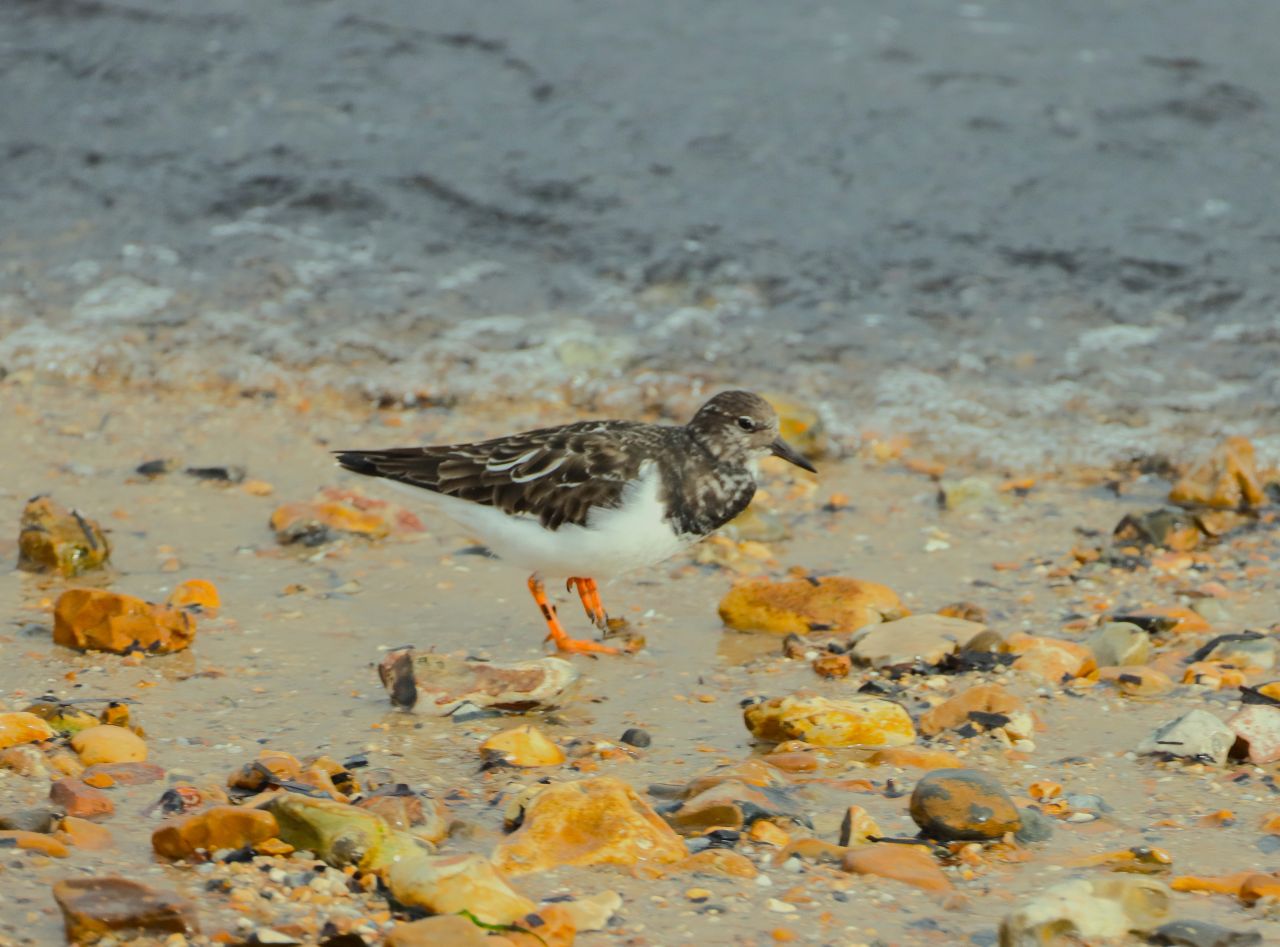
Turnstone, Calshot Spit.
Also adding to my photos were a few turnstones along the beach.
Another interesting report to come my way early in the month, and not so far to travel, was of a couple of ‘female-type’ black redstarts that had been reported in Myrtle Road, Dorking.
Having not seen one since October 2022, then at Unstead sewage farm, I felt I was overdue an attempt to see one.
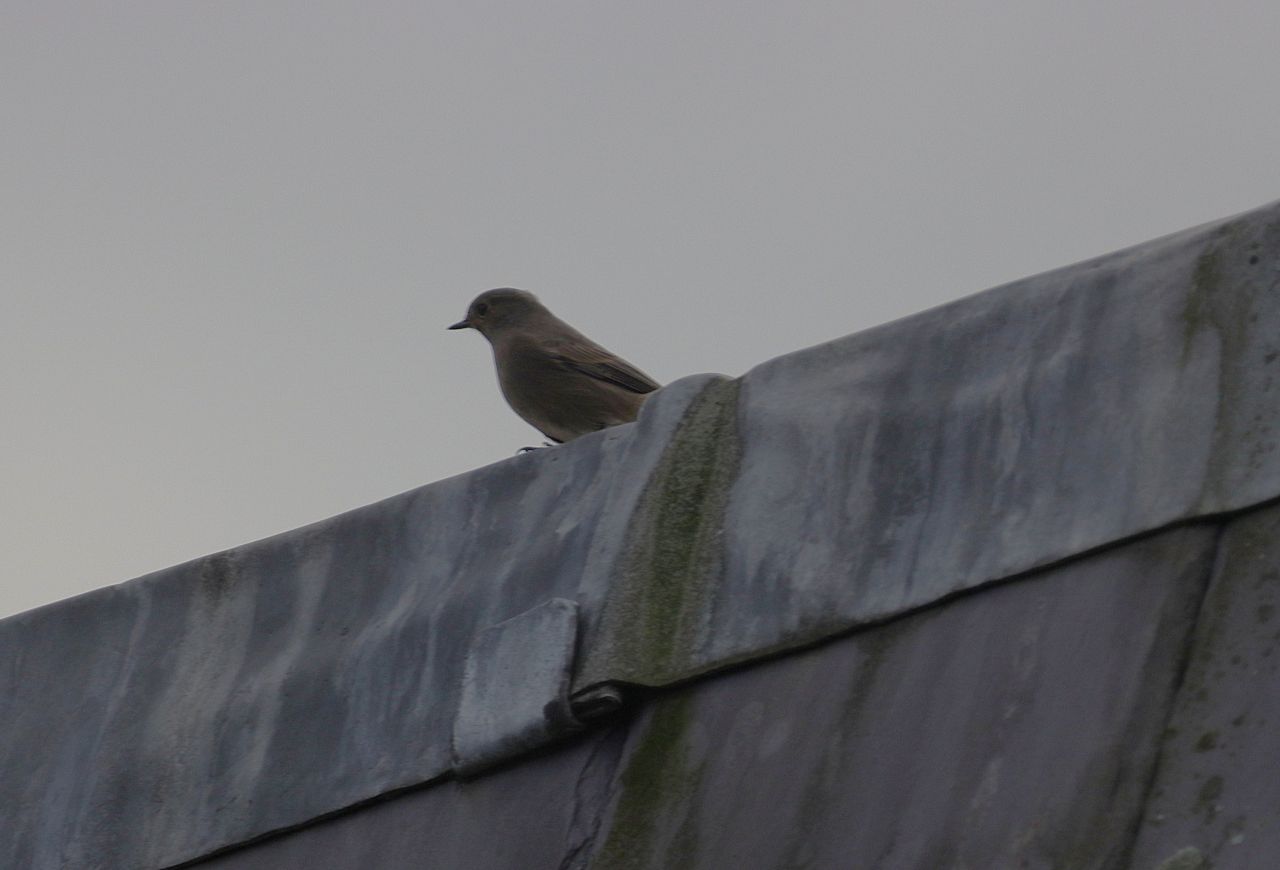
Black redstart (female type) Myrtle Road, Dorking.
And so with much thanks on this occasion to a chauffeur-driven visit by my long-suffering wife on November 5, we found the location, viewing both birds on occasions as they flitted about a building that was in process of being refurbished.
Black redstarts thrive in rocky habitats, both natural and man-made. In urban areas they are most commonly found nesting on buildings, industrial sites, and ruins.
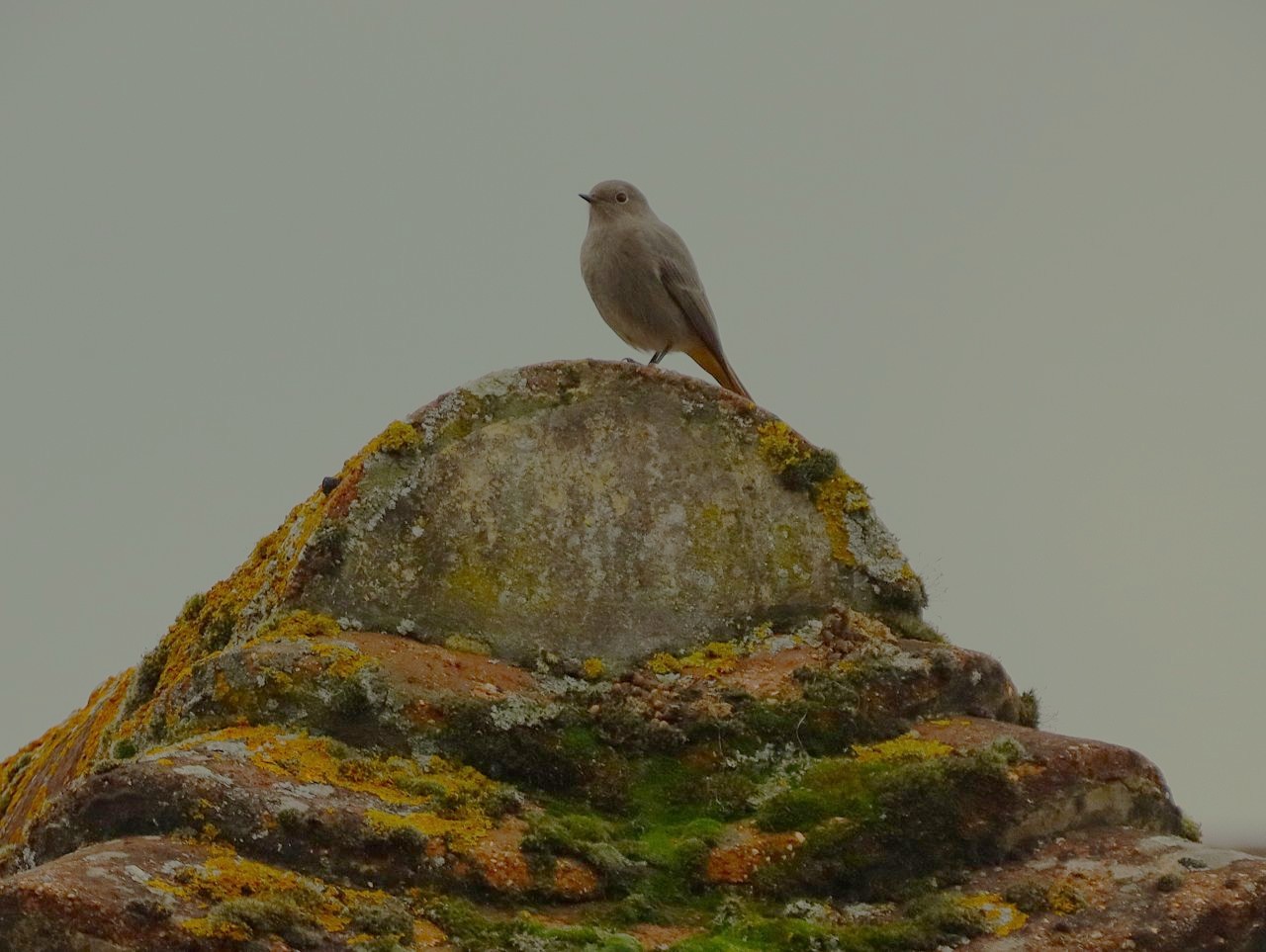
Black redstart (female type) Myrtle Road, Dorking.
They apparently briefly increased in number in the UK during and after the Second World War, breeding in areas such as London, where bomb damage was prevalent.
In the UK there are, albeit rare, year-round residents in some urban areas, with numbers boosted by winter visitors.
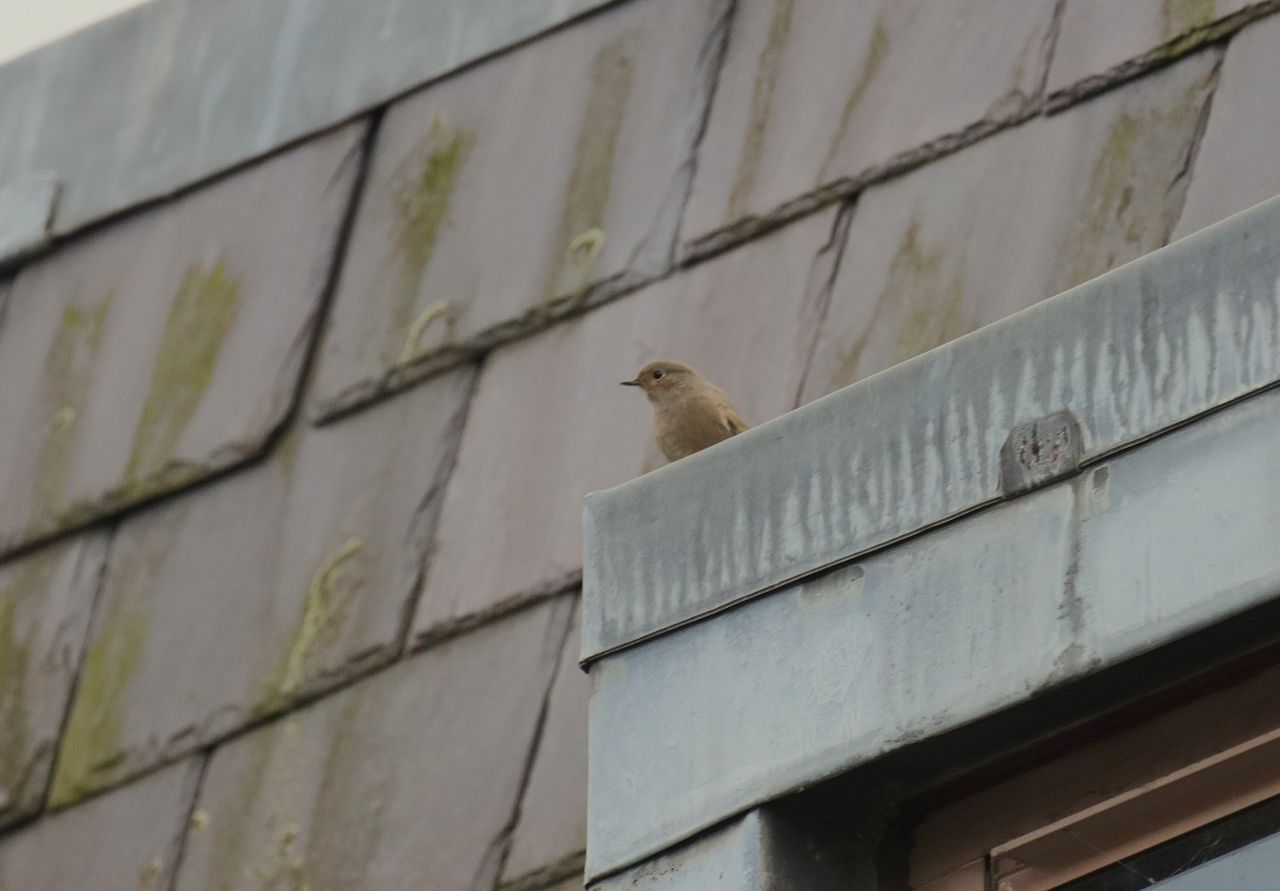
Black redstart (female type) Myrtle Road, Dorking.
It’s estimated there are fewer than 100 breeding pairs. While passage sightings are regularly reported in spring and autumn across eastern England.
However, they are widespread across Europe, the Middle East, Asia, and North Africa.
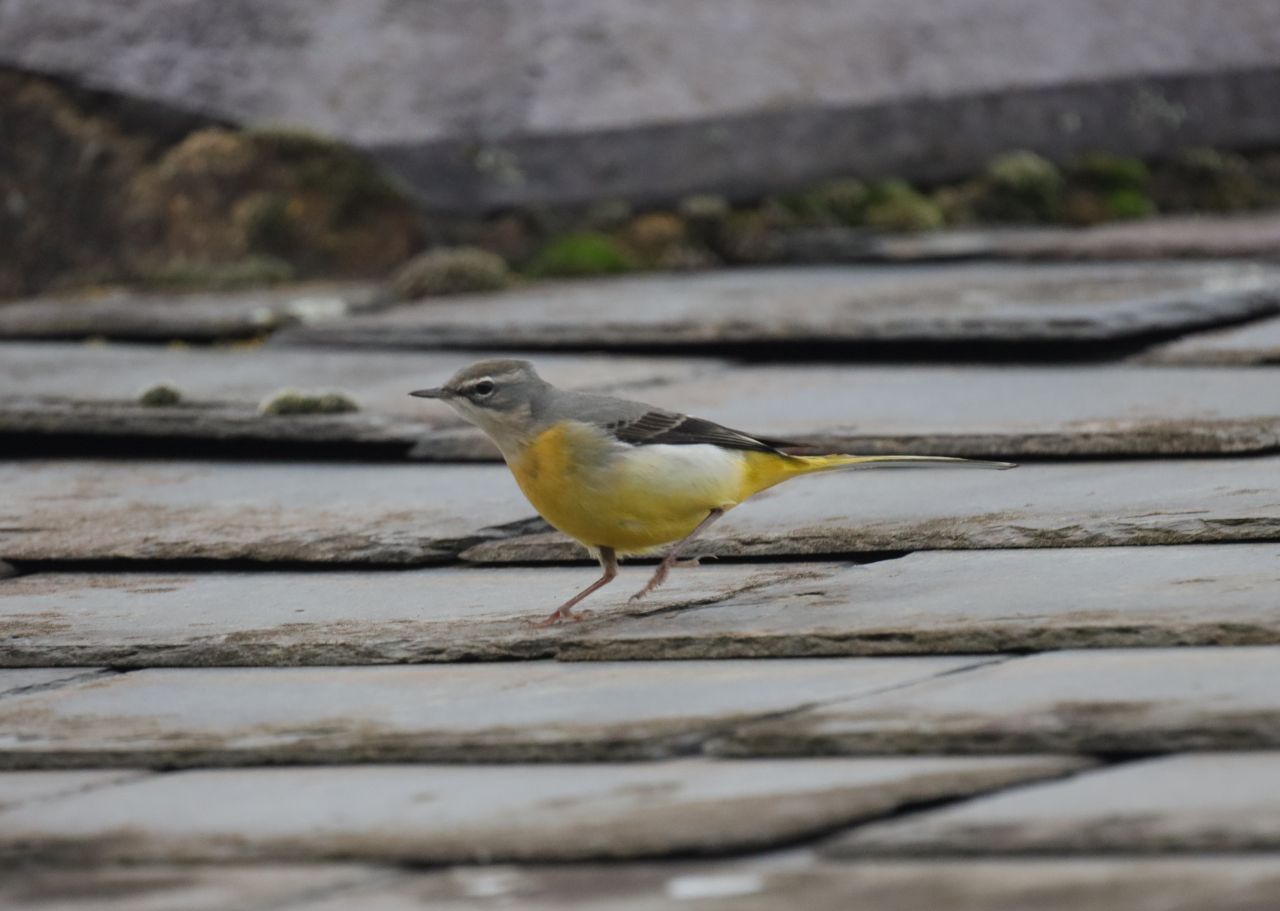
Grey wagtail, Myrtle Road, Dorking.
Also present about the surrounding buildings were a pair of grey wagtails.
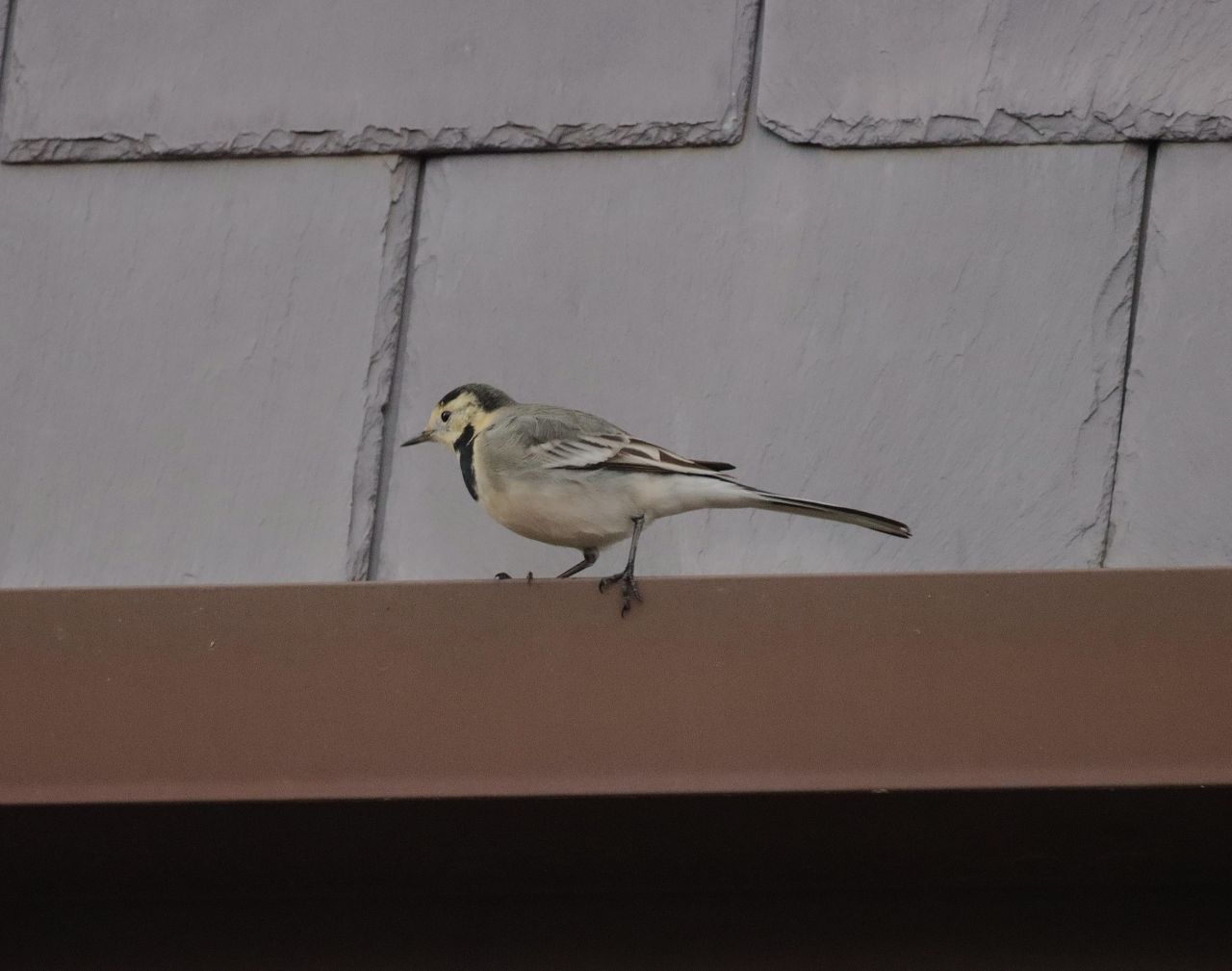
Pied wagtail. Myrtle Road, Dorking.
And several pied wagtails.

Lower hide at Tice’s Meadow.
A few brief visits to Tice’s Meadow nature reserve at Badshot Lea, near Farnham nearing the middle of the month, surprisingly saw water levels still reasonably low in spite of the recent weeks of rainfall. It meant the lower hide was still accessible for viewing across the water.

Great white egret, Tice’s Meadow.
A great white egret that had been reported there a few days previous was still viewable on the far bank.
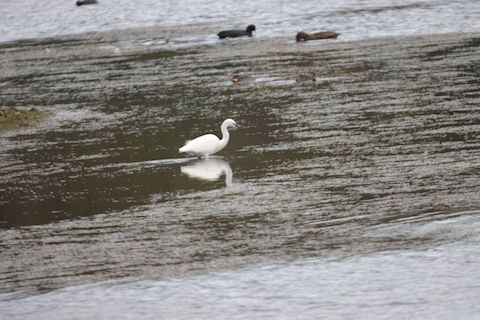
Little egret, Tice’s Meadow.
While several little egrets continued to be present.
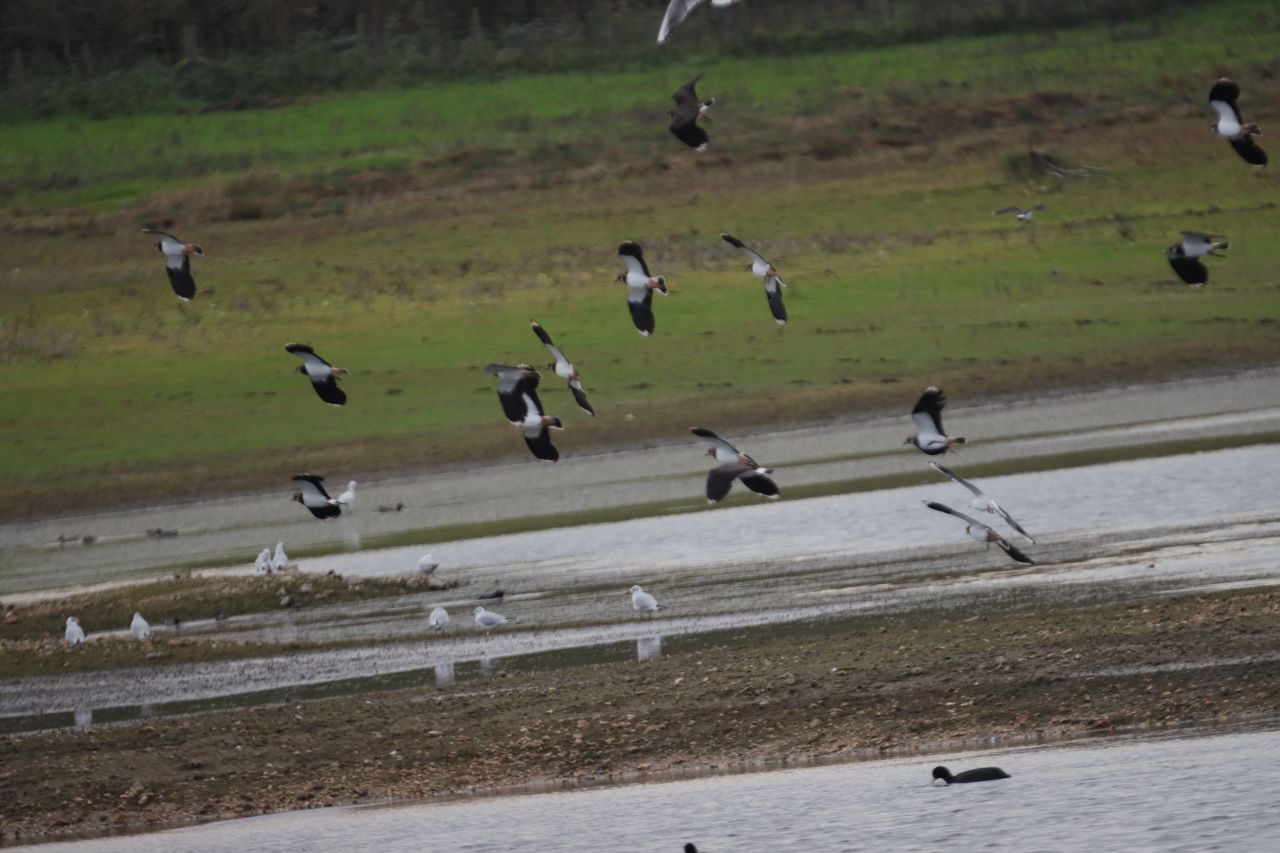
Lapwings, Tice’s Meadow.
A flock of lapwings were also present, often spooked, and flying up into the air, by the slightest hint of a bird of prey passing through.
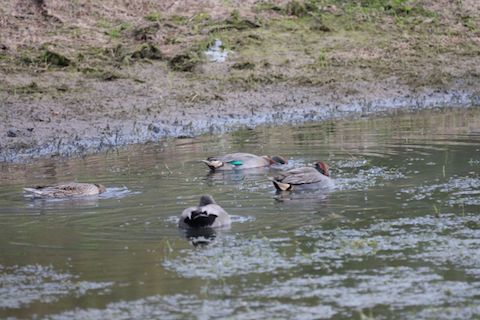
Teal, Tice’s Meadow.
Close enough to photo were a few, now wintering, teal.
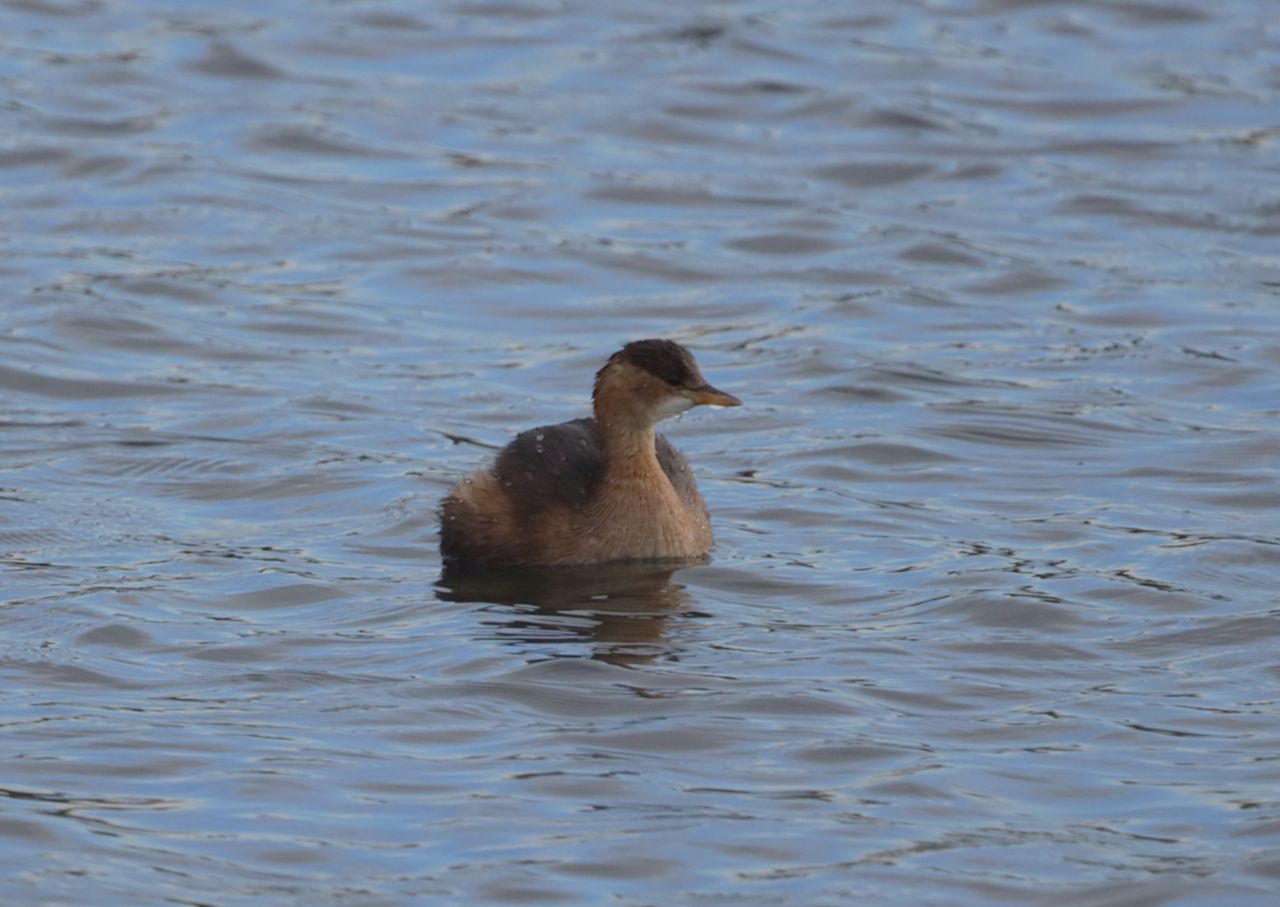
Dabchick (little grebe), Tice’s Meadow.
A few dabchicks (little grebes).

Great crested grebe with fish, Tice’s Meadow.
Several great crested grebes, now in winter plumage, one of which could be viewed and photographed as it caught and dispatched what appeared to be a pike.
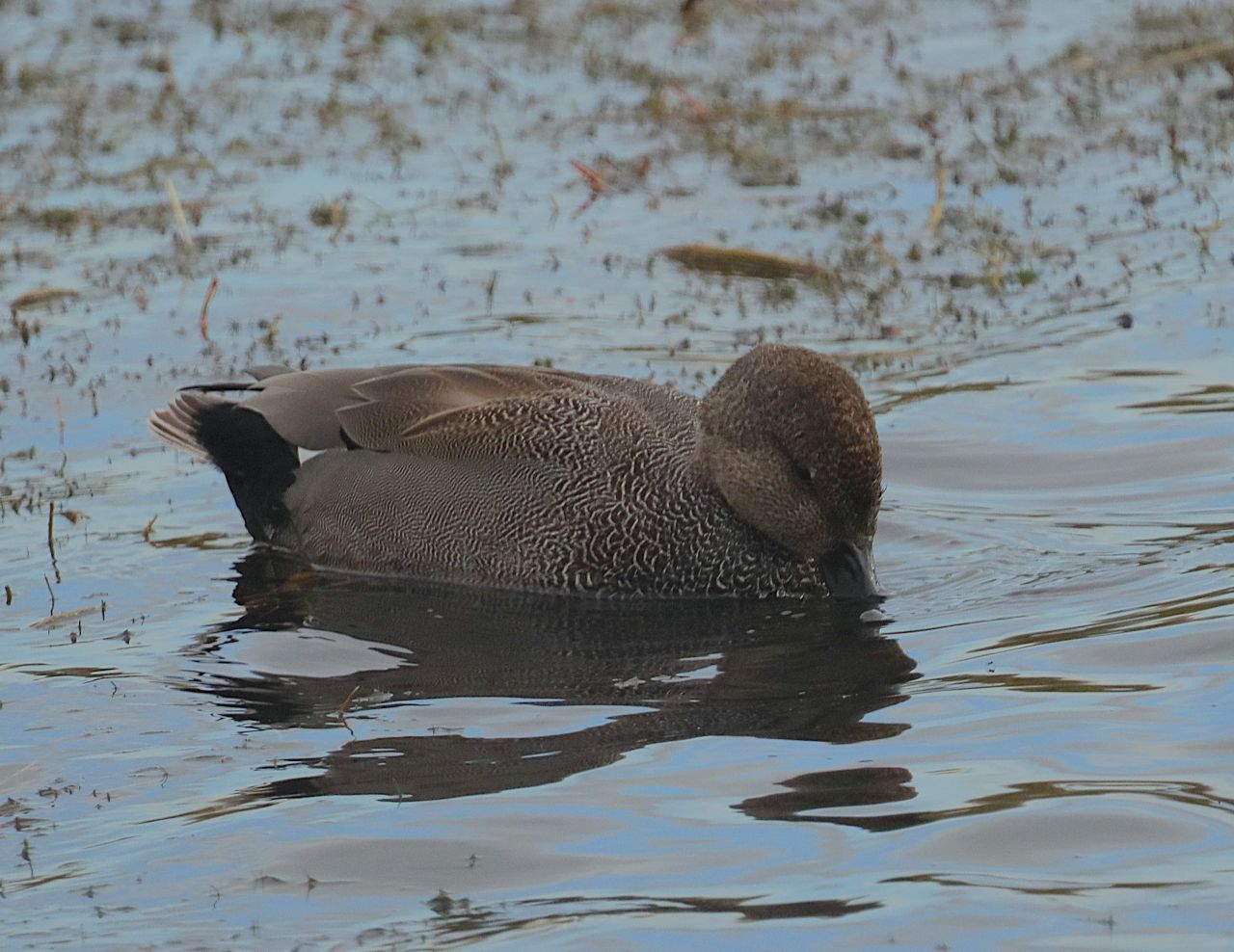
Gadwall, Tice’s Meadow.
And several gadwall ducks.

Black swan, Tice’s Meadow.
A surprise sighting, was the presence of a black swan.
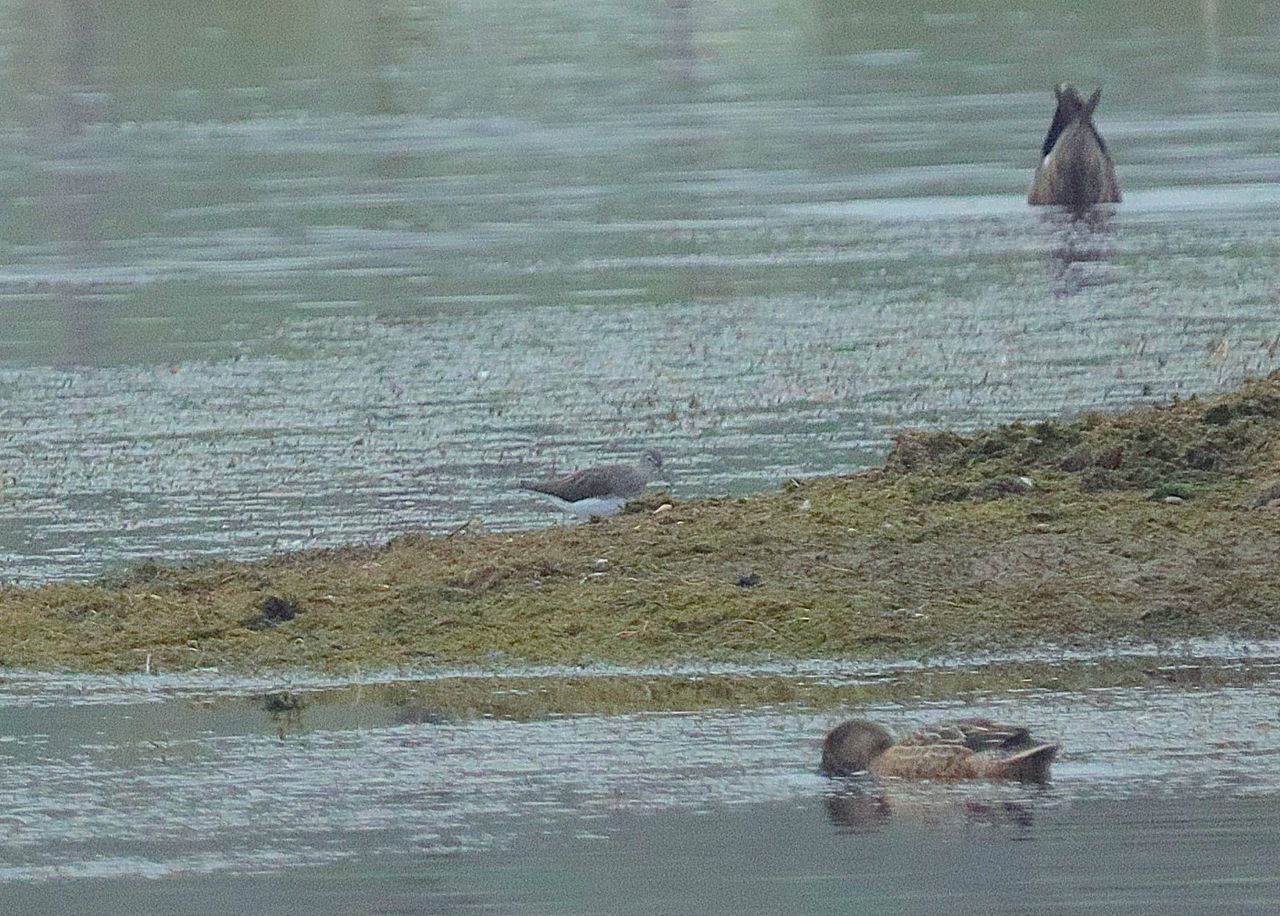
Green sandpiper (centre of photo), Tice’s Meadow.
While although distant to view, picking out three green sandpipers as well.
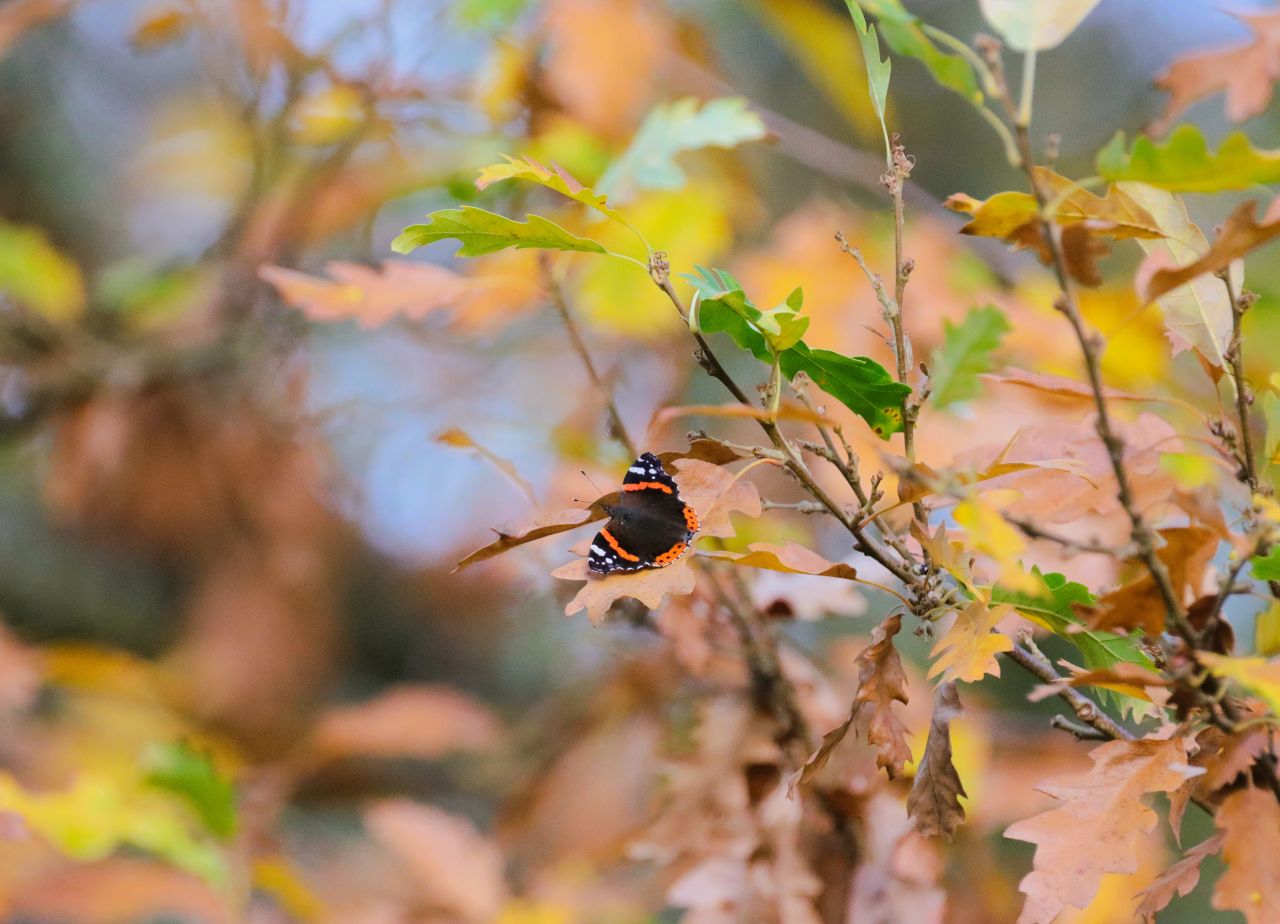
Red admiral butterfly among the autumn leaves.
Meanwhile, the weather continued to remain mild and on the more pleasant of days several red admiral butterflies could be viewed dancing in the sunlight among the falling autumn leaves.
Share This Post


Responses to Birdwatcher’s Diary No. 339
Leave a Comment Please see our comments policy. All comments are moderated and may take time to appear. Full names, or at least initial and surname, must be given.









Roger Kendall
November 17, 2025 at 5:32 pm
Brilliant, just brilliant.