- Stay Connected

Socialize

 Abraham Lincoln
If given the truth, the people can be depended upon to meet any national crisis...
Abraham Lincoln
If given the truth, the people can be depended upon to meet any national crisis...

 Guildford news...
for Guildford people, brought to you by Guildford reporters - Guildford's own news service
Guildford news...
for Guildford people, brought to you by Guildford reporters - Guildford's own news service
Birdwatcher’s Diary No.338
Published on: 5 Nov, 2025
Updated on: 5 Nov, 2025
By Malcolm Fincham
Atlantic westerlies returned with a vengeance as we moved into the latter weeks of October.
A succession of low pressure systems with occluded fronts passed over the UK brought showers and occasional longer spells in their wake.
On a few occasions I was able to get out and about when the weather permitted. Alas and regrettably, on most outings I found myself only chasing the shadows of the birds I had hoped to see.
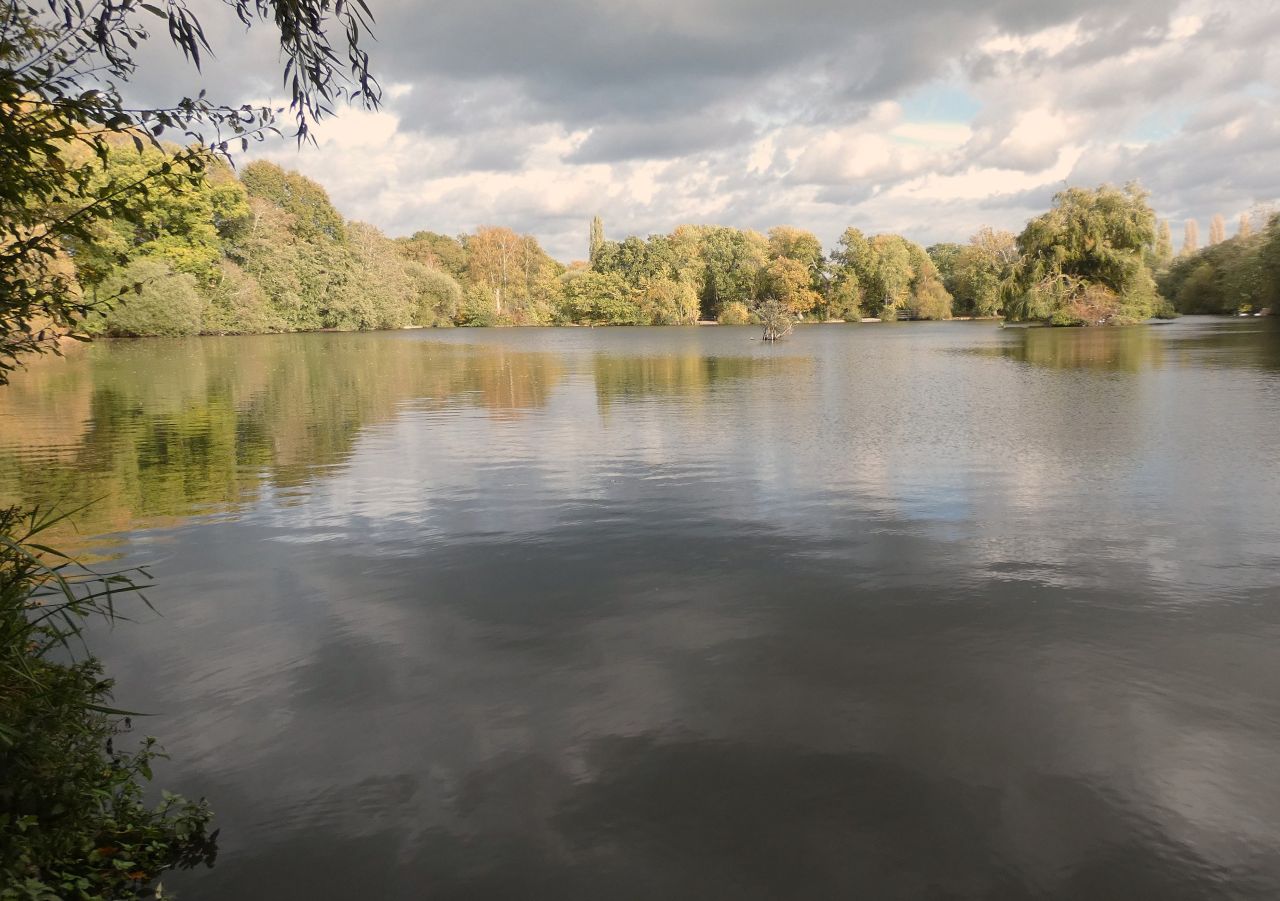
Britten’s Pond.
It all began well on October 15 at Britten’s Pond watching a cormorant catching what looked to be a large perch, probably not much less than 2lb in size.
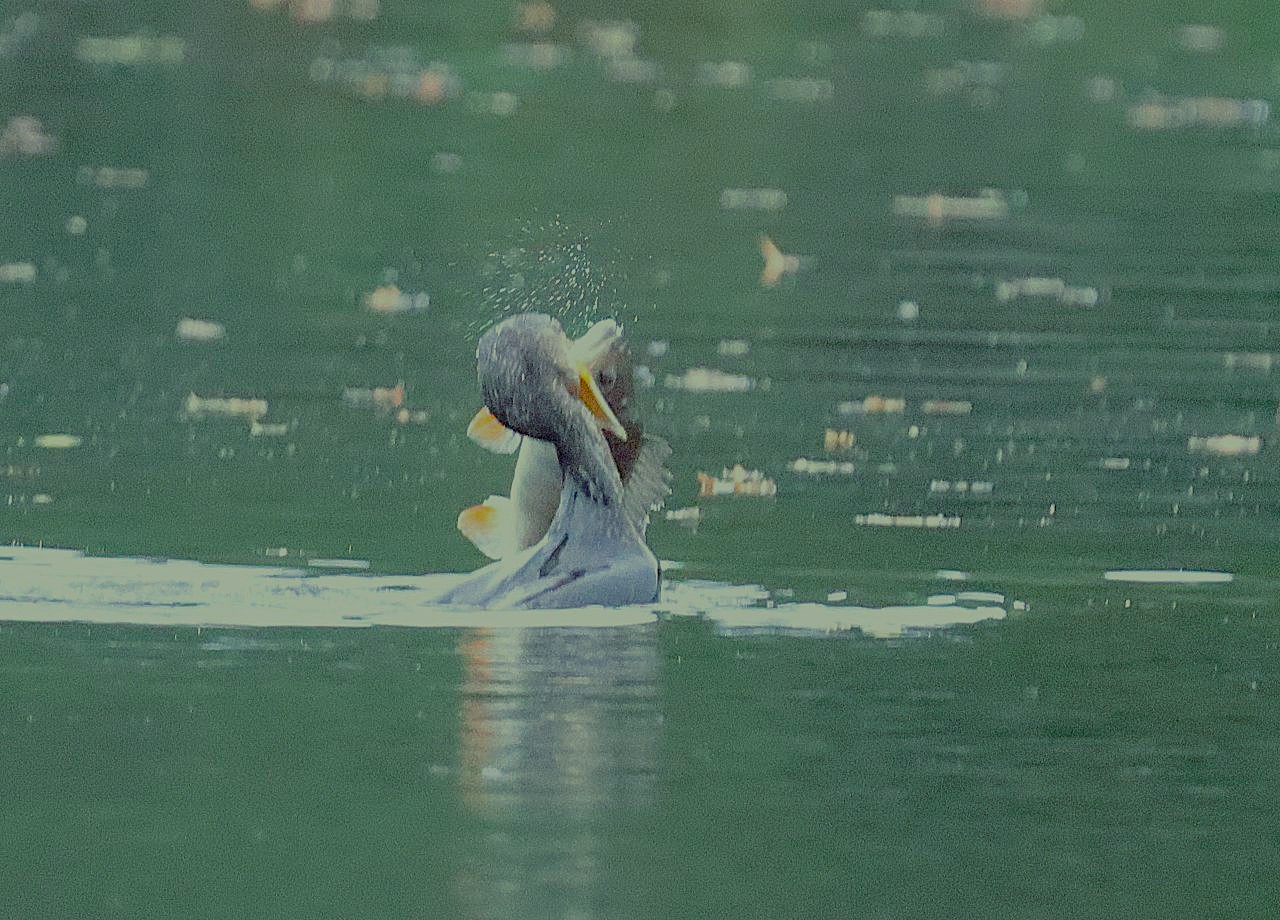
Cormorant catching what looks to be a large perch, at Britten’s Pond.
Quite a lengthy battle ensued and with perch being such a spiny fish, it had to be swallowed head first.
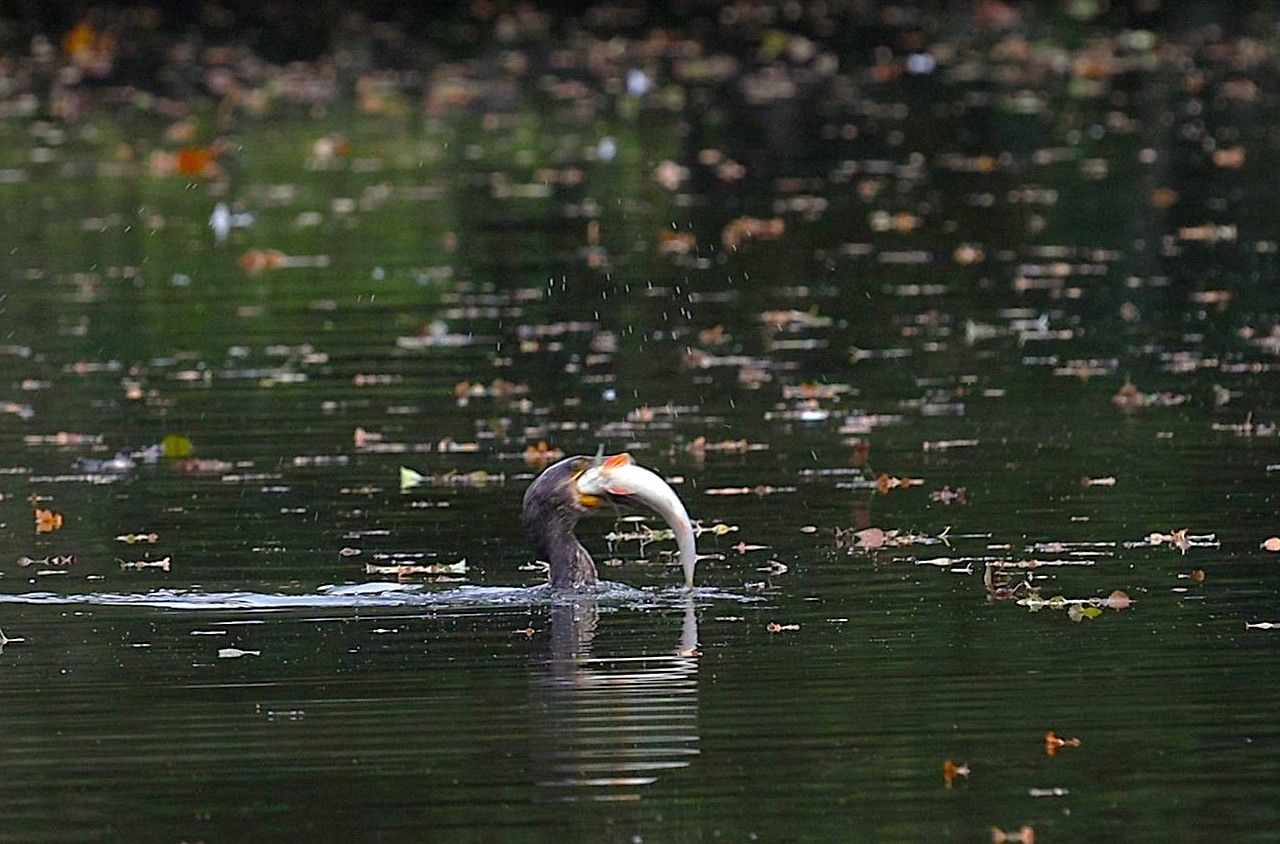
Cormorant catching what looks to be a large perch, at Britten’s Pond.
Eventually after a 30-minute struggle it finally managed to dispatch its prey.

Cormorant catching what looks to be a large perch, at Britten’s Pond.
And to my fortune on this occasion allowing me a series of shots of the encounter.
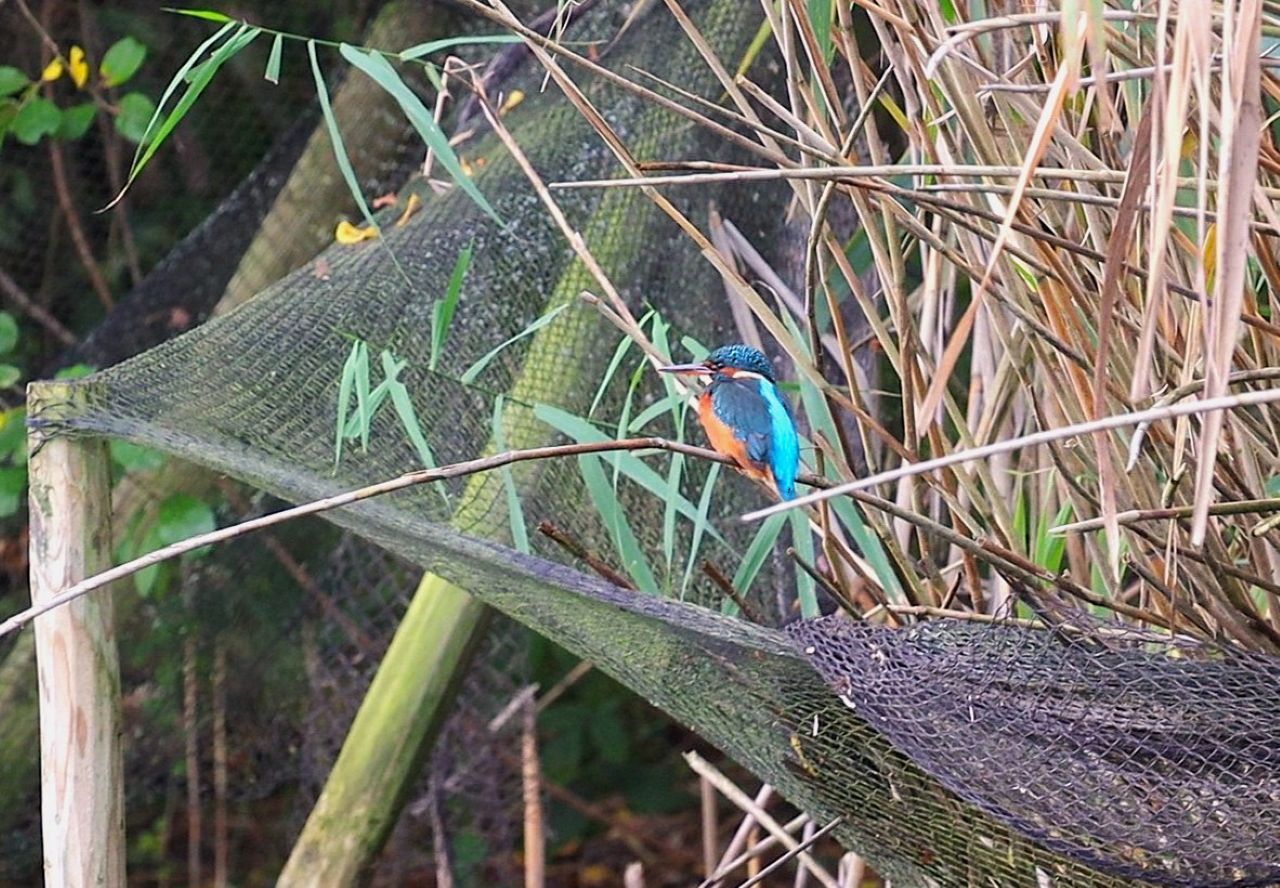
Kingfisher, Britten’s Pond.
The recent return of a resident kingfisher, possibly the same female that wintered there last year, made for a challenge to capture a few more photos before the month was out.
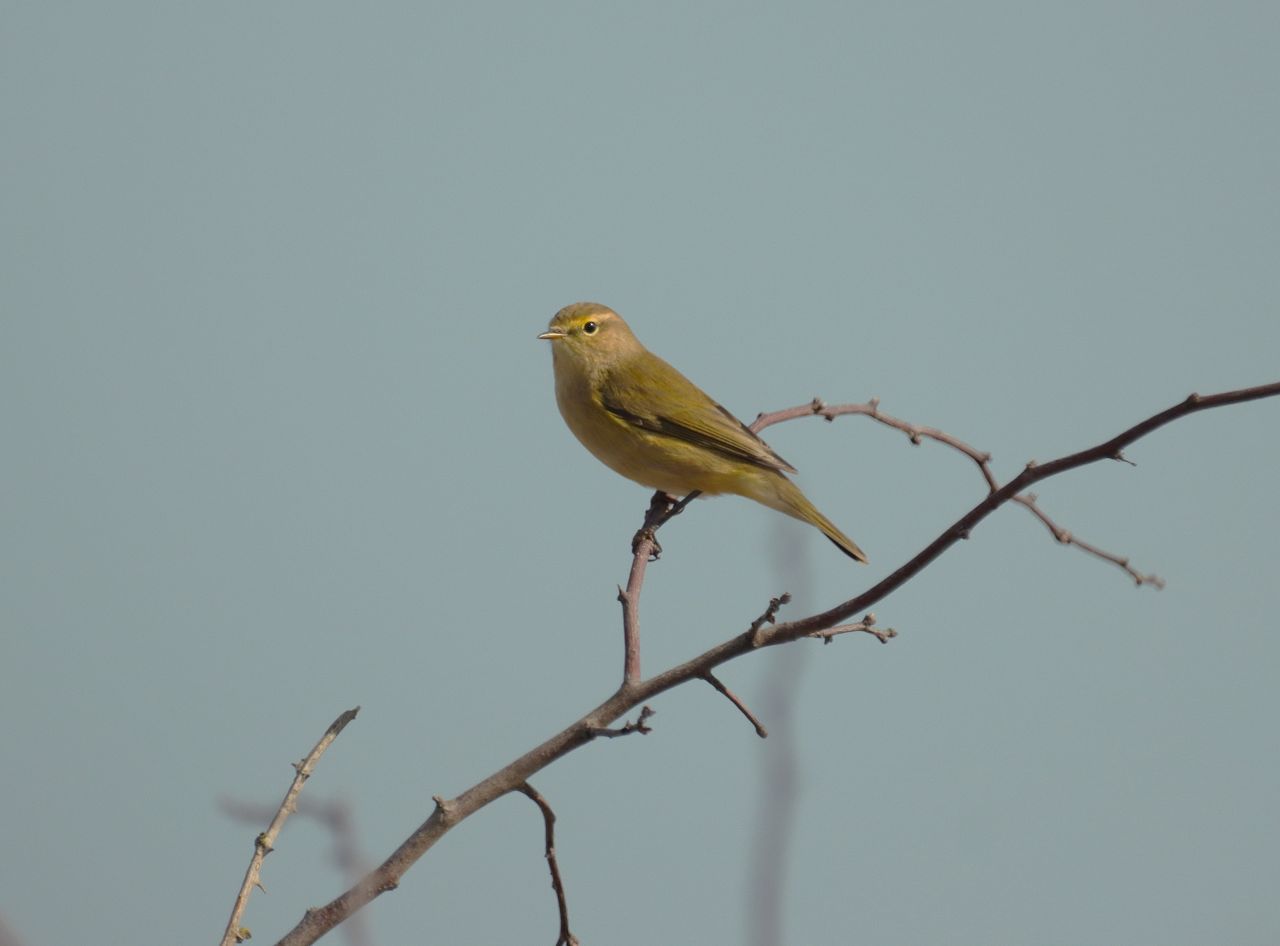
Chiffchaff.
Also adding chiffchaffs still feeding on insects among the brambles around the pond.
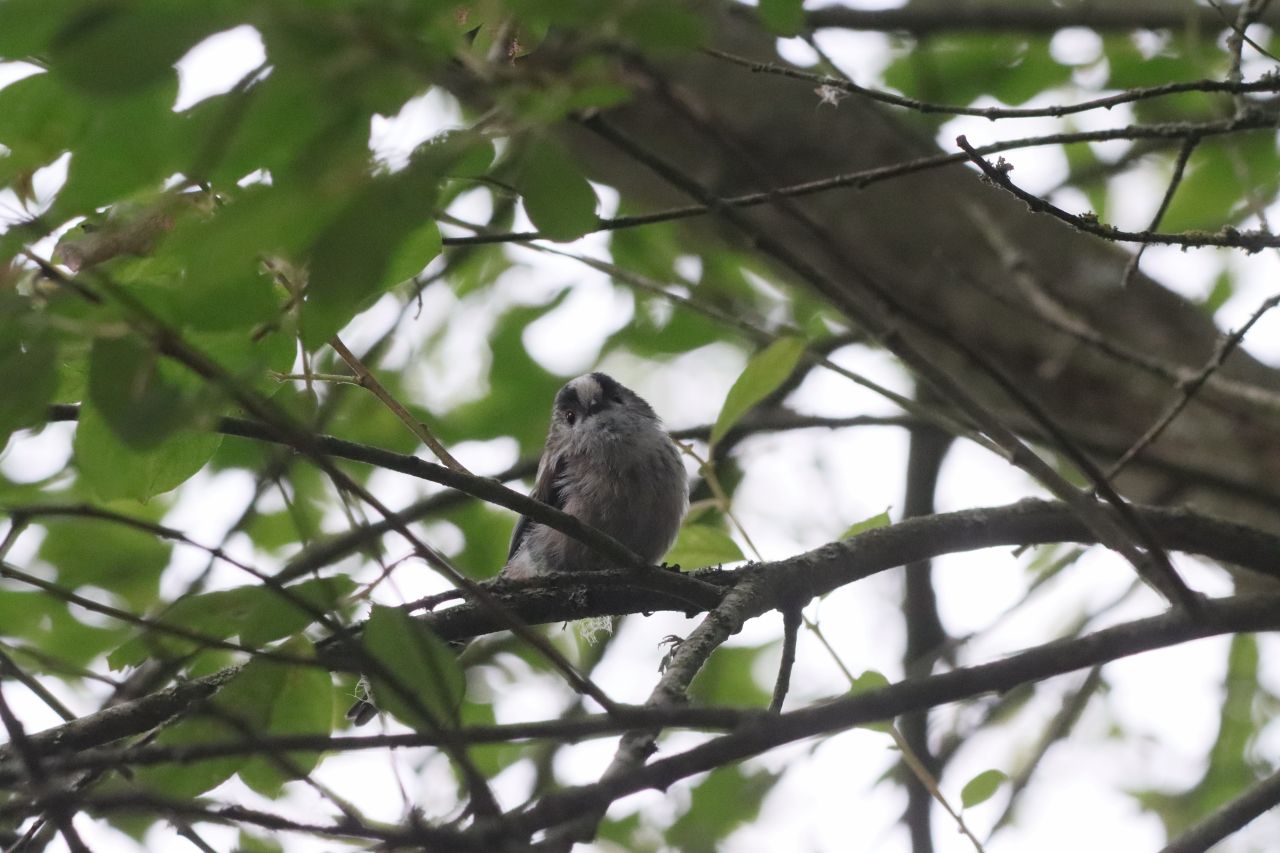
Long-tailed tit.
Long-tailed tits continued to be heard, making their contact calls as they followed each other in groups of a dozen or more.
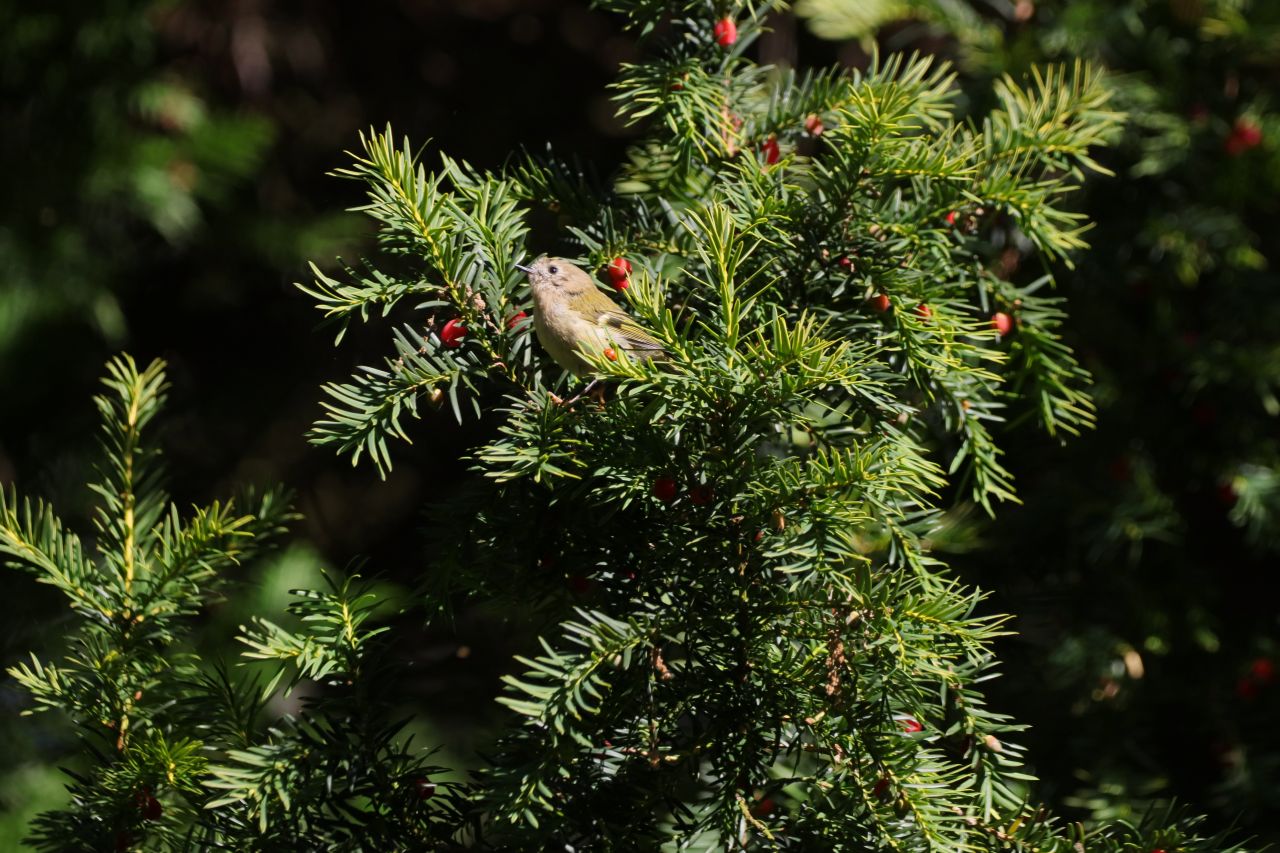
Goldcrest.
Within the groups a few goldcrests could also be seen.

Grey squirrel feeding on hawthorn berries at Britten’s Pond.
Grey squirrels were now feeding on acorns and ripening hawthorn berries.
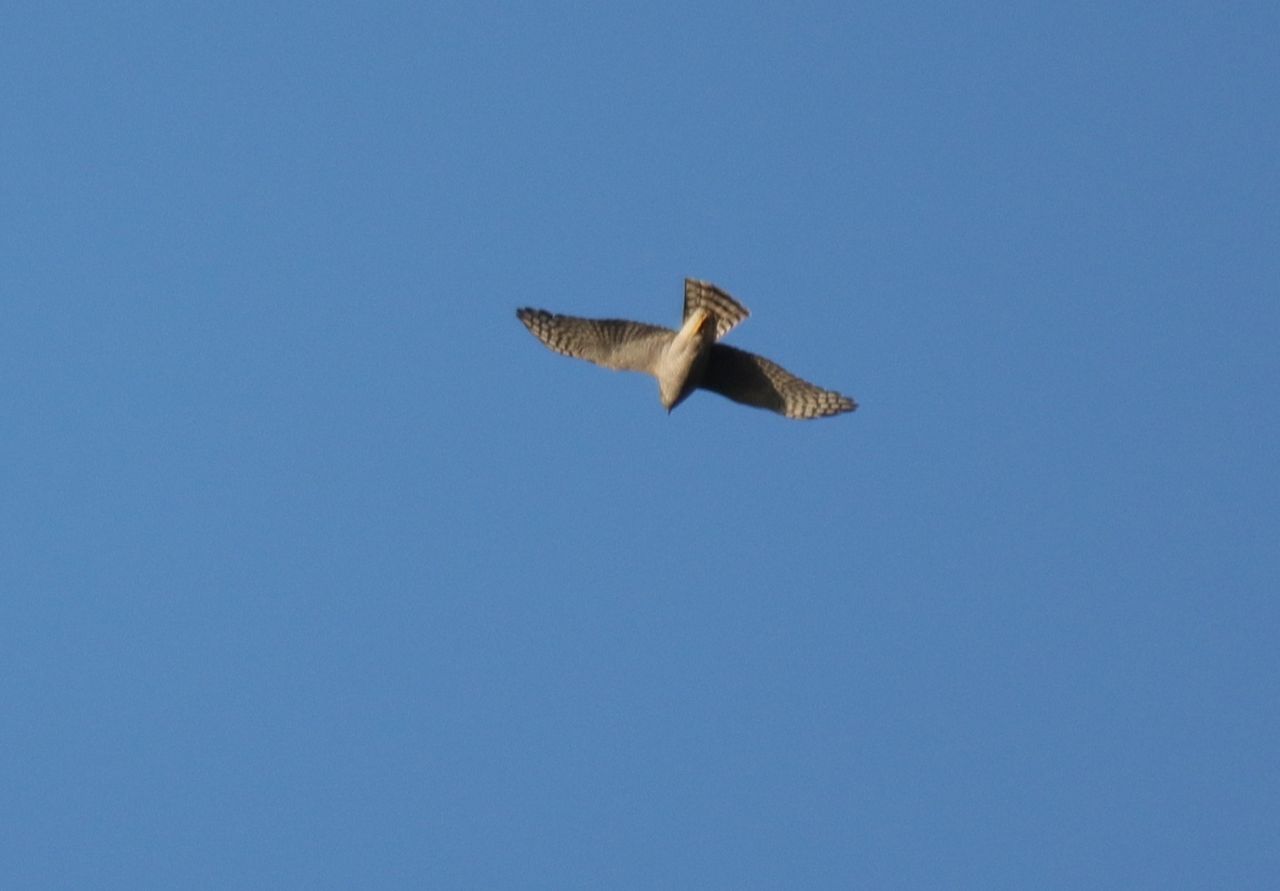
Sparrowhawk, Britten’s Pond.
As well as adding sparrowhawks to my sightings at various locations, including Britten’s Pond.
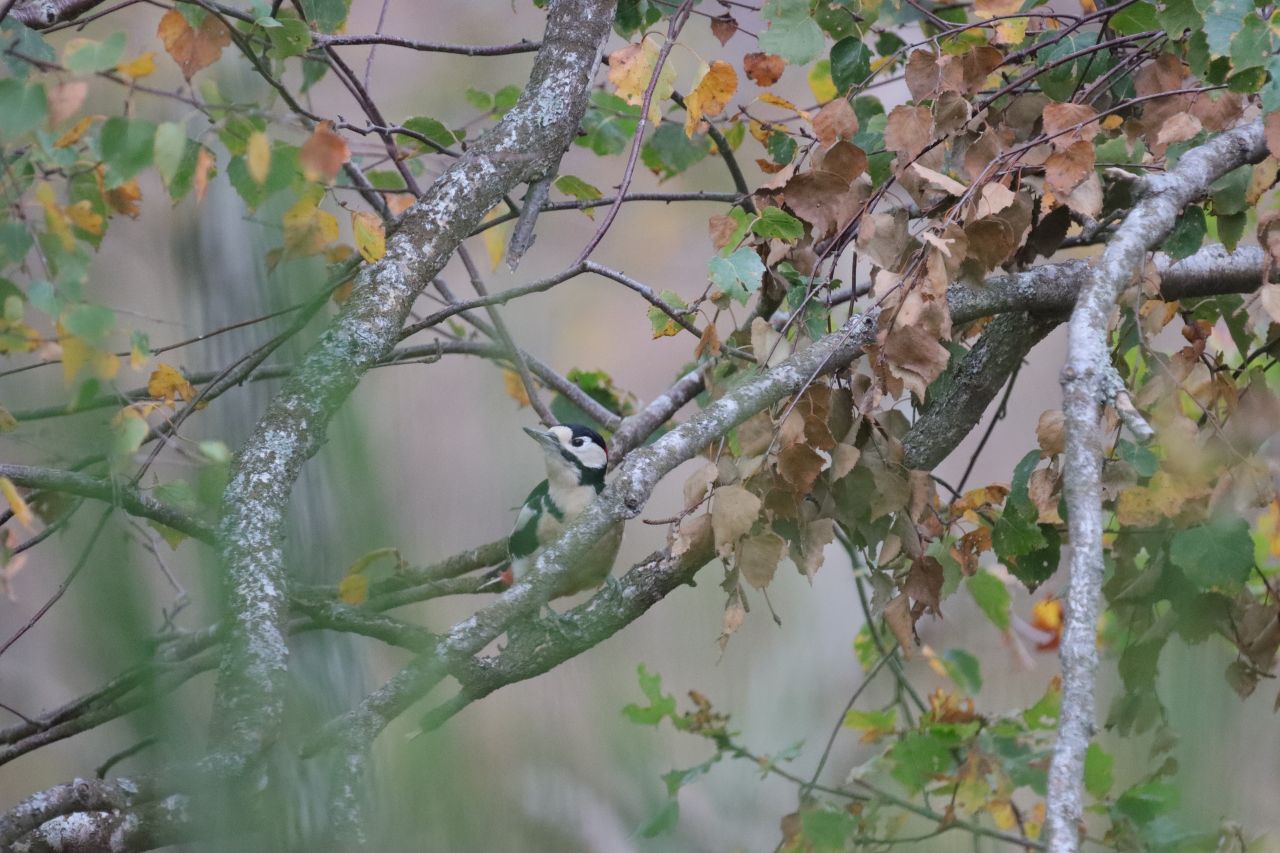
Great spotted woodpecker.
On Whitmoor Common the leaves were now starting to turn and fall from the silver birch trees, adding a little colour to my photos of great spotted woodpeckers.
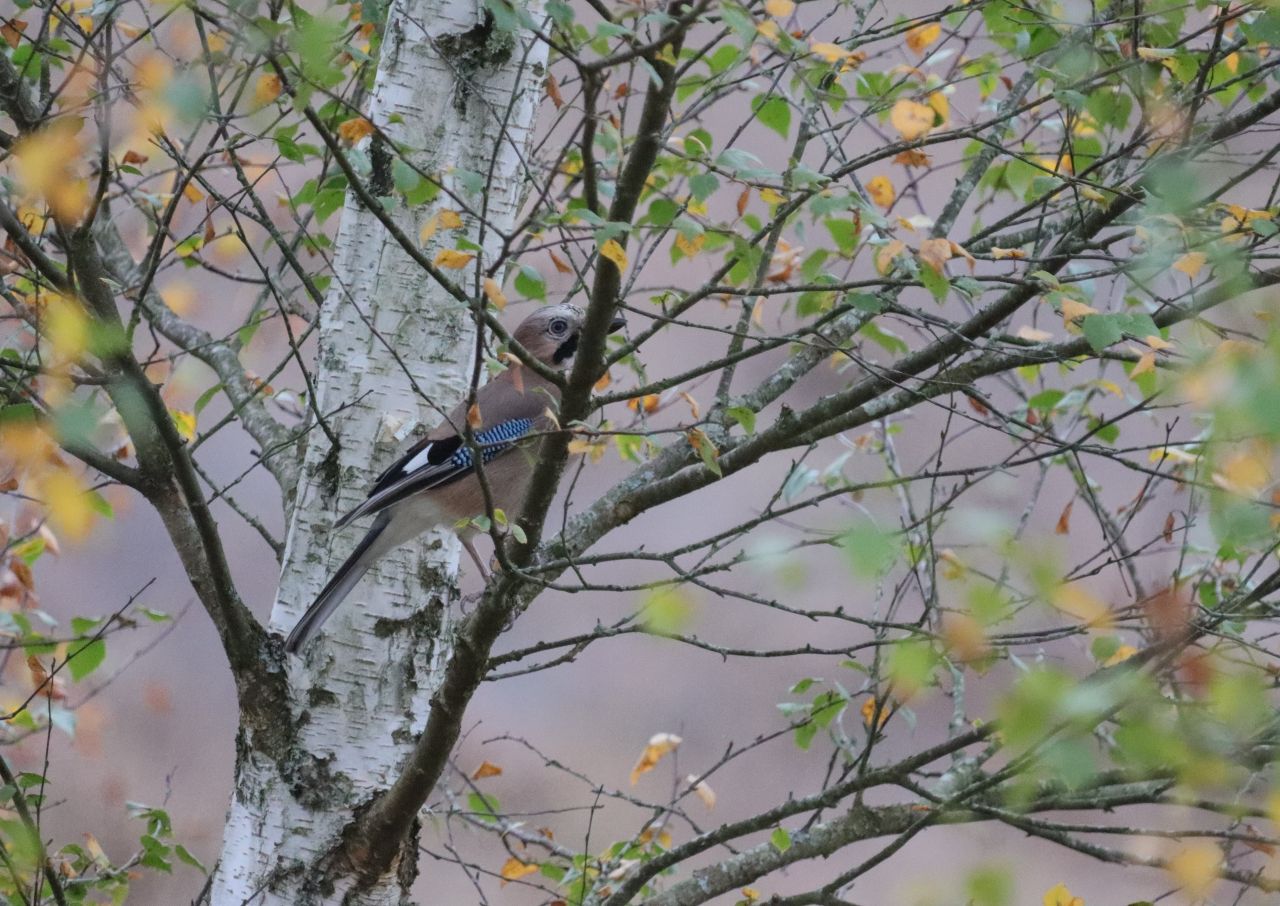
Jay, Whitmoor Common.
Jays continued to be seen collecting acorns for their larders.
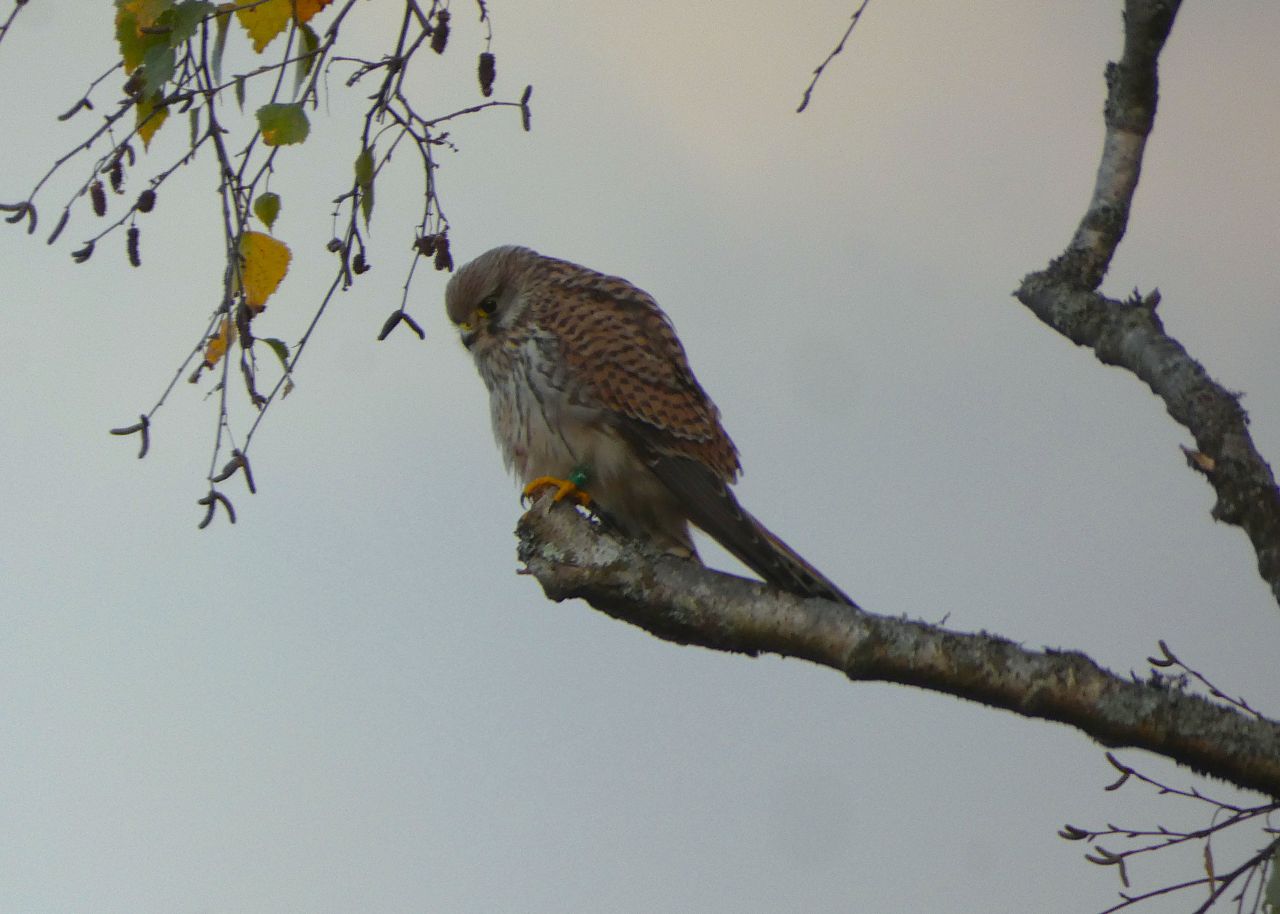
Kestrel, Whitmoor Common.
And the resident kestrel could be viewed, perched up late one afternoon just before dusk. My daughter taking full credit for the photo she kindly took on my ‘point and shoot camera’, this while we walked her dog.
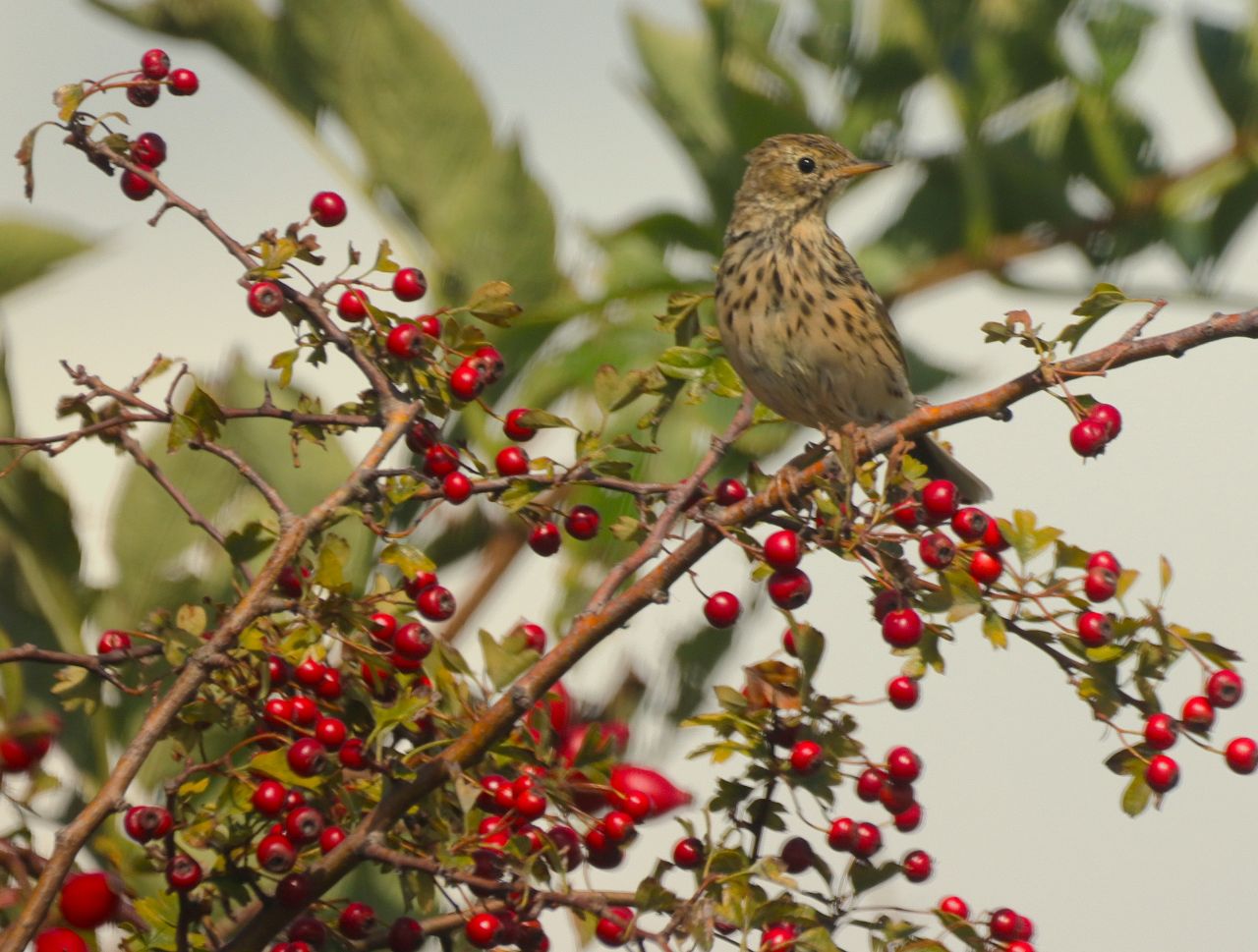
Meadow pipit.
Out on the old horse paddocks adjacent to the common a few meadow pipits flew up from in the field, disturbed by our presence.

Green woodpecker in the old horse paddock, Whitmoor Common.
Several green woodpeckers could be spotted feeding in the grassland.
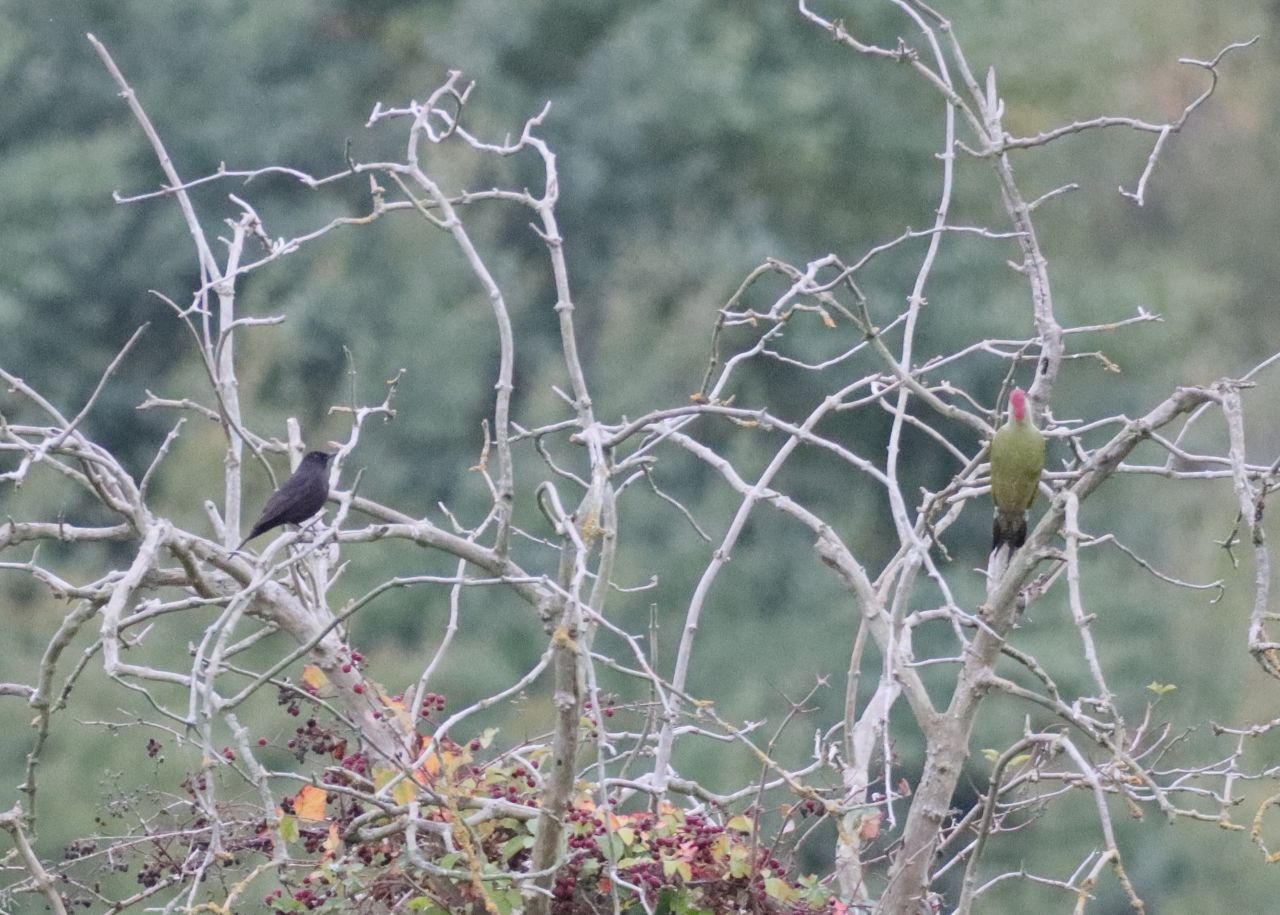
Blackbird, possibly Scandinavian, (left) with green Woodpecker in the old horse paddocks, Whitmoor Common.
A blackbird, assumed to be a Scandinavian winter visitor due to its black beak and lack of yellow eye-rings, perched up briefly with one of the woodpeckers.
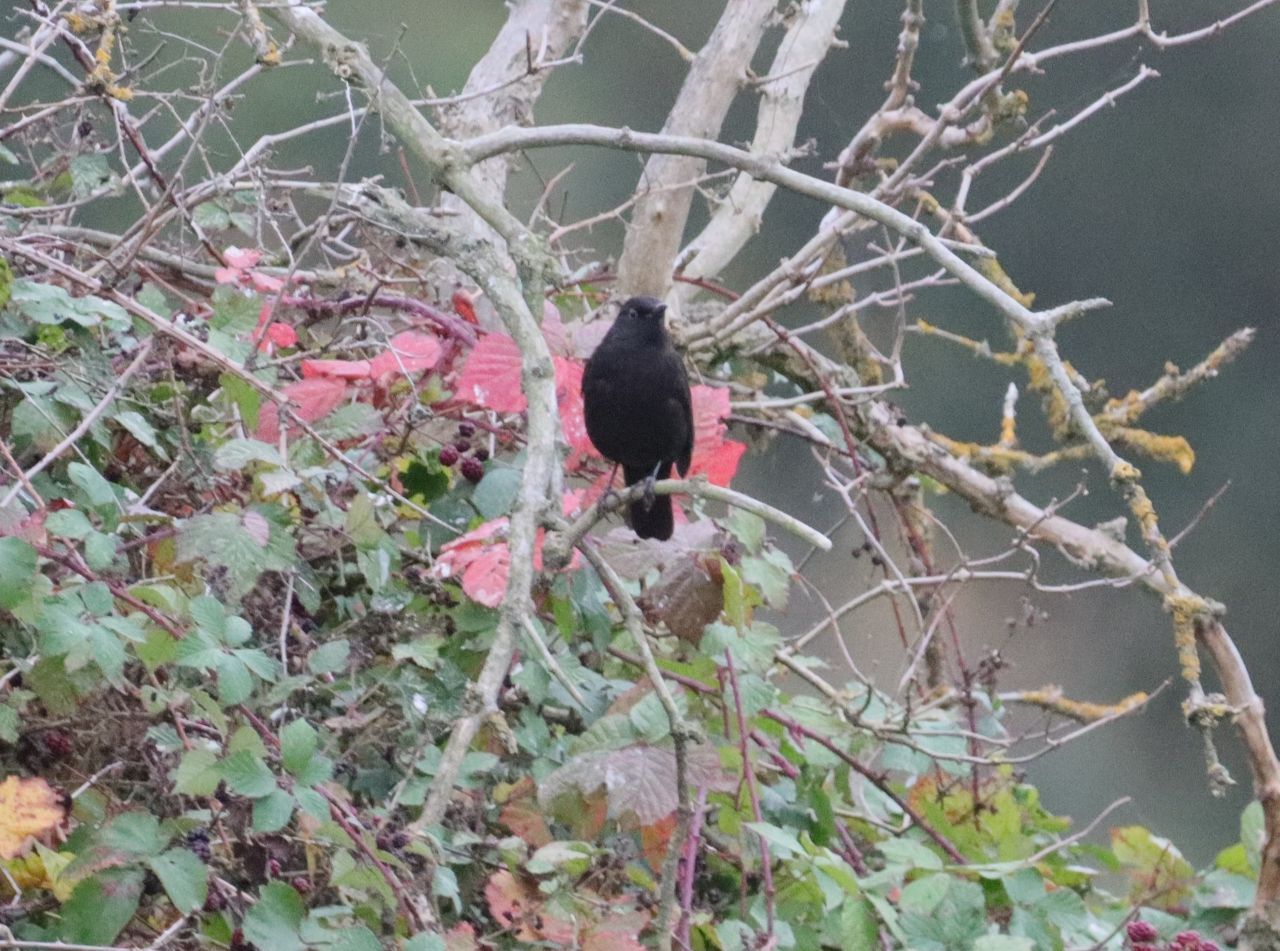
Blackbird, assumed to be a Scandinavian winter visitor.
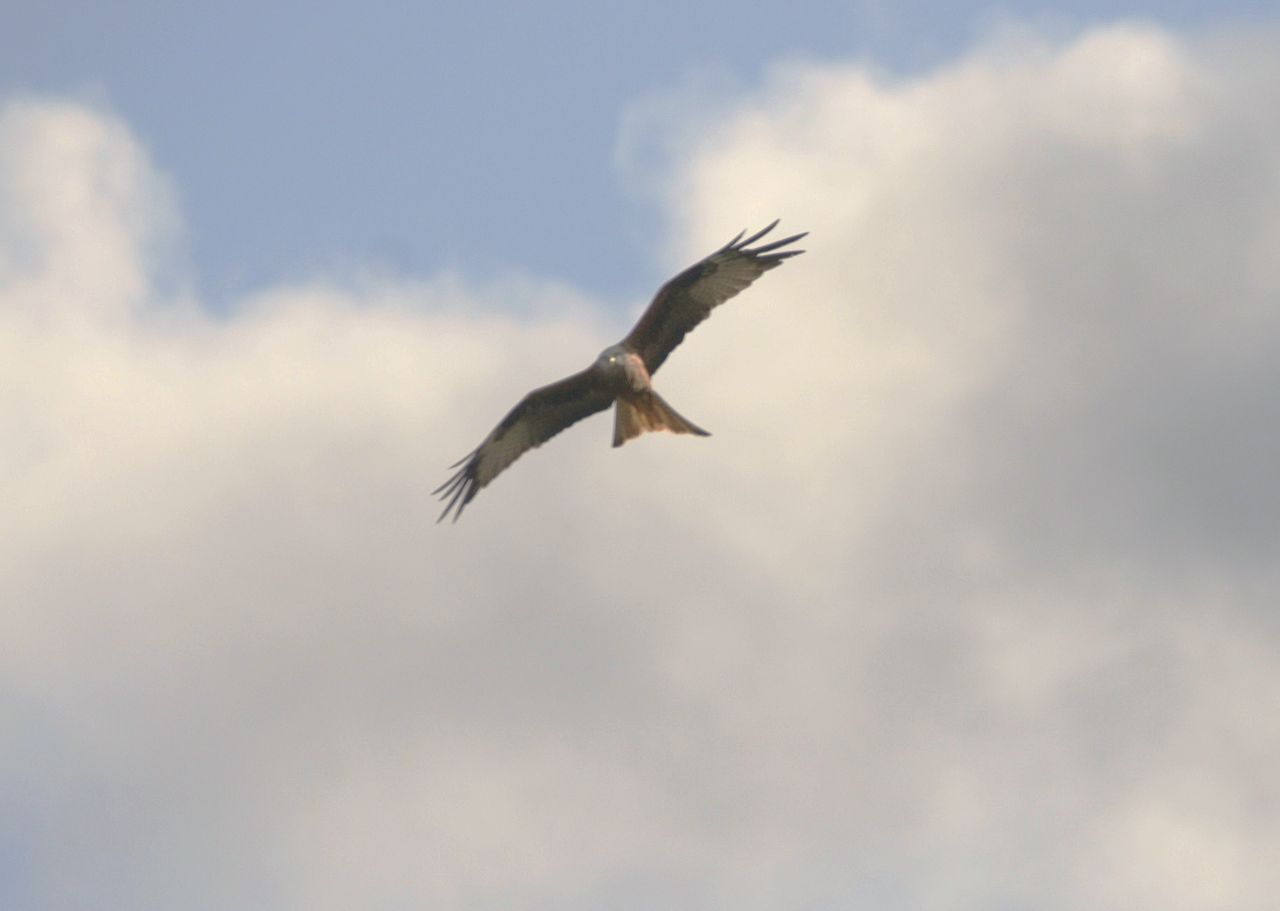
Red kite.
And a red kite made an appearance, flying low over the field.

Old horse paddocks, Whitmoor Common.
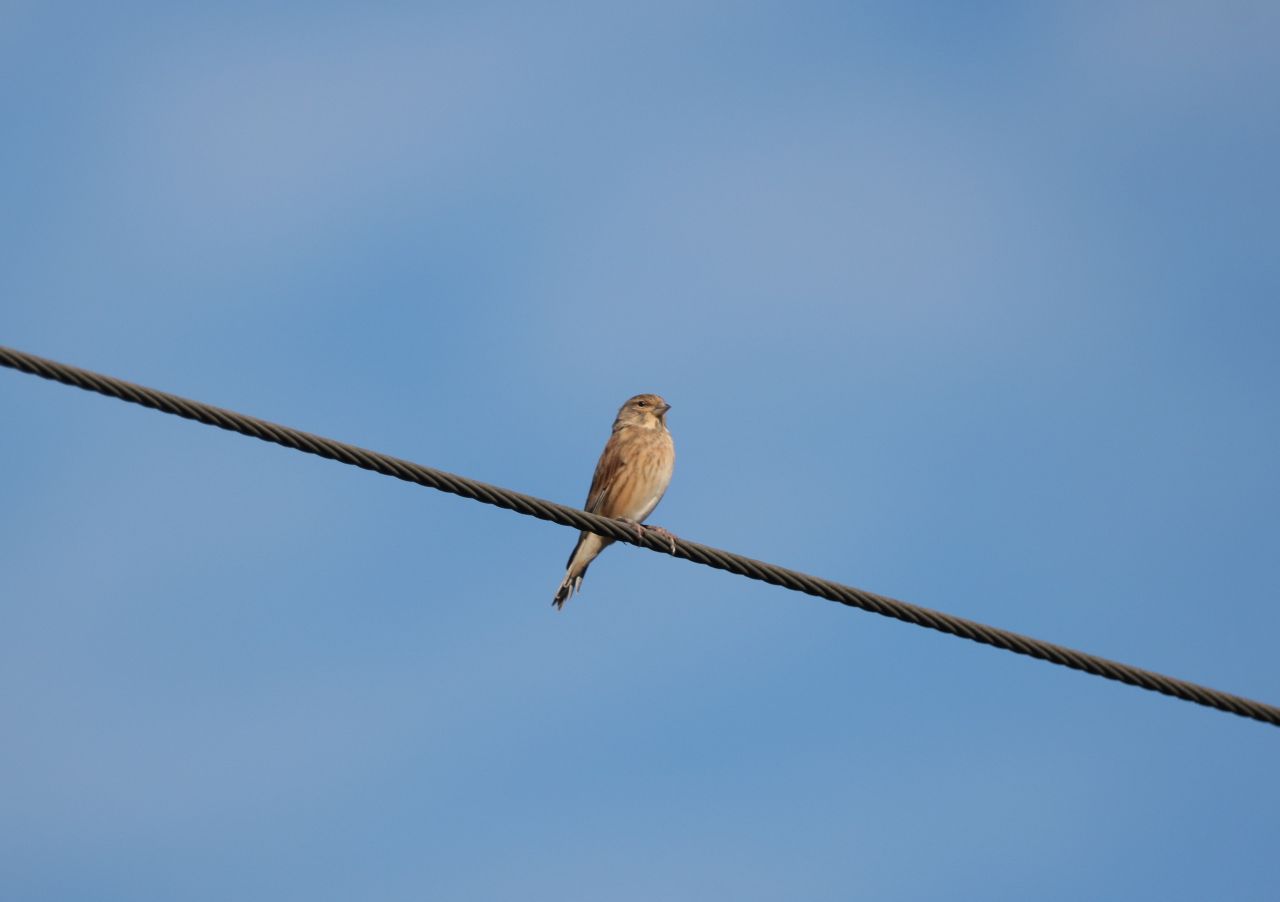
Linnet, Whitmoor Common.
While out on the heathland a few linnets could be viewed perched on the utility wires.
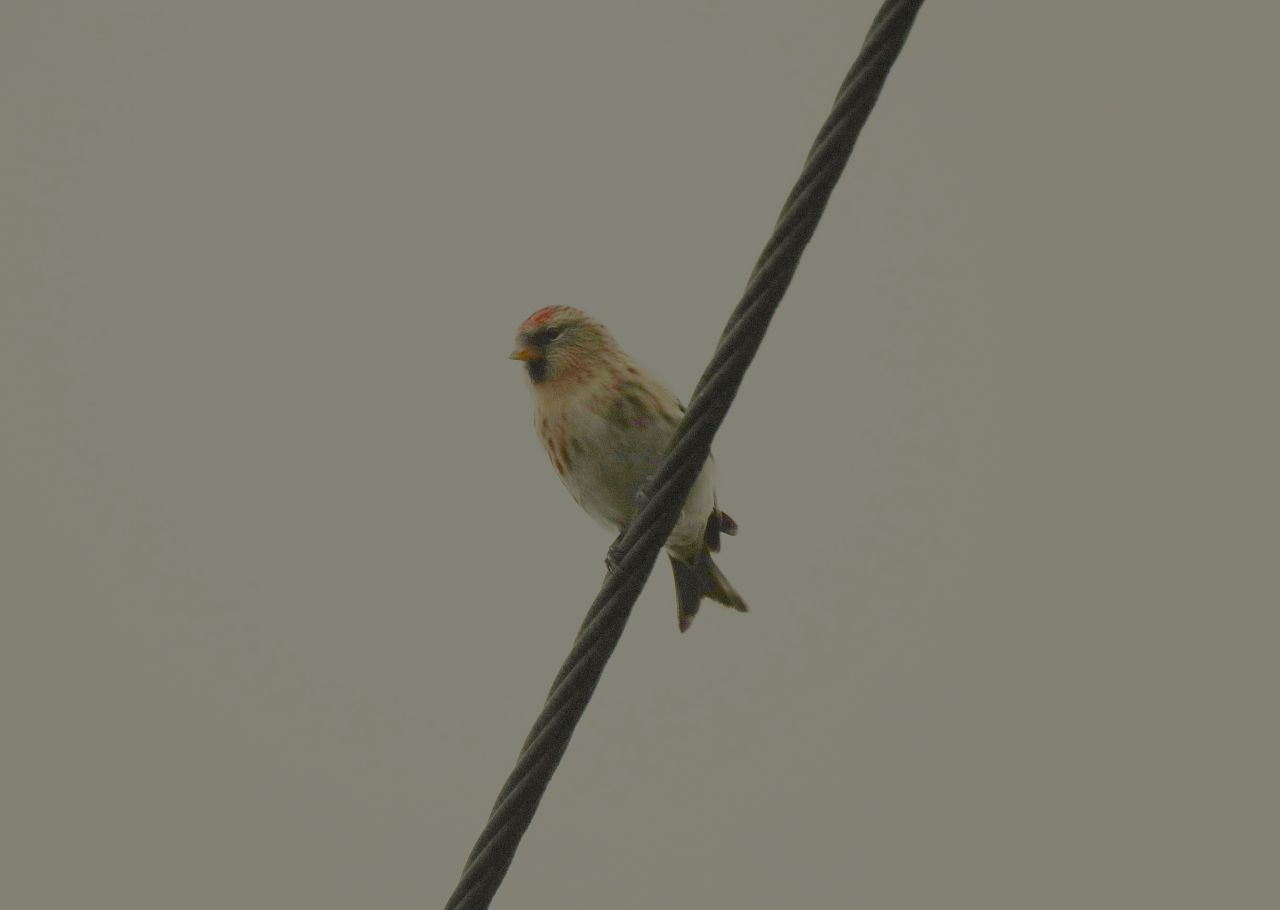
Lesser redpoll, Whitmoor Common.
As well as a few lesser redpolls still present.
Unfortunately, the birds I had most hoped to see before October had come to its close had almost all eluded me!
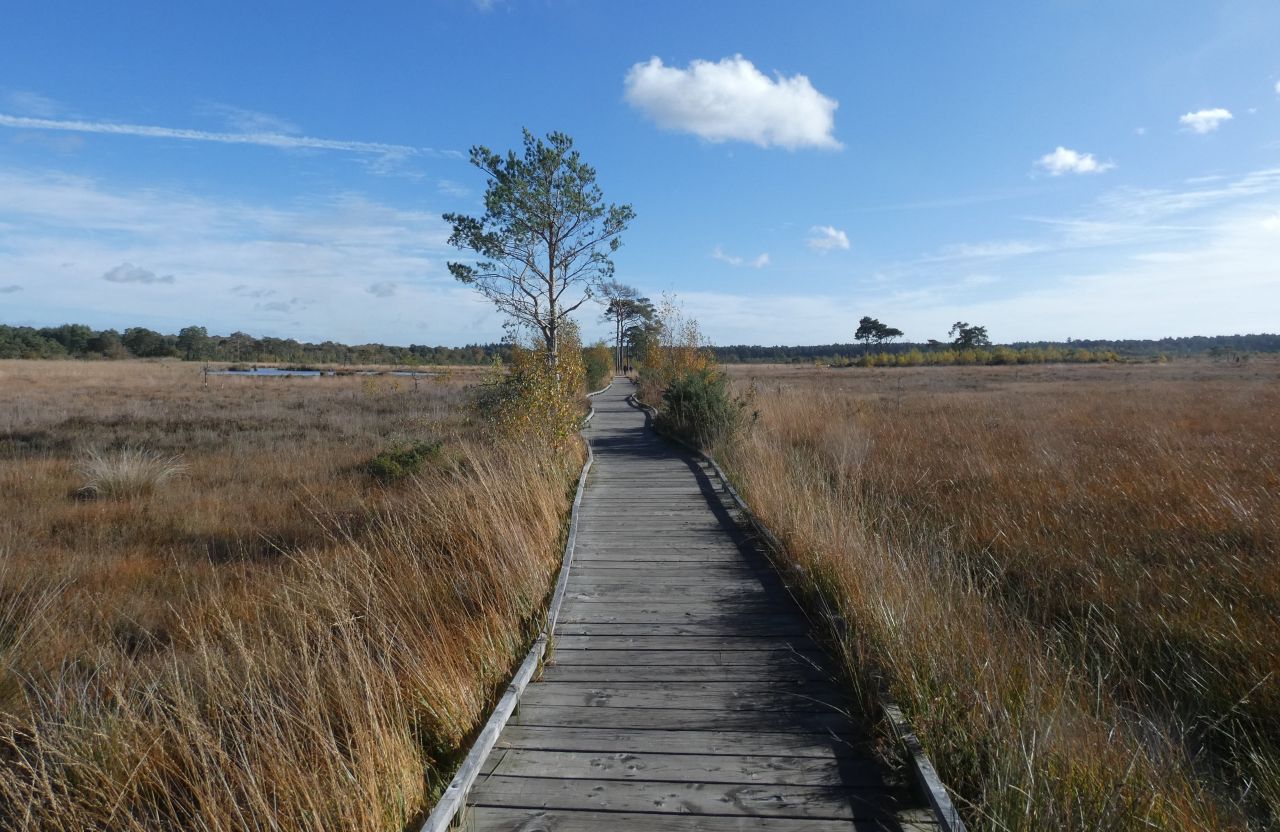
Thursley Common.
Early in the day on October 22 reports came through of a great grey shrike that had been sighted on Thursley Common.
This was the first I had heard reported there since February 2021. Alas, I was unable to hunt it down on what was one of the rare pleasant days during the latter days of the month.
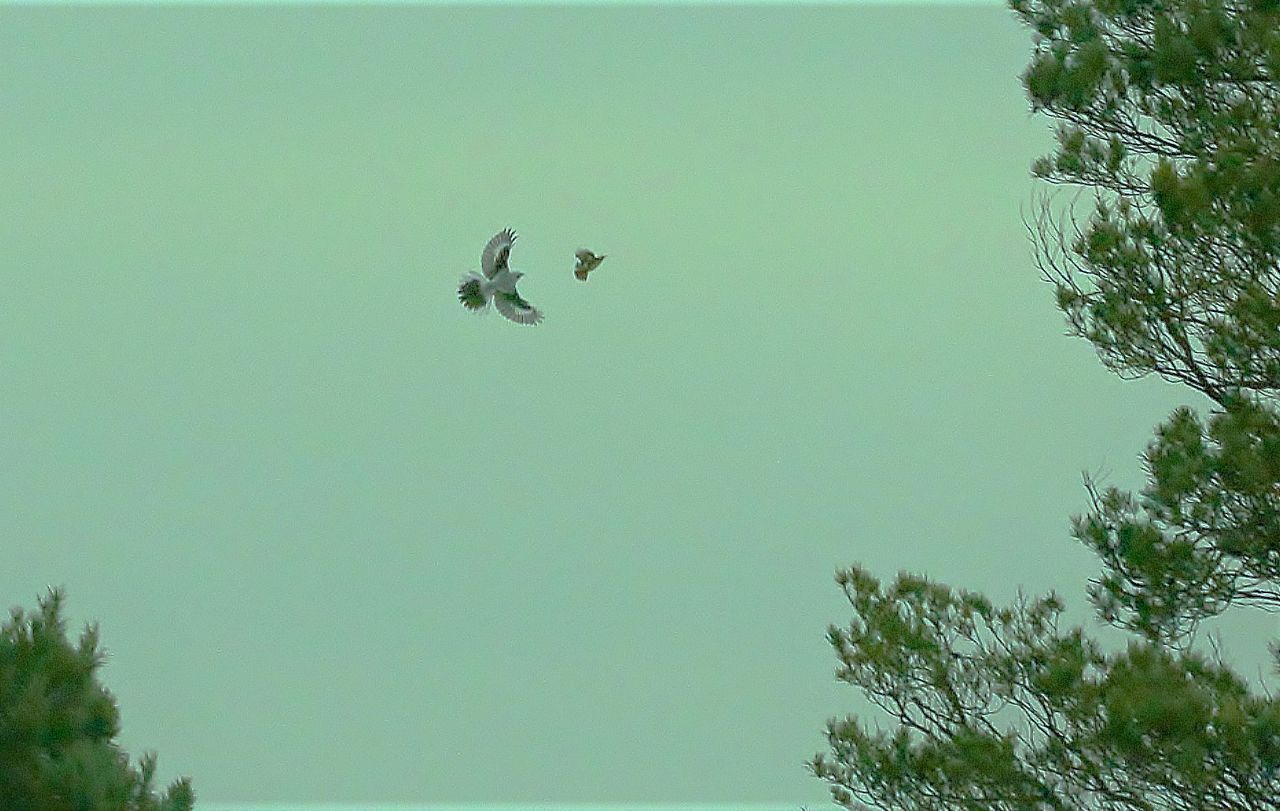
Previously taken picture of a great grey shrike in pursuit of what looks to be a meadow pipit on Thursley Common.
The great grey shrike is the largest of the European shrikes. Small numbers come to the UK in autumn and spend the winter here.
My attempts of capturing photos of some of the recent irruption of common crossbills wasn’t presenting too well for me either.

A confiding common crossbill on Thursley Common.
Only hearing and viewing a few ‘fly-overs’ on my visits to Thursley Common, Farnham Heath and Crooksbury Common, on days when at least the weather was kind to me.
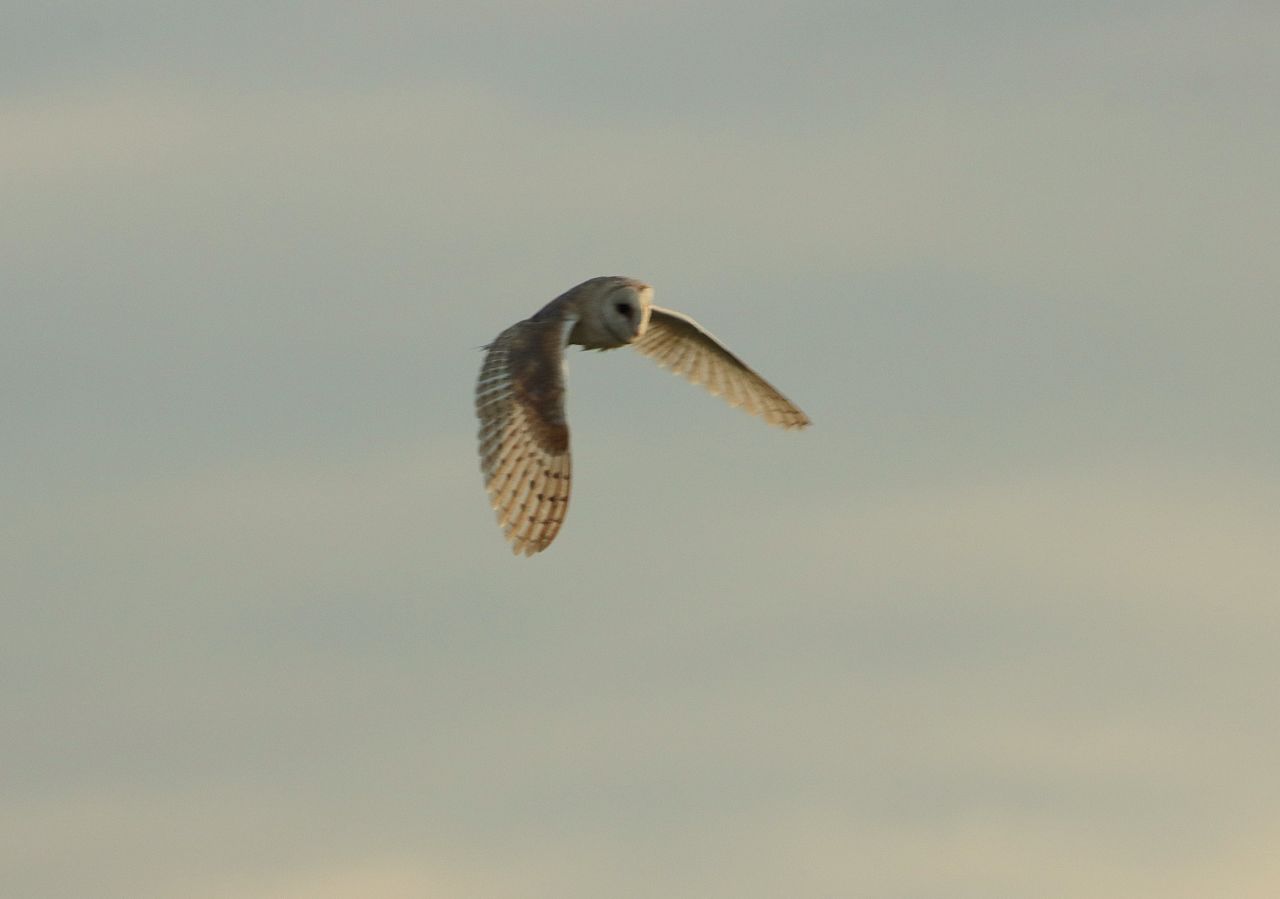
Barn owl, previously seen at Bempton Cliffs, North Yorkshire.
And a report of a barn owl at Bowers Lock left me photographing little more than large winter movements of wood pigeons on my visit there.
The winter arrival of both fieldfares and redwings seemed few and far between so far this autumn.
And on several visits to St Mary’s churchyard, Perry Hill, Worplesdon, where I had photographed them by now in previous years, saw little movement and still plenty of berries adorning the yew trees.

Greenfinch, Worplesdon churchyard.
While the best additions to my photographs were half-a dozen greenfinches perched atop of the conifers there.
At the Riverside Nature Reserve, near Burpham I was, at least, able to get my first photos this autumn of a few redwings, although distant.

Egyptian geese in flight at Stoke Lake.
As many as eight Egyptian geese could be counted on the island and about the lake.
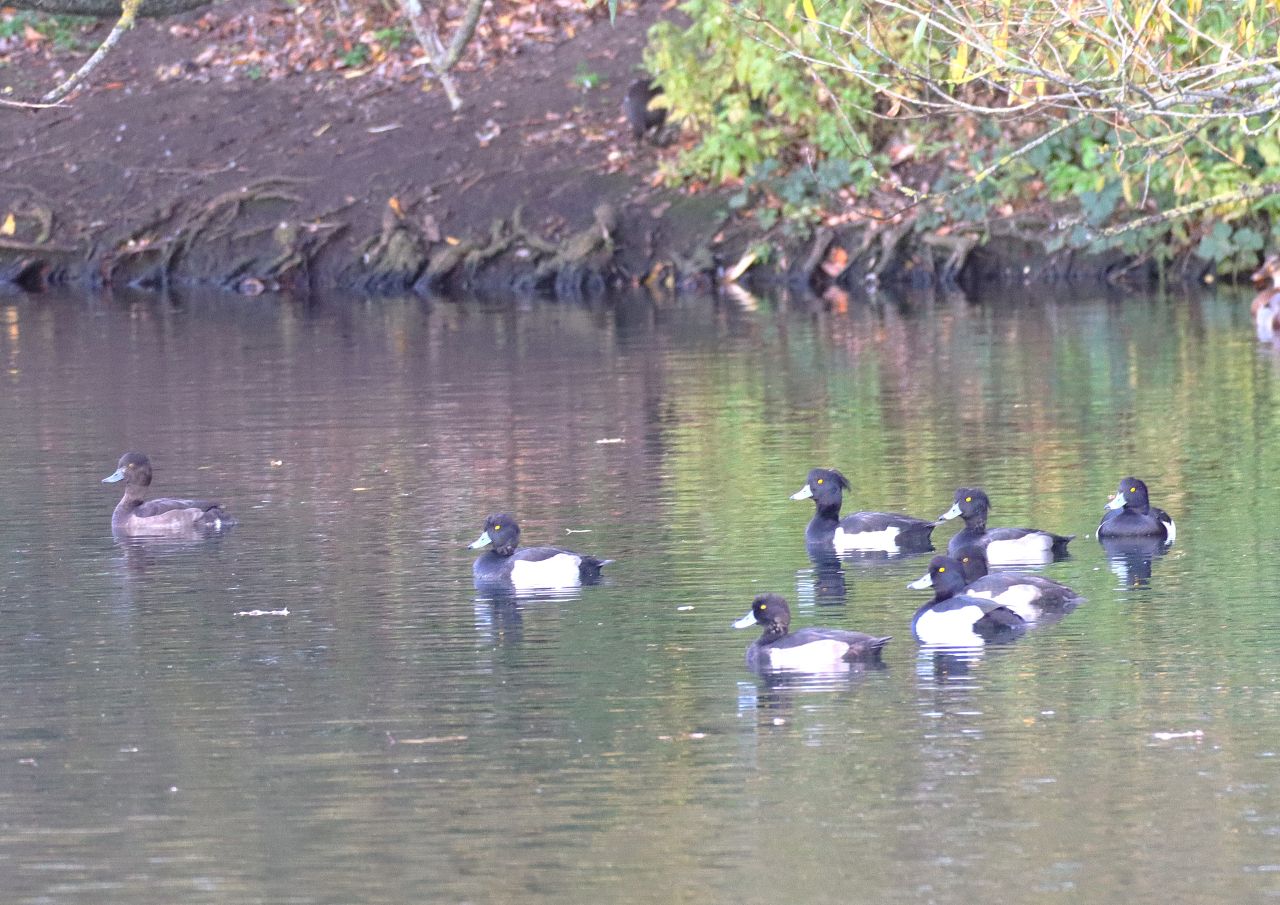
Tufted ducks, on Stoke Lake.
While a record count for me so early in the winter of more than 40 tufted ducks out on the water.
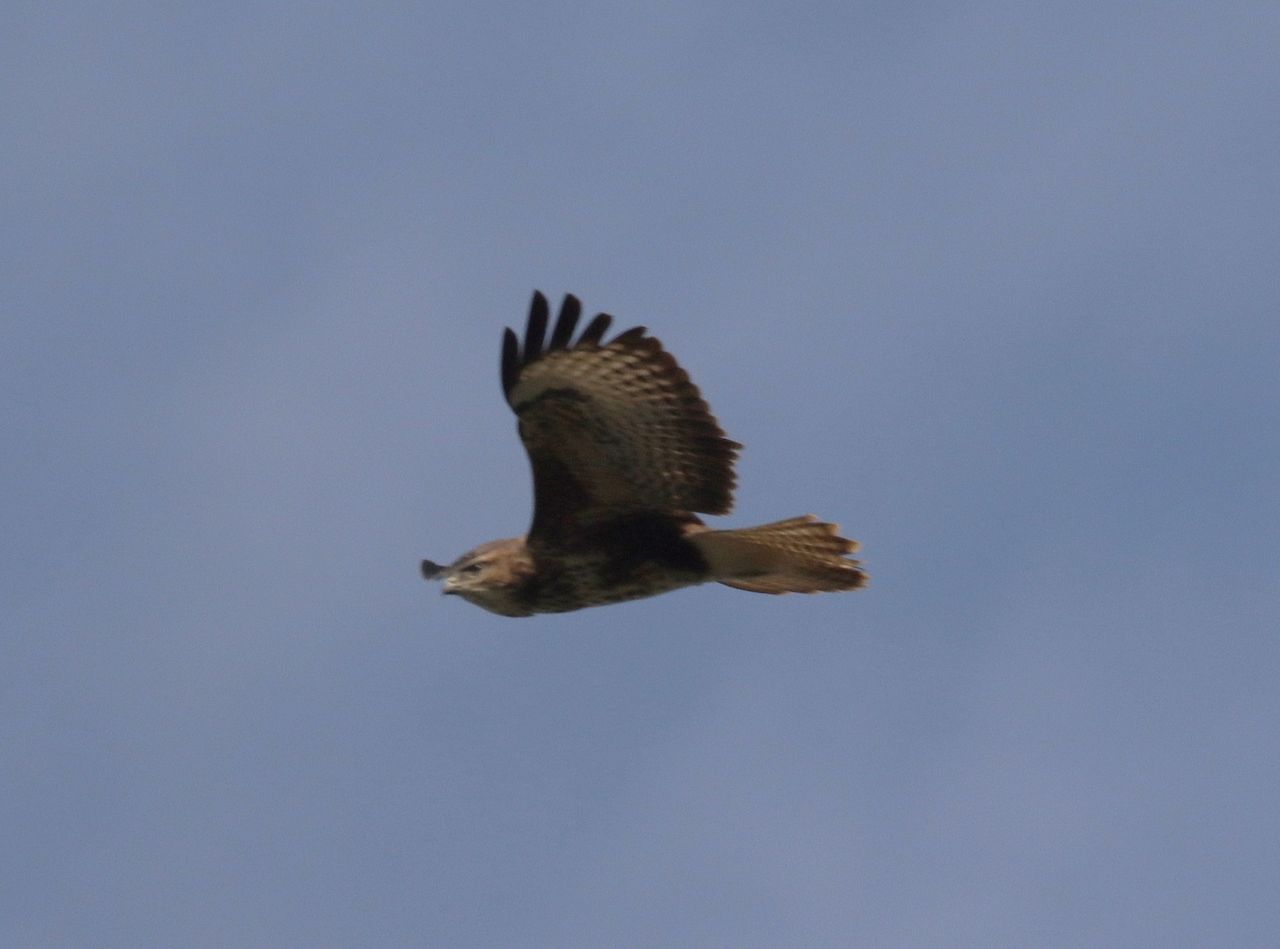
Common buzzard.
A common buzzard added to my photos.
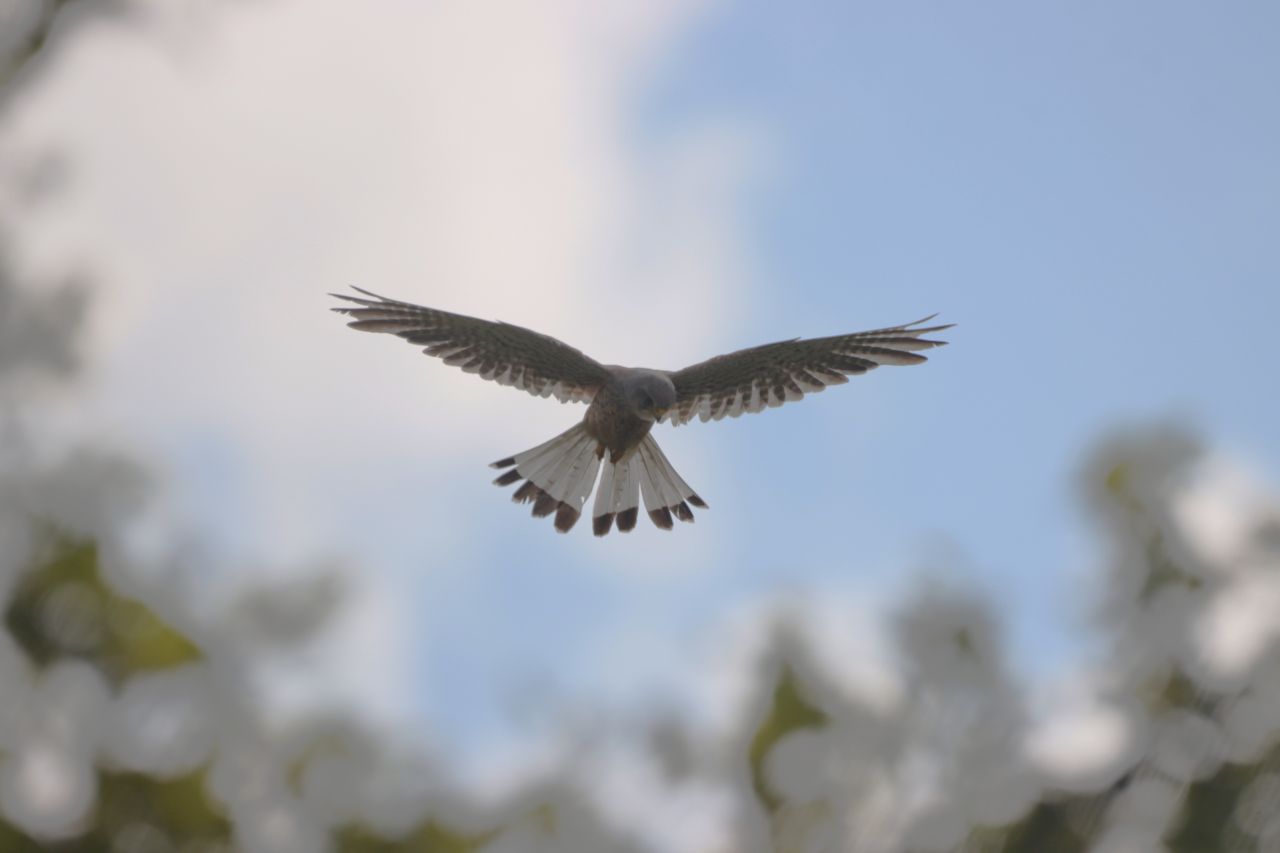
Kestrel.
And a kestrel also added to the day’s sightings while viewing from picnic tables at the southern end of the lake.
Fortunes took a reprieve, however, when reuniting in the company of Bob and Dougal on October 31.
A far rarer visiting shike than the great grey shrike I had recently ‘dipped’ on Thursley Common had made an appearance at Woods Mill Nature Reserve, at Henfield, West Sussex. https://sussexwildlifetrust.org.uk/visit/woods-mill
It was a first-winter, presumed Isabelline-Daurian shrike, a rare vagrant visitor to the UK from Central Asia. With it having already been reported there several days previous, we grabbed the opportunity while the weather was favourable.
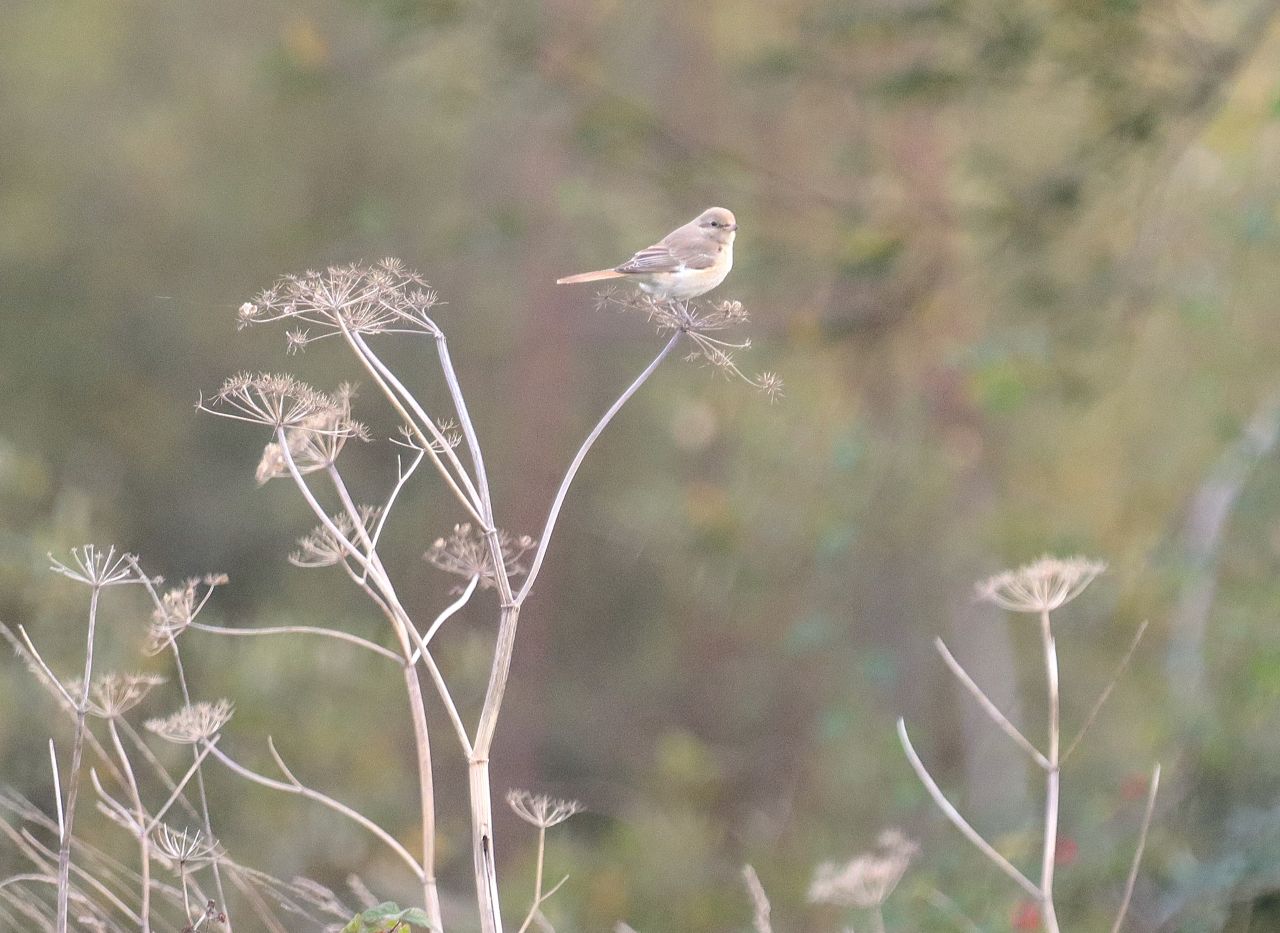
Isabelline-Daurian shrike.
Although at first sighted some distance away across a field, eventually it kindly flew across the field into a line of hedgerow closer to view.
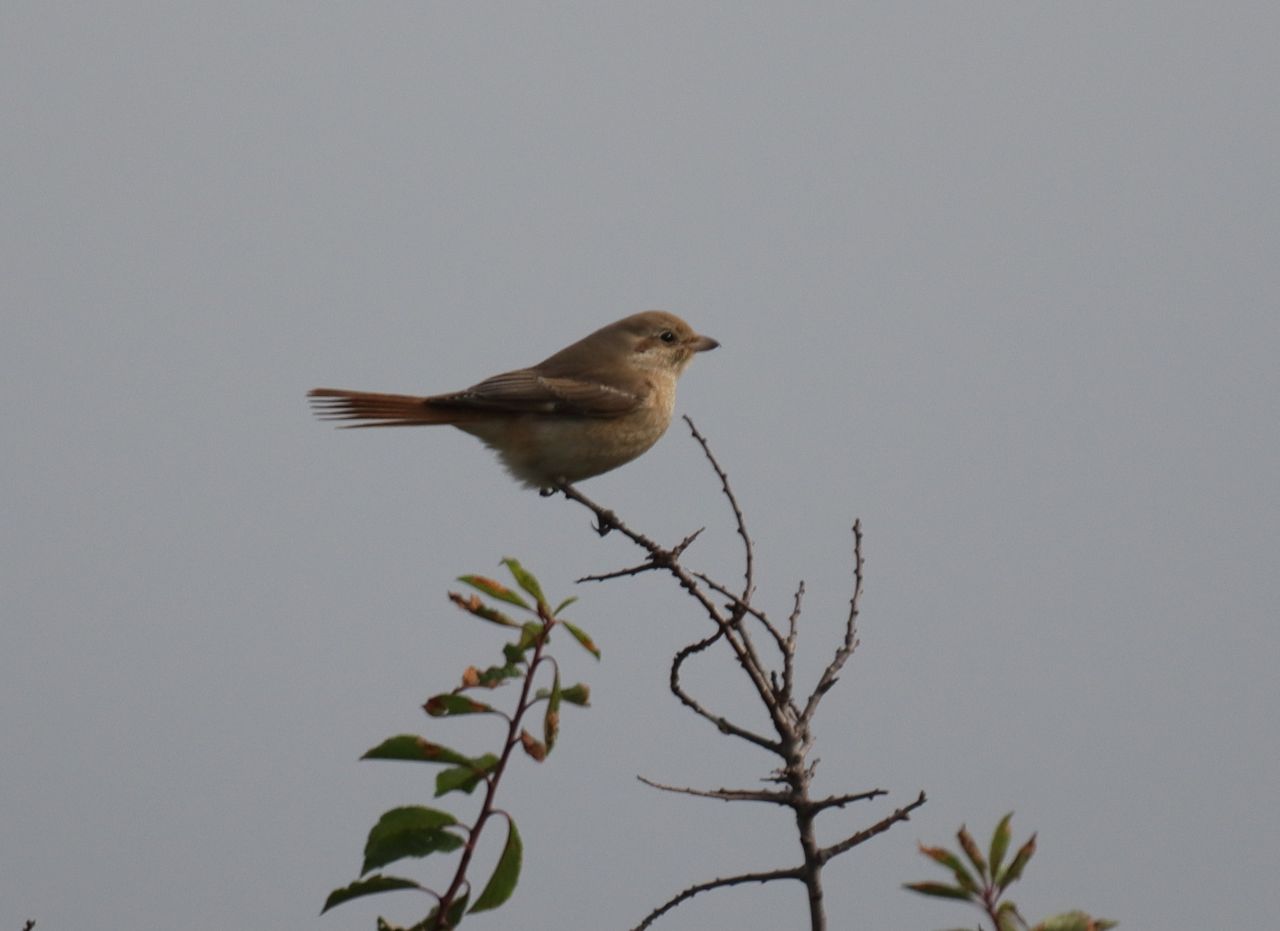
Isabelline-Daurian shrike.
The smaller size of these shrikes, compared to the thrush-sized great grey shrike, made it much less a concern for the goldfinches that perched up nearby.
The shrike’s only concern were the insects we watched it fly up to catch.
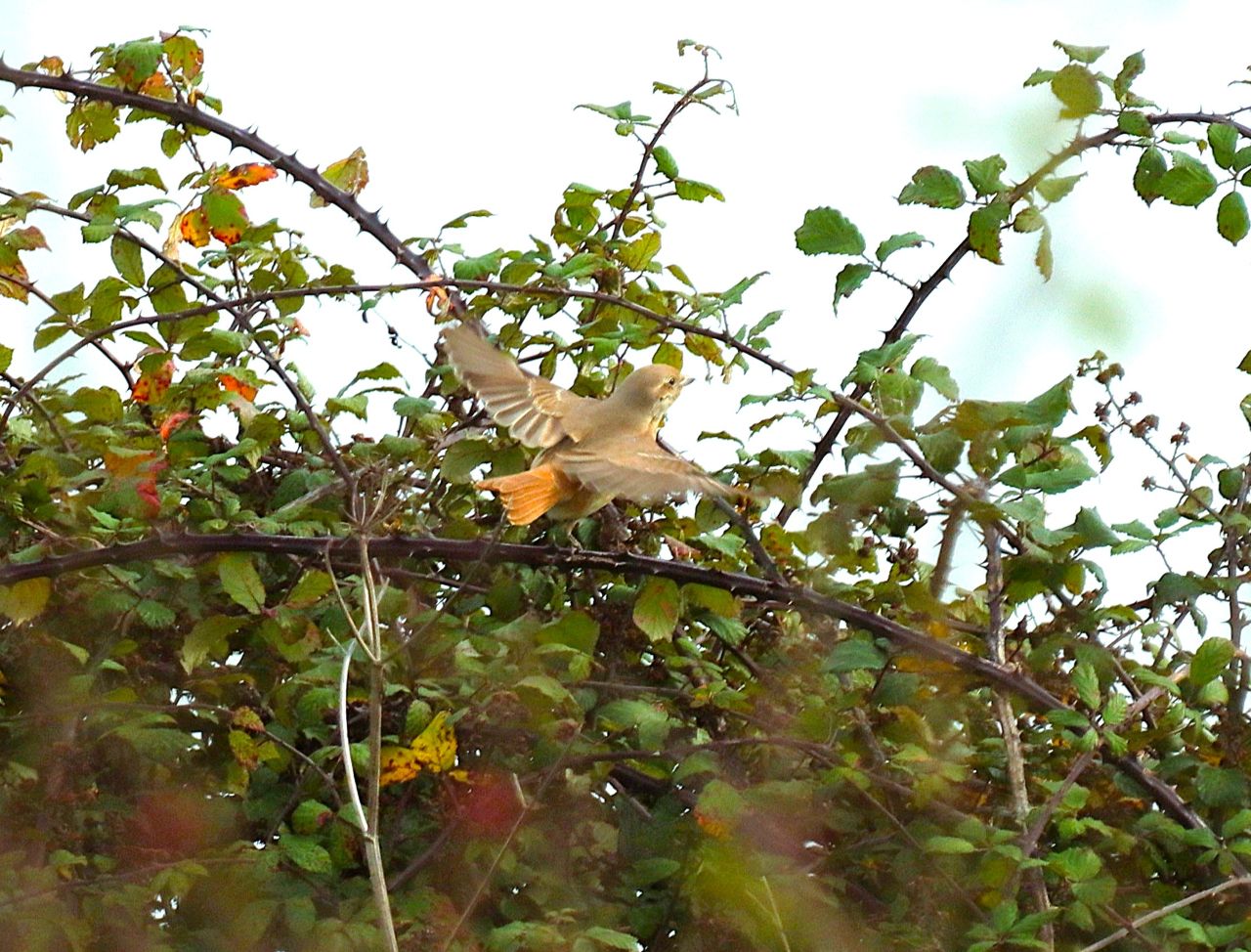
Isabelline-Daurian shrike.
The main difference is that the red-tailed shrike has a reddish-brown crown, a stronger white eyebrow, and a more contrasting black mask than the isabelline shrike.

Goldfinches with the Isabelline-Daurian shrike (right of picture).
The Isabelline shrike is generally paler with a grey-brown back and a sandy-coloured appearance.
Historically, these two were considered one species, and differentiating between them can be challenging, especially with juveniles like this one!
Share This Post



I'm living well for nothing at all! (See: No Trifling Matter: Magpie Trapped in Godalming Sainsbury’s)




Next stop, Debt Chasm! (See: We Should All Be Outraged About the Failure to Deal with Legacy Debt)





Recent Comments