- Stay Connected

Socialize


 Abraham Lincoln
If given the truth, the people can be depended upon to meet any national crisis...
Abraham Lincoln
If given the truth, the people can be depended upon to meet any national crisis...

 Guildford news...
for Guildford people, brought to you by Guildford reporters - Guildford's own news service
Guildford news...
for Guildford people, brought to you by Guildford reporters - Guildford's own news service
Birdwatcher’s Diary No.352
Published on: 3 Jul, 2026
Updated on: 3 Jul, 2026
By Malcolm Fincham
After a rather cool and inclement start to June weather conditions settled in southern regions of the UK.
A high pressure system thrust up from the southern Europe forming what is known as an Omega block – a ridge of high pressure sandwiched between two low pressure systems either side. Thereby increasing temperatures over the British Isles to the mid-30s Celsius as we moved into the last week of June.
On June 20, just before the heatwave had arrived, I was invited by Dougal to visit RSPB Conwy, in North Wales, following up on reports of a Western reef heron had relocated there.
It was a first for the UK and had already been viewed a few weeks earlier by most of the top UK ‘s ‘life Listers’. This was when it first made an appearance further down the coast while Dougal was away on holiday in France.
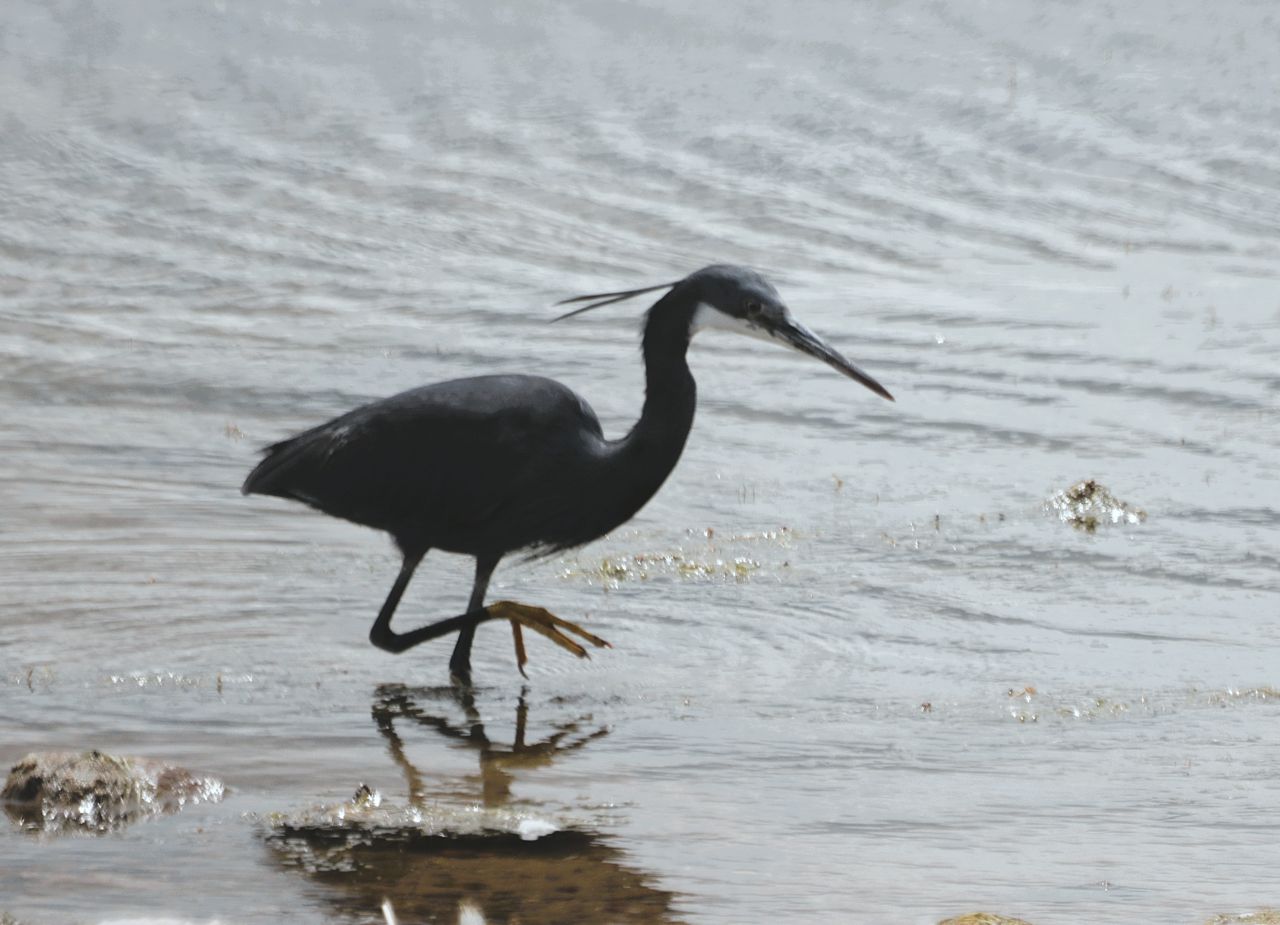
Western reef heron, Conwy, North Wales.
The reef heron, having gone missing for several days by the time of Dougal’s return, was re-found in Conwy, inspiring us on our attempts to view it.
As luck had it, our venture was a fruitful one, locating it from one of the hides within minutes of parking the car at the reserve.
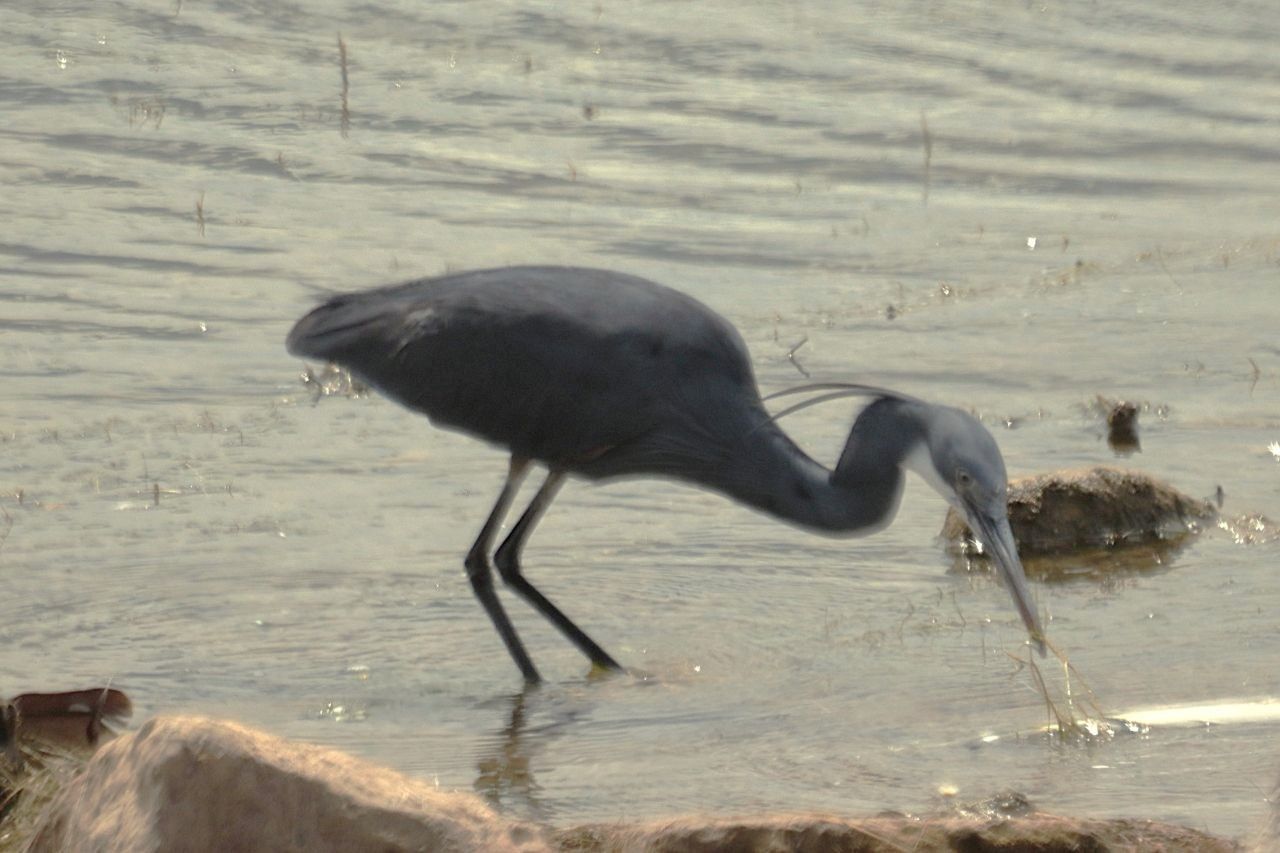 The timing couldn’t have been better for us, as later that day it went missing again and wasn’t relocated until several days later in South Wales!
These birds have two plumage colour forms. There are all-white morph types that look very similar to a little egret, while these dark grey morph ones are much easily distinguished.
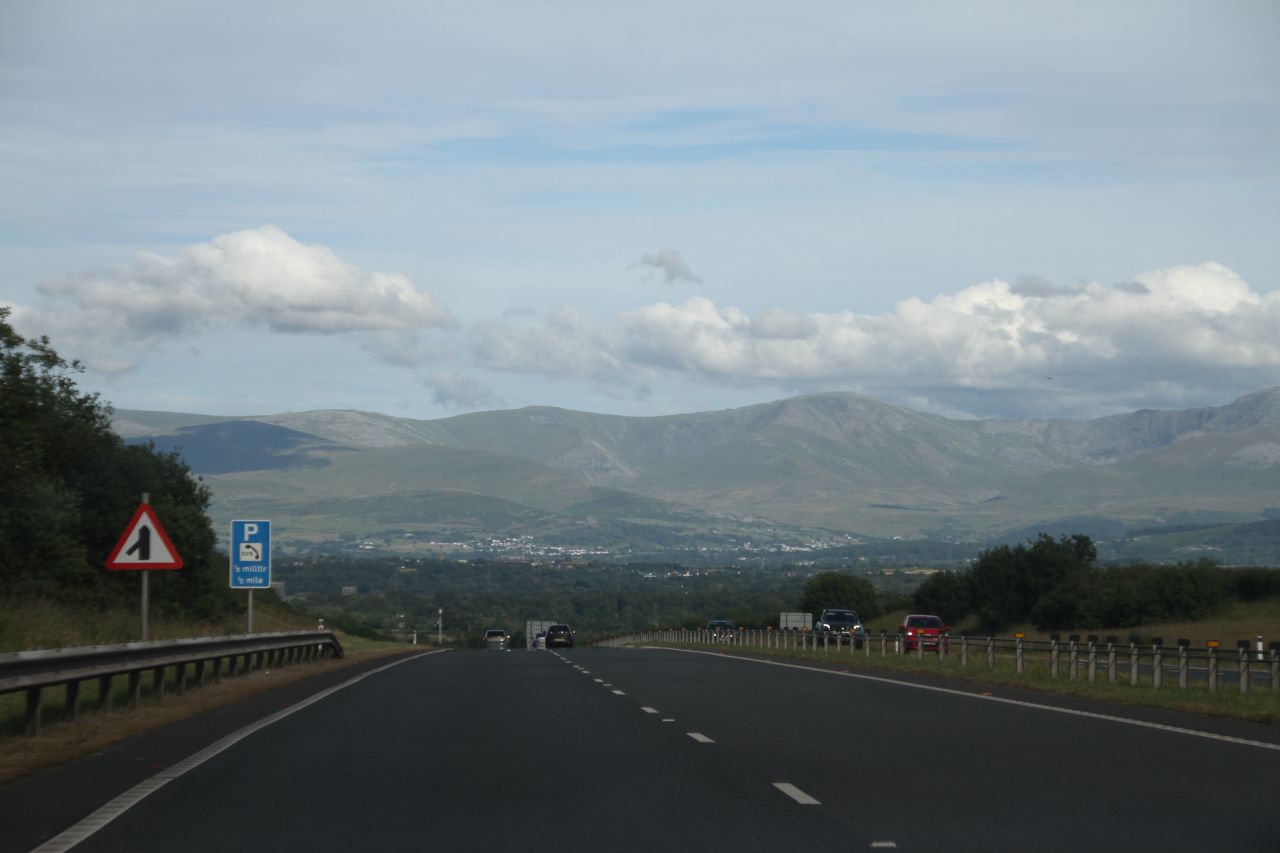
Mountainous regions of North Wales.
Having seen the reef heron so soon on our arrival, it gave us the opportunity to travel further along the North Wales Express-way (A55), onto Anglesey.
This was my first visit to the South Stack Nature Reserve, where rolling heathland and farmland meet rugged and rocky sea cliffs.

Guillemots and razorbills at South Stack, Angelsey.
And allowing us to view the thousands of guillemots and razorbills that breed on the cliffs there.
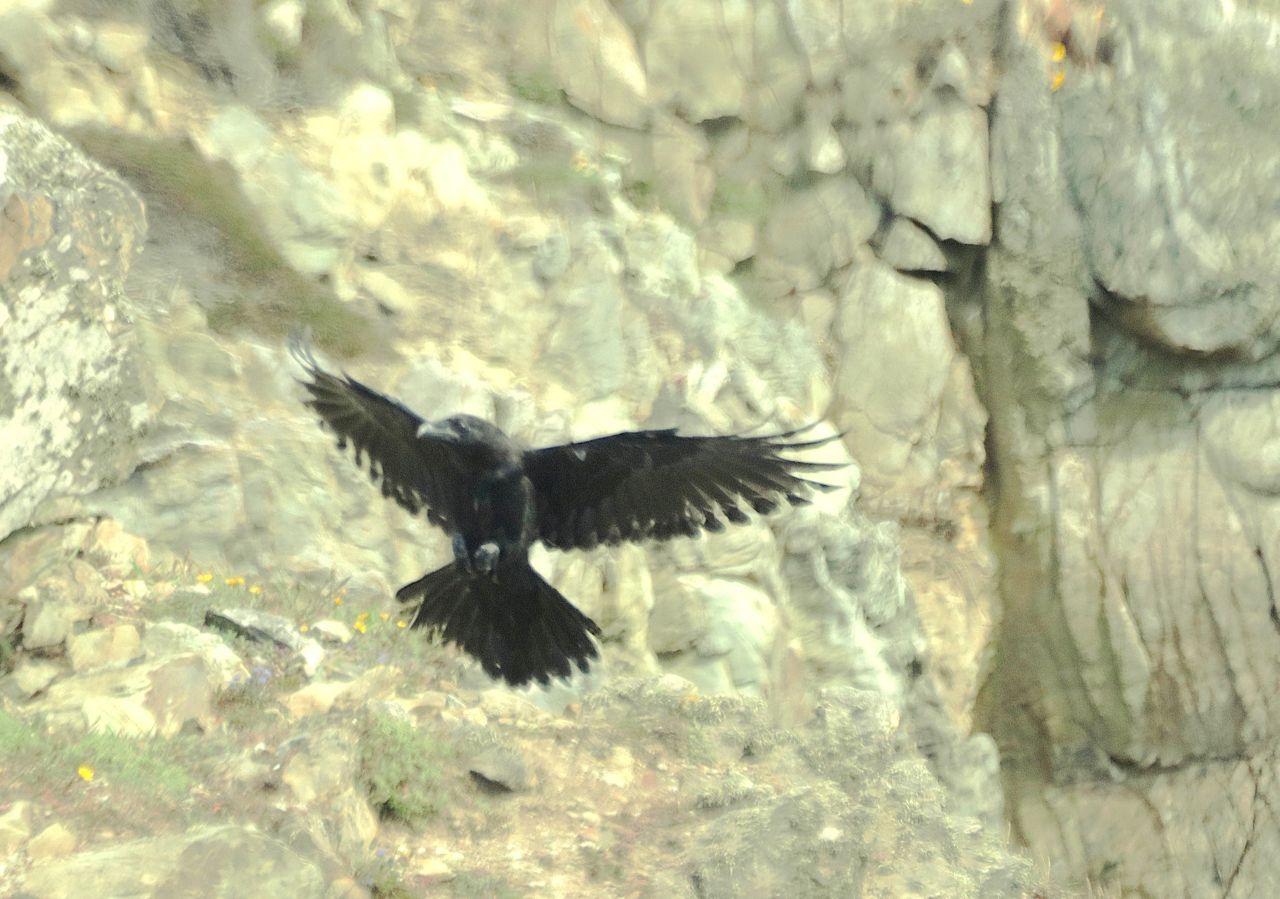
Raven at South Stack.
Also viewed while there was a raven ‘cronking’ as it flew about the cliff face.
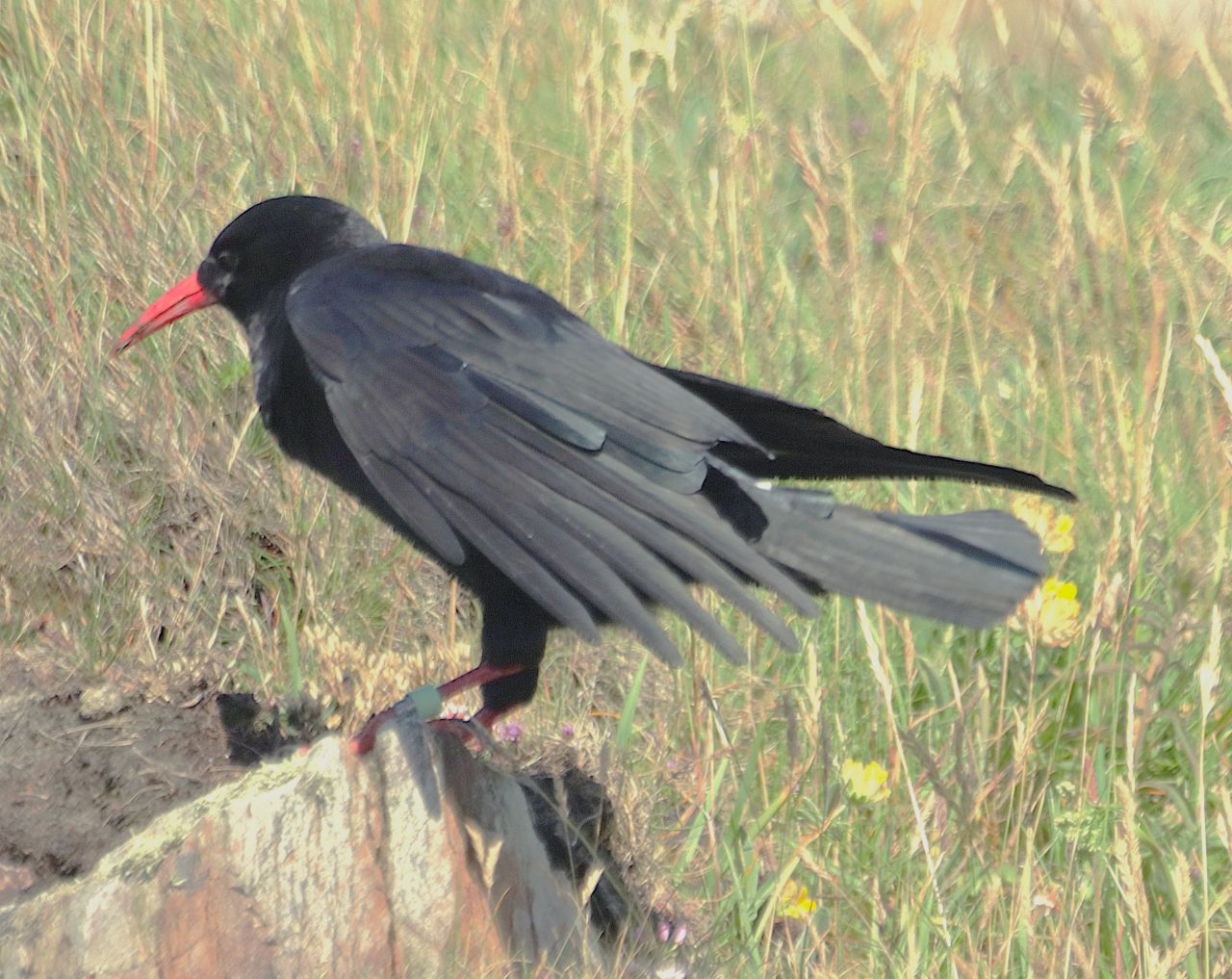
Chough, on South Stack.
It also allowed me close-up photos of some of the choughs that reside there.
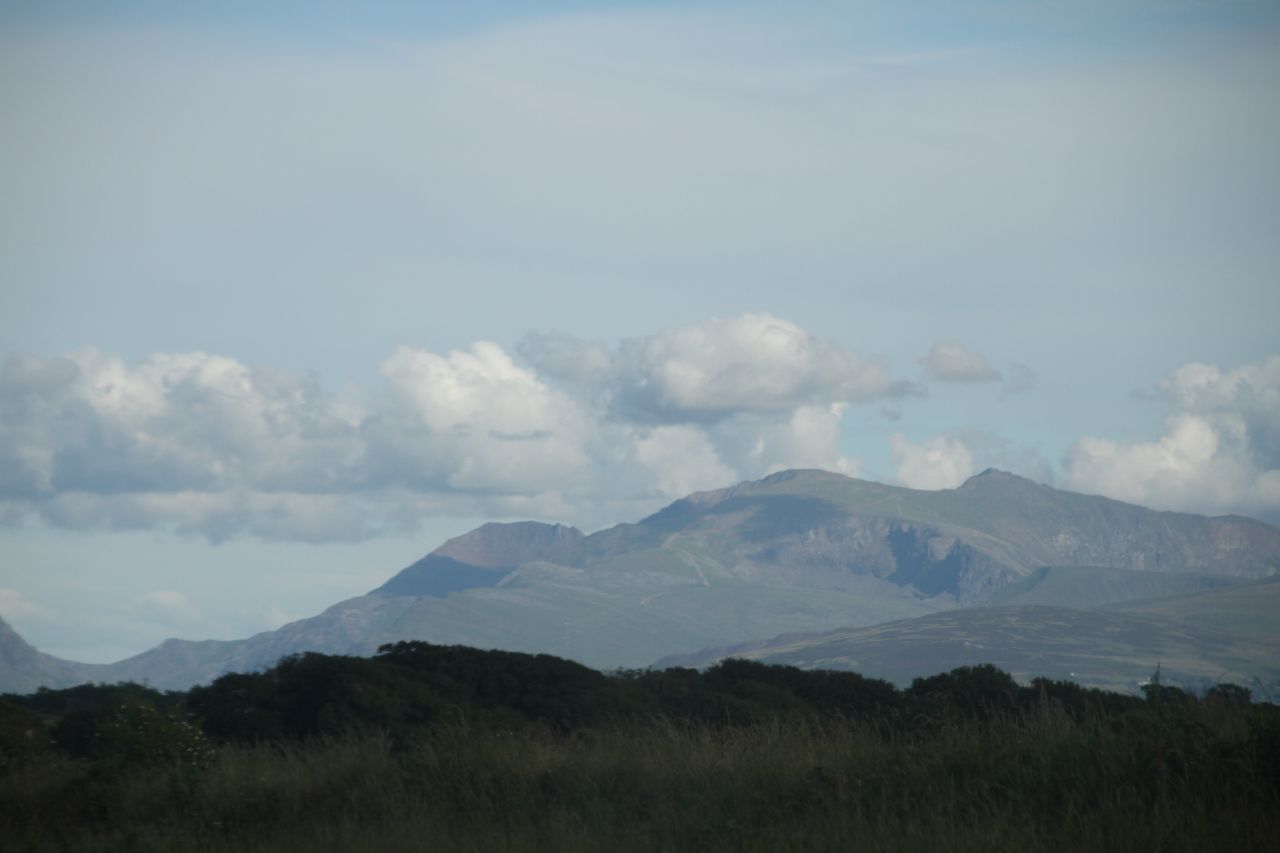
Scenic views in North Wales.
As well as scintillating views of the scenery.
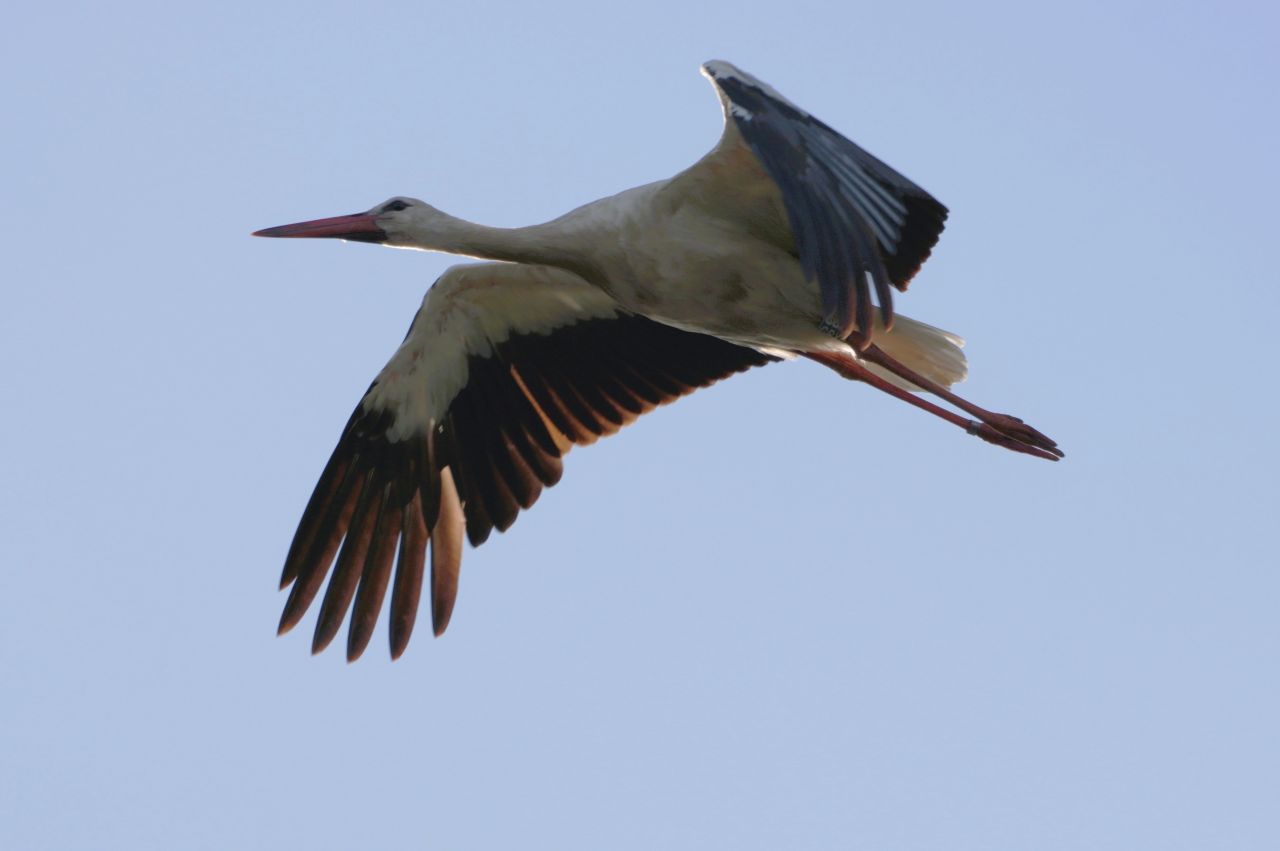
White stork in flight.
Back in Guildford, the continued presence of white storks at Slyfield and adjacent areas continued to be high on the topic of discussion with local birdwatchers.
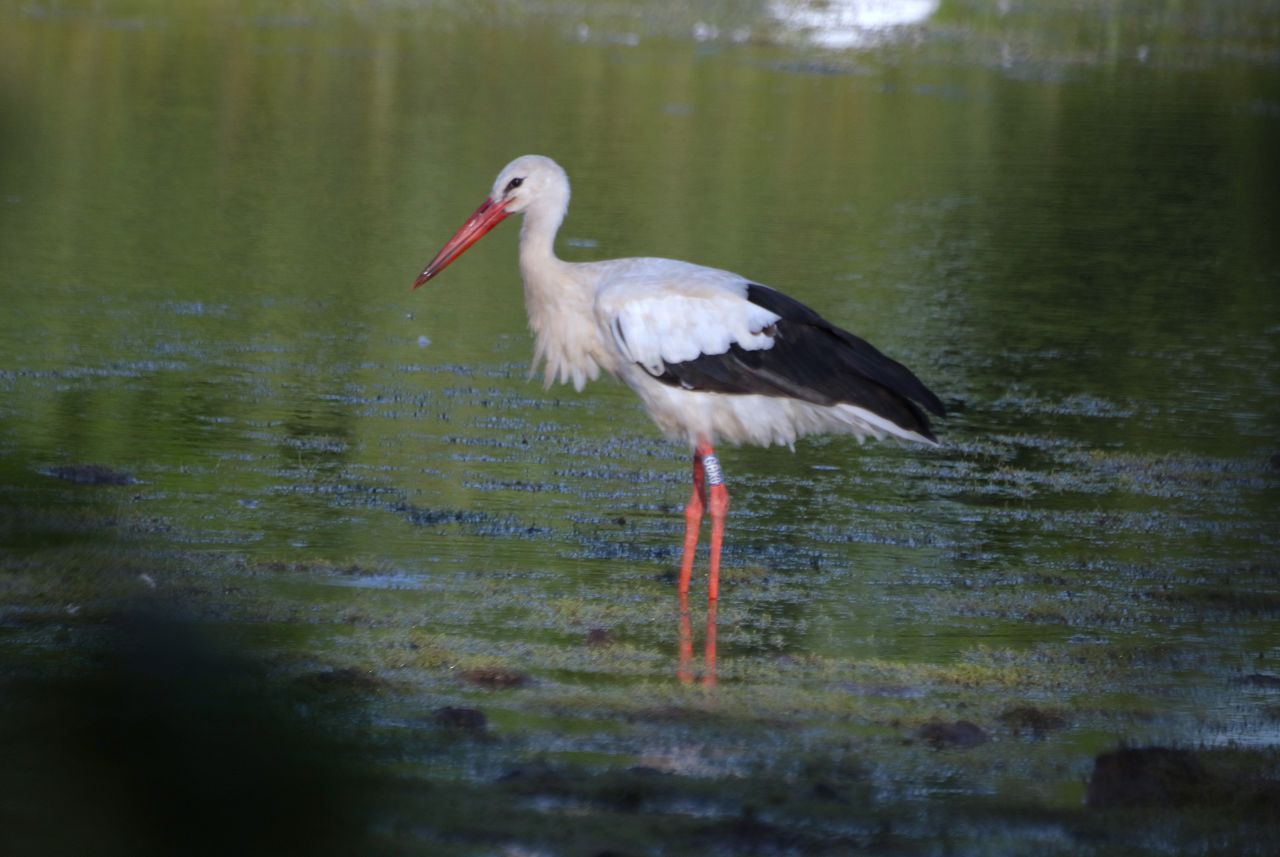
White stork on scrape viewed from the towpath near Stoke Lock.
A visit to the Riverside Nature Reserve, near Burpham continued to see one occasionally feeding in the scrape, viewed from the towpath by Stoke Lock.

Little egret with white stork on the scrape by the towpath near Stoke Lock.
While several little egrets continued to be viewed feeding alongside it.
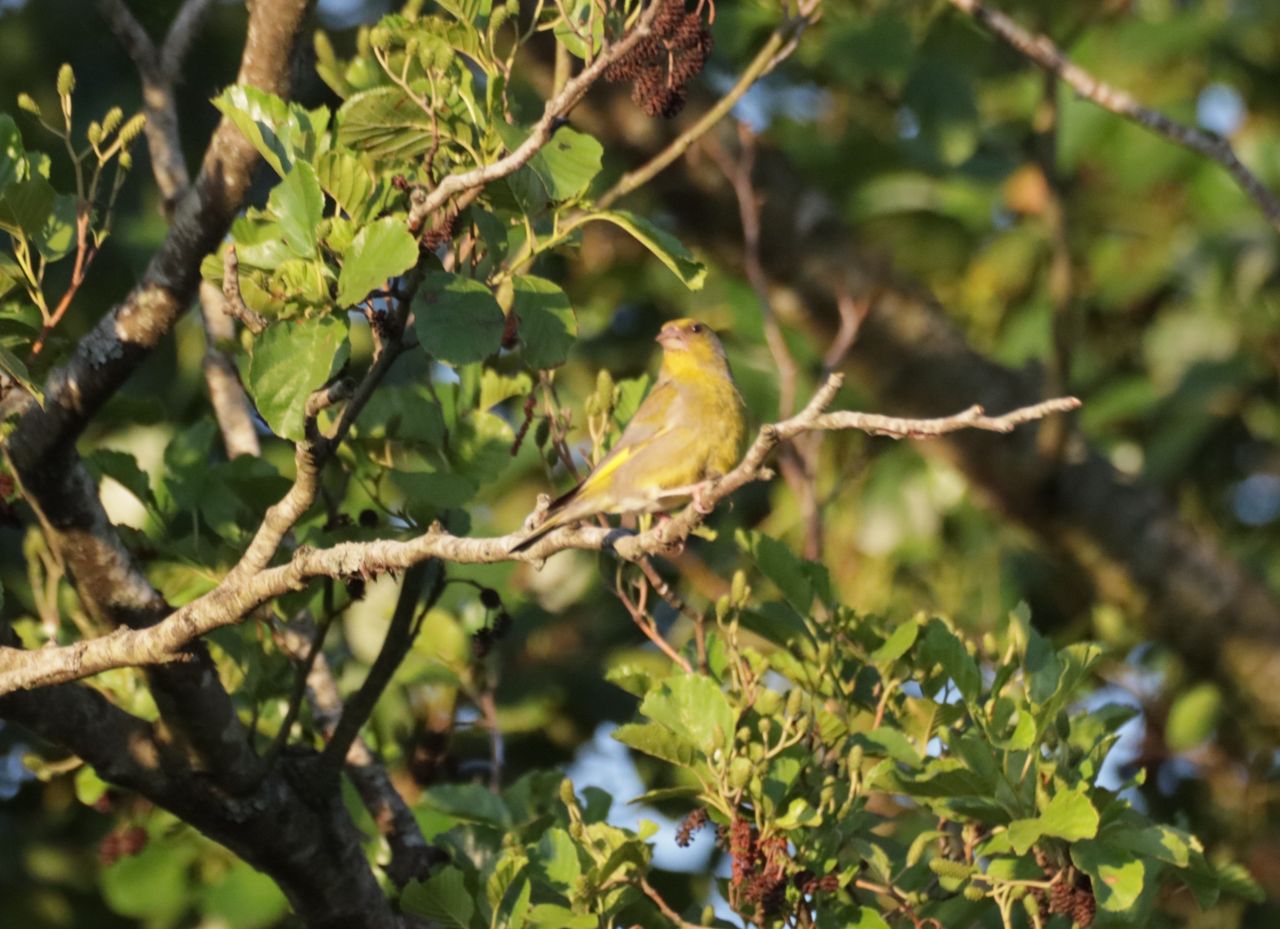
Greenfinch,Riverside Nature Reserve.
The sightings of greenfinches in reasonable numbers was good to see.
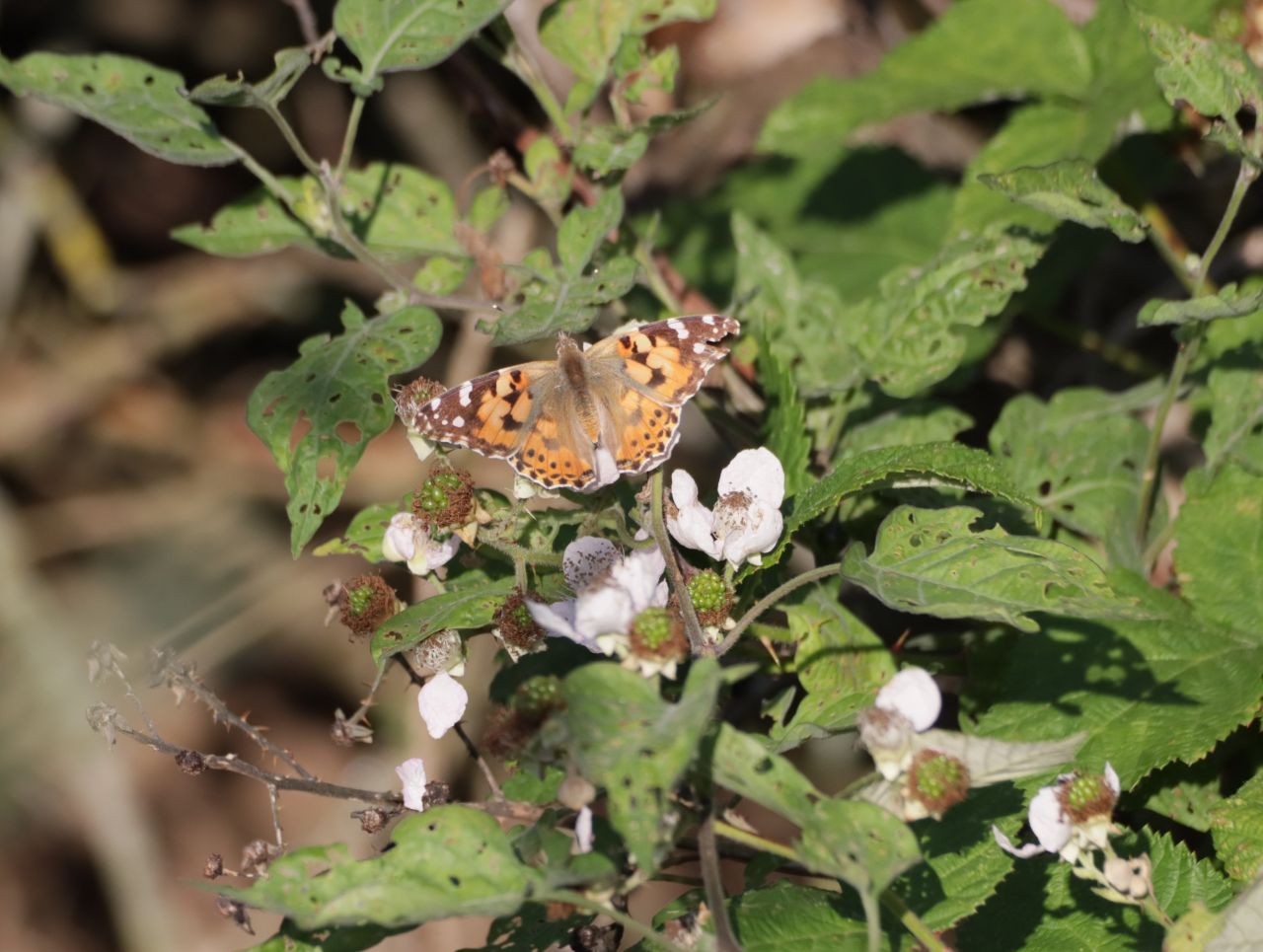
Painted lady butterfly, Riverside Nature Reserve.
While the recent large influx of painted lady butterflies continued to be noted.
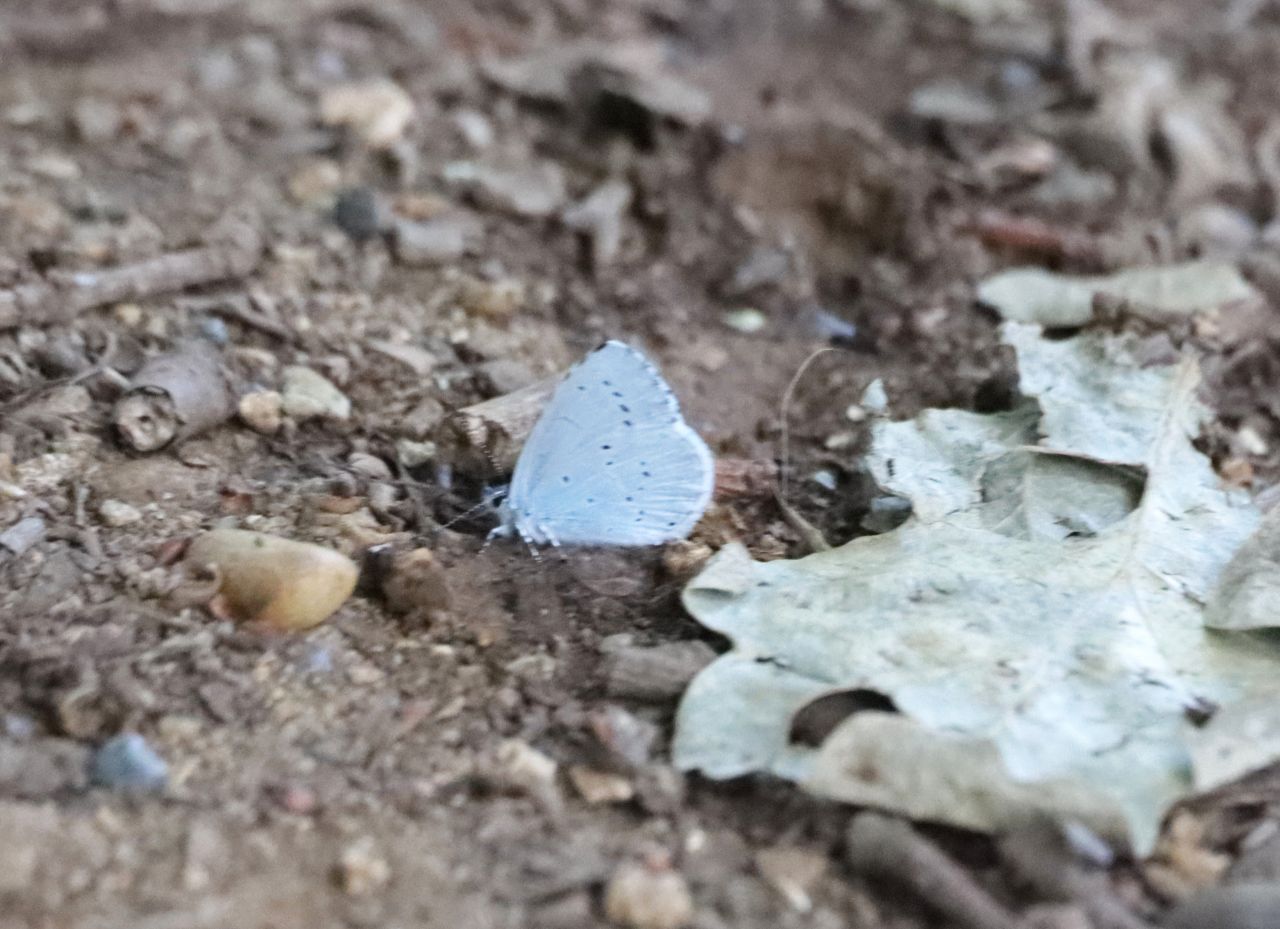
Holly blue butterfly, Britten’s Pond.
And the first of a second brood of holly blue butterflies starting to emerge.
By June 22 the mini heatwave had arrived as daytime temperature rose into the low to mid 30s Celsius.
The highlights of my visits to Whitmoor Common included a delightful first to this year’s butterfly sightings.
In the old horse field I was and surprised to find a clouded yellow butterfly, working its way across the field and occasionally nectaring on the yellow flowers of the common bird’s-foot-trefoil.
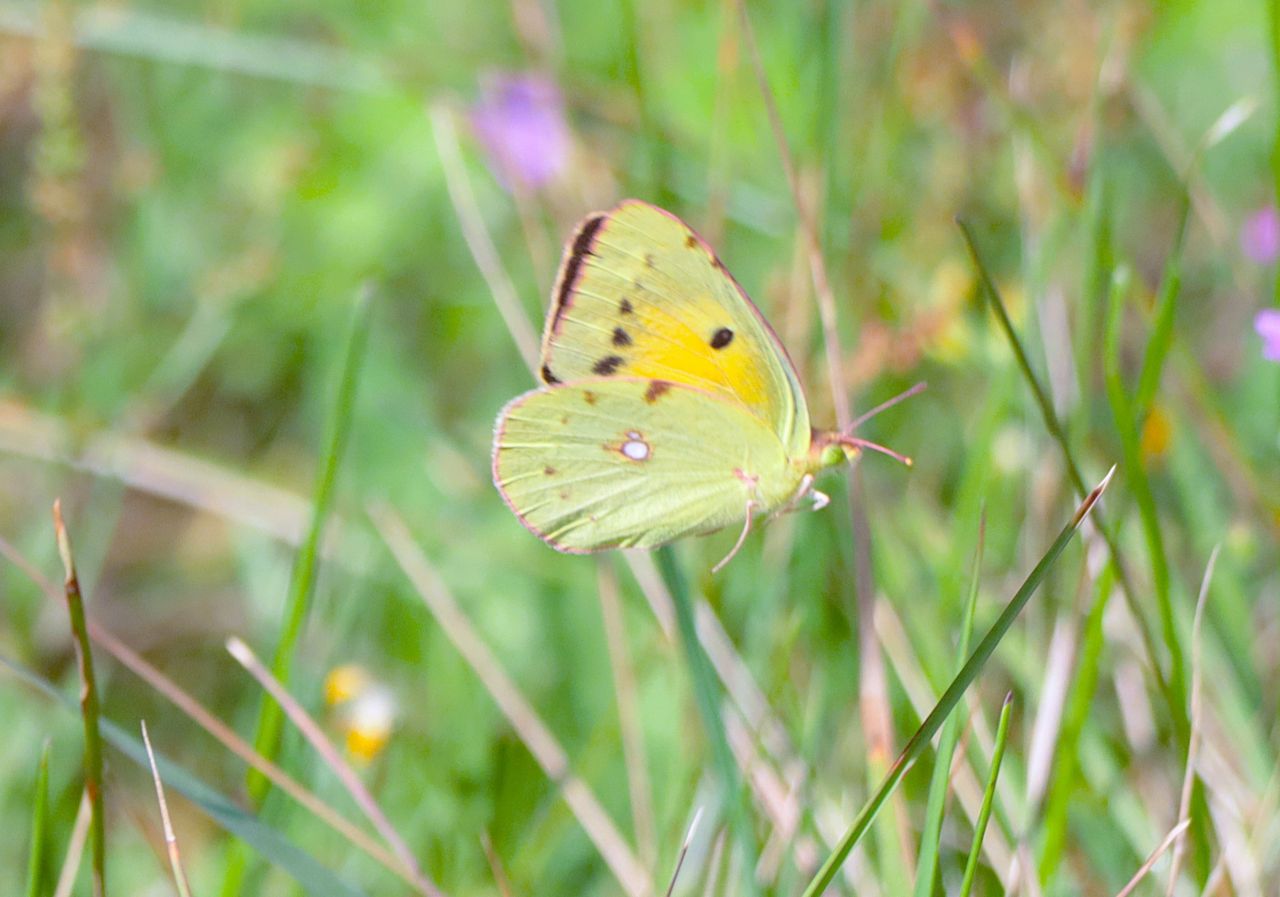
Clouded yellow, Whitmoor Common.
This being only the second time I recall seeing clouded yellows in the area of Whitmoor and the first I have managed to photograph there.
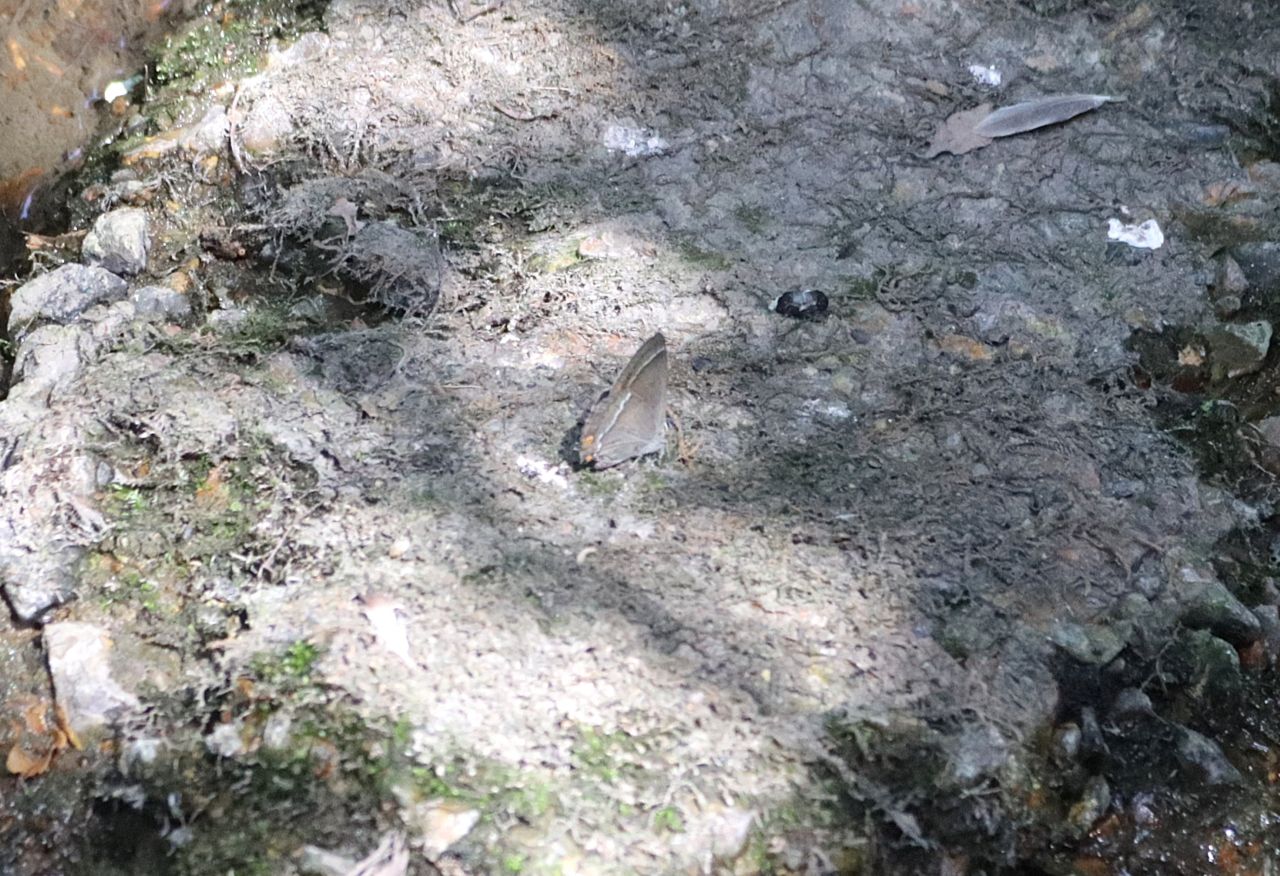
Purple hairstreak, Britten’s Pond.
Later that afternoon at Britten’s Pond, I added my first purple hairsteak butterflies to this year’s sightings. And even photographing one that had settled to take in the moisture of the now almost dried up outlet stream.
As daytime temperatures began cool to a more respectable mid- 20s Celsius by June 27, many of the summer butterflies were already on the wing.
Botany Bay, Chiddingfold Forest.
I counted at least 17 species on my visit to Botany Bay at Chiddingfold Forest in the company of Bob and Dougal, including several new ones that were now starting to emerge.
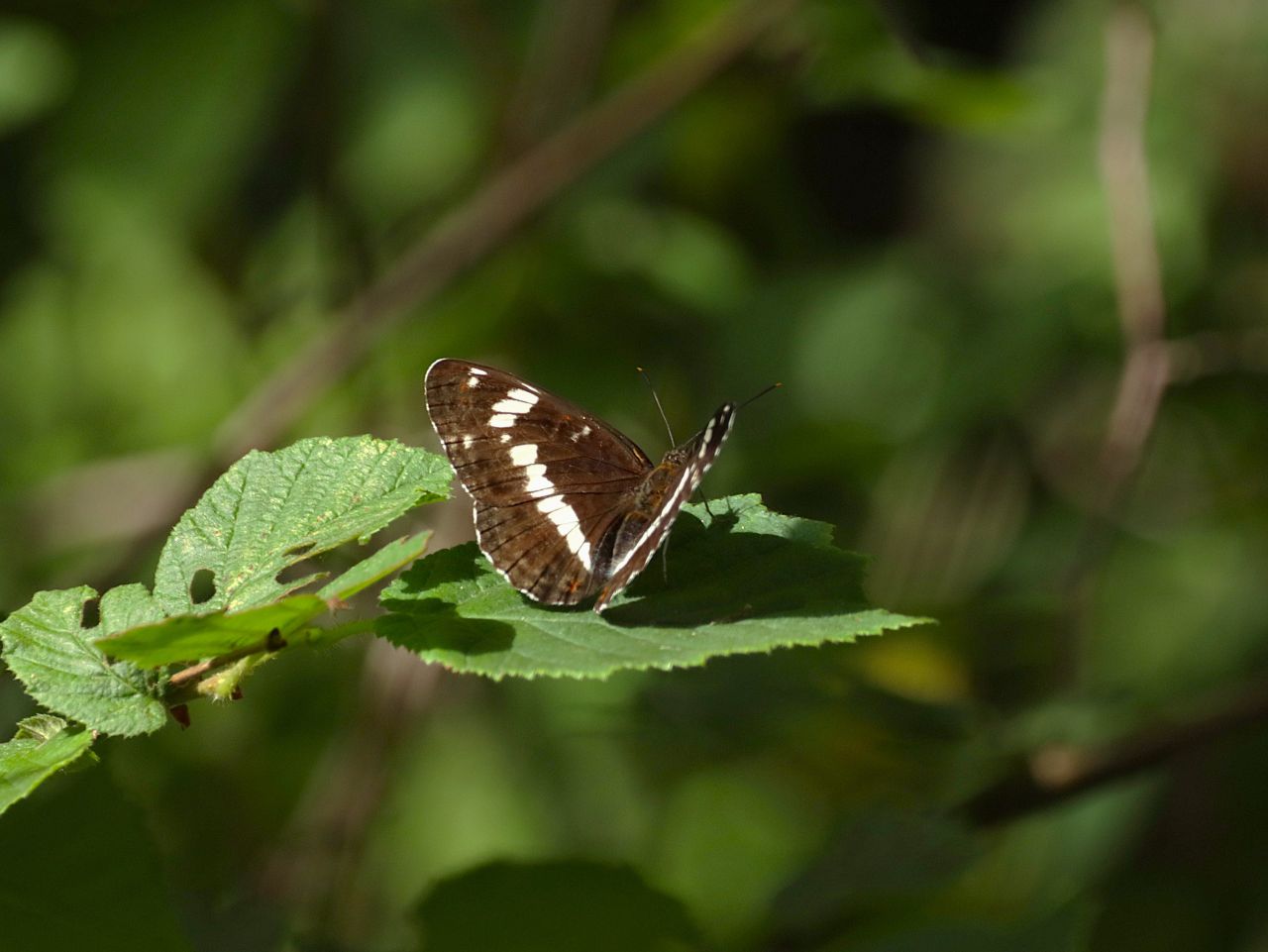
White admiral butterfly, Chiddingfold Forest.
These included white admiral butterflies.

Silver-washed fritillary butterfly, Chiddingfold Forest.
Numerous silver-washed fritillary butterflies.
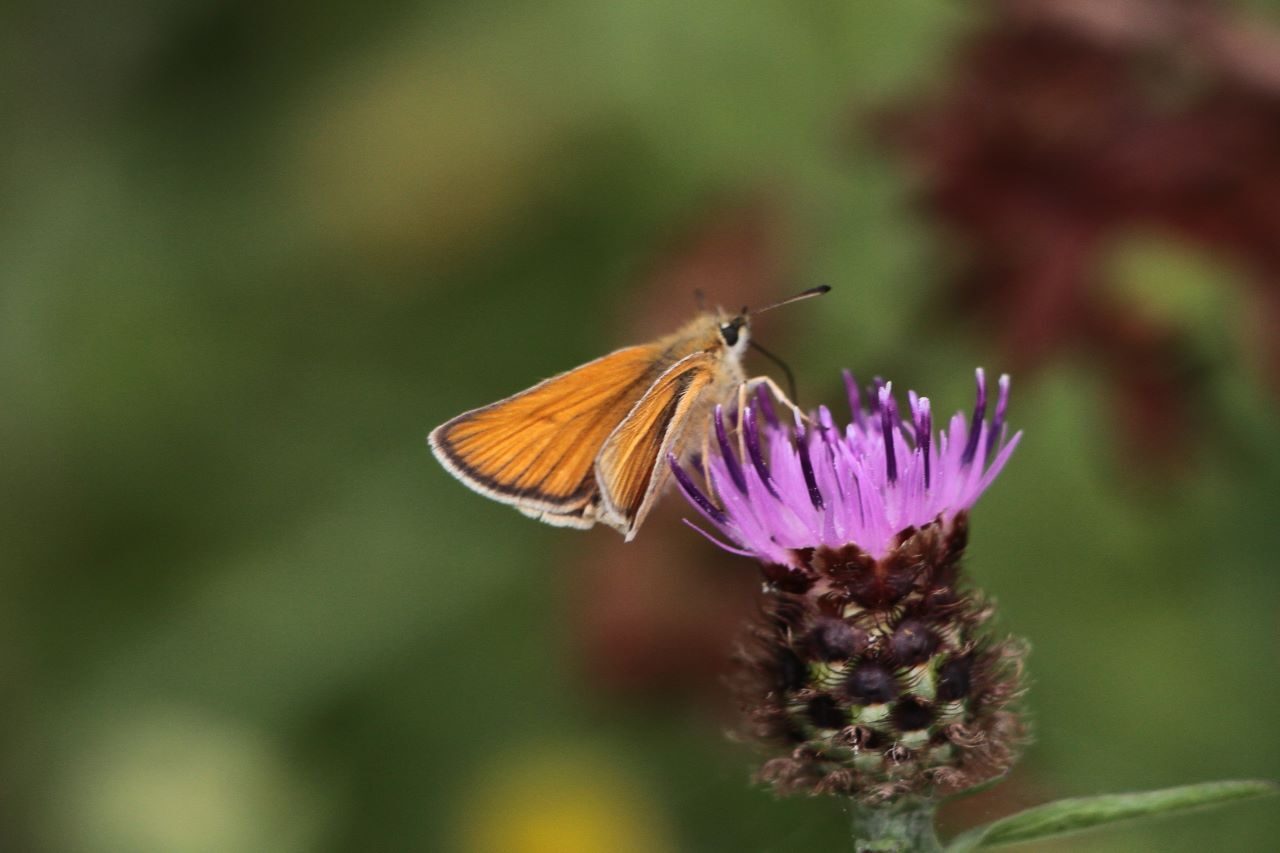
Essex skipper butterfly, Chiddingfold Forest.
Picking out a few Essex skipper butterflies among a good amount of small skippers.
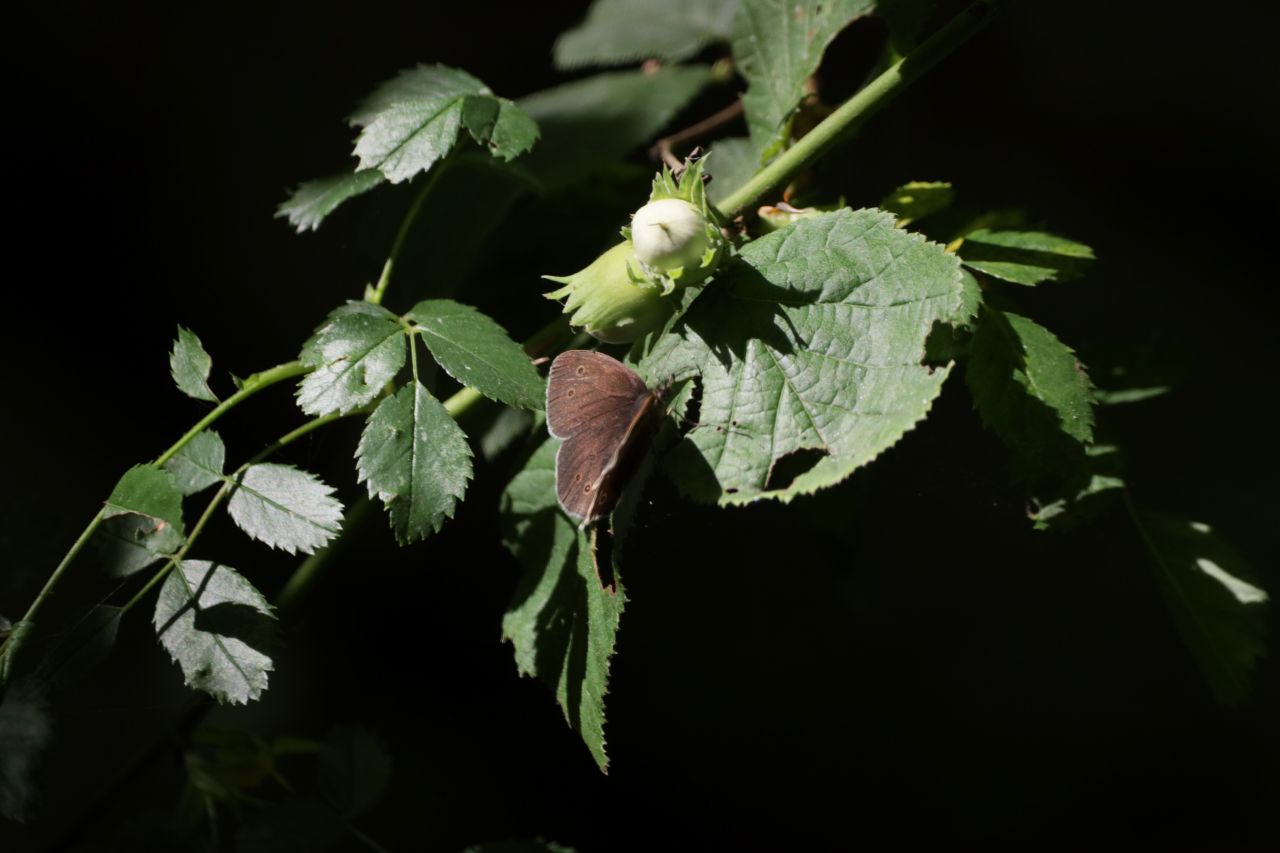
Rilnglet butterfly, Chiddingfold Forest.
Ringlet butterflies now on the wing for the first time this year.
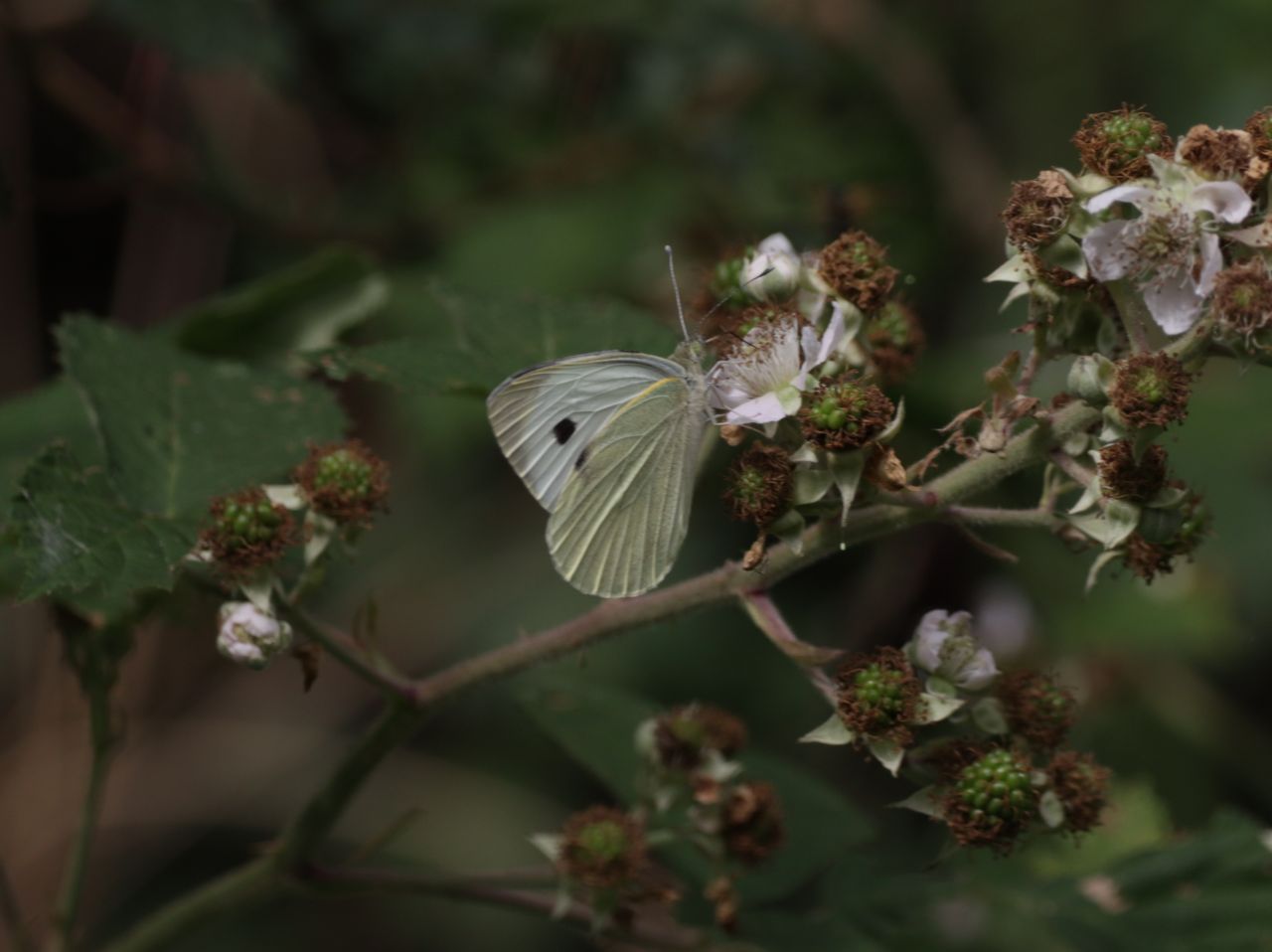
Large white butterfly, Chiddingfold Forest.
Also adding my first photo of a large white butterfly this year.
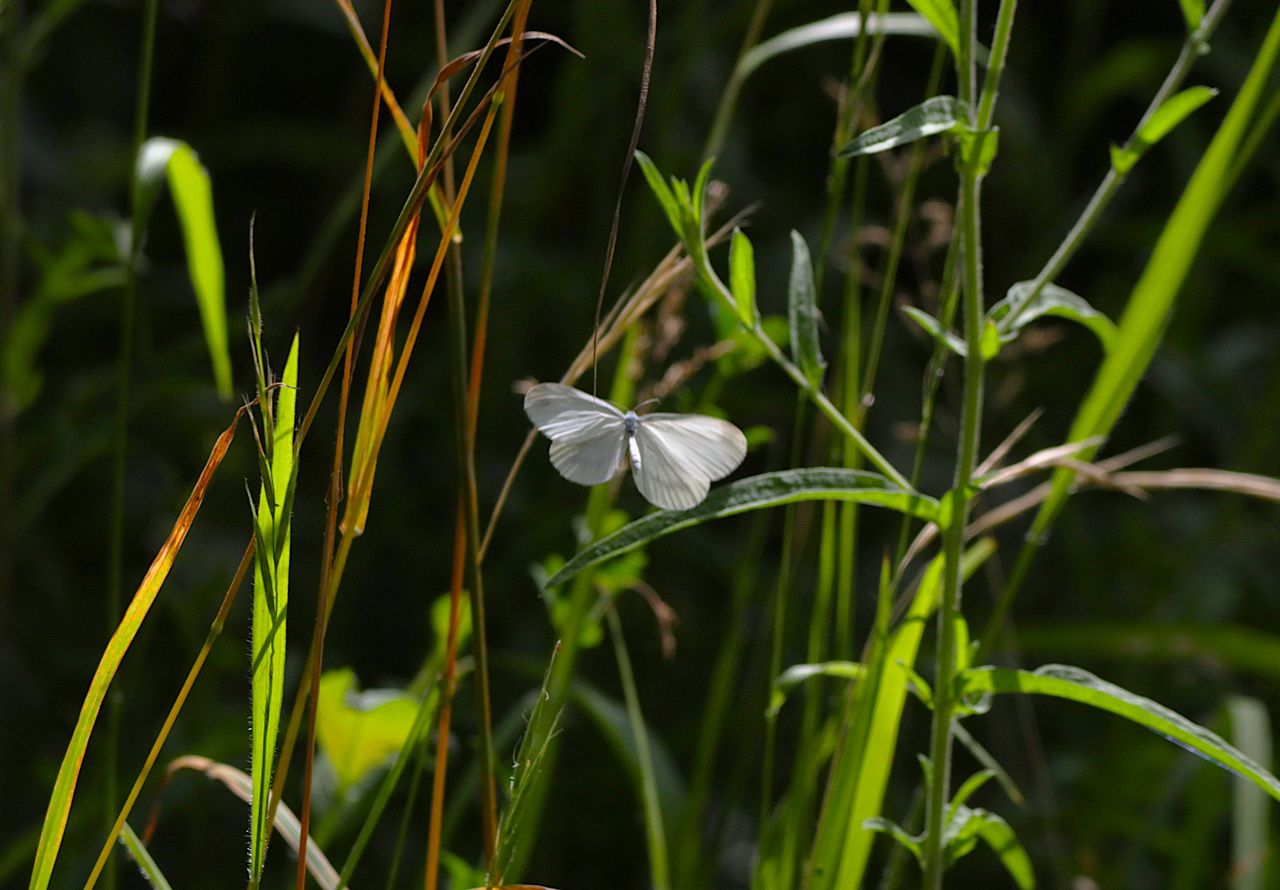
Wood white butterfly, Chiddingfold Forest.
A few wood white butterflies, seen on our previous visit could still be viewed, some still mating.
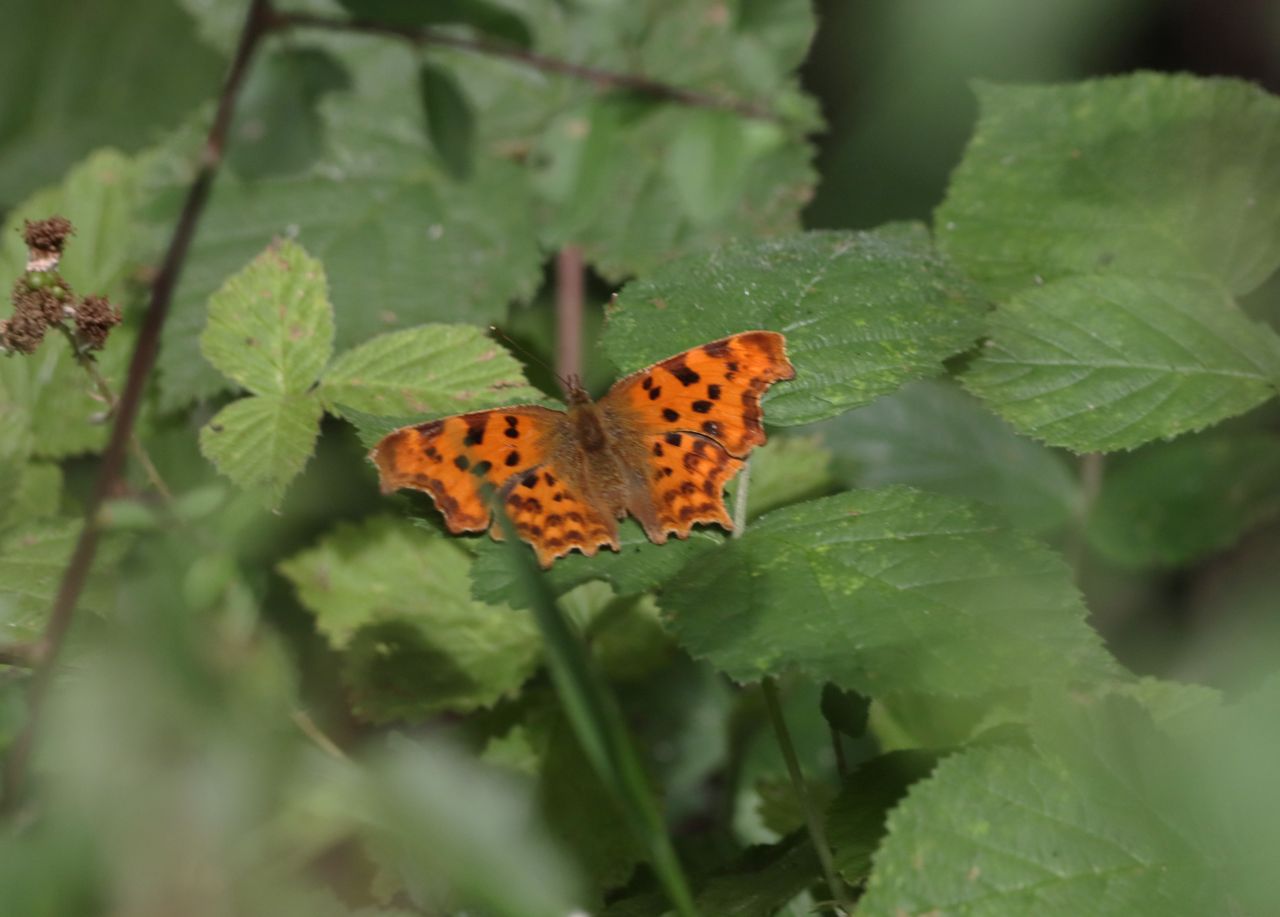
Comma butterfly, Chiddingfold Forest.
Adding to the day-list a comma butterfly.
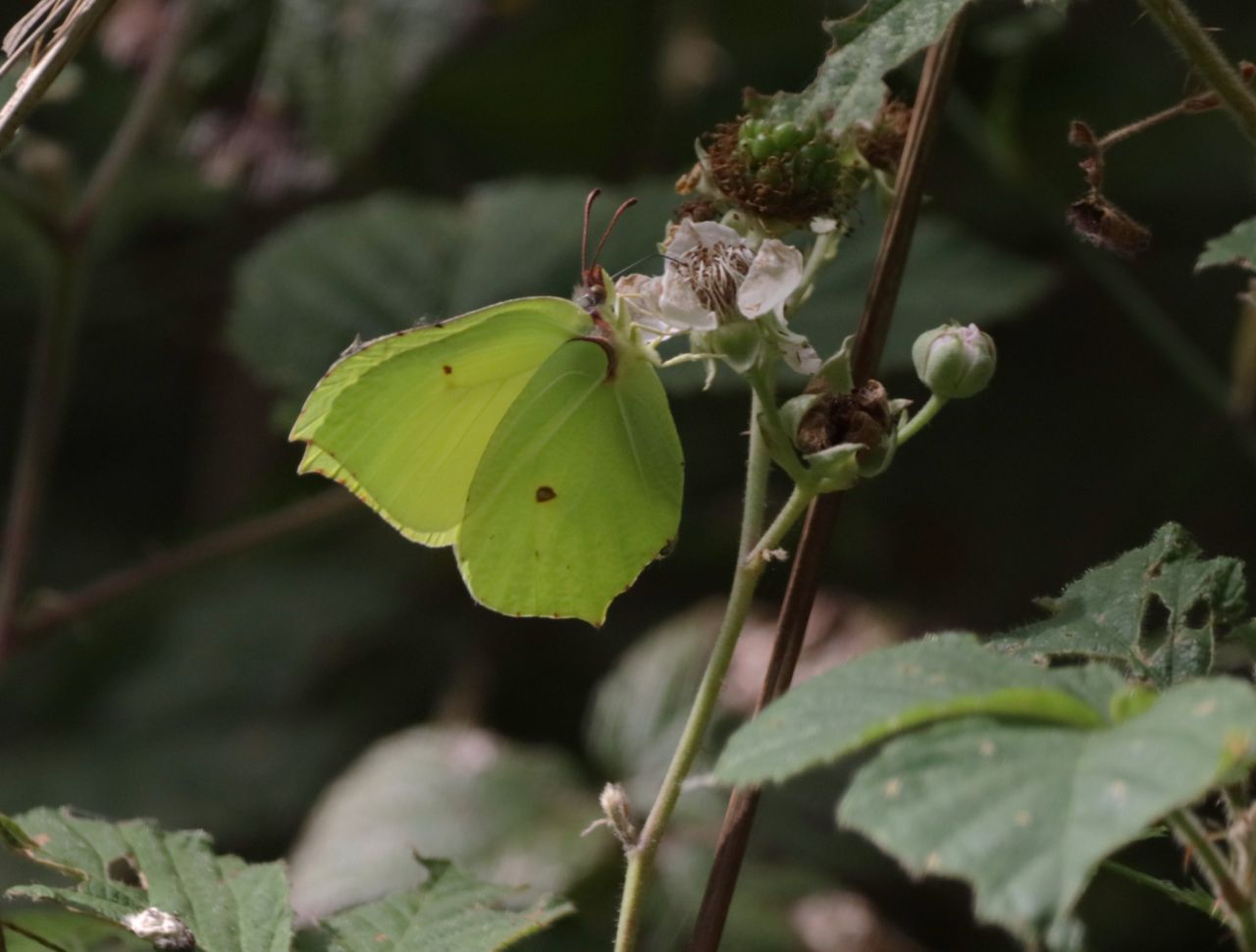
Brimstone butterfly, Chiddingfold Forest.
And several brimstone butterflies.
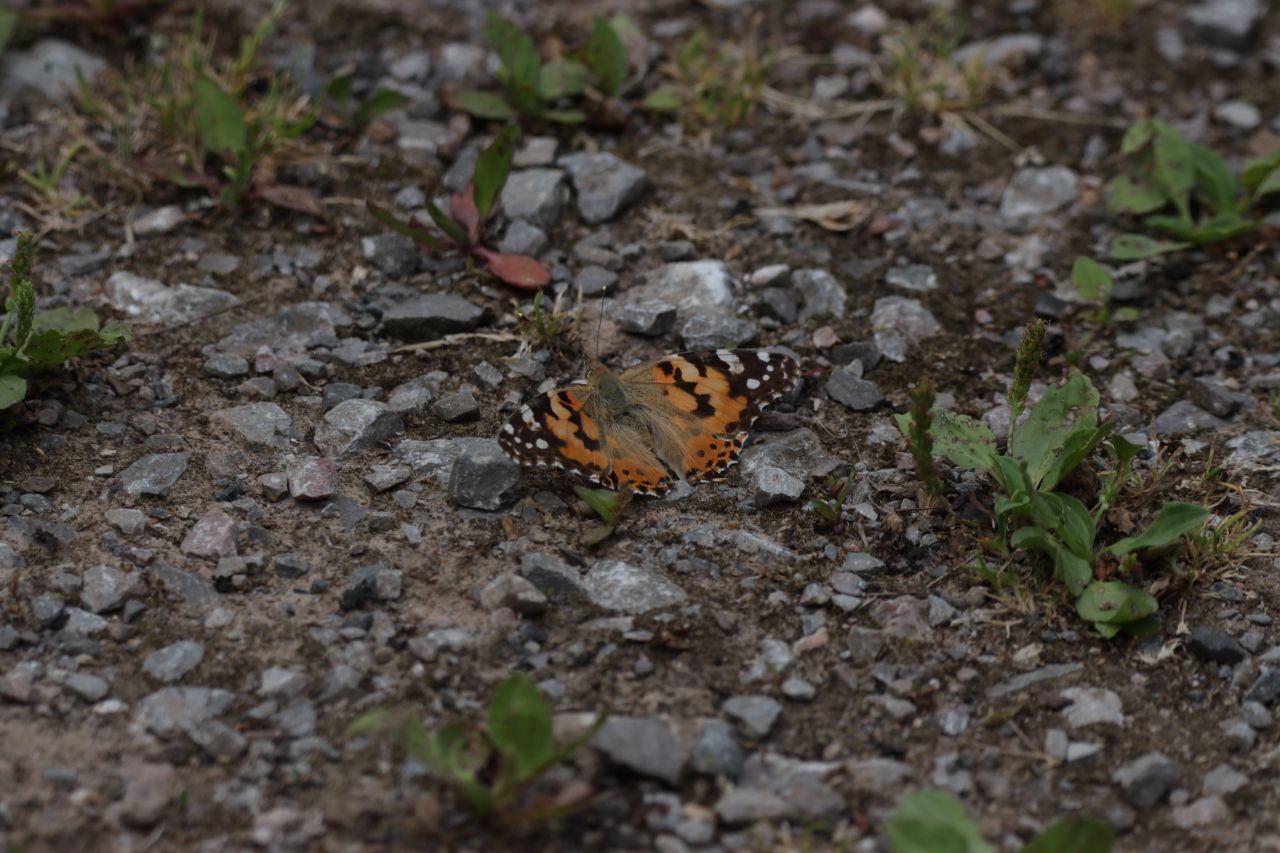
Painted lady butterfly, Chiddingfold Forest.
At least three painted lady butterflies also be noted on our walk along the forest track.
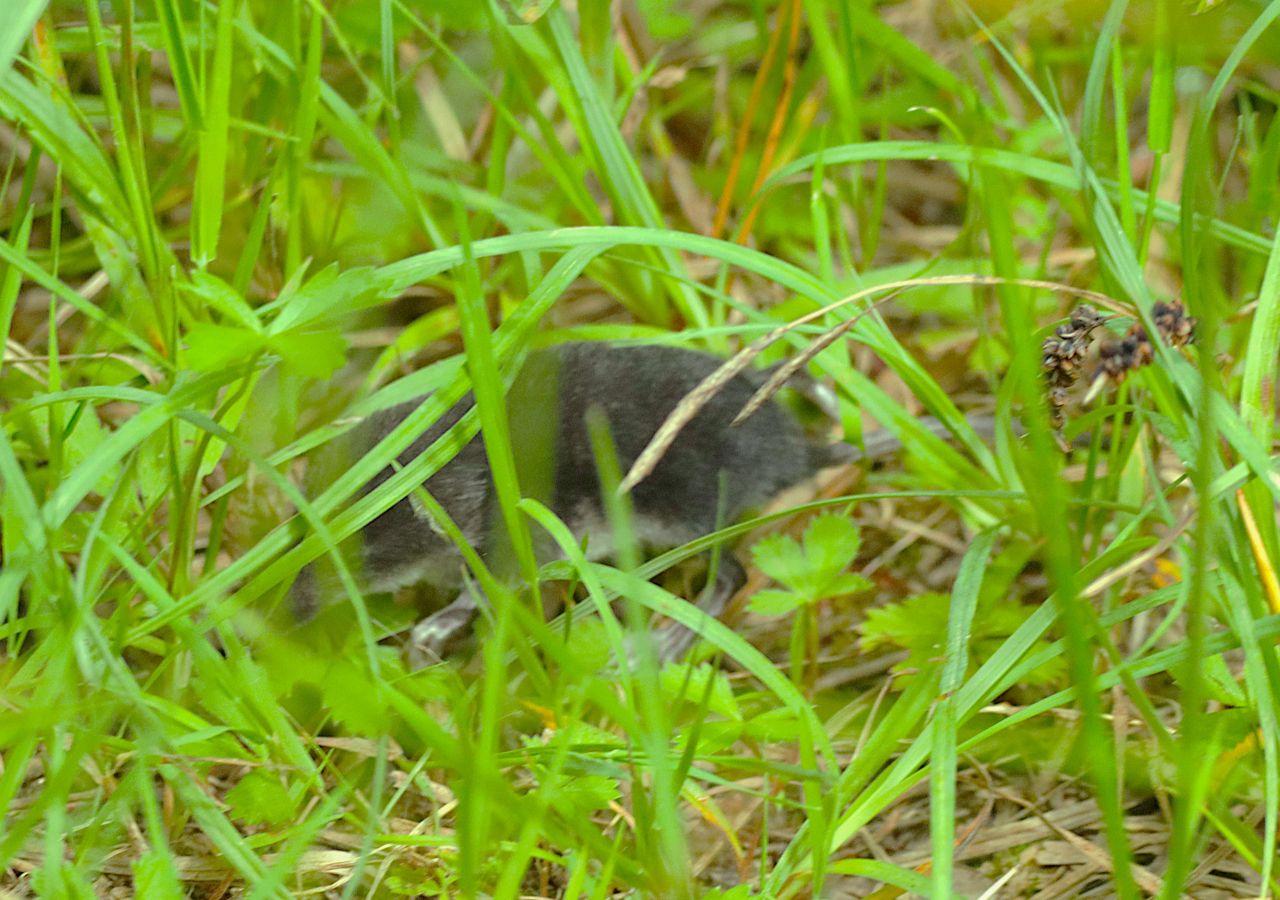
Common shrew, Chiddingfold Forest.
While a brief sight of a common shrew added to my mammal list.
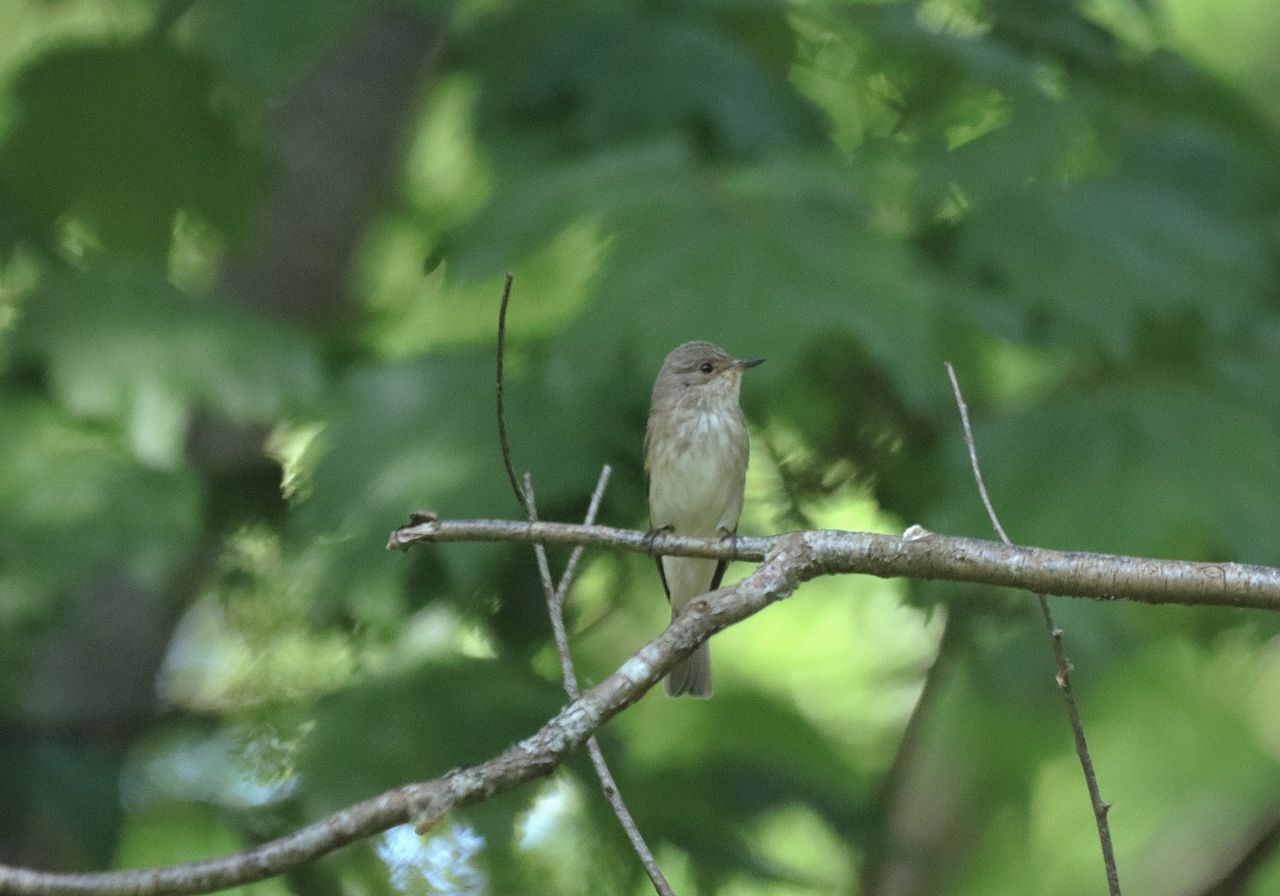
Spotted flycatcher, Chiddingfold Forest.
Adding a spotted flycatcher to my year list of birds.
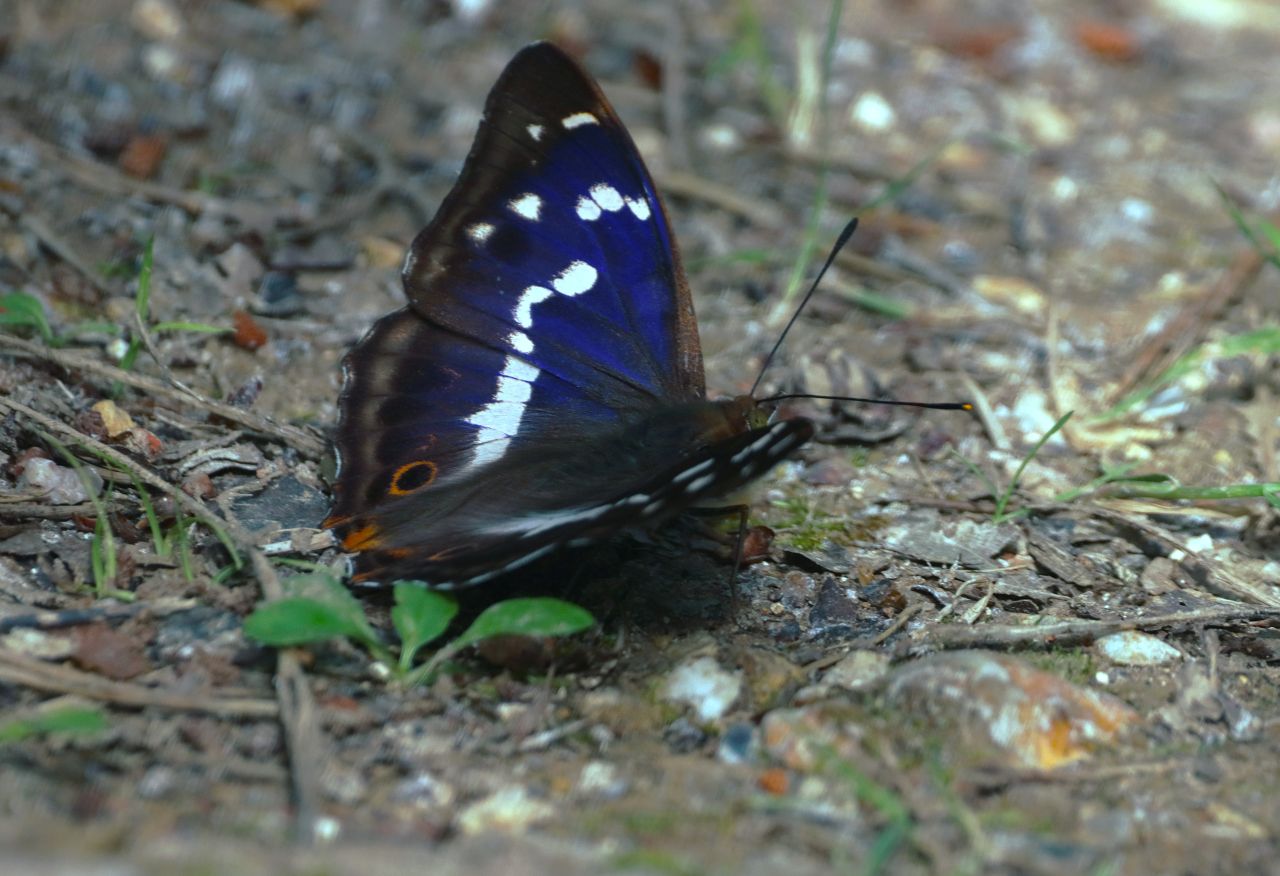
Purple emperor butterfly, showing varying amount of purple on its upper wings, Chiddingfold Forest.
The highlight of our sightings had to be three purple emperors that kindly came to ground to feed on what nutrients they could find in the soil.
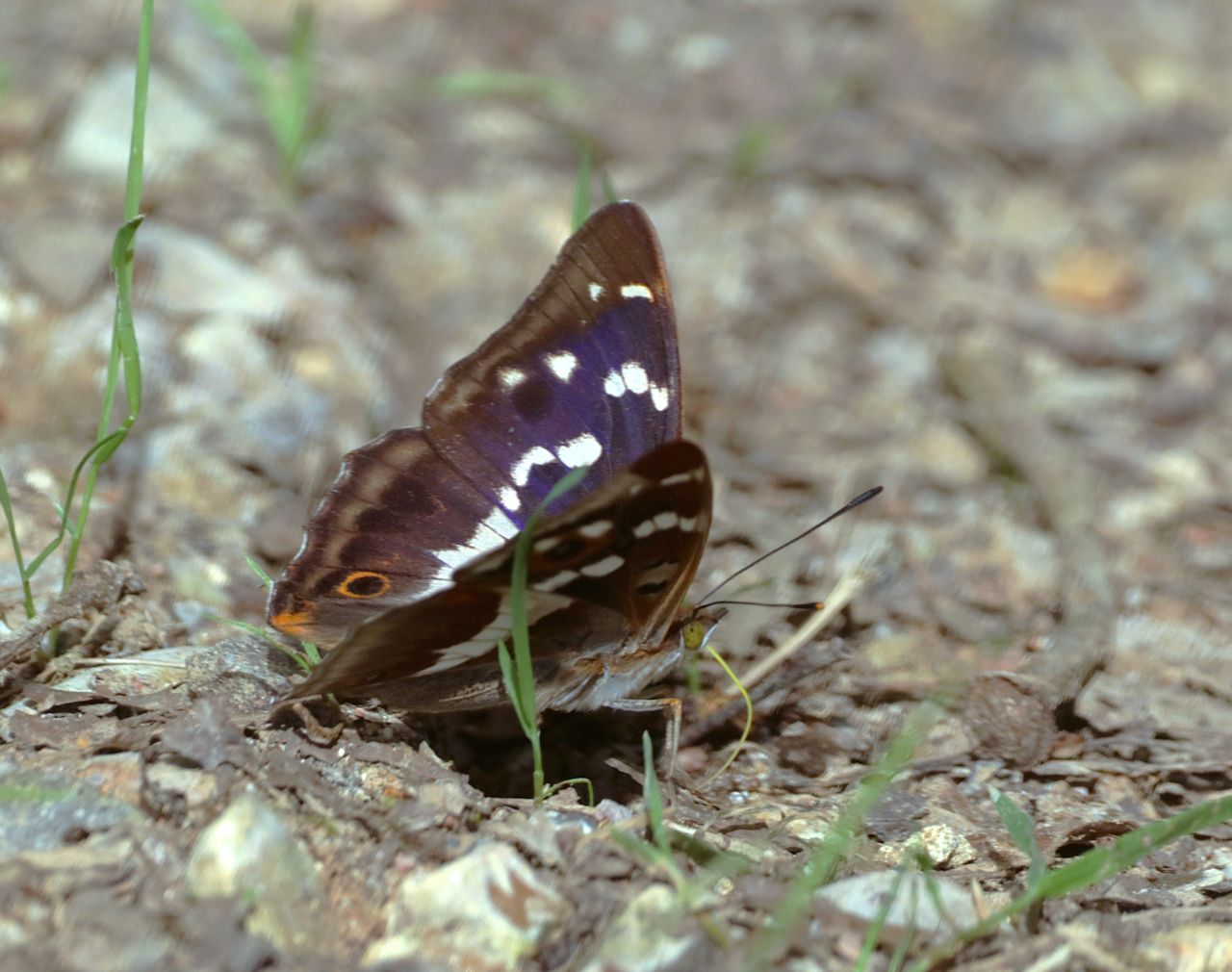
Purple emperor butterfly, Chiddingfold Forest.
Allowing me to take a sequence of photos showing the varying amounts of purple on their upper wings depending on the angle from which they are viewed.
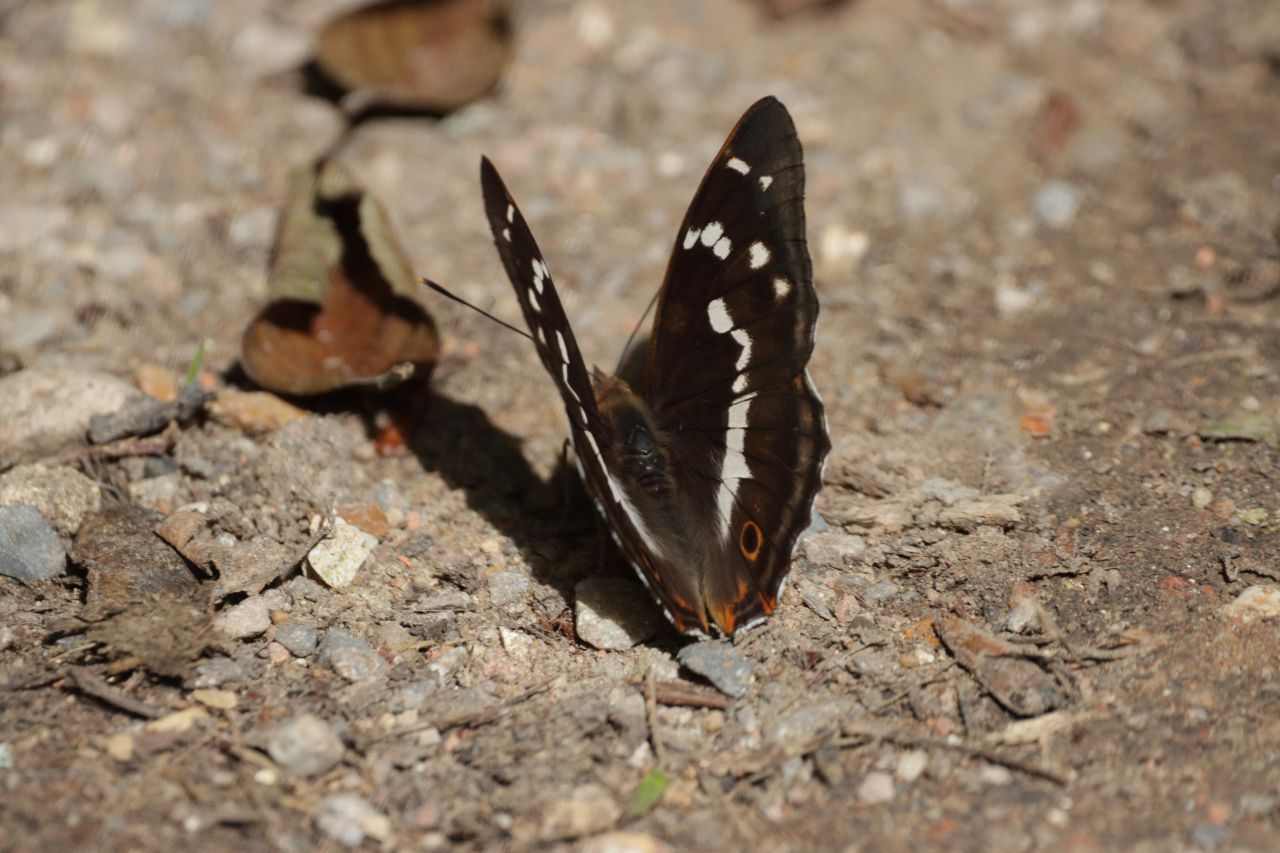
Purple emperor butterfly, Chiddingfold Forest.
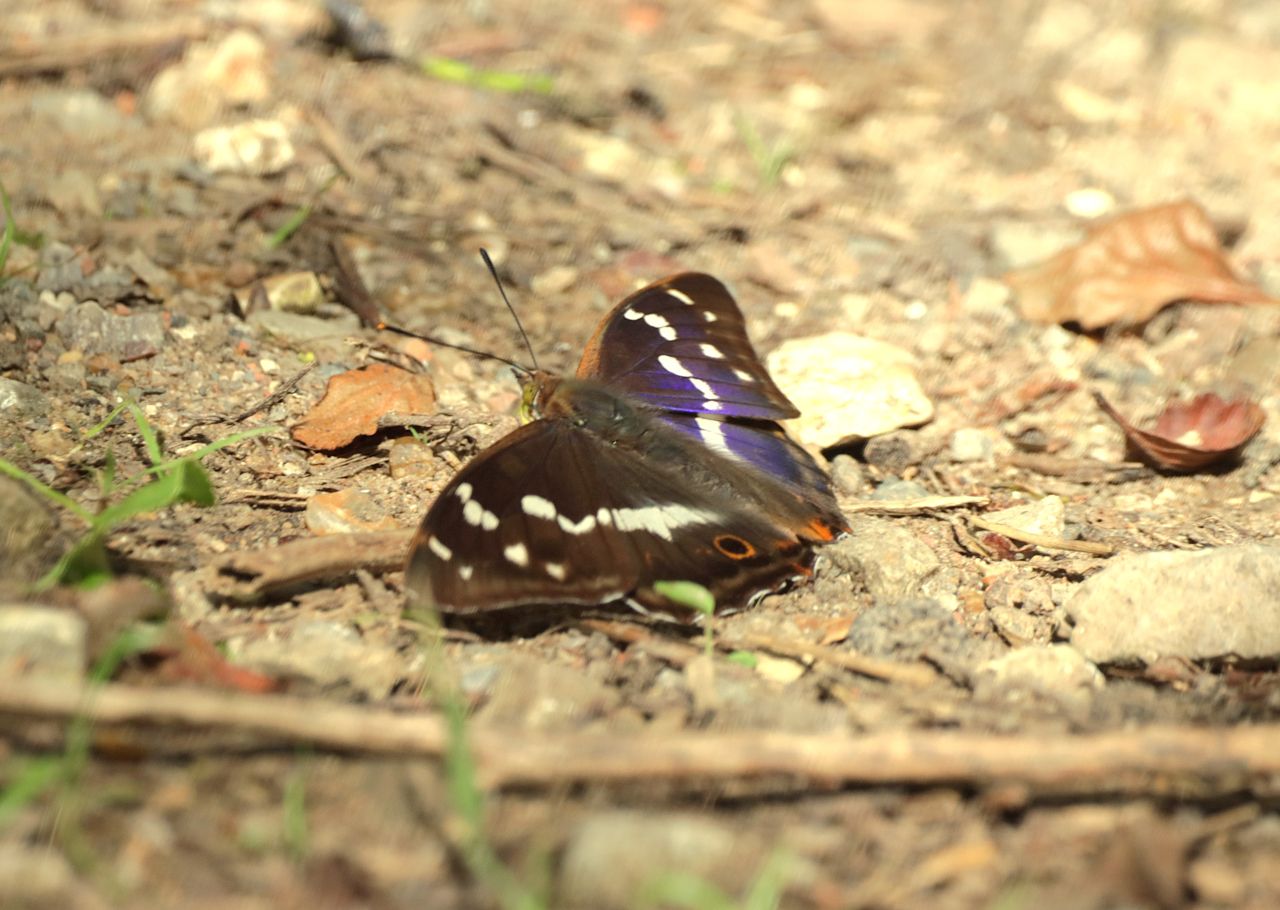
Purple emperor butterfly, Chiddingfold Forest.
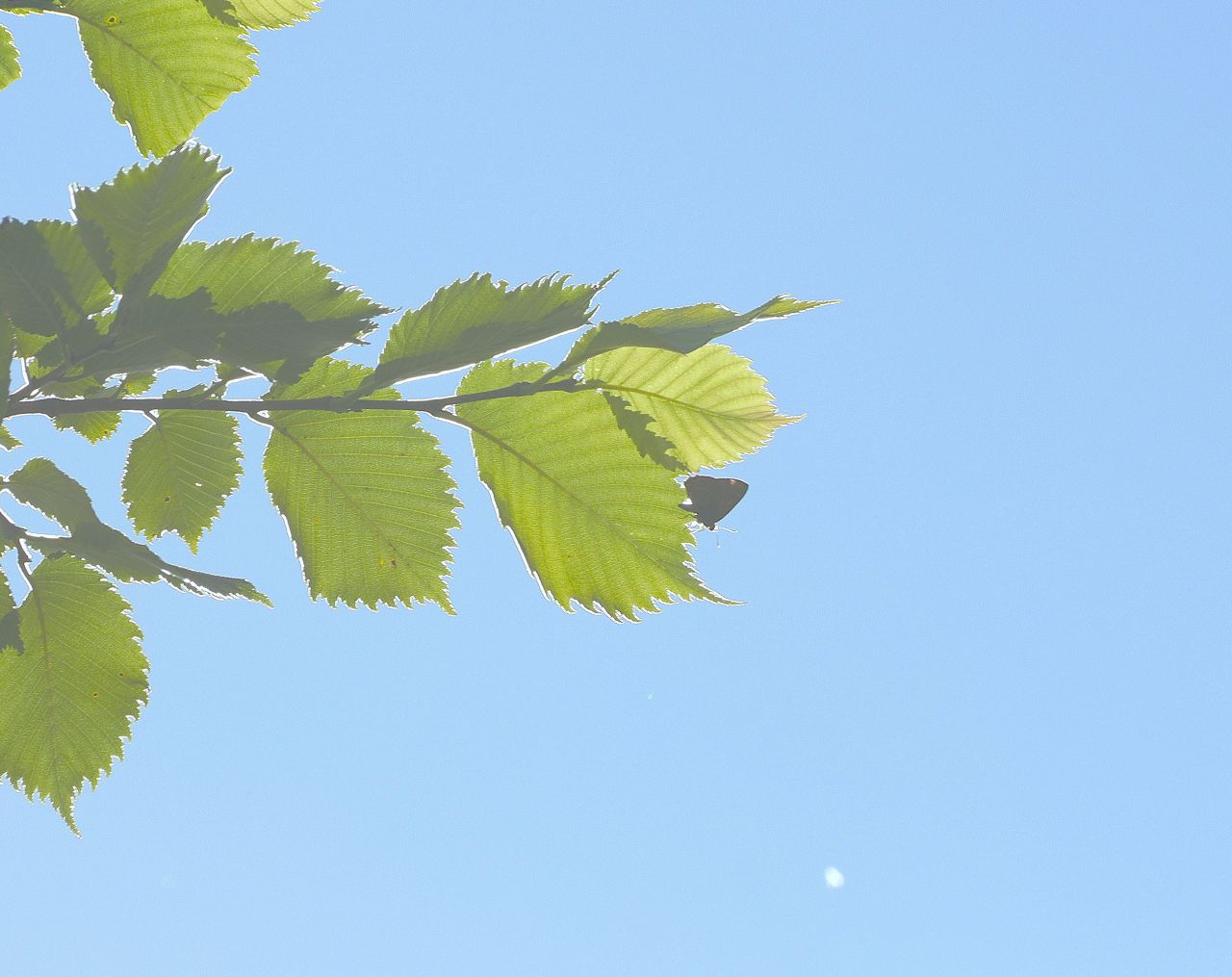
White-letter hairstreak butterfly, Shalford.
On our journey home we also stopped off at Shalford Village Hall, getting views of several white-letter hairstreaks as they buzzed about the mature elm tree there.
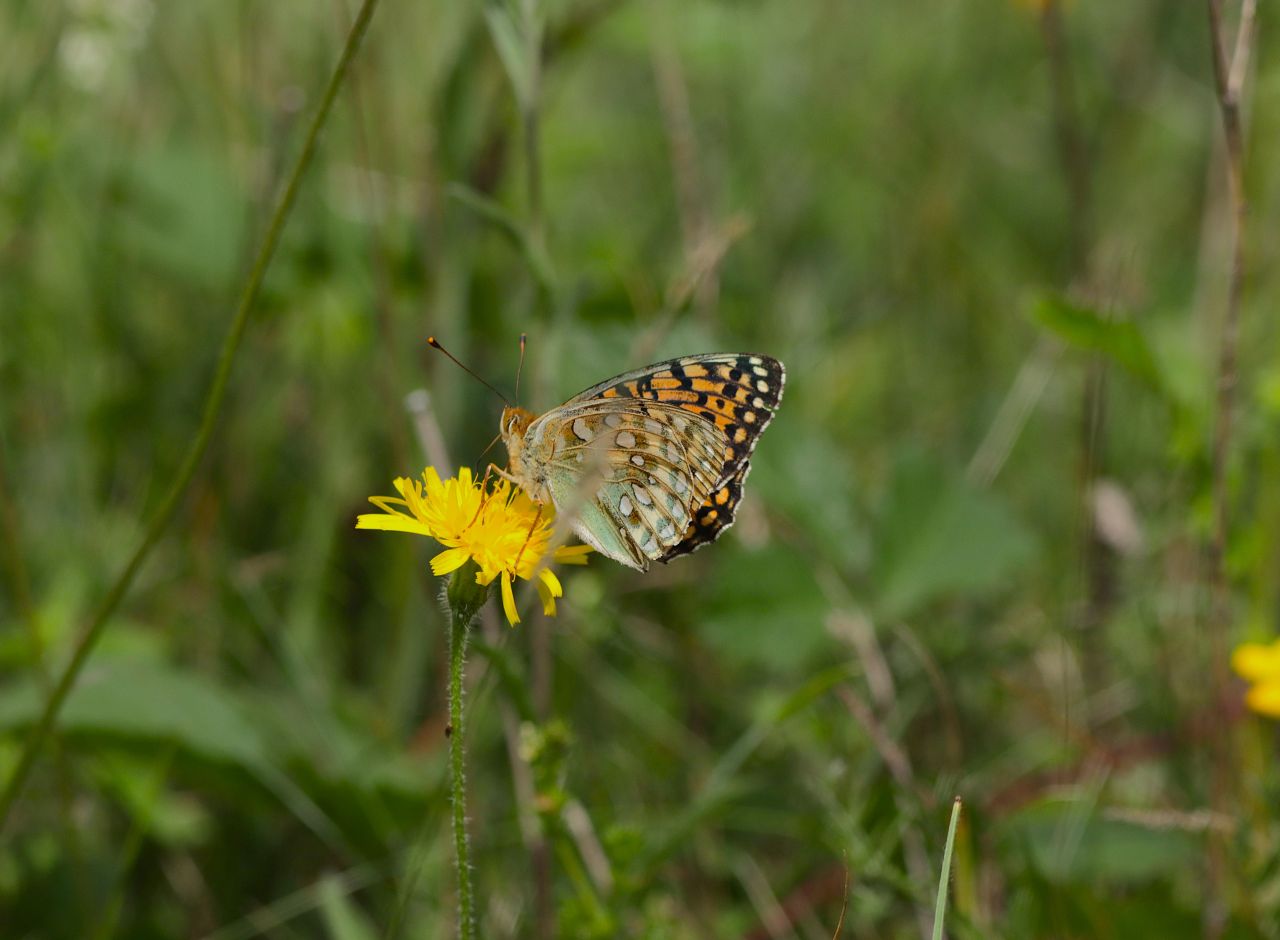
Dark-green fritillary, showing dark-green tinge on its underwing. Sheepleas.
A visit to Sheepleas on June 28 allowed me to add photos of dark-green fritillary butterflies.
They appeared to be in better numbers there this year, counting at least 20.
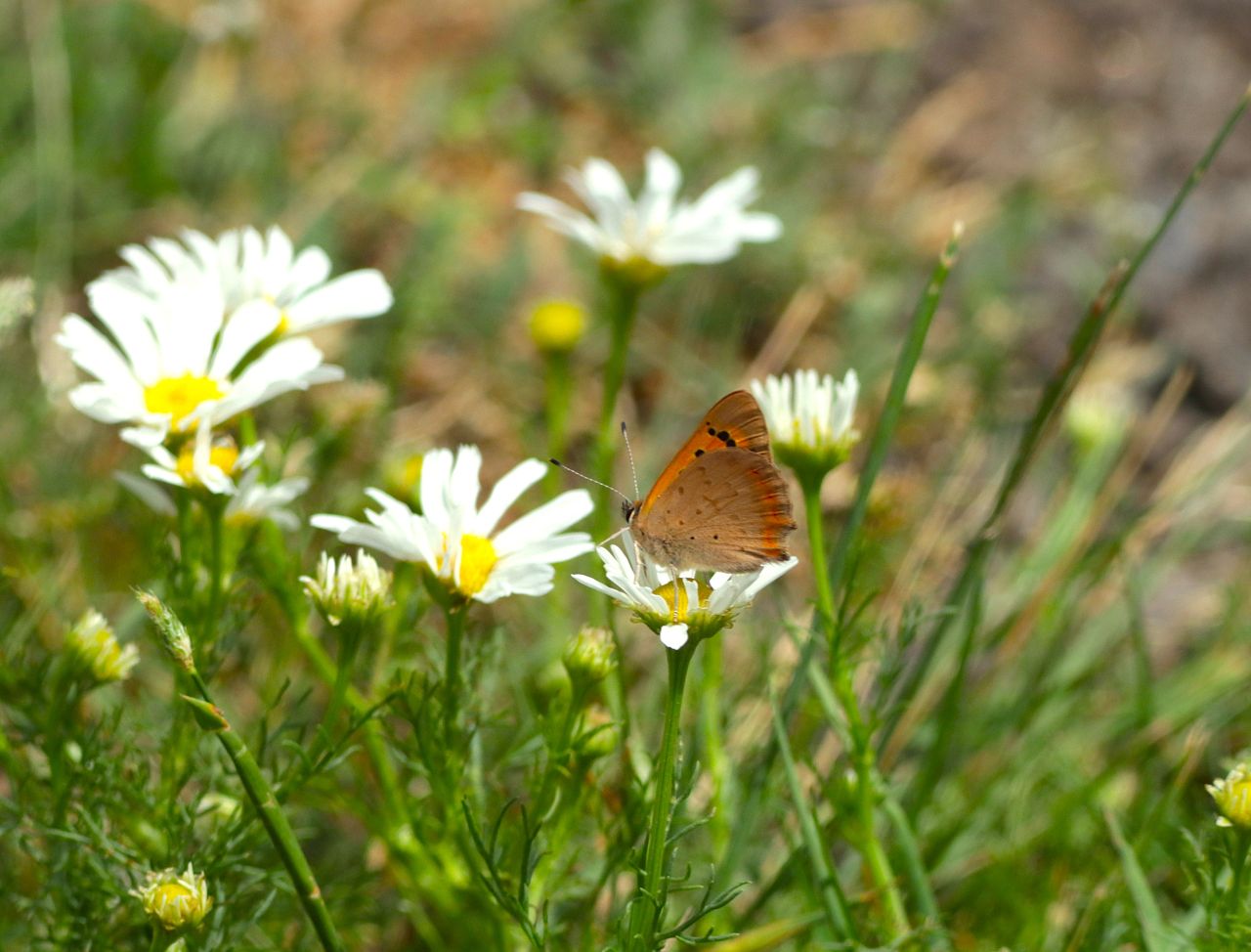
Small copper butterfly.
Also adding a small copper butterfly.
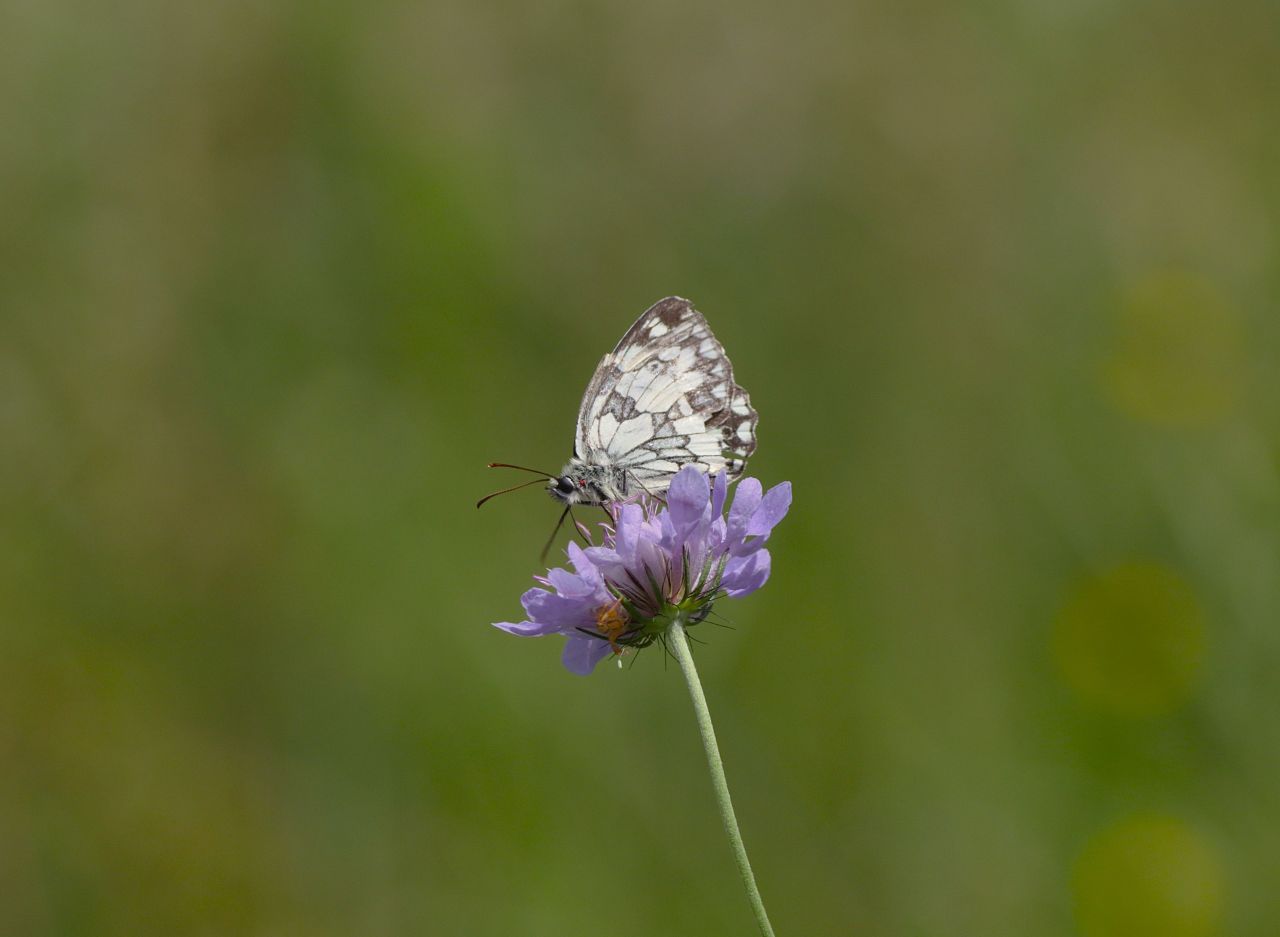
Marbled white butterfly, Sheepleas.
As well as numerous marbled white butterflies to my day’s photos.
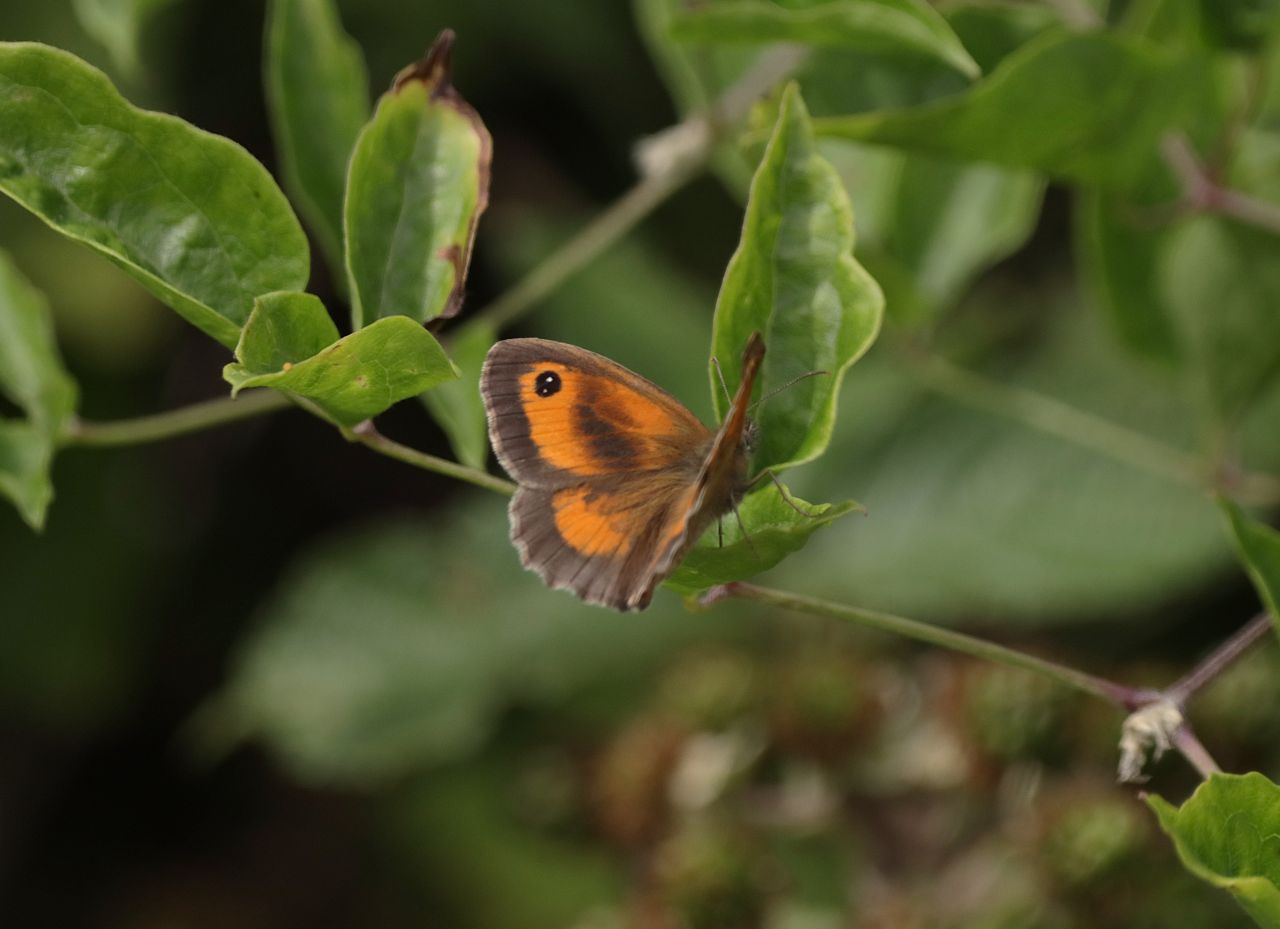
Gatekeeper butterfly, Pewley Down.
On June 29, Dougal and I visited Pewley Down where my first gatekeeper butterflies of the year could be seen on the wing.
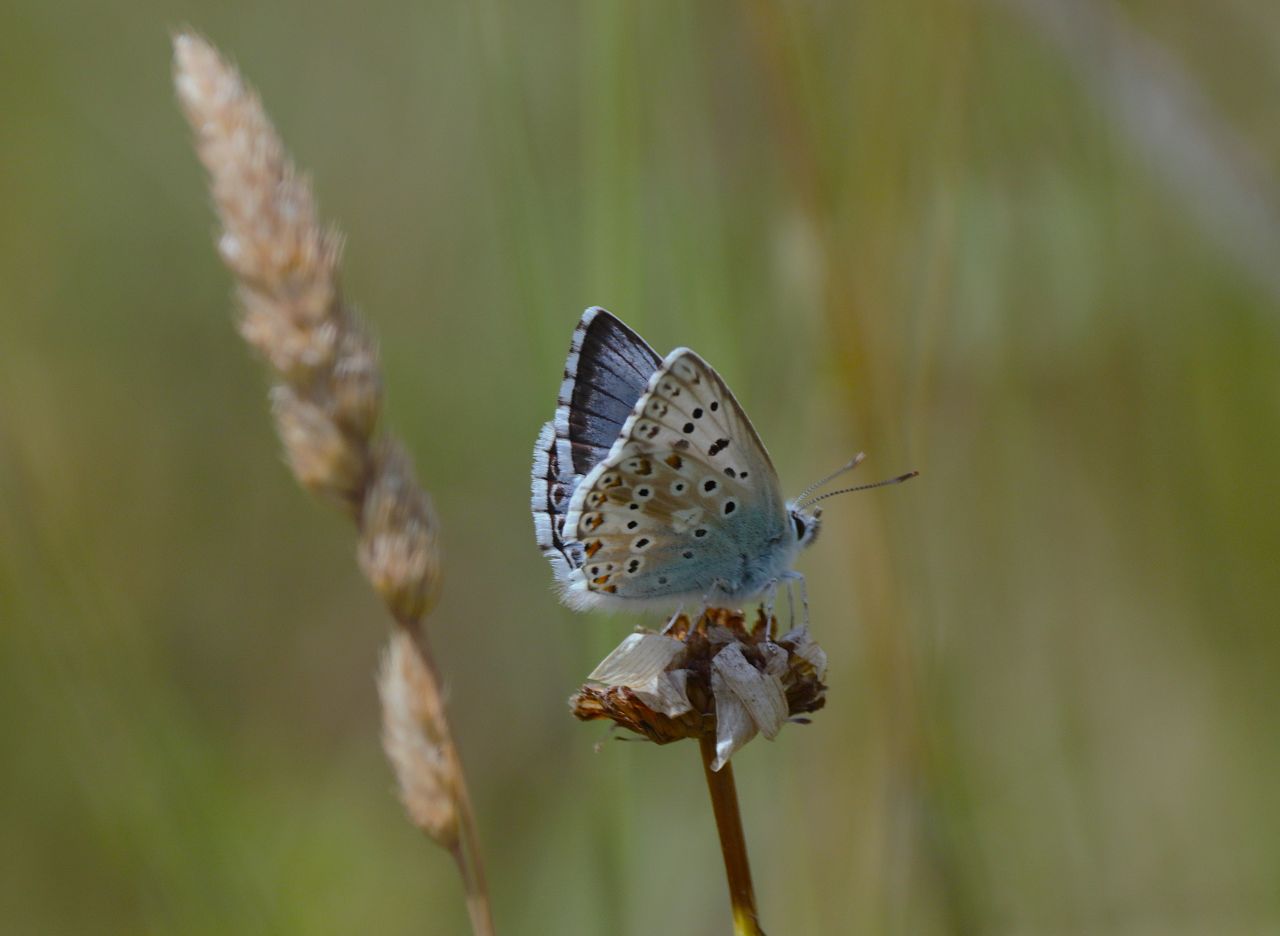
Chalkhill blue butterfly, Pewley Down.
A surprise sighting for us as we traversed the south-facing slopes were the finding of two early emerging chalkhill blue butterflies.
Thus bringing my butterfly list this year so far to a reasonably healthy 40 species!
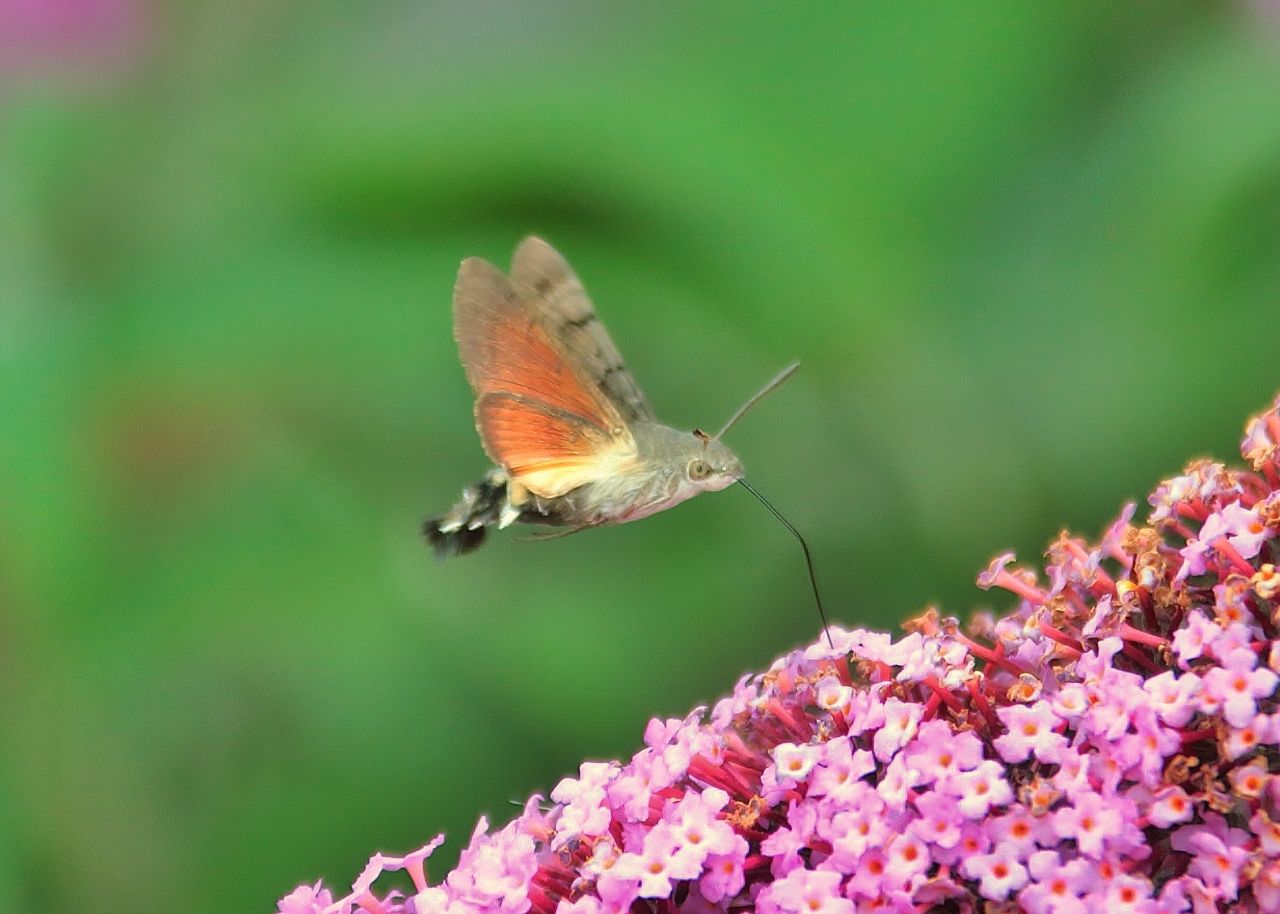
Hummingbird hawk-moth.
Even adding a hummingbird hawk-moth to this year’s sightings.
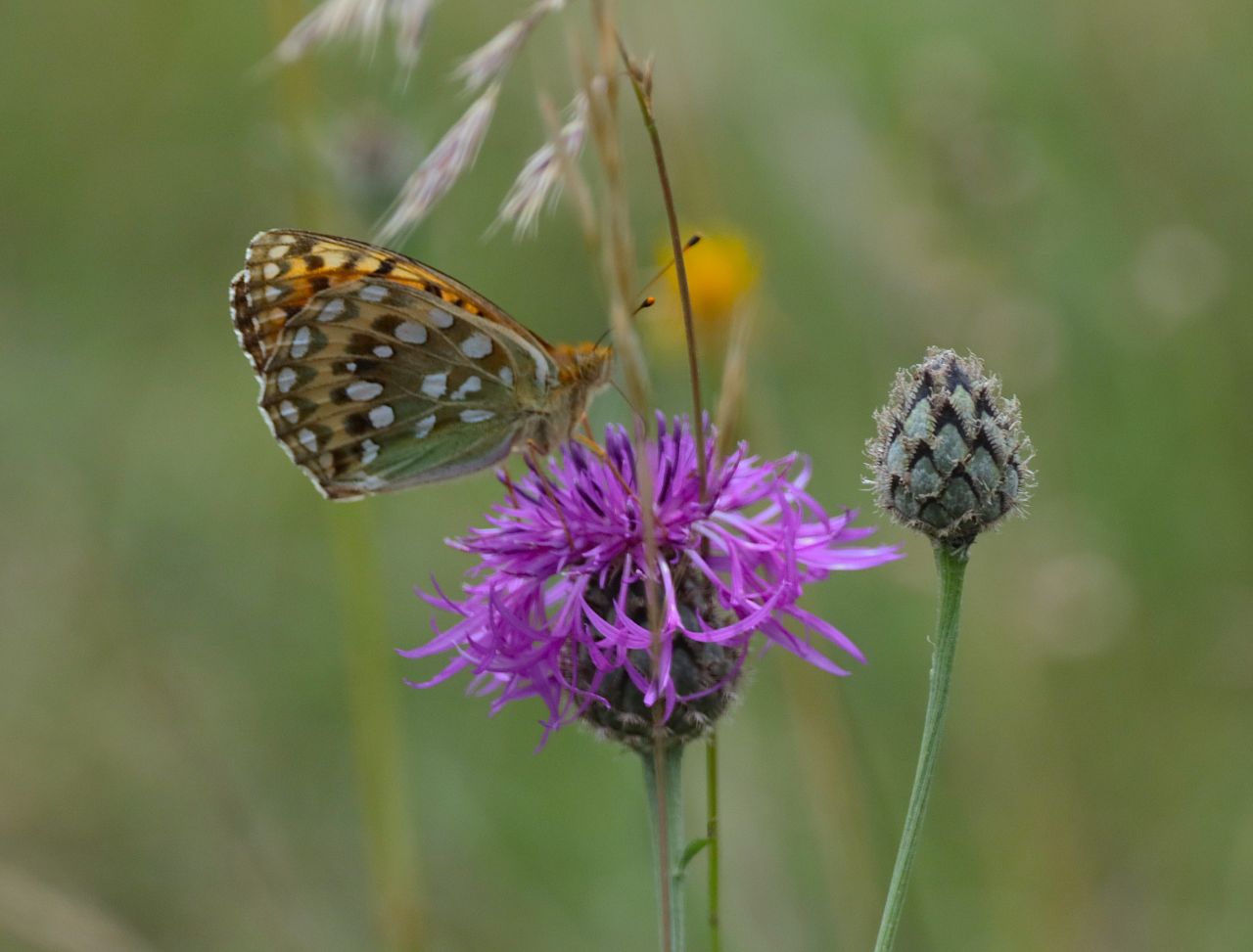
Dark-green fritillary butterfly, Pewley Down.
Adding to our day-list, and not regularly seen in previous year were three dark green fritillary butterflies.
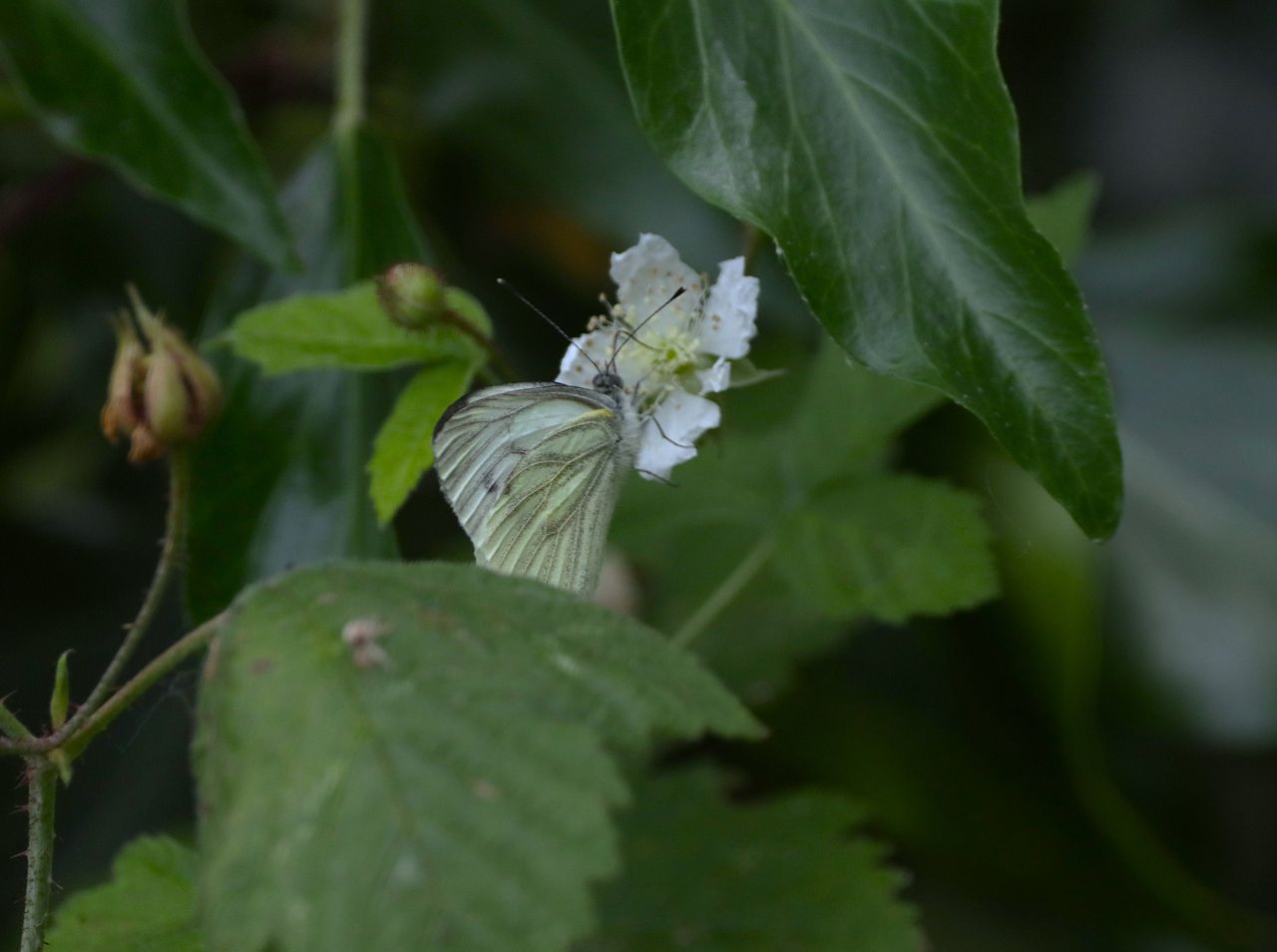
Green-veined white butterfly, Pewley Down.
A new brood of green-veined white butterfly had already begun to emerge.
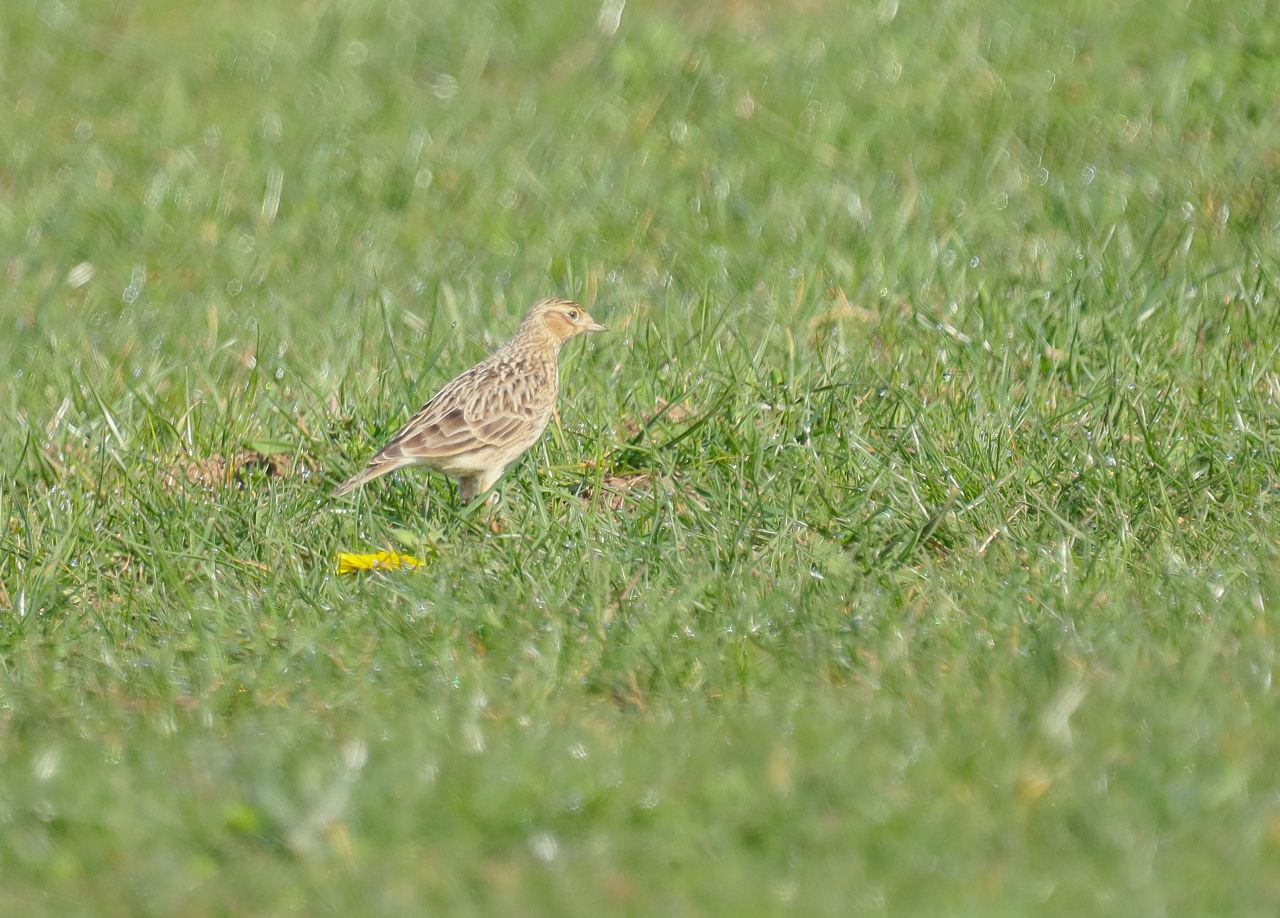
Skylark.
On the north-facing slopes a few skylarks could be heard and seen.
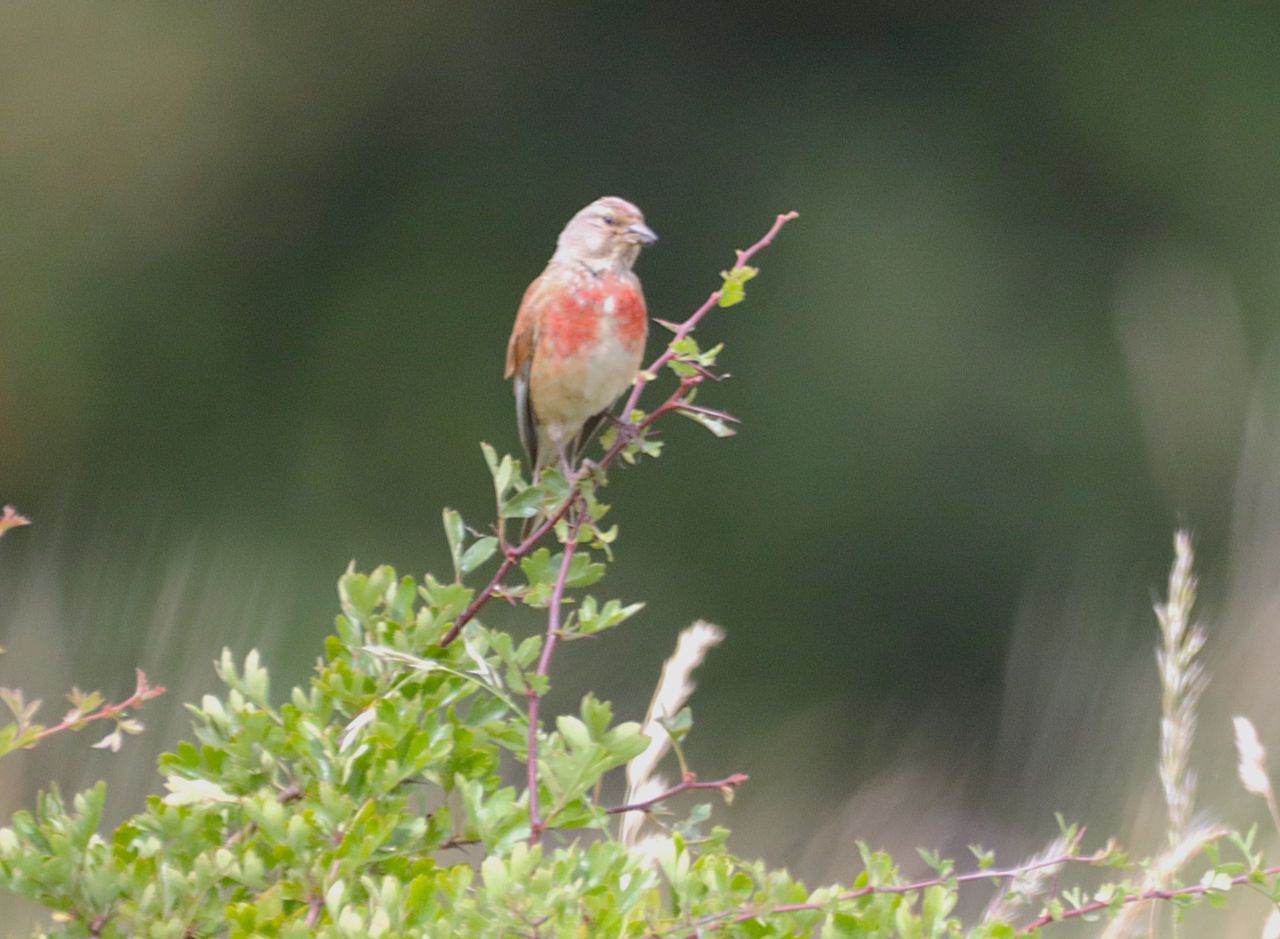
Linnet, Pewley Down.
A small group of linnets perched up on bramble bushes in the fields.
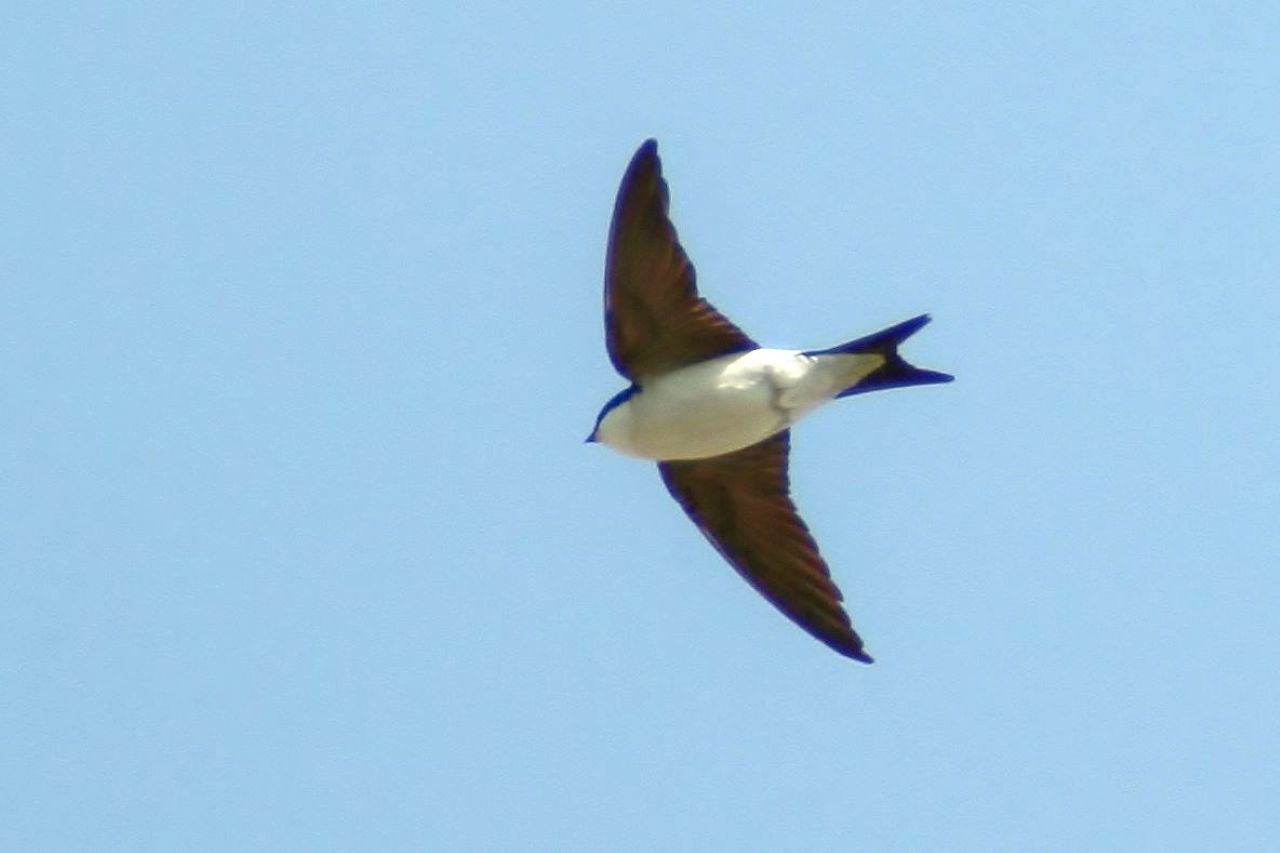
House martin.
While a few house martins could be seen and heard chattering overhead.
Back in the area at Slyfield during the latter days of June, the white storks continued to be viewed at various locations.
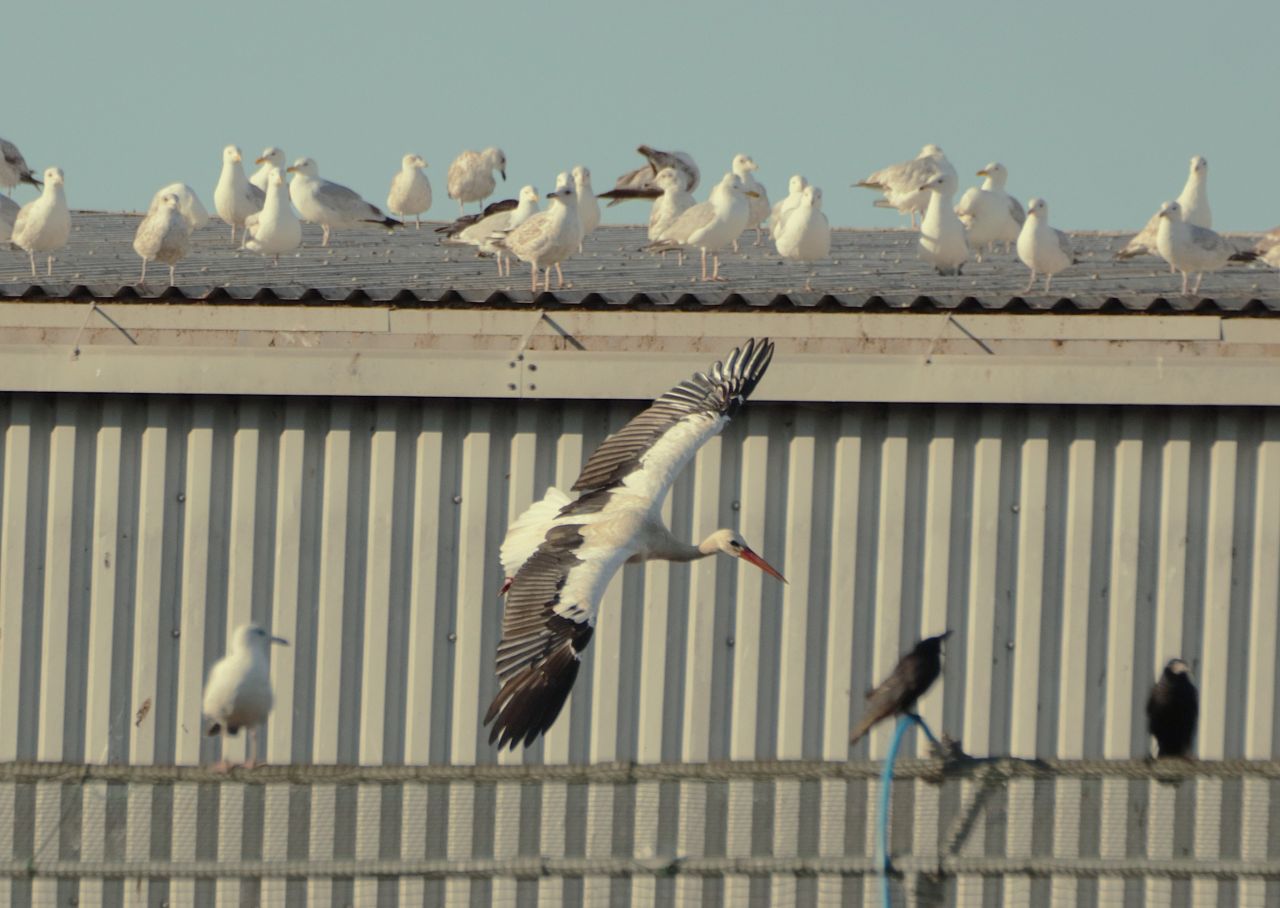
White storks, Slyfield recycling centre.
Several could be seen on and around the location of the recycling centre.
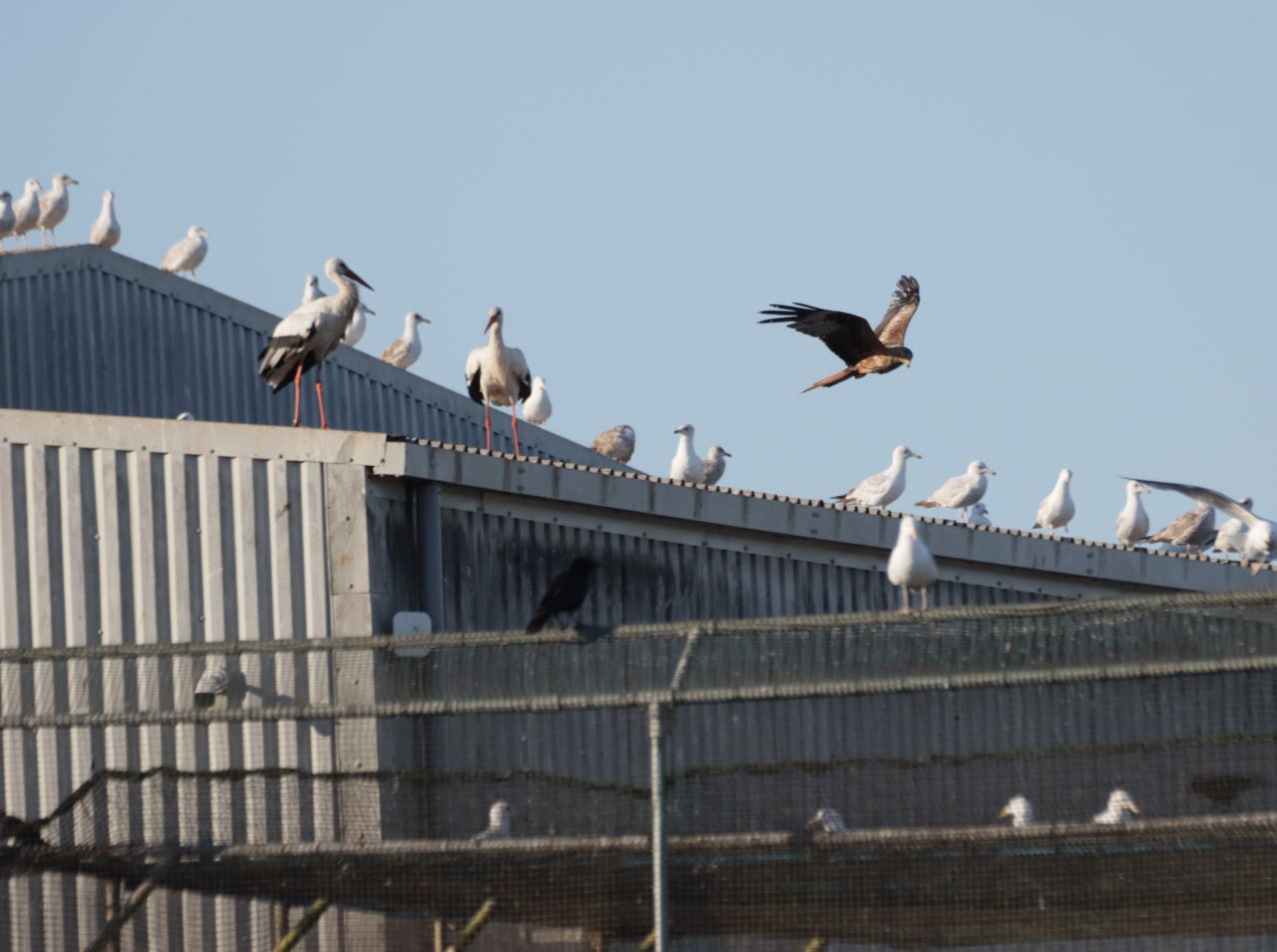
Red kite and white storks, Slyfield recycling centre.
A score or more red kites continued to be present there too, flying among the many gulls.

White storks coming into roost aqt Burpham Court Farm.
As many as seven storks were seen going to roost in the dead trees out on Burpham Court Farm.
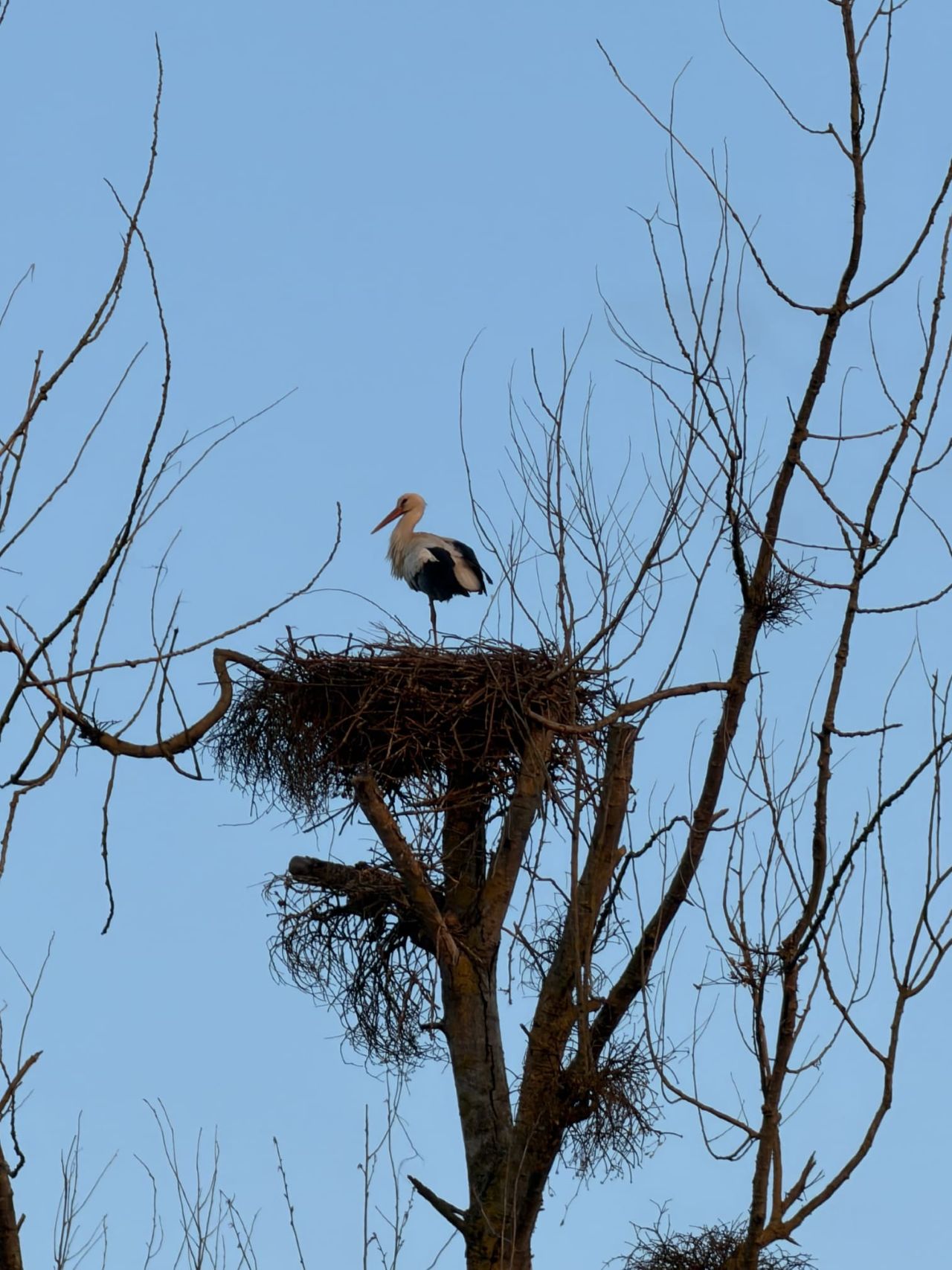
White stork on nest at Harry’s Meadow, Jacobs Well.
While Dougal even got a photo on his phone camera of one of the two still nest building when he visited Harry’s Meadow in Jacobs Well late one evening, as the month drew to a close.
Share This Post















Recent Comments