- Stay Connected

Socialize


 Abraham Lincoln
If given the truth, the people can be depended upon to meet any national crisis...
Abraham Lincoln
If given the truth, the people can be depended upon to meet any national crisis...

 Guildford news...
for Guildford people, brought to you by Guildford reporters - Guildford's own news service
Guildford news...
for Guildford people, brought to you by Guildford reporters - Guildford's own news service
Historic England Lists Guildford’s War Memorial As Passchendaele Is Remembered
Published on: 1 Aug, 2017
Updated on: 1 Aug, 2017
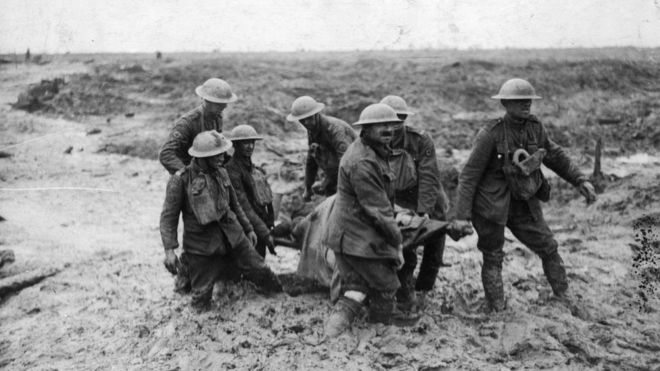
A stretcher party struggles in the horrific mud for which the Battle of Passchendaele is infamous.
Historic England is marking the 100th anniversary of Passchendaele, or the 3rd Battle of Ypres, with 13 new and upgraded war memorial listings including Guildford.
The battle was the main British offensive of 1917 and took place on the much fought-over Ypres Salient. The ferocity and horror of the battle is encapsulated in Siegfried Sassoon’s famous line: “I died in hell – They called it Passchendaele”.
Roger Bowdler, director of listing at Historic England, the public body that looks after England’s historic environment, said: “Passchendaele was a truly grim affair, waged over three muddy, bloody months. It succeeded in wearing down the Germans and taking pressure off the French, but at a high cost in lives. These newly listed and upgraded memorials are just some of the tributes to the losses of so many.”
Among the five newly listed and eight upgraded memorials is Guildford War Memorial, today listed at Grade II. The imposing classical archway, made of Portland stone and supported on massive square pillars, stands in Guildford Castle Gardens.
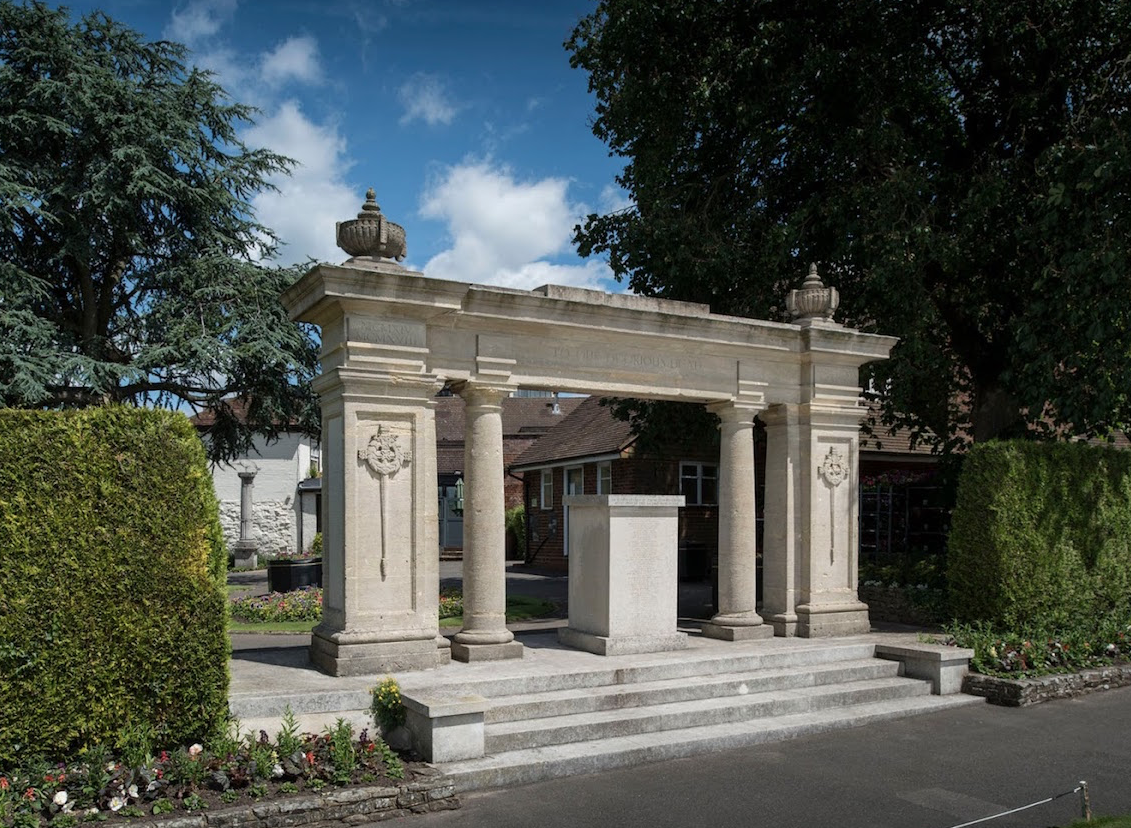
Guildford War Memorial in the Castle Grounds.
It is ornamented with carved commemorative symbols of reversed swords and wreaths and honours the 440 local servicemen who died in the First World War. Their names are recorded on stone panels.
As descendants of those who fought at the Third Battle of Ypres travel to Belgium to commemorate the Centenary of Passchendaele, Historic England looks to the memorials at home which mark the ultimate sacrifice made by so many men 100 years ago.
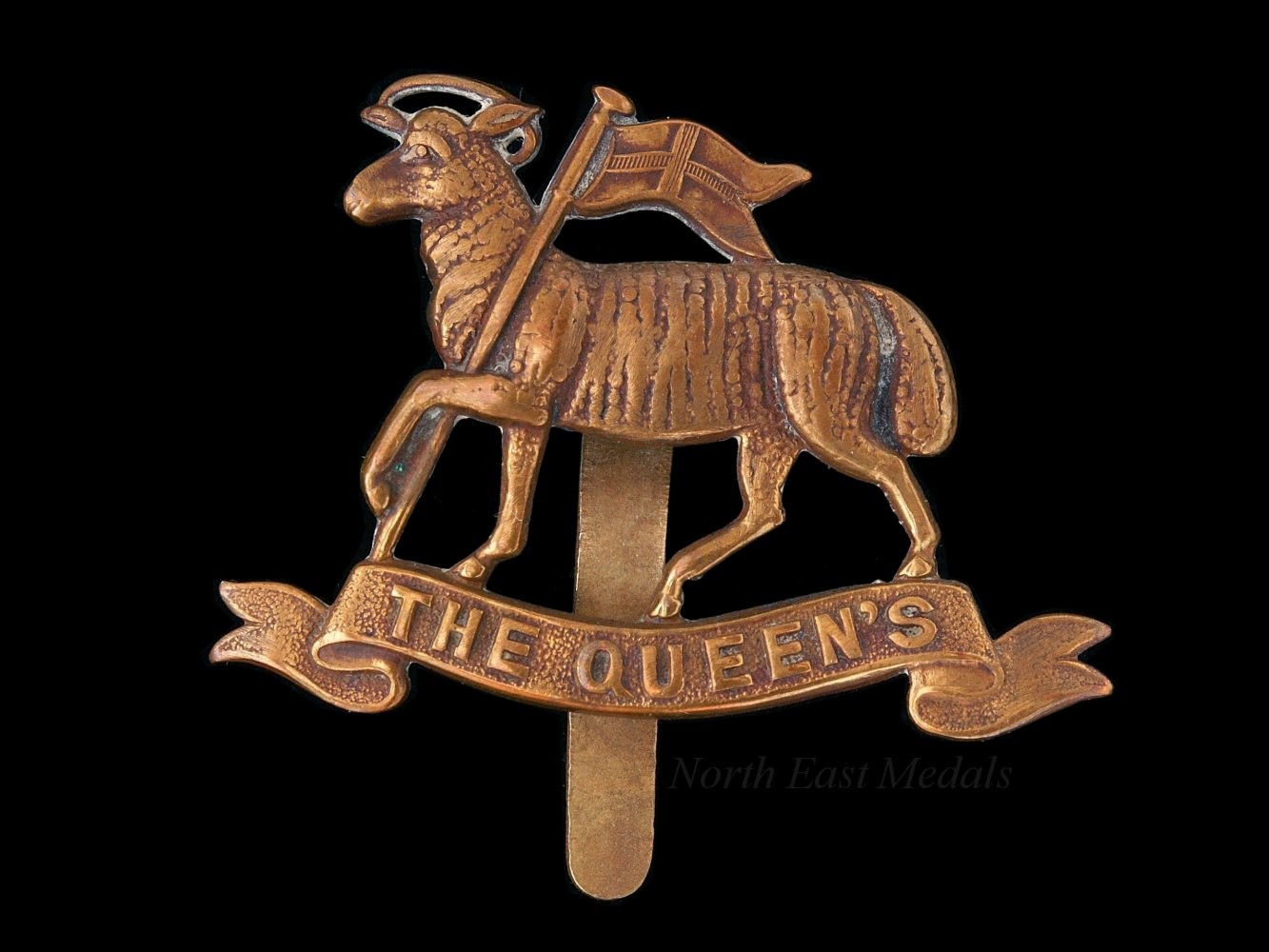
First World War cap badge of The Queen’s Royal (West Surrey) Regiment
The 10th (service) battalion of our local regiment, The Queen’s Royal (West Surrey) Regiment was one of those involved in the battle. The battalion took part in an advance on the Ypres-Comines Canal on August 1st, however, they were newly arrived at this sector of the front and their solitary guide became lost, resulting in them being late at the start line while enemy shelling caused further casualties and confusion.
The new commanding officer, Lt Col Gwynne, went forward to reconnoitre and assess whether the planned attack was still possible without a supporting barrage. But Gwynne was twice hit by machine gun fire and had to be recovered by stretcher bearers.
Major L. E. Andrews assumed command and 10th Queens was relieved by 11th Queen’s. The weather became so bad that some men who fell into shell holes were unable to climb out of the mud for which Passchendaele became infamous and died from exhaustion.
10th Queen’s went back into the line on August 2nd. On the 4th the battalion was heavily shelled and a succession enemy counter attacks had to be fought off. The fighting continuing for two days after which the battalion was once again relieved having lost 28 men killed, 5 missing and their CO and 133 other men wounded.
In the rear area further misfortune struck when a single bomb from a German plane fell amongst their crowded tents causing 107 casualties, including 45 fatalities.
Later in August, the 10th Battalion was once again in the front line to take part in an attack on the Menin Road. Despite the, by now, drying ground and an intense “softening up” bombardment, the advancing Queensmen had hardly advanced fifty yards when they were met with a heavy fire from two German machine-guns which wrought havoc, killing many of the leading officers.
2nd Lieutenants Hare and Toombs and Sergeant Busby assembled survivors and succeeded in working round the machine gun positions which they eventually captured. They then pushed on to take their objectives despite being exposed to heavy machine-gun fire. Further counter attacks had to be repulsed before the Queen’s were once again relieved between August 22nd and 24th and sent to the rear to reorganize.
Later, in September and October, the 1st and 2nd Battalions of the regiment joined the battle.
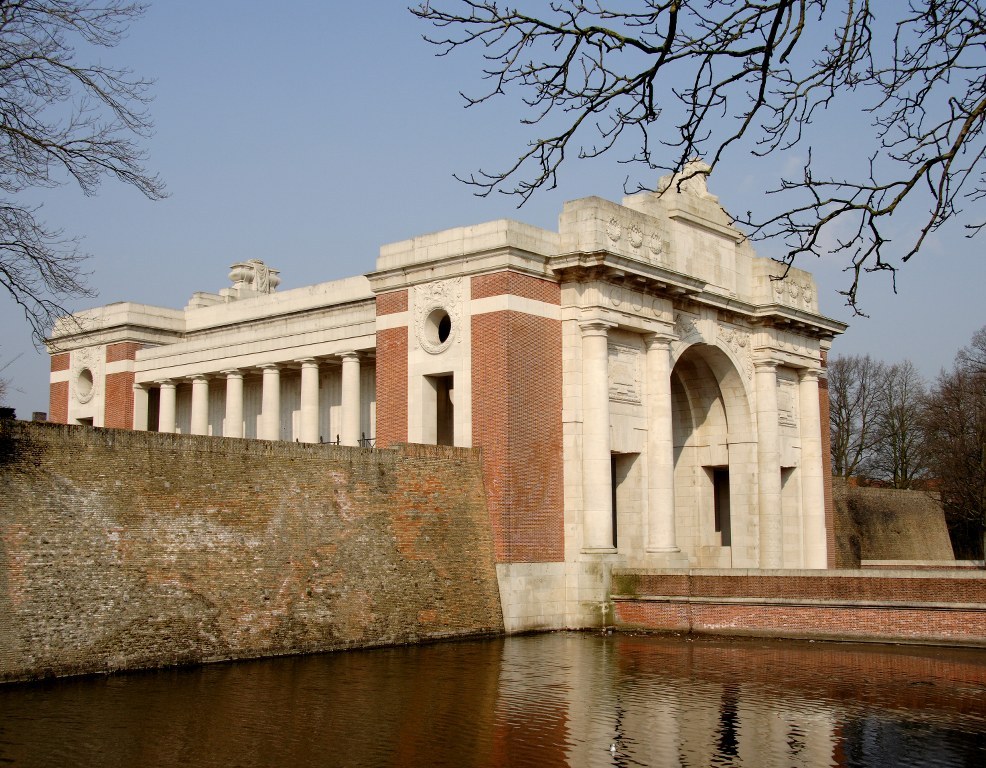
The Menin Gate Memorial
Martin Giles, editor of The Guildford Dragon NEWS said: “As a member of the Surrey Army Cadet Force I travelled several times to Ypres in the early 1970s and took part in remembrance services at Menin Gate where local buglers sound Last Post very evening.
“We also toured the local battle grounds and visited many Commonwealth War Graves which cannot help but deeply impress, the massed gravestones clearly showing the huge human cost paid in the Great War.
“We also visited a trench museum where actual trenches from that war were preserved. I can remember one of our party, a deputy Lord Lieutenant of Surrey and veteran of Passchendaele, looking over the parapet.
“He was obviously recalling the battle and he told me how, as a new subaltern, (he may have even been in the Queen’s) he had looked over the trench parapet then and was horrified by the endless scene of destruction and mud.
“What he said combined with his wistful expression has stayed with me. It was clearly a terrible experience.”
Share This Post



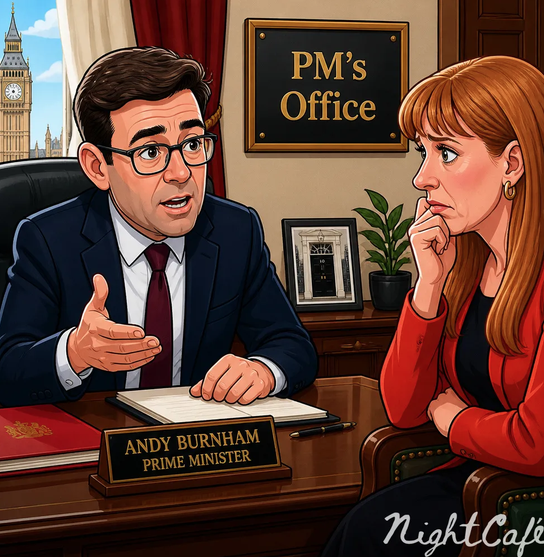
PM You say you're worried about the reaction in Surrey to council reorganisation. How many Labour MPs does Surrey elect? Angela Rayner: None, ever. PM Next item!











Recent Comments