- Stay Connected

Socialize


 Abraham Lincoln
If given the truth, the people can be depended upon to meet any national crisis...
Abraham Lincoln
If given the truth, the people can be depended upon to meet any national crisis...

 Guildford news...
for Guildford people, brought to you by Guildford reporters - Guildford's own news service
Guildford news...
for Guildford people, brought to you by Guildford reporters - Guildford's own news service
Letter: Charity Needs to Maintain Public Trust
Published on: 25 Jun, 2026
Updated on: 25 Jun, 2026
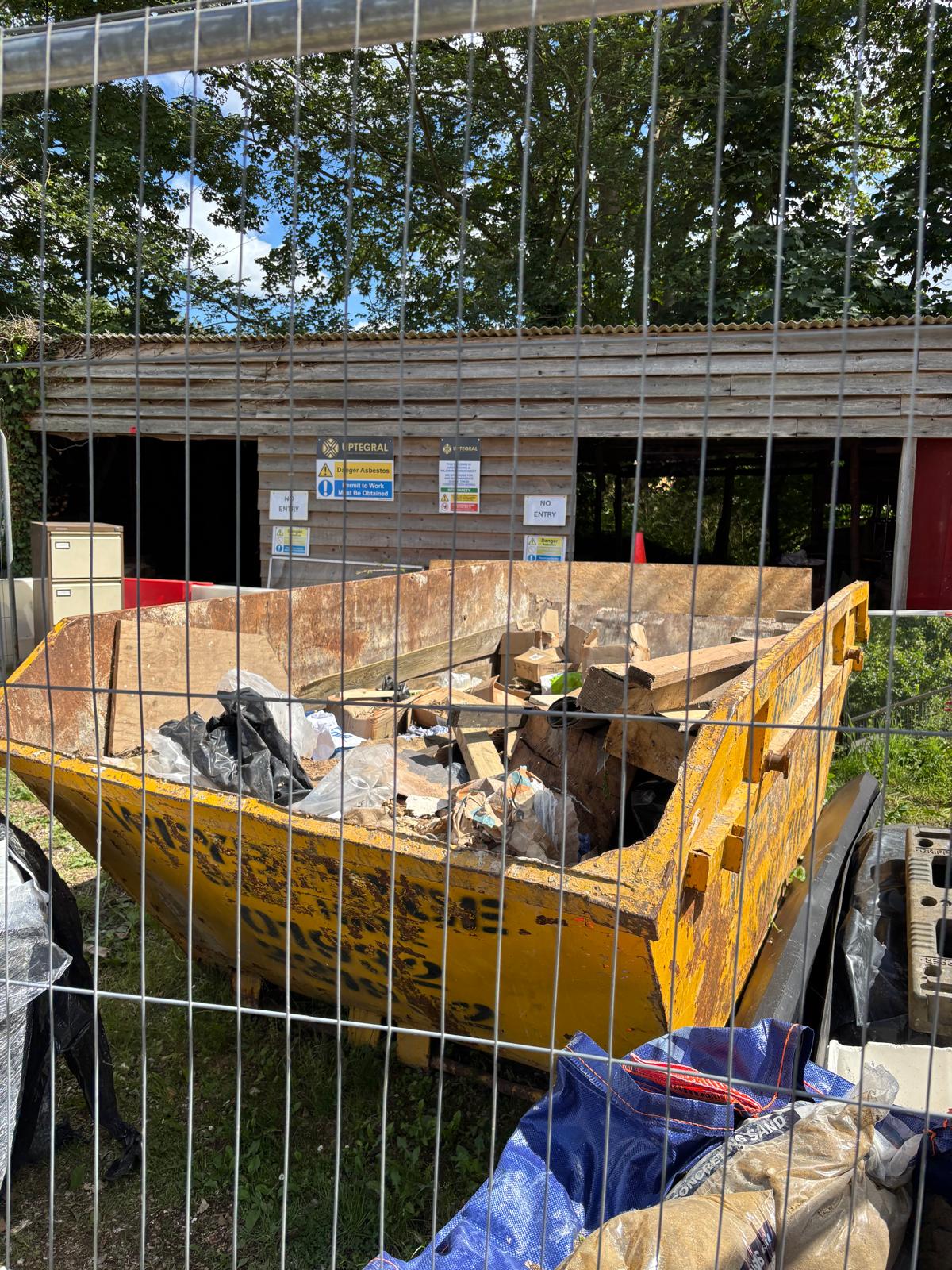
Belongings claimed to be those of a tenant, which had been put in a skip.
From John Ferns
In response to: Garage ‘Invasion’ Sparks Fury for Elderly Evicted Tenant
There are two sides to every story and, at the moment, despite The Dragon’s invitations to comment, we have not heard from “the accused”.
Having been involved in the management and oversight of a substantial charitable trust between 1988 and 2007, I have followed recent reports concerning West Horsley Place Trust with interest.
First, it is important to recognise what the Trust has achieved. West Horsley Place is an exceptionally complex heritage asset, comprising a Grade I listed manor house, estate land, historic collections, commercial activities and a public cultural programme. Preserving such a property for public benefit presents considerable financial and managerial challenges.
The Trust’s published accounts demonstrate continued commitment to conservation, education, public access and long-term sustainability. Restoration projects have been completed, grant funding secured, visitor numbers increased and plans developed to strengthen future income. These are significant achievements.
However, stewardship of a heritage charity extends beyond buildings and finances. Such organisations depend upon public confidence, stakeholder trust and the belief that they are acting as custodians of an important shared inheritance.
The reported public disassociation of Christina Gascoigne from the Trust is clearly significant. Whatever the merits of the underlying dispute, when the widow of the individual whose vision made the Trust possible feels compelled to withdraw support, concern is inevitable.
Similarly, allegations regarding the treatment of historic artefacts, disputes involving former volunteers and the highly publicised eviction proceedings concerning a long-standing tenant have created an impression of an organisation facing increasing tensions. Whether those criticisms are justified or not, they are attracting sustained public attention.
From a governance perspective, reputational risk deserves as much attention as financial risk. Trustees are responsible not only for safeguarding physical assets but also for preserving the goodwill upon which charitable organisations depend.
I am also struck by the degree of trustee turnover and leadership change in recent years. While such changes are not unusual in themselves, periods of transition place an even greater responsibility on trustees to provide visible leadership and reassurance.
None of this should be interpreted as criticism of individual trustees. Charity trustees are volunteers who often face difficult decisions where commercial realities, conservation priorities and public expectations do not easily align.
Nevertheless, effective governance requires openness to criticism, engagement with stakeholders and, where necessary, independent review capable of restoring confidence.
West Horsley Place Trust possesses many strengths: a remarkable heritage asset, committed staff and volunteers, a viable financial model and an ambitious vision for the future.
Its greatest challenge may not lie in conservation or finance, but in relationships. Heritage organisations ultimately depend upon the confidence of those who care about them. Maintaining that confidence may prove to be the most important task facing the Trust in the years ahead.
As someone who spent many years within the charitable sector, I sincerely hope it succeeds.
Share This Post














Recent Comments