- Stay Connected

Socialize


 Abraham Lincoln
If given the truth, the people can be depended upon to meet any national crisis...
Abraham Lincoln
If given the truth, the people can be depended upon to meet any national crisis...

 Guildford news...
for Guildford people, brought to you by Guildford reporters - Guildford's own news service
Guildford news...
for Guildford people, brought to you by Guildford reporters - Guildford's own news service
Opinion: The Oil Shock Will Not Stop at the Petrol Forecourt
Published on: 26 Aug, 2026
Updated on: 28 Aug, 2026
Eric Golson, Professor of Economics at the University of Surrey, discusses how sustained oil and natural gas prices could create another cost-of-living squeeze through higher food, travel and winter energy costs.
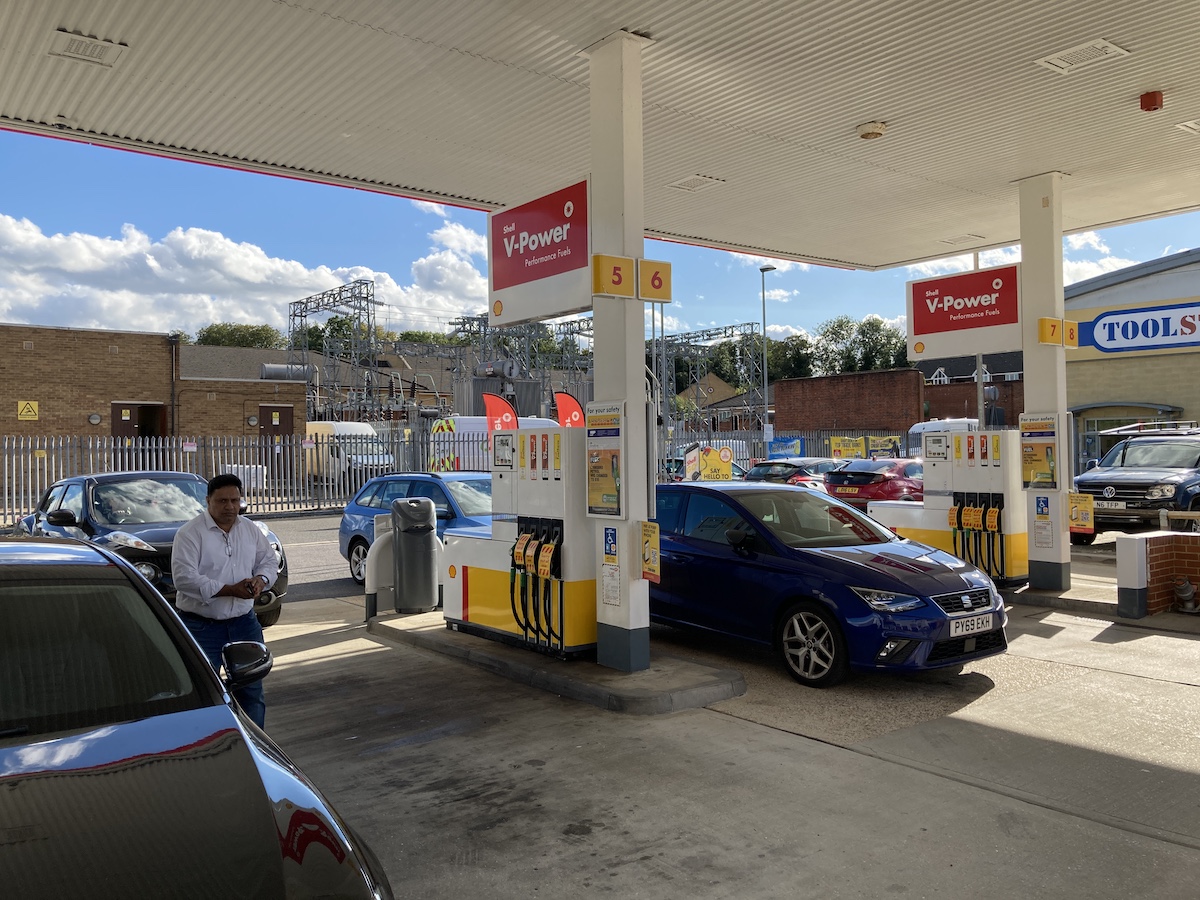
The fuel we buy at the pumps is part of the story – but the greater damage could be happening downstream
Whether we face another cost-of-living squeeze depends less on how high oil and natural gas prices rise than on how long they remain elevated and whether the shock spreads through the wider economy.
The petrol pump is, in some ways, the least interesting part of the story. Crude oil is the largest component in a litre of fuel, but fixed fuel duty and VAT mean pump prices do not move one-for-one with the price of a barrel.
 The greater damage is happening downstream. European refining capacity is unusually tight because of closures, low stocks and reduced access to Russian output. This helps explain why diesel prices have risen more sharply than petrol. Diesel powers freight, so its price matters far beyond the forecourt.
Oil is not only what we put in our cars. It transports food to shops and is used to produce fertiliser and packaging. Airlines feel higher prices quickly because fuel represents a substantial share of their costs and hedging only buys time. Hauliers and supermarkets may initially absorb higher costs, but eventually renegotiate and pass them on.
Households therefore notice the effects at the pump within weeks, then on supermarket shelves and in travel costs months later. Low European natural gas stocks could also feed into higher electricity and heating costs this winter.
CPI was 2.6 per cent in June, and the Bank had expected to be sitting close to 2 per cent by now. An energy shock alone may be temporary, but it becomes a more persistent inflation problem if workers seek higher wages to compensate and businesses raise other prices in response.
This is why the Bank of England is proceeding cautiously. An oil shock cuts both ways: it raises prices while weakening demand. Waiting may appear the safest option now, but households could pay the price this winter.
Share This Post













Recent Comments