- Stay Connected

Socialize

 Abraham Lincoln
If given the truth, the people can be depended upon to meet any national crisis...
Abraham Lincoln
If given the truth, the people can be depended upon to meet any national crisis...

 Guildford news...
for Guildford people, brought to you by Guildford reporters - Guildford's own news service
Guildford news...
for Guildford people, brought to you by Guildford reporters - Guildford's own news service
Stoves and Open Fires Targeted in GBC Campaign on Clean Air and Health
Published on: 17 Jan, 2026
Updated on: 19 Jan, 2026
 By Esme Campbell and David Reading
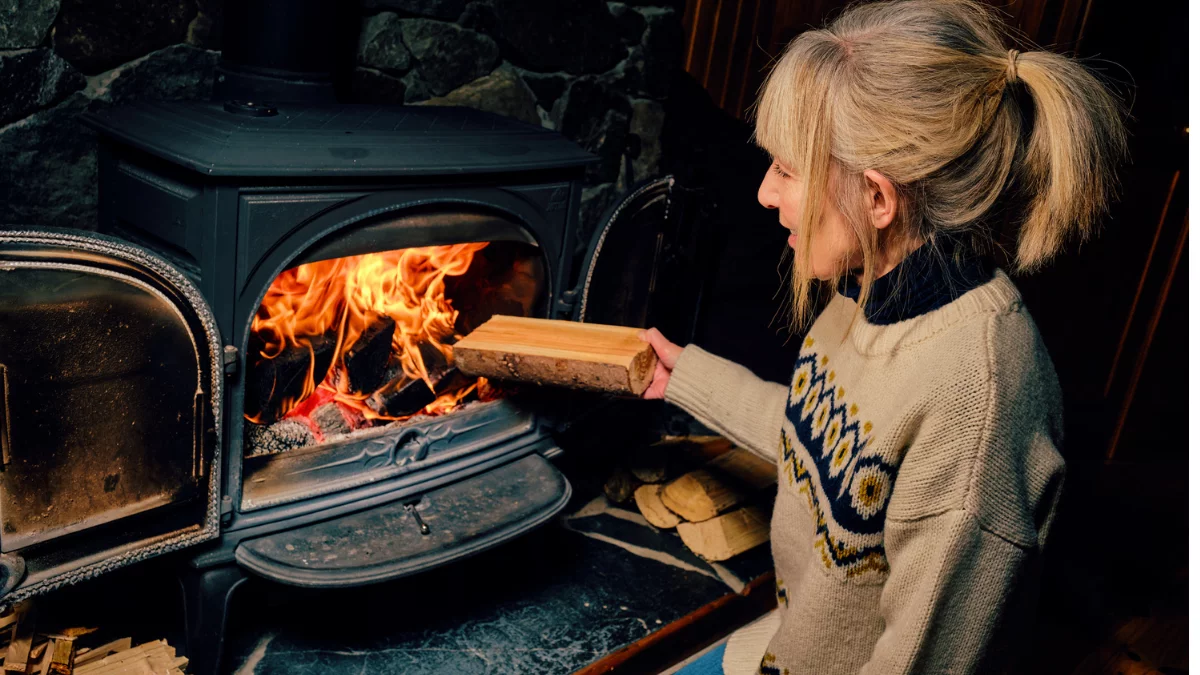
Wood burning is among the most polluting ways to heat your home and poses serious health risks, warns Guildford Borough Council ahead of Clean Air Night.
Despite making your home cosy, wood burning releases air pollution that can lead to heart and lung disease, as well as an increased risk of diabetes and dementia.
Even when vented through a flue, fine particles of pollution can be inhaled, unhelped by the limited ventilation in many UK homes, says GBC. ‘Ecodesign’ stoves still also release large numbers of these particles, according to research from the University of Surrey.
Research conducted at the University of Surrey, published last summer, shows that even modern ‘Ecodesign’ stoves, while reducing some emissions, still release large numbers of ultrafine particles, especially when lighting and refuelling.

Cllr Merel Rehorst-Smith
Cllr Merel Rehorst-Smith said: “Clean Air Night is a great opportunity for us all to think about the impact of our choices.
“Burning wood might feel comforting, but it can come at a real cost to our health and our community.”
“We don’t want to spoil anyone’s enjoyment or say you should never use a wood-burning stove – just be mindful of the impact.
“By pledging to go fire-free for one night or, even better, for a longer period, or by seeking alternatives, we can all help reduce harmful pollution and protect the wellbeing of our families and neighbours.”
More than 1,500 deaths could be prevented every year in the UK if wood were only burned when other heat sources aren’t available.

Sam Peters
Sam Peters, The Green Party candidate for Guildford, said: “Domestic air pollution is less recognised than that from vehicles, fossil fuels, or industry, so we are pleased to see GBC draw attention to this growing issue with world-leading research from the excellent G-CARE team.
“Human and environmental health are inextricably linked, and every attempt to reduce air pollution is welcome.
“However, we must also remember that without systemic change – such as expanding public transport and transitioning to cheap, clean renewable energy – we can only do so much as individuals.
“With national government failing on climate, environment, energy bills and public health, we hope to see councils take stronger action while also enabling residents to play their part.”
Researchers monitored a number of homes in Guildford that used a range of heating stoves and clean solid fuels, including seasoned wood, kiln-dried wood, wood briquette, and smokeless coal.
Open fireplaces produced the highest emissions, increasing PM2.5 exposure up to seven times compared to modern stoves.
Multifuel eco-design stoves followed, emitting more ultrafine particle emissions than standard eco-design (top-rated for low emissions under a UK scheme). Wood briquettes and smokeless coal increased ultrafine particle exposure compared to seasoned wood, challenging assumptions that these manufactured fuels are cleaner alternatives.
The research team found that opening windows occasionally played a critical role in lowering risks.
Share This Post




I'm living well for nothing at all! (See: No Trifling Matter: Magpie Trapped in Godalming Sainsbury’s)




Next stop, Debt Chasm! (See: We Should All Be Outraged About the Failure to Deal with Legacy Debt)





Recent Comments