- Stay Connected

Socialize


 Abraham Lincoln
If given the truth, the people can be depended upon to meet any national crisis...
Abraham Lincoln
If given the truth, the people can be depended upon to meet any national crisis...

 Guildford news...
for Guildford people, brought to you by Guildford reporters - Guildford's own news service
Guildford news...
for Guildford people, brought to you by Guildford reporters - Guildford's own news service
Birdwatcher’s Diary No.350
Published on: 2 Jun, 2026
Updated on: 2 Jun, 2026
By Malcolm Fincham
The cooler than average days of the first weeks of May were soon forgotten as we moved into the latter weeks of the month.
Although conditions remained dry for the most part, temperatures soared in excess of 30 Celsius in southern regions of the UK for several days during the last week of the month, competing with a milestone not reached since in May 1922 and 1944, since records began.
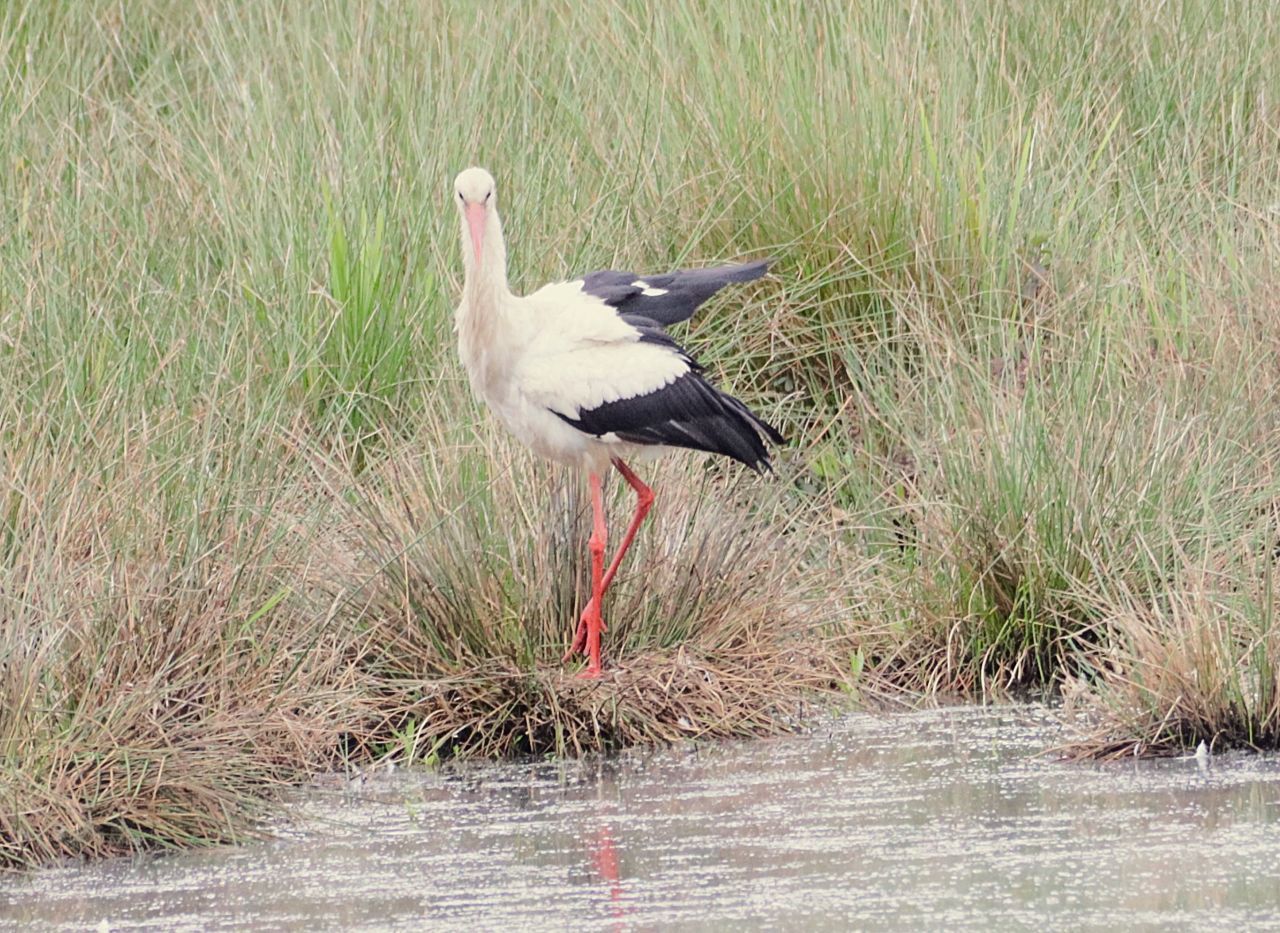
White stork not showing any sign of leg-rings, among the five seen on the flooded scrape, viewed from Stoke Lock.
On my visit to Riverside Nature Reserve, near Burpham on May 19, I continued to be graced by the incredibly unusual sighting of as many as six white storks that had been mentioned in my previous report.
They continued to be regularly viewed on the scrape, from the towpath by Stoke Lock.
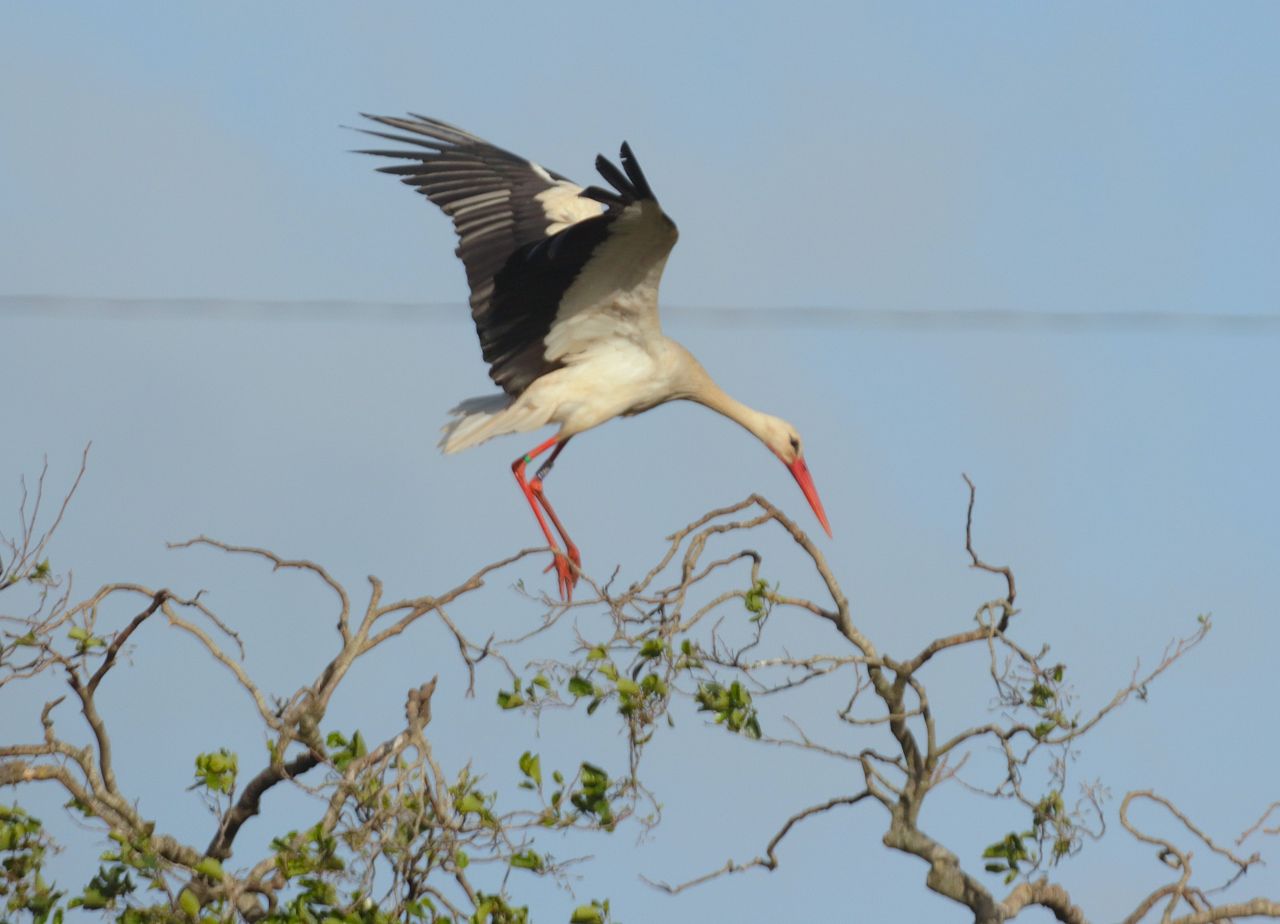
White stork at the recycling centre, Slyfield.
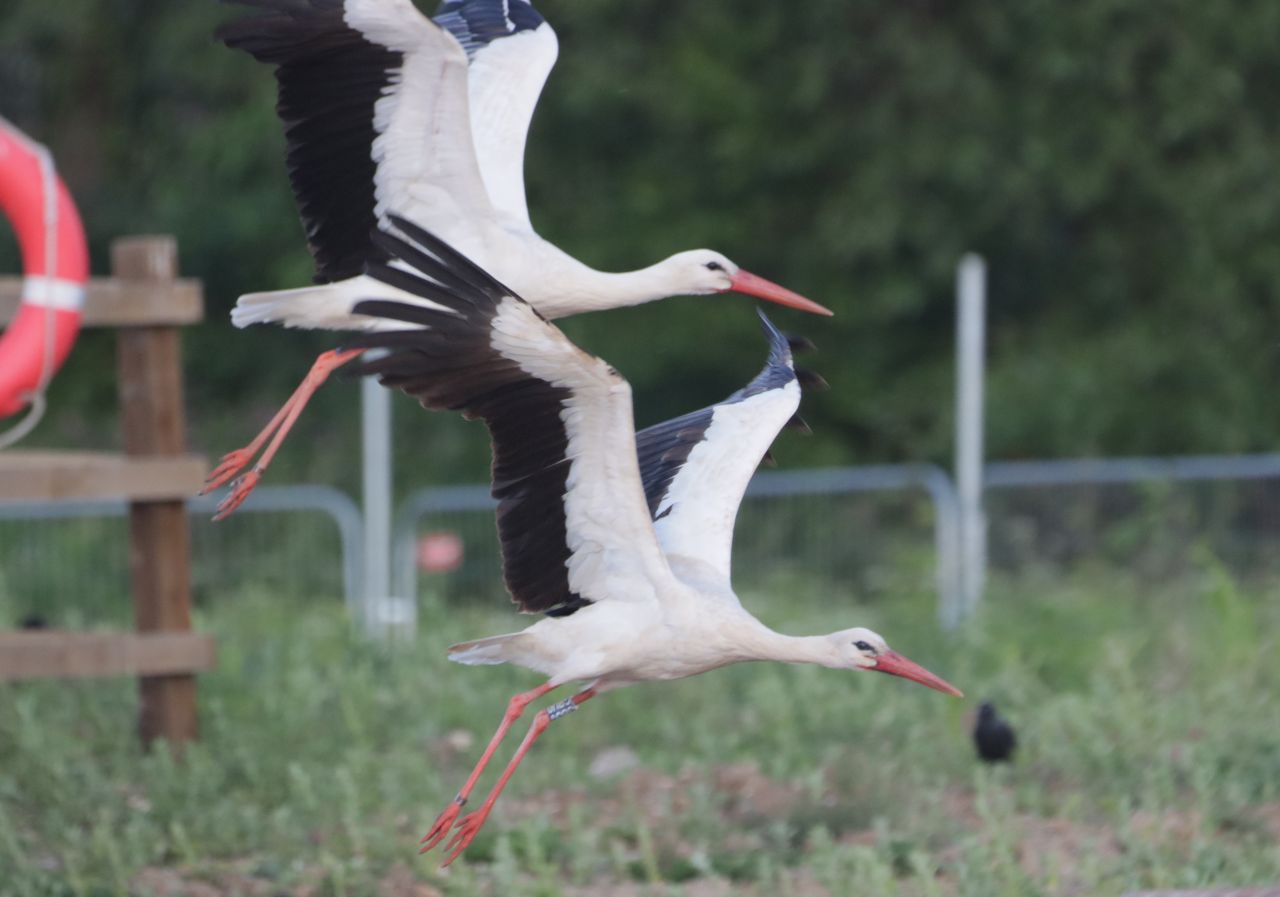
White storks in flight at Slyfield.
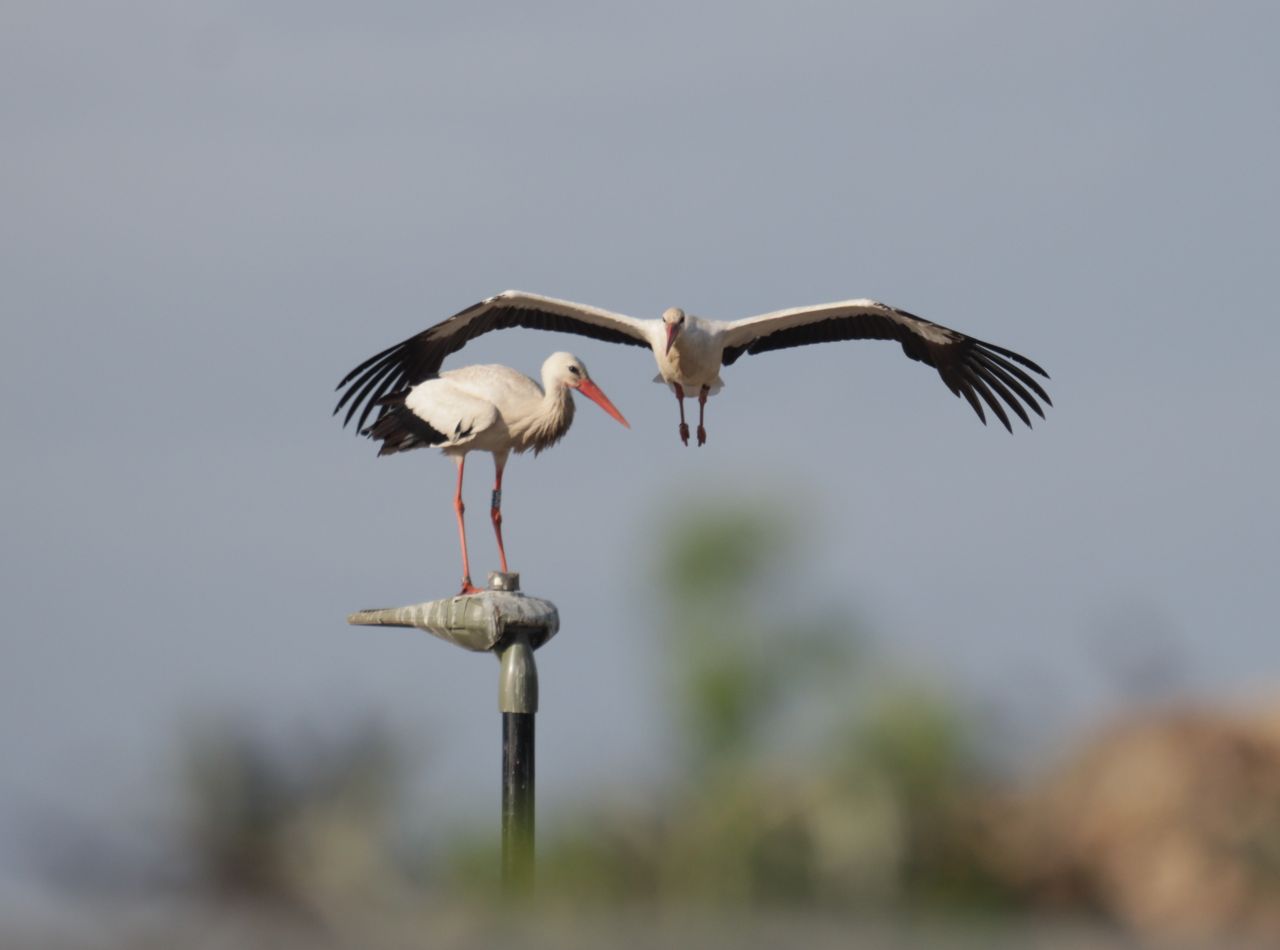
White storks at the recycling centre, Slyfield.
They could also often be still seen roosting by the recycling centre at Slyfield, with at least two birds noticeably not having been ringed.
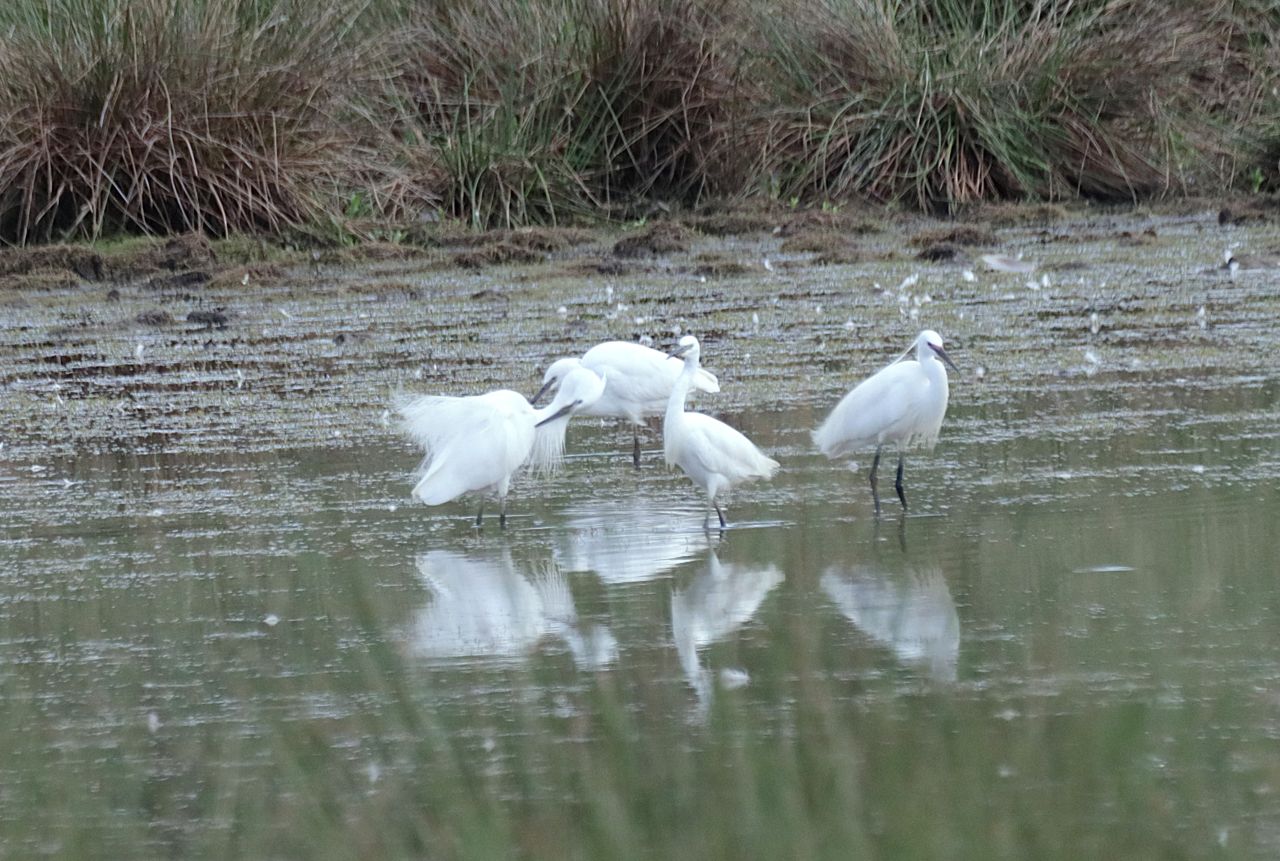
Little egrets on the flooded scrape, near Stoke Lock.
Also a record number there for me were six little egrets that could viewed in the rapidly diminishing water in the scrape.
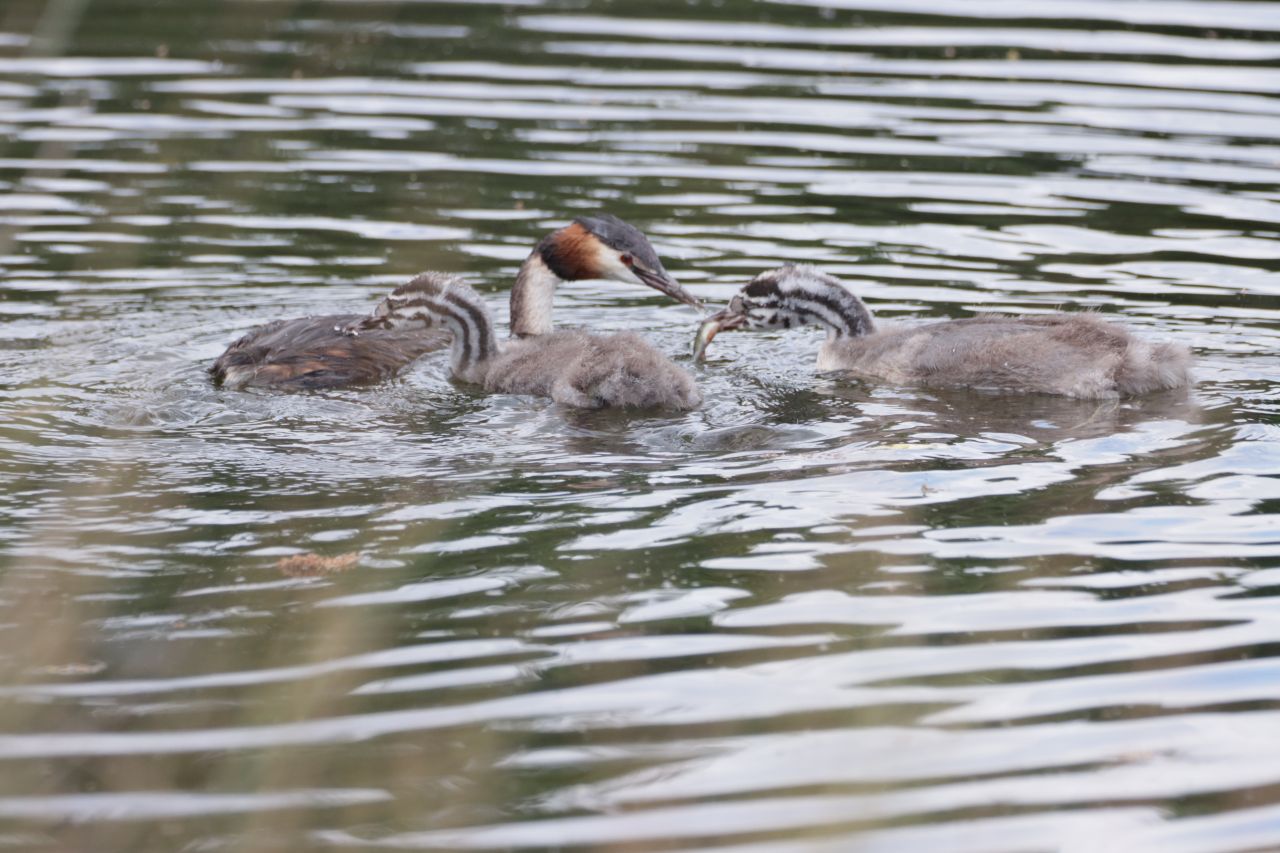
Great crested grebe feeding its young on Stoke Lake.
On Stoke Lake the young great crested grebes continued their presence, still attended to by their parents who occasionally brought them freshly caught fish.
My visit to Thursley Common on May 20 with old school-time friends David Rose and Simon Vine aided a few more photo opportunities and another chance to catch up of events in days and years gone by.

Woodlark, Thursley Common.
Highlights included several woodlarks.
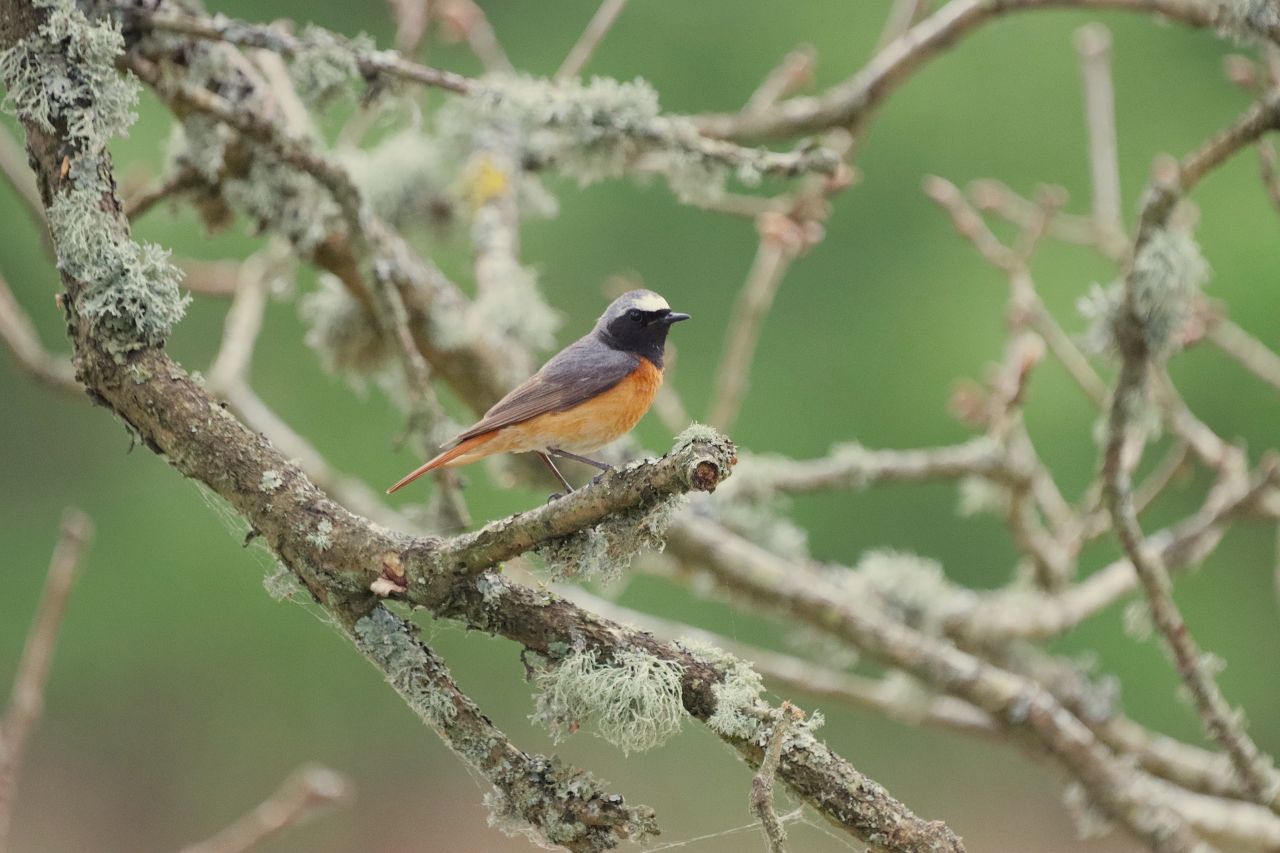
Common redstart, Thursley Common.
A male common redstart, still in song.

Dartford warbler, Thursley Common.
A few close-up views of Dartford warblers.
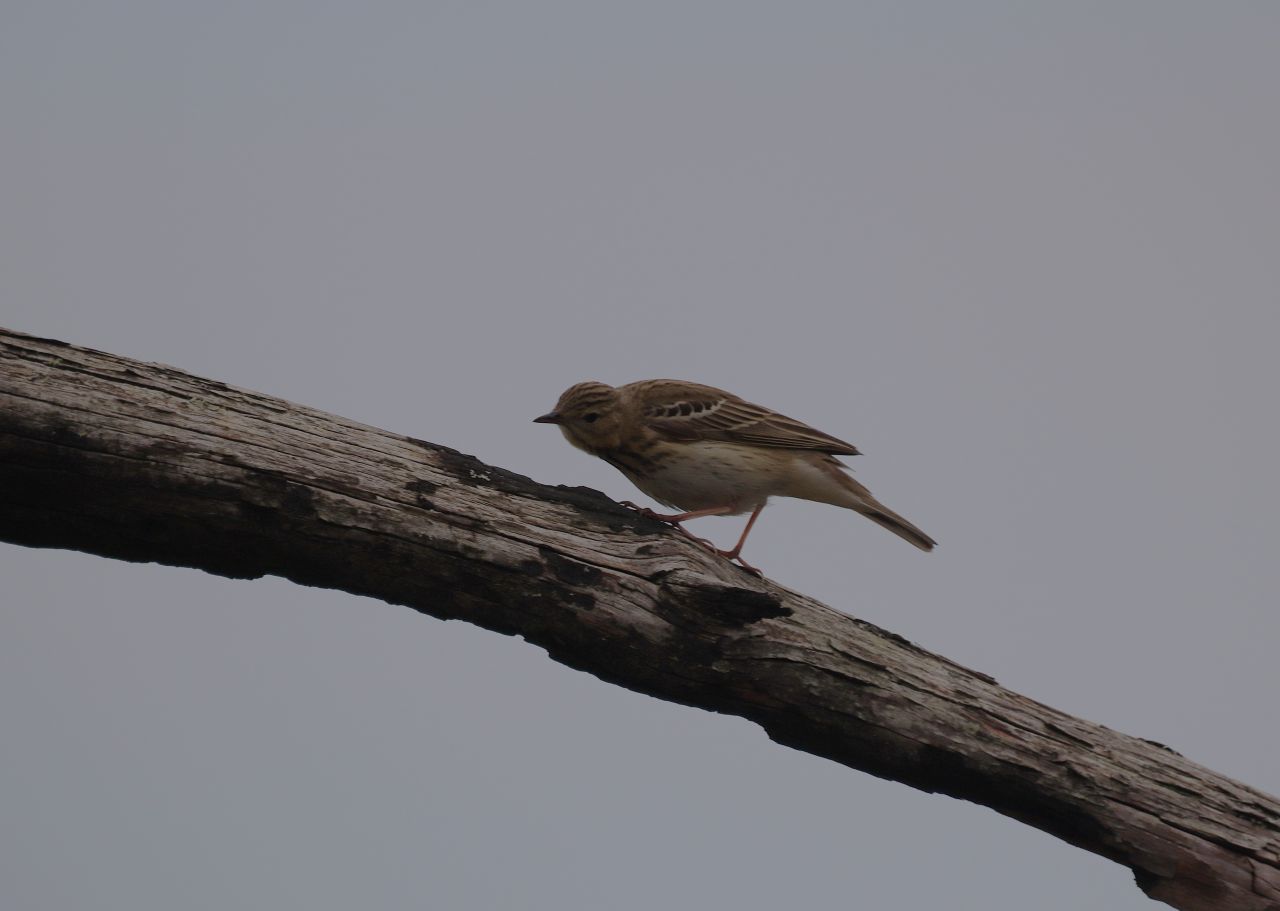
Tree pipit, Thursley Common.
A tree pipit.
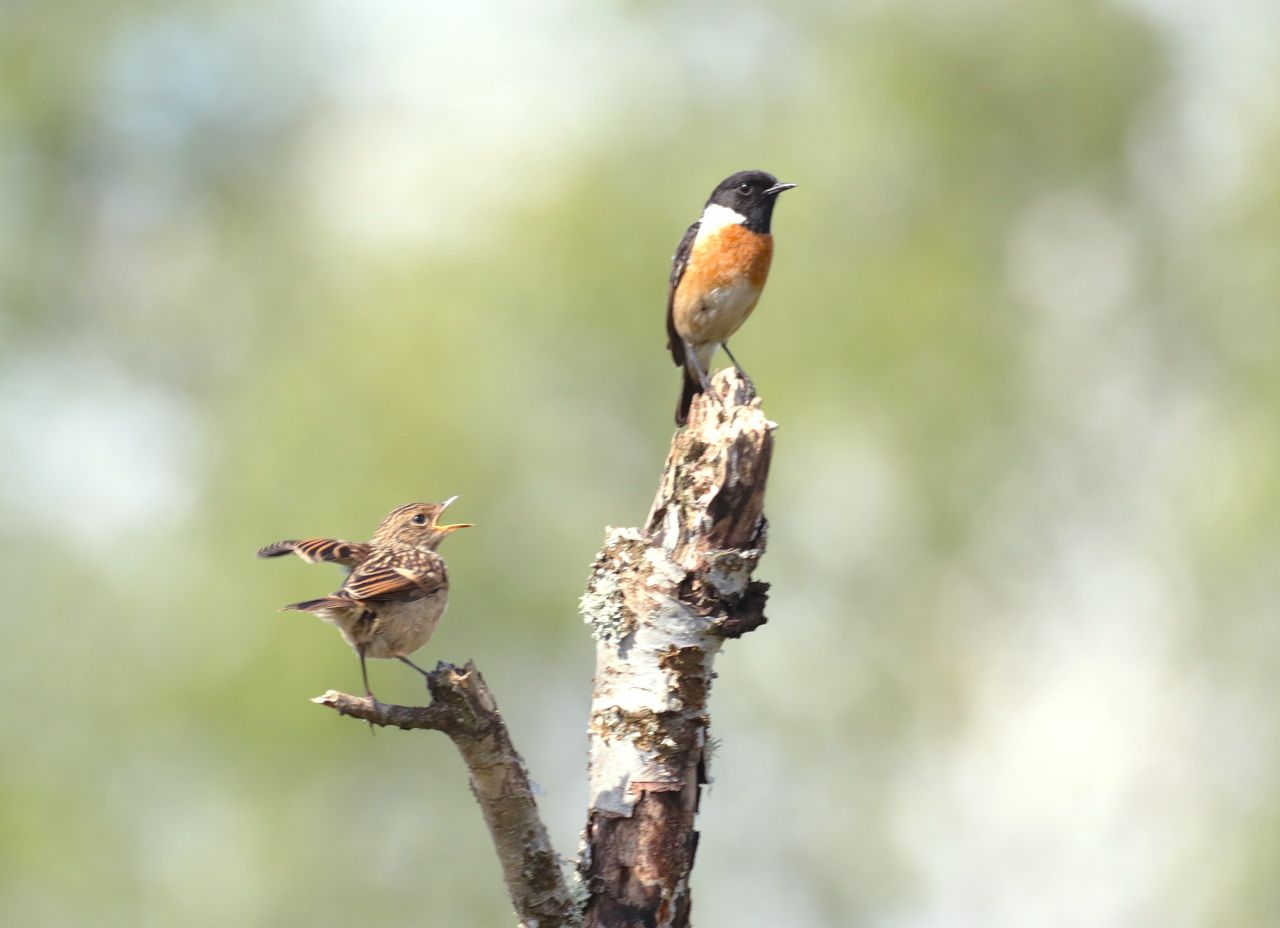
Stonechats.
And numerous sighting of stonechats, some now feeding their young.

Painted lady butterfly, Thursley Common.
Adding to the day’s list was another painted lady butterfly, one of three I managed to photograph about the Surrey countryside in just the last few weeks. This possibly being the start of delightful large migration influx this summer?
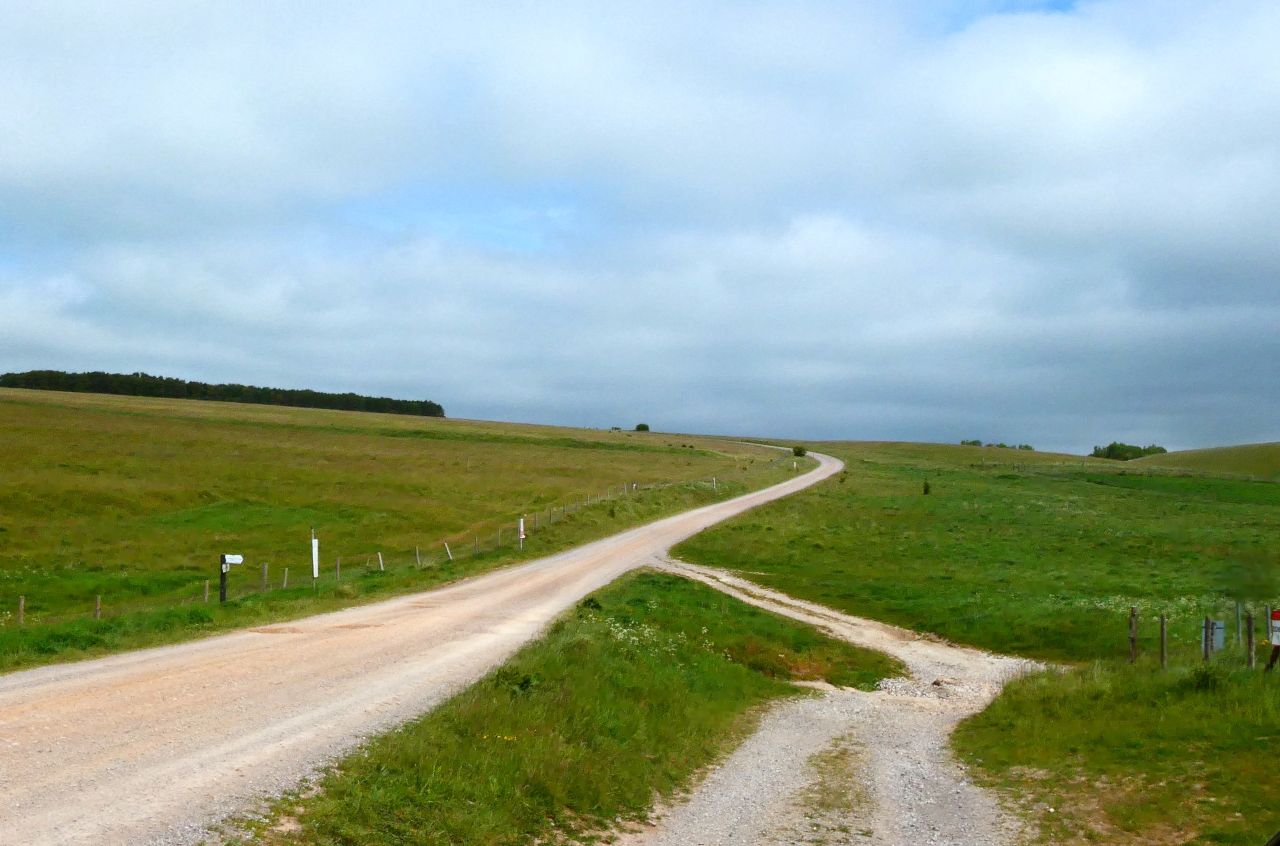
Salisbury Plain.
On May 21, in the company of Bob and Dougal, we ventured once again on what has in recent years been an annual visit to Salisbury Plain, on the northern side of Stonehenge.
This year’s visit was exceptionally productive with of photos of those great bustards that now reside there and getting a selection of shots almost worthy to make it a report of its own.
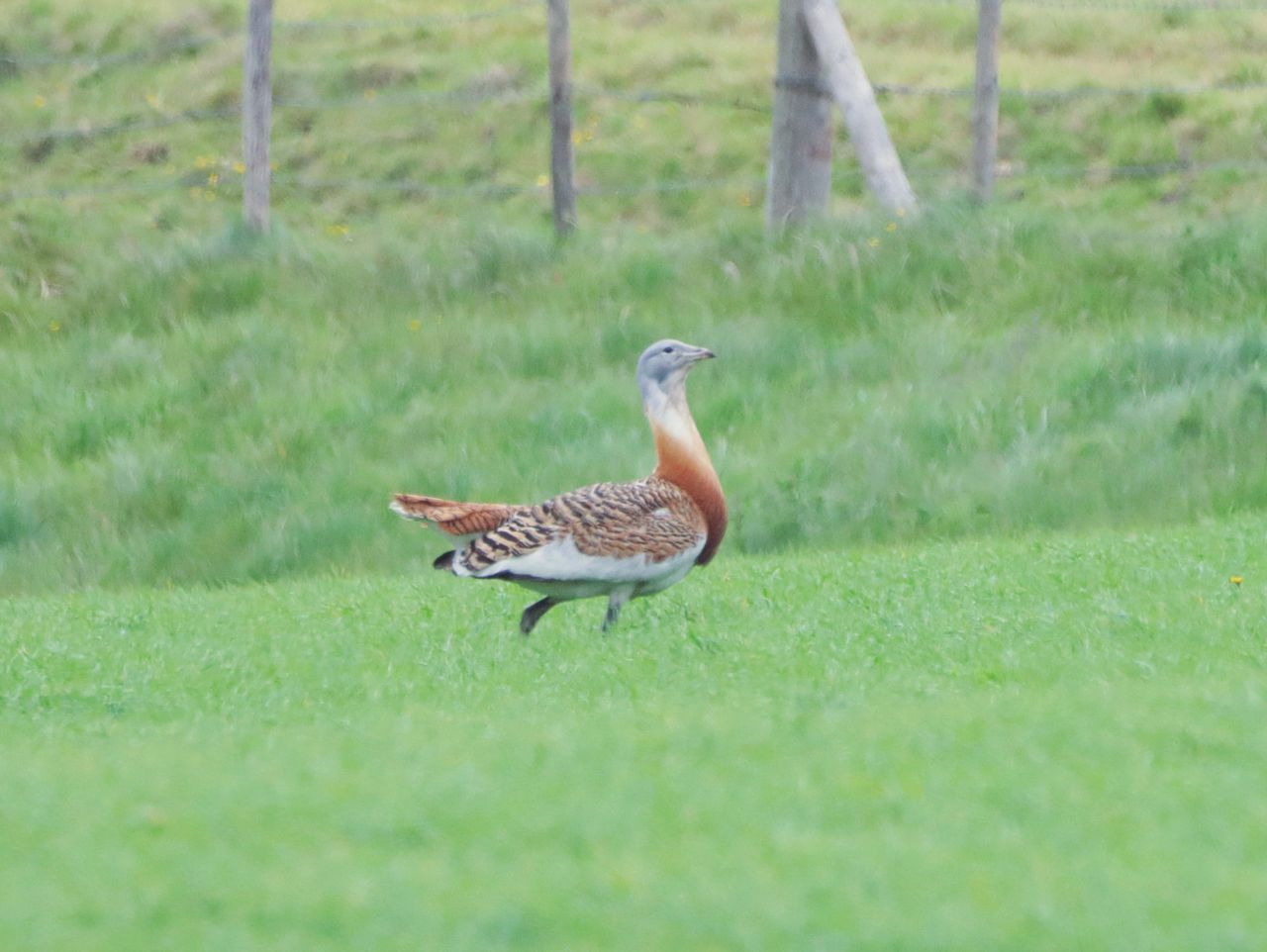
Great bustard, Salisbury Plain, Wiltshire.
They were once very much part of British wildlife, before being hunted to extinction during the 19th century.
A reintroduction project that started in 2004 released the first birds on Salisbury Plain. And there have been annual releases ever since. https://greatbustard.org/visit/
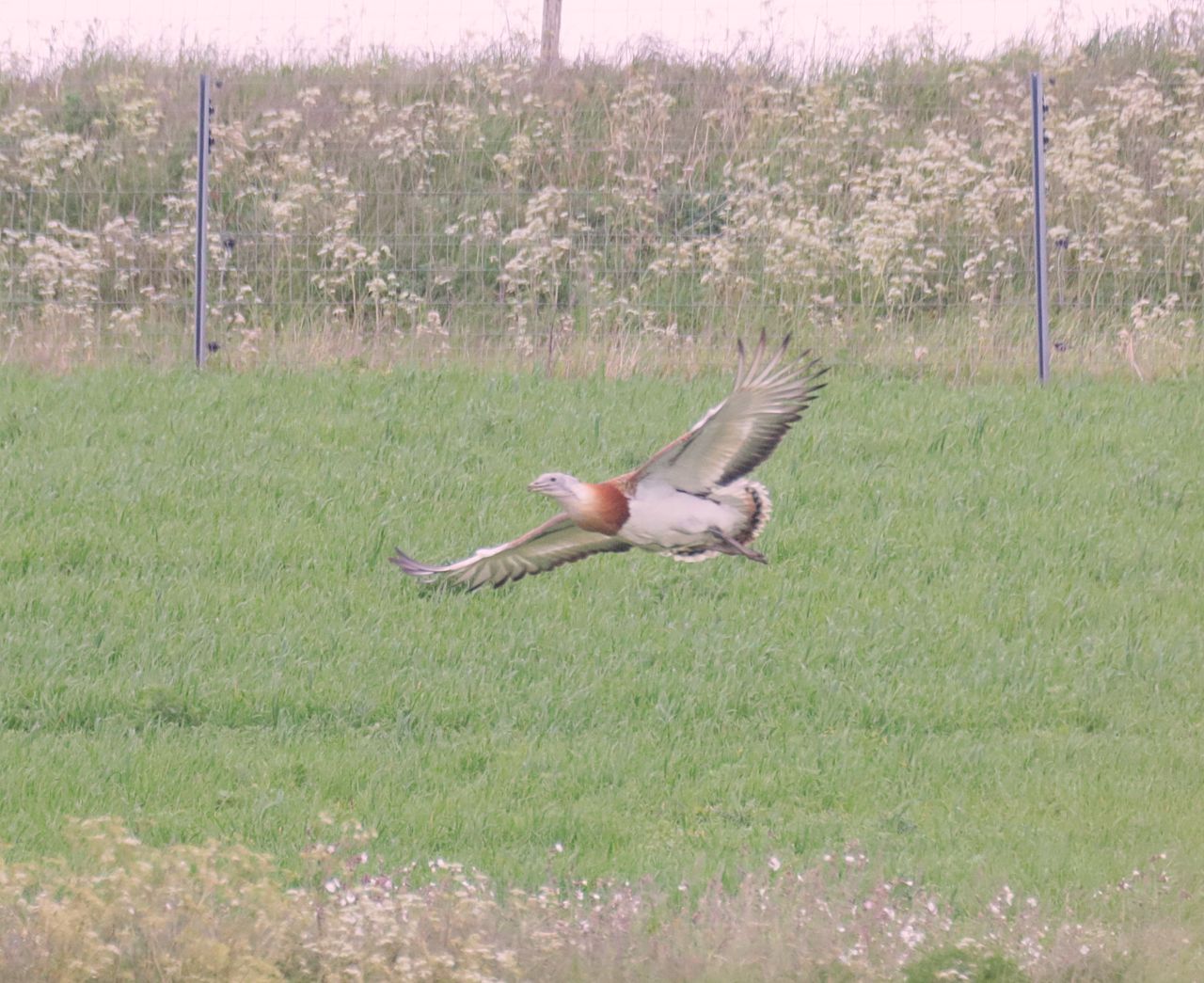
Great bustard in flight on Salisbury Plain, Wiltshire.
This has resulted in a self-sustaining population of around 100 birds, the only successful reintroduction of great bustards in the world.
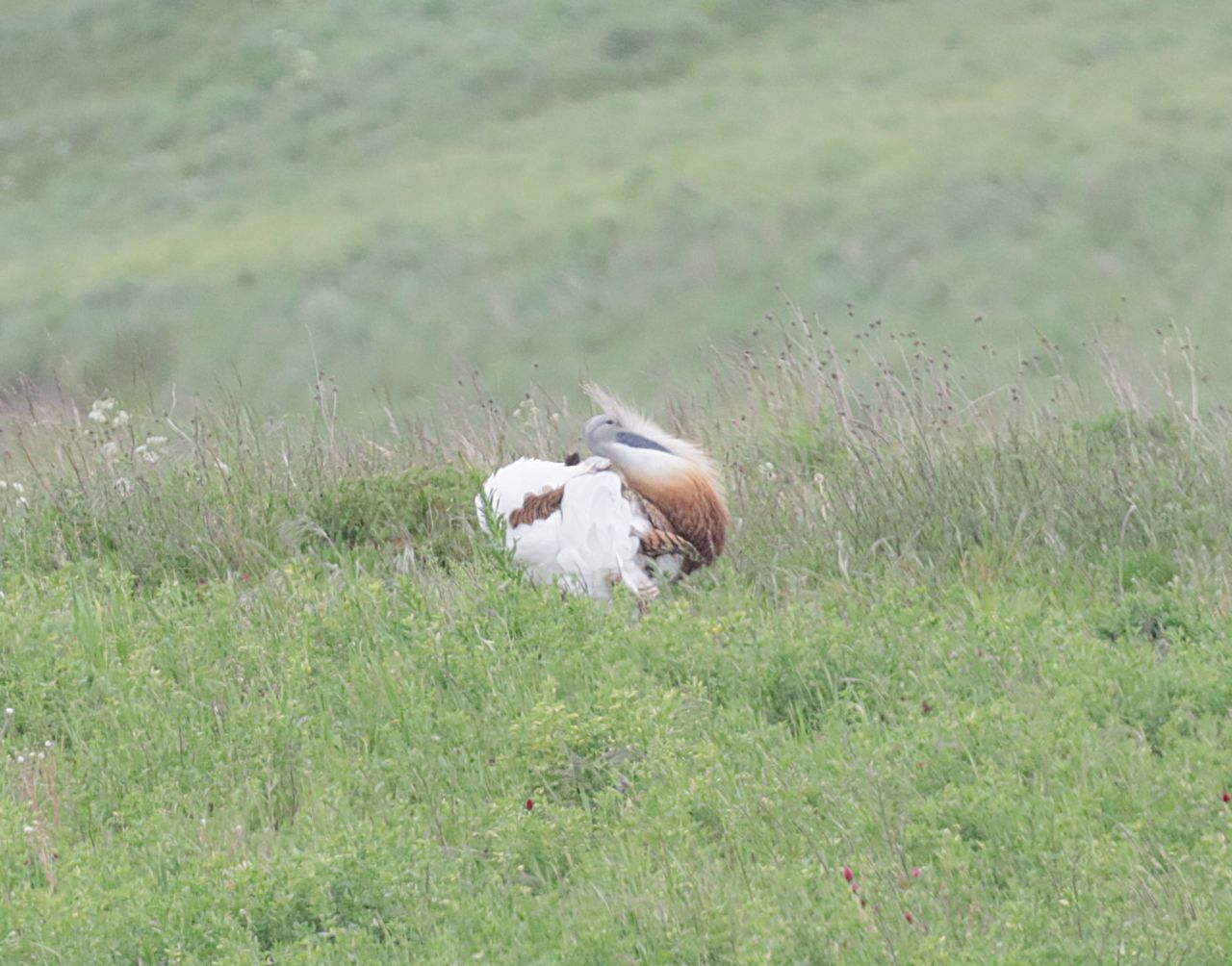
This great bustard displaying in a lekking pose on Salisbury Plain, Wiltshire.
Not only are they are the largest land birds in Britain, they are also the second heaviest flying bird alive today, only slightly outweighed by the kori bustard native to Africa.
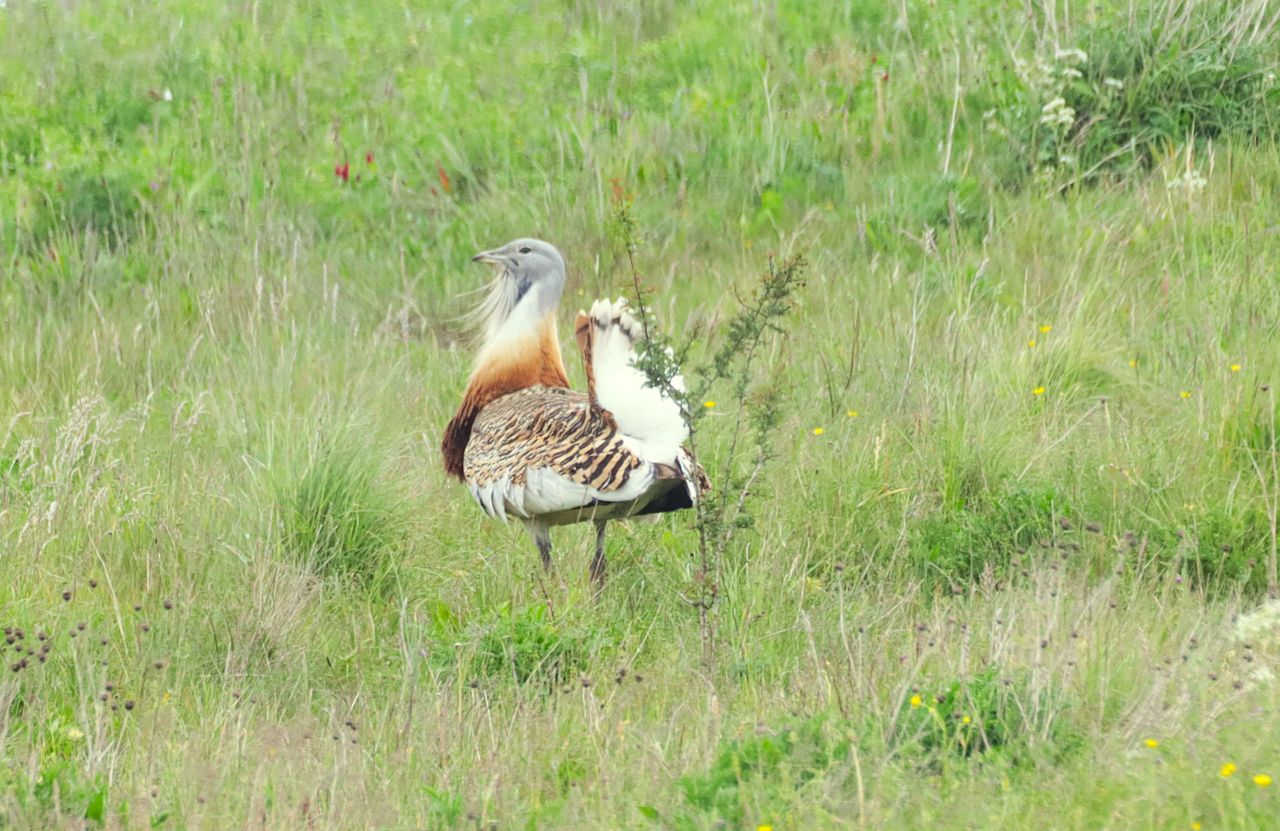
Adult male great bustard showing the characteristic long, beard-like feathers. Salisbury Plain, Wiltshire.
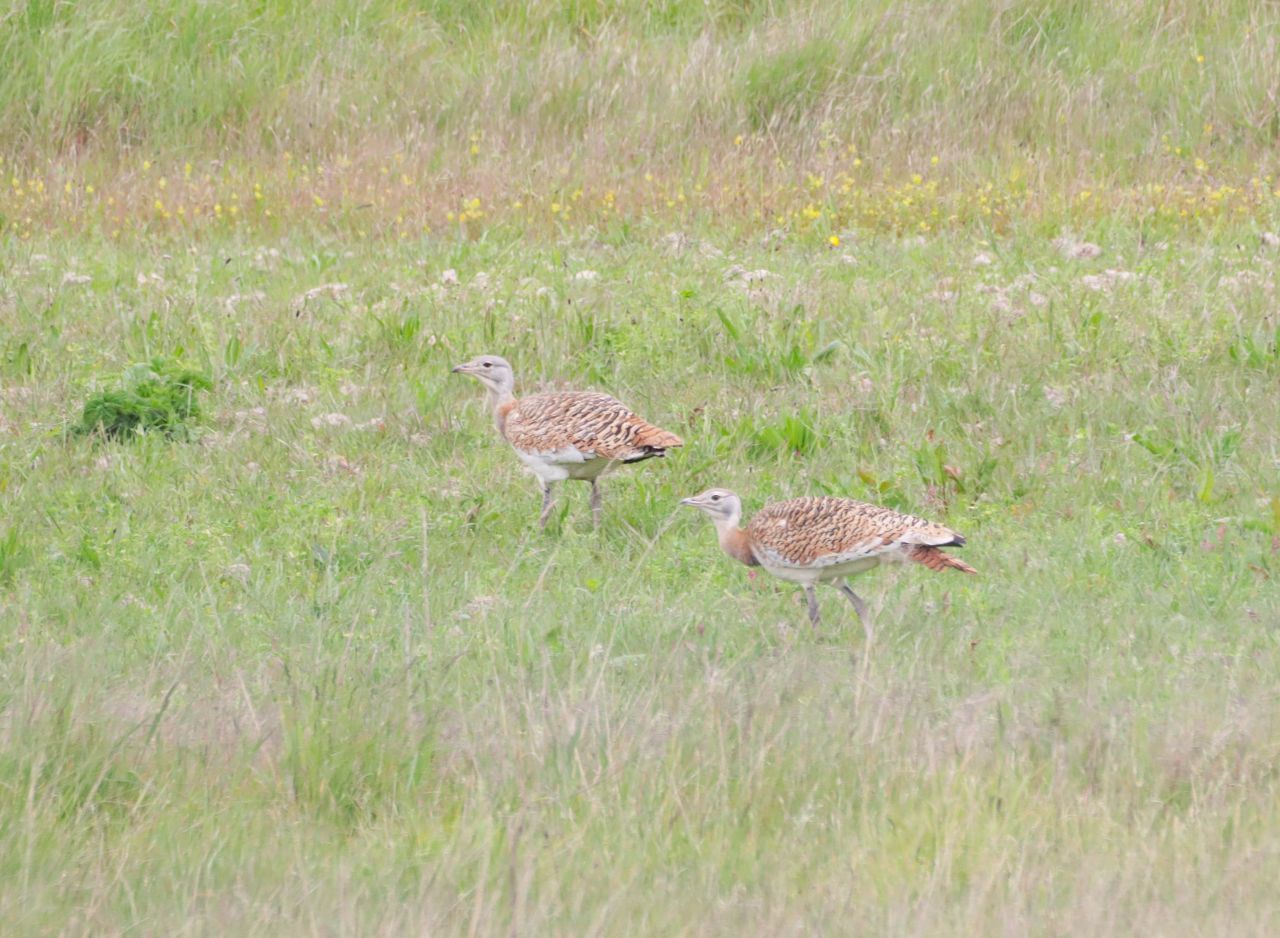
Great bustards, Salisbury Plain, Wiltshire.
A full-grown cock bird may weigh nearly 40lbs in weight, at least half a stone heavier than a mute swan!
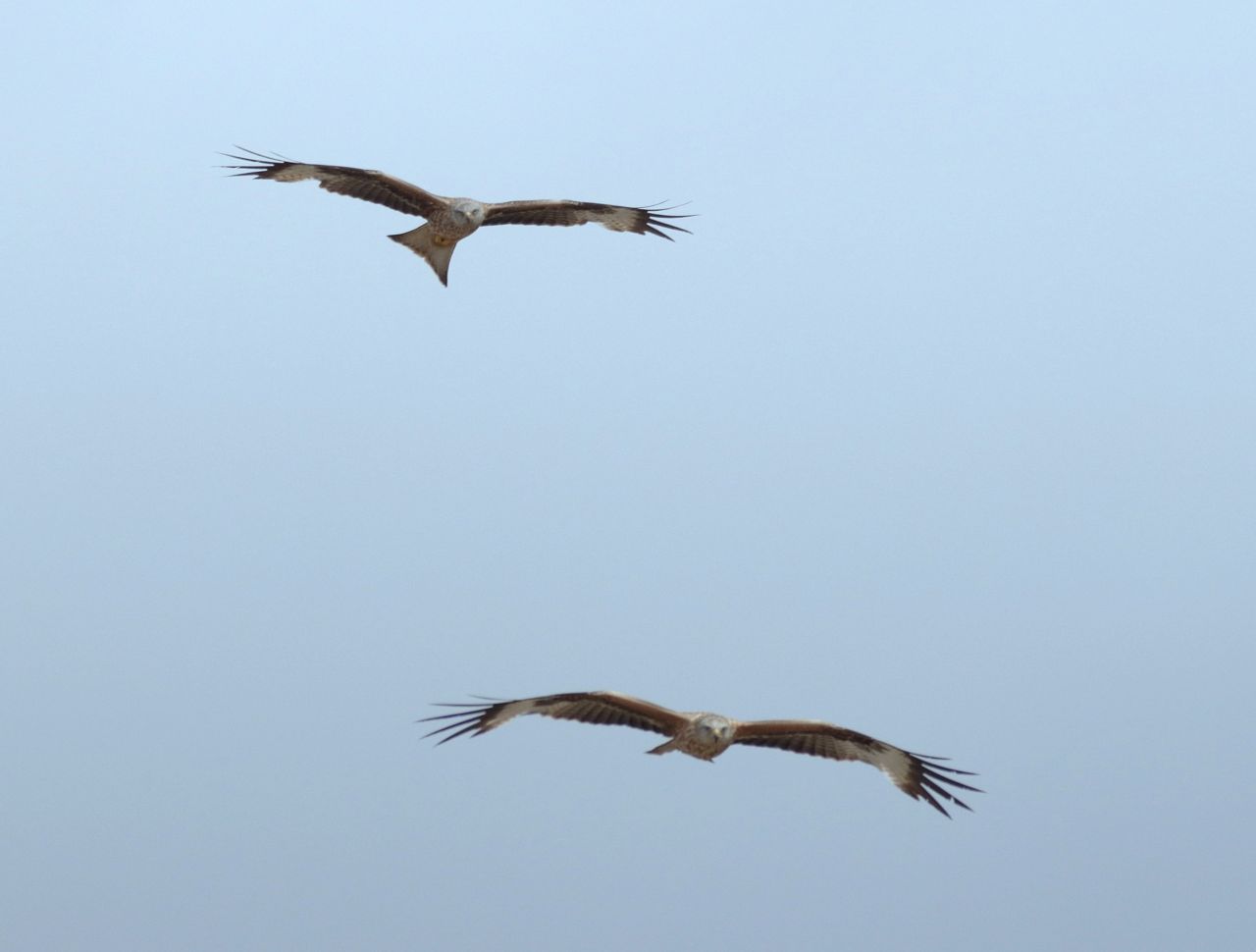
Red kites.
Across the landscape as many as 10 red kites could be counted as they drifted over the grasslands.

Brown hare, Salisbury Plain.
Several brown hares could also be picked out as they scampered across the fields.
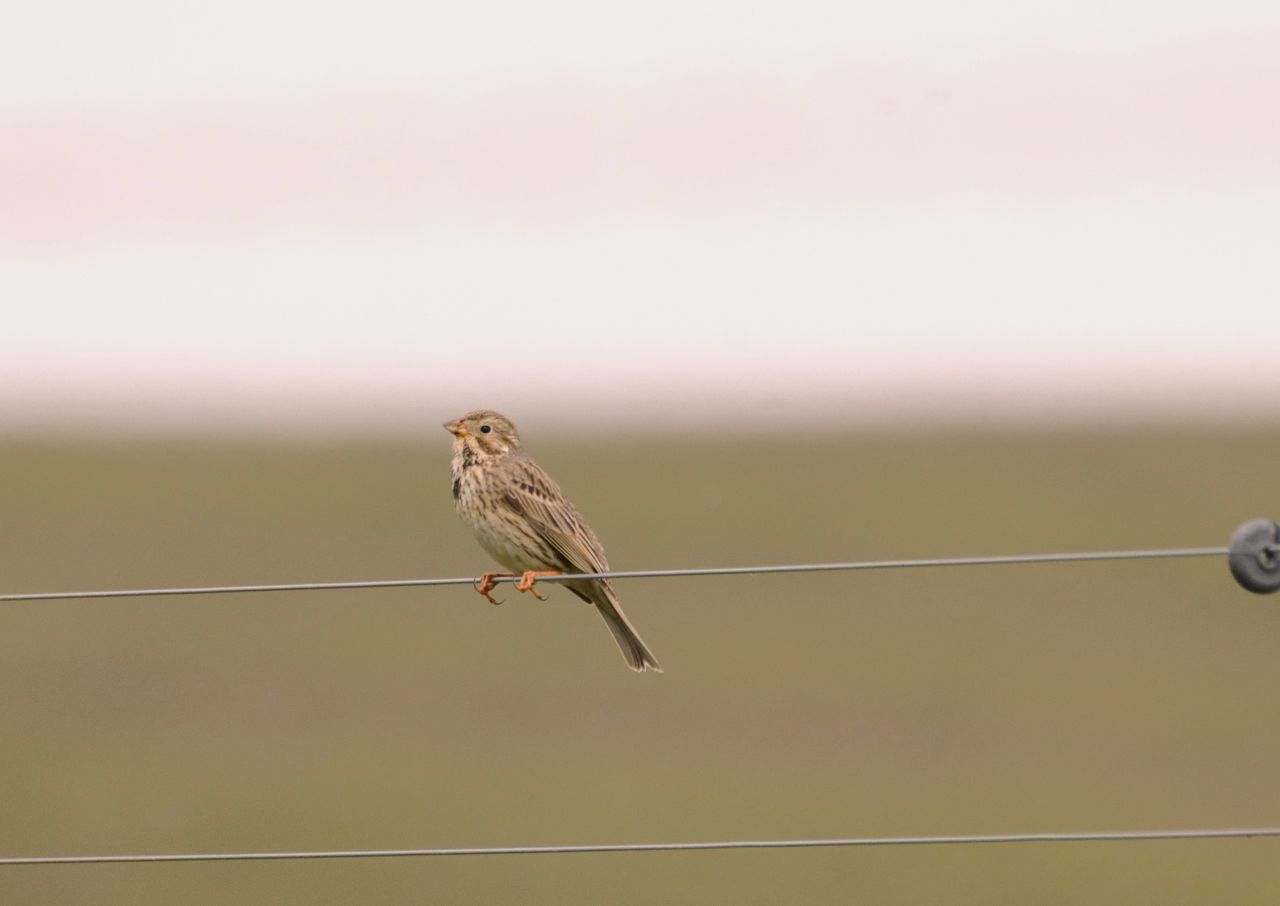
Corn bunting, Salisbury Plain, Wiltshire.
While corn buntings could be heard singing their ‘jangly’ songs from fence wires along the lane.
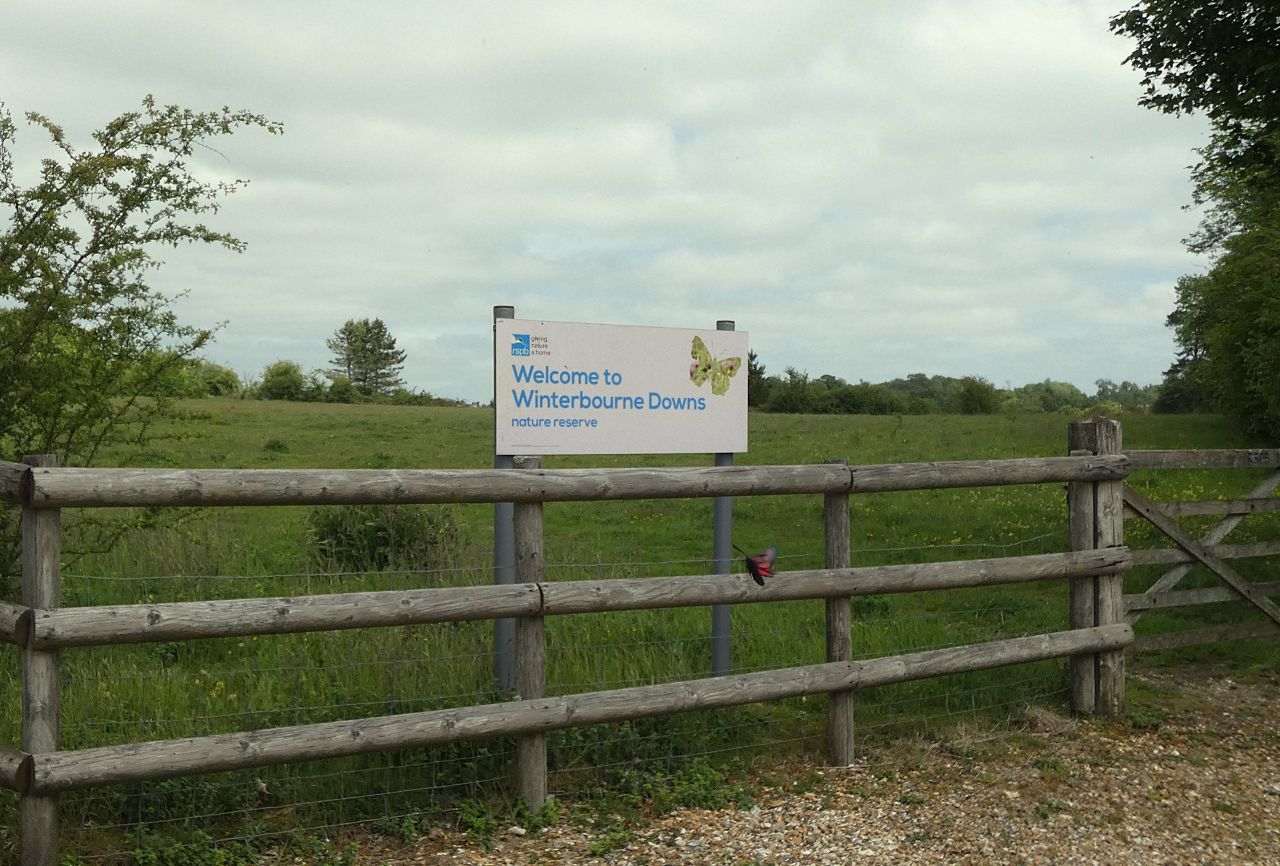
Winterbourne Down.
On our journey home we stopped of at RSPB Winterbourne Down, Wiltshire.

Stone curlew, RSPB Winterbourne Down, Wiltshire.
As on our visits in previous years we were once again able to pick out several stone curlews. although best viewed through a telescope.
On the chalky slopes of the downland several species of butterfly could also be viewed on the wing.

Common blue butterfly, Winterbourne Down.
These including a number of common blue butterflies.
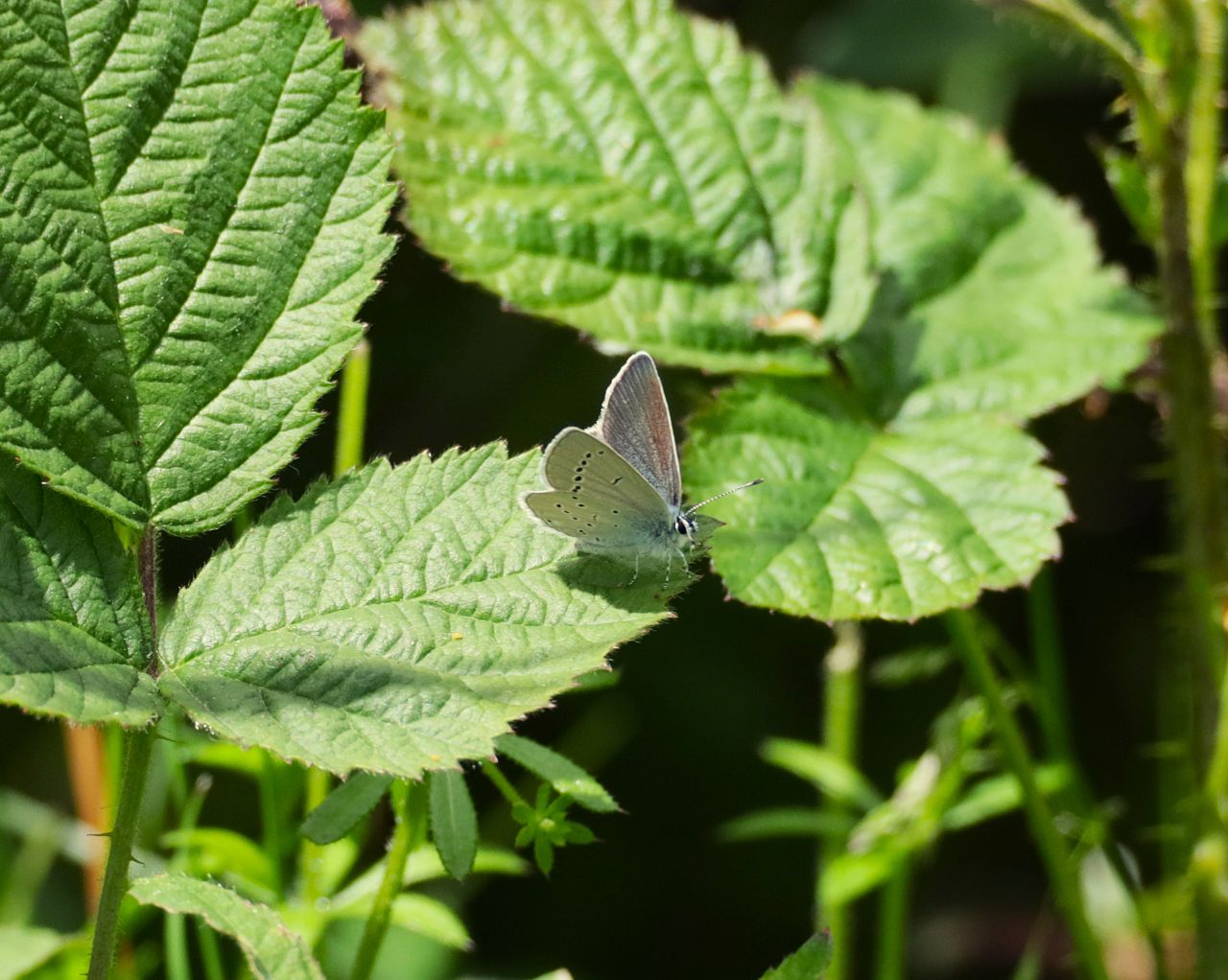
Small blue butterfly, Winterbourne Down, Wiltshire.
As well as a few small blue butterflies.
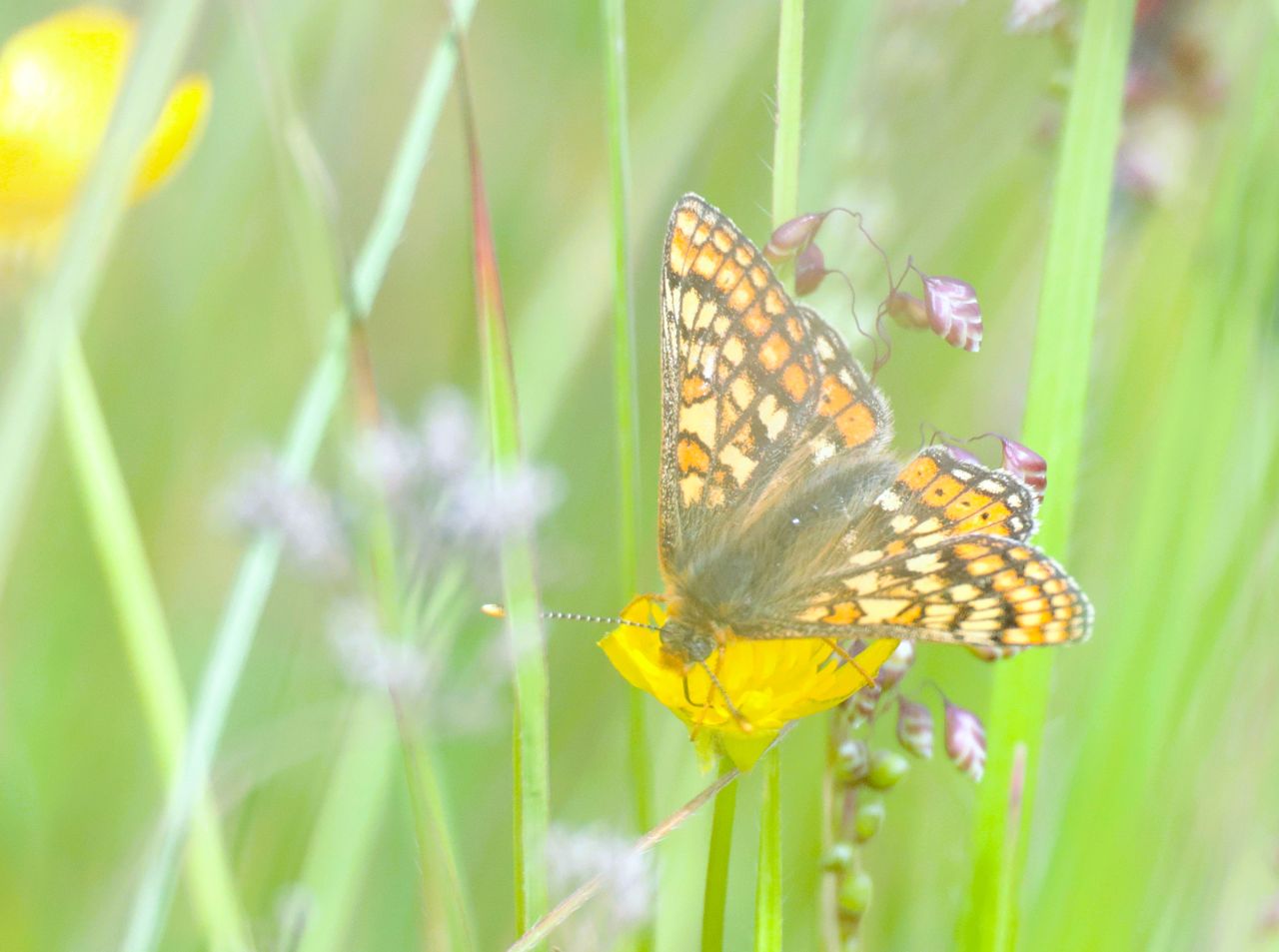
Marsh fritillary, Winterbourne Down, Wiltshire.
At the top of the slope a small cluster of marsh fritillary butterflies could be found, counting half a dozen or so.

Burnet moths, Winterbourne Down.
Burnet moths had just started to emerge, getting my first sightings this year of many already on the wing.
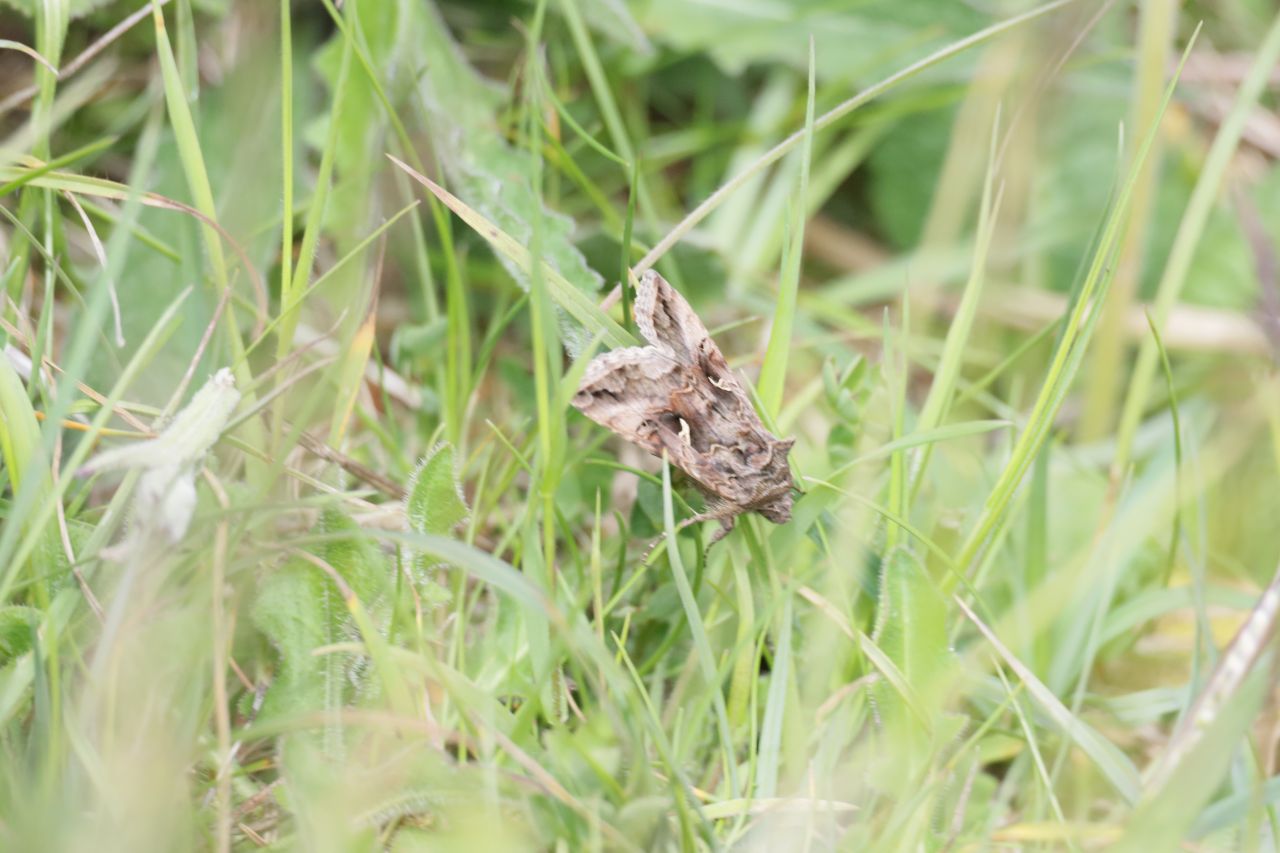
Silver-y-moth, Winterbourne Down, Wiltshire.
Also adding a silver-y-moth to my photos.

Corn bunting, RSPB Winterbourne Down, Wiltshire.
Plus a corn bunting perched up in a bush at the top of the hillside. Surprisingly, the same bush we heard it sing from about this time last year.
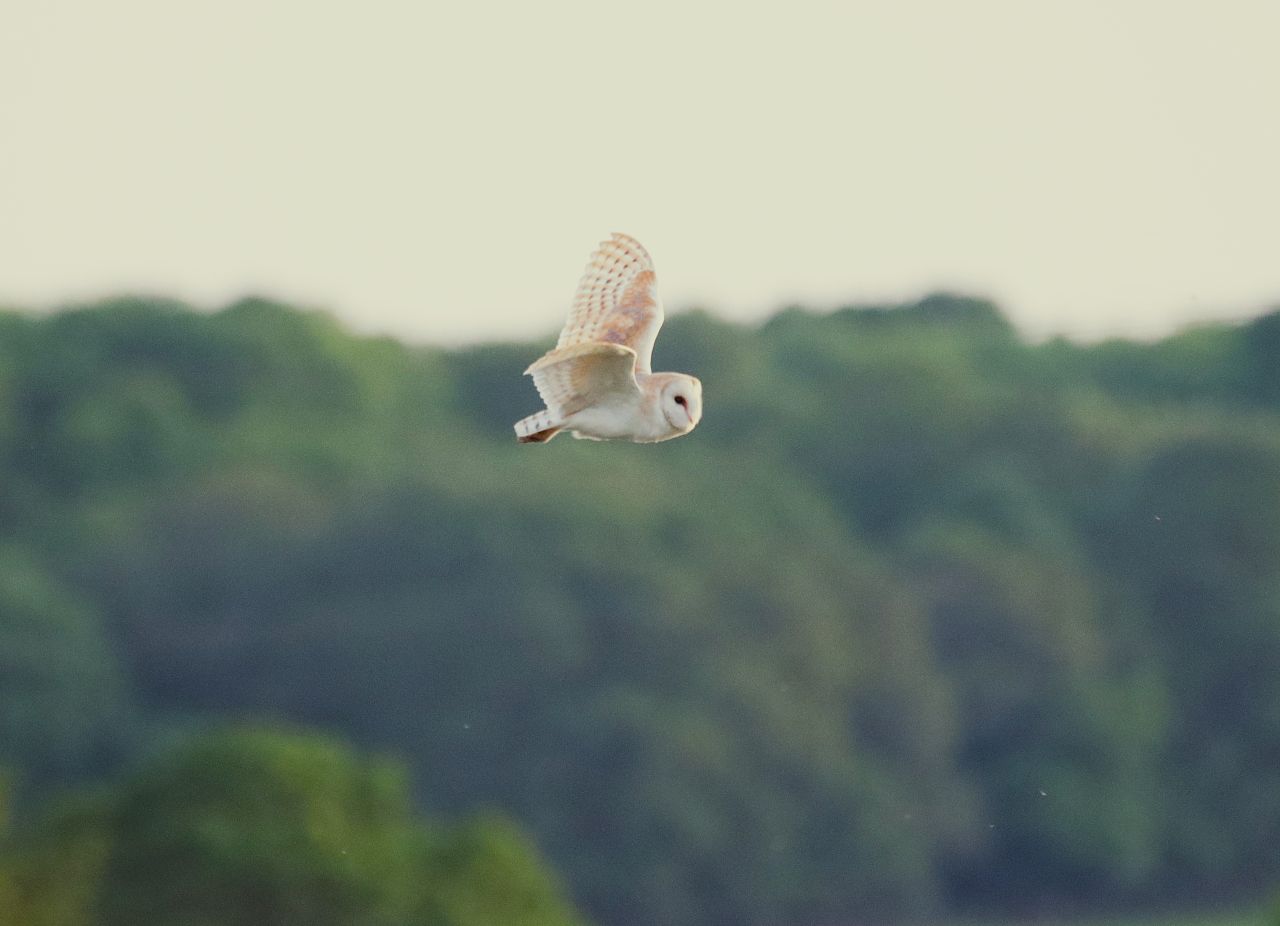
Barn owl within the Surrey countryside.
Back within the Surrey countryside I had the first opportunity this year of sighting and photographing a barn owl out hunting in the late evening sunlight.
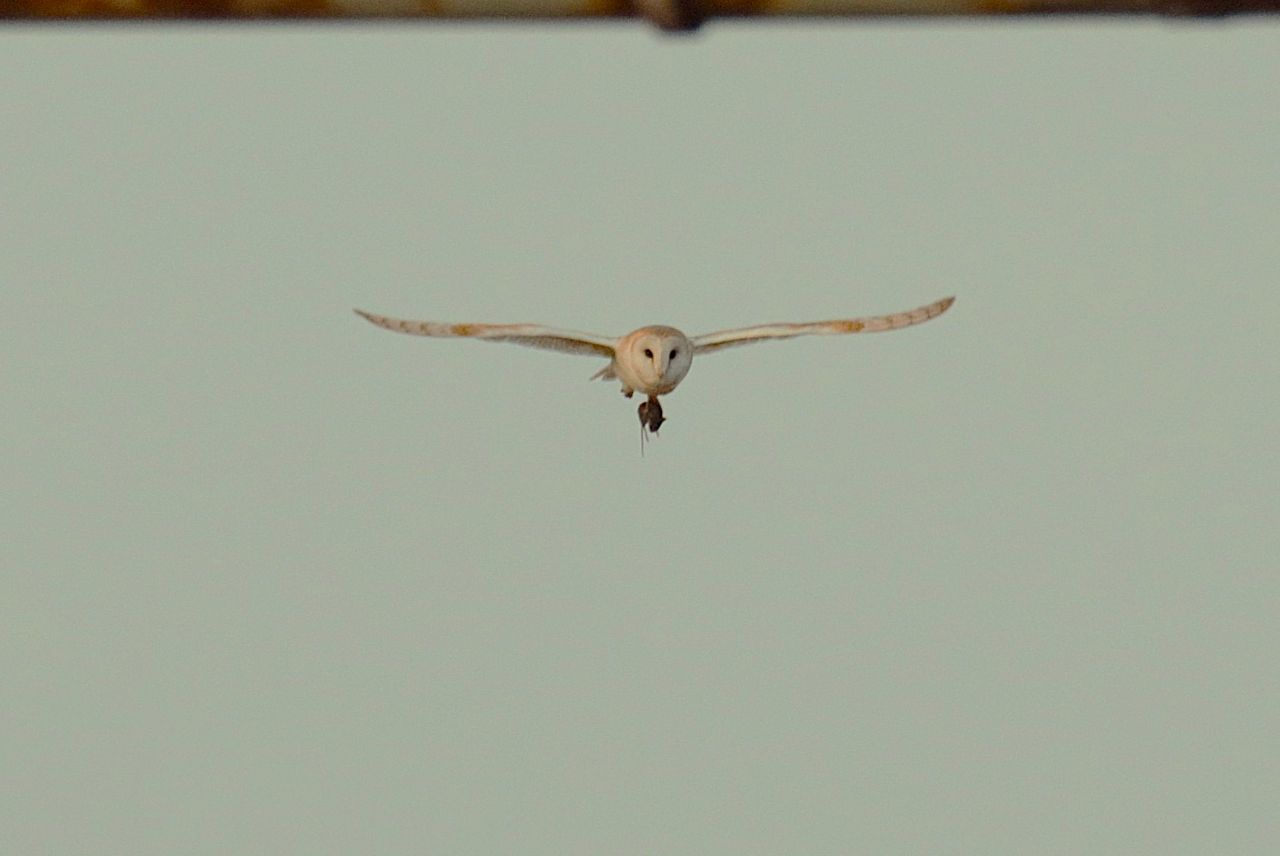
Barn owl, carrying prey.
This was the first I had seen and photographed within Surrey since the one viewed on several occasions at Pewley Down in March 2025.
On May 23, in the company of Dougal, I visited Farnham Heath.
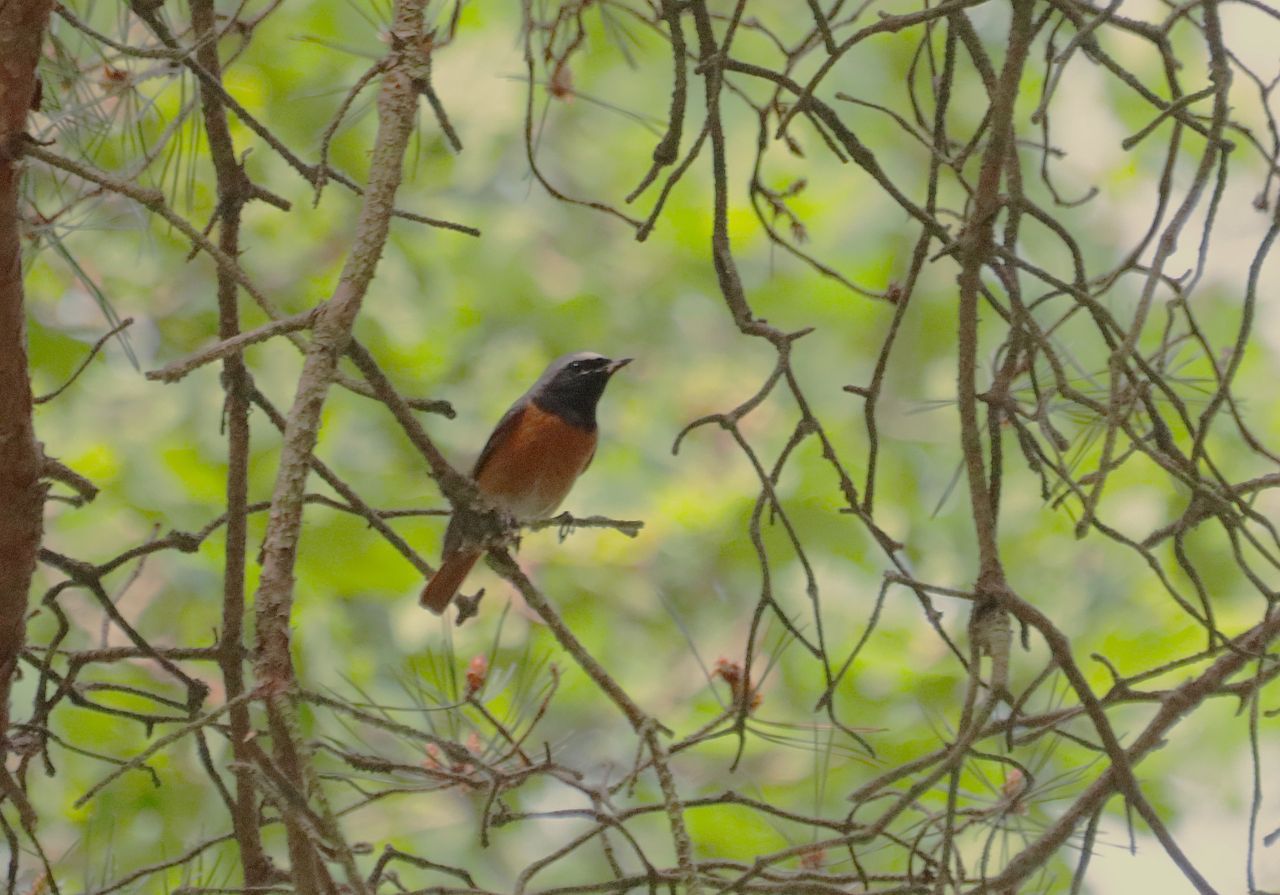
Male common redstart, Farnham Heath.
This allowing me to spot a pair of common redstarts already, by the looks, raising young as they spent time returning to their nest site to feed them.
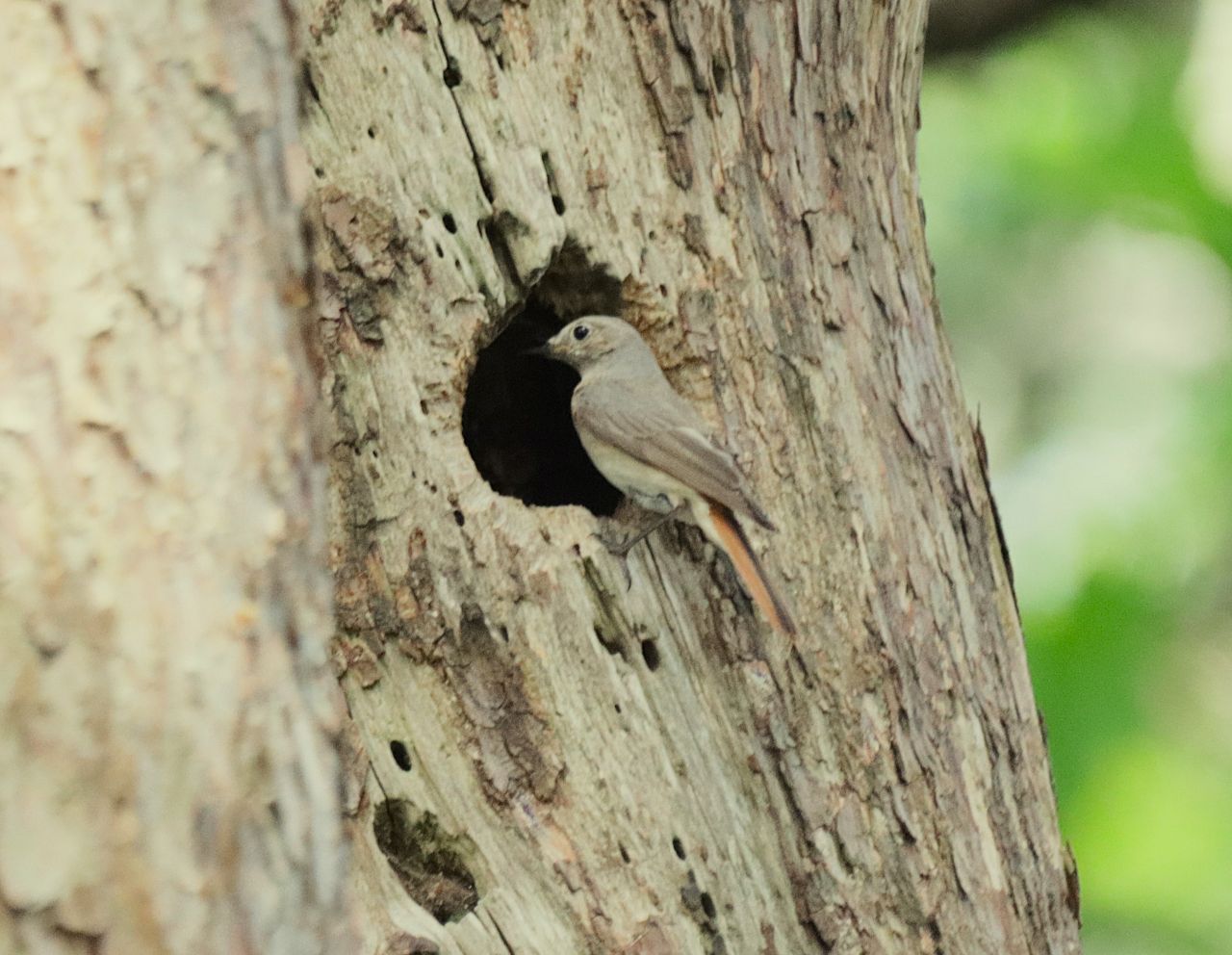
Female common redstart at nest site, Farnham Heath.
Allowing me my first photos this year of a female common redstart.
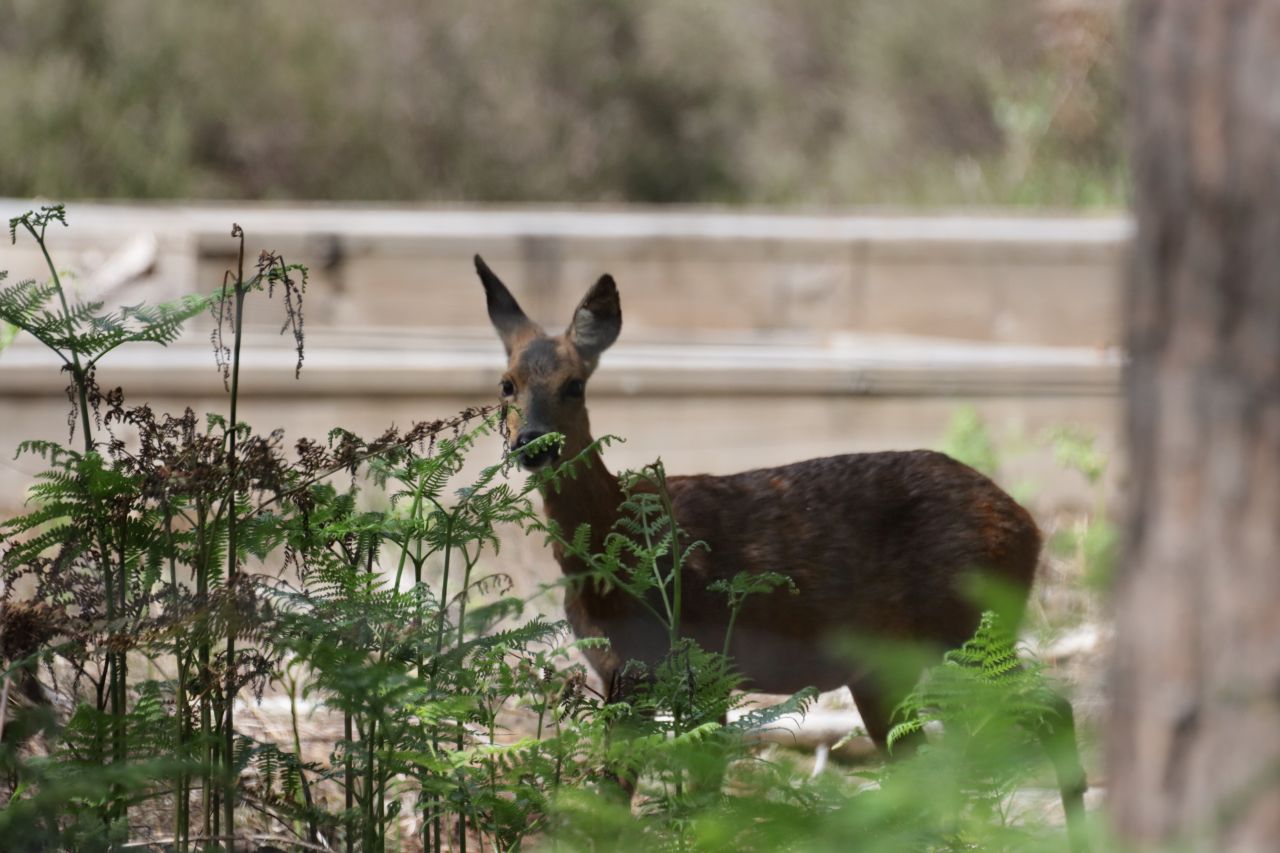
Roe deer, Farnham Heath.
Also adding a roe deer to the day’s mammal list.
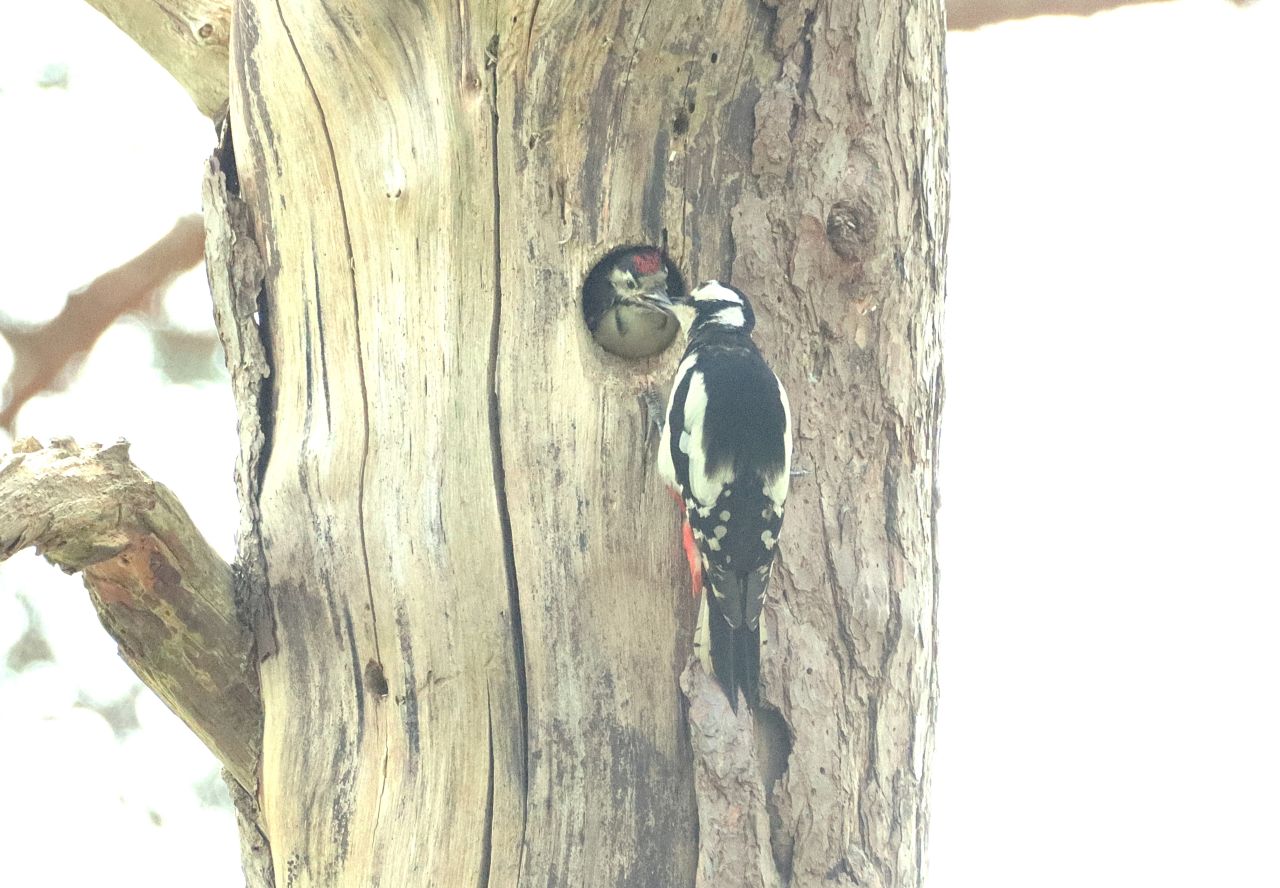
Great spotted woodpecker feeding young, Farnham Heath.
Nearby, a great spotted woodpecker family could also be viewed with both parents seen flying back and forth collecting beaks full of insects to feed their young.
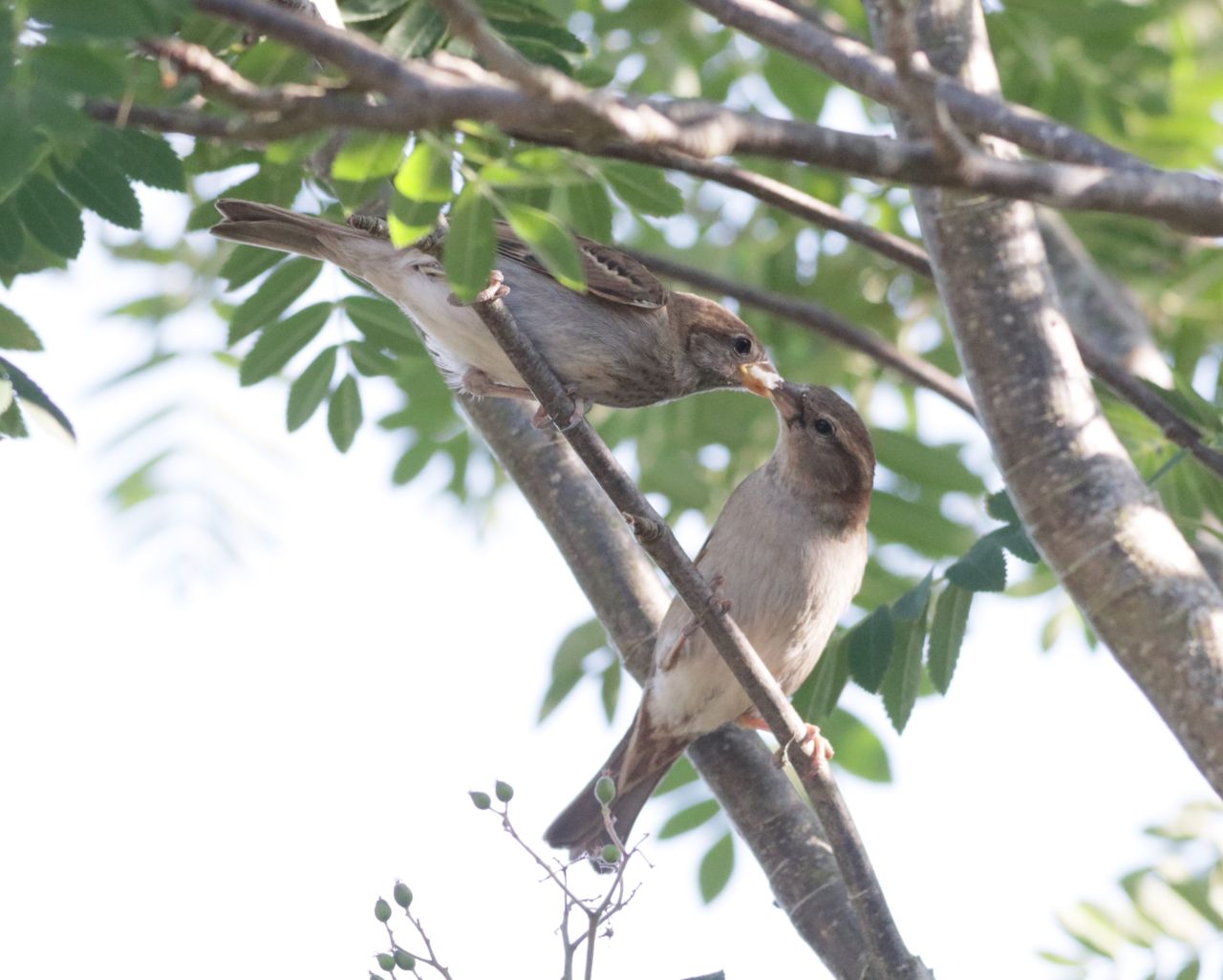
House sparrow feeding young in my garden.
Having seen house sparrows also feeding their young earlier that day in my own back garden.

Garden warbler in song.
A visit to Chiddingfold Forest gave us the opportunity to see and hear a few garden warblers still in song.
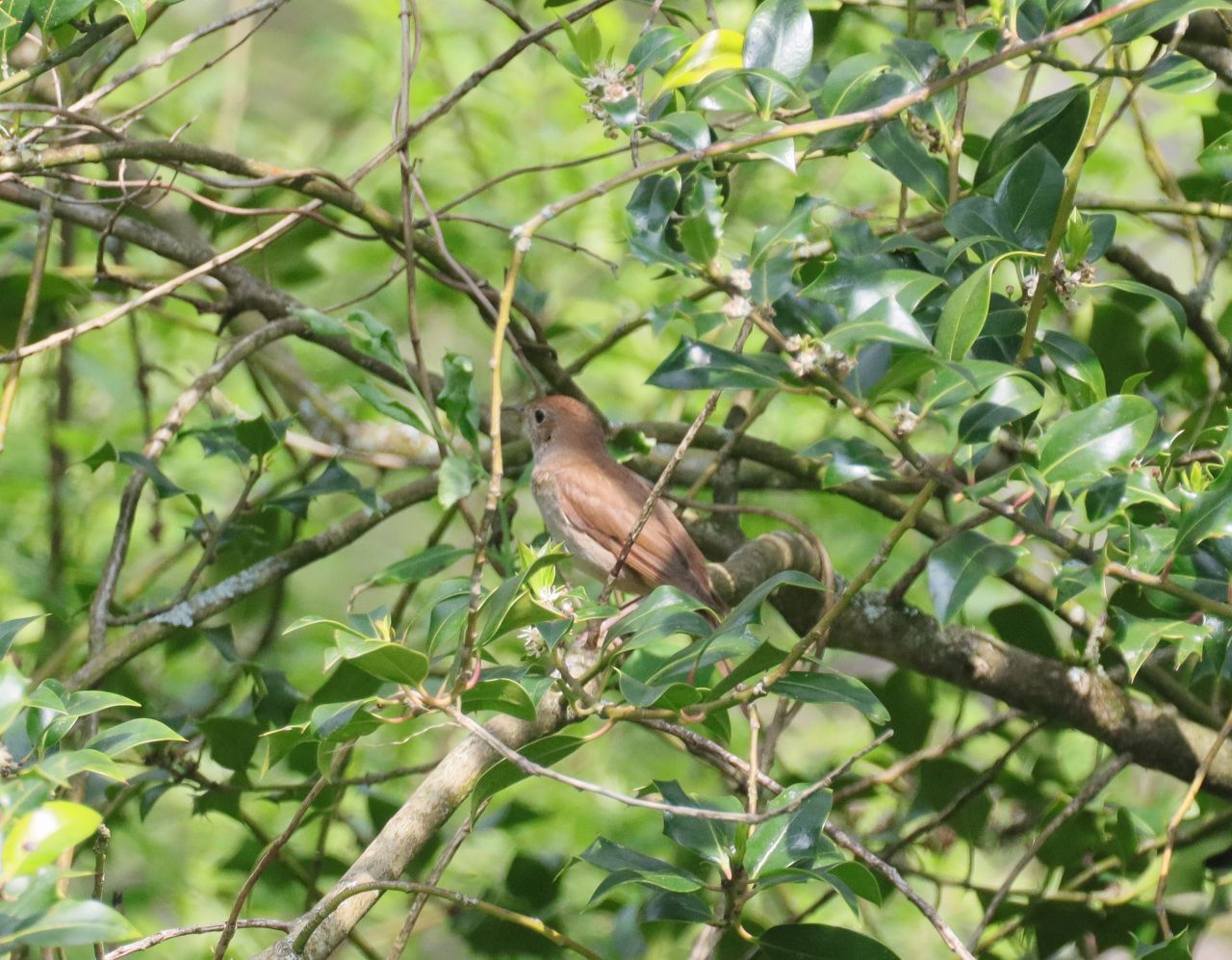
Nightingale, Chiddingfold Forest, seen on a previous visit.
As well as a brief call of a nightingale skulking within the undergrowth.
A cuckoo could be heard, but not seen as we walked the forest track.

Juvenile long-tailed tit.
Small groups of long-tailed tit fledglings could be viewed there as well as many other places I visited.
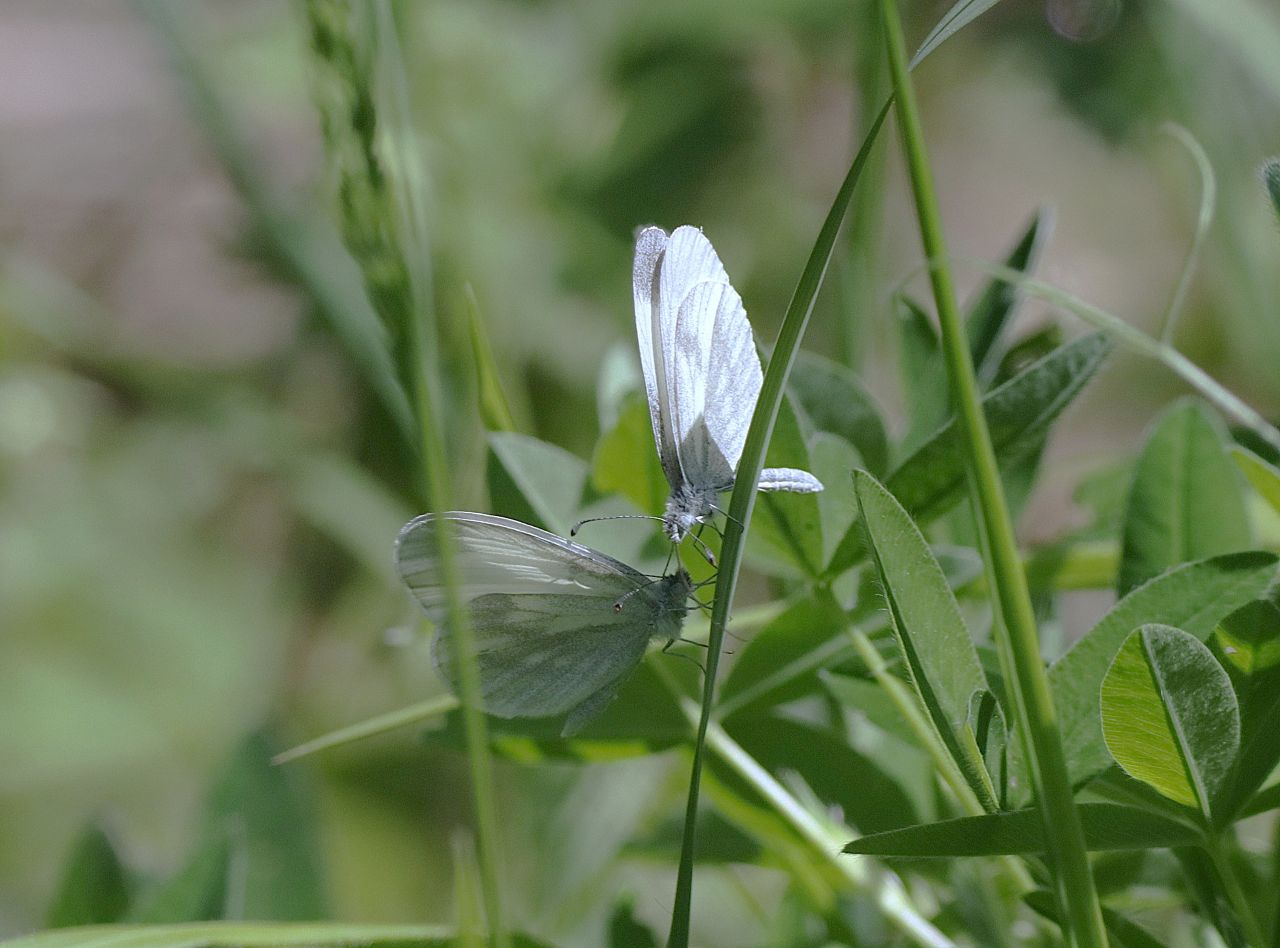
Wood white butterflies, Chiddingfold Forest.
Numerous photos of wood whites allowed me to add another species of butterfly to this year’s sightings.
On May 25, we made our annual attempt to view honey buzzards at the raptor viewpoint in Woolbeding, West Sussex.
These attempts can be rather hit or miss.
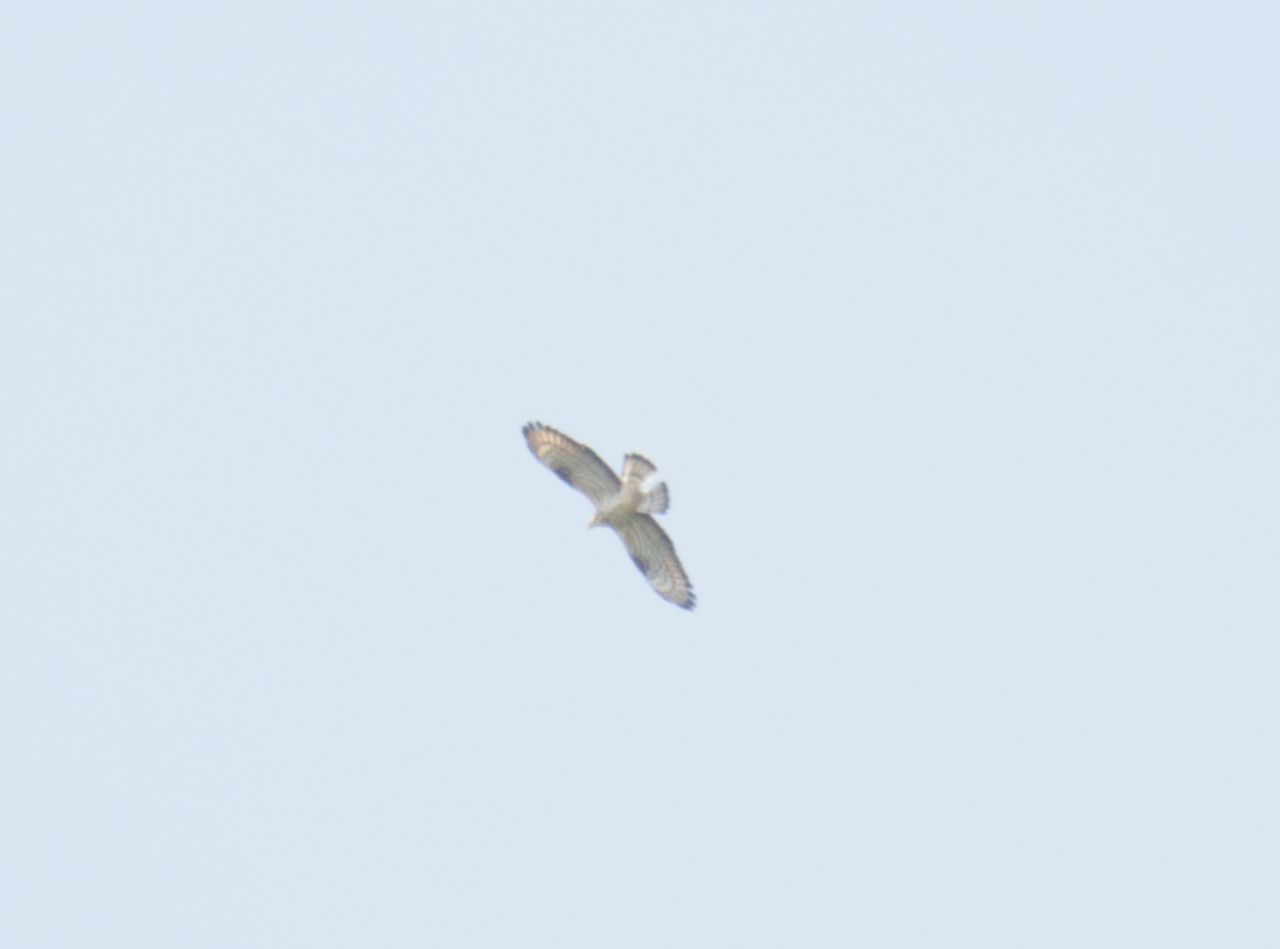
This year’s photo of a Honey buzzard, Woolbeding, West Sussex.
Once again patience and endurance paid off and although not capturing such good photos this year as last year, some reasonable views were achieved.
Similar in size to our common buzzard, the honey buzzard is only a summer resident to Britain, wintering in tropical Africa.
Only 30 pairs or so are known to breed here, mostly within southern counties of the UK.
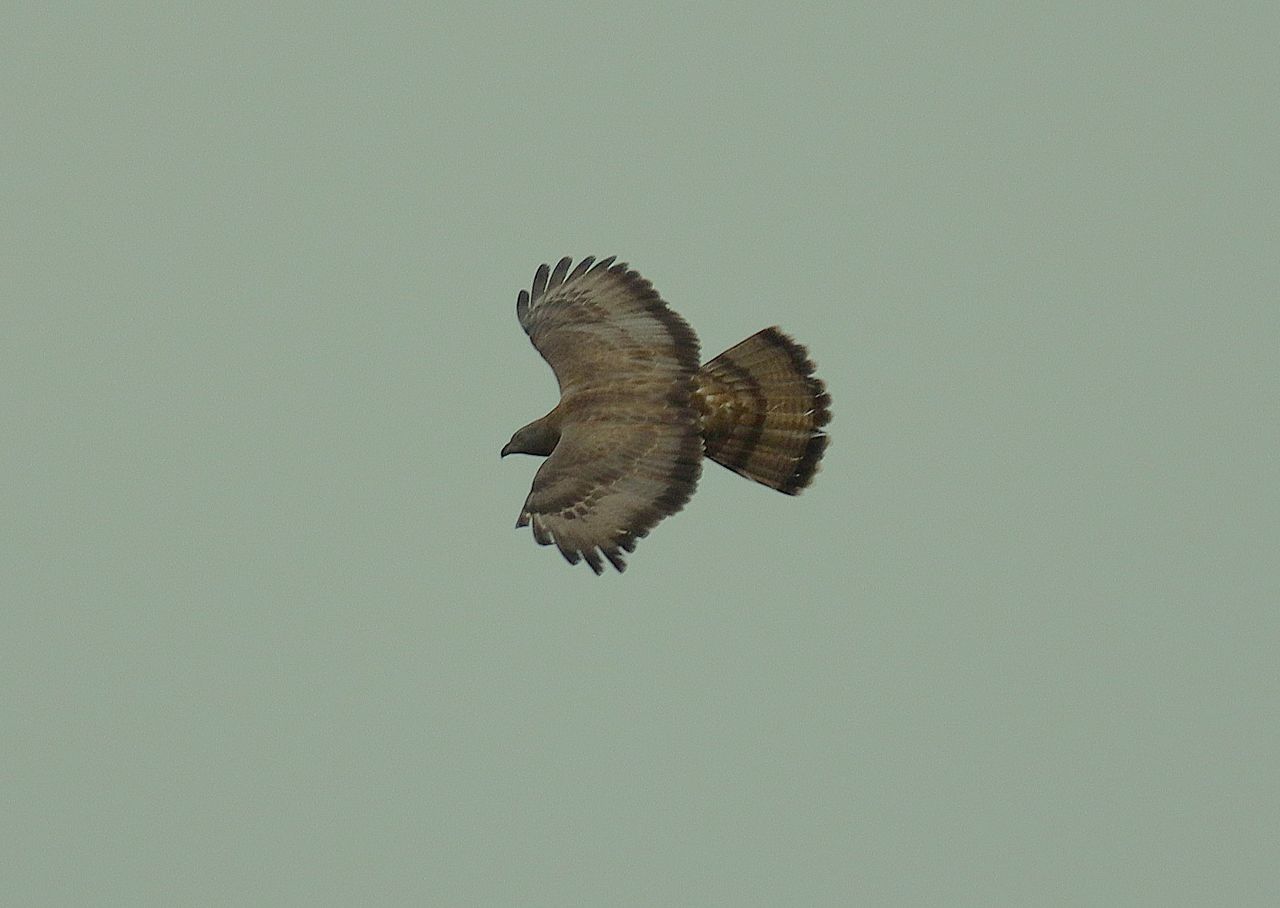
One of last year’s photos of a honey buzzard, Woolbeding, West Sussex.
The name “honey buzzard” is apparently a misnomer. They undoubtedly ingest some honey when they raid a bee’s nest, but consuming the sweet substance isn’t their main objective.
Unlike other birds of prey, honey buzzards are primarily insectivores.
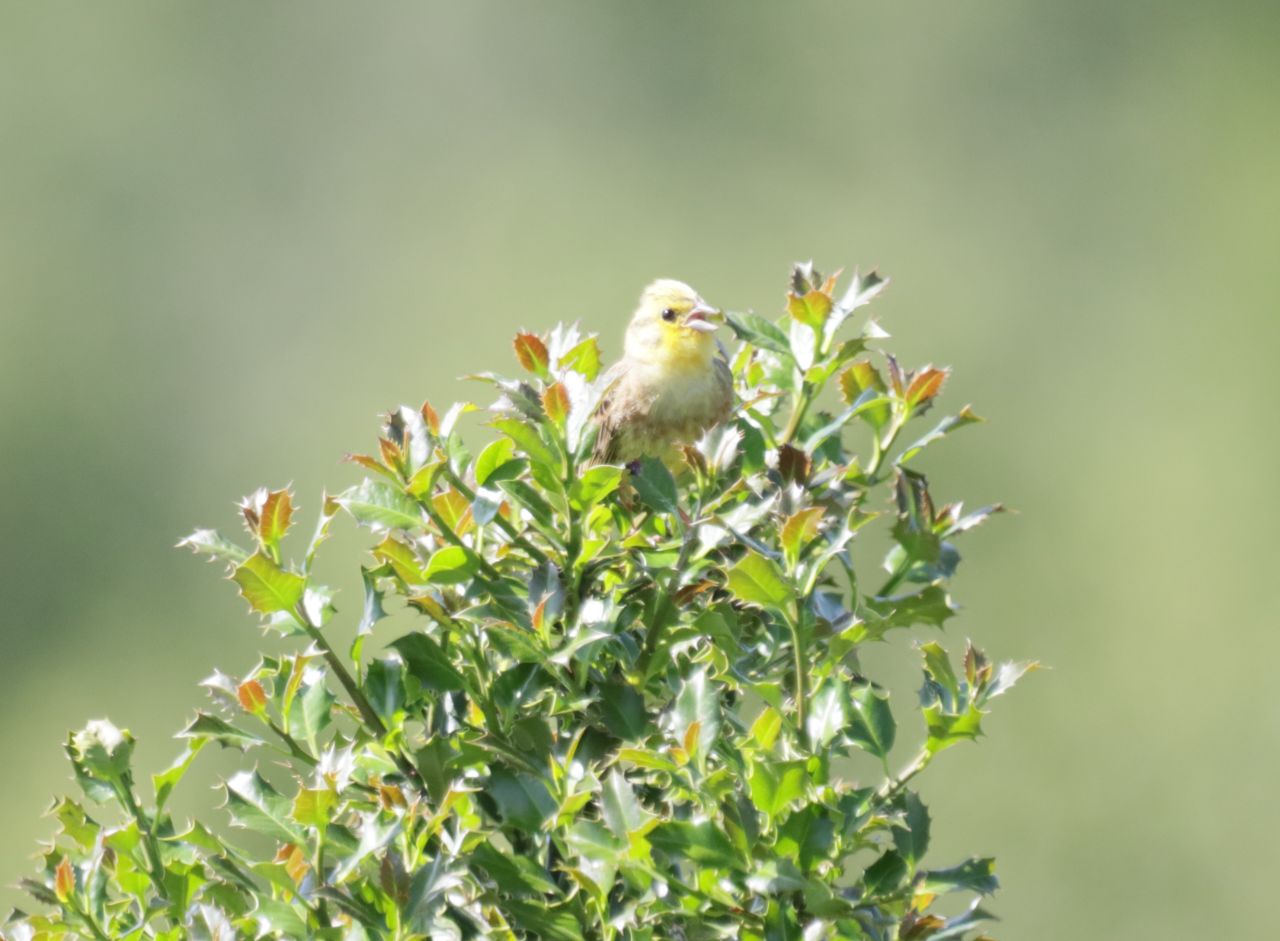
Yellowhammer, Woolbeding, West Sussex.
Once again, several yellowhammers could be viewed and heard about the hillside.
My revisit to Thursley Common with Dougal on May 28 saw mostly what I had seen on my previous visit.

Silver-studded blue butterfly, Thursley Common.
However, we were able to add our first sightings of a few silver-studded blue butterflies starting to emerge as the first few sprigs of heather came into flower on the A3 side of the heathland.
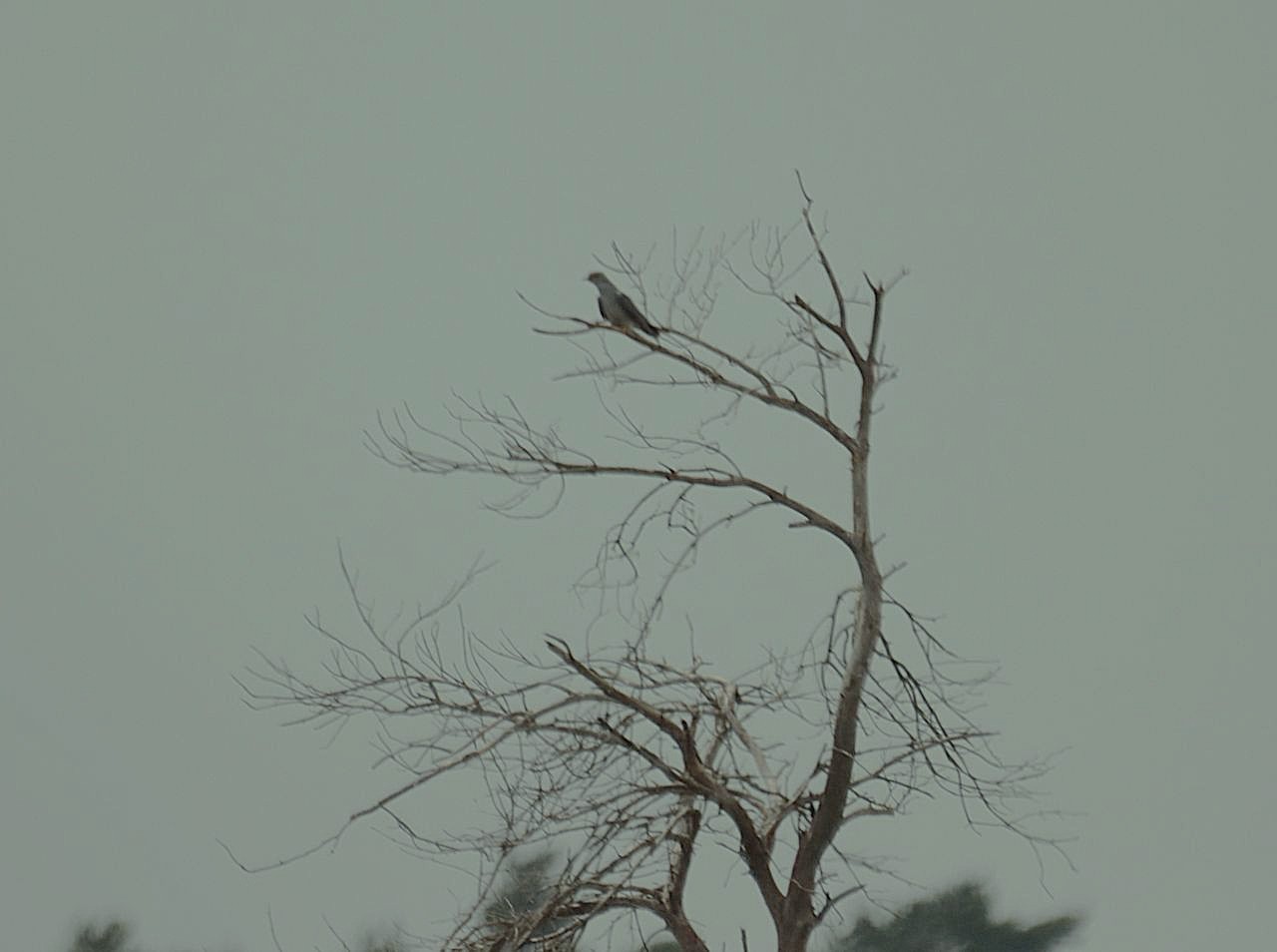
Cuckoo, Thursley Common.
Also getting a distant view of a cuckoo from ‘shrike hill’ as it briefly called out across the landscape.
As the month drew to a close, at the Riverside Nature Reserve white storks continued to be reported.
As many as 10 were reported on the flooded scrape near Stoke Lock on May 23.
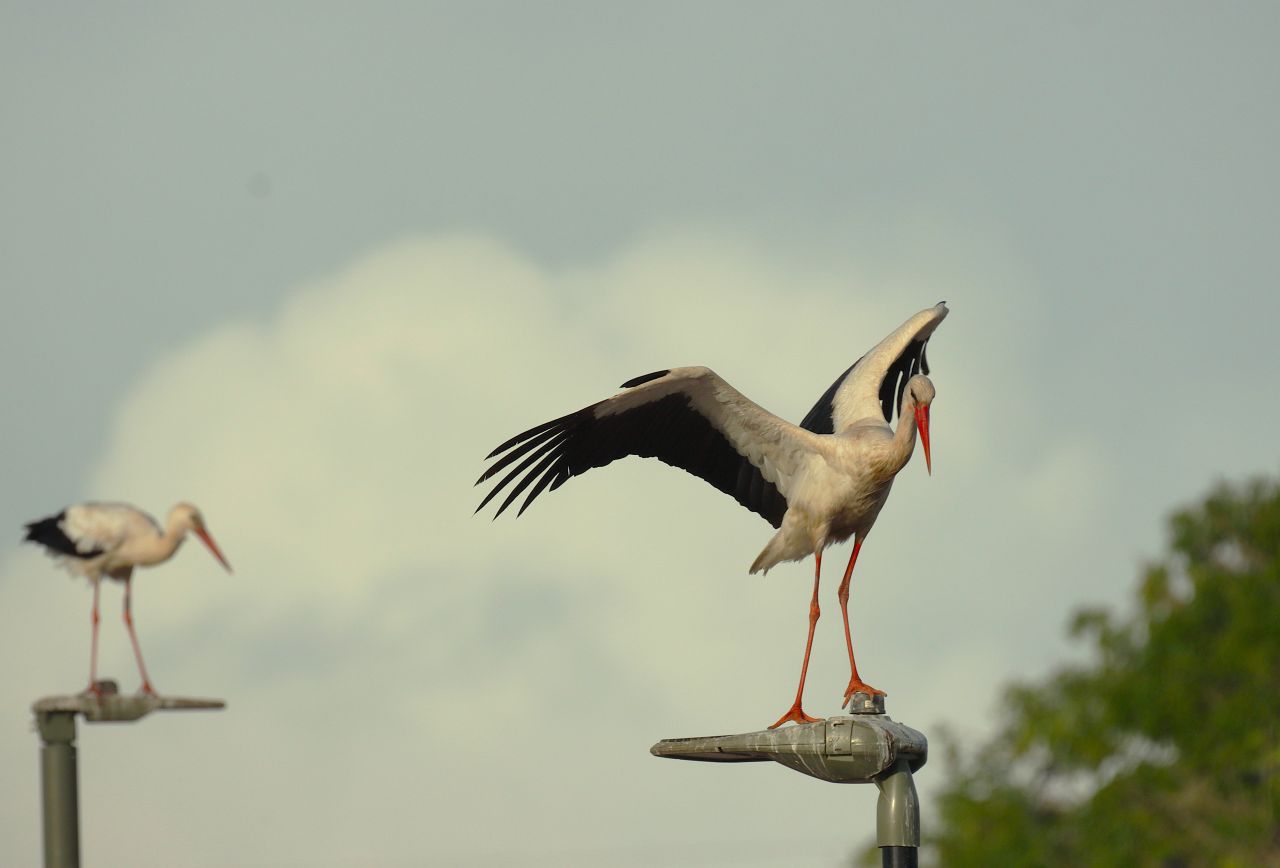
White storks at the recycling centre, Slyfield.
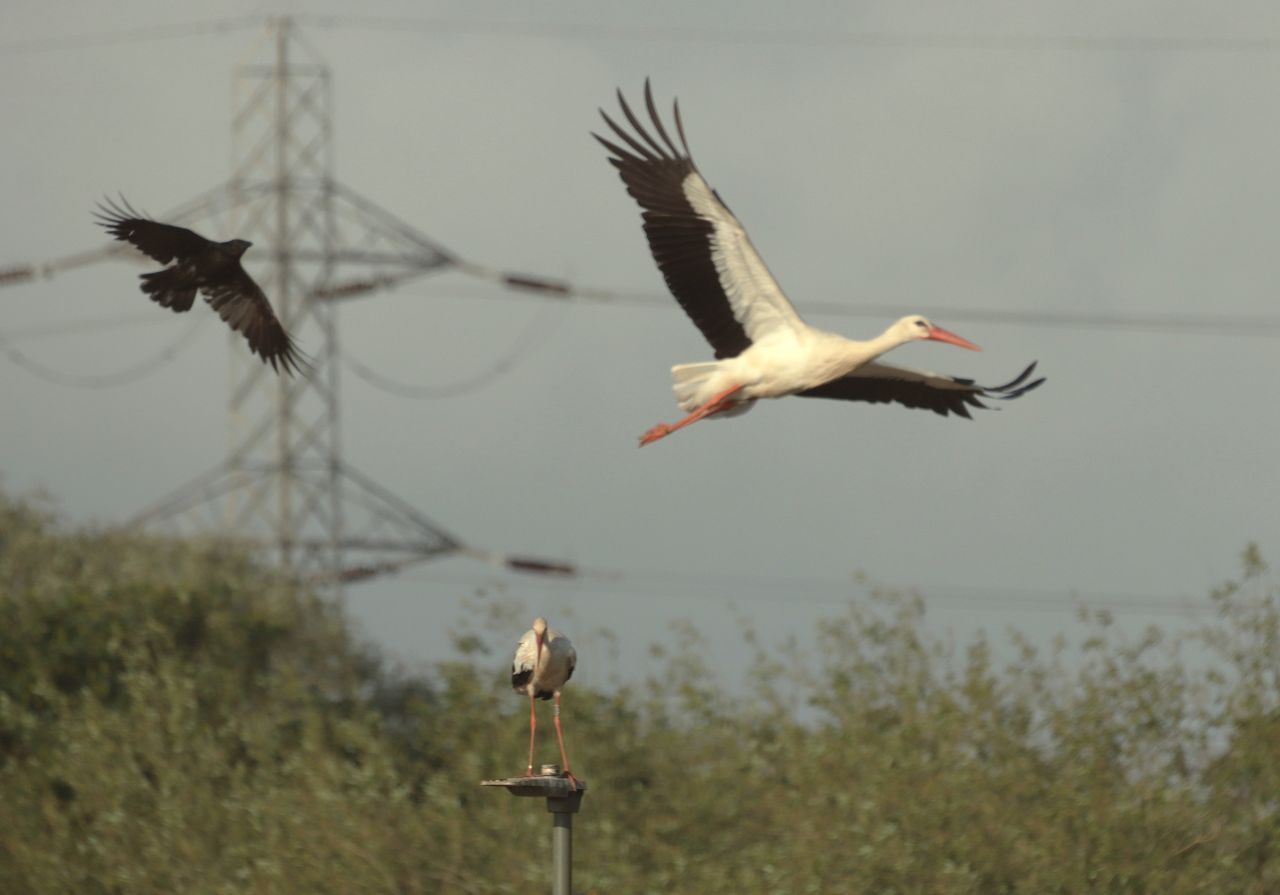
White storks at the recyclying centre, Slyfield.
During days following a number of them continued to be seen by the recycling centre at Slyfield.
While on May 27, seven were also reliably reported on Burpham Court Farm.
Although not seeing any on my visit to the reserve on the last day of the month, I was reliably informed four had been seen in flight in the area that morning.
I was just relieved to have temperatures returning to a respectable 23 Celsius for my walk around the reserve!
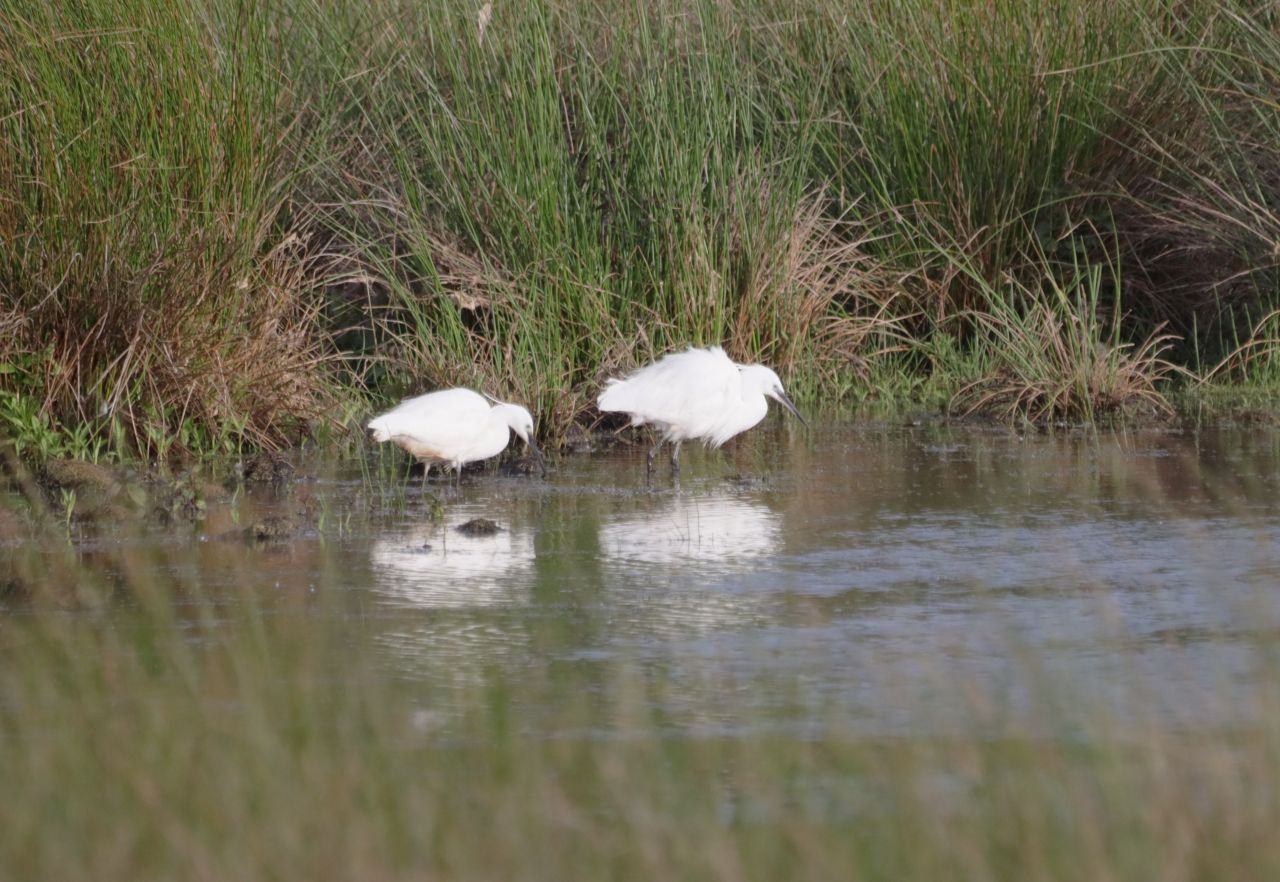
Little egrets on flooded scrape, by Stoke Lock.
Among the best photos I could achieve were five little egrets still residing on the now diminishing water on the scrape viewed from Stoke Lock.
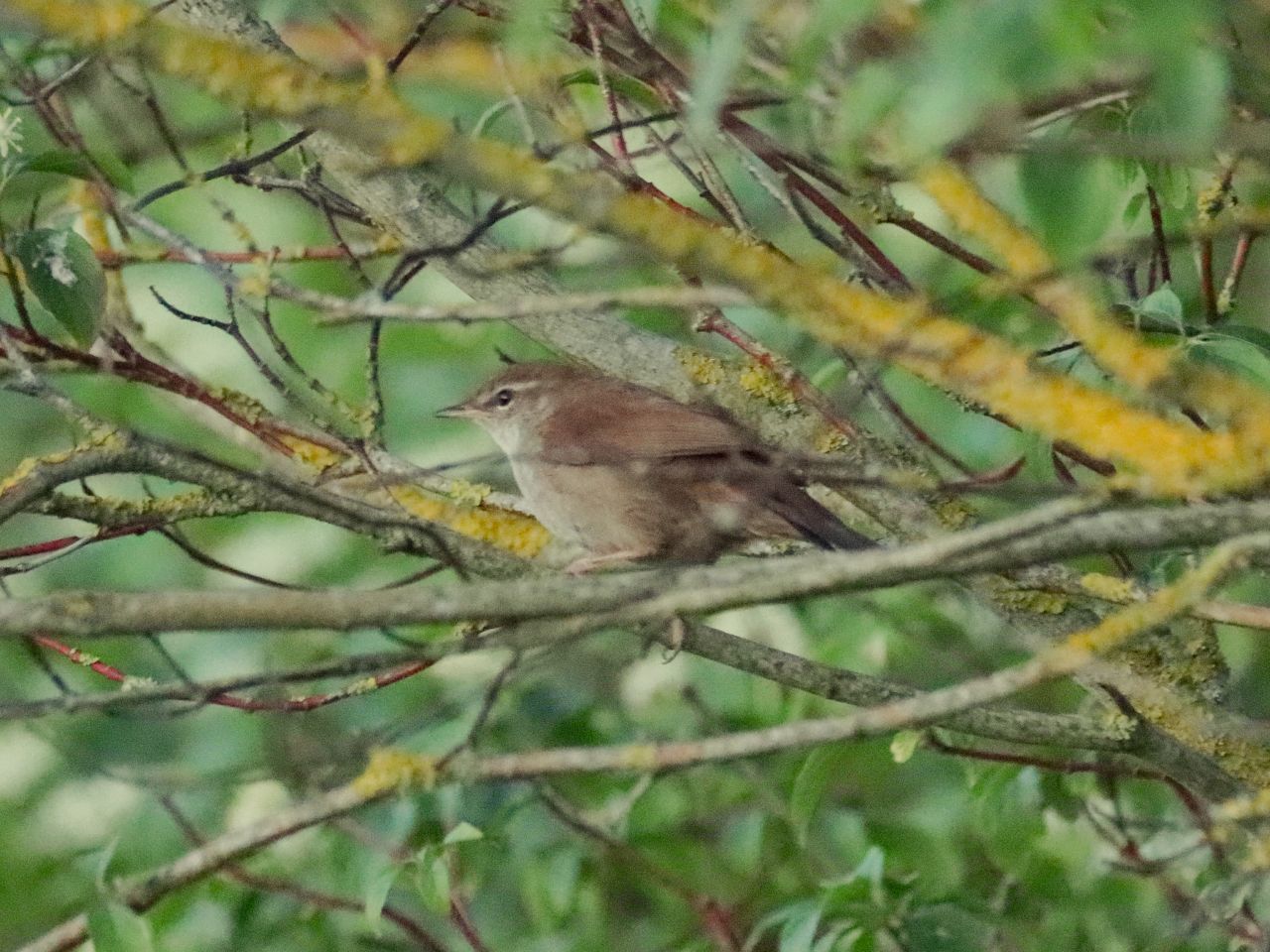
Cetti’s warbler singing by Stoke Lock.
Adding to my day’s sightings was a close-by photo of a Cetti’s warbler.
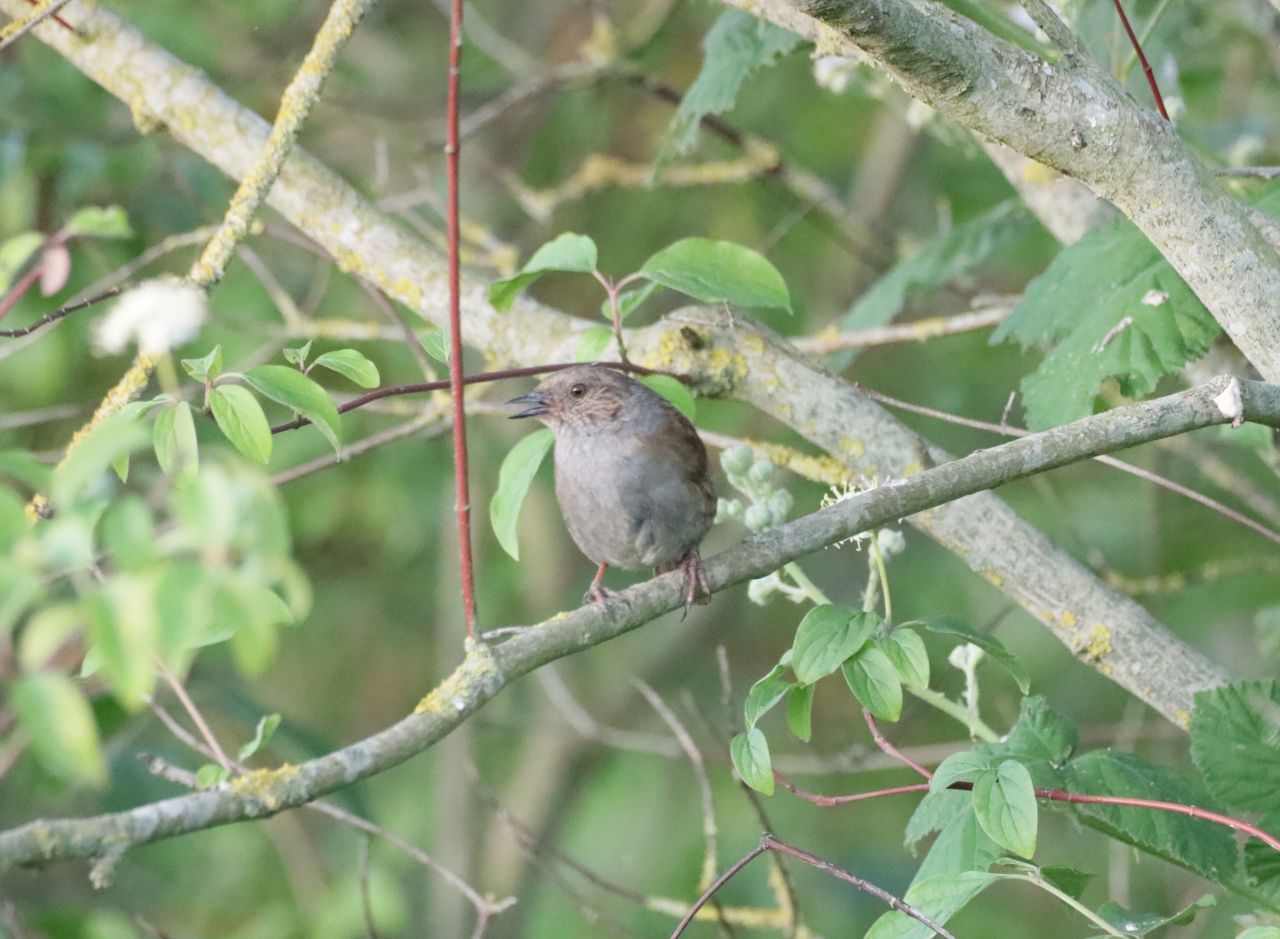
Dunnock by Stoke Lock.
While a dunnock could also be viewed within the same bush.
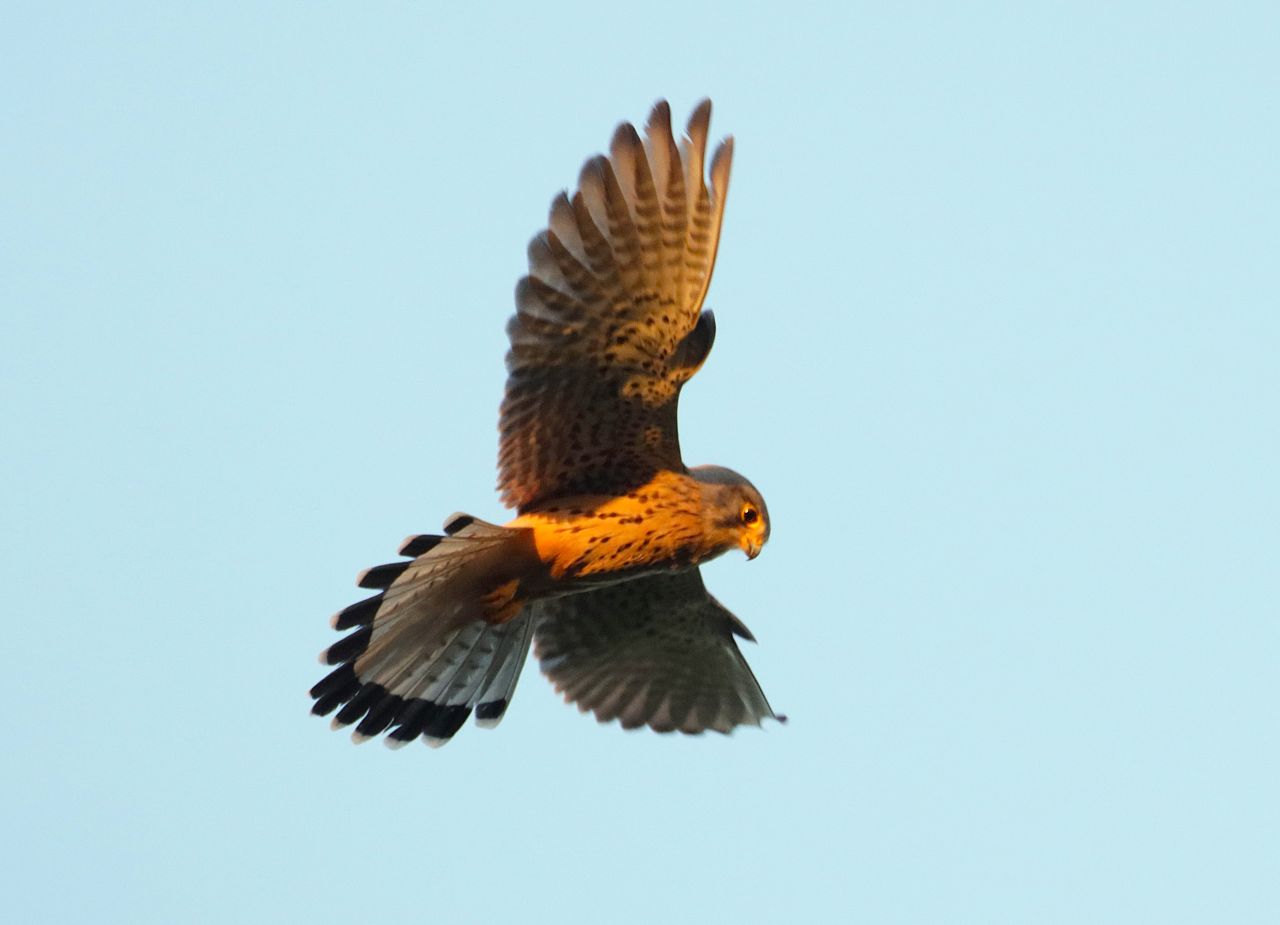
Kestrel out hunting in the late evening sunlight by Stoke Lock.
And a kestrel could be seen hunting near Stoke Lock.
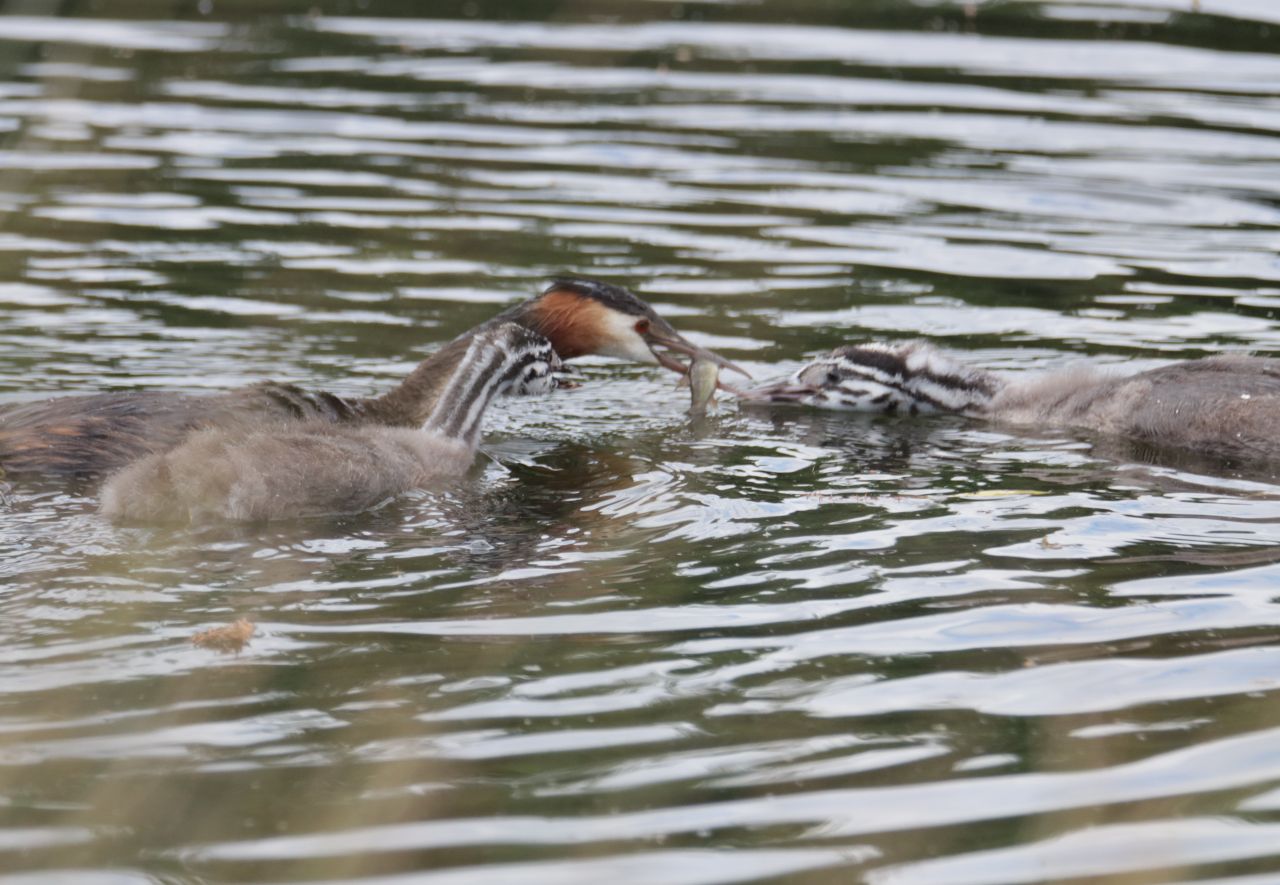
Great crested grebe feeding its young on Stoke Lake.
On Stoke Lake the young great crested grebes had now grown to a respectable size.
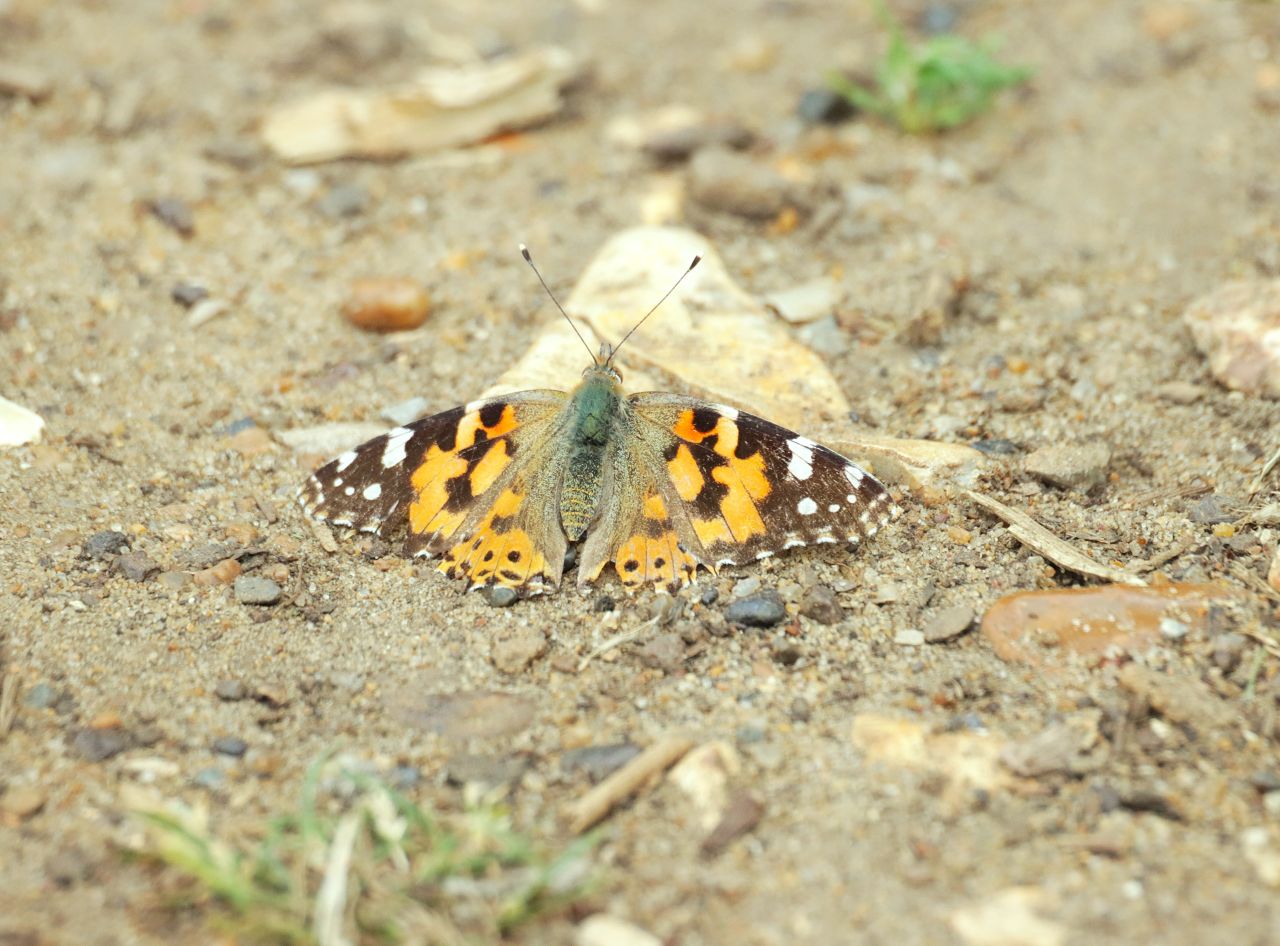
Painted lady butterfly, Riverside Nature Reserve.
Painted lady butterflies appeared to be increasing in number, counting at least nine during my walk around the reserve.
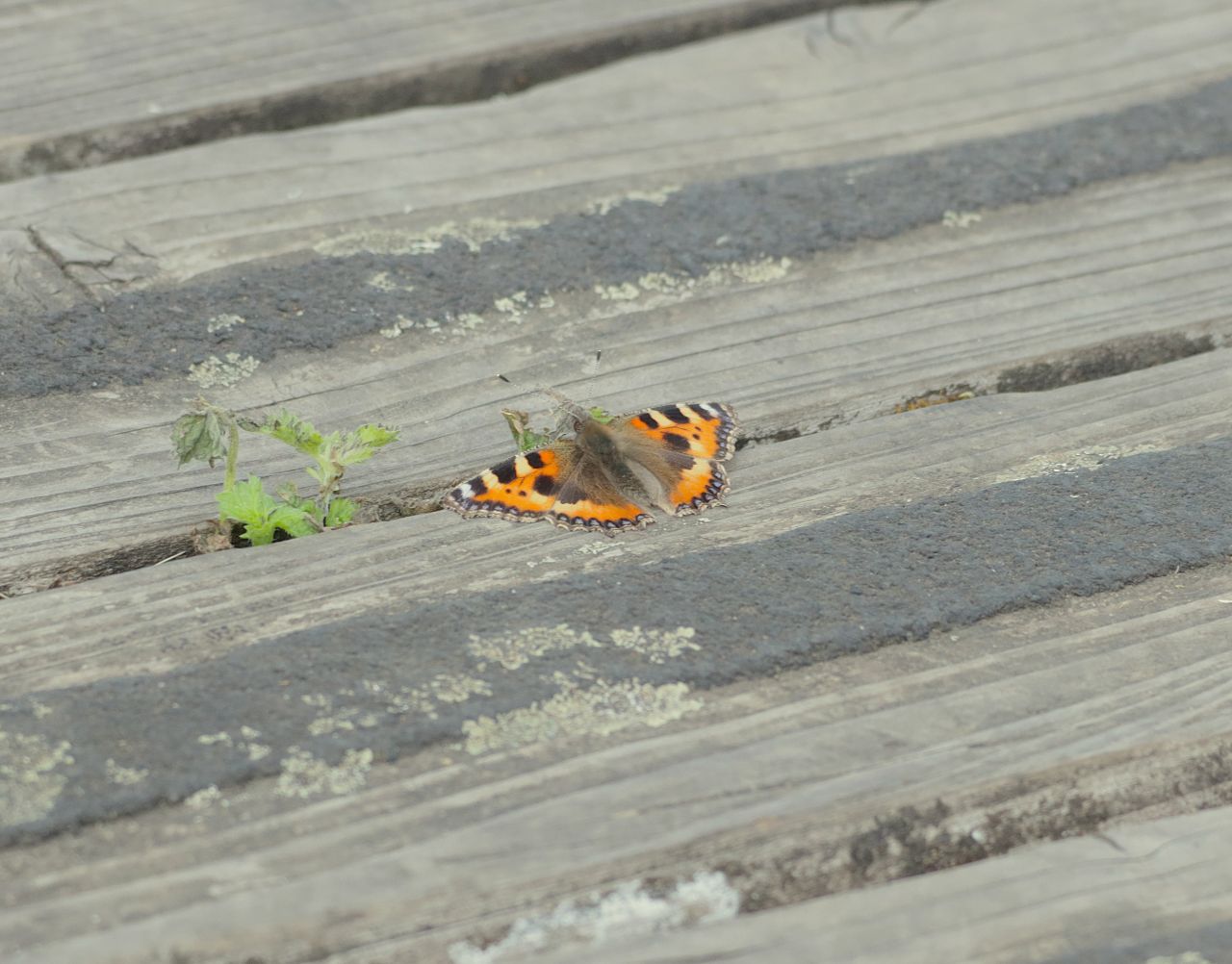
Small tortoiseshell butterfly, Riverside Nature Reserve.
Another two small tortoiseshell butterflies settled on the boardwalk, thereby adding them to the one I had seen there earlier this year.
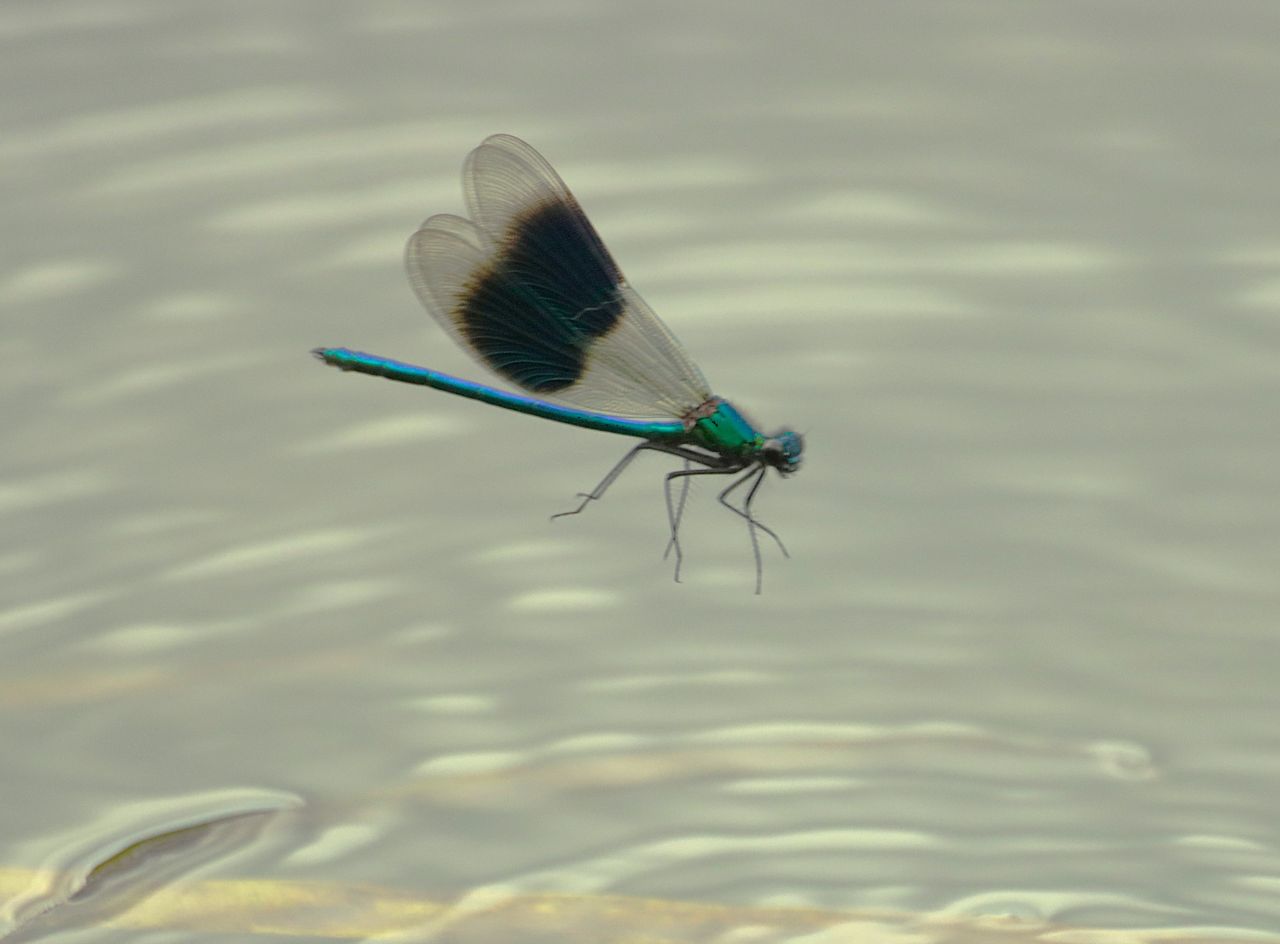
Male banded demoiselle on the River Wey.
Banded demoiselles could be seen in good numbers dancing over the slow running waters of the River Wey.
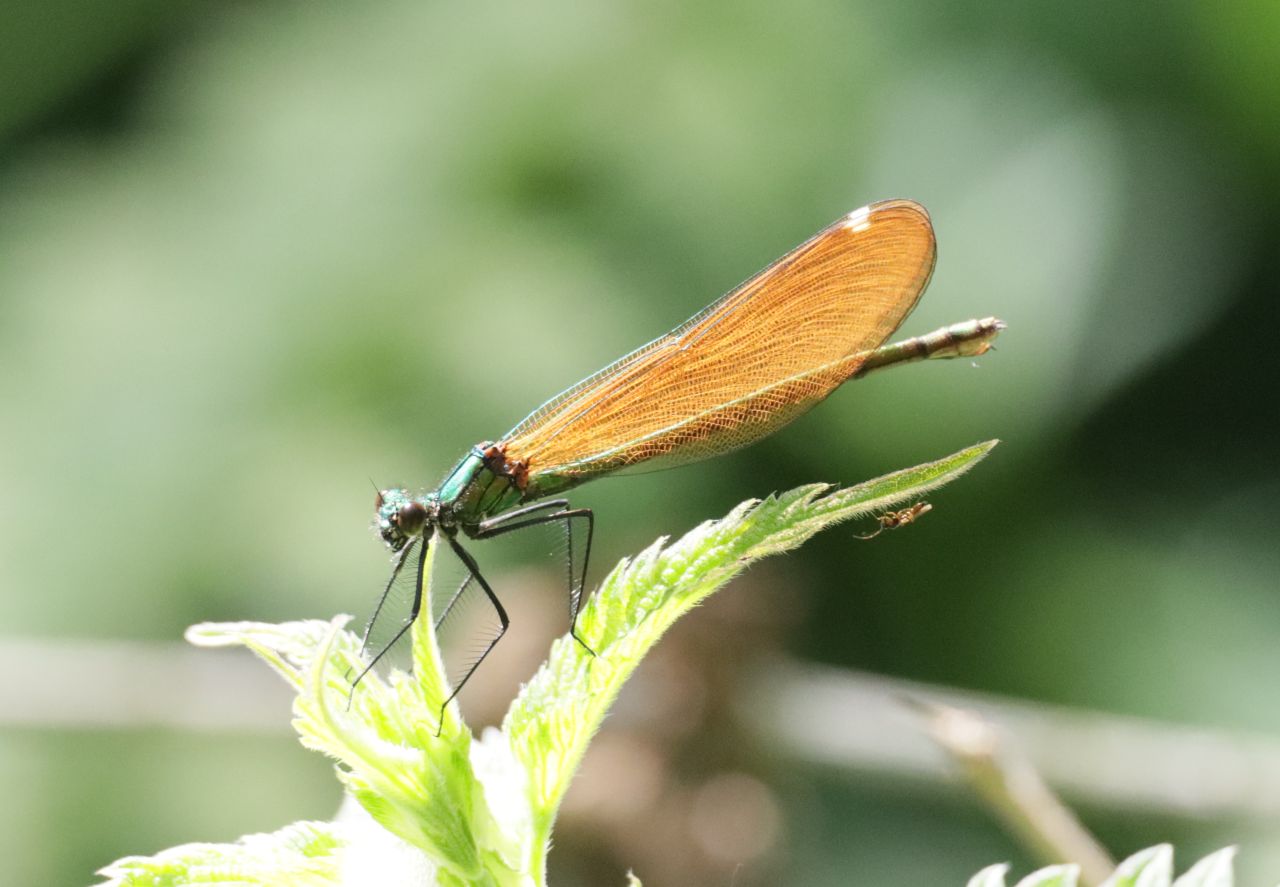
Female beautiful demoiselle have brown-tinted wings.
While a beautiful demoiselle could also be found along the towpath.
Share This Post













Recent Comments