- Stay Connected

Socialize


 Abraham Lincoln
If given the truth, the people can be depended upon to meet any national crisis...
Abraham Lincoln
If given the truth, the people can be depended upon to meet any national crisis...

 Guildford news...
for Guildford people, brought to you by Guildford reporters - Guildford's own news service
Guildford news...
for Guildford people, brought to you by Guildford reporters - Guildford's own news service
Birdwatcher’s Diary No.351
Published on: 20 Jun, 2026
Updated on: 20 Jun, 2026
By Malcolm Fincham
In contrast to the last weeks of May, weather conditions turned much cooler as we entered into June – the first metrological week of summer.
Atlantic low pressure systems dominated for the first week and continued to bring showers or longer spells of rain, impeding my attempts to get out and about with my camera.
A visit to Crooksbury Common on June 5 in the company of Dougal saw a drier day, but mostly overcast.
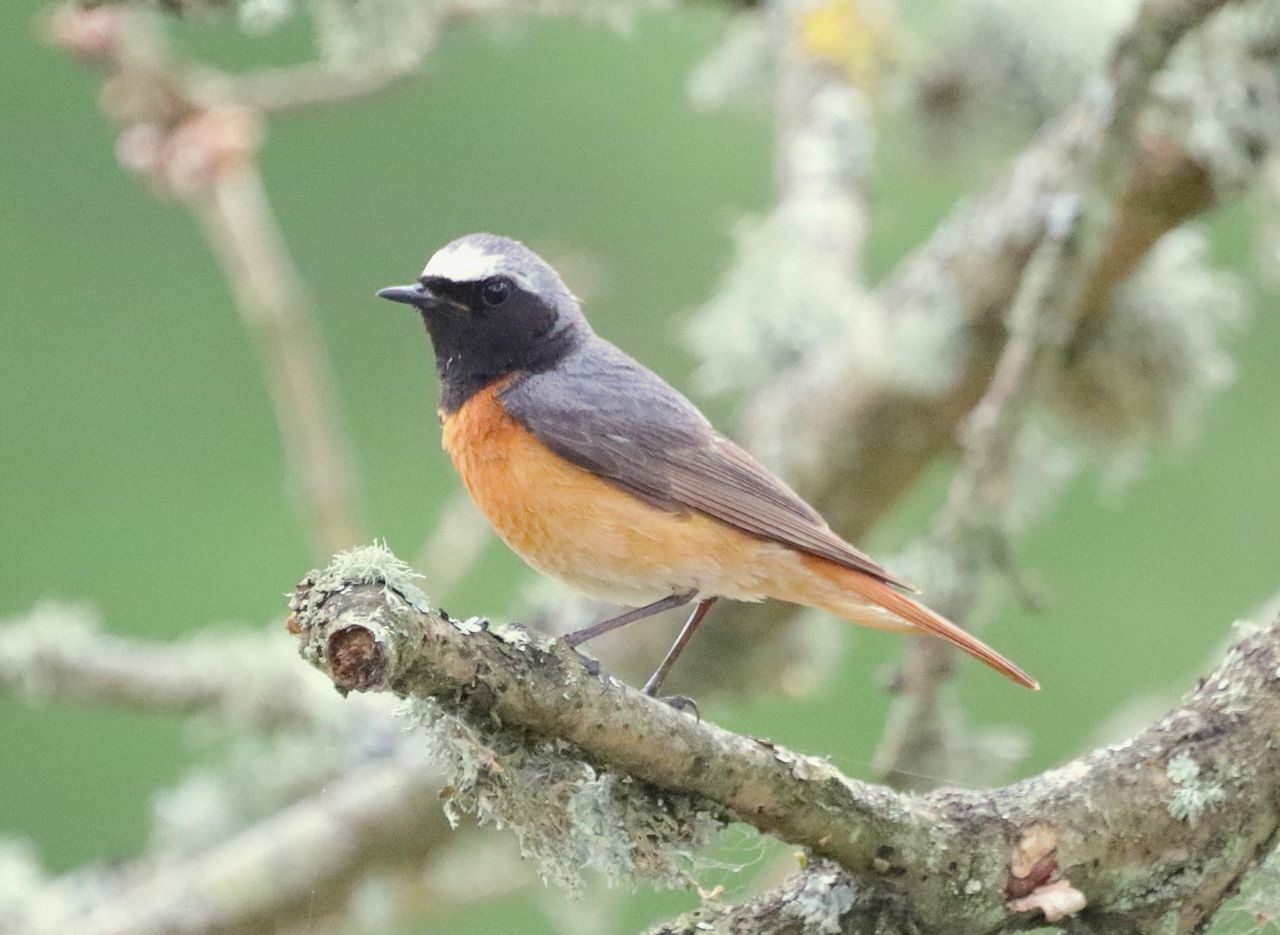
Common redstart, Crooksbury Common.
It also saw a male common redstart, still in song.
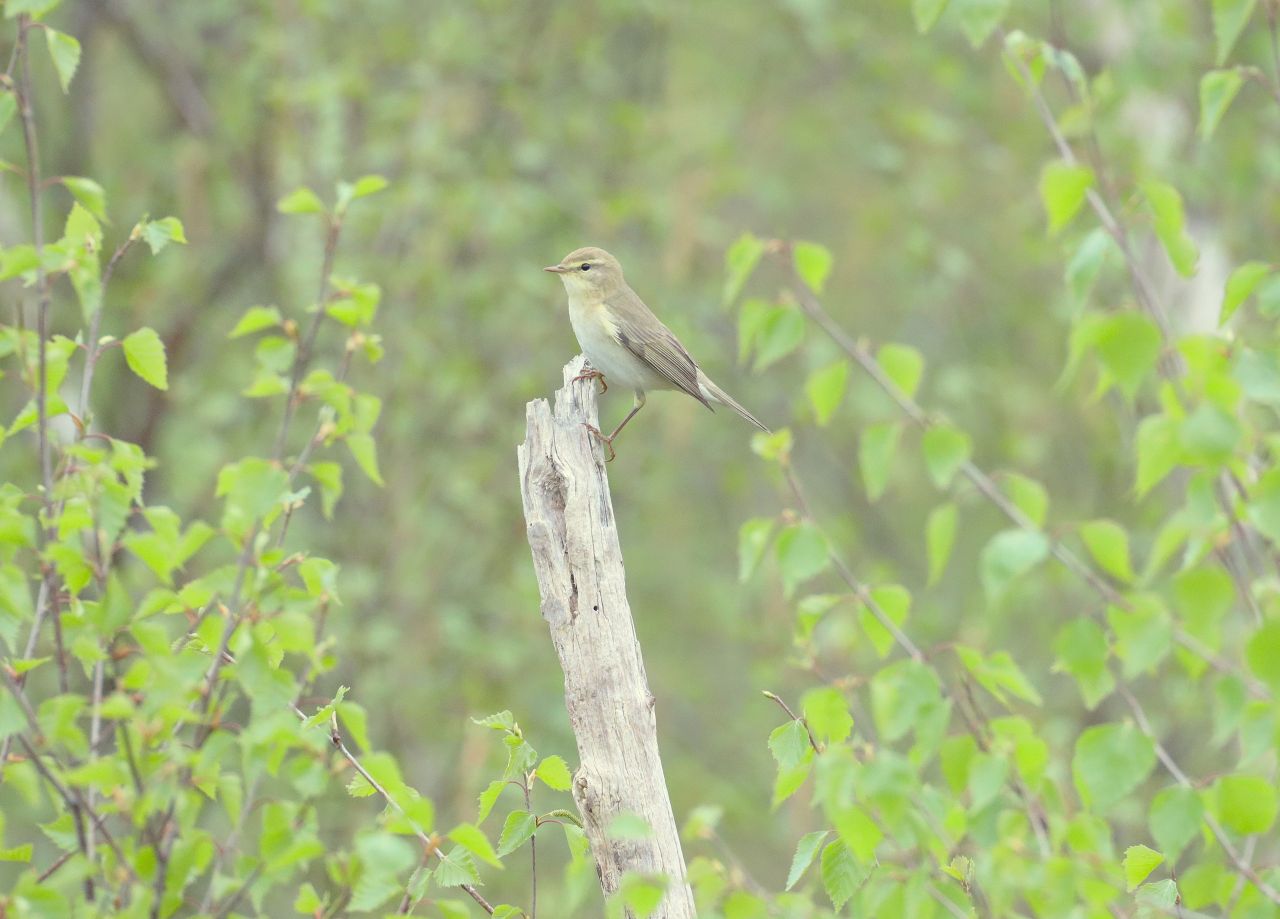
Willow warbler.
A willow warbler was also still singing from some silver birch shrubs.
While the surprise sound of a nightjar occasionally churring in its daytime roost could be heard out on the heathland.
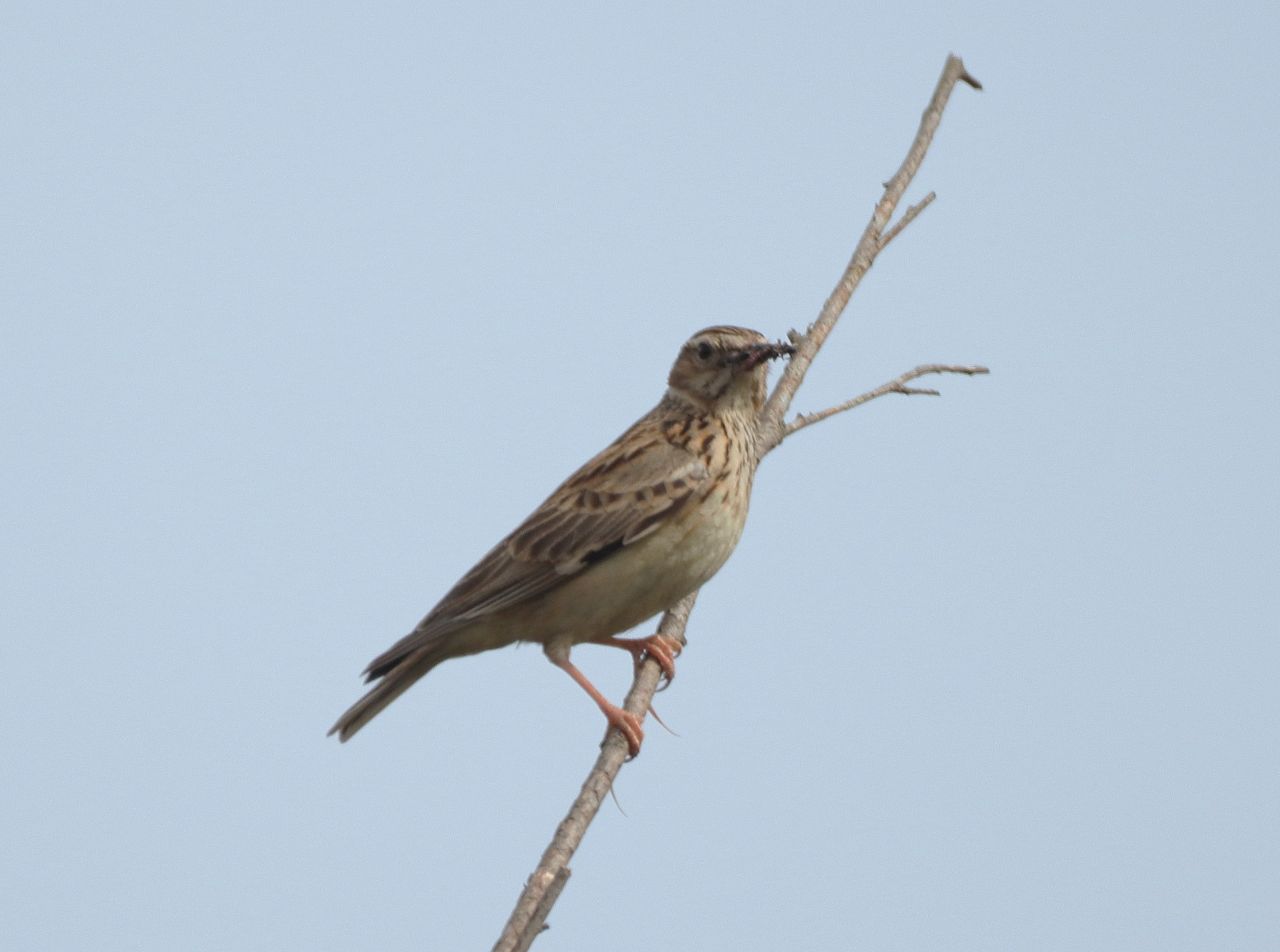
Woodlark.
Several woodlarks attracted the attention of my camera lens as I located them by their sub-songs.
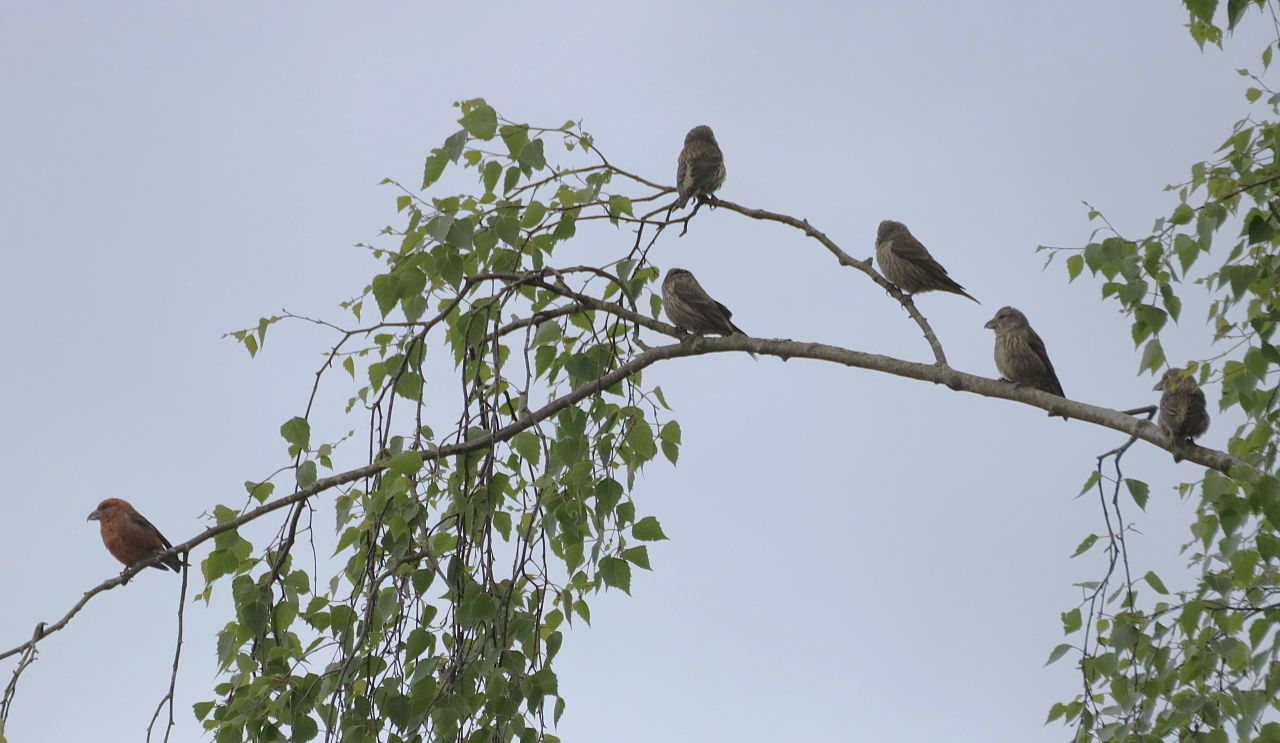
Adult male common crossbill with juveniles.
The highlight of the day for me, in spite of the poor light conditions, were at least 11 common crossbills.
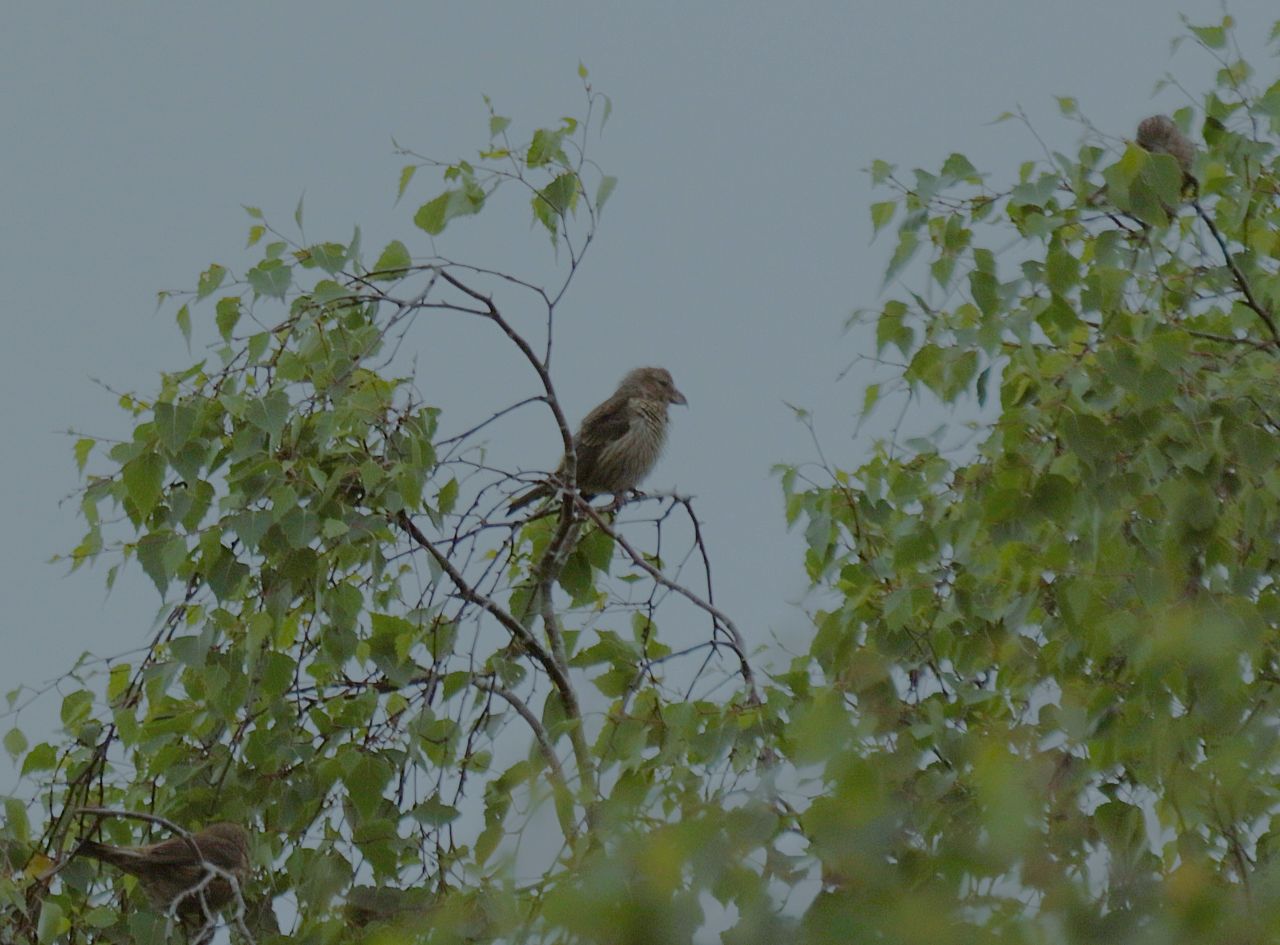
Juvenile common crossbill, Crooksbury Common.
At least five of which looking to be juveniles, concluded by their streaky chests.
In the areas surrounding Slyfield Industrial Estate white storks mentioned in my previous recent reports continued to be sighted.
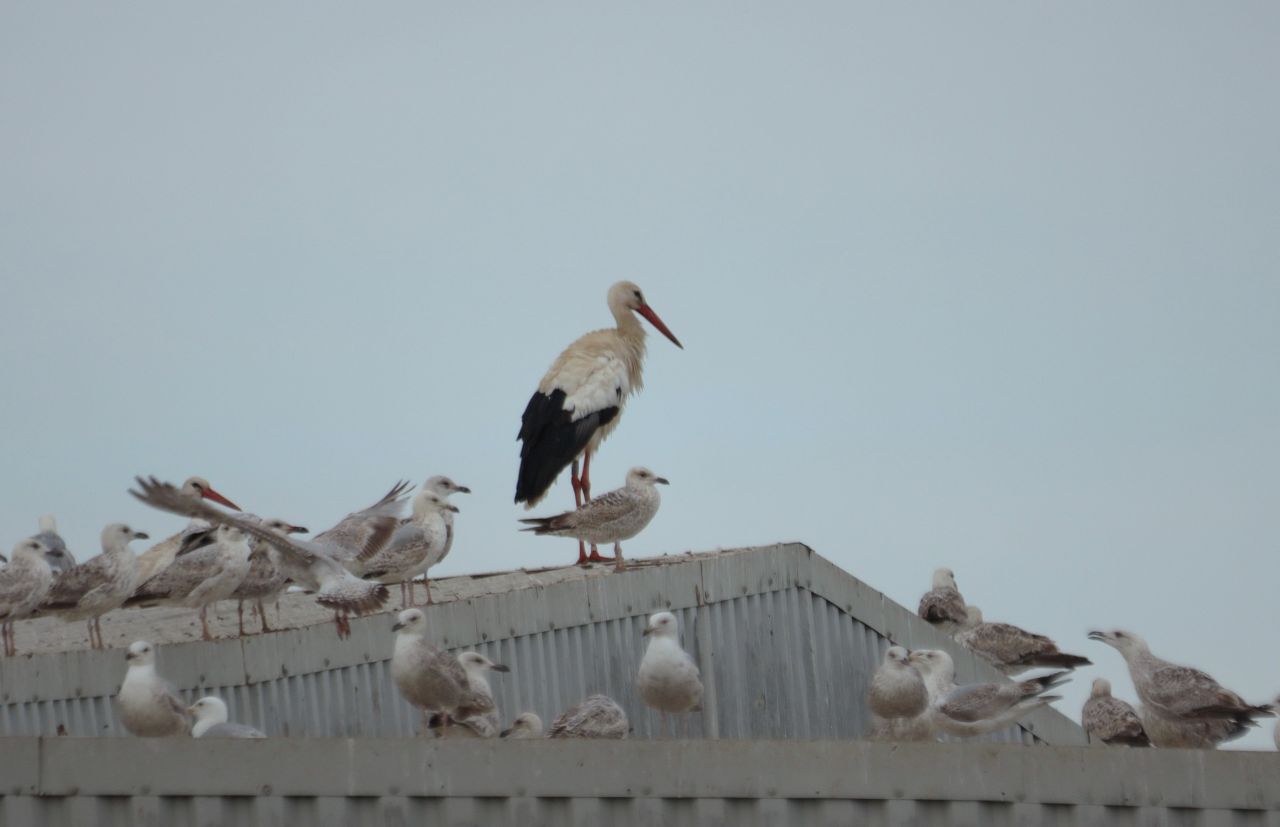
White stork on the roof at the recycling centre, Slyfield.
I even saw one perched atop of the recycling centre building among the resident group of gulls.
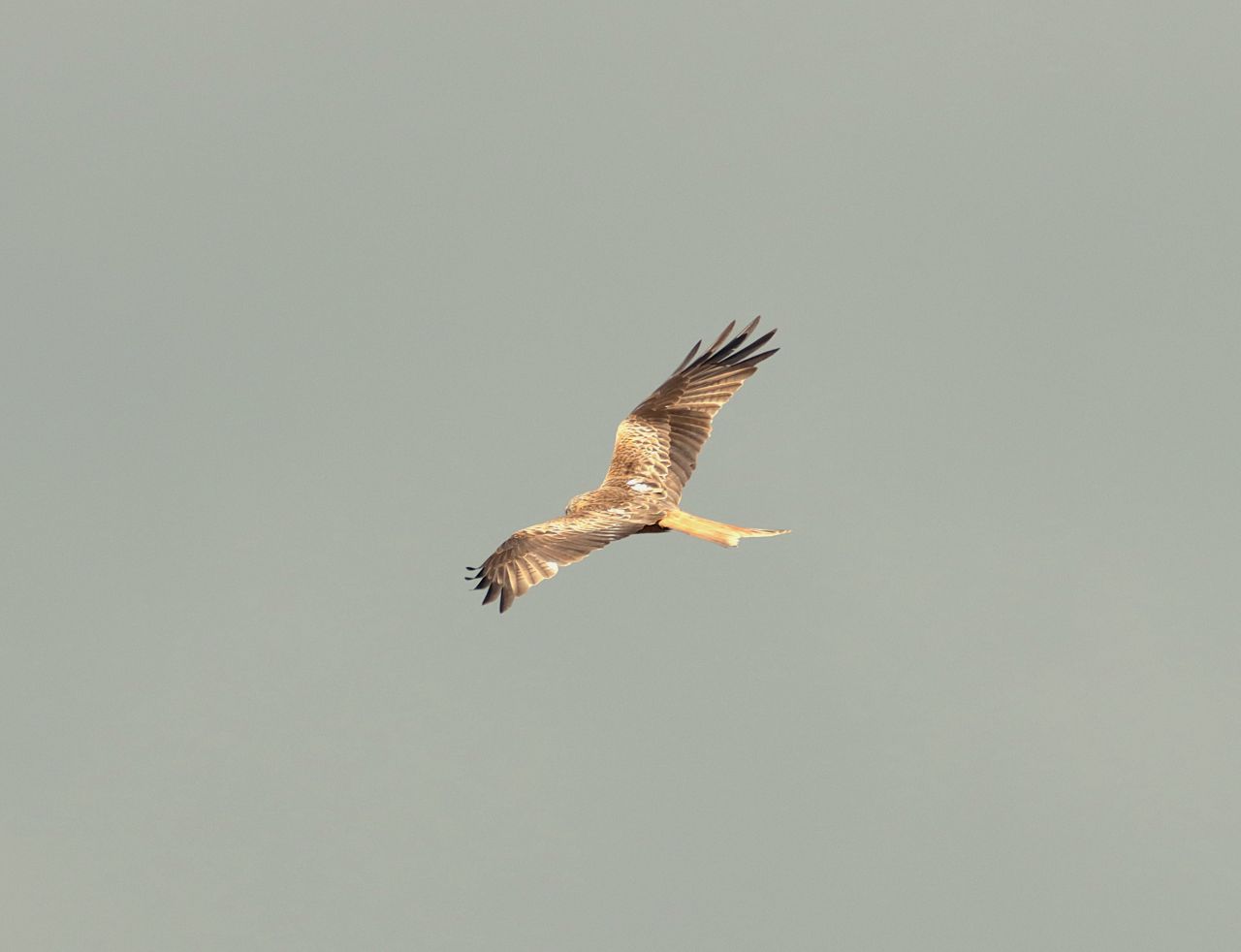
Red kite above the recycling centre at Slyfield.
Red kites also continued their presence counting more than 15 on one occasion.
On June 6, in spite of rain and drizzle, we visited the same area including Burpham Court Farm.
Here an area of wetland beyond the industrial estate is under construction to become a SANG (Suitable Alternative Natural Green Space.)
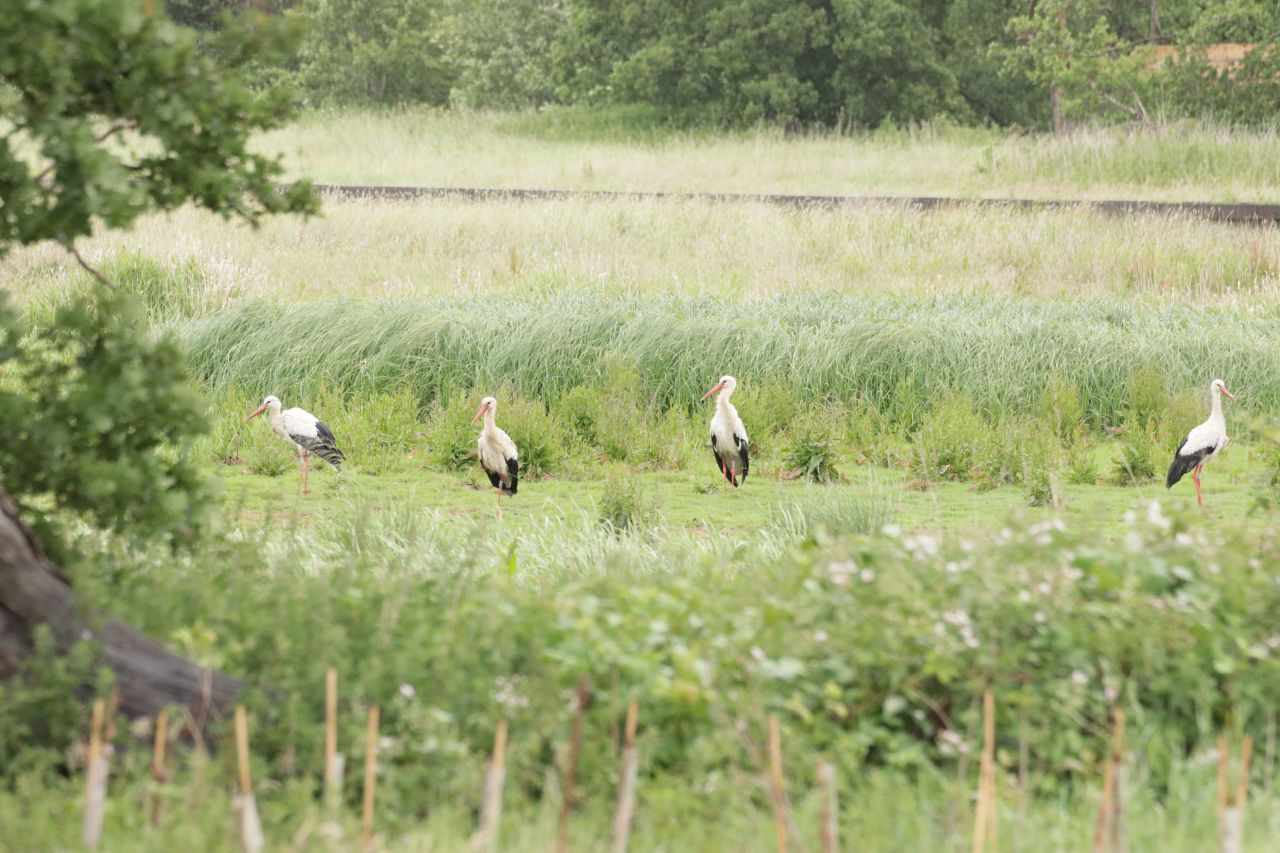
White storks, Burpham Court Farm.
Although most were quite distant to view, as many as 11 white storks could still be counted there.
By June 10 weather conditions had become more settled with temperatures rising above the mid-teens Celsius during the first days of the month.
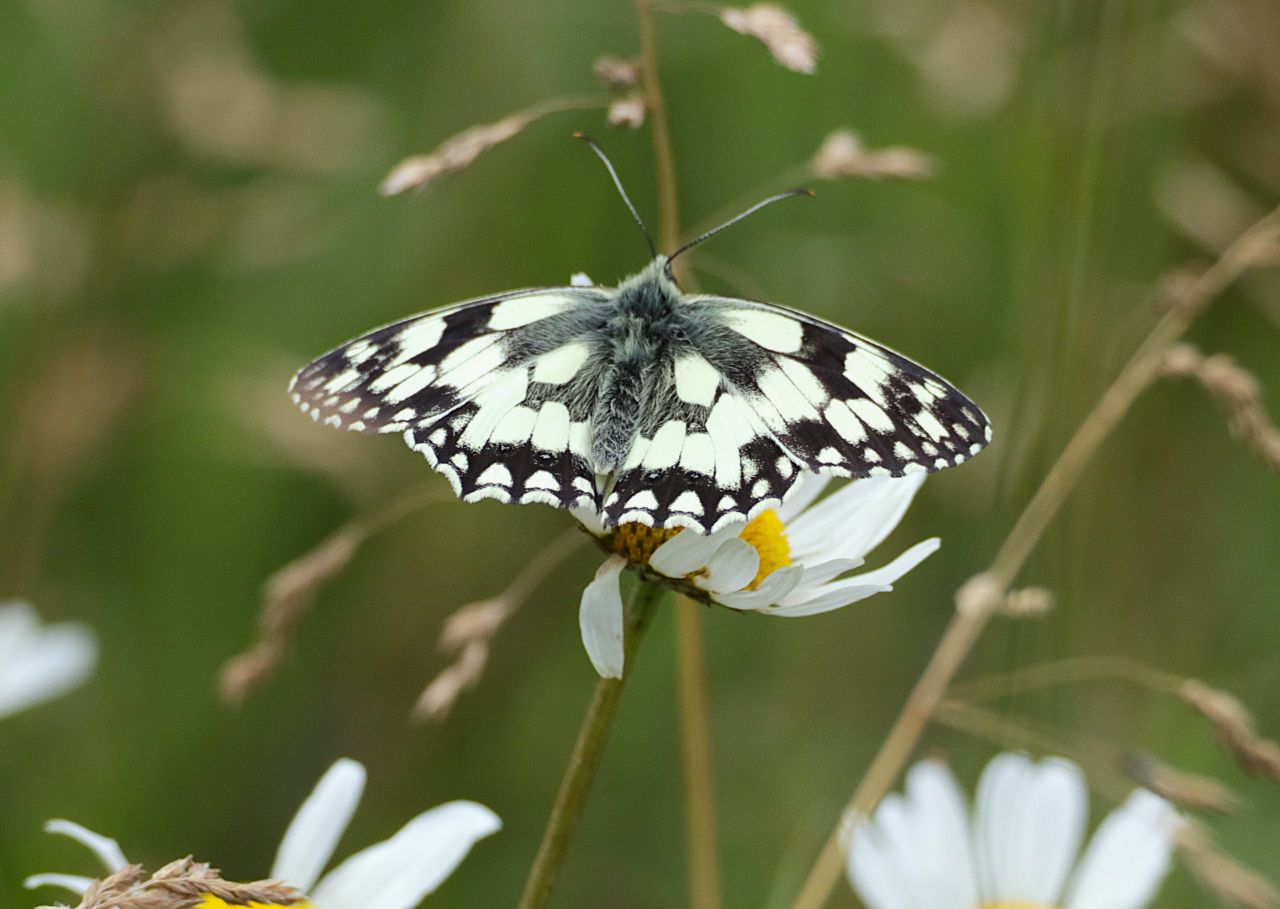
Marbled white butterfly.
On my travels I had my first marbled white butterfly, one of many that will hopefully be gracing the Surrey countryside during the next few weeks or so.
Several visits to Whitmoor Common allowed a few more new species to add to this year’s sightings and photos.
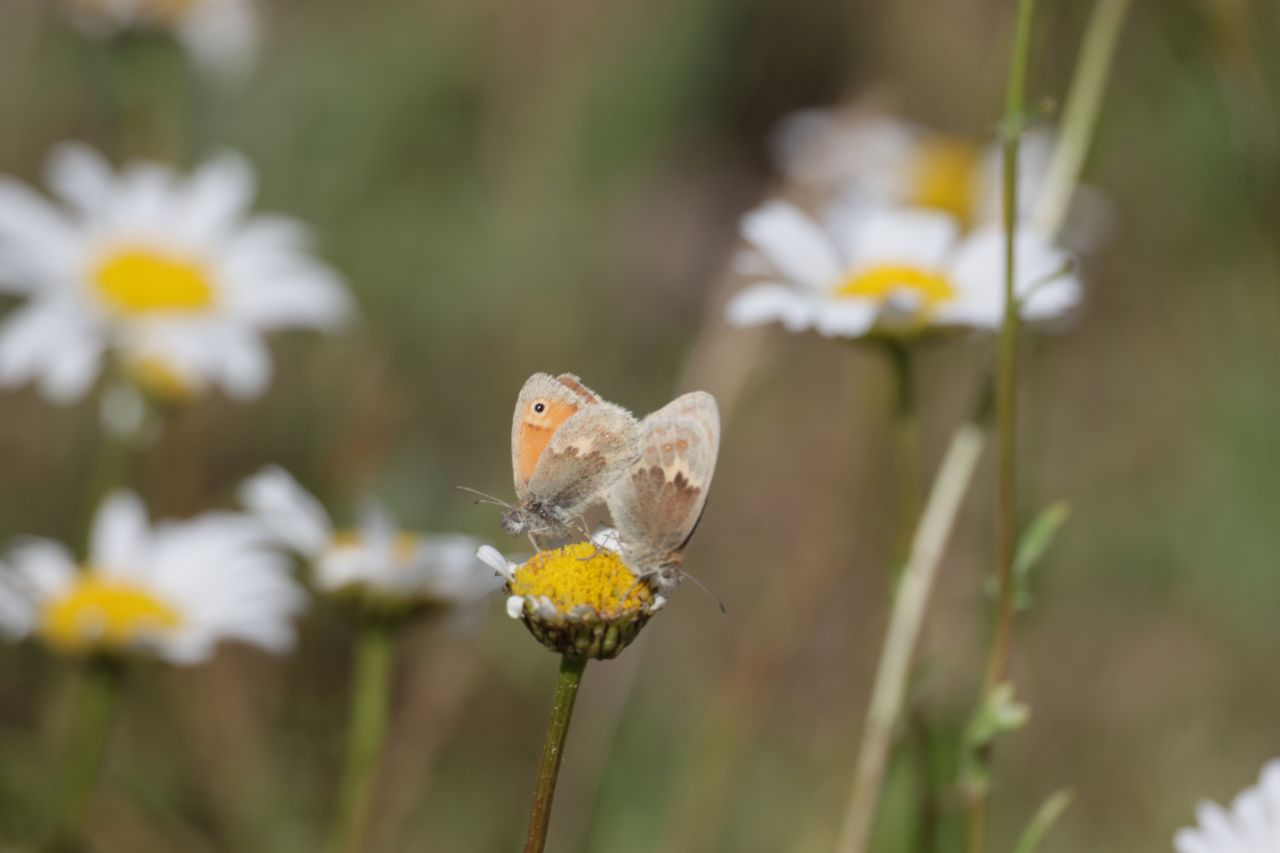
Meadow brown butterflies in the old horse fields adjacent to Whitmoor Common.
Having seen my first meadow brown butterfly on the first of the month, a few could now be found mating already.
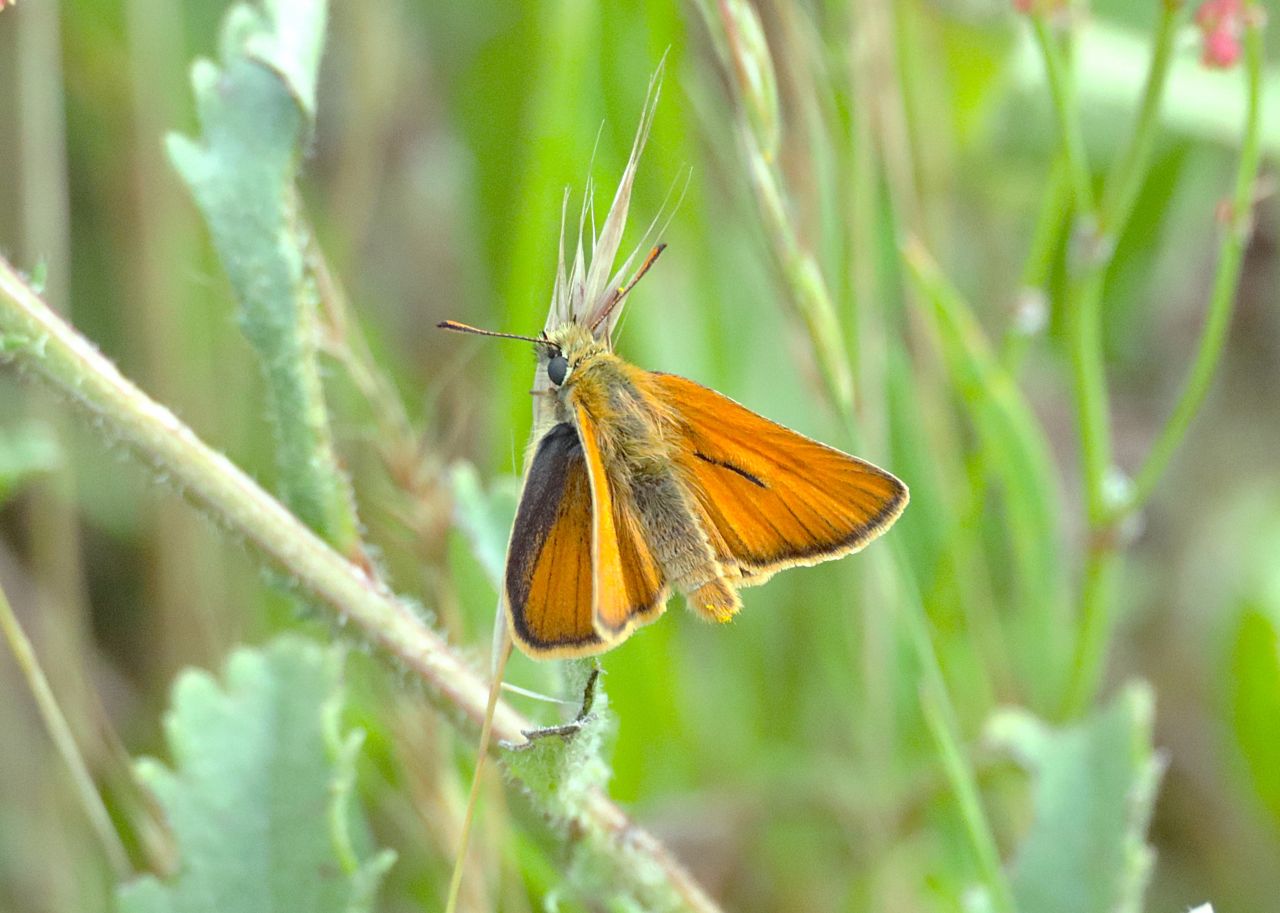
Small skipper butterfly, old horse field Whitmoor Common.
On June 9, several small skipper butterflies had begun to emerge in the old horse fields adjacent to the common.
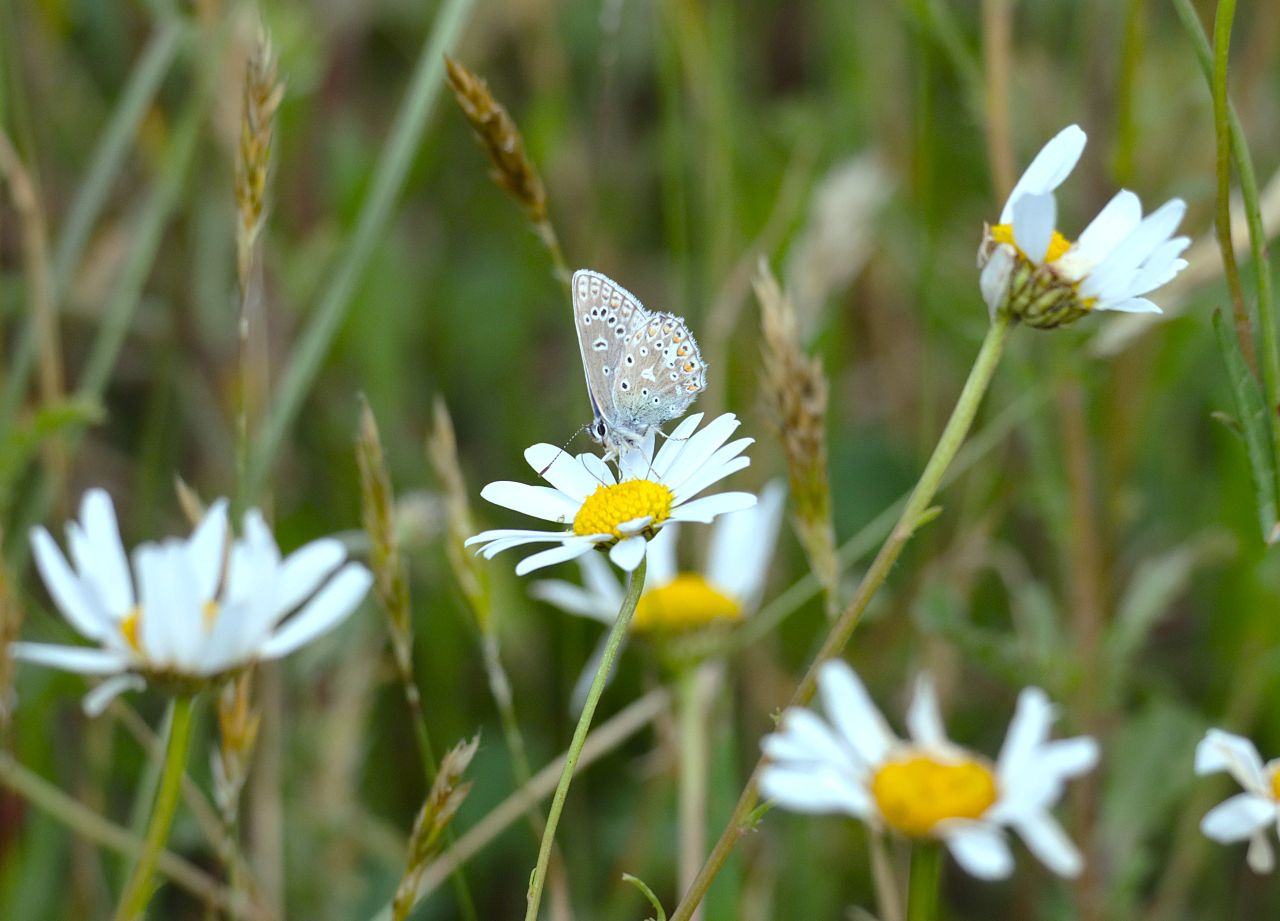
Common blue butterfly, old horse field, Whitmoor Common.
Some common blues continued to be seen there.
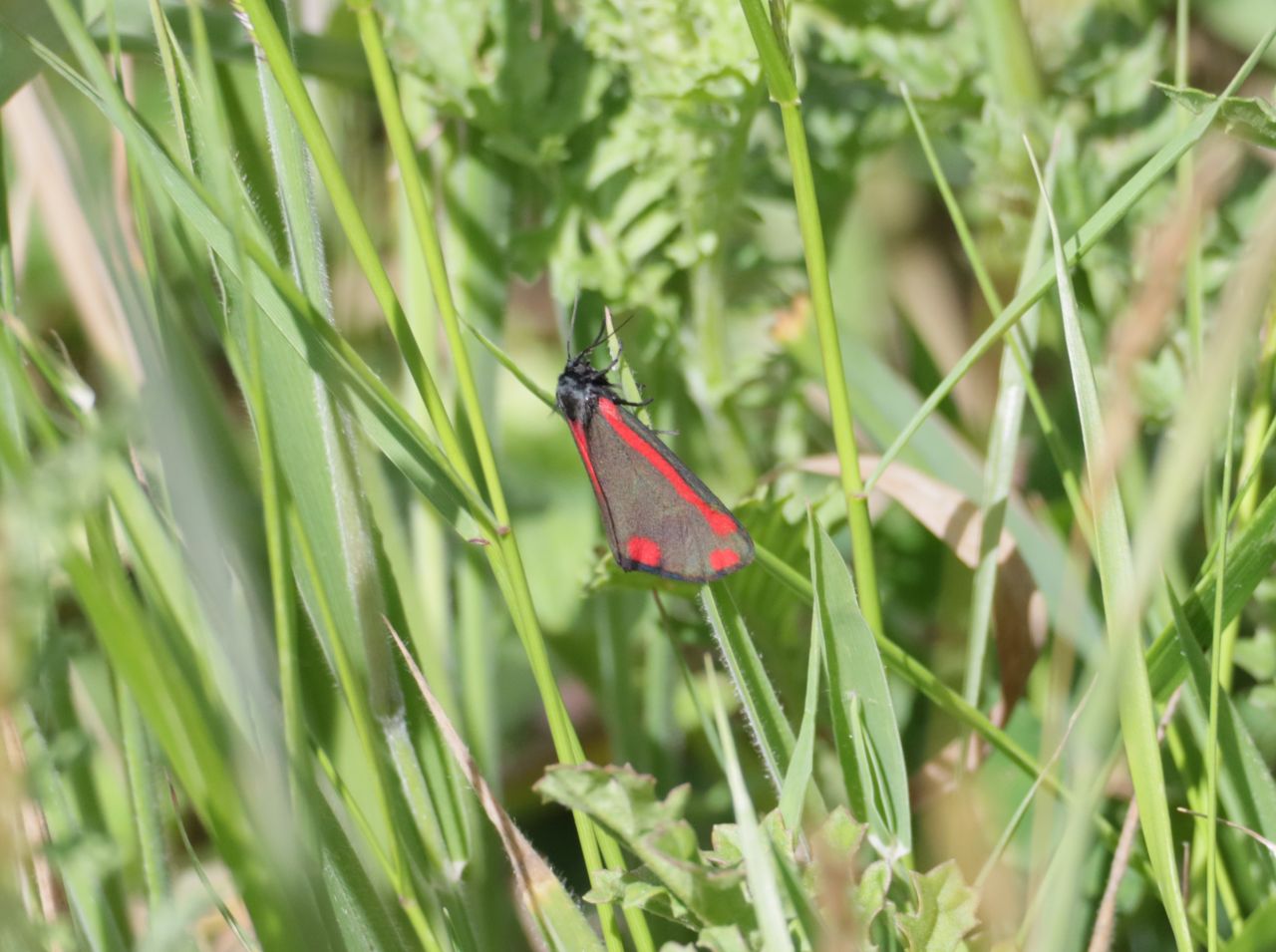
Cinnabar moth, old horse field, Whitmoor Common.
As well as adding a few cinnabar moths to this year’s sightings.
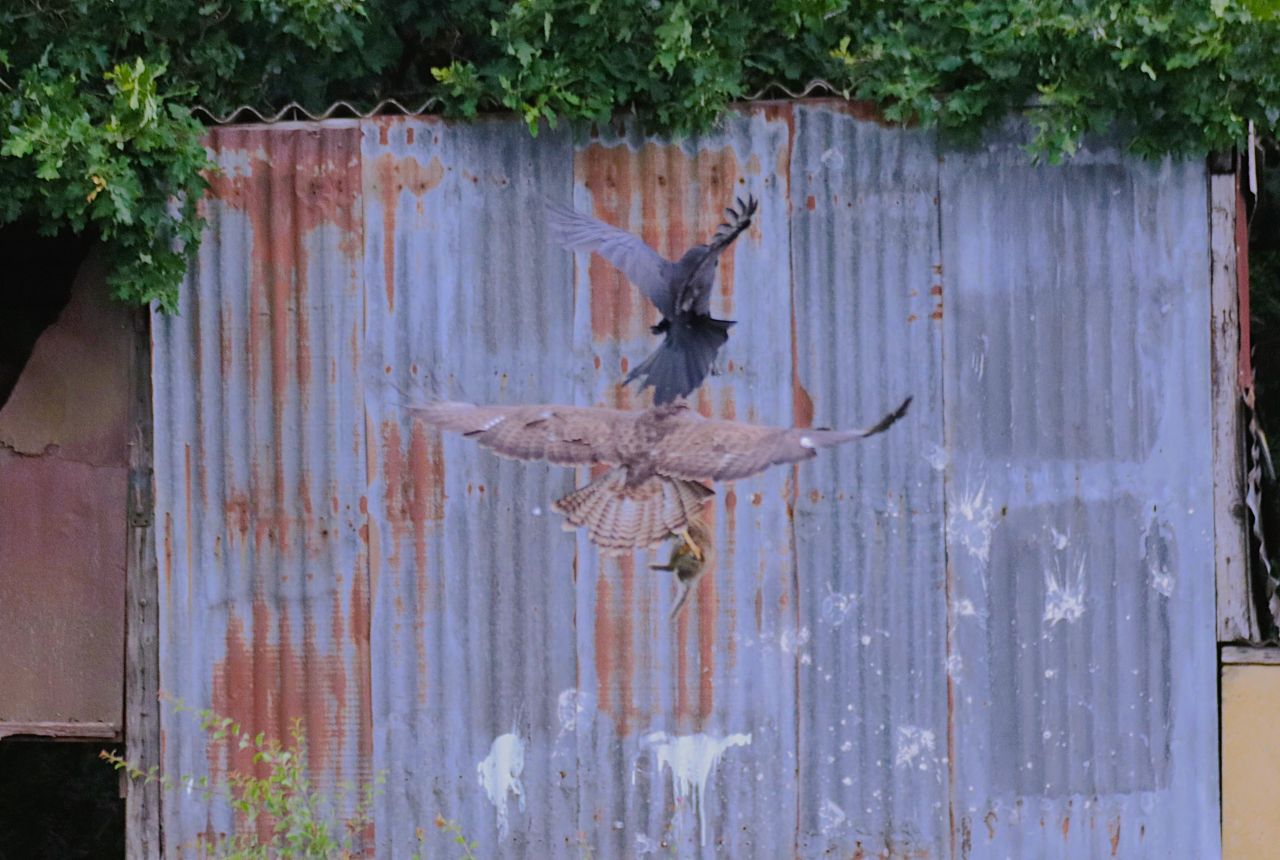
Common buzzard with possibly a small rabbit in its talons is mobbed by one of the crows.
During one of my visits there a common buzzard could be seen having picked up what looked to be a small rabbit.
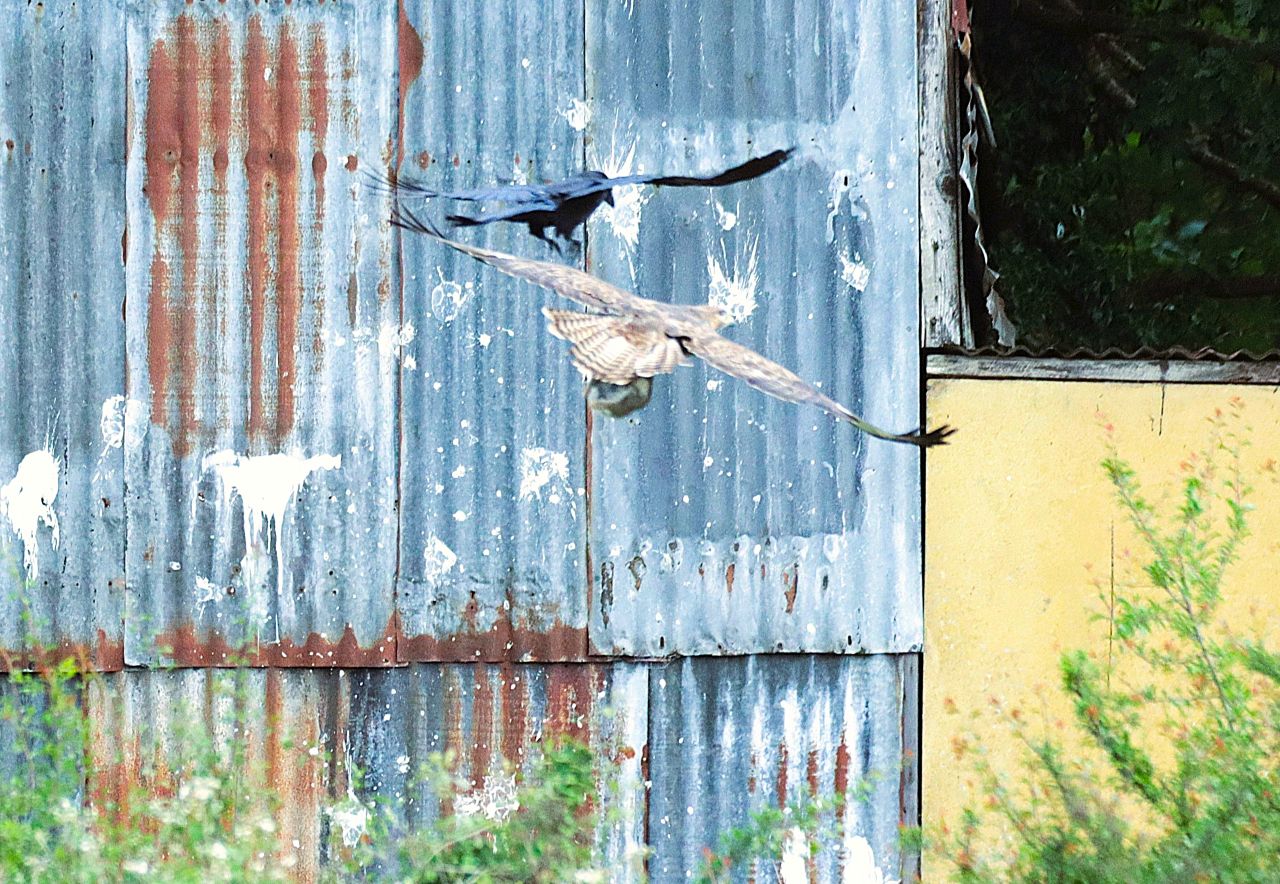
Another shot in the same sequence to the one above.
A succession of rapid-fire pictures taken, although slightly out of focus, showed it being mobbed by a pair of crows.
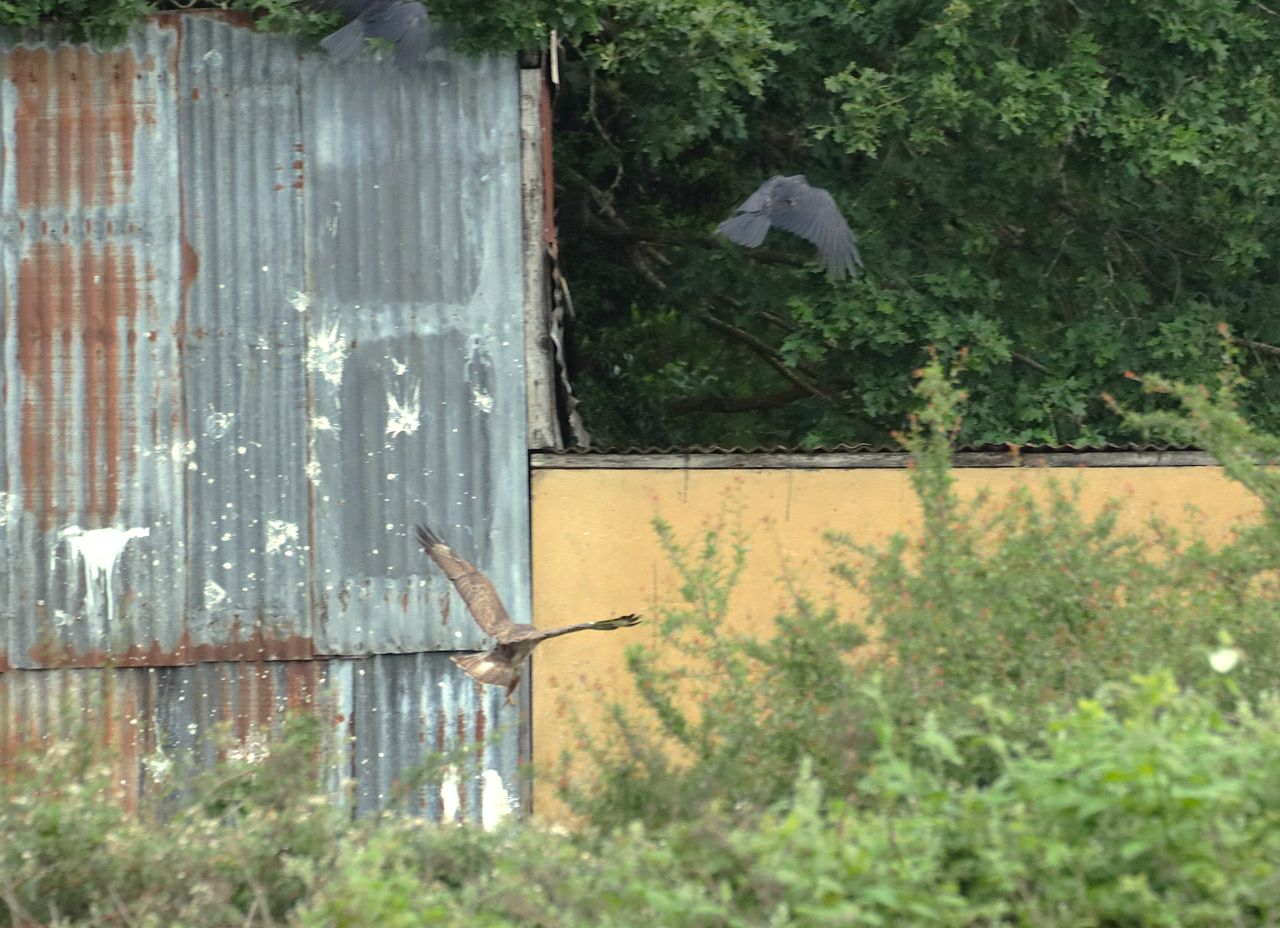
The buzzard has dropped it prey while the crow flies above.
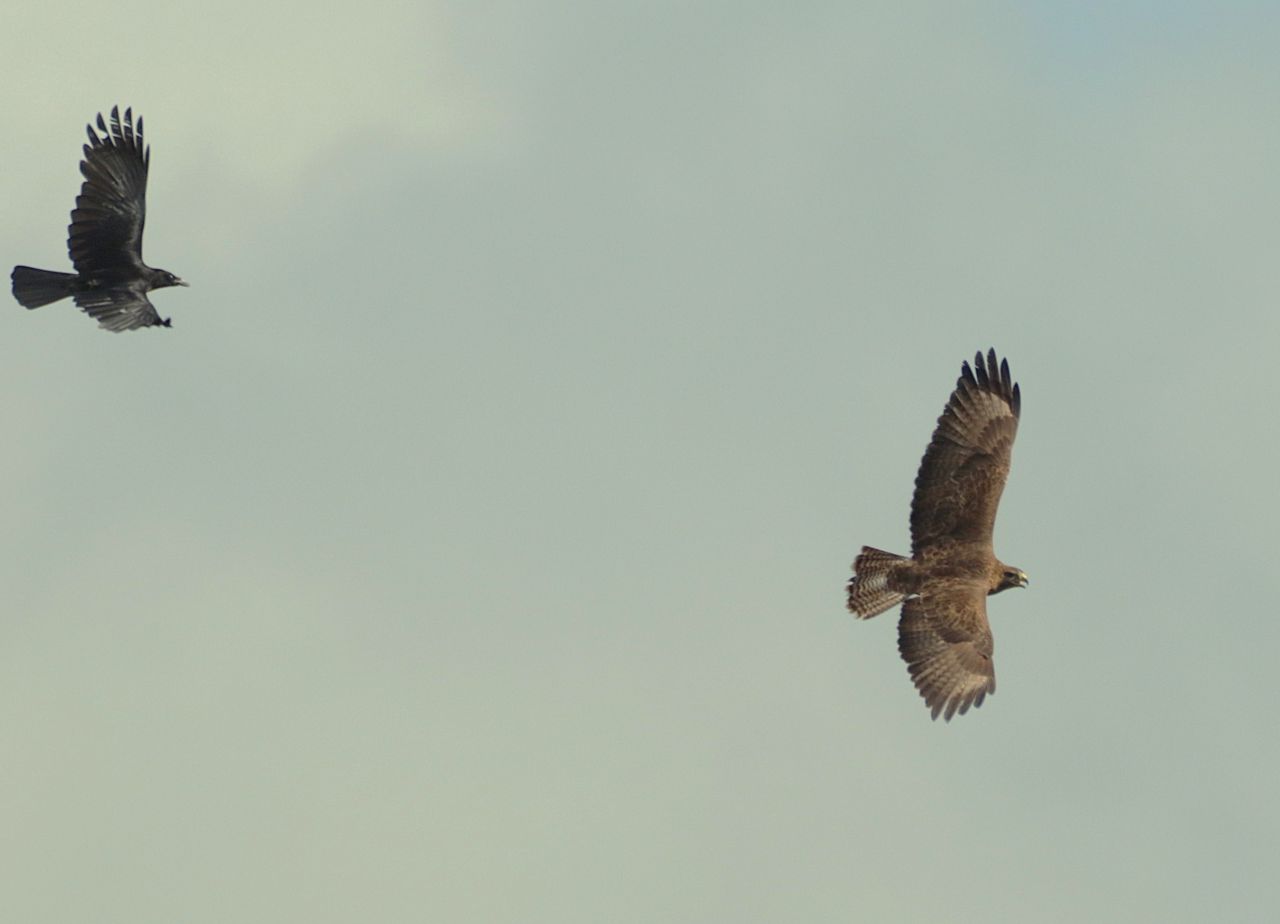
The buzzard flying off with the crow in pursuit.
And having to let go of the small mammal before it made it to the safety of the trees.
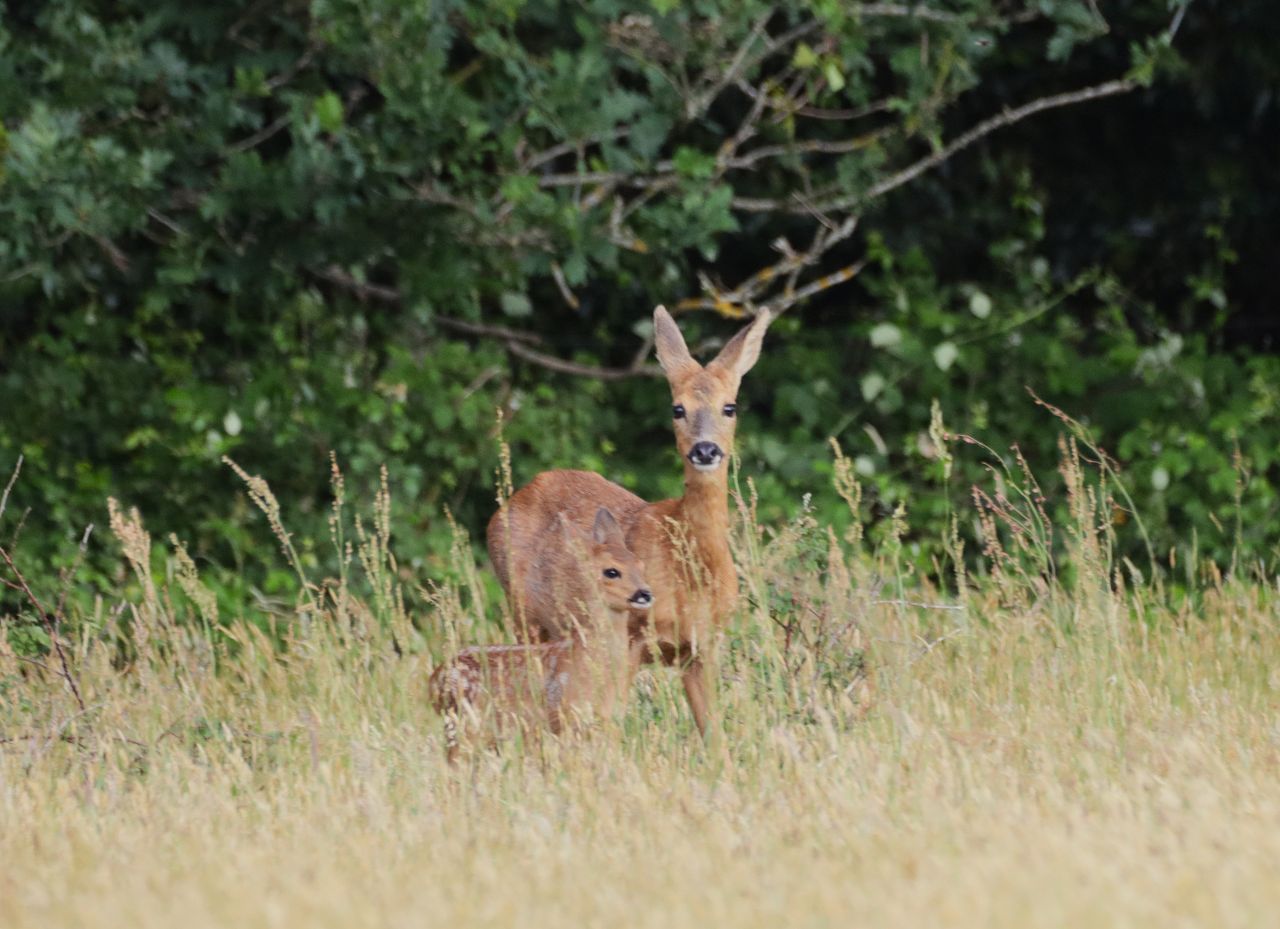
Roe deer with fawn in old horse field, Whitmoor Common.
Other sightings within the field included on one occasion a doe roe deer with its fawn.
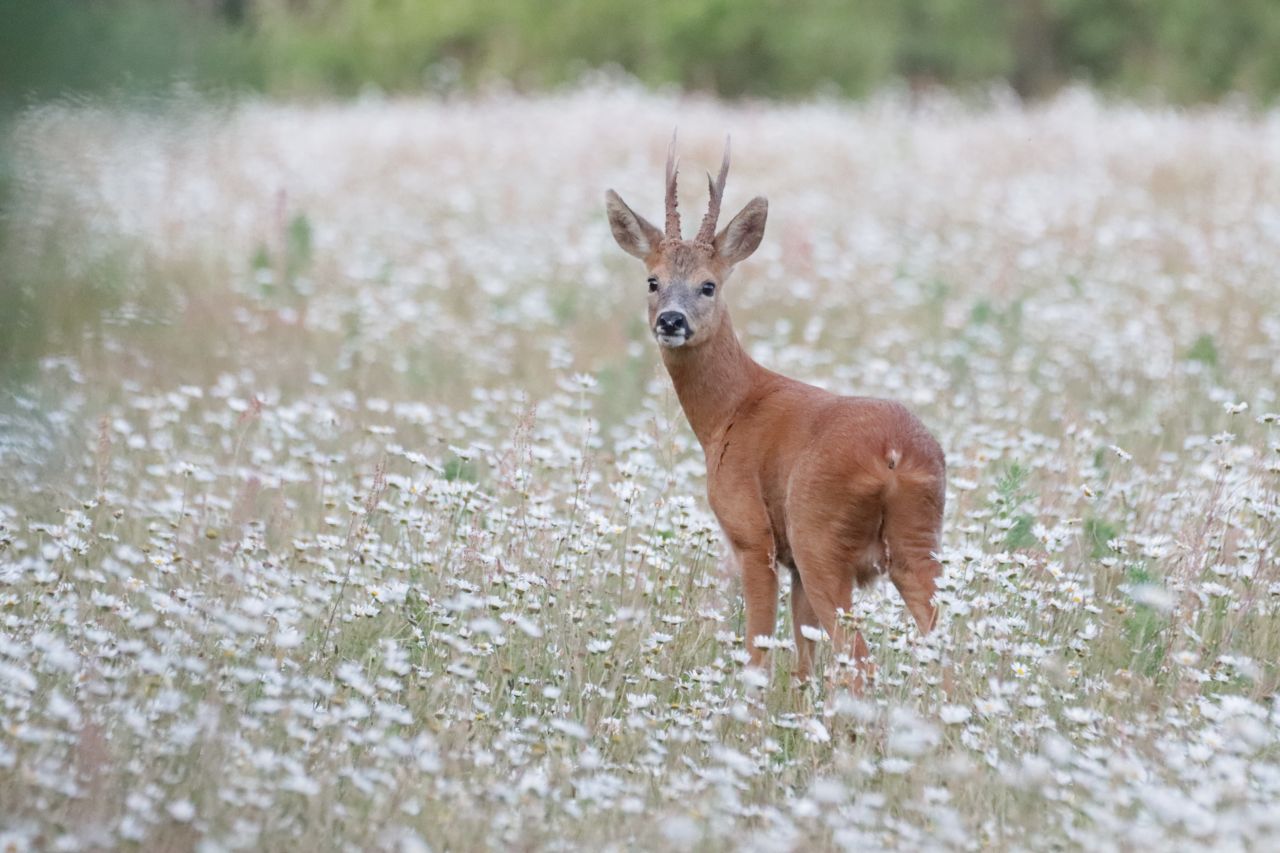
Buck roe deer in the old horse field, Whitmoor Common.
A few days later a buck roe deer made an appearance just metres away from me.
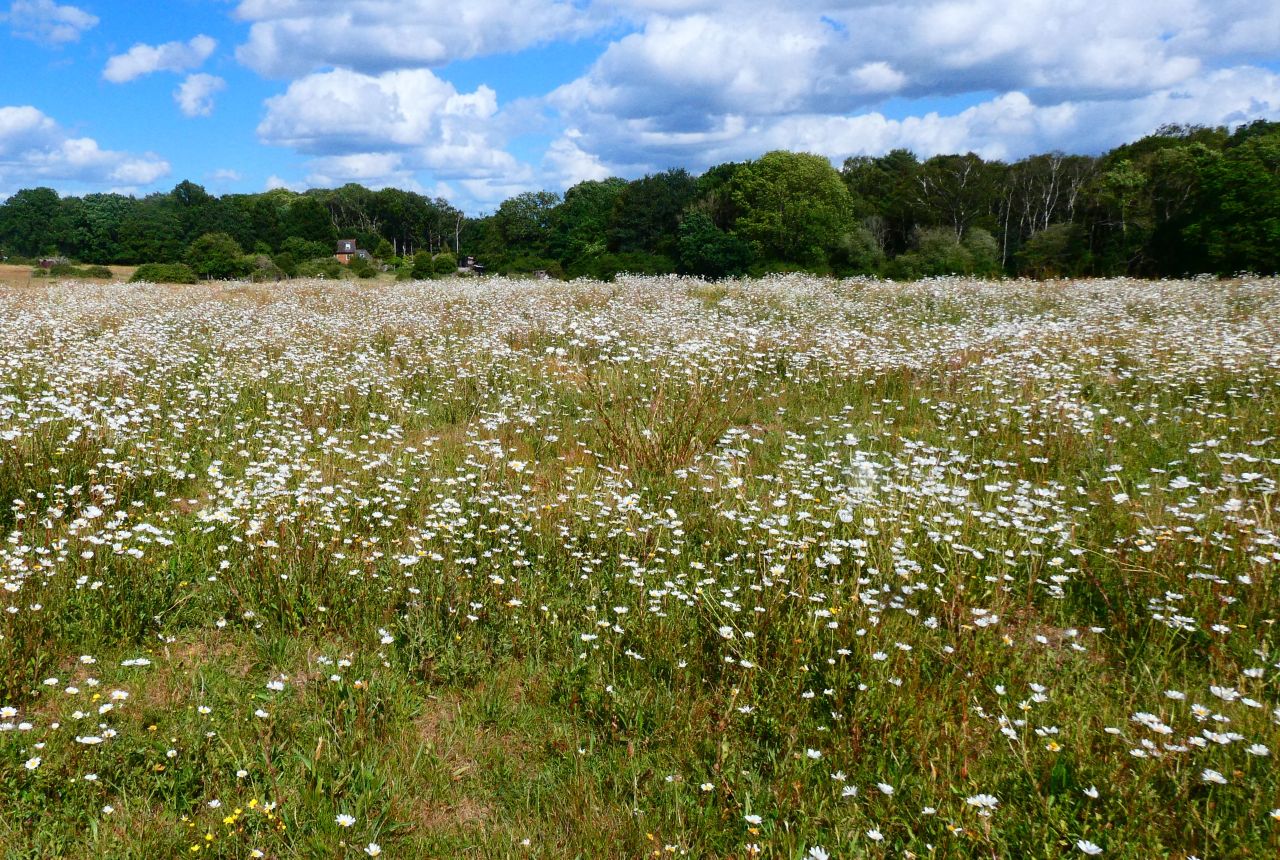
The old horse fields, Whitmoor Common.
Unperturbed and inquisitive at my presence, it then ambled away merging out of sight into a clump of birch saplings from a patch of the field where ox-eyed daisies were in flower.
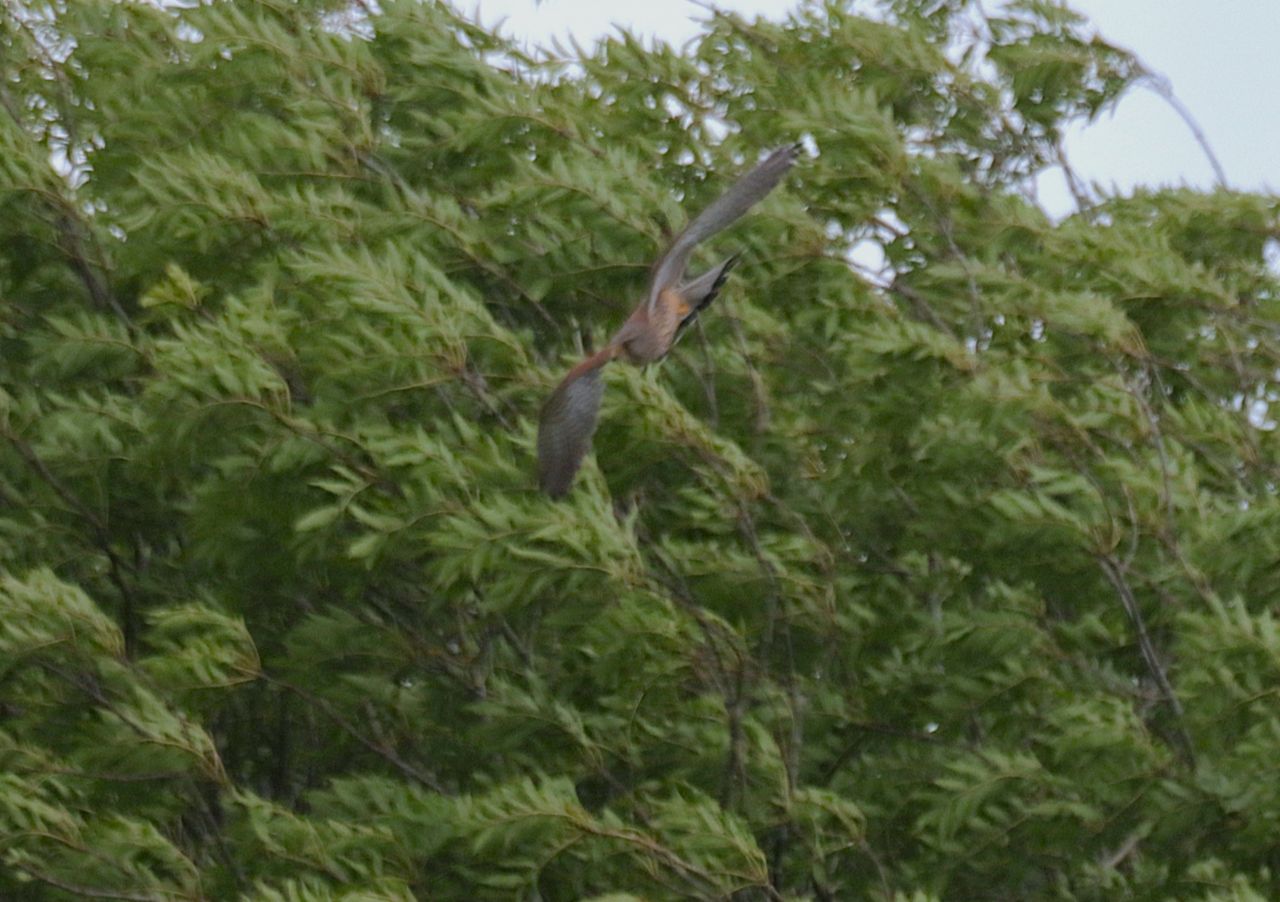
Kestrel, Whitmoor Common.
Across the field a kestrel could be viewed in flight.
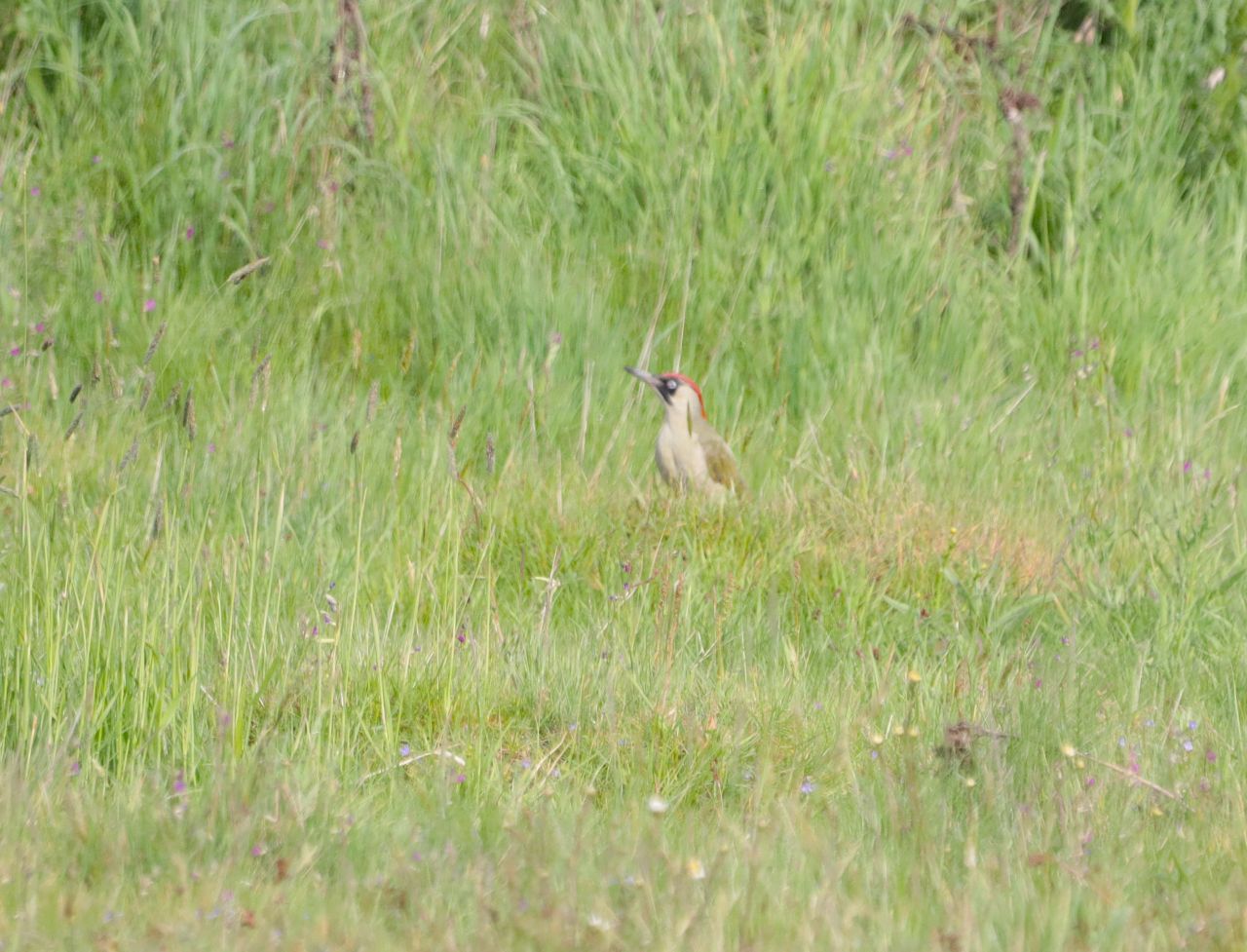
Green woodpecker, old horse fields, Whitmoor Common.
A green woodpecker could be seen feeding at the far end of the field.
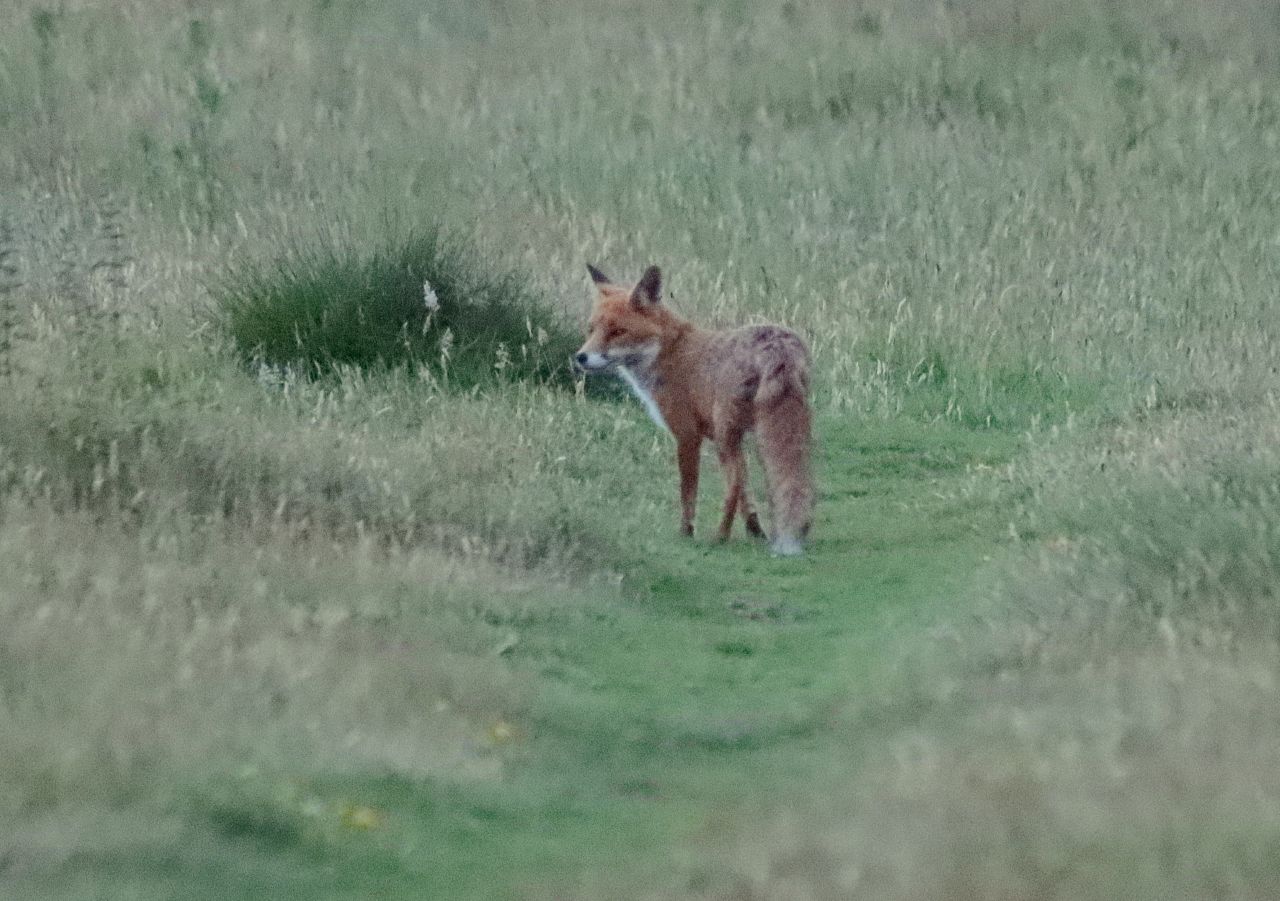
Fox in old horse fields, Whitmoor Common.
While late in the day a fox made an appearance.
About the woodland areas sounds of newly fledged birds could be heard.
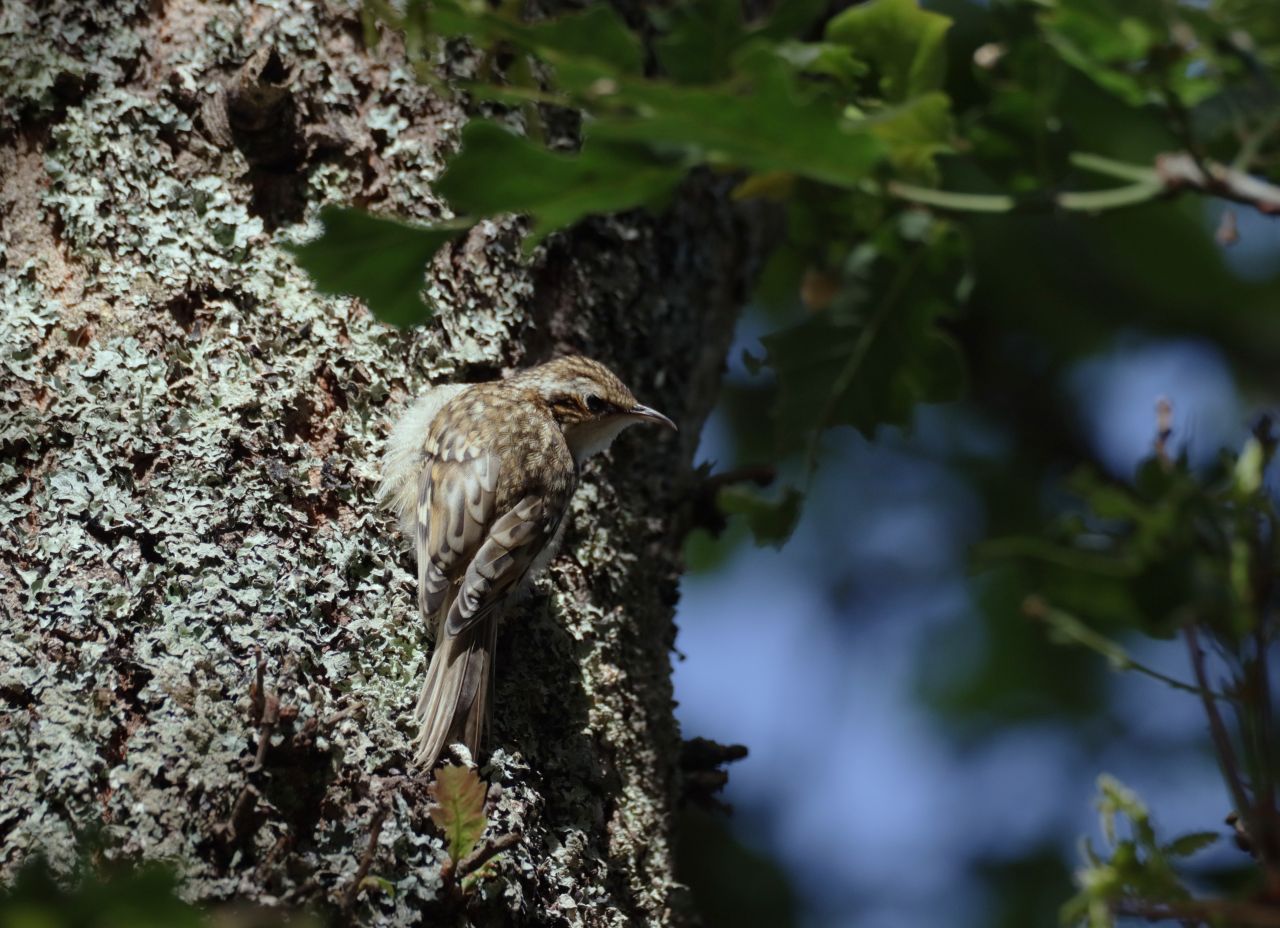
Treecreeper, Whitmoor Common.
These included families of treecreepers.
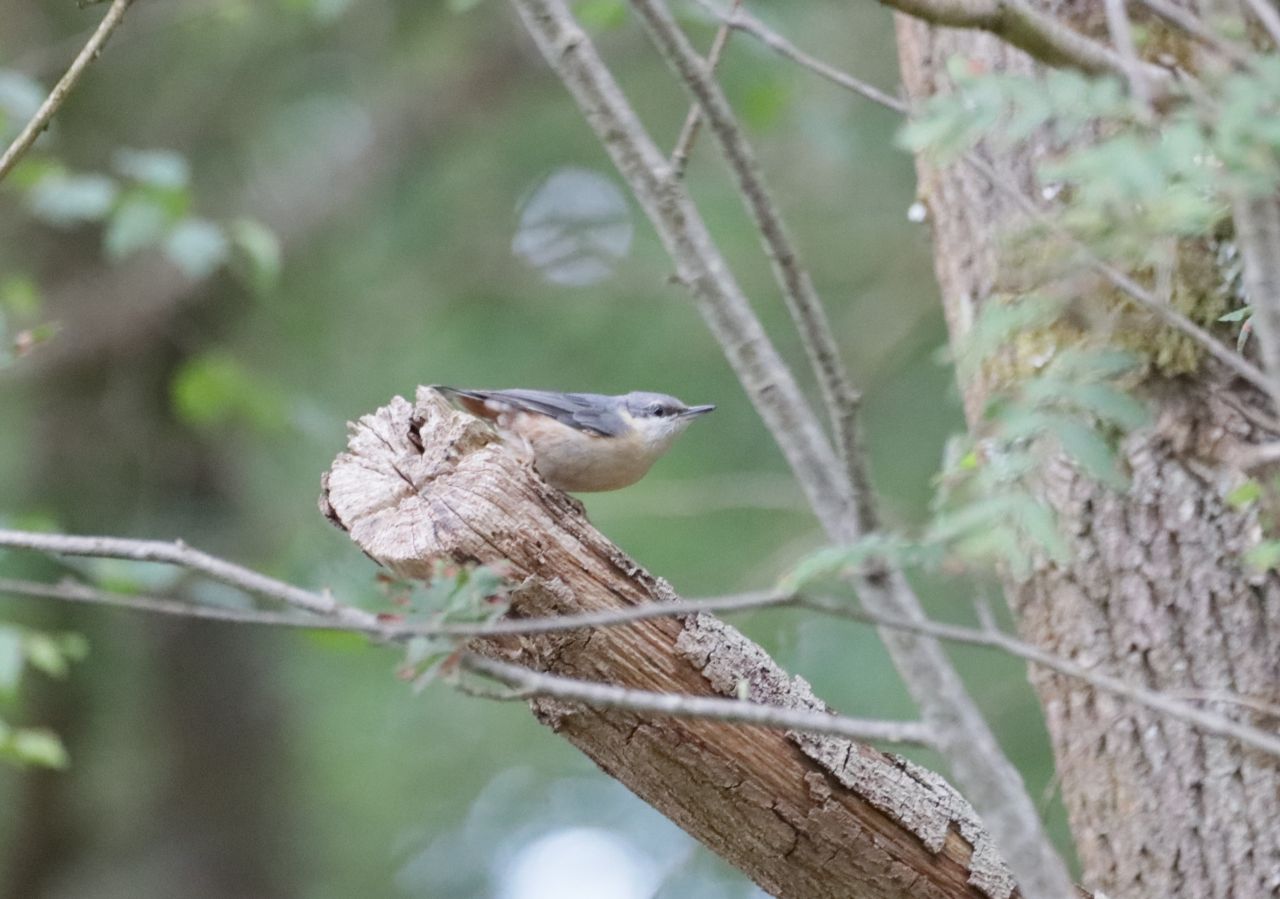
Nuthatch, Whitmoor Common.
Nuthatches.
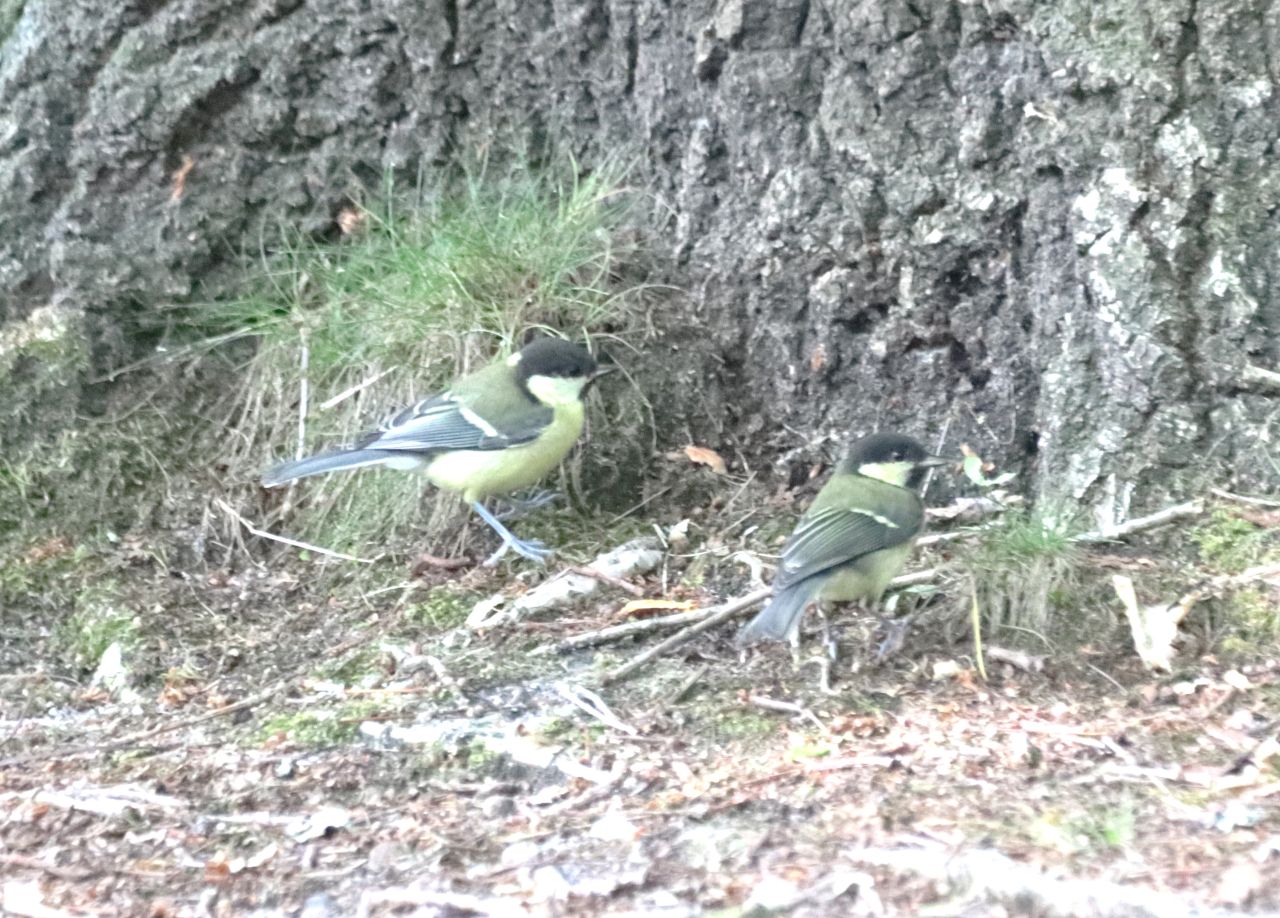
Great tits, Whitmoor Common.
Great tits.
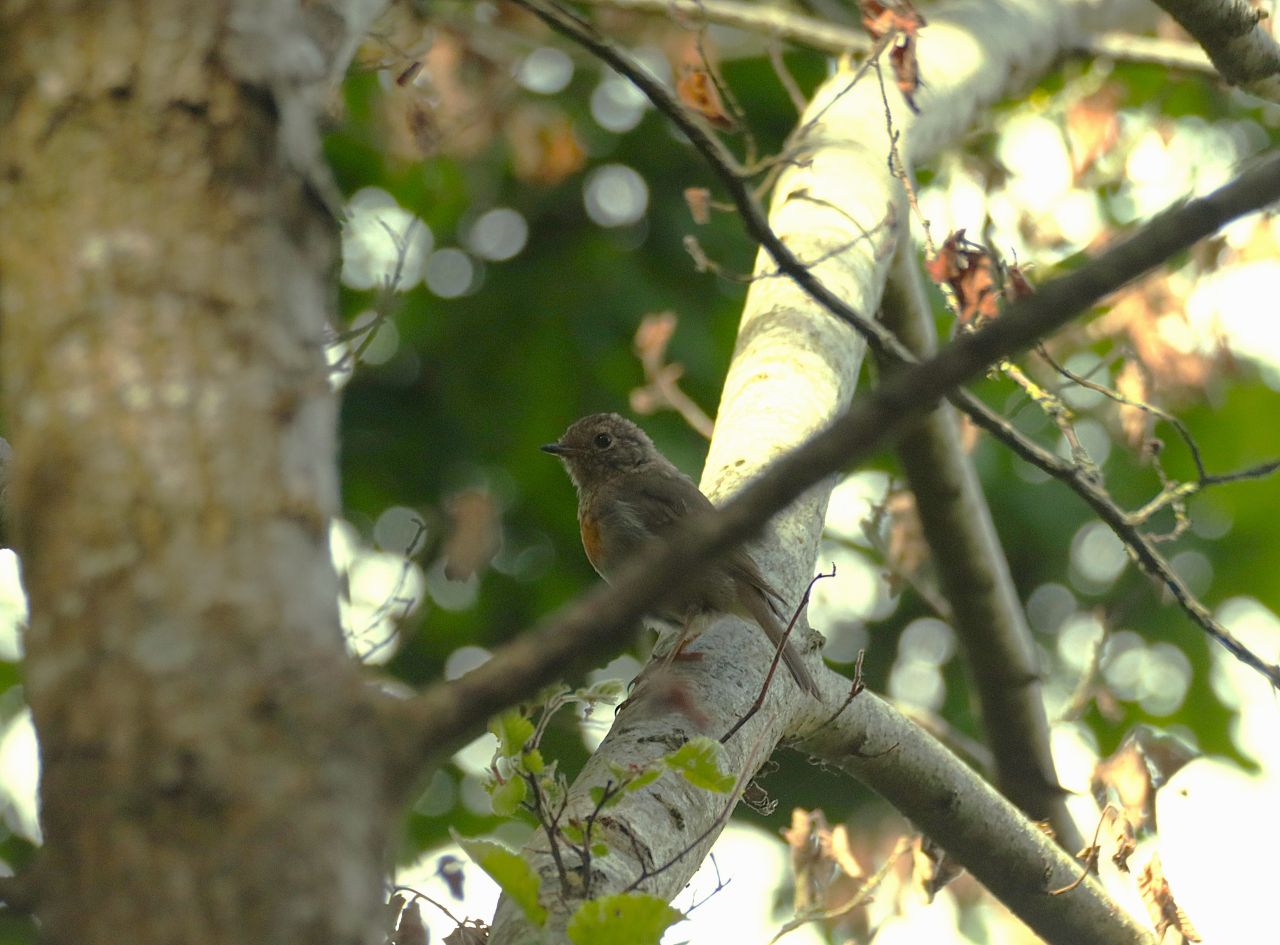
Juvenile robin, Whitmoor Common.
And a juvenile robin still developing its red breast.
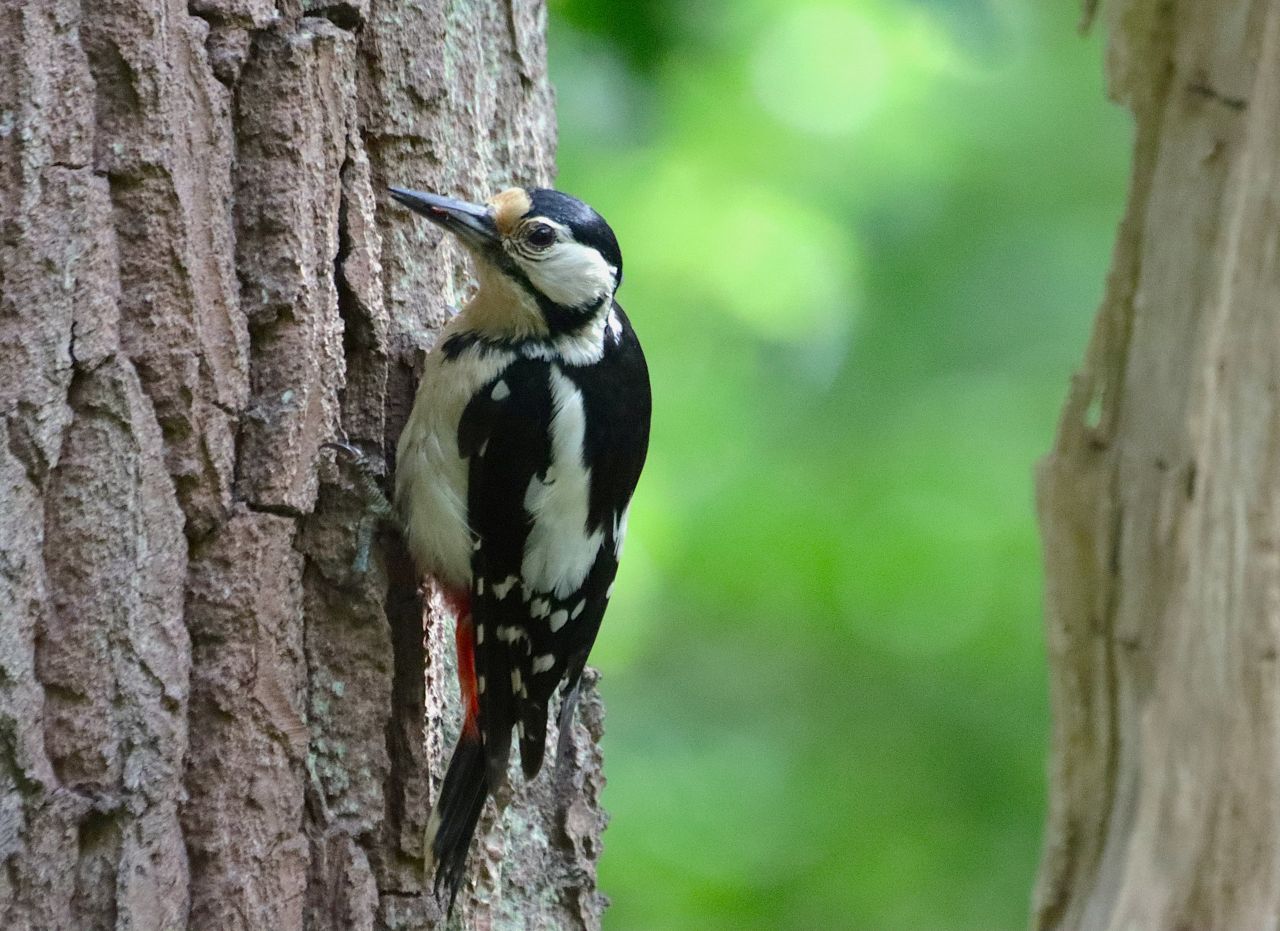
Great spotted woodpecker, (female), Whitmoor Common.
Great spotted woodpeckers added to my photos.
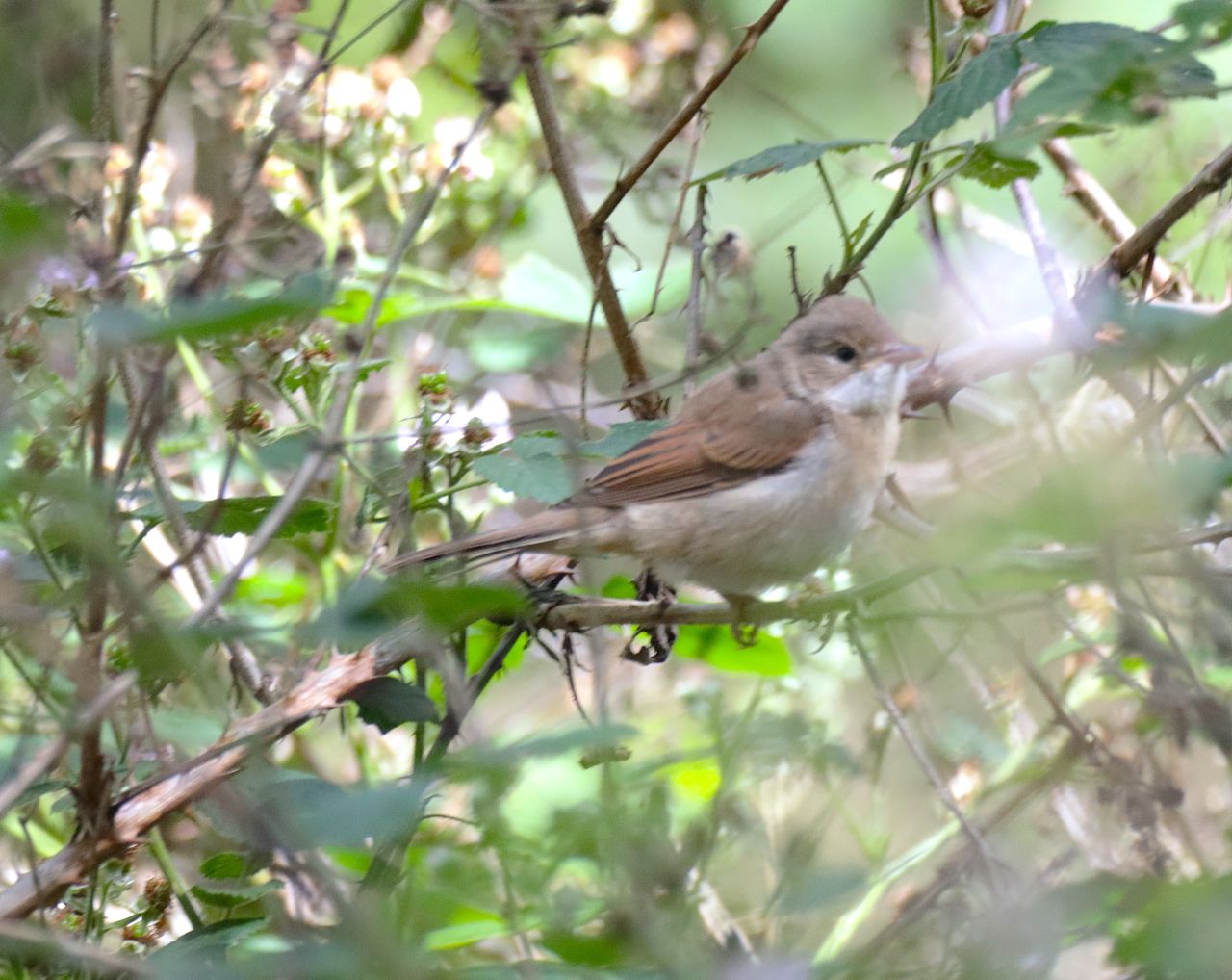
Common whitethroat, Whitmoor Common.
While a common whitethroat could be viewed, albeit briefly.
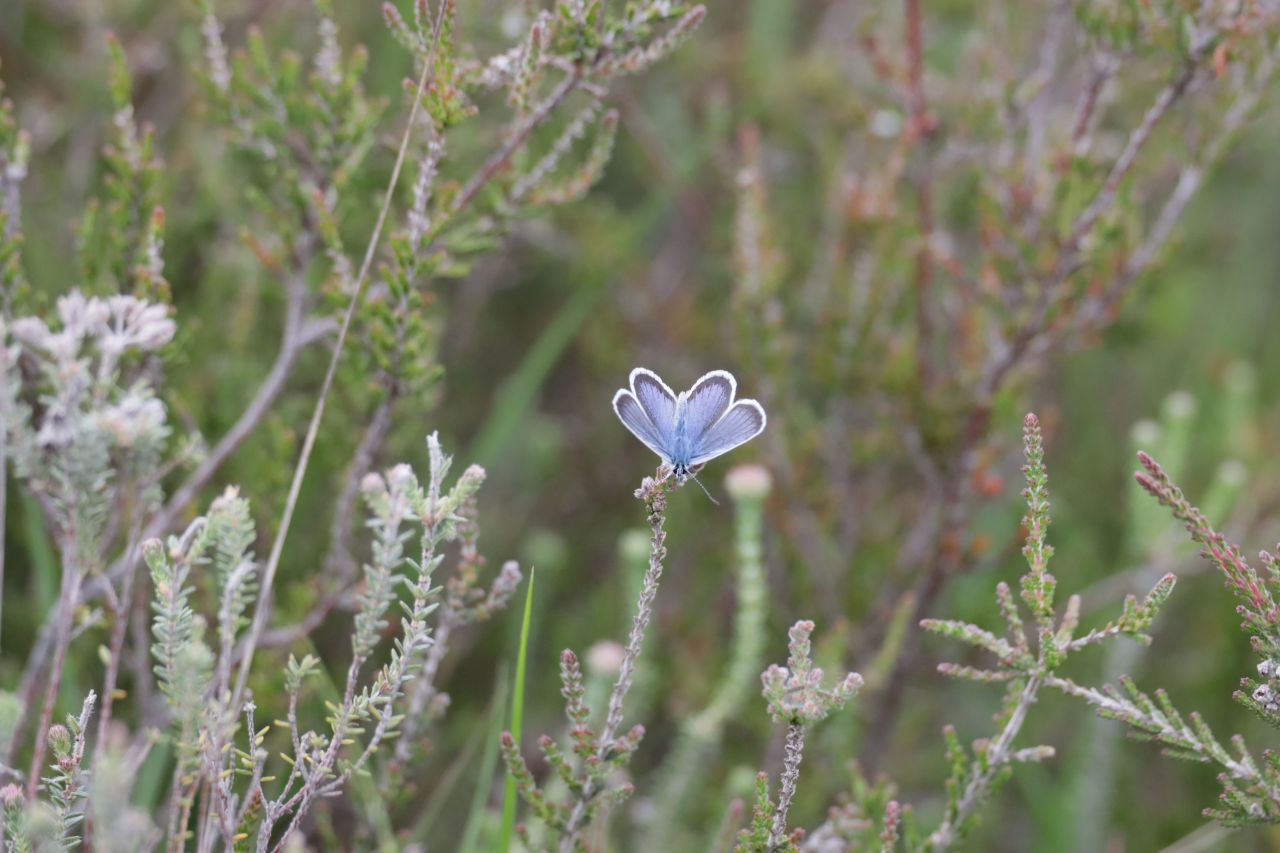
Silver-studded blue butterfly, Whitmoor Common.
As the weather warmed and the first sprigs of heather began to flower on the healthland, I was able to photograph a few silver-studded blues. Having seen my first of the year on Thursley Common a few weeks previous.
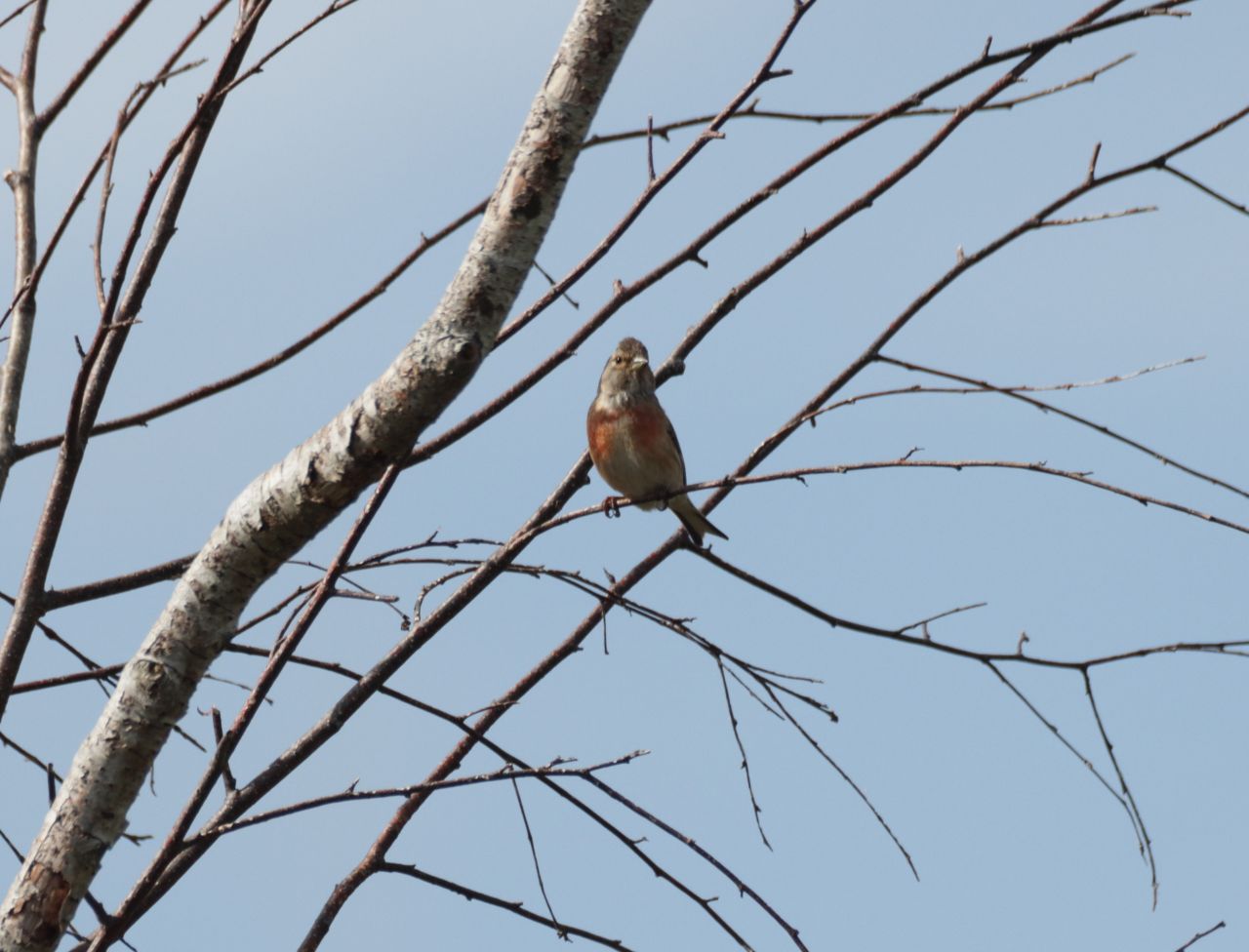
Linnet, Whitmoor Common.
And a healthy number of linnets, with several males in summer plumage.
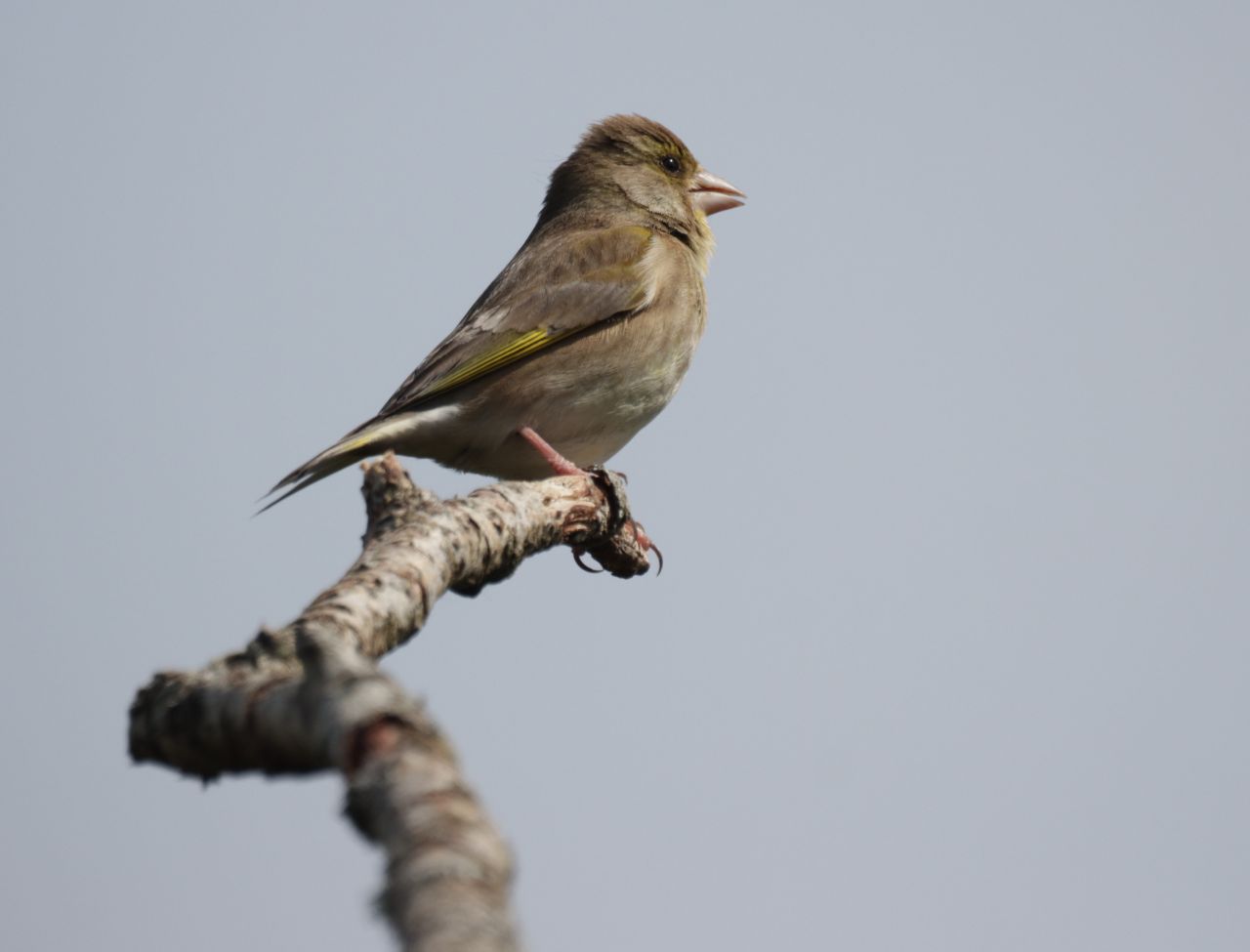
Greenfinch, Whitmoor Common.
Rarely seen by me there in recent years, a few greenf were also a pleasant sighting.
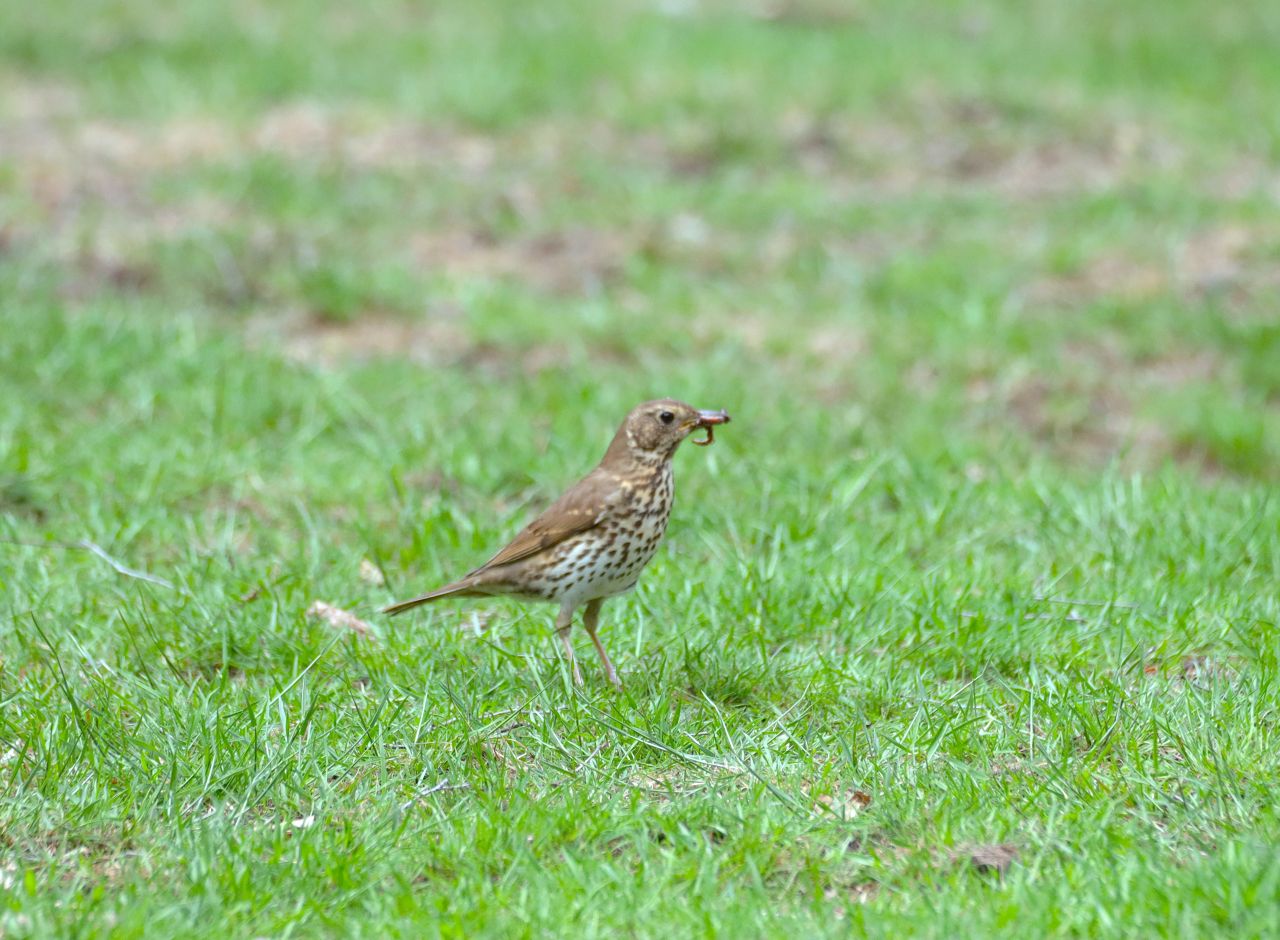
Song thrush, Whitmoor Common.
Close to the car park a song thrush could be viewed collecting food for its young.
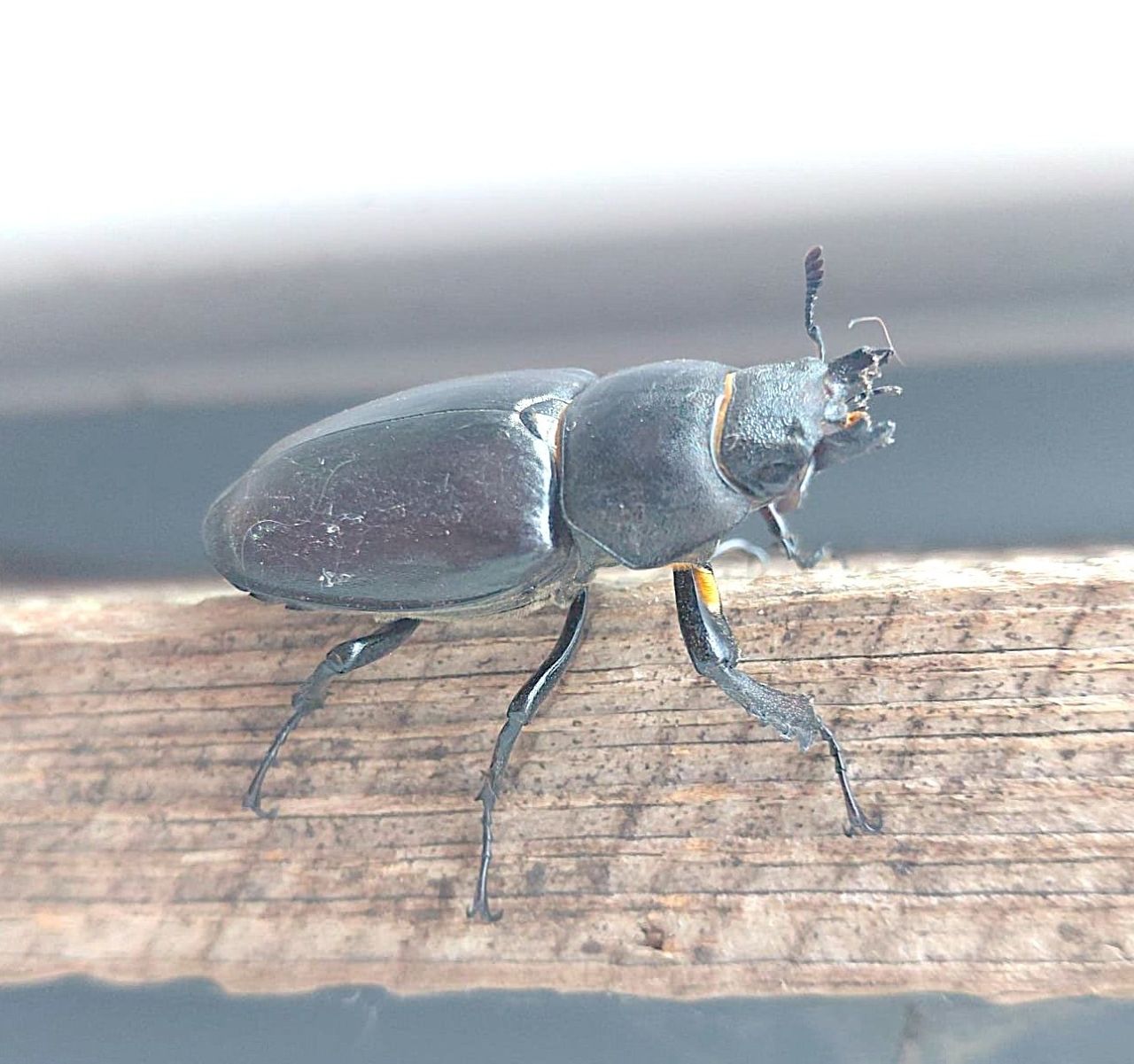
Female stag beetle.
While a female stag beetle added to the bug life there.
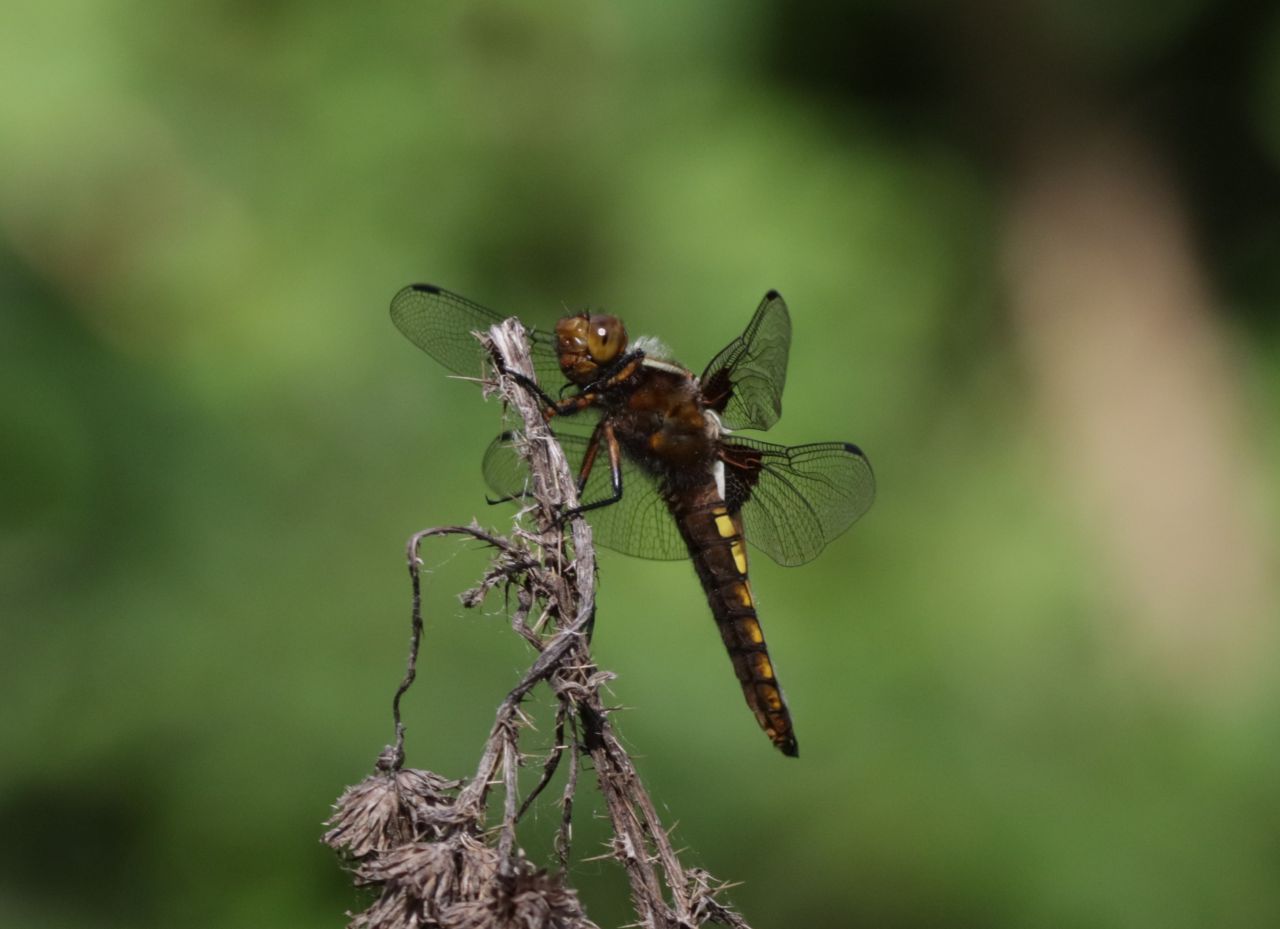
Broad-bodied chaser dragonfly.
Also adding a broad-bodied chaser dragonfly.
As dusk fell over the heathland and night put on its purple cloak of velvet to the sky, the sound of a nightjar could be heard churring.

Nightjar in silhouette, Whitmoor Common.
Eventually coming out of its daytime roost it perched on one of the utility wires that run across the heathland.
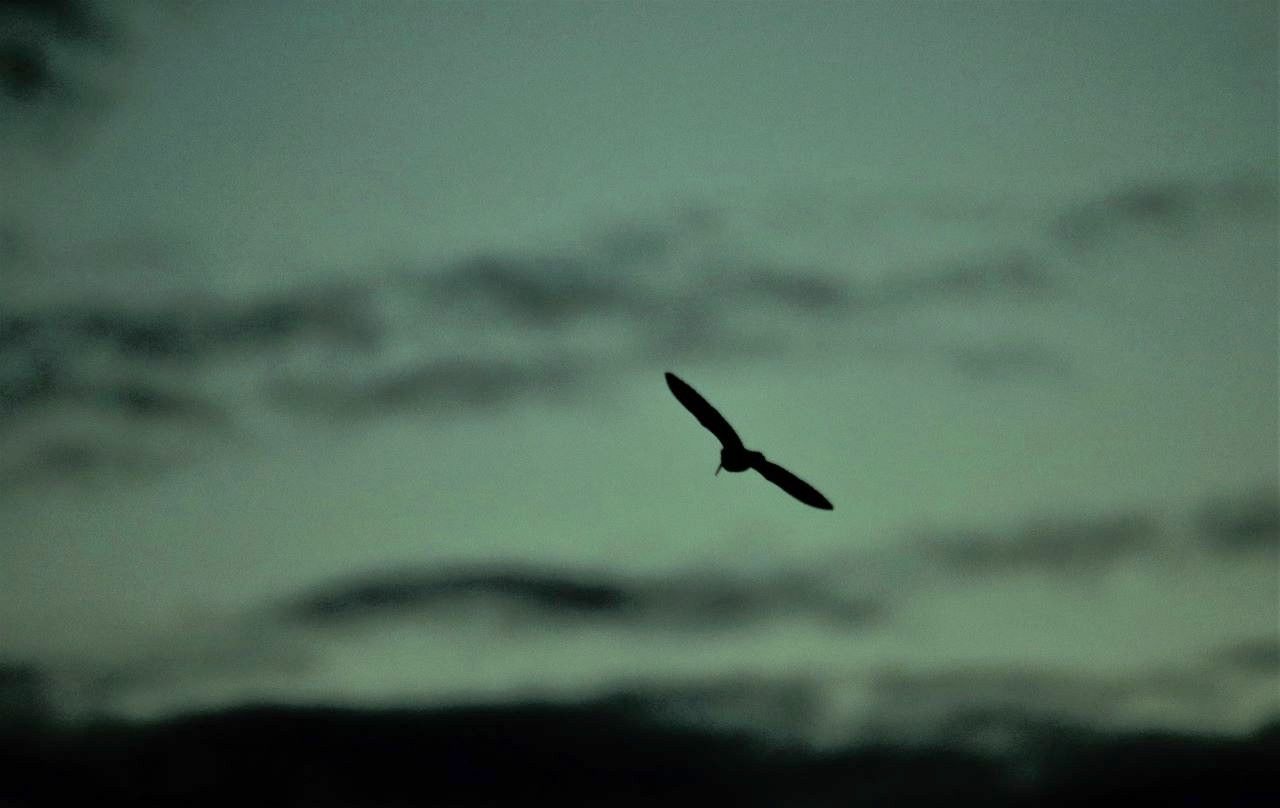
Woodcock in silhouette seen roding across Whitmoor Common.
At least three woodcocks flying over adding to the late evening’s entertainment.
On June 14, following up on recent reports of the continuing presence of white storks, I returned to one of the areas surrounding Slyfield Green.
A YouTube clip sent to me showed that two of the storks had begun nest building in one of the trees at the back of Harry’s Meadow in Jacobs Well.
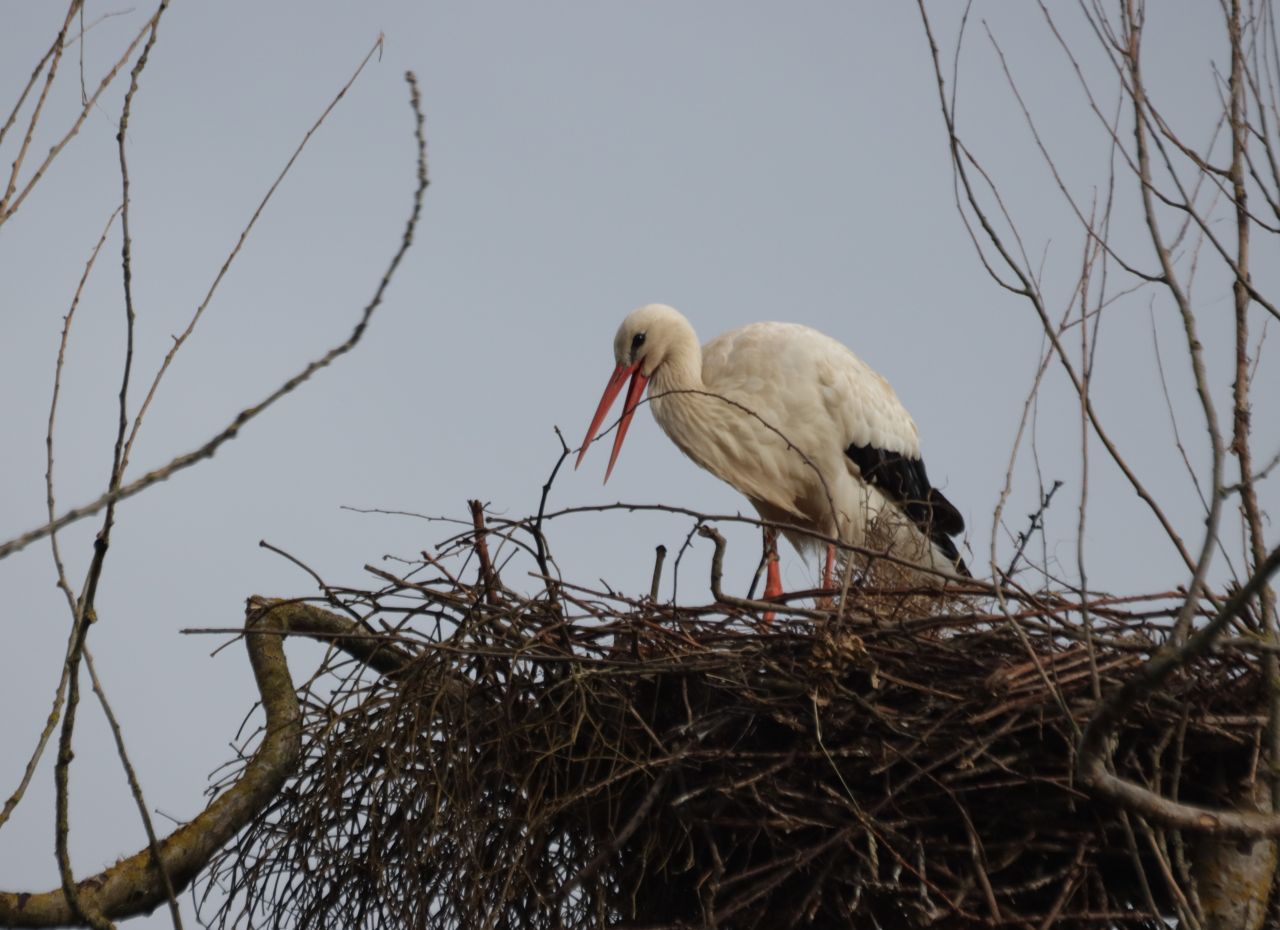
White stork, nest building, Jacobs Well.
On my arrival one could indeed be viewed at its nest site. Closer observations saw it spreading nesting material around its already well constructed nest base.
Most of the storks present in the area, including the ones that have been seen at the nest, are deemed to be only second summer birds. Therefore, they are not mature enough to breed. It is also also considered too late in their breeding season to begin.
There are thoughts that the white storks are practising their nest-building skills, much like teenagers building tree camps?
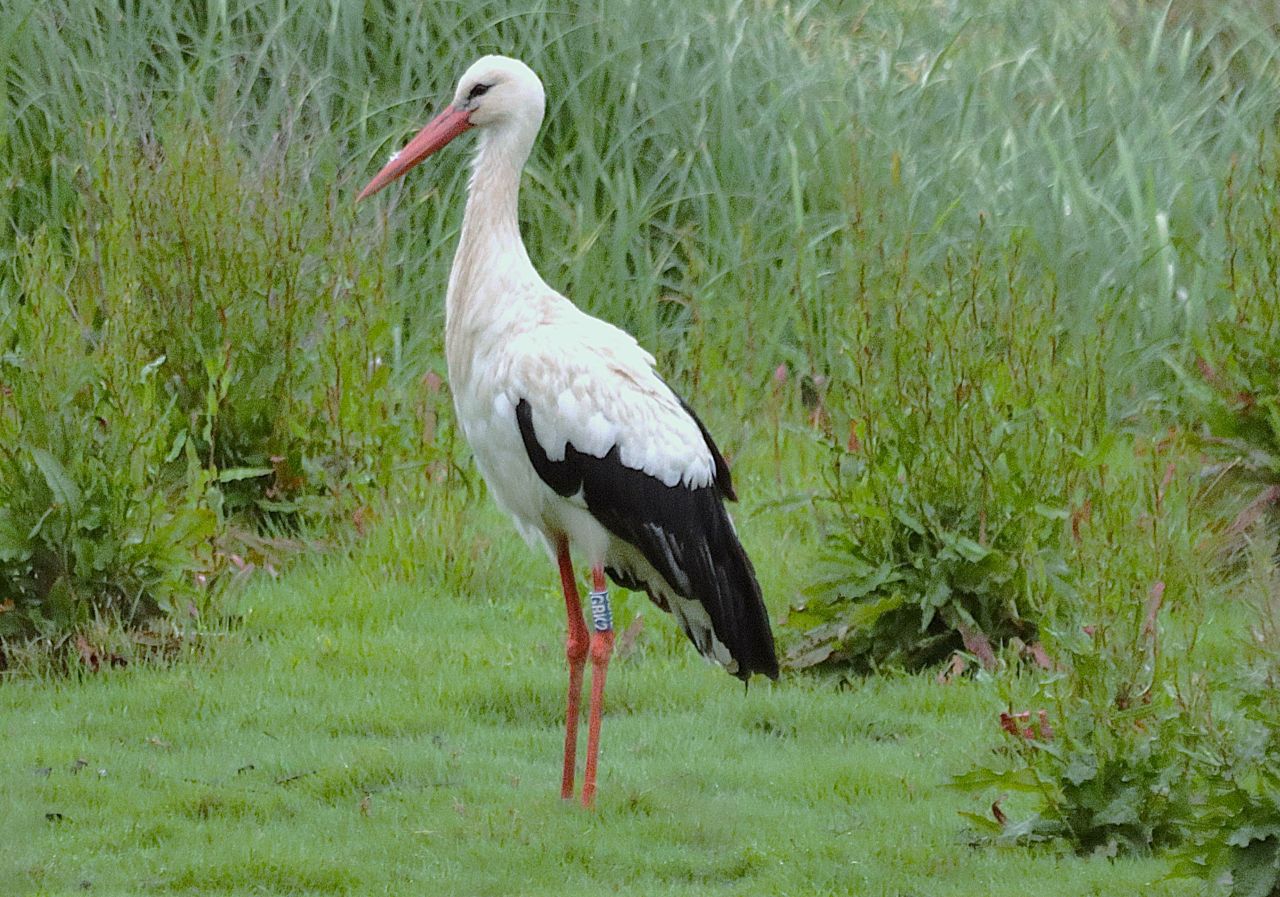
White stork, Burpham Court Farm.
But who knows? Maybe, after their migration in September, they might return next spring to complete their good work?
Share This Post













Recent Comments