- Stay Connected

Socialize

 Abraham Lincoln
If given the truth, the people can be depended upon to meet any national crisis...
Abraham Lincoln
If given the truth, the people can be depended upon to meet any national crisis...

 Guildford news...
for Guildford people, brought to you by Guildford reporters - Guildford's own news service
Guildford news...
for Guildford people, brought to you by Guildford reporters - Guildford's own news service
Birdwatcher’s Diary No.355
Published on: 9 Sep, 2026
Updated on: 8 Sep, 2026
By Malcolm Fincham
By the latter weeks of August the sustained long hot and dry summer that had been with us since mid-June finally showed signs of breaking down.
On August 19 we finally broke the 62 days without recorded rainfall in Surrey as an overnight blanket of cloud moved in from the west across southern counties of the UK briefly dampening the dusty soil.
Although still muggy, daytime temperatures were dropping into the lower 20s Celsius although night-time temperatures were not falling much lower.
With windows still open at home, it wasn’t until the early hours of August 27 that I could, at long last, smell the sweet aroma of petrichor drift into the house as heavier showers of rain past through the county, bringing a fresher feel to the air in its wake.

Little owl perched up in a distant oak tree at Lydling Farm.
Several trips to Lydling Farm in Shackleford from August 19 on consecutive days saw a little owl perched in one of its favoured oak trees.
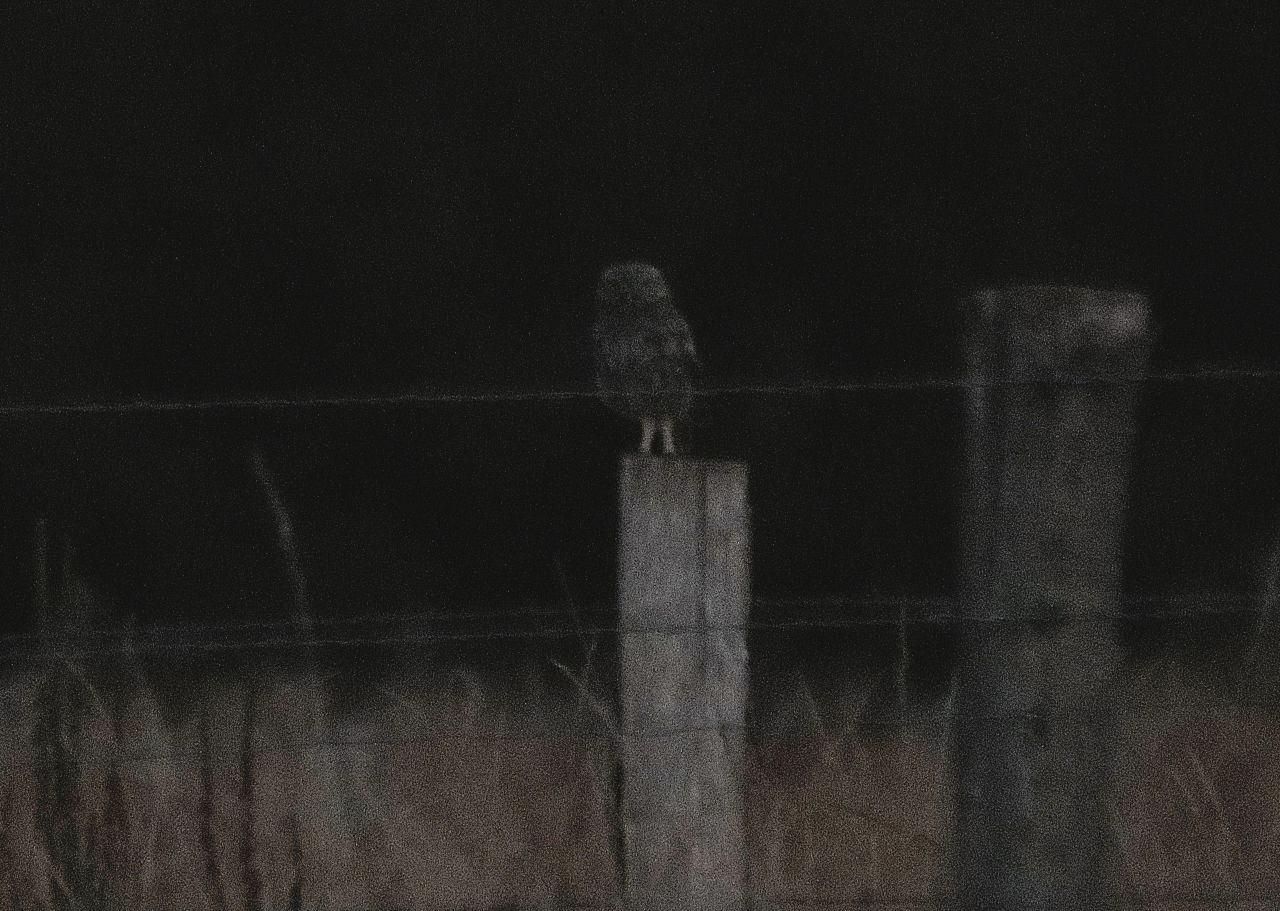
Little owl at dusk, Lydling Farm.
Plus having seen three in the area at dusk several days before.

Skylark, Lydling Farm, Shackleford.
As on previous visits, the usual sightings of a few skylarks could be seen, although by now they were not singing their spring and summer songs.
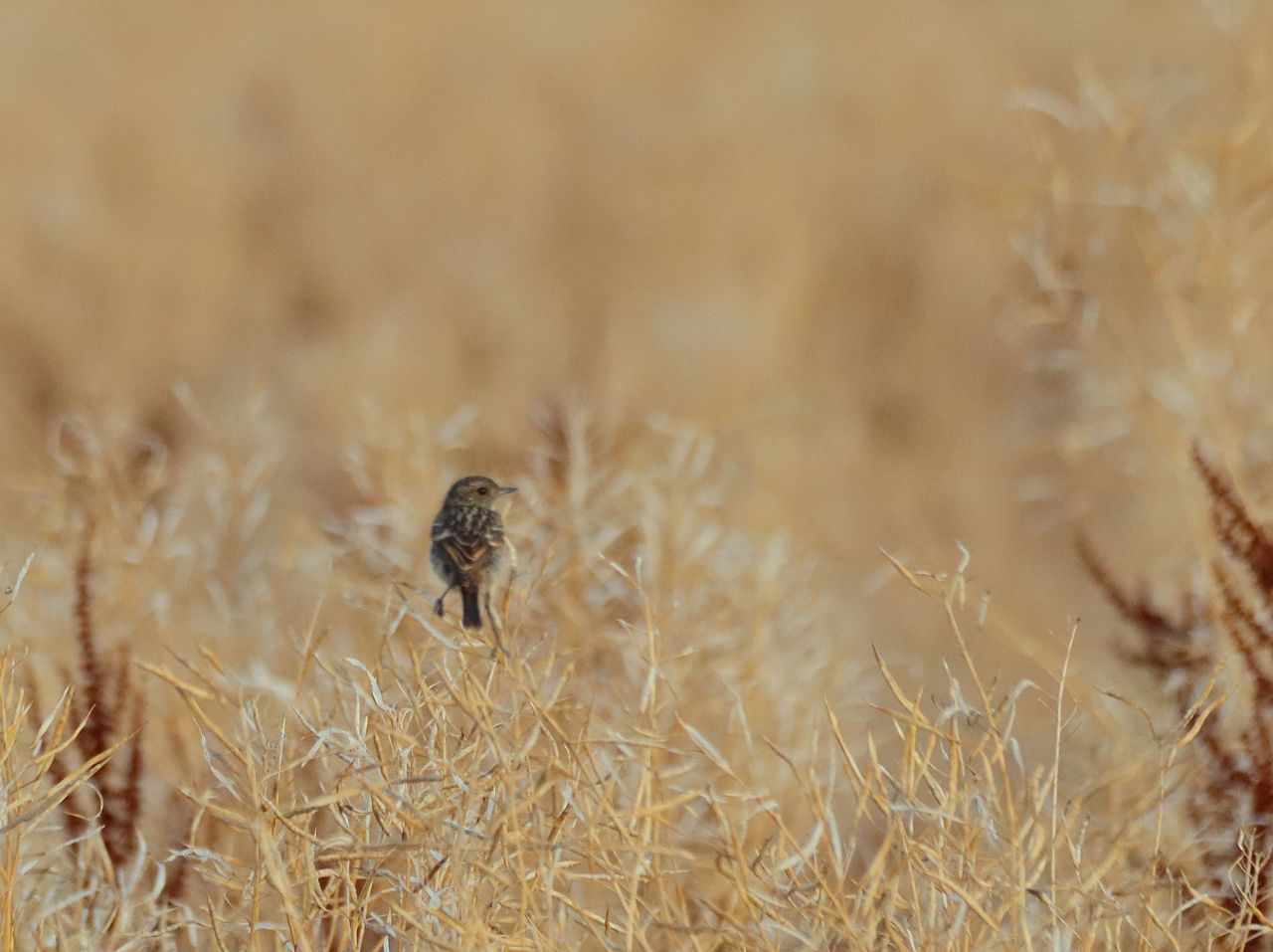
Stonechat, (female) Lydling Farm.
Also picking out several male and female stonechats as well as a few juveniles.

Whinchat, Lydling Farm, Shackleford.
On successive days a whinchat could be viewed in one of the fields.
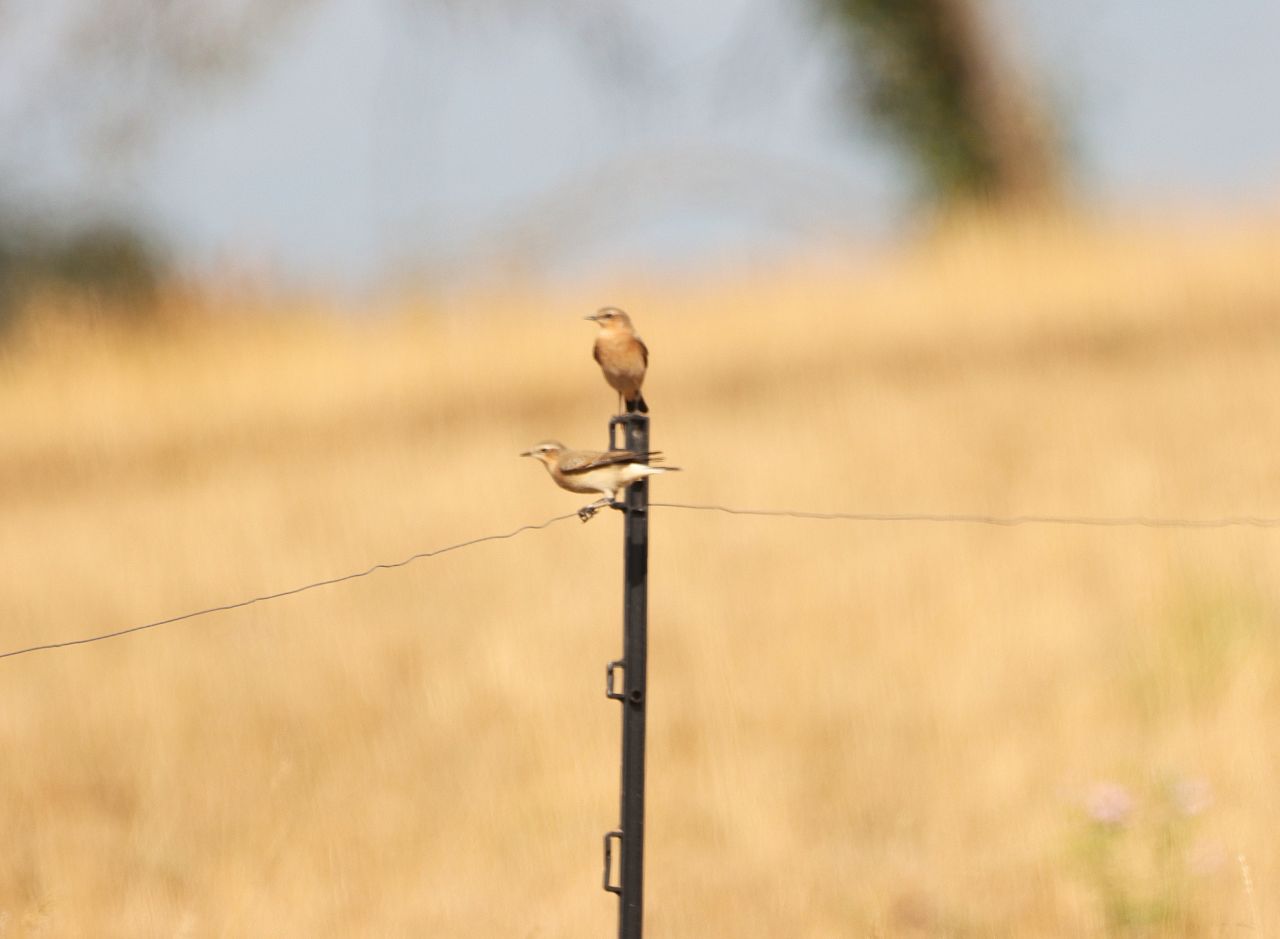
Wheatears Lydling Farm, Shackleford.
As well as several wheatears, with as many as five counted with two in close proximity of each other on August 22, as well as two whinchats present.
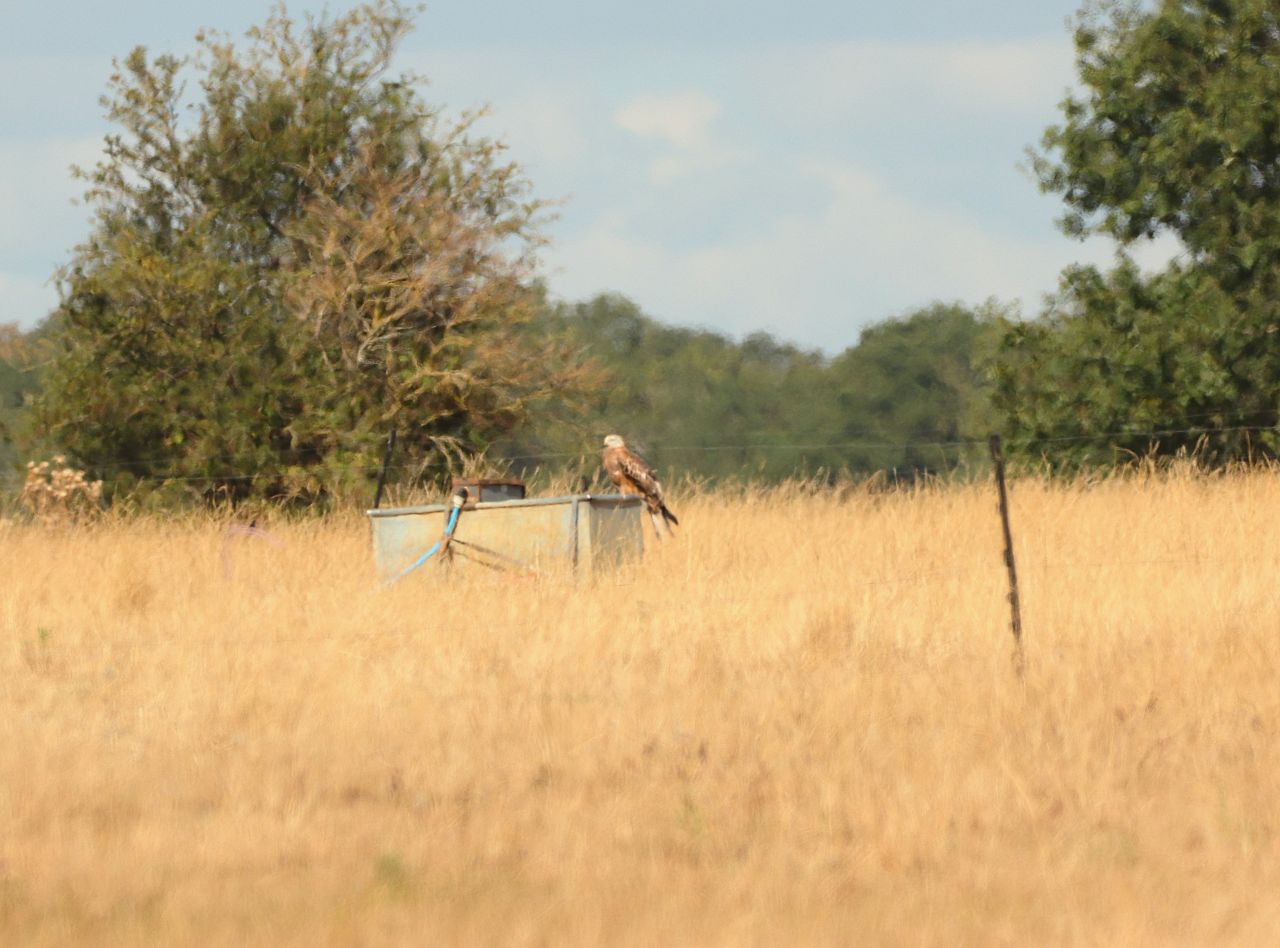
Red kite, Lydling Farm, Shackleford.
A red kite could also seen through the heat-haze as it drank from a water trough at the far end of the field.
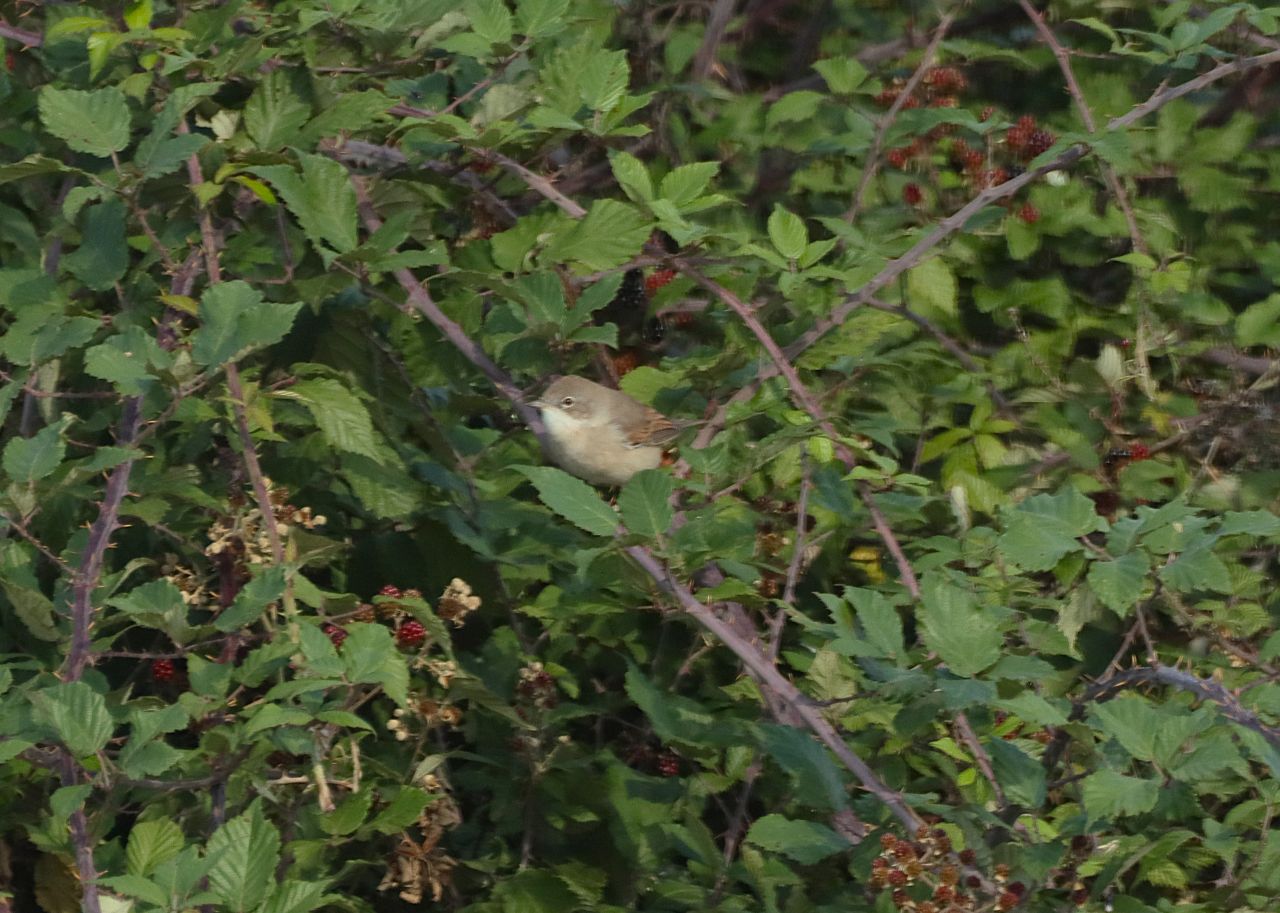
Common whitethroat, Lydling Farm, Shackleford.
Within a small clump of bramble a common whitethroat briefly showed.

Stonechat (male), Lydling Farm, Shackleford.
While on top of the bush another one of the resident male stonechats posed for a photo.
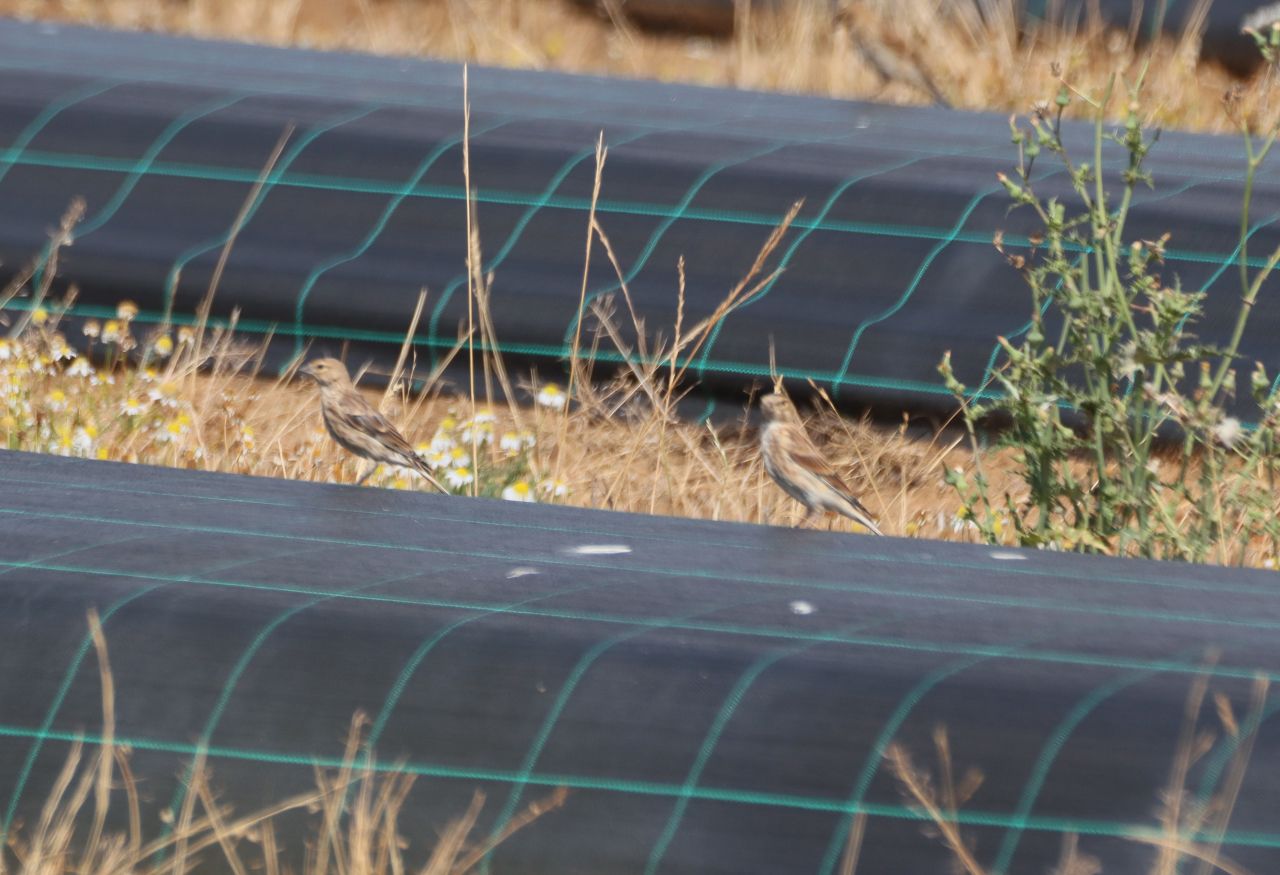
Linnets, Lydling farm, Shackleford.
A small group of a dozen or so linnets had already began to gather.

Clouded yellow butterfly, Lydling farm, Shackleford.
As many as six clouded yellow butterflies could be counted and a few even photographed as they perched just the other side of the fencing.

View over Portsmouth from Portsdown Hill, Hampshire.
On August 23 Dougal and I visited Portsdown, Hill in Hampshire. This is a chalk ridge that overlooks Portsmouth Harbour, with views across the Solent to the Isle of Wight.
Reports of several long-tailed blue butterflies that had been found in the area inspired us to attempt to find at least one of at least six that had been reported there.
Following directions given, we parked up on the eastern side of the hill finding ourselves within a short walk to where they had last been seen.
Adding to our fortune, on our arrival to the spot we found a couple of people already photographing one of them.
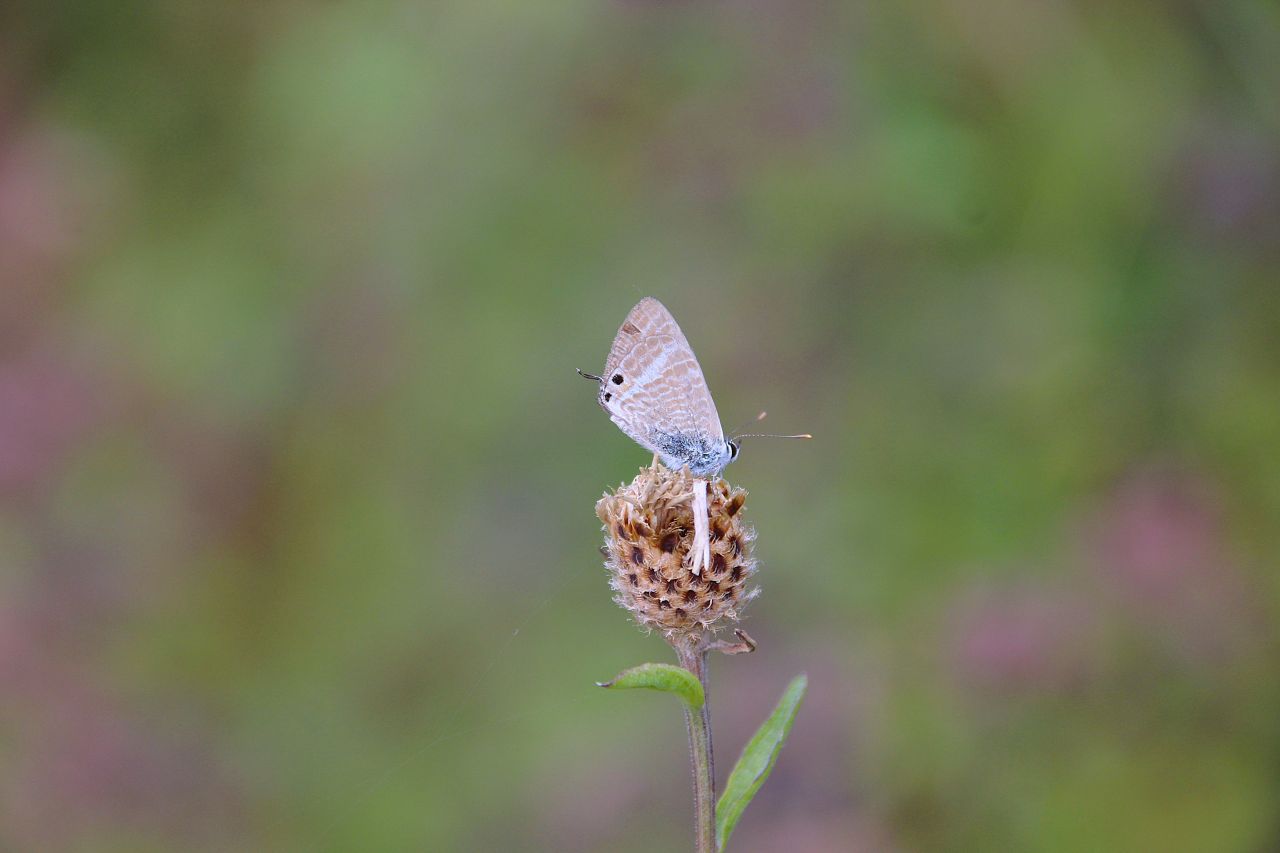
Long-tailed blue butterfly, Portsdown Hill, Hampshire.
In all, we counted at least three of these exotic little critters.
They are also referred to as the ‘pea blue’ due to the everlasting pea being its main food-plant. ‘Mange-tout!’ ‘I exclaimed!’ referring to one of Del Boy’s sayings from the long running TV series of Only Fools and Horses.
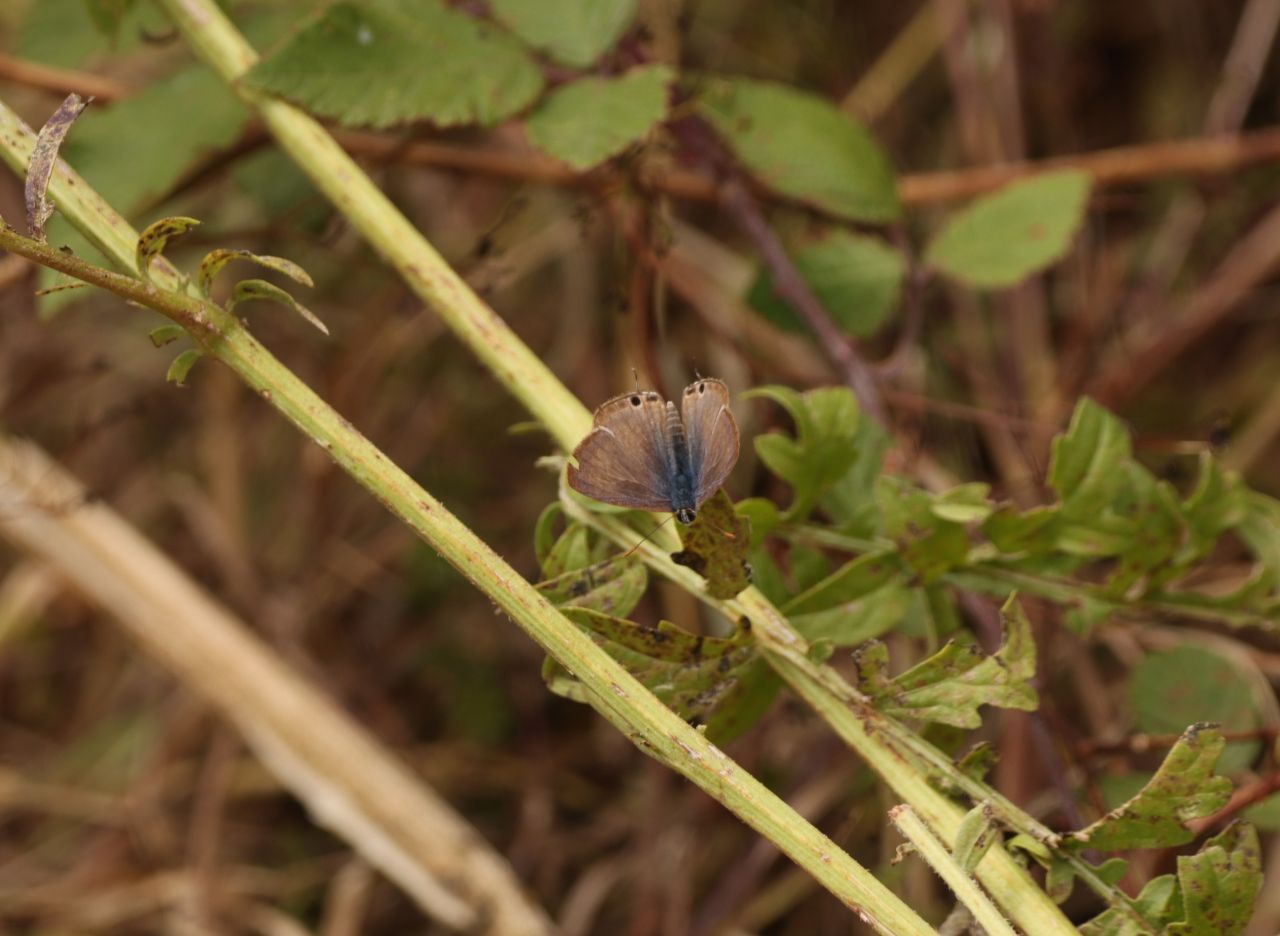
Long-tailed blue butterfly, Portsdown Hill, Hampshire.
They are a migrant from the Mediterranean as well as France, with a handful typically reaching UK shores in recent years.
I had last seen and mentioned them in one of my earlier reports back in September 2020, at Whitehawks Hill, Brighton. https://guildford-dragon.com/birdwatchers-diary-no-216/

Holly blue butterfly, Portsdown Hill, Hampshire.
Also adding to the day’s list were several holly blue butterflies.

Brown argus butterfly, Portsdown Hill, Hampshire.
And brown argus butterflies.

Clouded yellow butterfly, Portsdown Hill, Hampshire.
Also adding yet another clouded yellow butterfly to my year’s sightings.
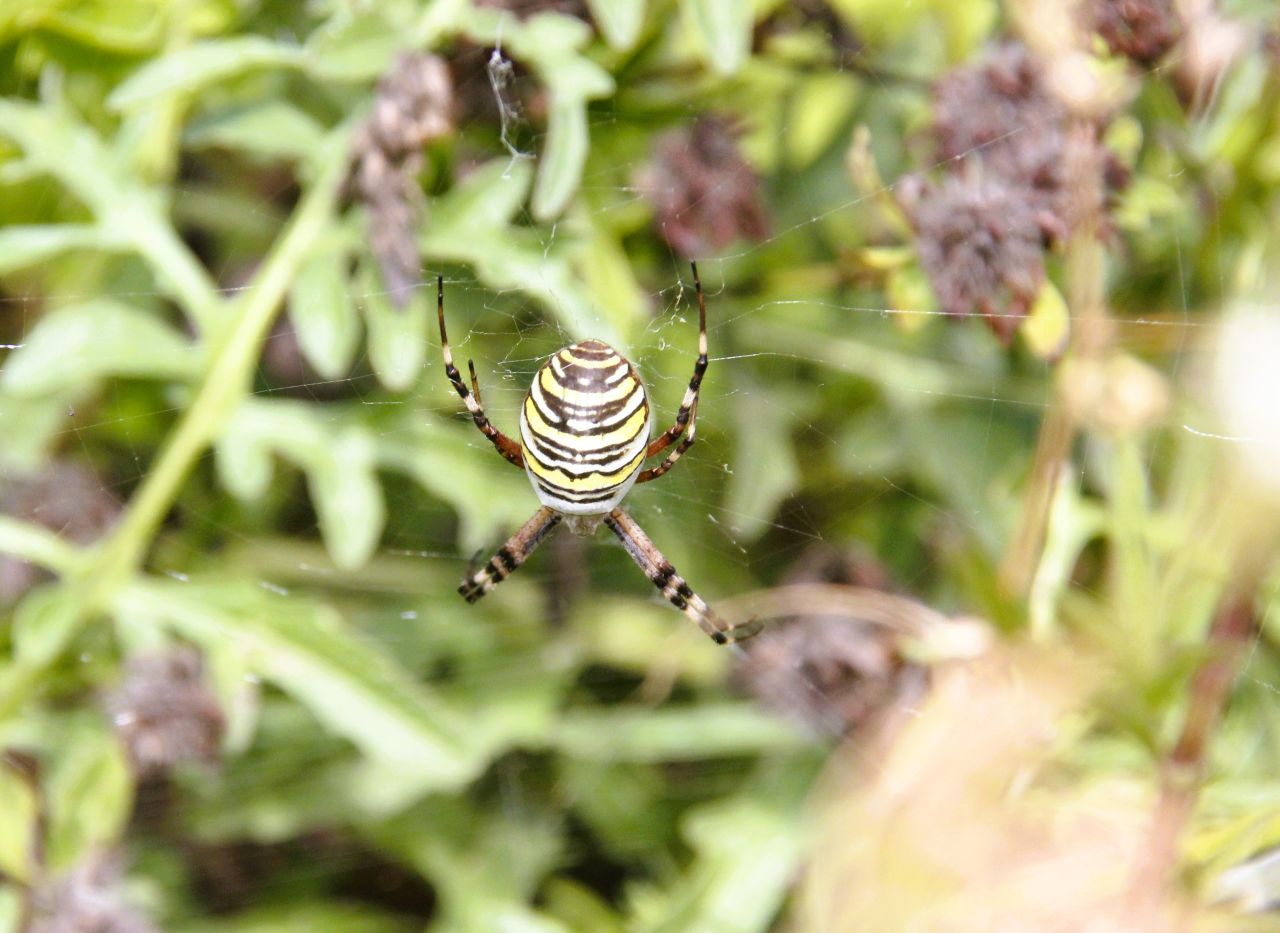
Wasp spider, Portsdown Hill, Hampshire.
And my first wasp spider of this year.
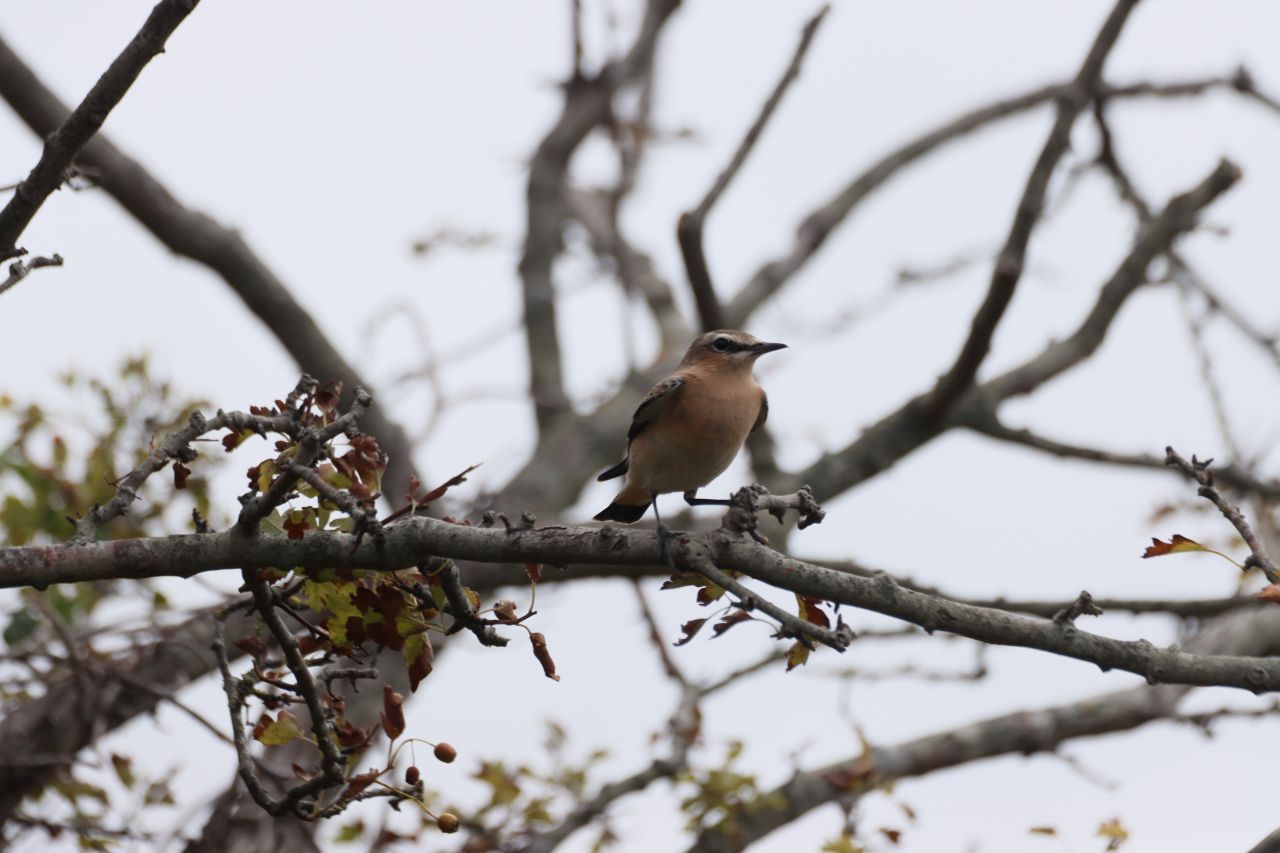
Wheatear, Portsdown Hill, Hampshire.
As well as a wheatear stopping by along the grassy chalk downland on its outward journey back to Africa.
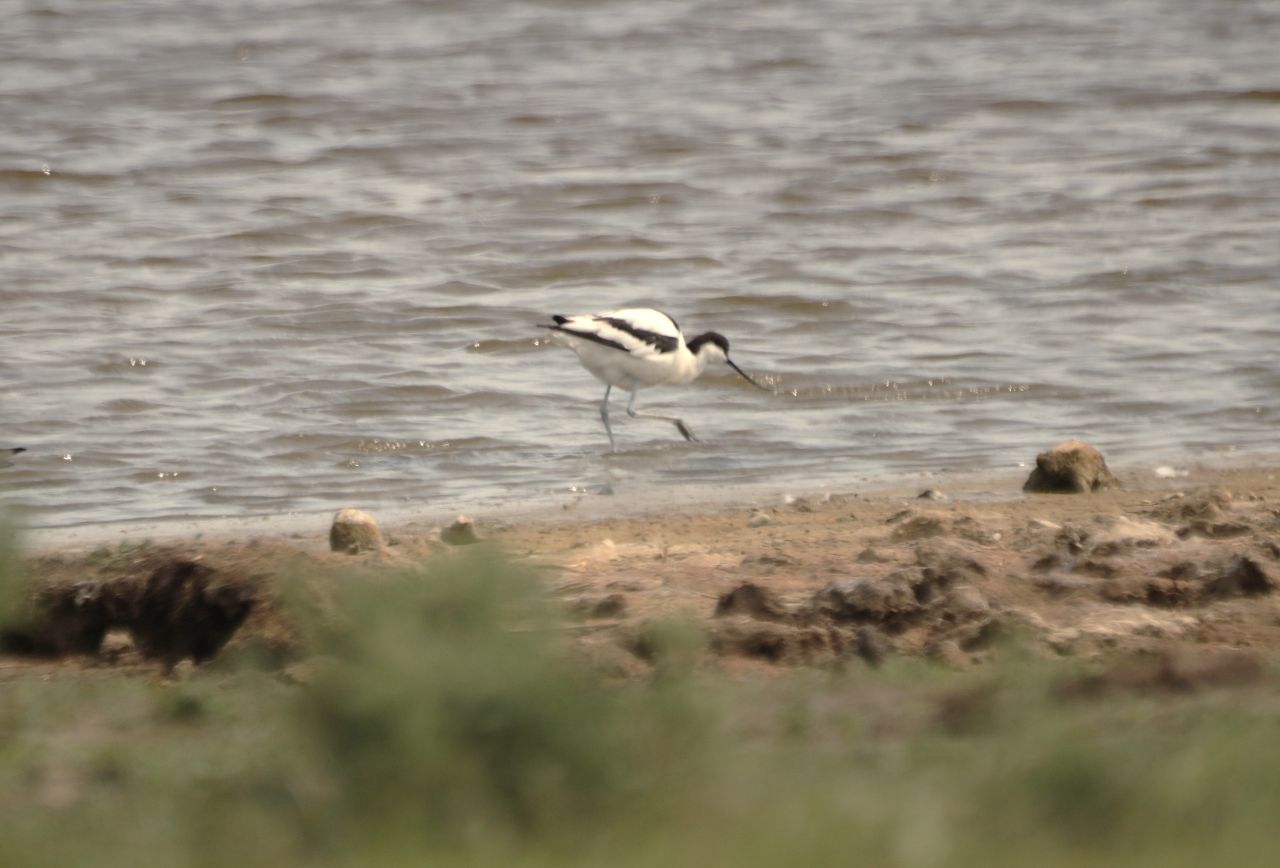
Avocet, Farlington Marshes.
At the nearby Farlington Marshes, near Portsmouth, we were able to view a few avocets.
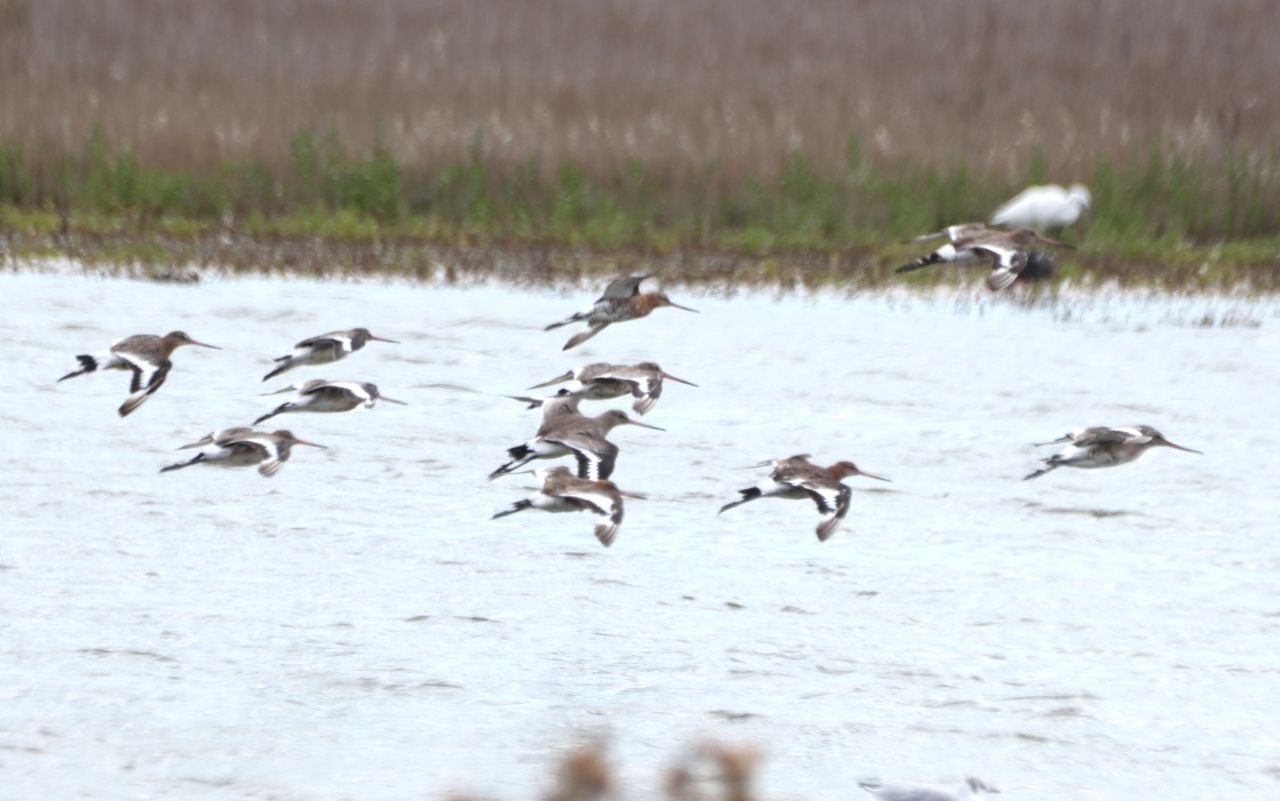
Black-tailed godwits in flight, Farlington Marshes.
A few black-tailed godwits had already begun to make a return from their breeding grounds.
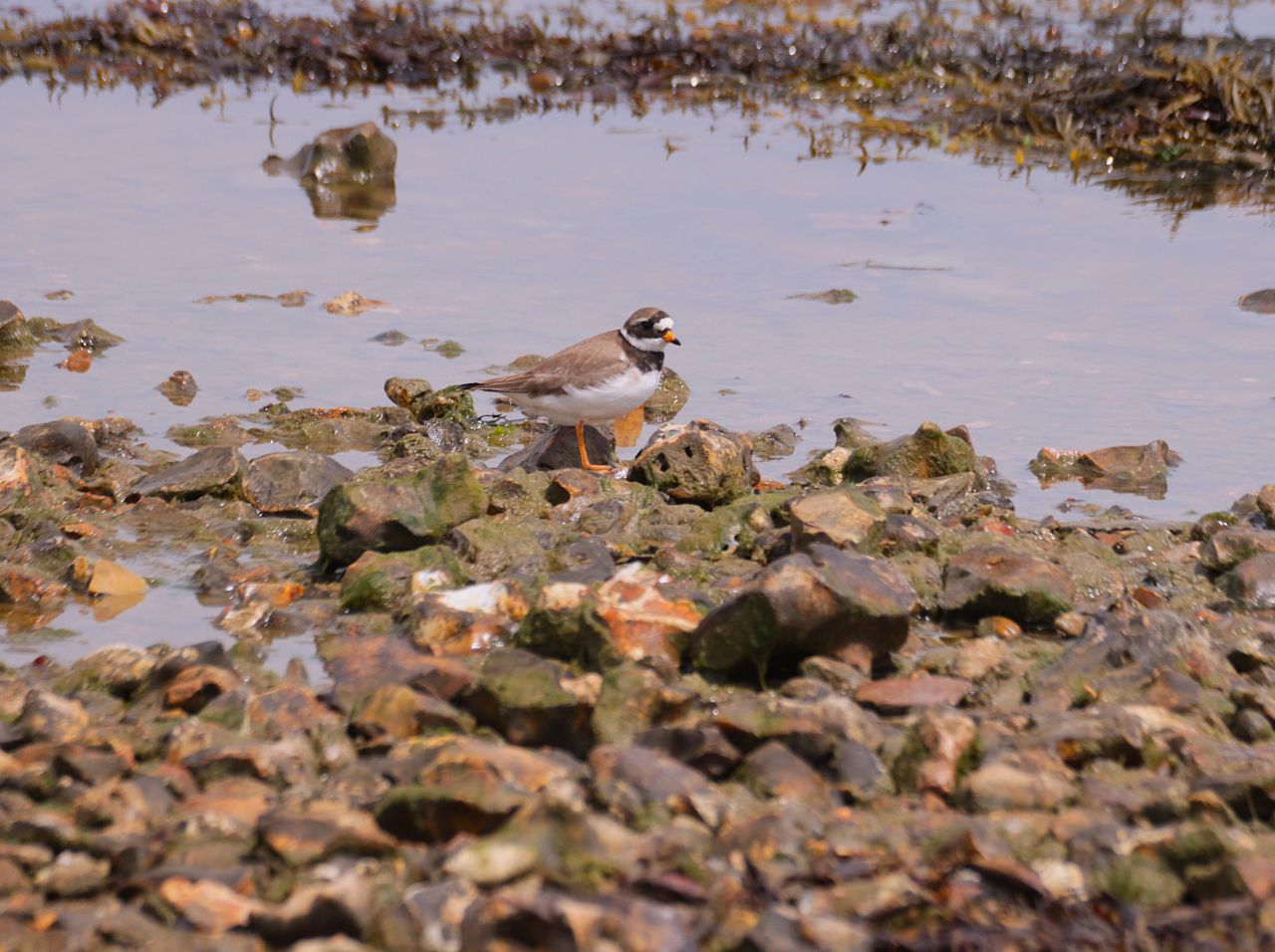
Ringed plover, Farlington Marshes.
Several ringed plovers were now returning.
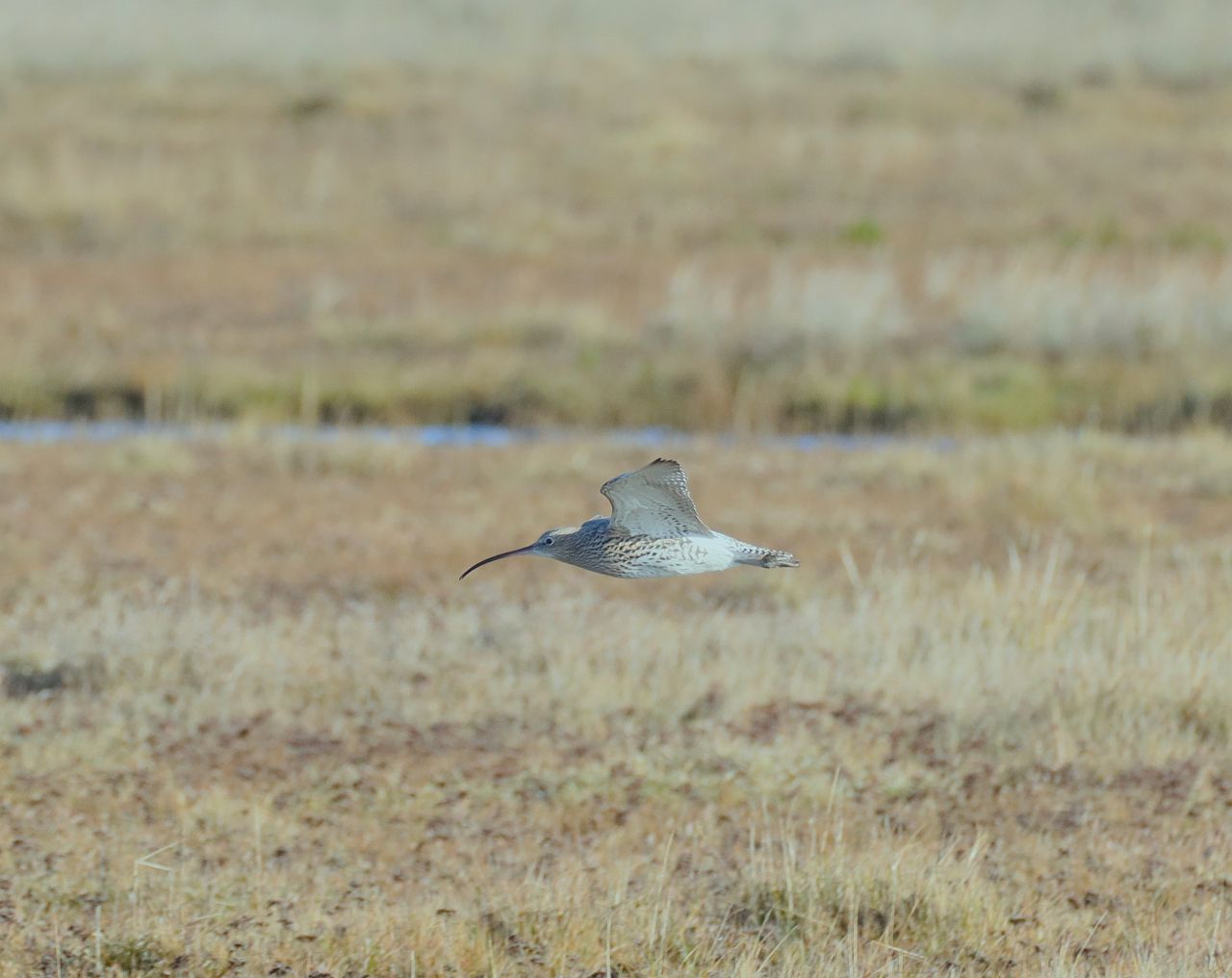
Curlew in flight, Farlington Marshes.
Some curlews.
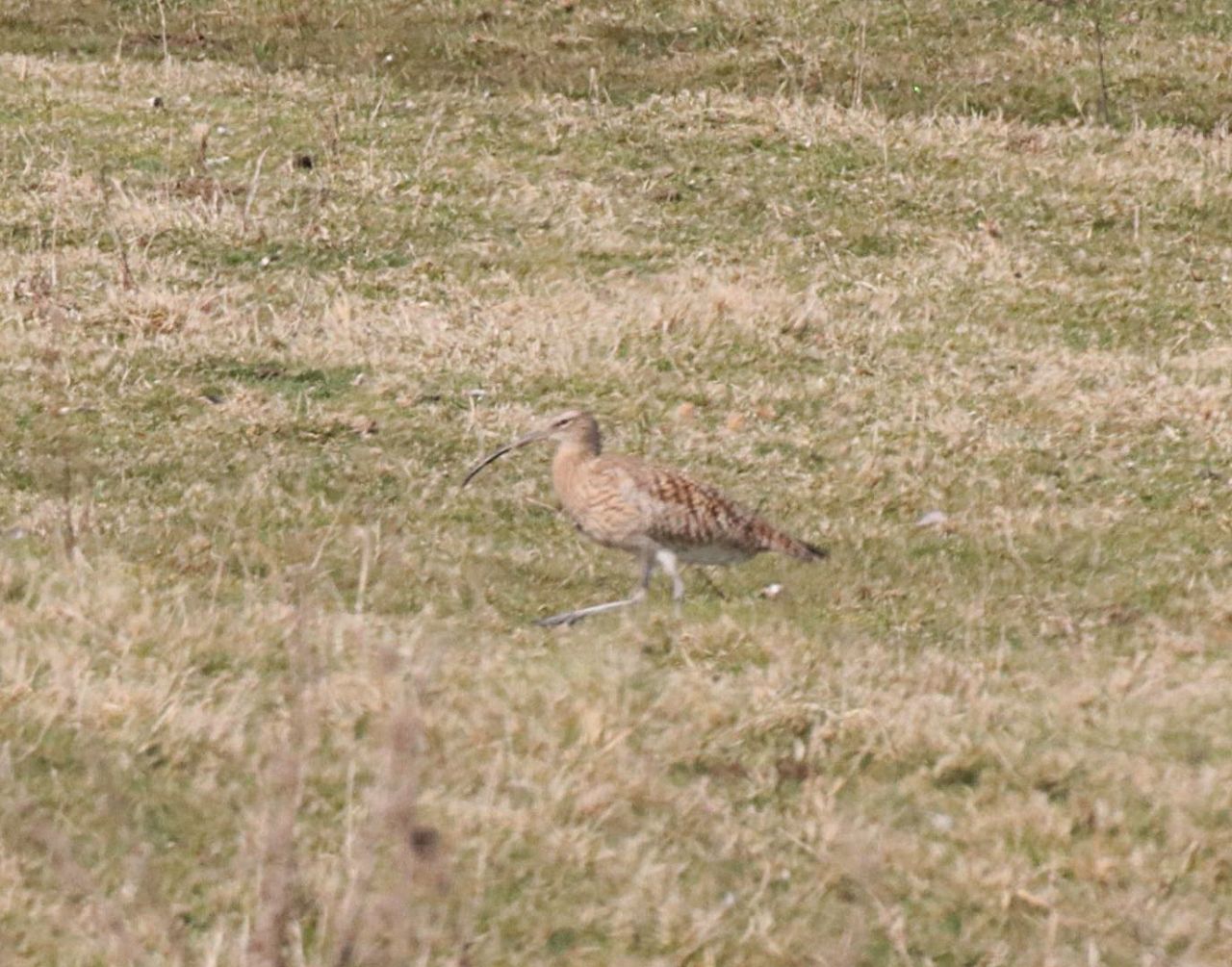
Whimbrel, Farlington Marshes.
And a whimbrel.
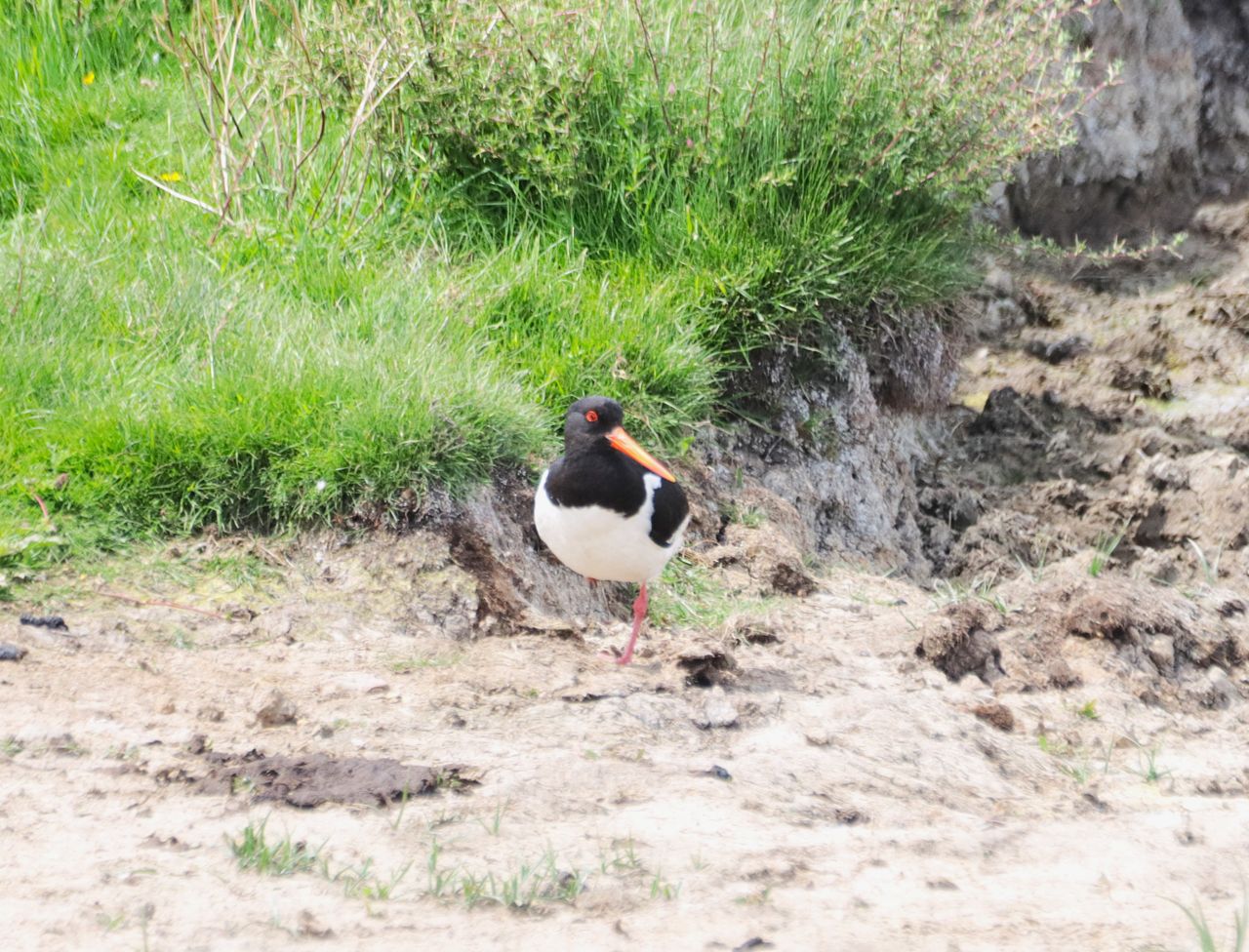
Oystercatcher, Farlington Marshes.
Oystercatchers were numerous, hearing their distinctive sounds as various flocks could be seen flying in off the sea.
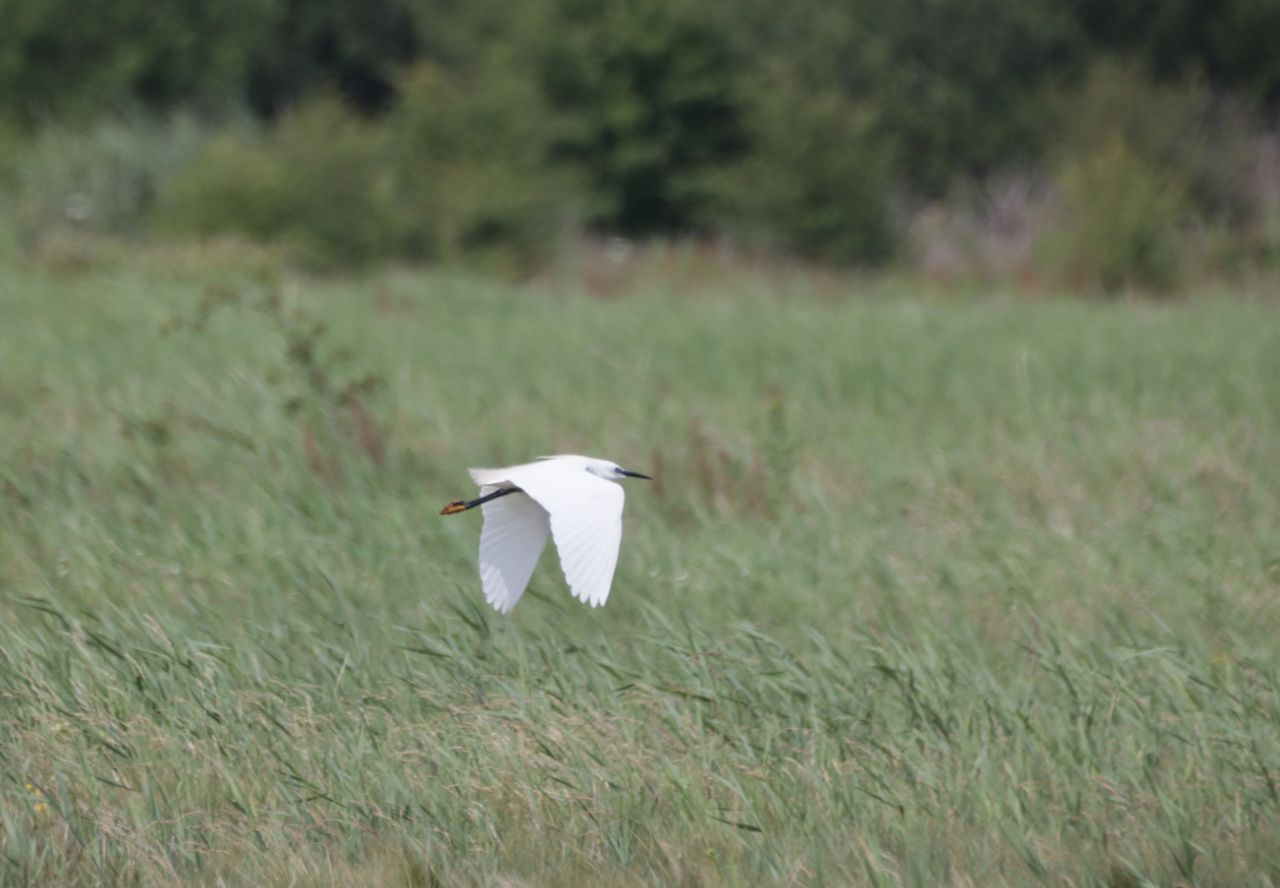
Little egret, Farlington Marshes.
While a few little egrets were noted.

Starlings flying among the cattle, Farlington Marshes.
And a group of more than 100 starlings had already gathered there.
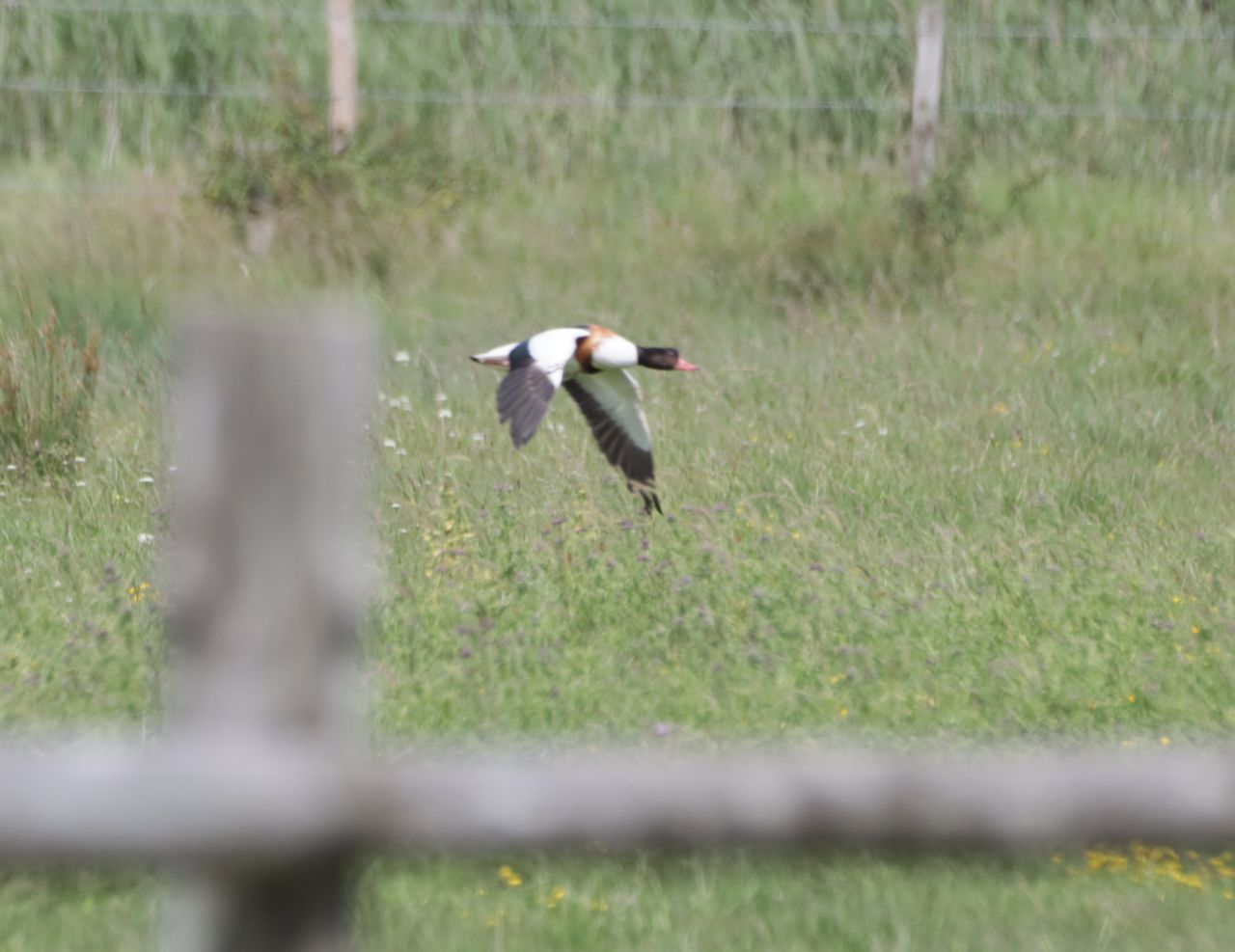
Shelduck, Farlington Marshes.
A few shelduck could be added to my photos.

Juvenile shelducks in flight, Farlington Marshes.
As well as a small group of juveniles as they flew past.
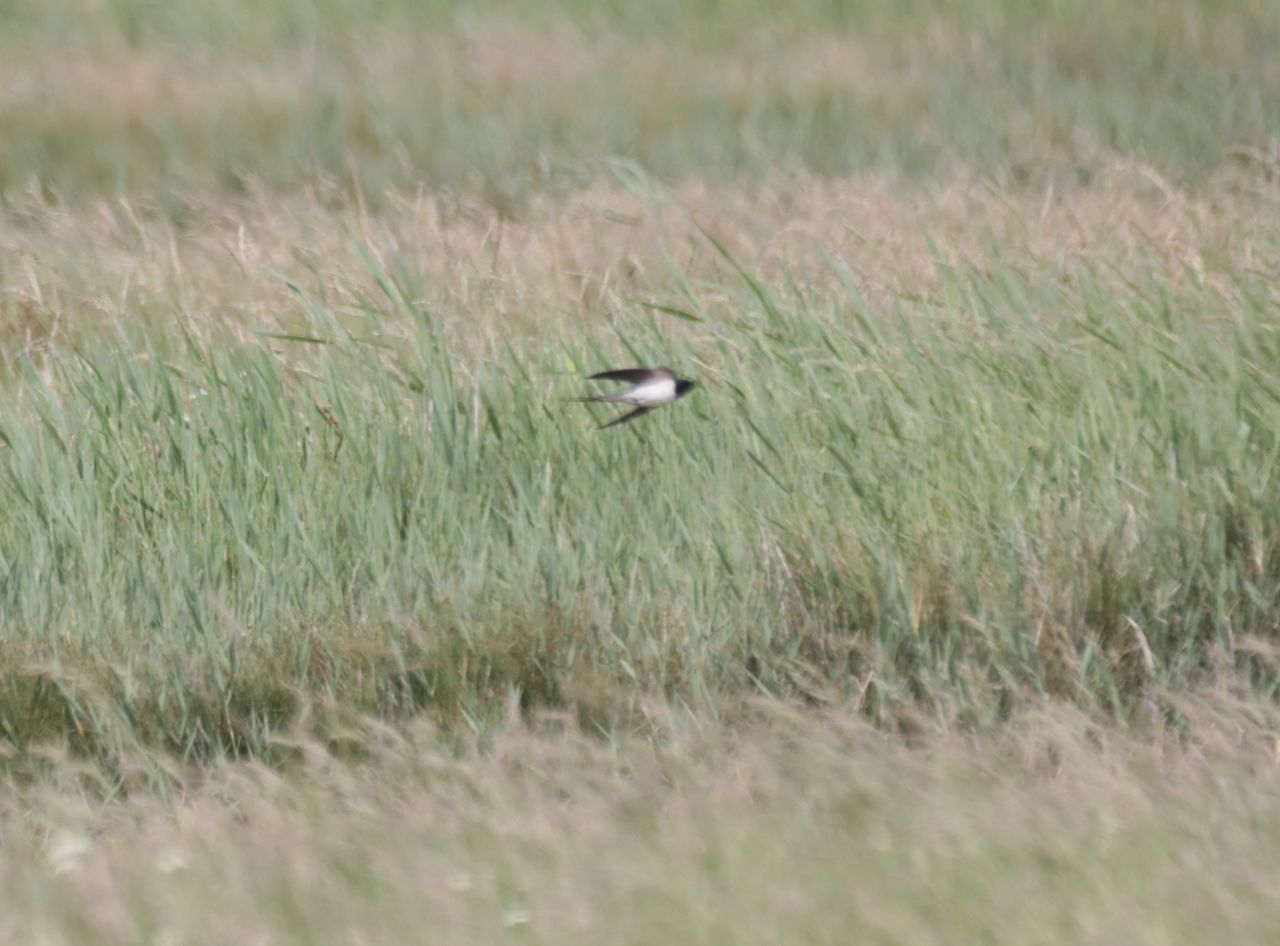
Swallow, Farlington Marshes.
Several swallows hunted over the marshlands, now feeding up in readiness for their long journey back to Africa.
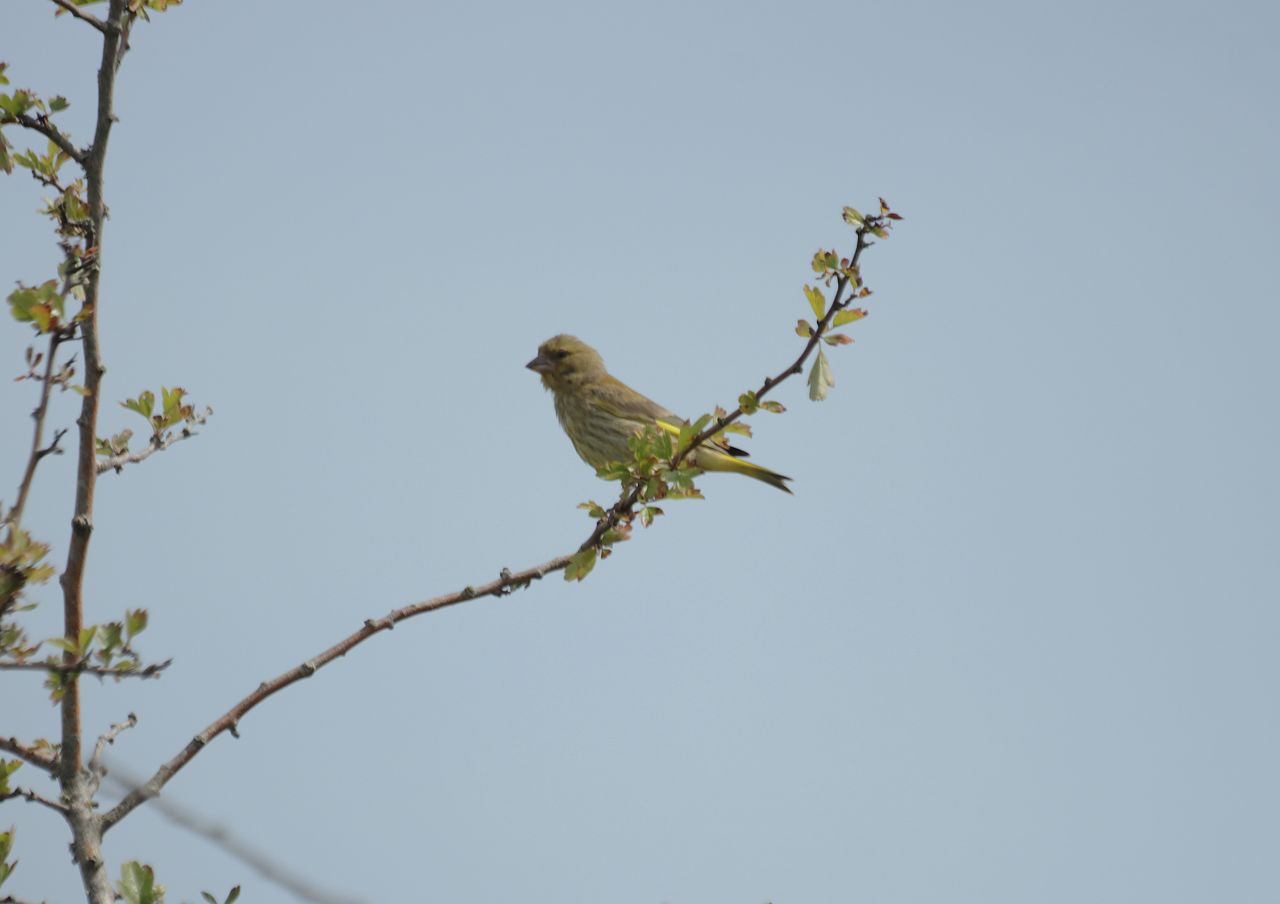
Greenfinch, Farlington Marshes.
Also adding several resident greenfinches.

Painted lady butterfly, Farlington Marshes.
And my umpteenth photo of a painted lady butterflies this year!
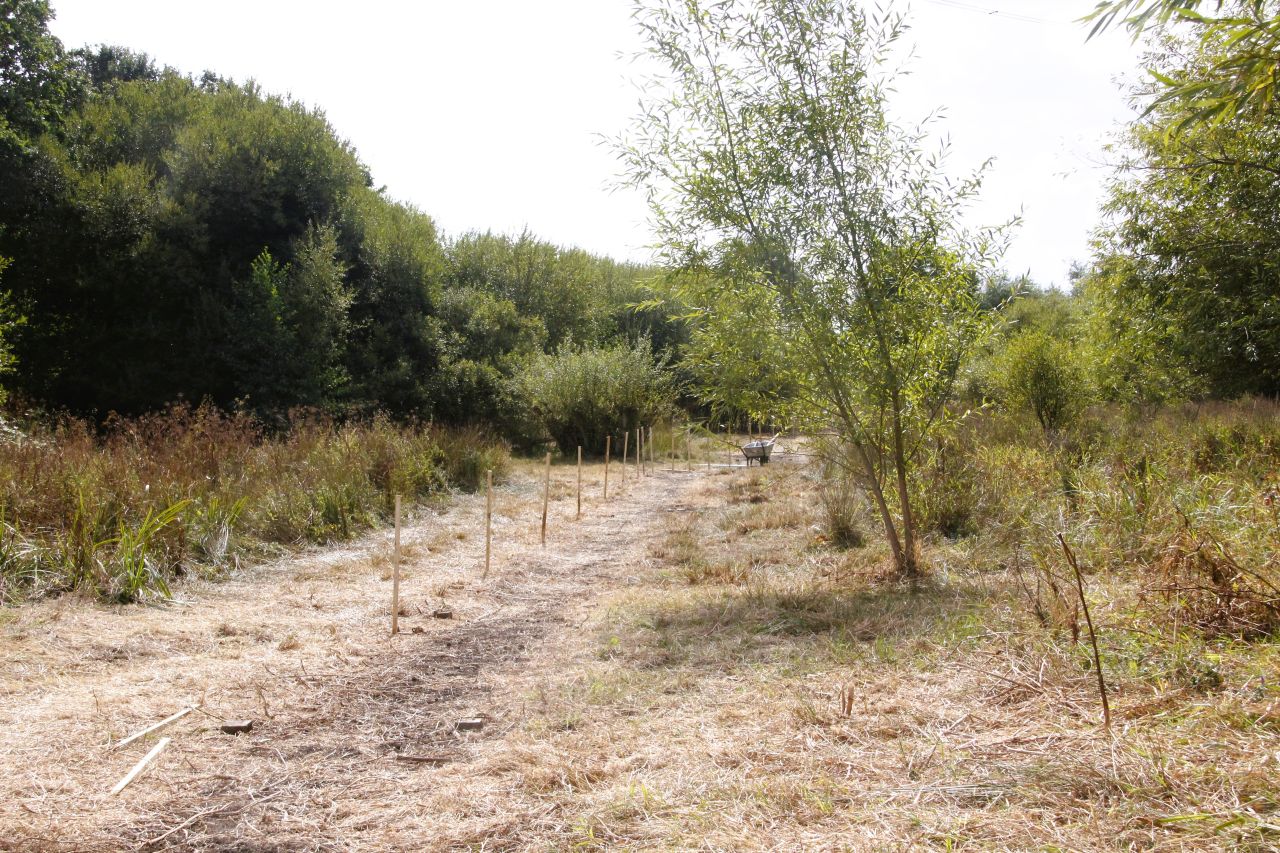
The old boardwalk now removed at the Riverside Nature Reserve.
Closer to home on my local patch at the Riverside Nature Reserve near Burpham dismantling of the boardwalk had taken place and work to replace it had begun.

The new planking ready for construction of the new boardwalk.
The long spell of dry weather must have helped the work going on, as it had completely dried this usual wetland, once a part of the original Stoke water meadows.
It had been erected there in the early months of 2013 and written about in an early addition of The Guildford Dragon News.
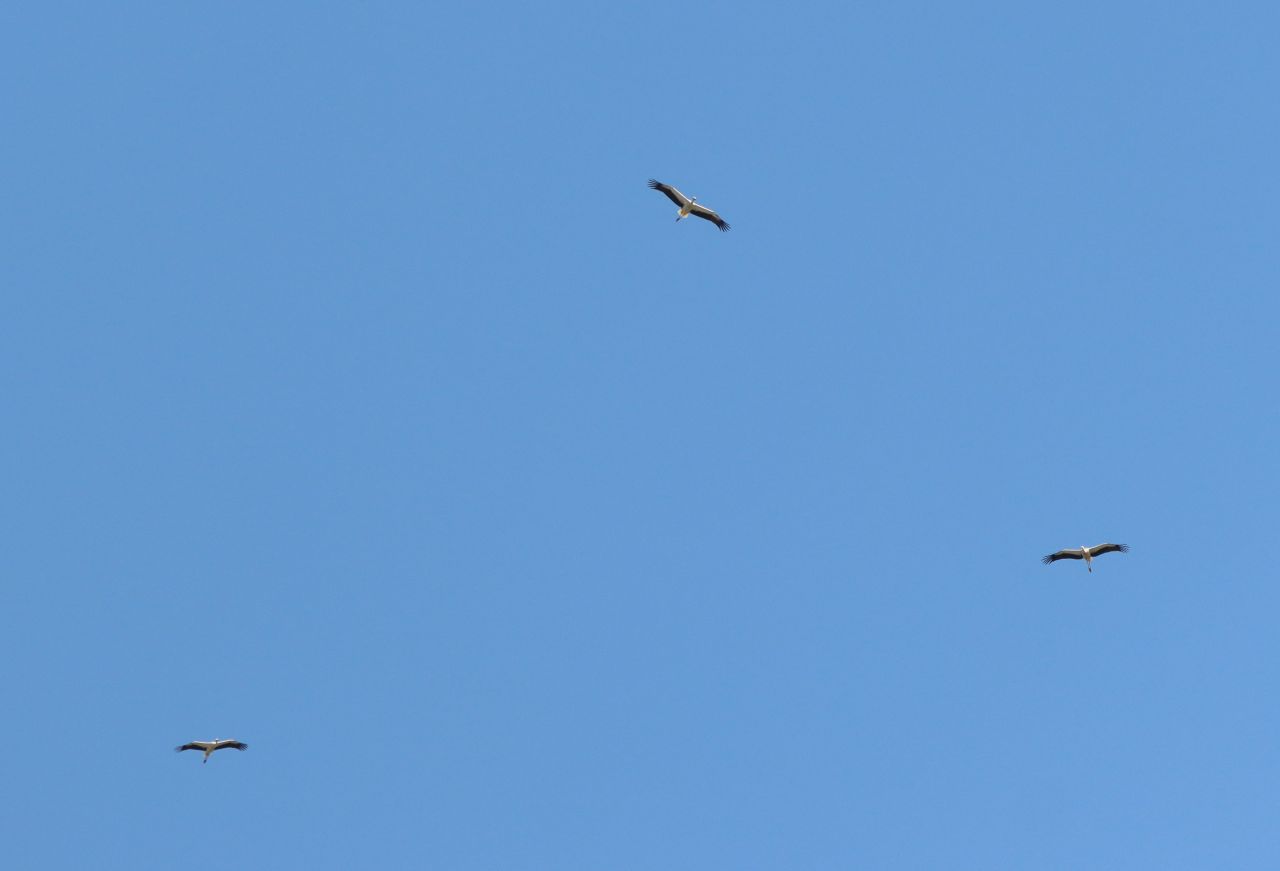
White storks over the Riverside Nature Reserve.
White storks continued to be occasionally reported during the third week of the month. I saw as many as 10 above the reserve on one occasion. However, by the last week of the month it was thought that most had now migrated.
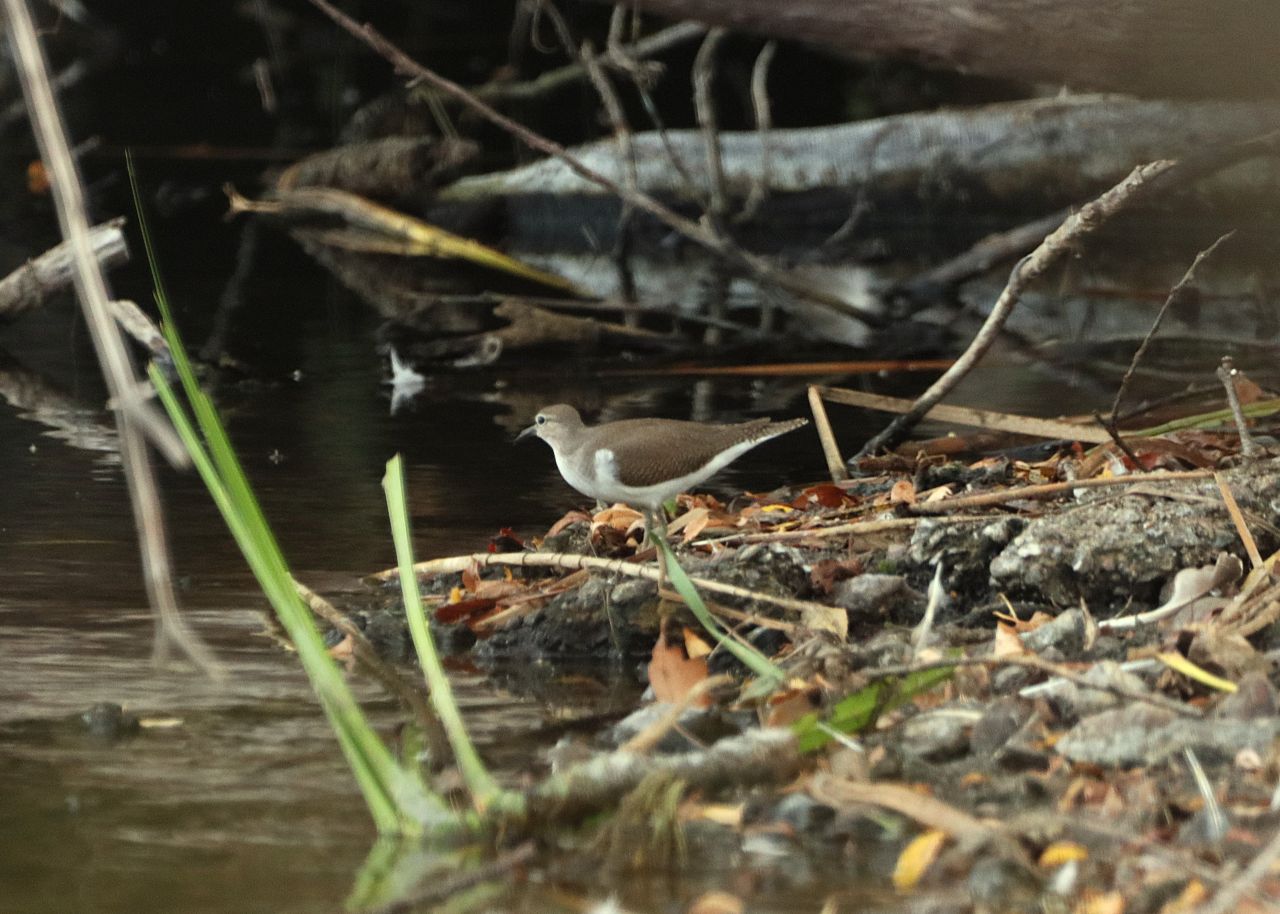
Common sandpiper, Stoke Lake.
At Stoke Lake on August 26, another common sandpiper could be viewed on the island, and occasionally flying across to a corner of the lake.
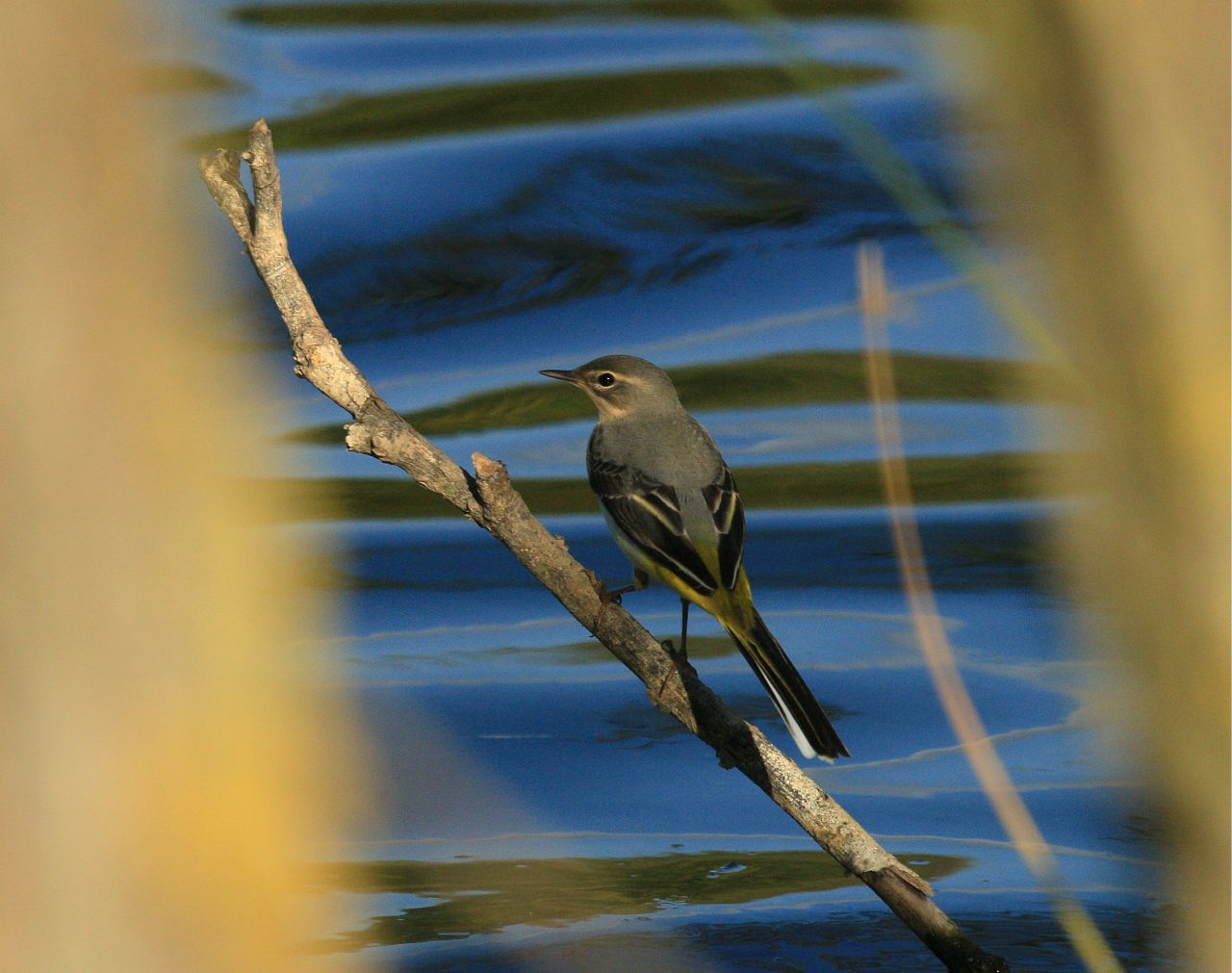
Grey wagtail, Stoke Lake, Riverside Nature Reserve.
Also present was a grey wagtail that occasionally flew across to the island.
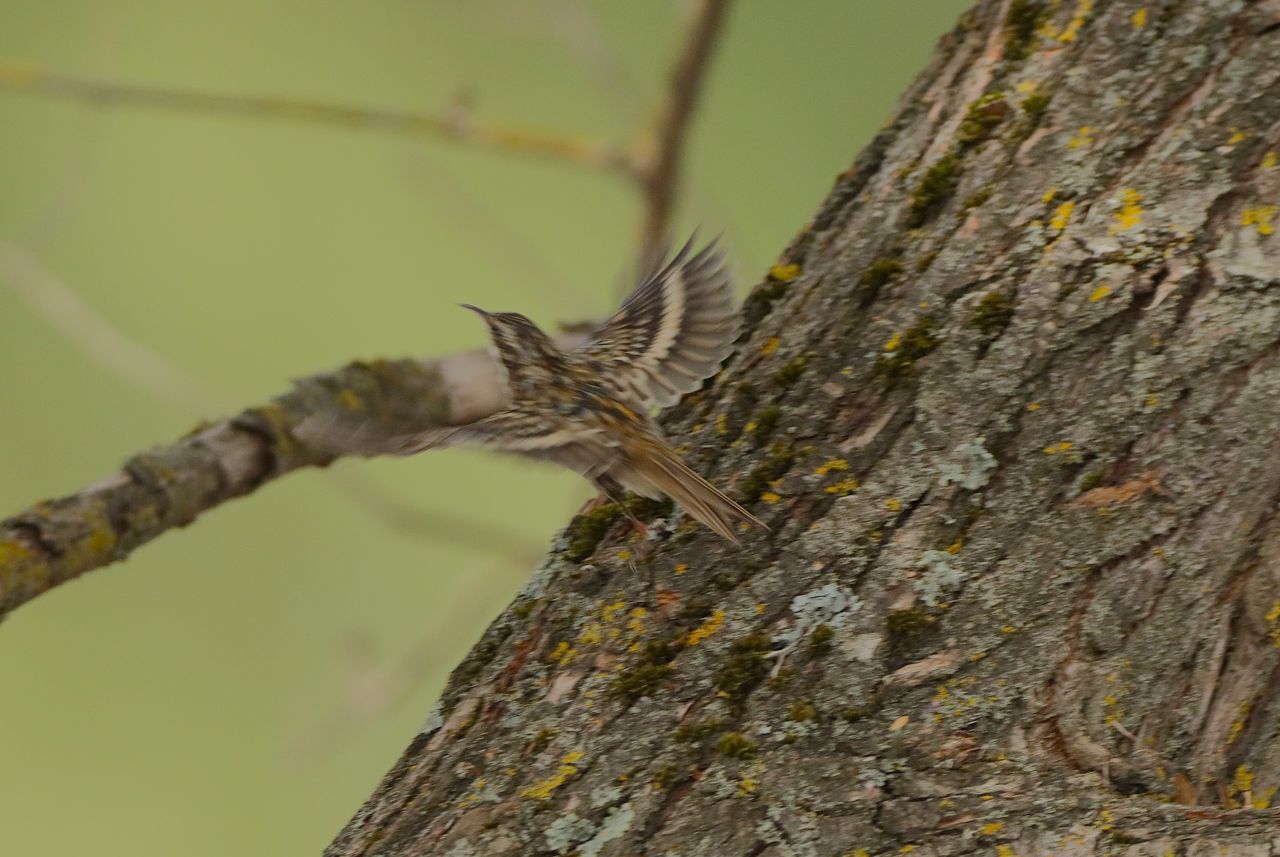
Treecreeper in flight by Stoke Lake.
While a surprise sighting for me by the lakeside, and flitting about among a small group of long-tailed tits and chiffchaffs, was a treecreeper.

Another discarded Beryl bike. This one by the River Wey at Stoke Lock.
Not such a rare sighting in areas around Guildford these days, but the first I have witnessed by Stoke Lock, was another discarded Beryl bike.
This one concealing itself well within the undergrowth along the bank of the River Wey.
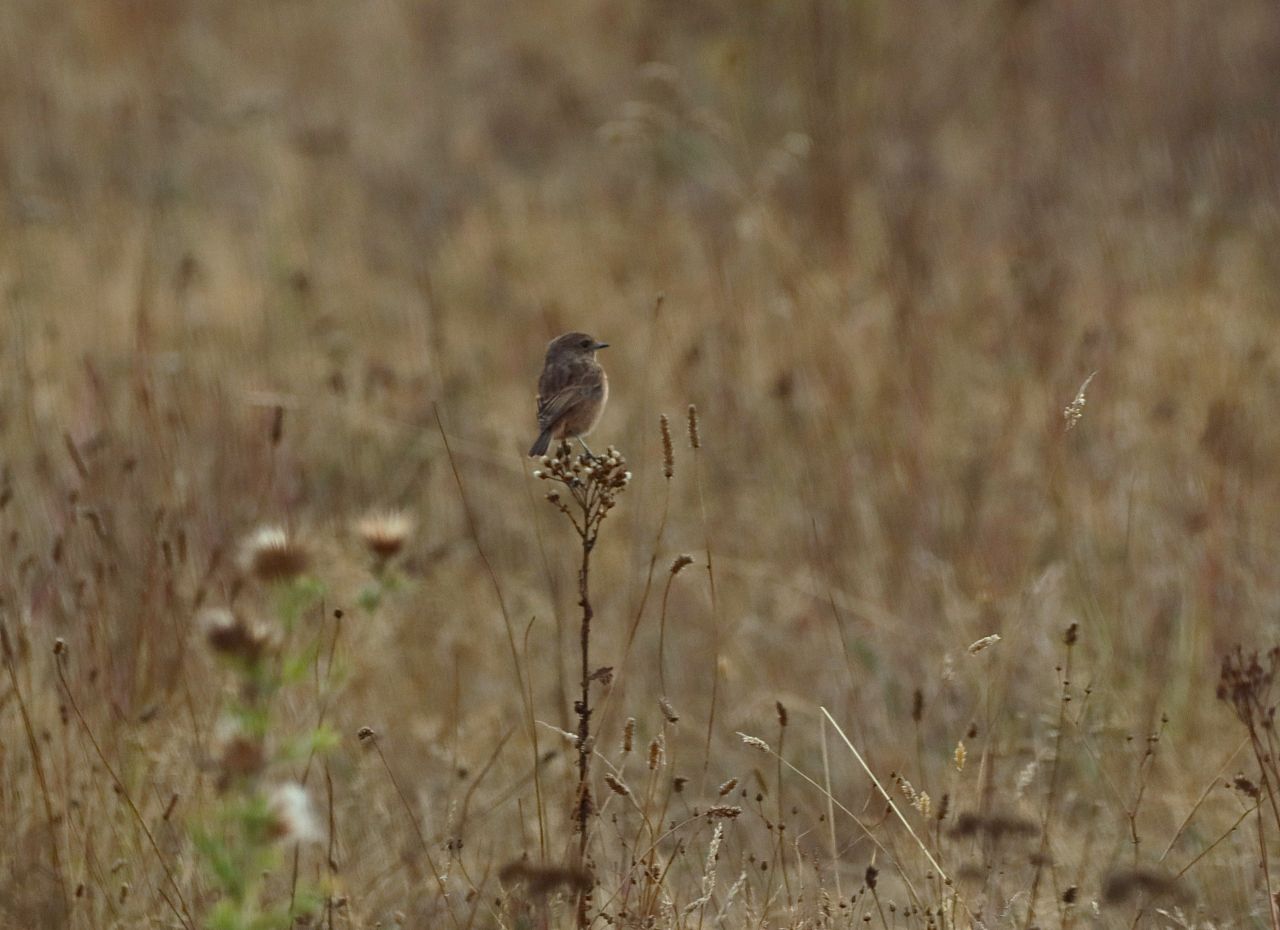
Stonechat, this one in the old horse field, Whitmoor Common.
At Whitmoor Common out on the heathland a new generation of stonechats could be found. Both adults and juveniles could be seen in close proximity of each other, allowing numerous opportunities to photograph them.
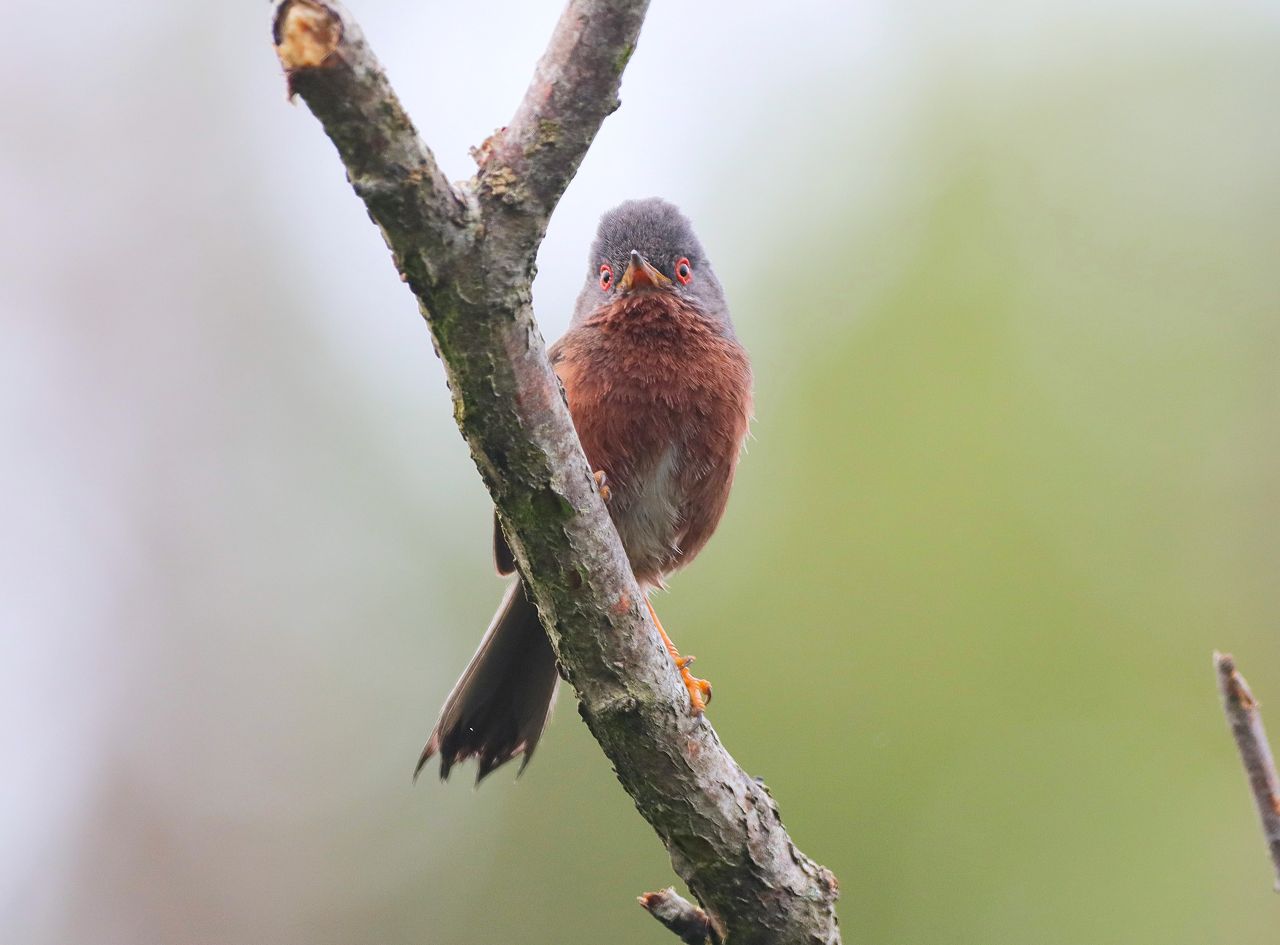
Dartford warbler, Whitmoor Common.
Less easy to track down to photo were the sounds of Dartford warblers that skulked about the heather and gorse. Eventually and surprisingly finding one perched up and starring me in the face.

Great spotted woodpecker drinking from a water trough, Whitmoor Common.
Further out on the heathland, on one of the water troughs provided for the half-dozen or so cattle that roam the area, a great spotted woodpecker could be observed drinking from the supply of water during the continuing dry spell.
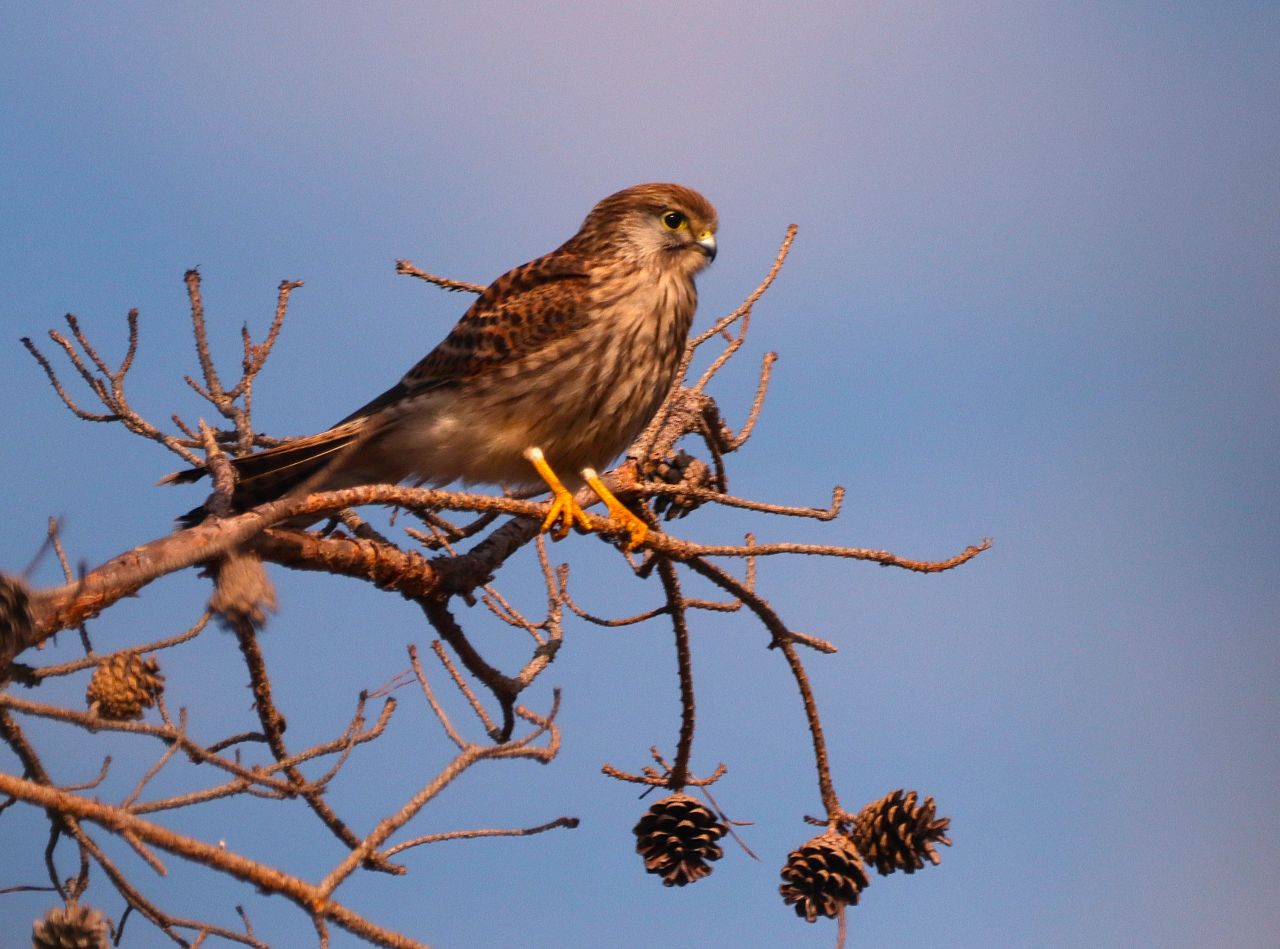
Kestrel, Whitmoor Common.
A kestrel could also be viewed as it hunted over the heathland. Later it could be seen perched up in a pine tree observing the heather below it for any mammal movement.

Roe deer in the old horse field, Whitmoor Common.
A walk around the old horse field at the end of the month continued to see roe deer out on the grassland.

Clouded yellow butterfly, in old horse field, Whitmoor Common.
As many as four or more clouded yellow butterflies continued to gracefully glide over the field, occasionally stopping to nectar and allow a few photo-shots.

Dunnock, in old horse field Whitmoor Common.
While on the last day of the month I viewed a dunnock there and several stonechats.

Spotted flycatcher in the old horse field, Whitmoor Common.
A bonus sighting for me to end another interesting month was a spotted flycatcher that had made an appearance there, showing well and allowing several photos.
Share This Post










Recent Comments