- Stay Connected

Socialize

 Abraham Lincoln
If given the truth, the people can be depended upon to meet any national crisis...
Abraham Lincoln
If given the truth, the people can be depended upon to meet any national crisis...

 Guildford news...
for Guildford people, brought to you by Guildford reporters - Guildford's own news service
Guildford news...
for Guildford people, brought to you by Guildford reporters - Guildford's own news service
Birdwatcher’s Diary No.357
Published on: 4 Oct, 2026
Updated on: 4 Oct, 2026
By Malcolm Fincham
High pressure remained firmly in control in southern regions of the UK as we moved into the latter weeks of September.
Daytime temperatures continued to remain mostly in the low to mid 20s Celsius as the mostly dry spell of weather continued around Surrey and the surrounding counties.
Pleasant sunny periods continued to tempt me out locally to see what I could see and photo.
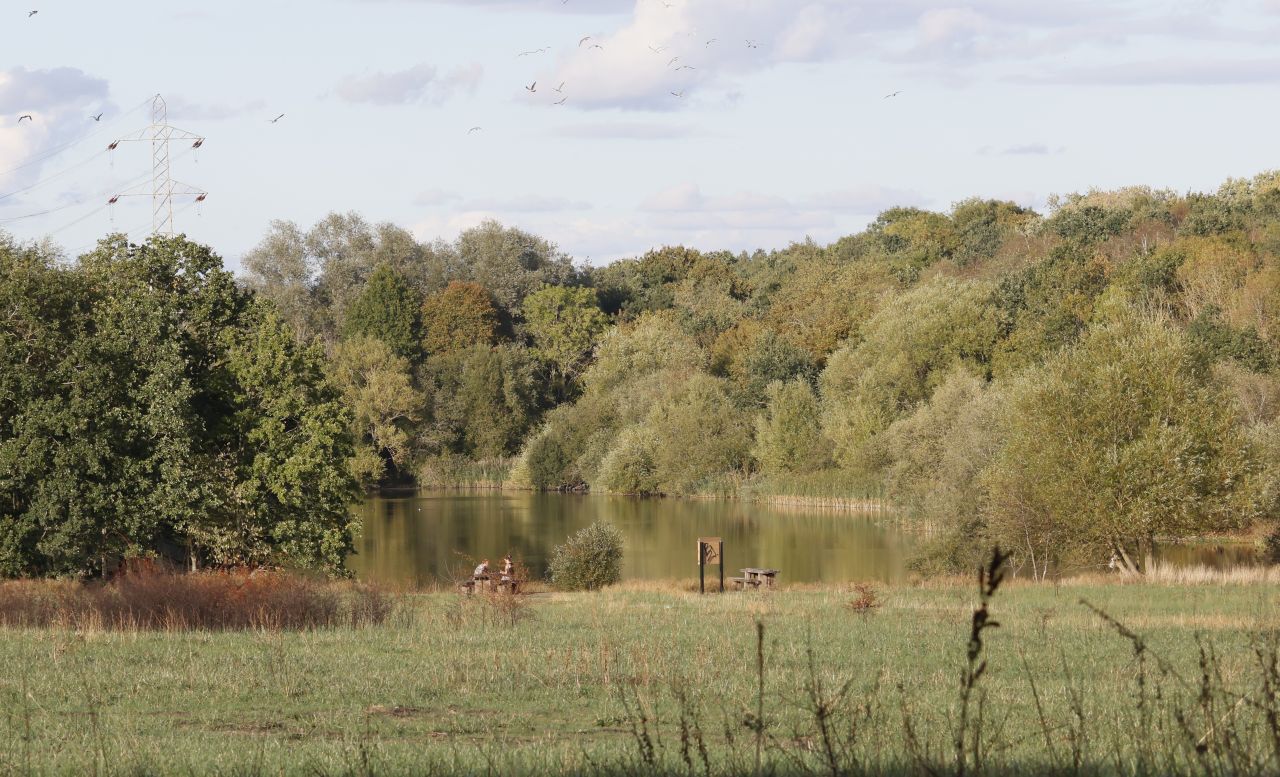
Stoke Lake at the Riverside Nature Reserve.
Several visits to the Riverside Nature Reserve near Burpham allowed me the opportunity of a couple of photographs of a kingfisher for the first time this month.
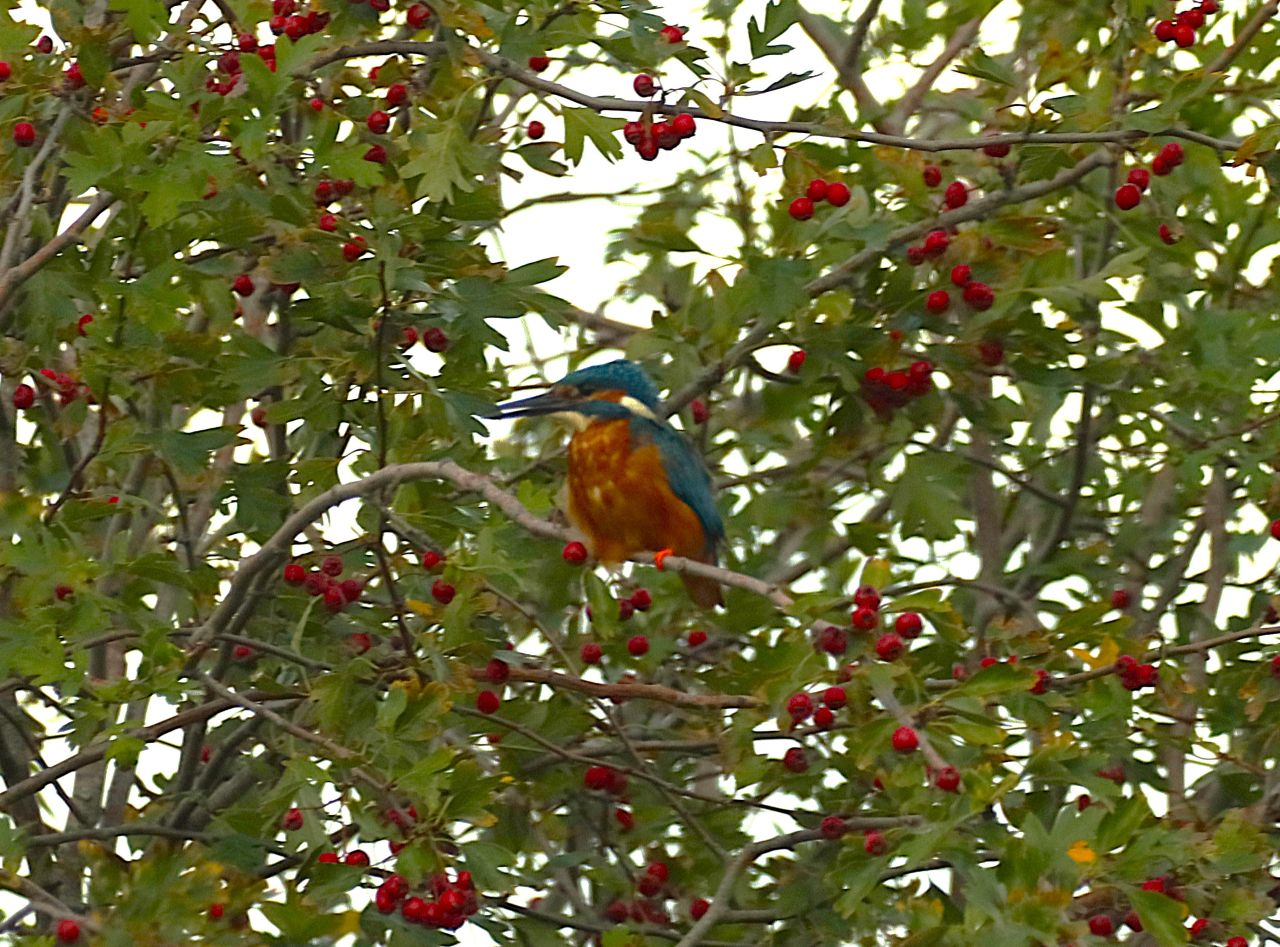
Kingfisher near Stoke Lock.
The first sighting, a male, surprisingly perched up a good 15 foot up in a hawthorn bush on the other side of the towpath from Stoke Lock.
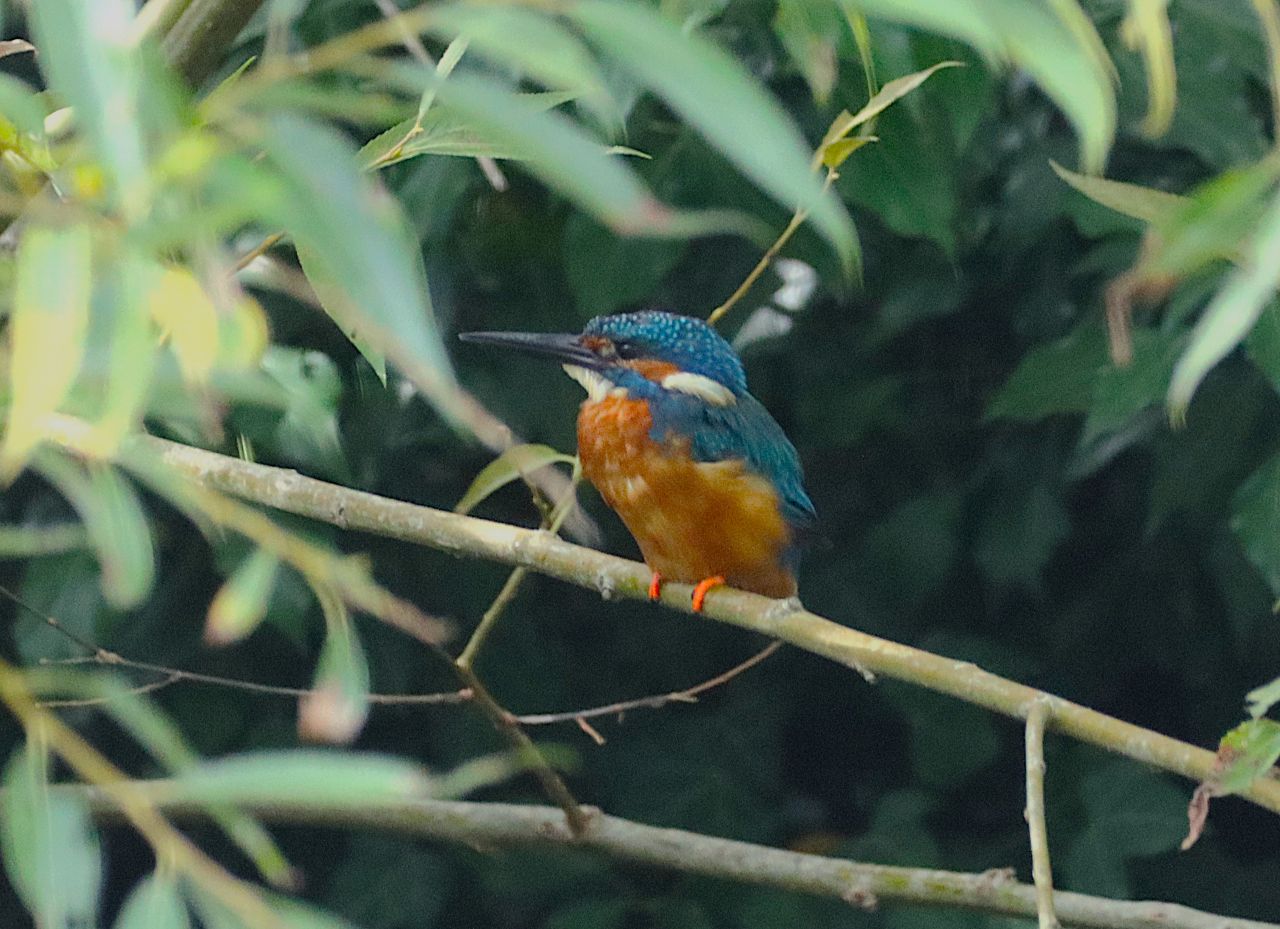
Kingfisher along the towpath.
Then later, and possibly the same bird, once again recognised as a male by its pure black bill, could be seen fishing on the far bank further along the towpath, allowing several more photos.
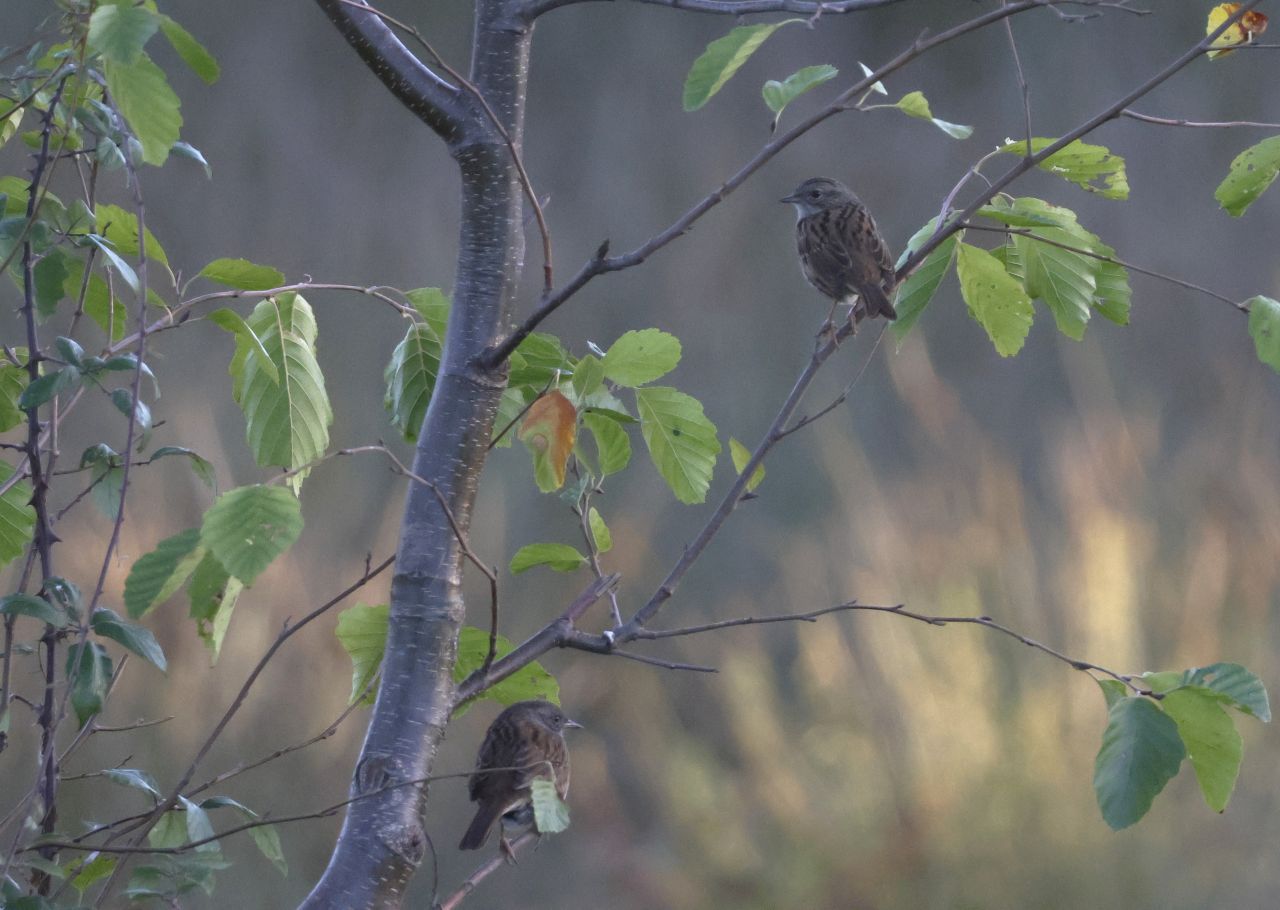
Dunnocks, Riverside Nature Reserve.
Along the line of bramble and shrubs that grow beside the towpath by Stoke Lock, two dunnocks could be seen and heard conversing with their contact calls.
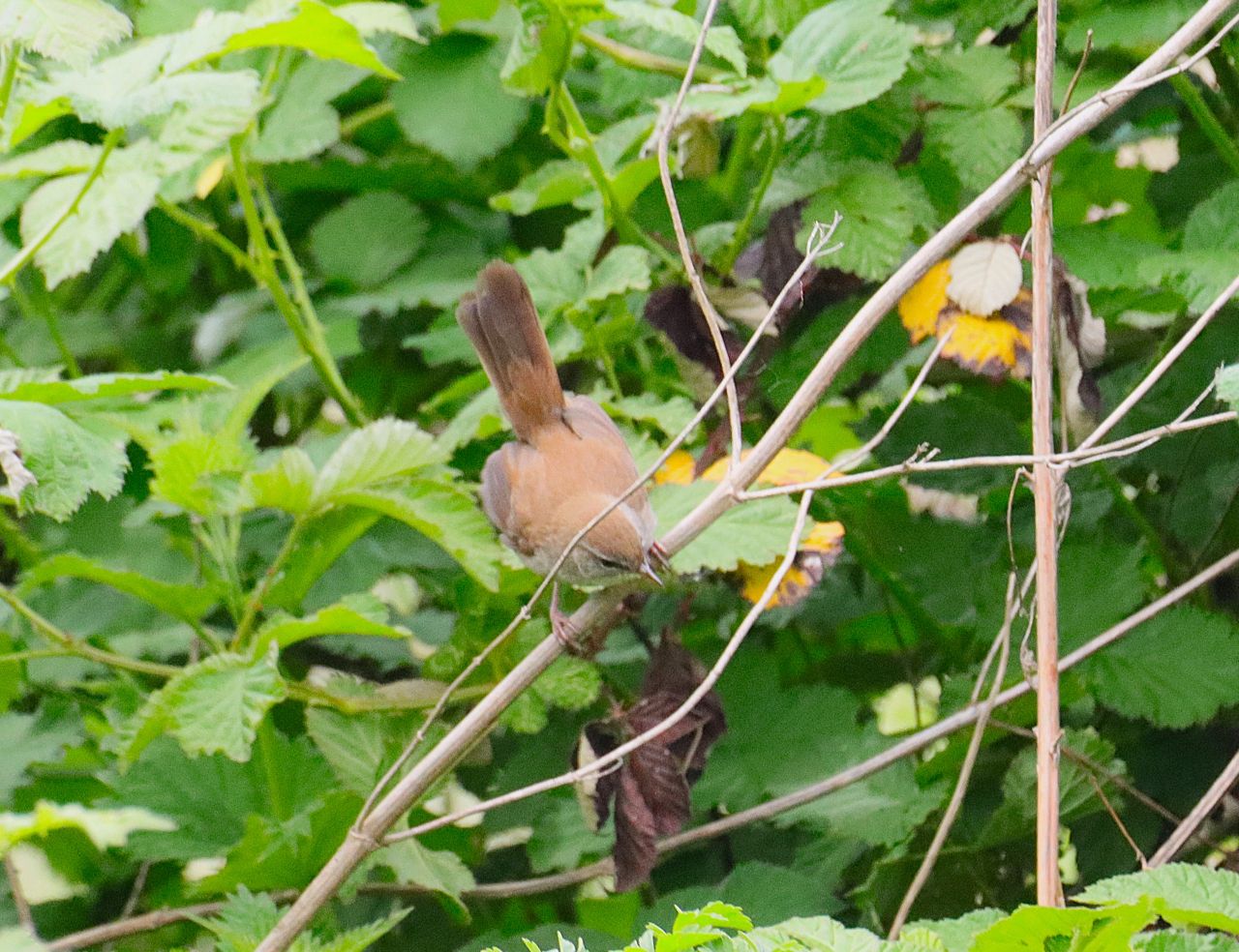
Cetti’s warbler, Riverside Nature Reserve.
The harsh call of a Cetti’s warbler drew my attention to a larger bush where it had perched.
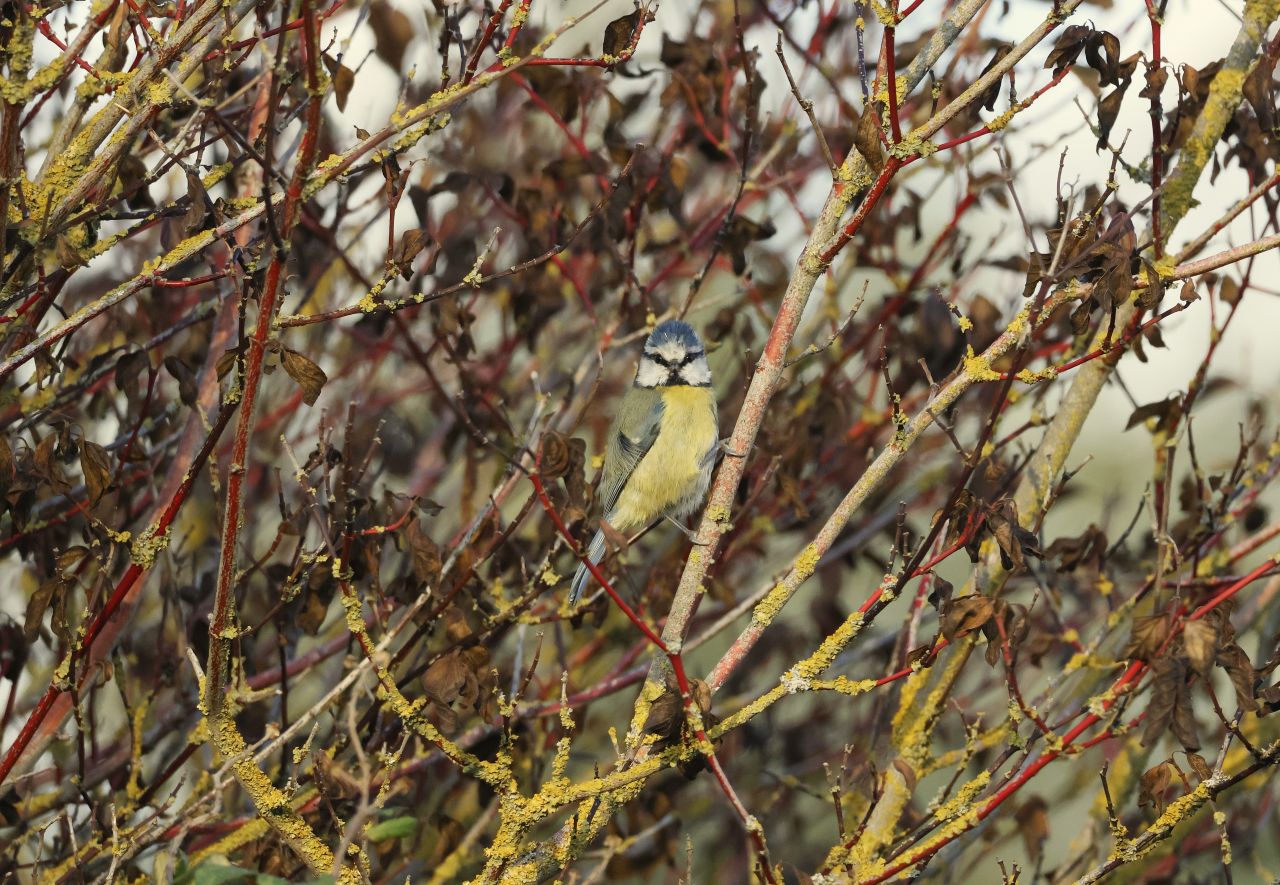
Blue tit, Riverside Nature Reserve.
A blue tit posed for a photo.
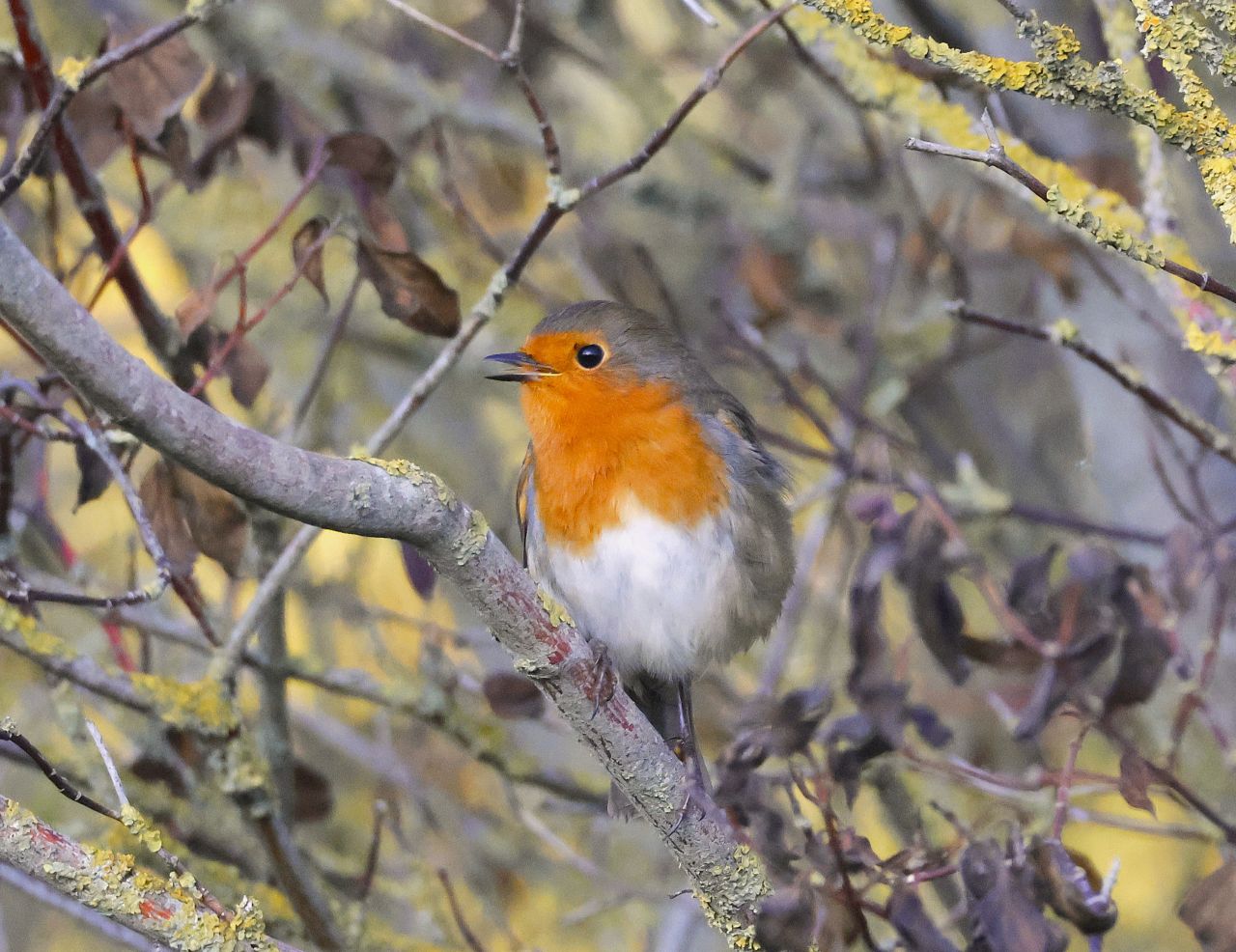
Robin, Riverside Nature Reserve.
Also within the same bush a robin could be seen and heard – one of many now in full song at the various locations I have recently visited.
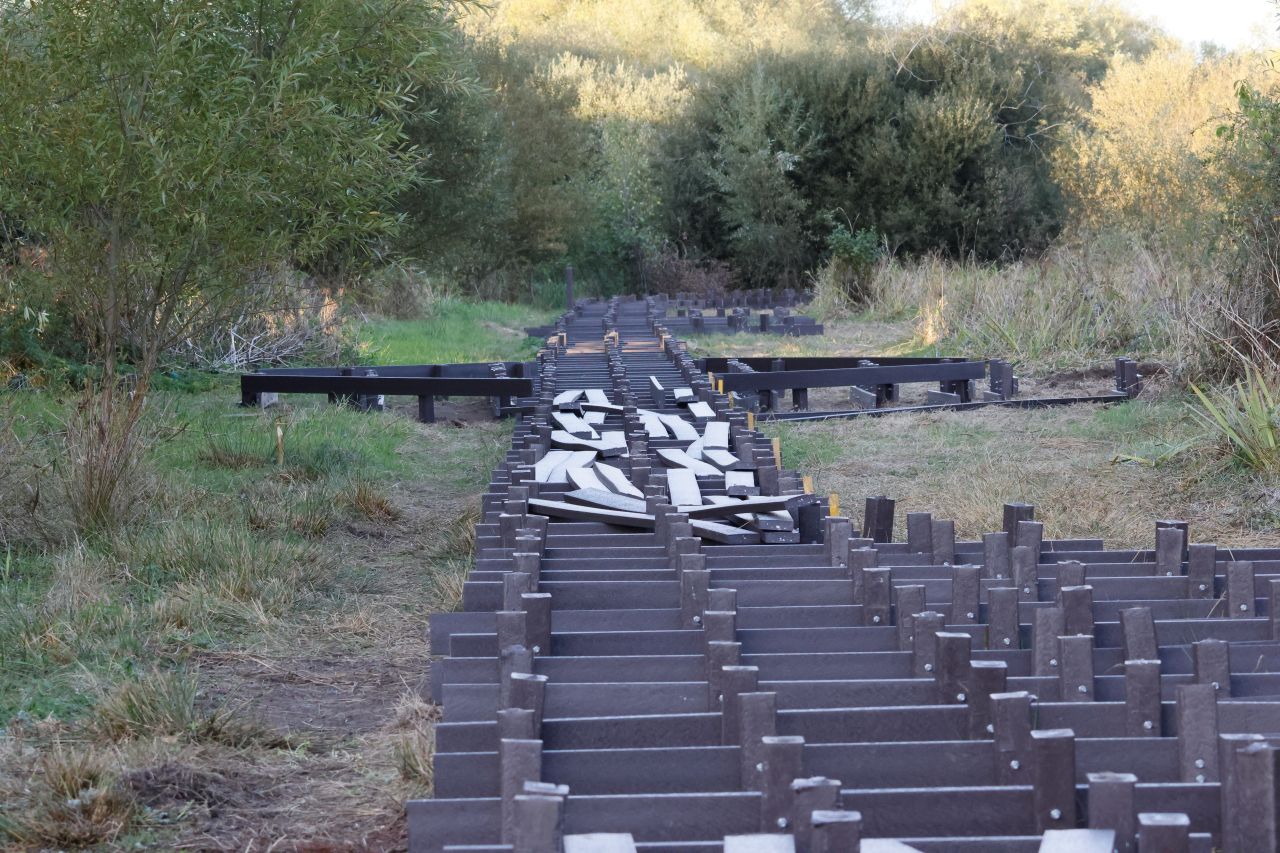
Construction of the new boardwalk in progress.
The boardwalk that leads toward the lake remained closed off as construction of a new one continues.
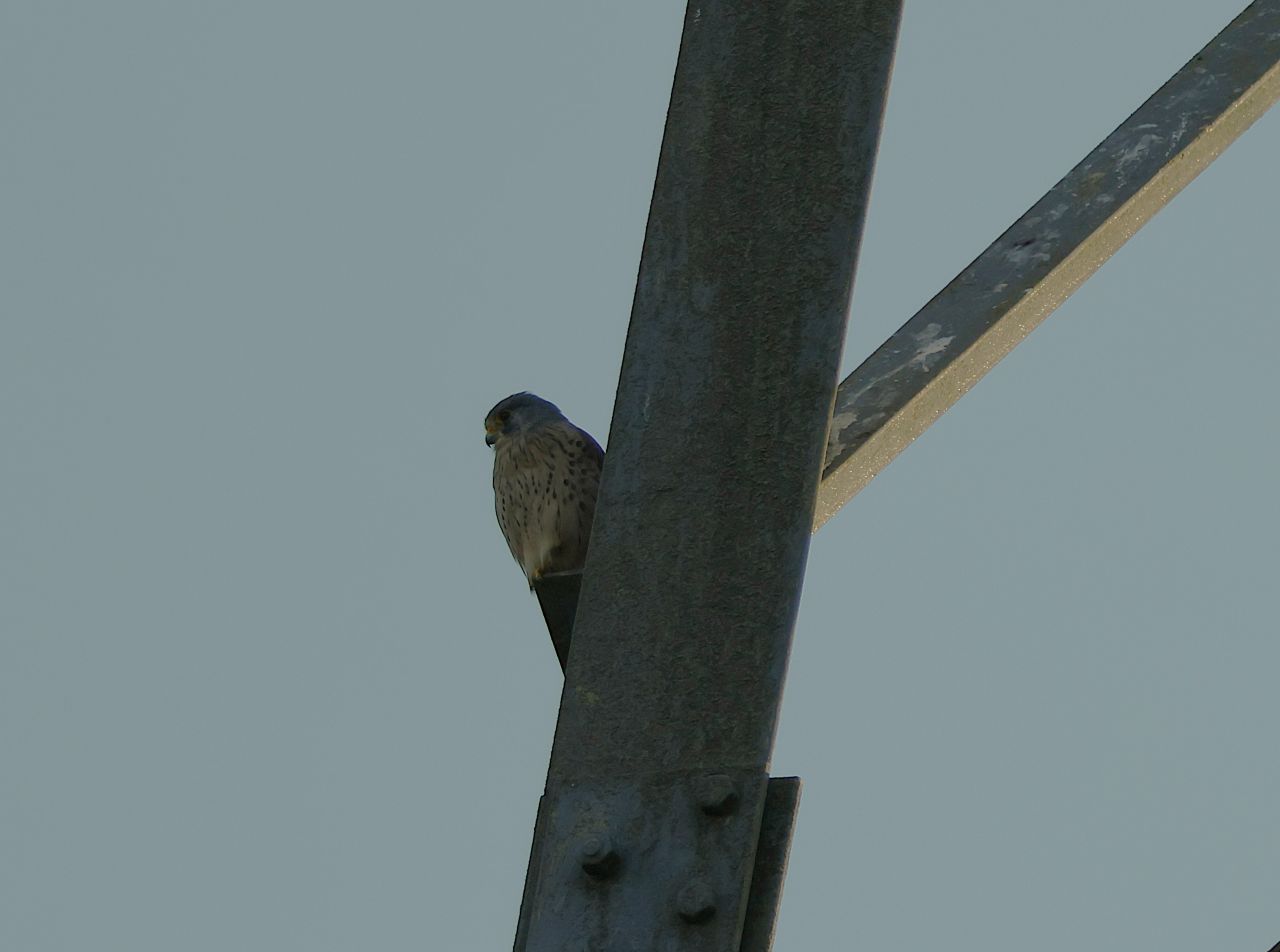
Kestrel perched on pylon near the boardwalk.
A kestrel could be partially viewed. It was perched half way up one of the large utility pylons that carry electric cables across the reserve and close to where the boardwalk work continued.
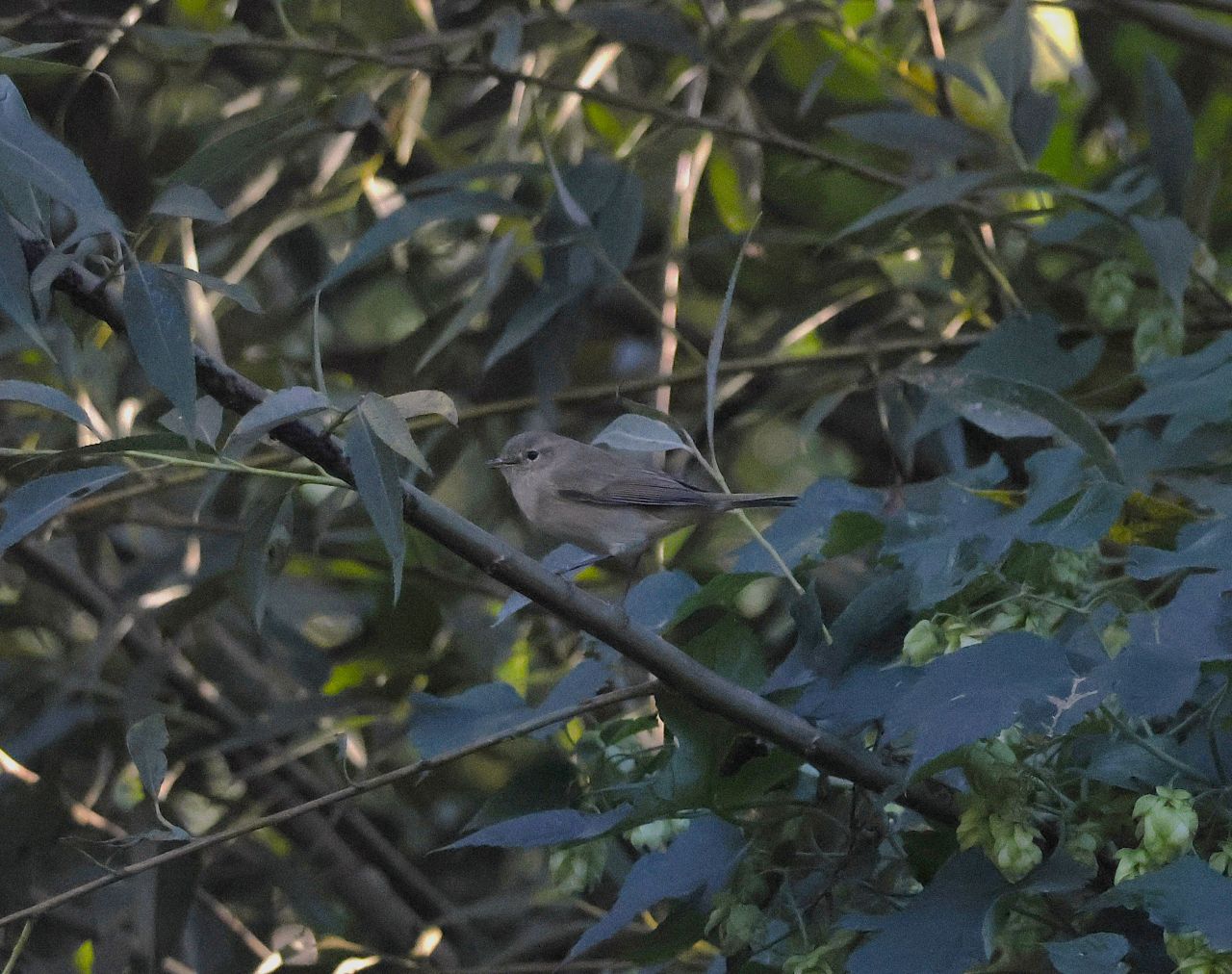
Chiffchaff, Riverside Nature Reserve.
A walk along the towpath saw numerous chiffchaffs along the riverbank.
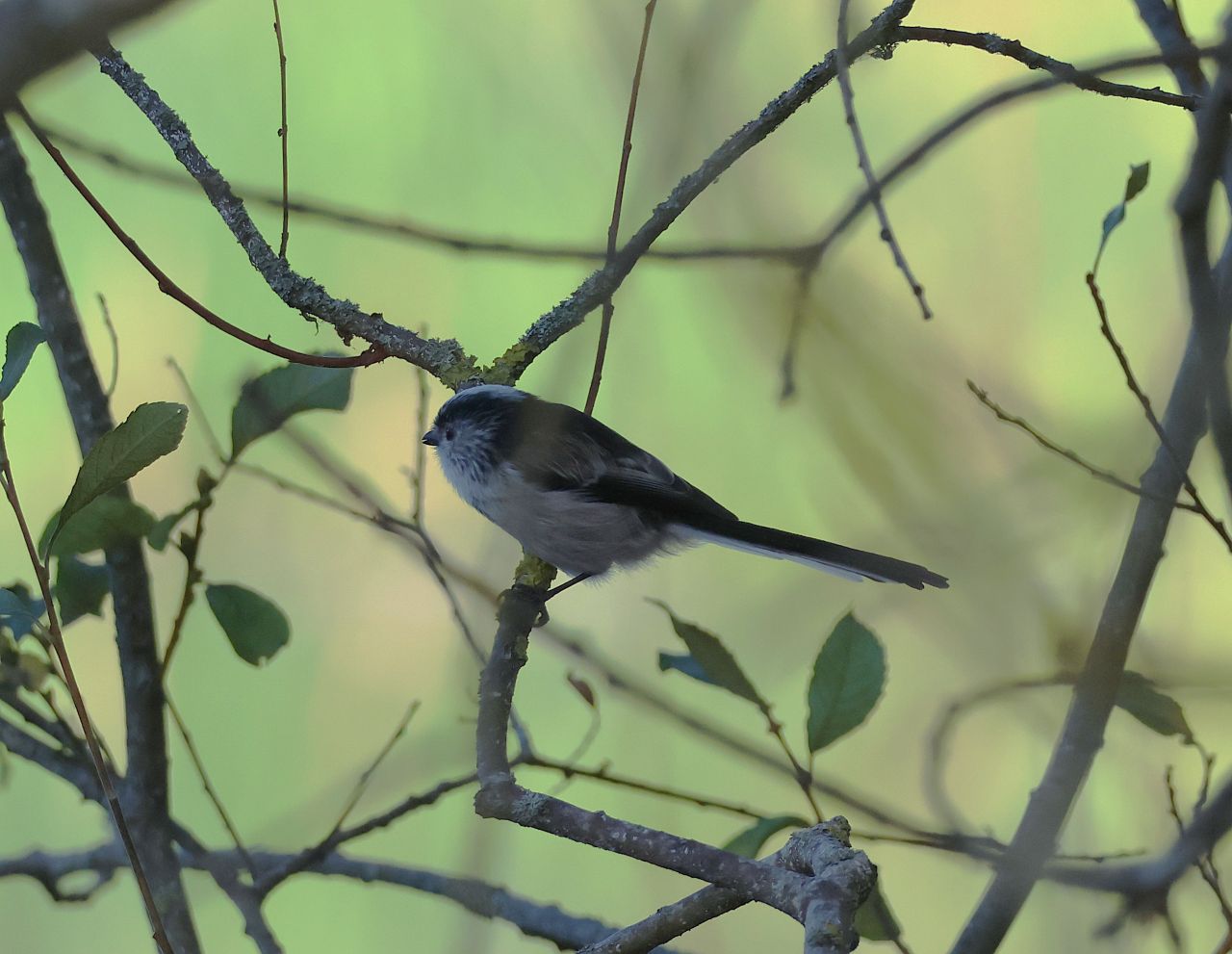
Long-tailed tit, Riverside Nature Reserve.
Some now closely associating with family groups of long-tailed tits.

Cormorant taking flight from the River Wey where it backs on to Slyfield Industrial Estate.
A cormorant flew up from the River Wey having spent time fishing from its waters.
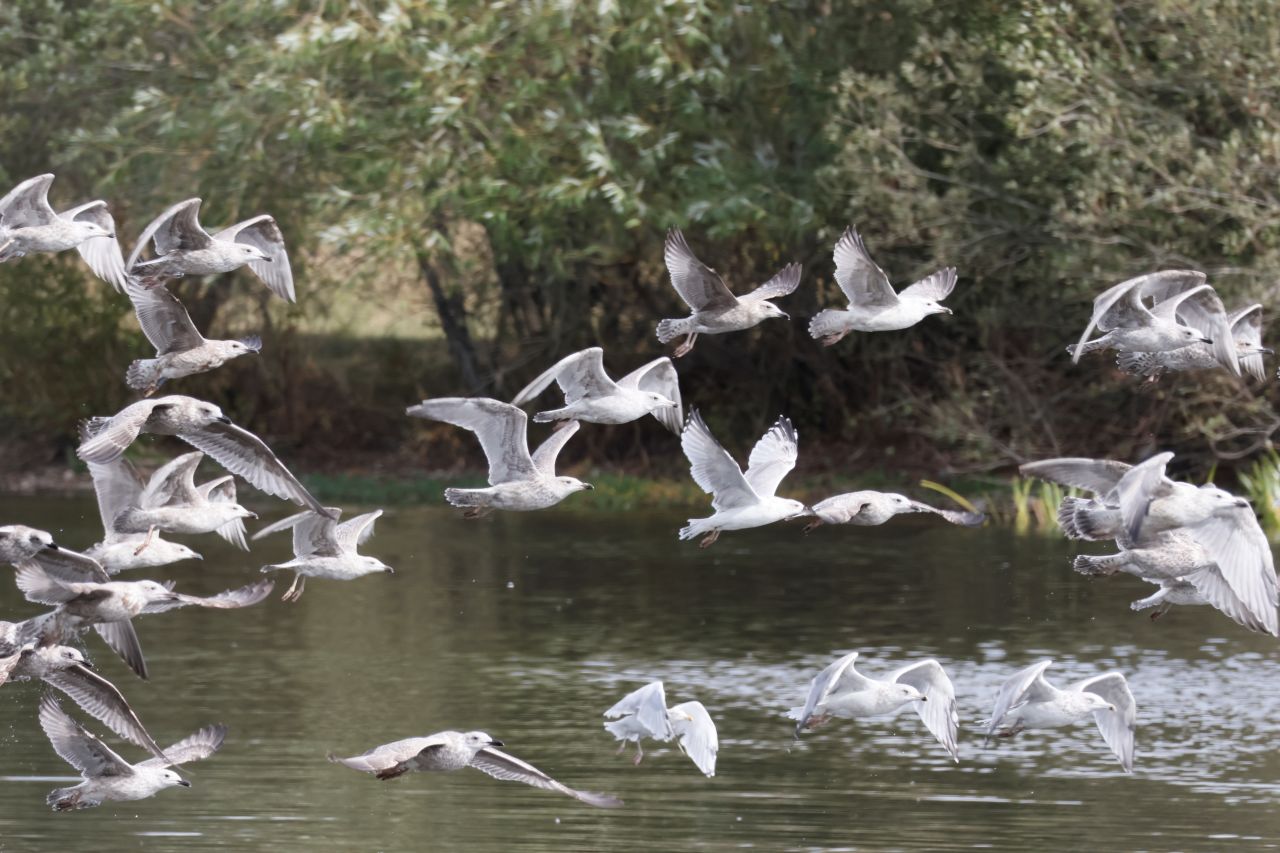
Ungainly rabble of gulls at Stoke Lake.
At Stoke Lake and viewing across the water, the usual rag-tag and ungainly group of mostly juvenile herring gulls could once again be seen out on the water, having a wash and brush-up after their rummaging about at the recycling centre just the other side of the River Wey.
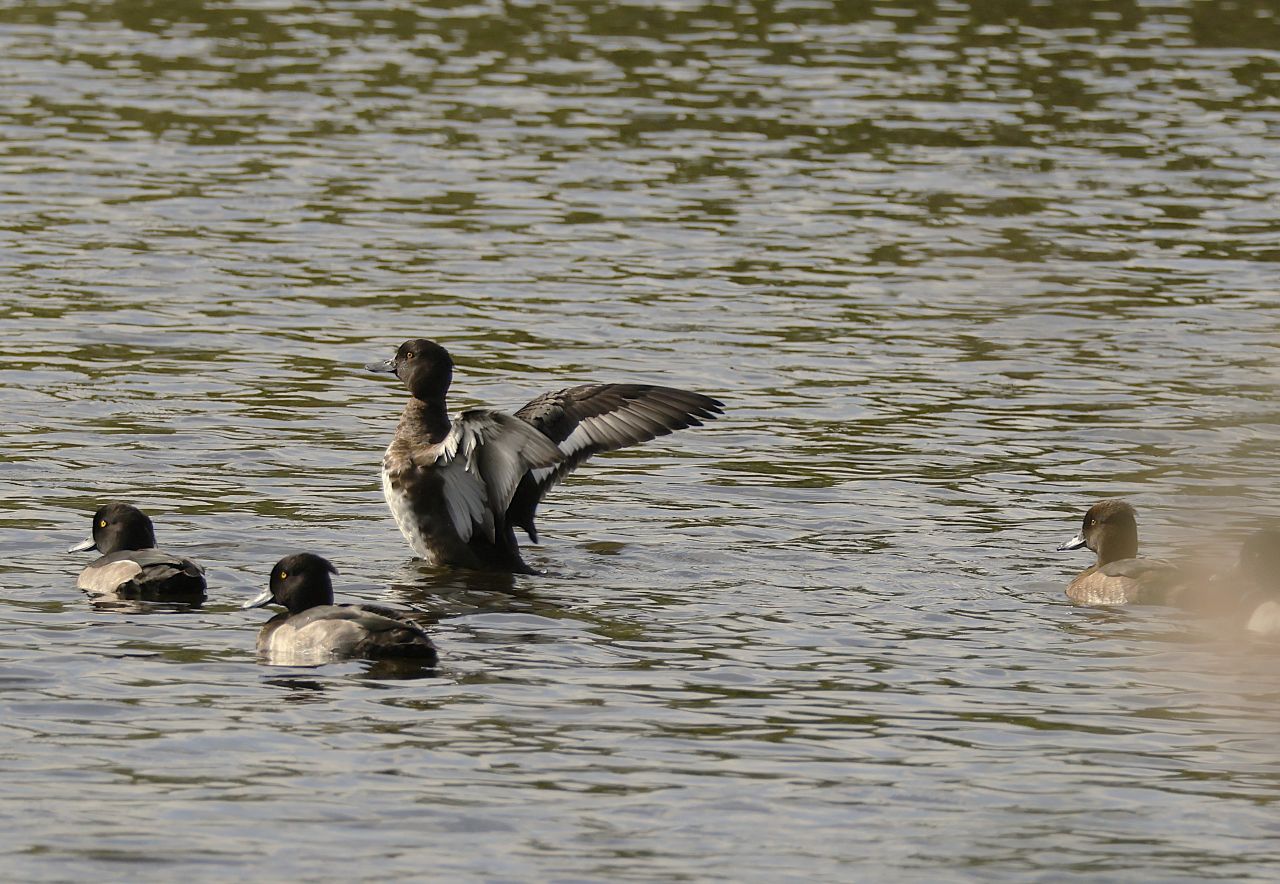
A small raft of tufted ducks on Stoke Lake.
And a small raft of tufted ducks had made their seasonal return to the lake.
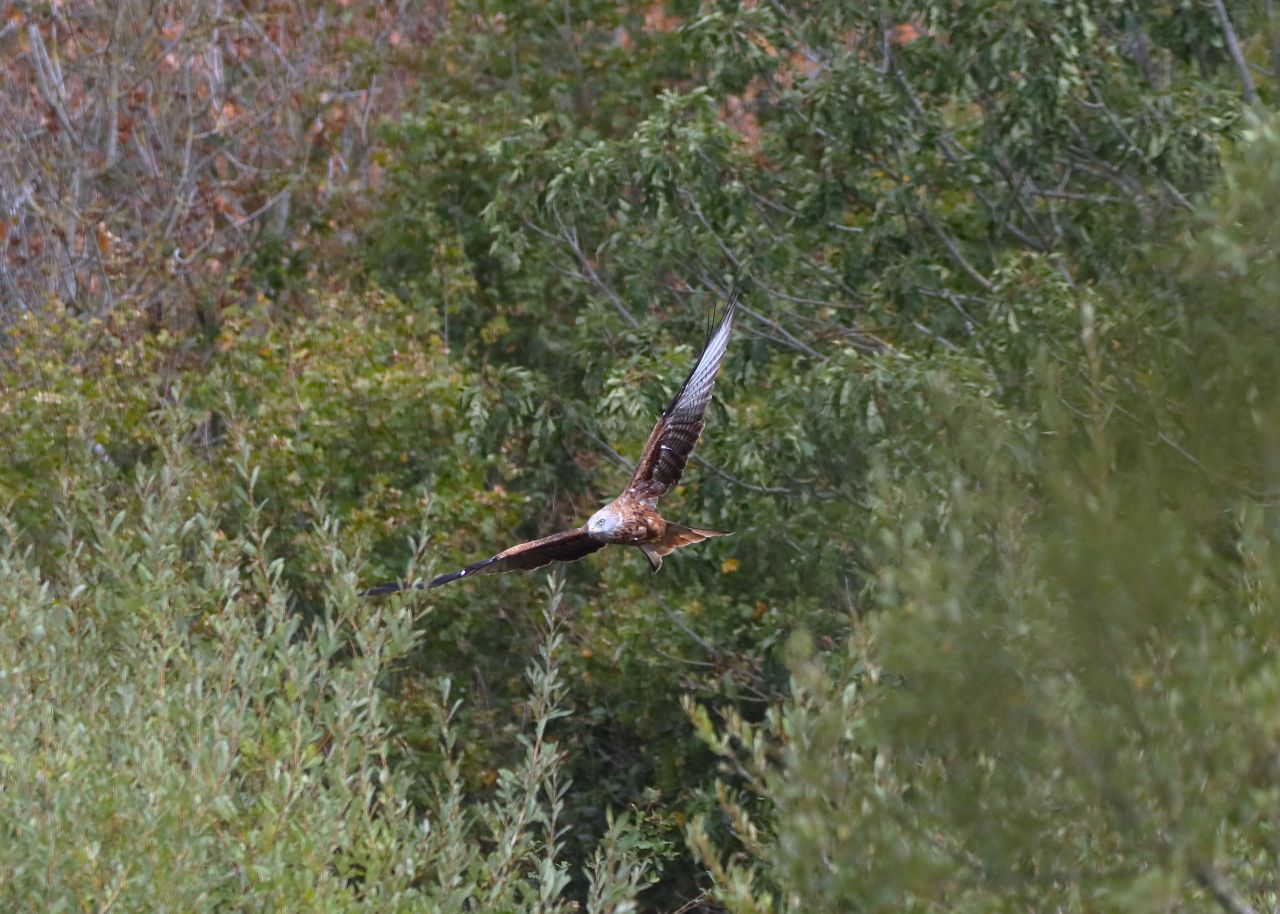
Red kite at Stoke Lake.
Surprising to me was to see one of the many red kites often viewed about the recycling centre, but had made an appearance about the lakeside and having noticed it flying low below the treeline.
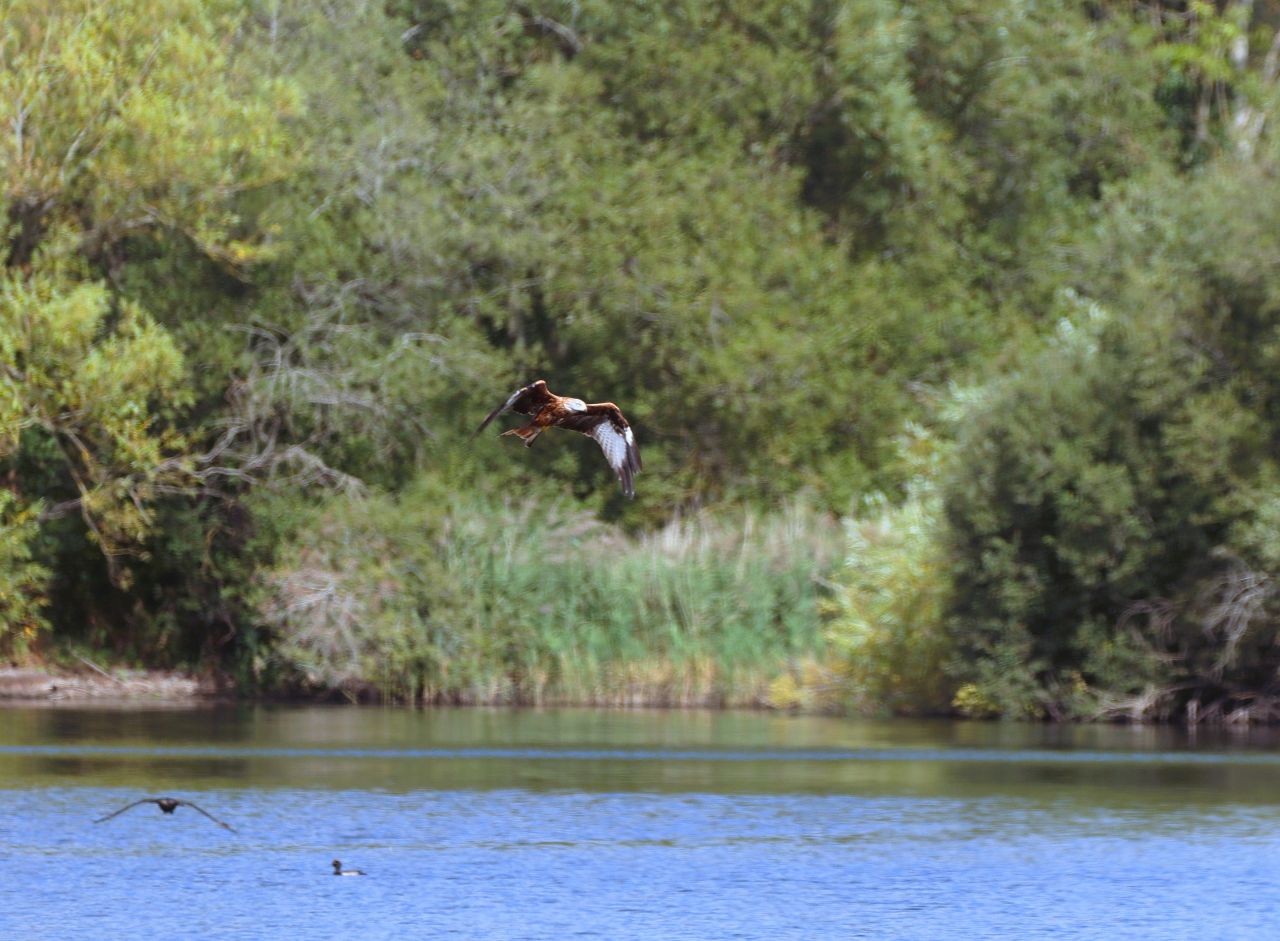
Red kite at Stoke Lake.
Soon after, it could be seen flying low across the lake causing a disturbance to the gulls present.
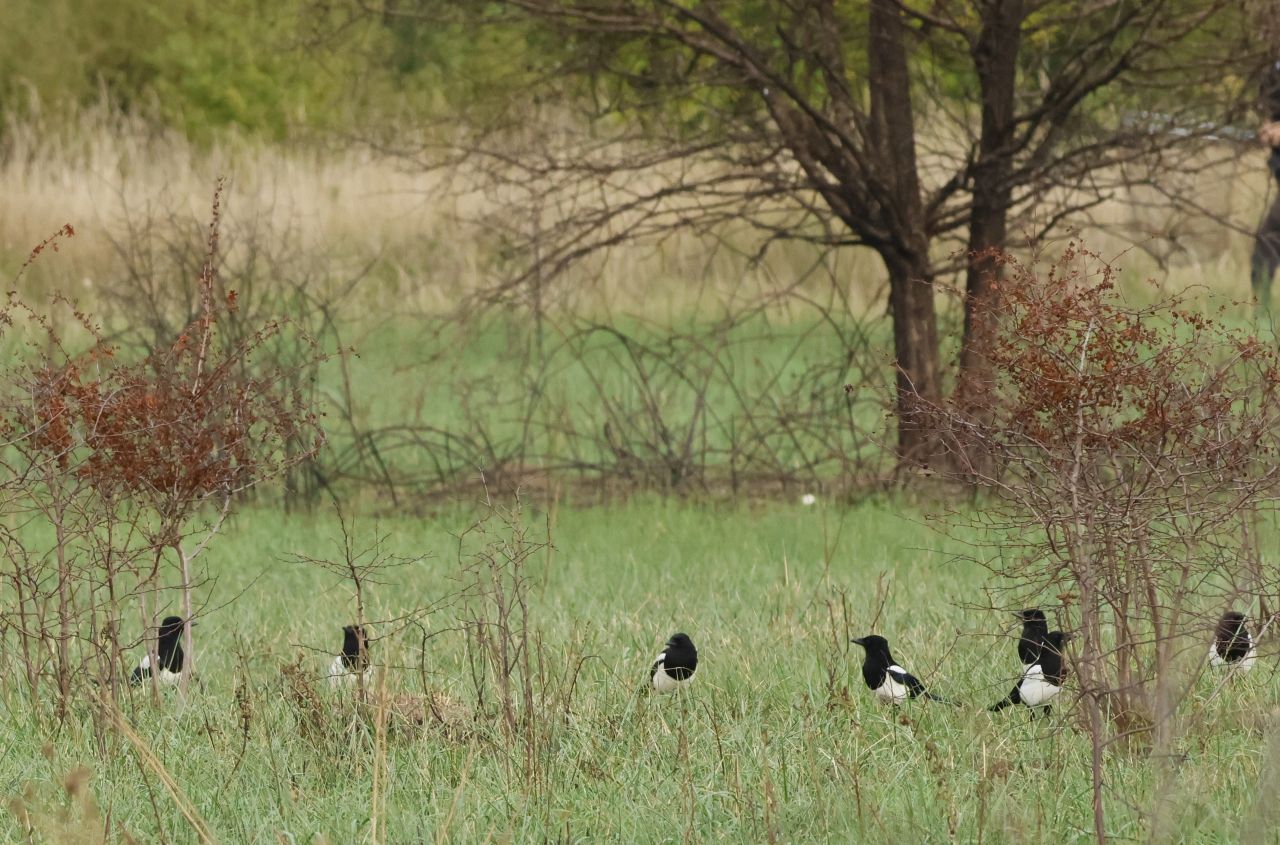
A ‘mischief’ of magpies.
In the meadow to the southern end of the lake, where a fire had occurred just over amonth earlier, and where the grass was already starting to green the landscape, a ‘mischief’ of magpies gathered.
The ongoing warmth of the early autumn sunshine as we passed through the equinox on September 22 continued to see numerous late summer butterflies on the wing.
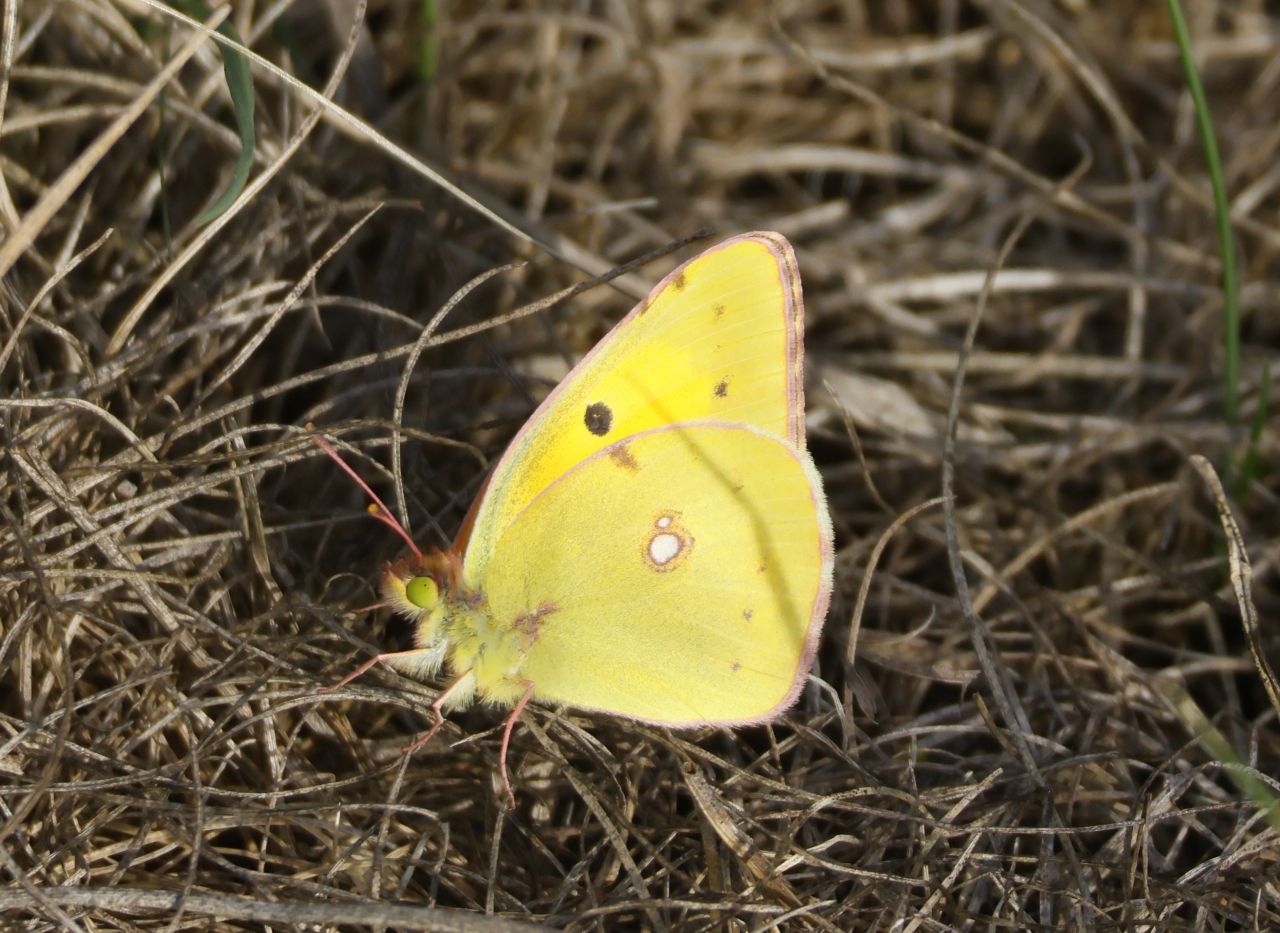
Clouded yellow butterfly.
These included clouded yellow butterflies still making their presence known.
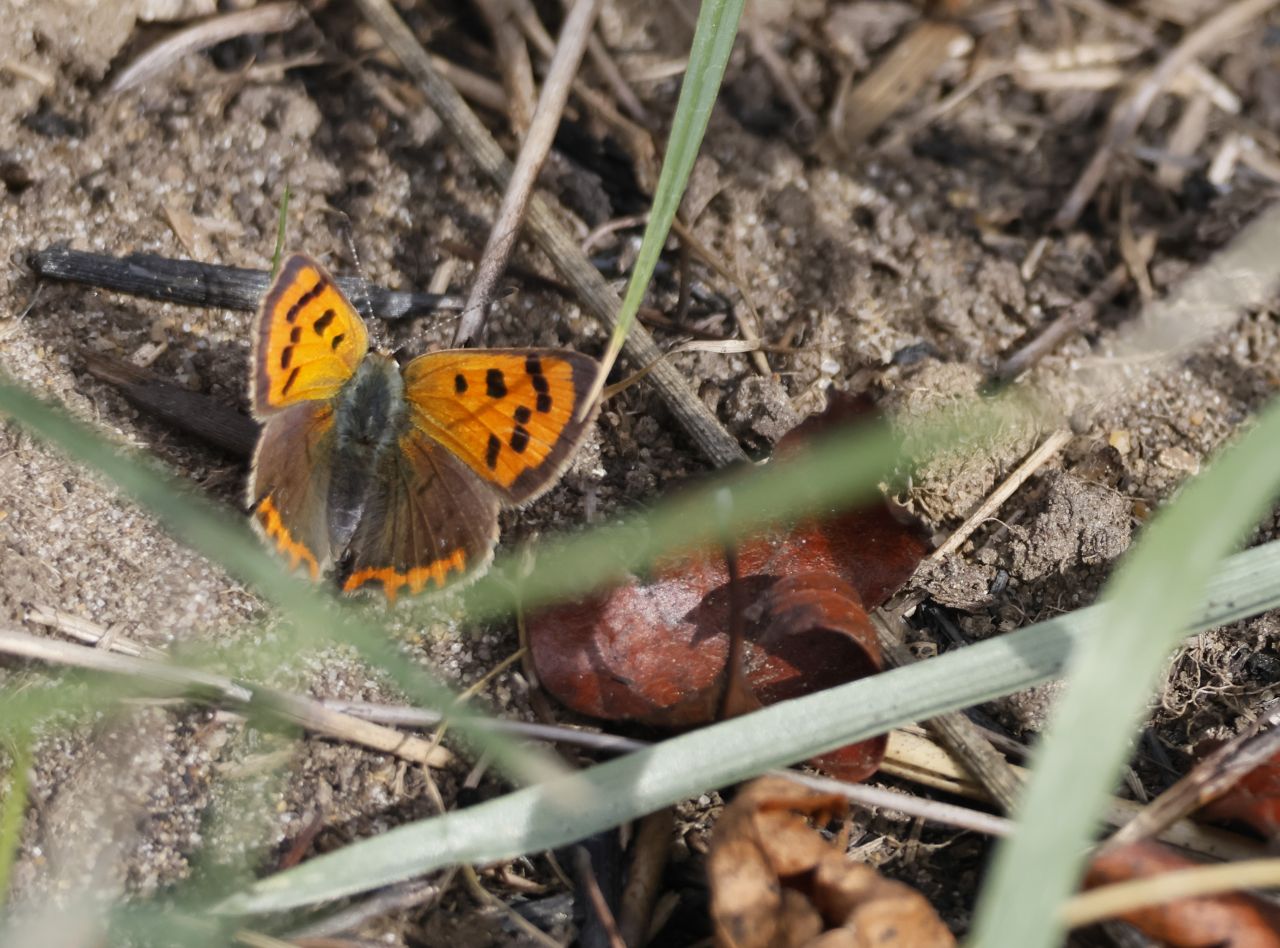
Small copper butterfly.
A few small copper butterflies could also be found.
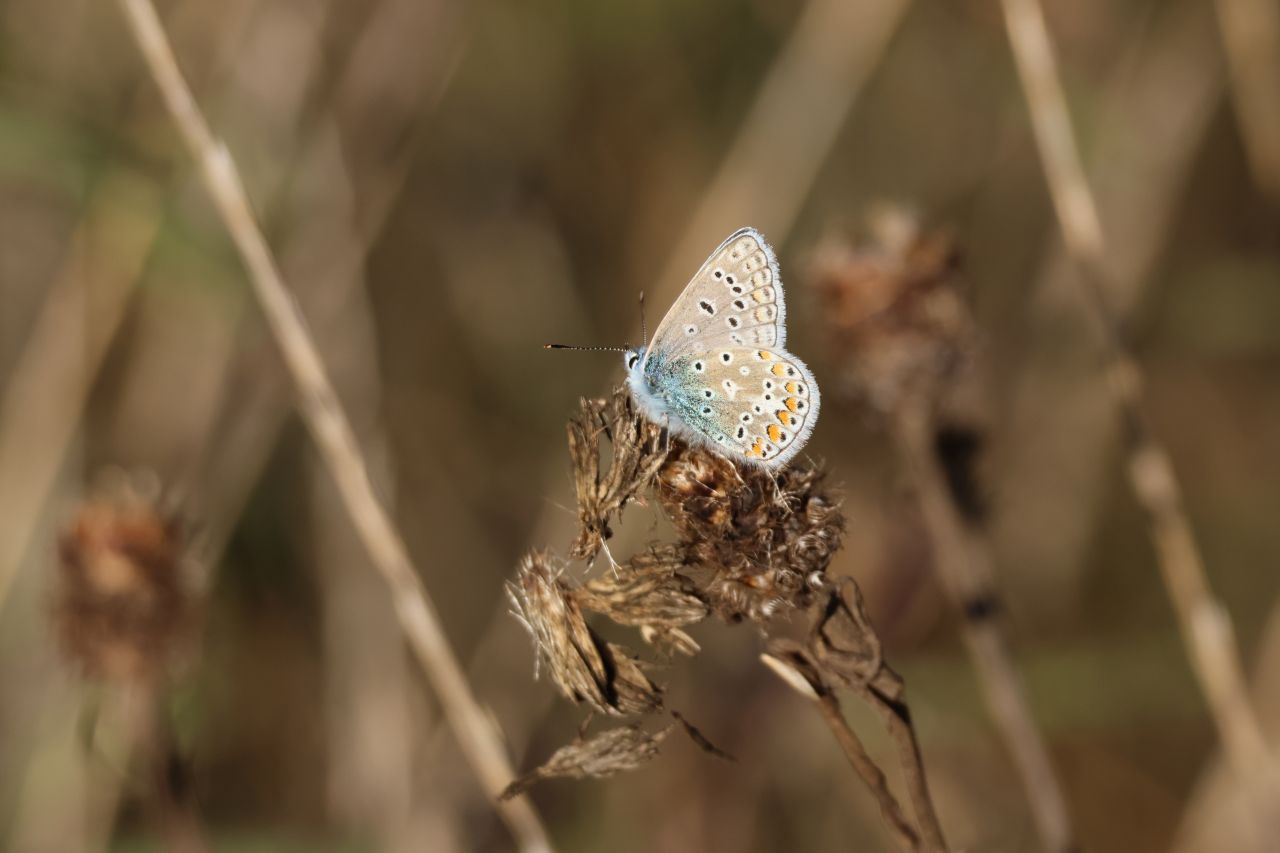
Common blue butterfly, Riverside Nature Reserve.
As well as several common blue butterflies.
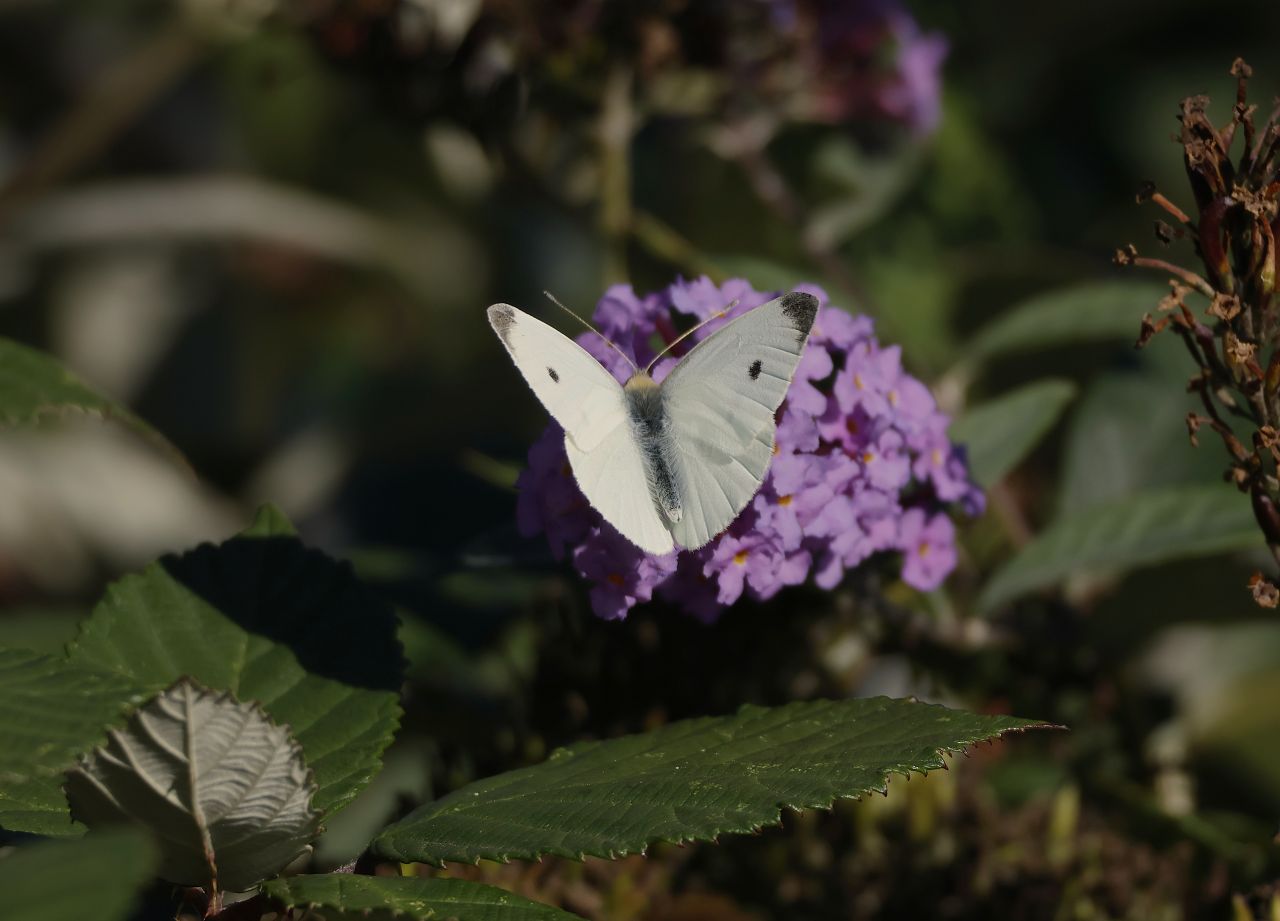
Small white butterfly, Riverside Nature Reserve.
Small white butterflies were still plentiful.
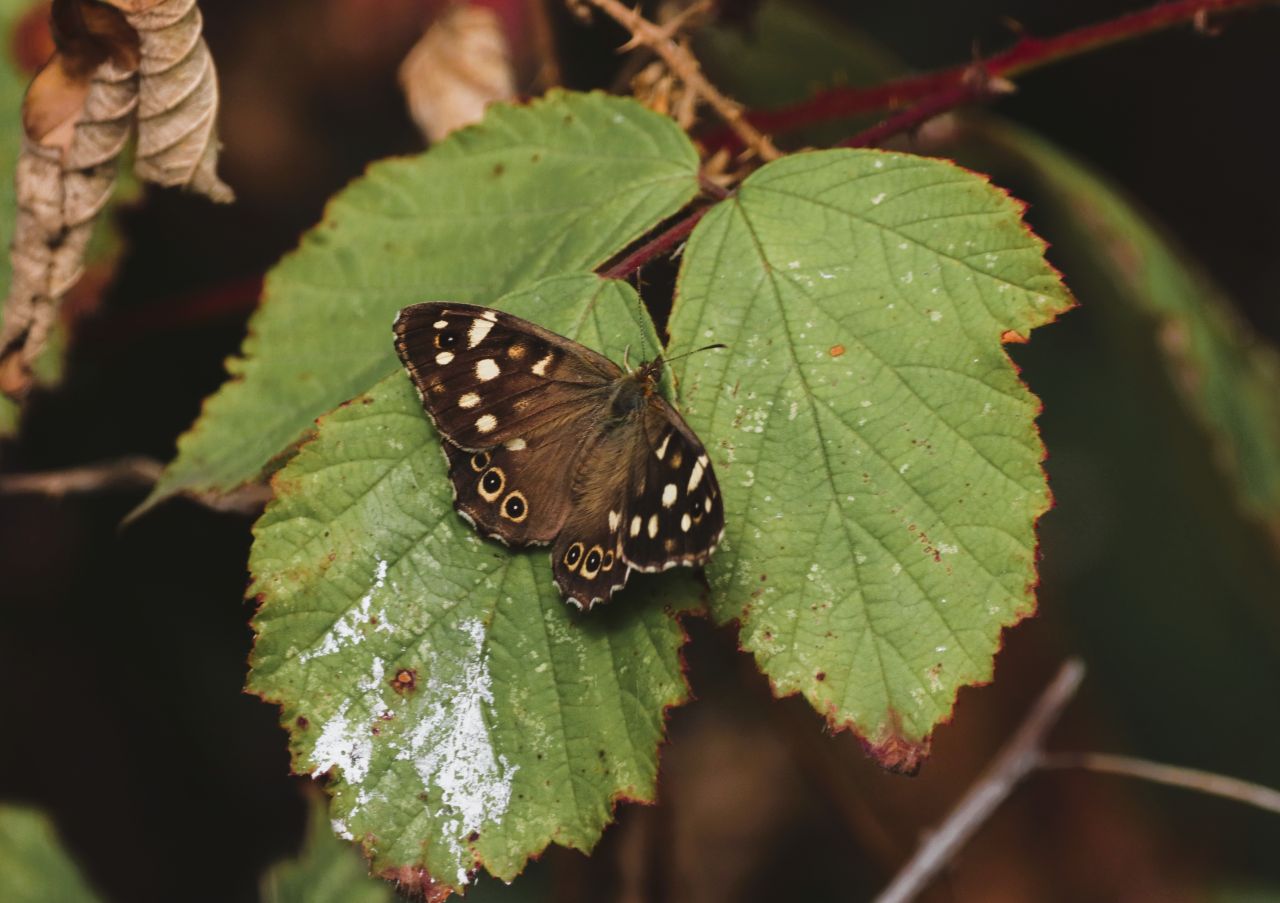
Speckled wood butterfly at Stoke Lake.
As well as speckled wood butterflies dancing together in the understory of trees in the dappled sunlight.
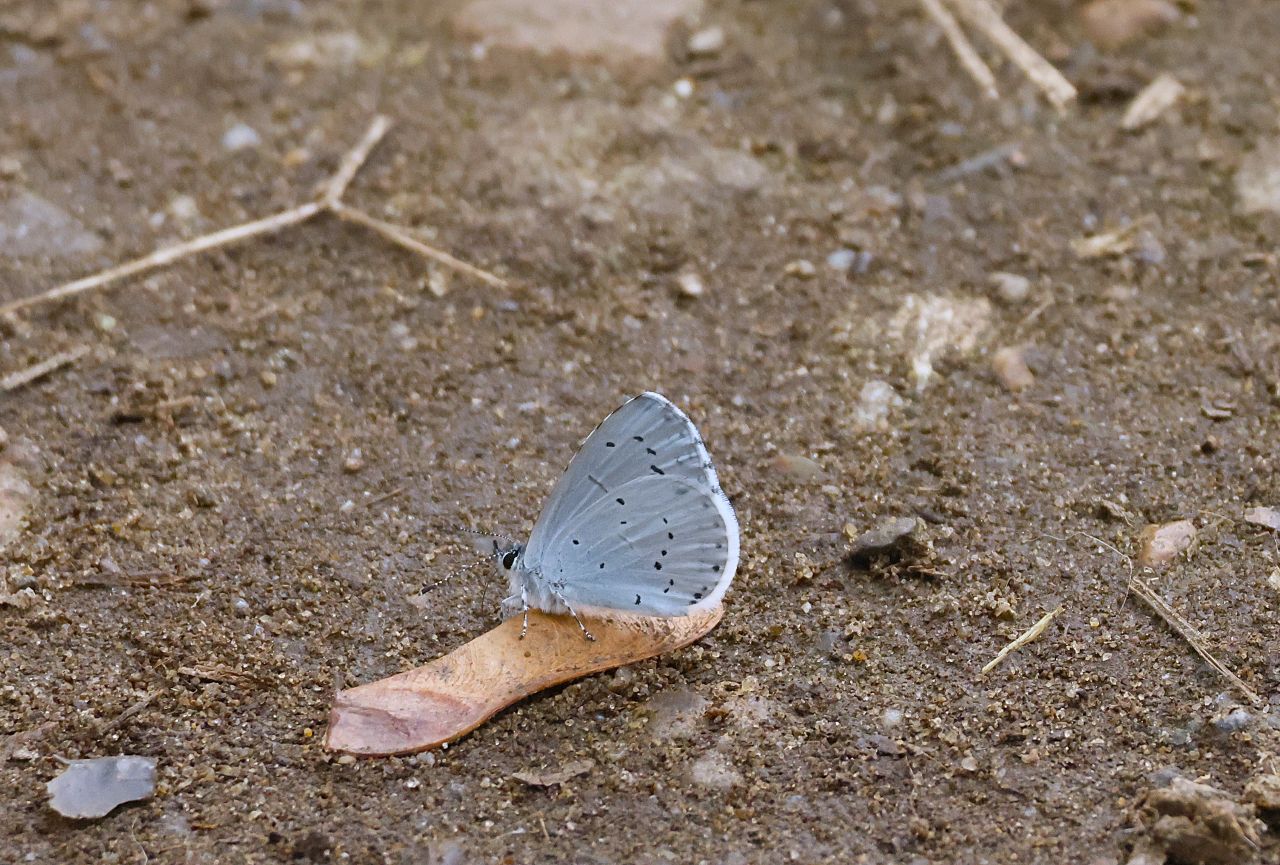
Holly blue butterfly.
And a few holly blues could be still seen on the wing as the month drew to a close.
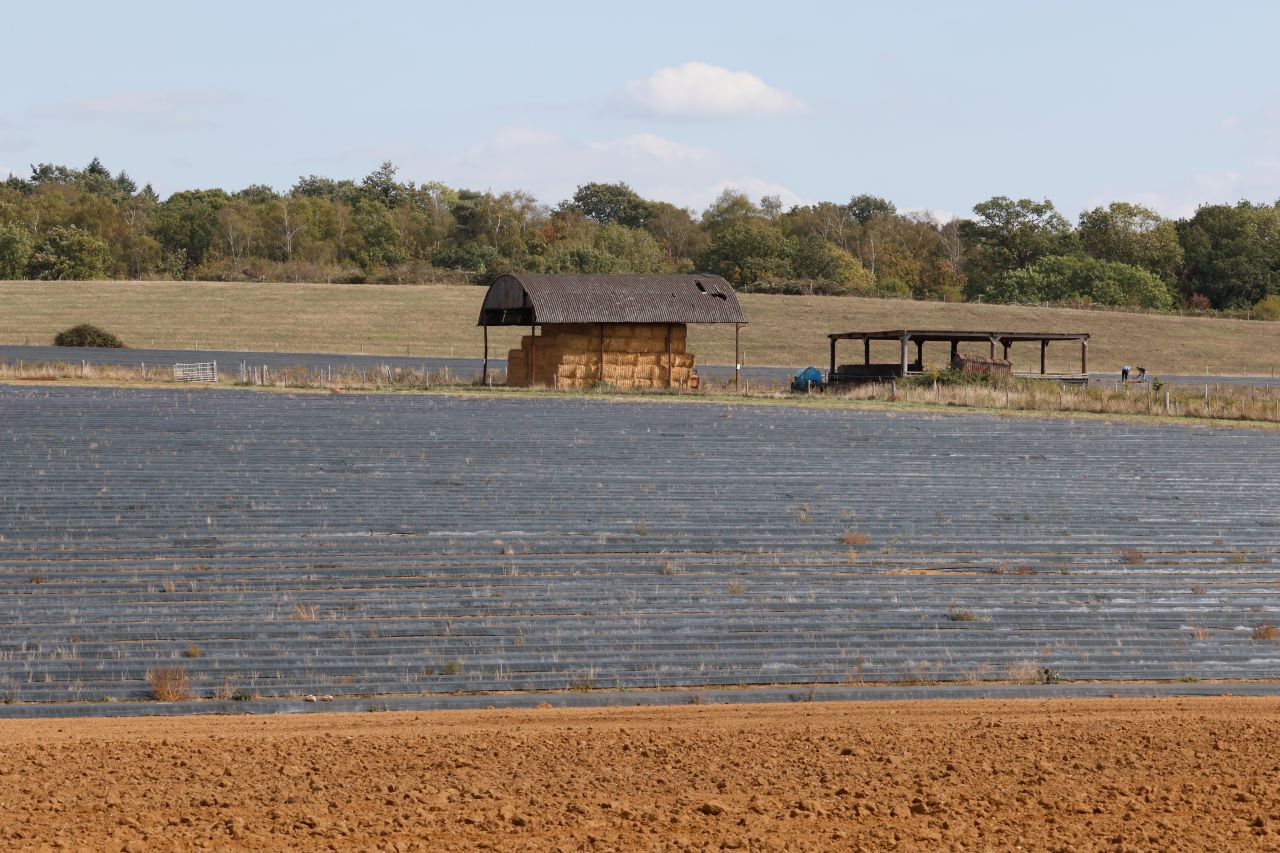
The new mounds covered with black plastic sheeting at Lydling Farm, Shackleford.
A visit to Lydling Farm, Shackleford on September 23, brought a tinge of disappointment my way to see so many of the fields there now being covered by long black plastic sheeting over mounds of earth. This apparently turning the area into a commercial fruit farm.
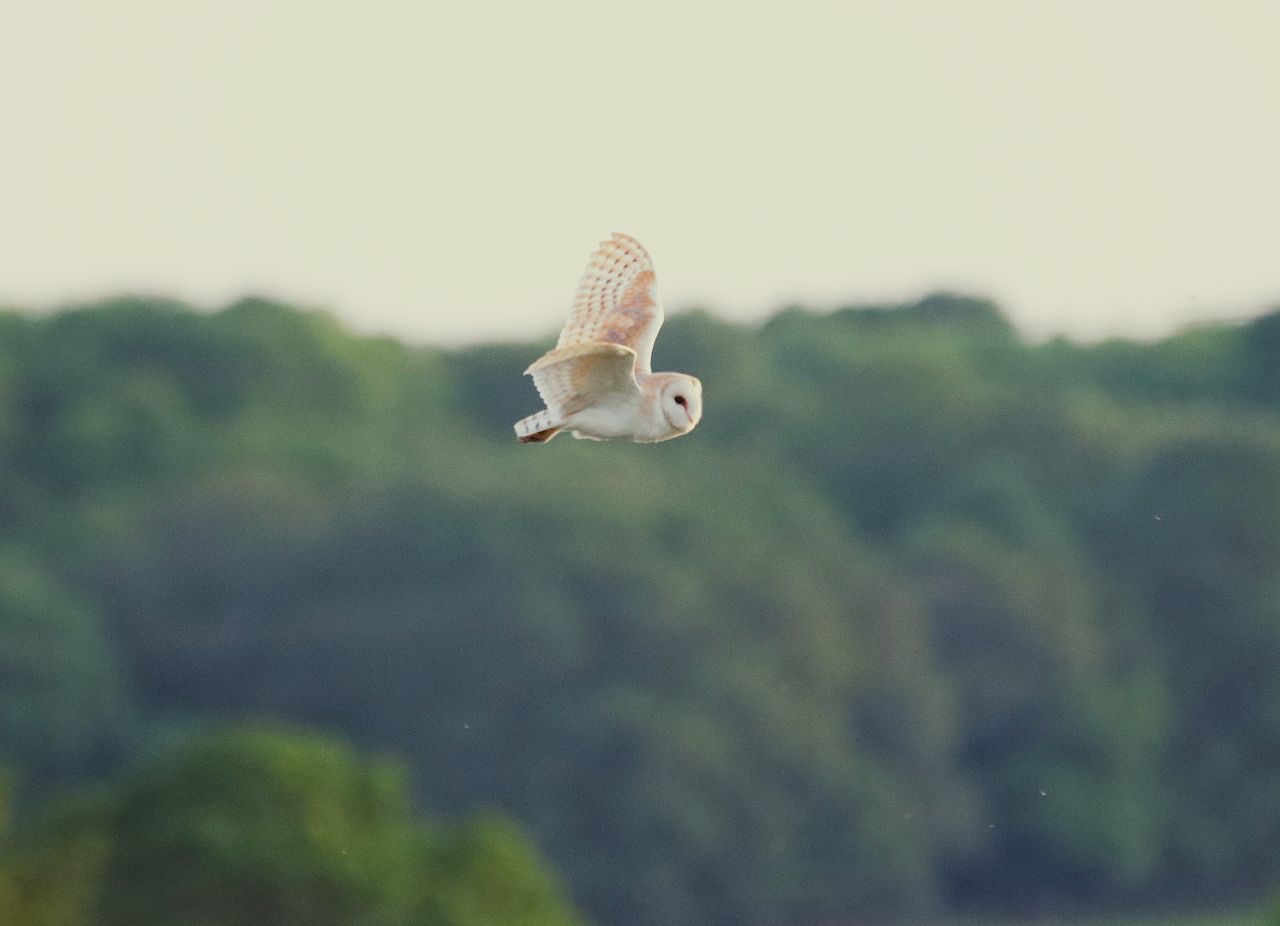
Previous photo of a barn owl, Lydling Farm.
Having seen a barn owl hunting over the same fields, and taking some memorable photos of it back in the summer, it brought great concerns of its future existence now that its hunting ground had become so restricted.
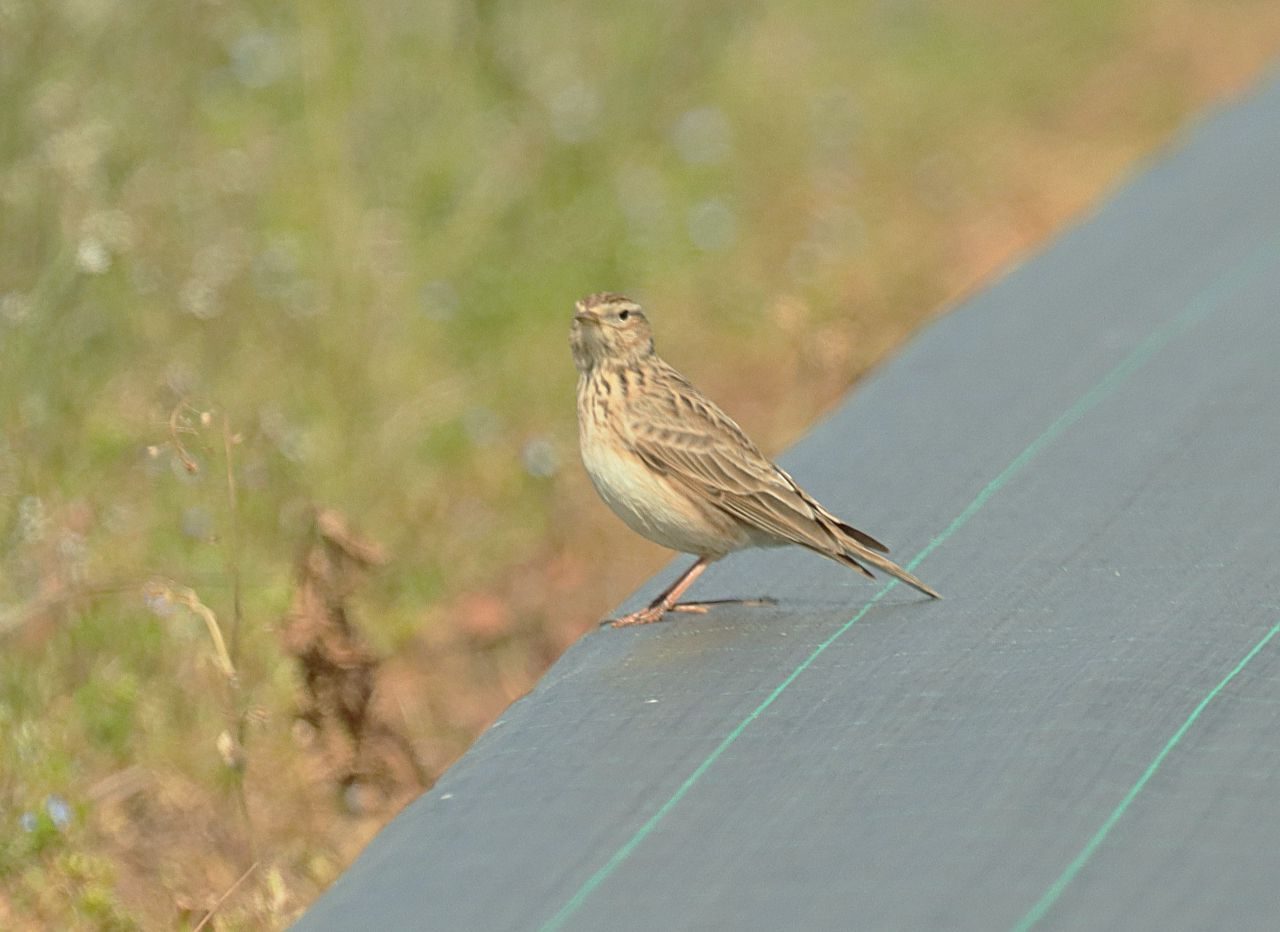
Skylark on one one of the mounds covered with plastic sheeting, Lydling Farm, Shackleford.
As too, were my concerns for the skylarks known to breed in the fields there.
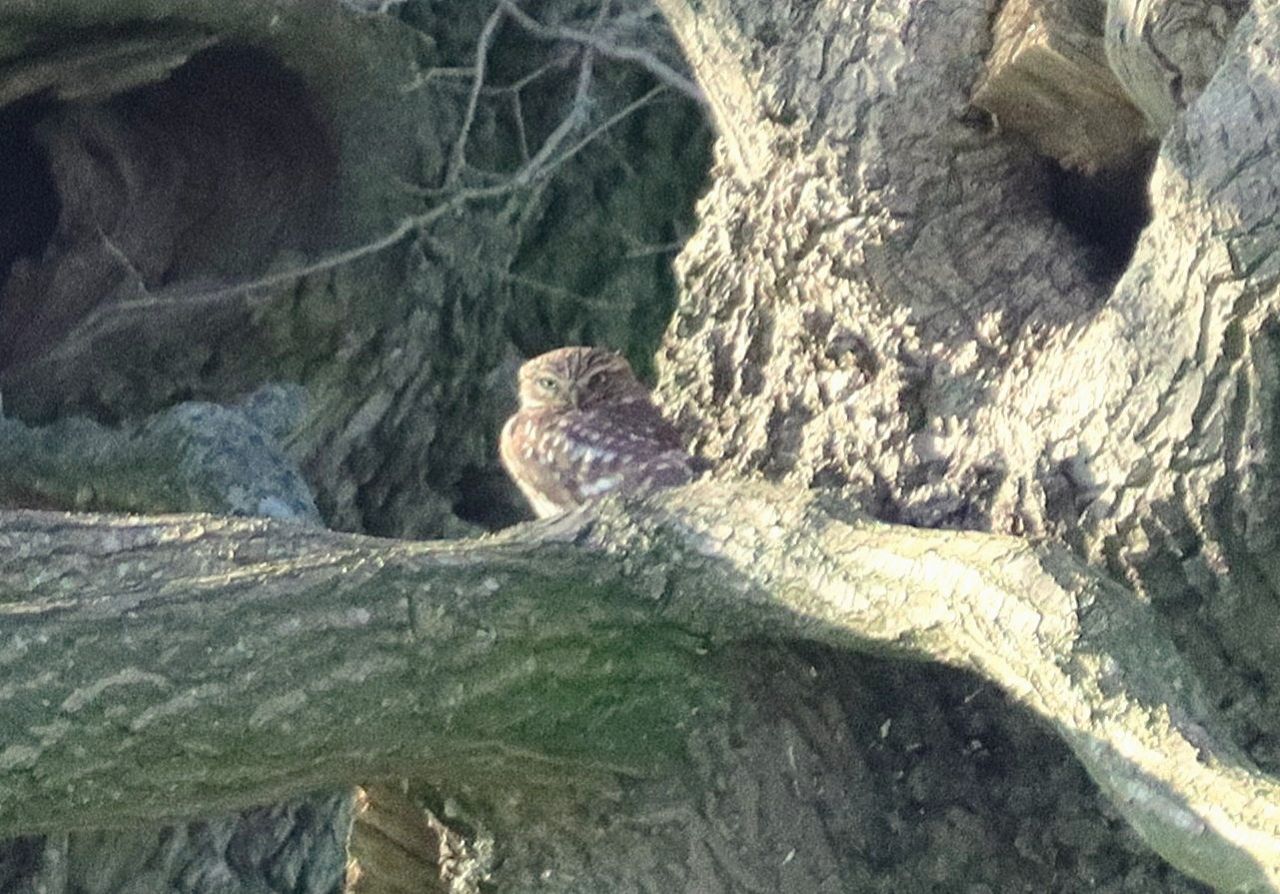
Little owl (highly cropped photo) in a mature oak tree at Lydling Farm.
One of the little owls, however, continued to be present and could be viewed distantly in a mature oak tree.
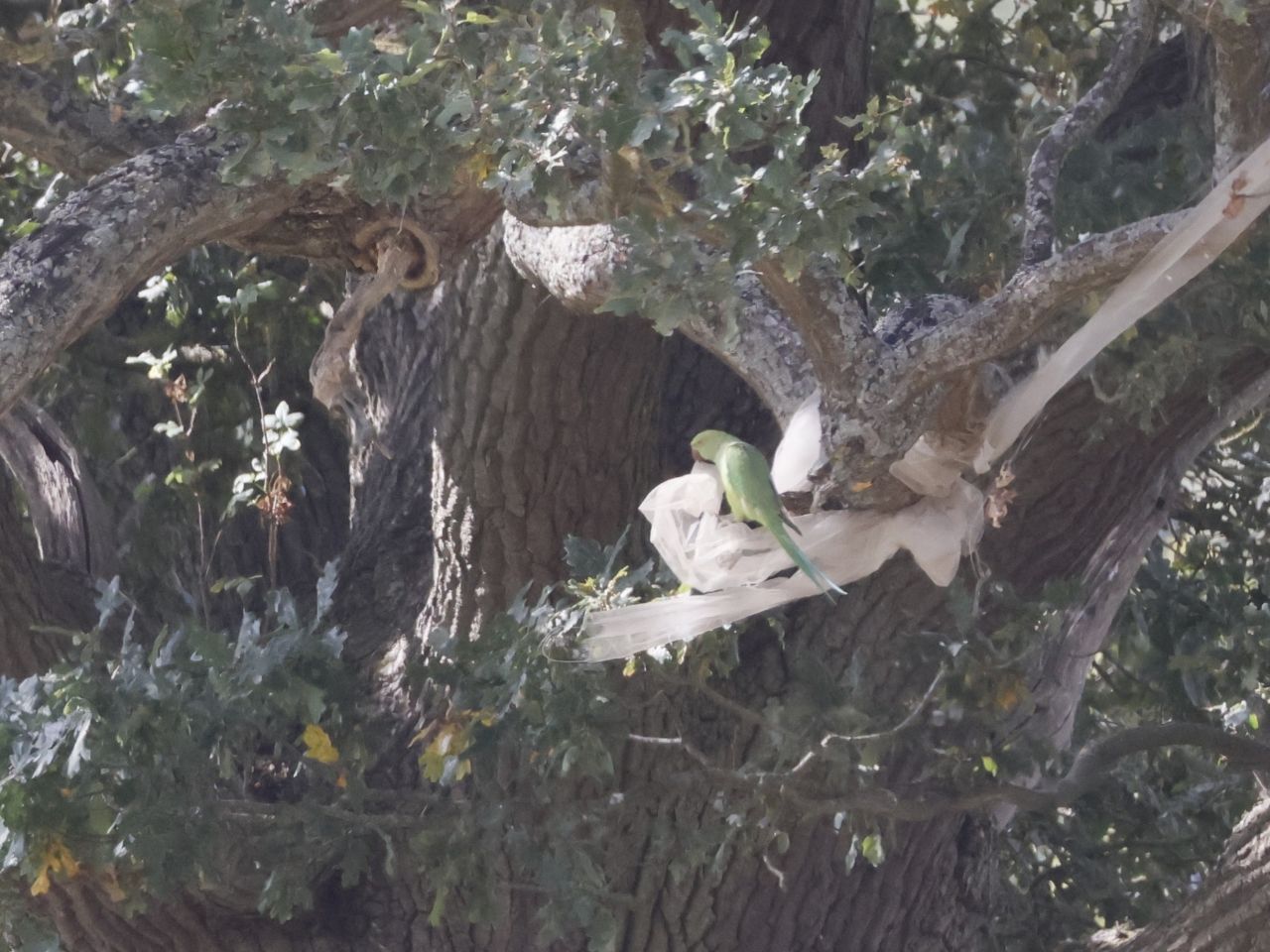
Ring-necked parakeet.
Near to it was one of the several ring-necked parakeets now resident in the area.
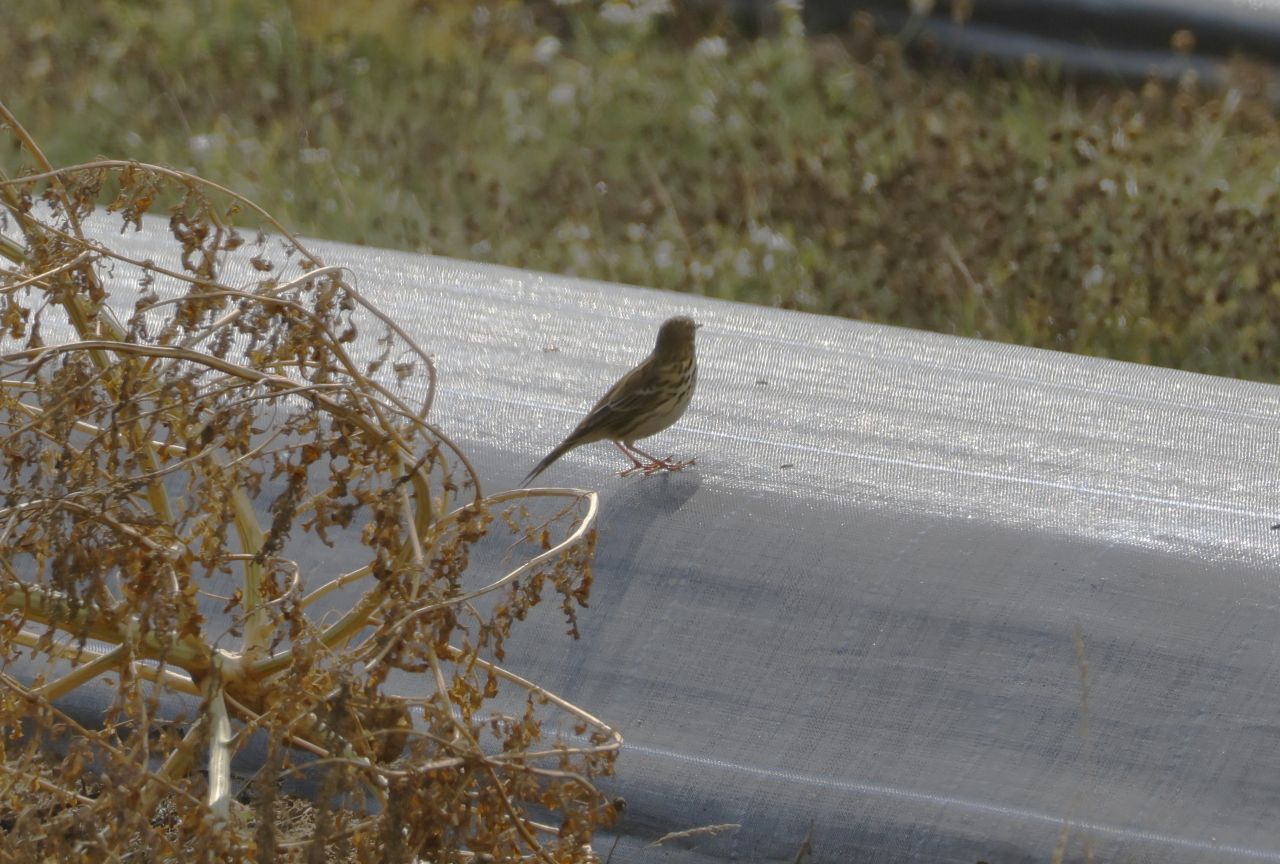
Meadow pipit, also on the plastic sheeting, Lydling Farm
A count of 30 or more meadow pipits could be seen in a flock over the field.
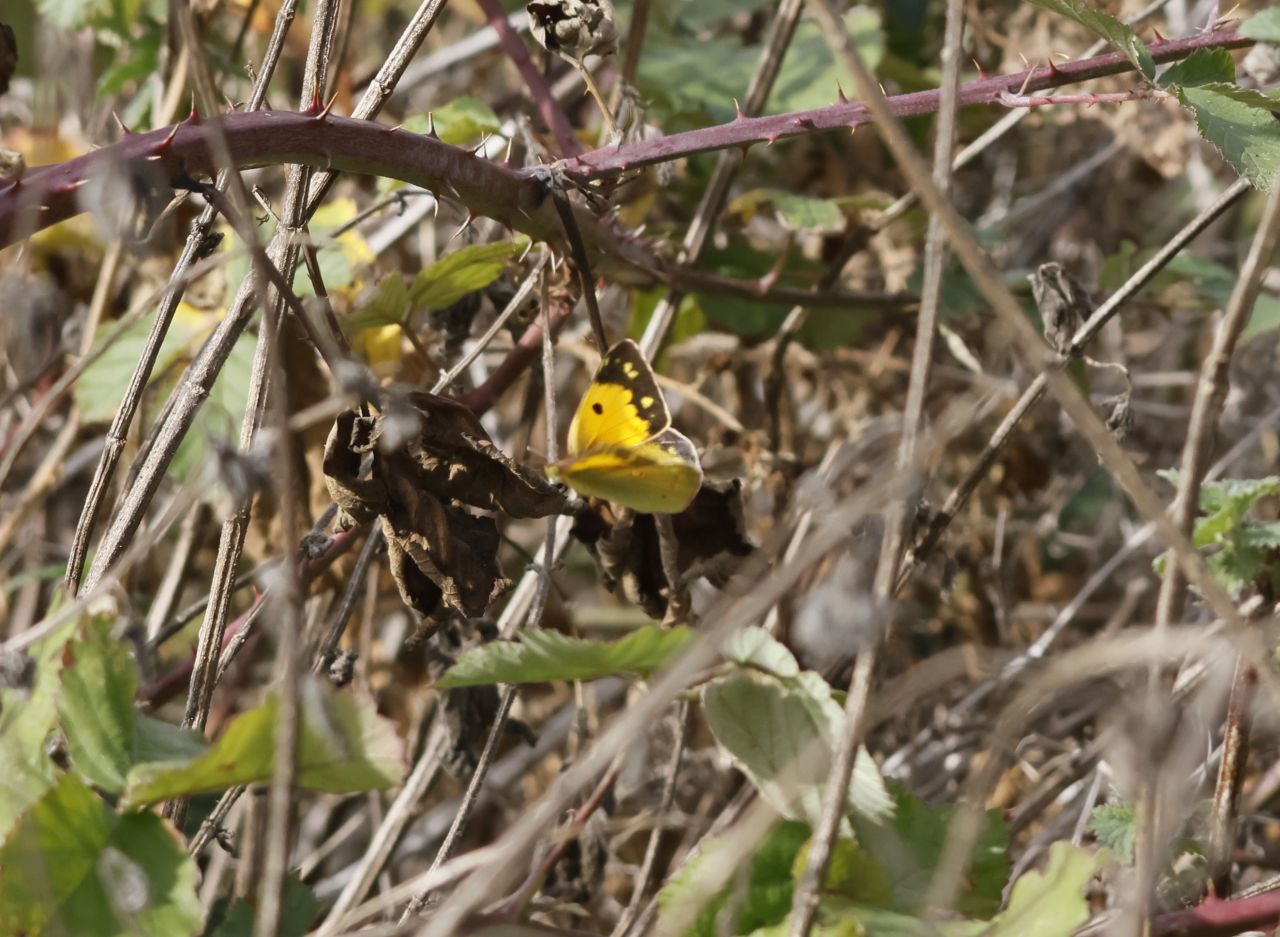
Clouded yellow butterfly at Lydling Farm.
And a few clouded yellow butterflies could still be seen on the wing.
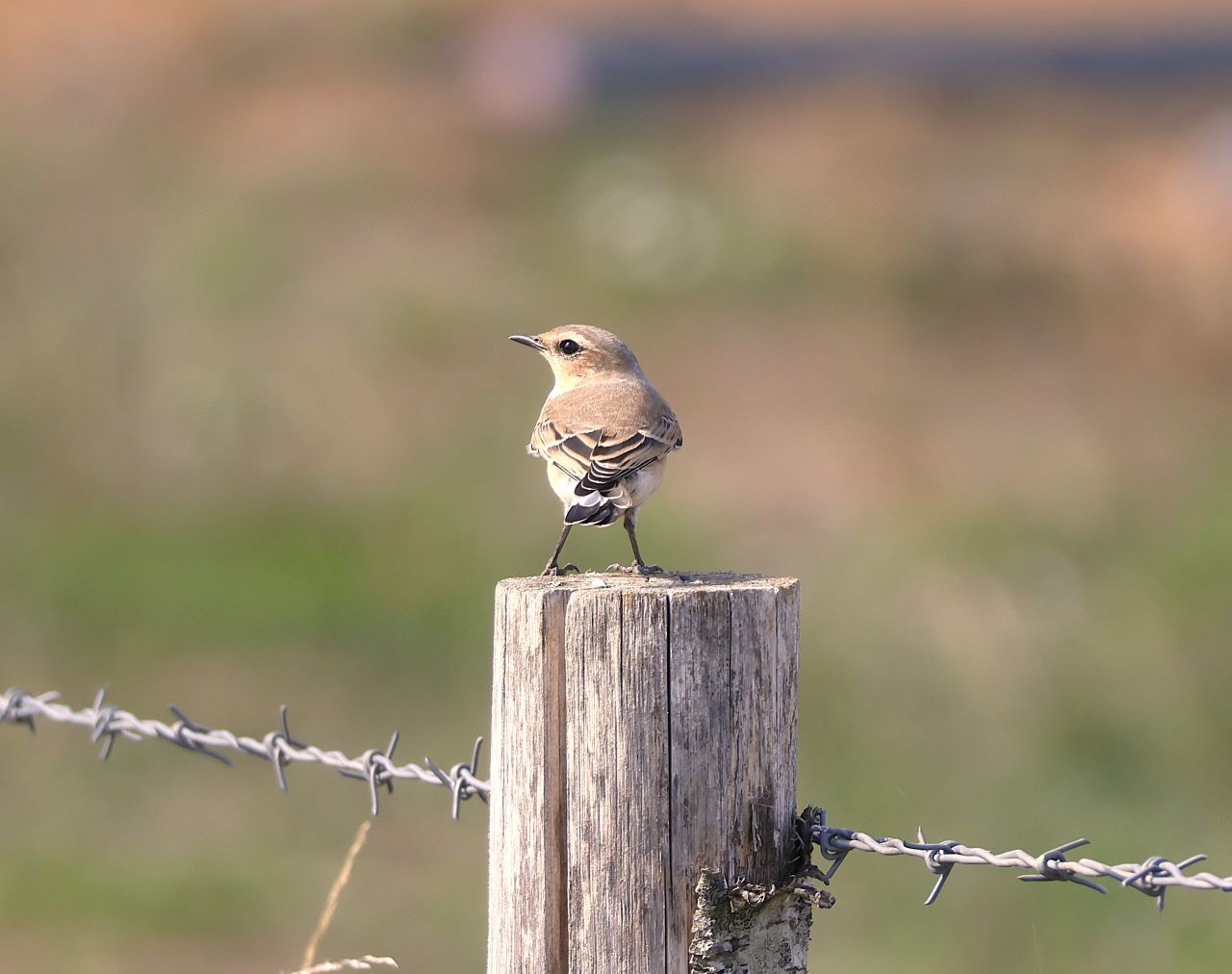
Wheatear, Lydling Farm.
While probably the best sighting of the visit was a wheatear perched on a fence post along the track up to the barn.
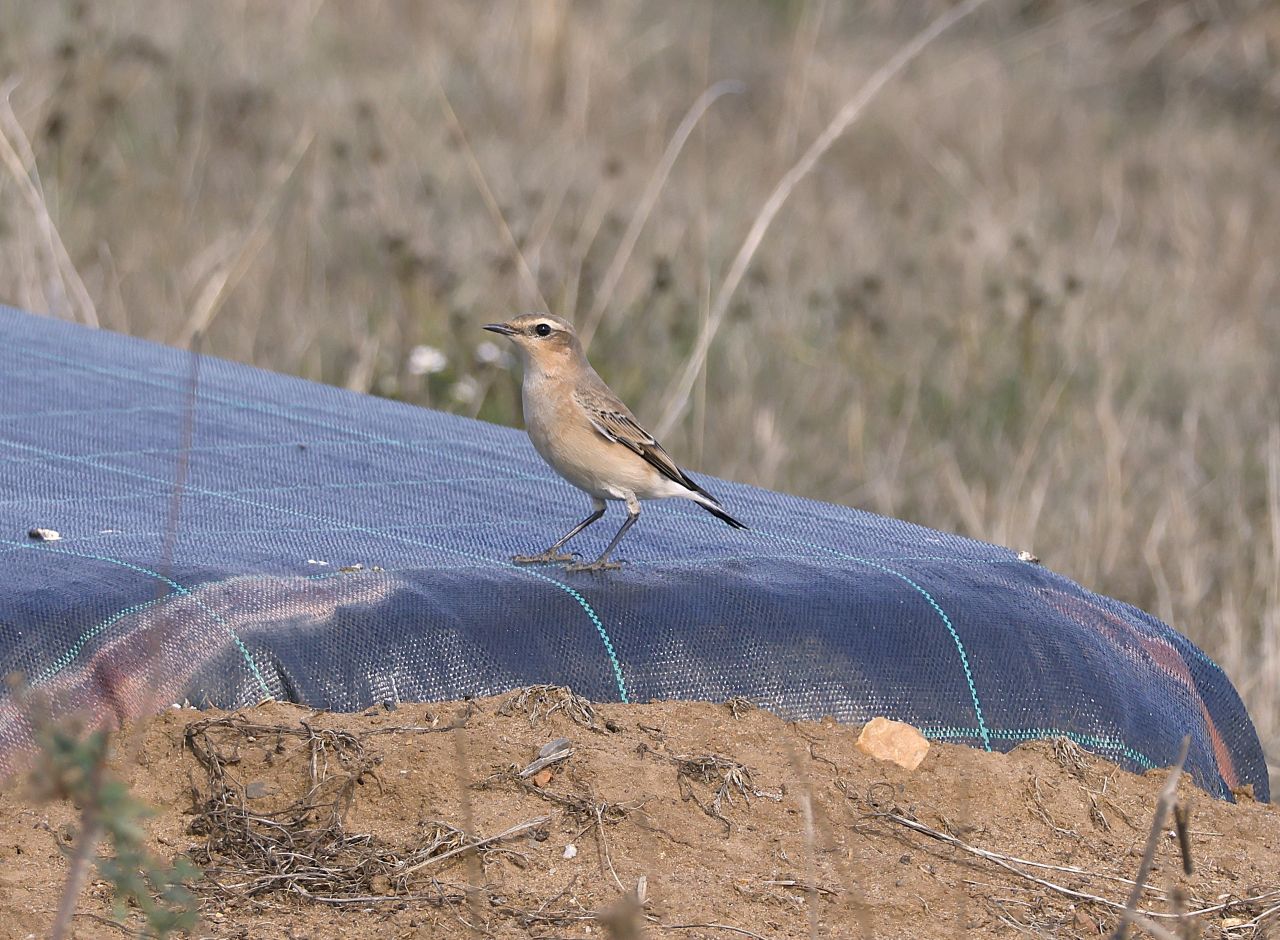
Wheatear, Lydling Farm.
As well as another wheatear on one of the recently made mounds covered with black plastic sheeting.

Great spotted woodpecker, Whitmoor Common.
Closer to home on Whitmoor Common, several great spotted woodpeckers could be seen and heard in the trees on the edge of the woodland, allowing me photos during most of my visits.
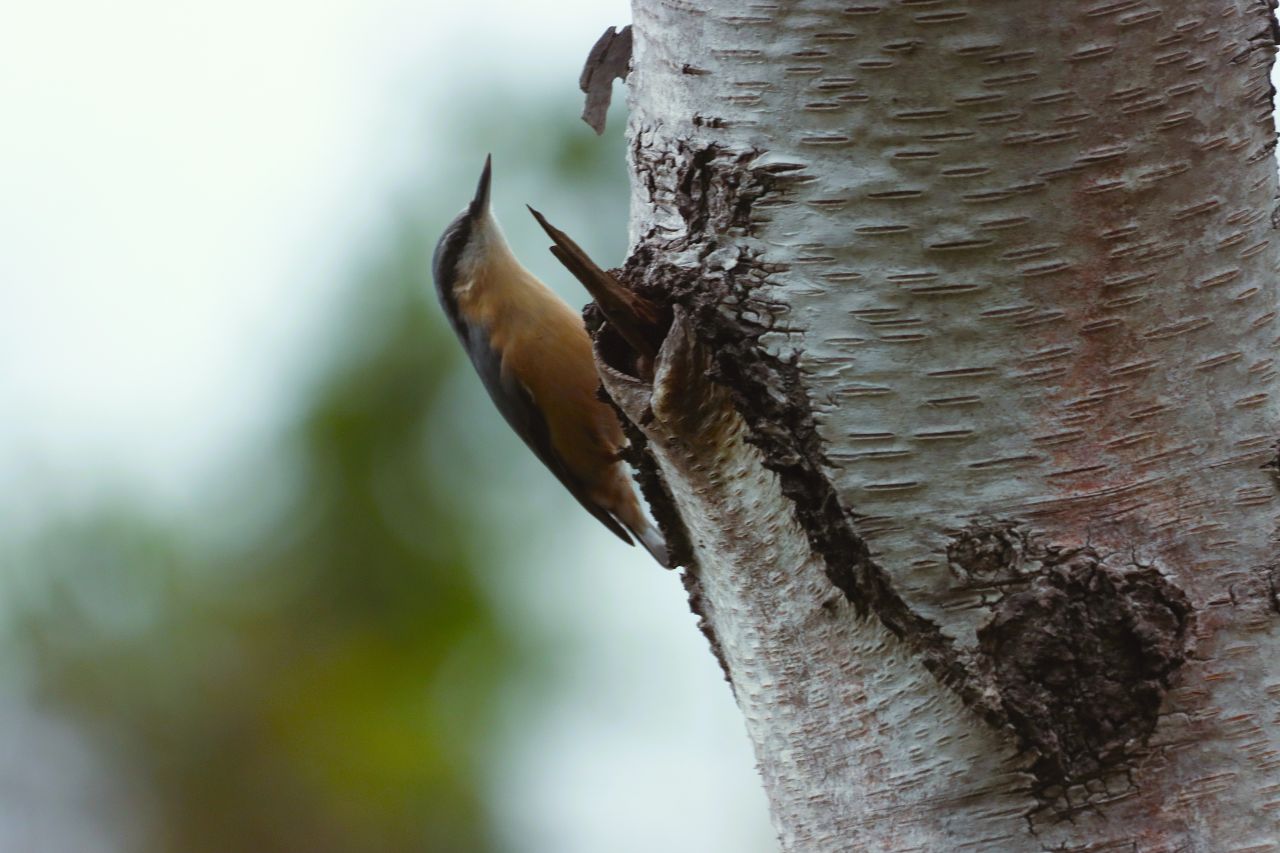
Nuthatch, Whitmoor Common.
Nuthatches could also be picked out by their contact calls.
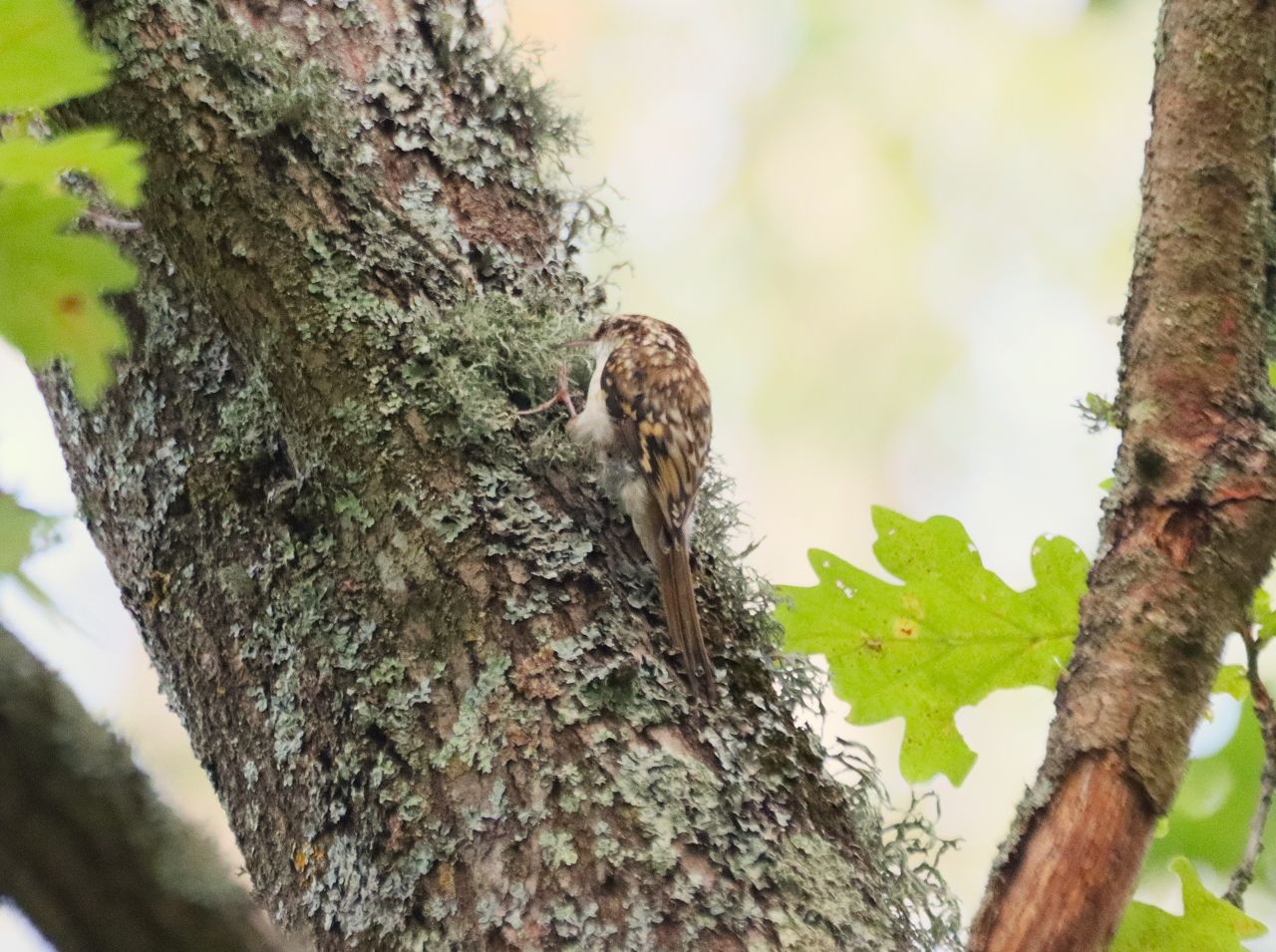
Treecreeper, Whitmoor Common.
And the ‘seeping’ sounds of numerous treecreepers attracted my attention.
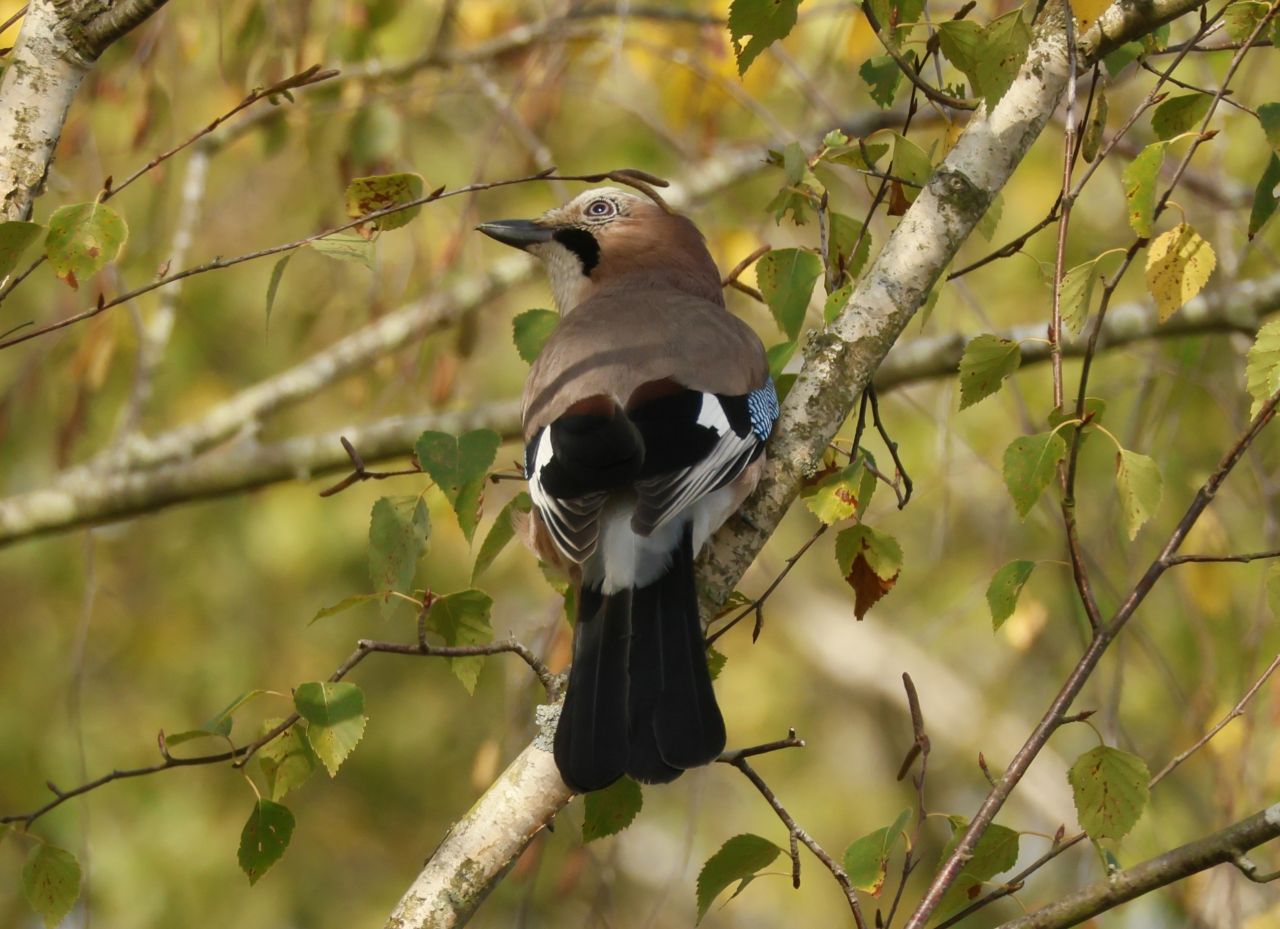
Jay, Whitmoor Common.
A jay briefly posed as it hopped from branch to branch in a cluster of silver birch trees.
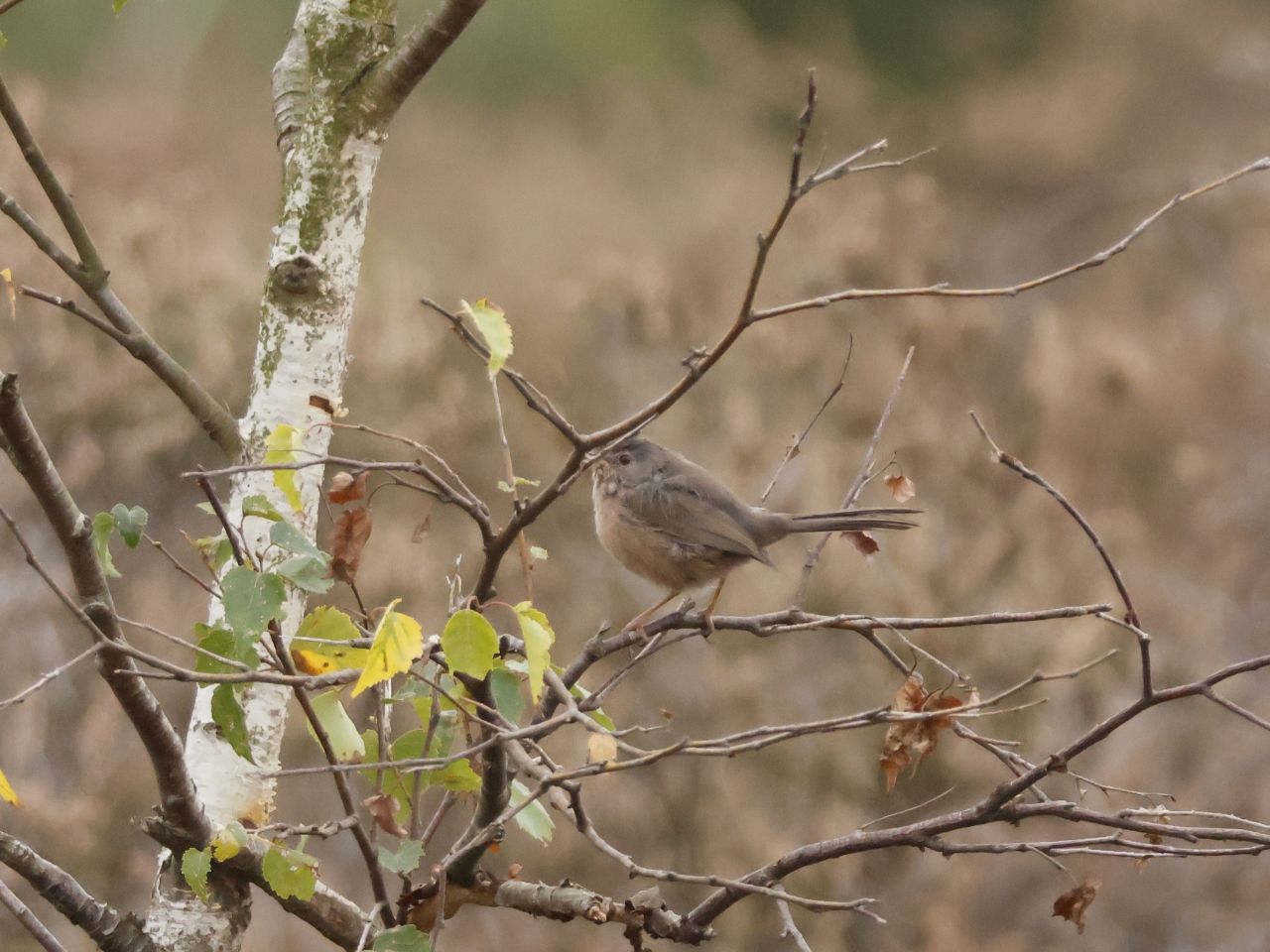
Dartford warbler, Whitmoor Common.
Out on the heathland, frustrating to view for more than a few seconds let alone photograph, eventually one of numerous Dartford warblers I had seen on my visits, did give itself up for a photo.
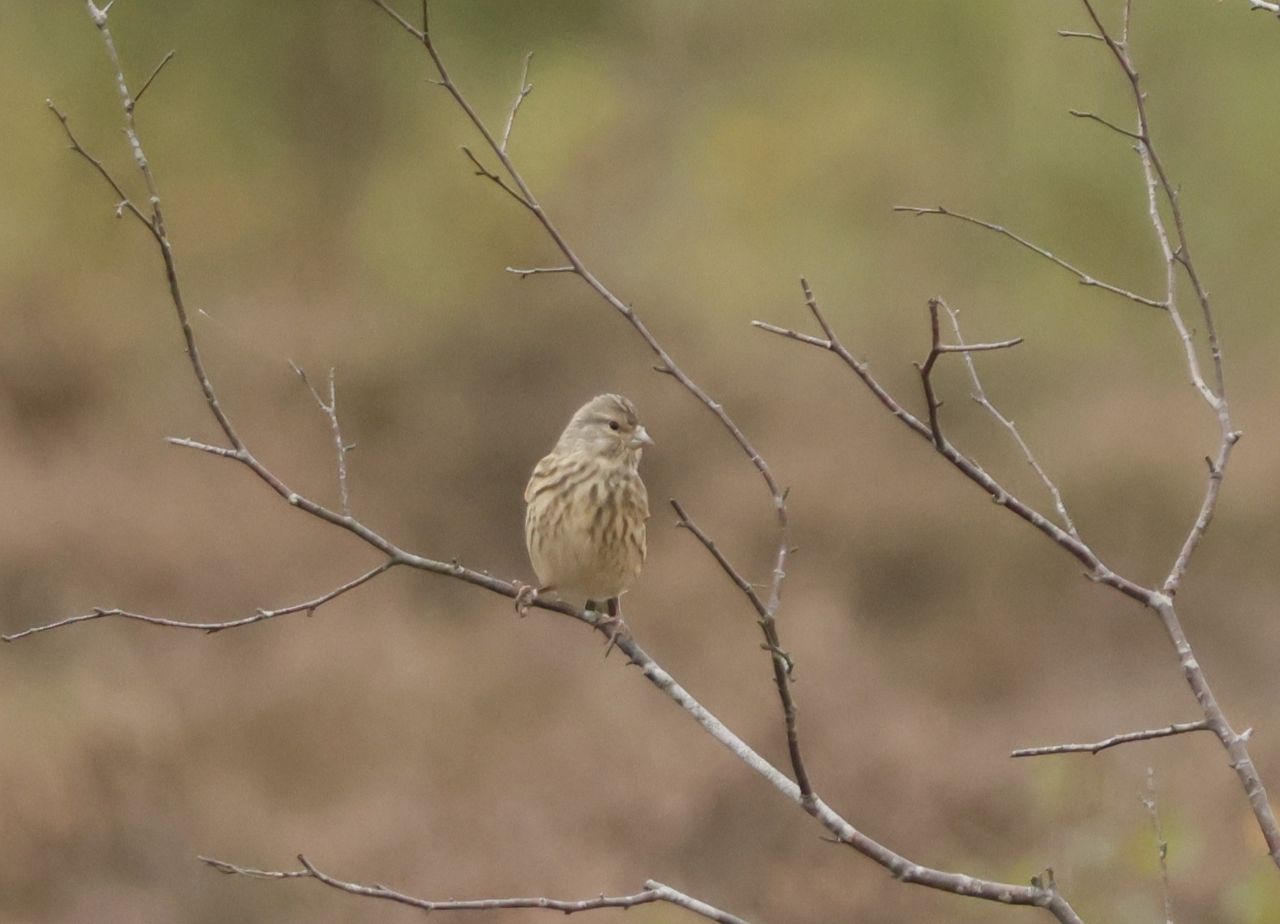
Linnet, Whitmoor Common.
A small flock of linnets continued to attend the heathland, some seen pecking at the heather as its blossom had mostly ended.
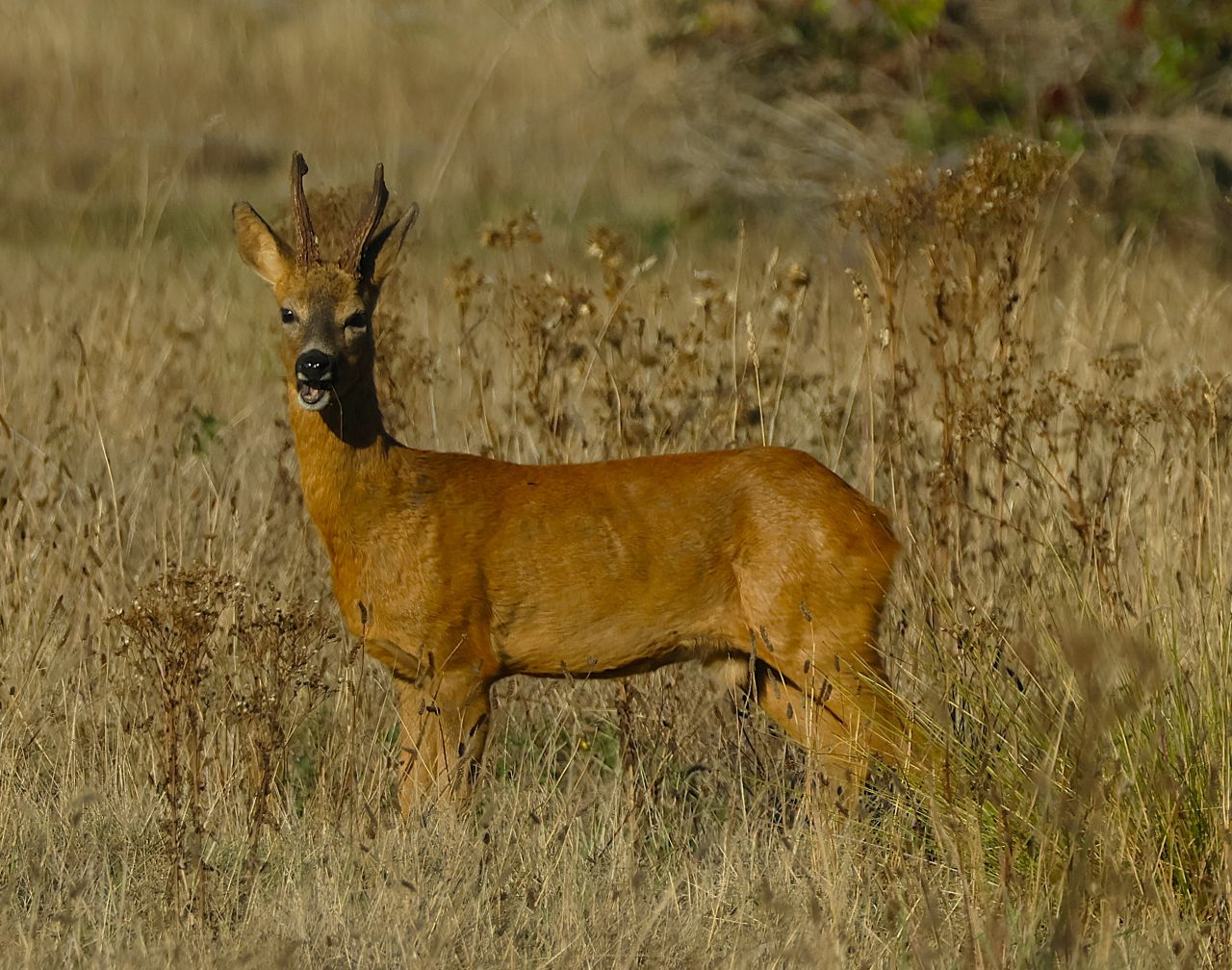
Buck roe deer in the old horse field, Whitmoor Common.
On my visits to the old horse field adjacent to the common, a buck roe deer could regularly be observed across the grassland.
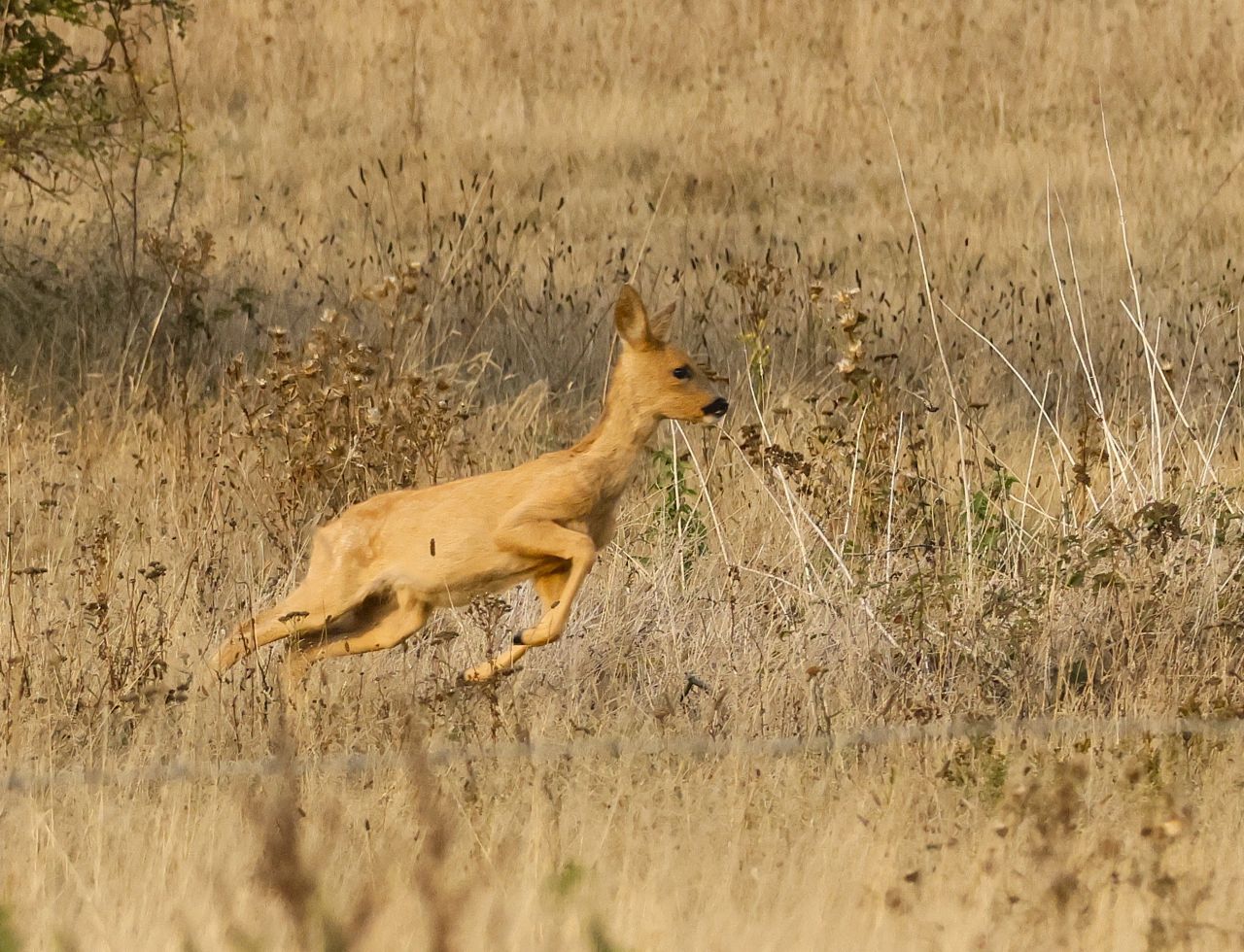
Doe roe deer in the old horse field, Whitmoor Common.
As well as several doe roe deer on occasions.
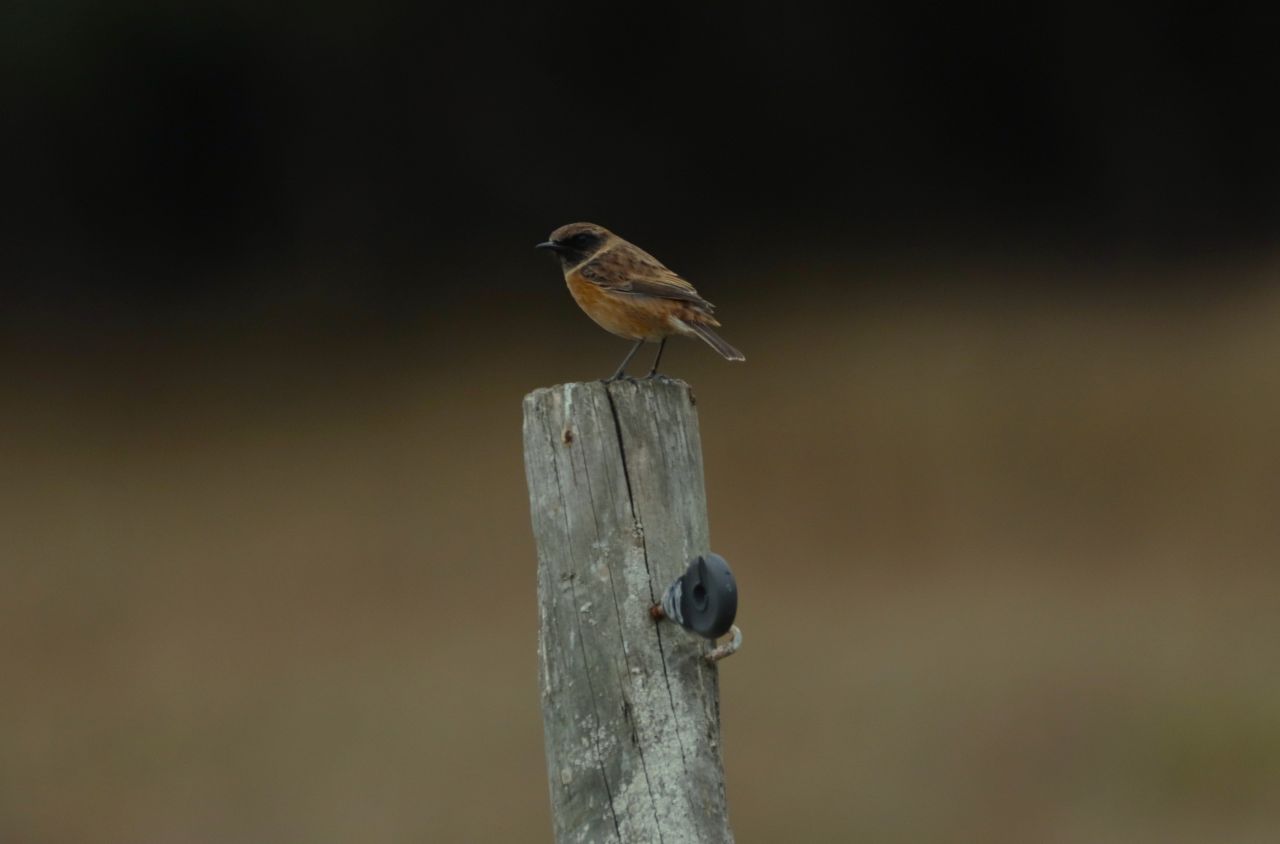
Stonechat, Whitmoor Common.
As well as seen out on the heathland in good number, a pair of stonechats continued to occupy a part of the field.

Green woodpecker, Whitmoor Common.
And regular sightings of green woodpeckers.
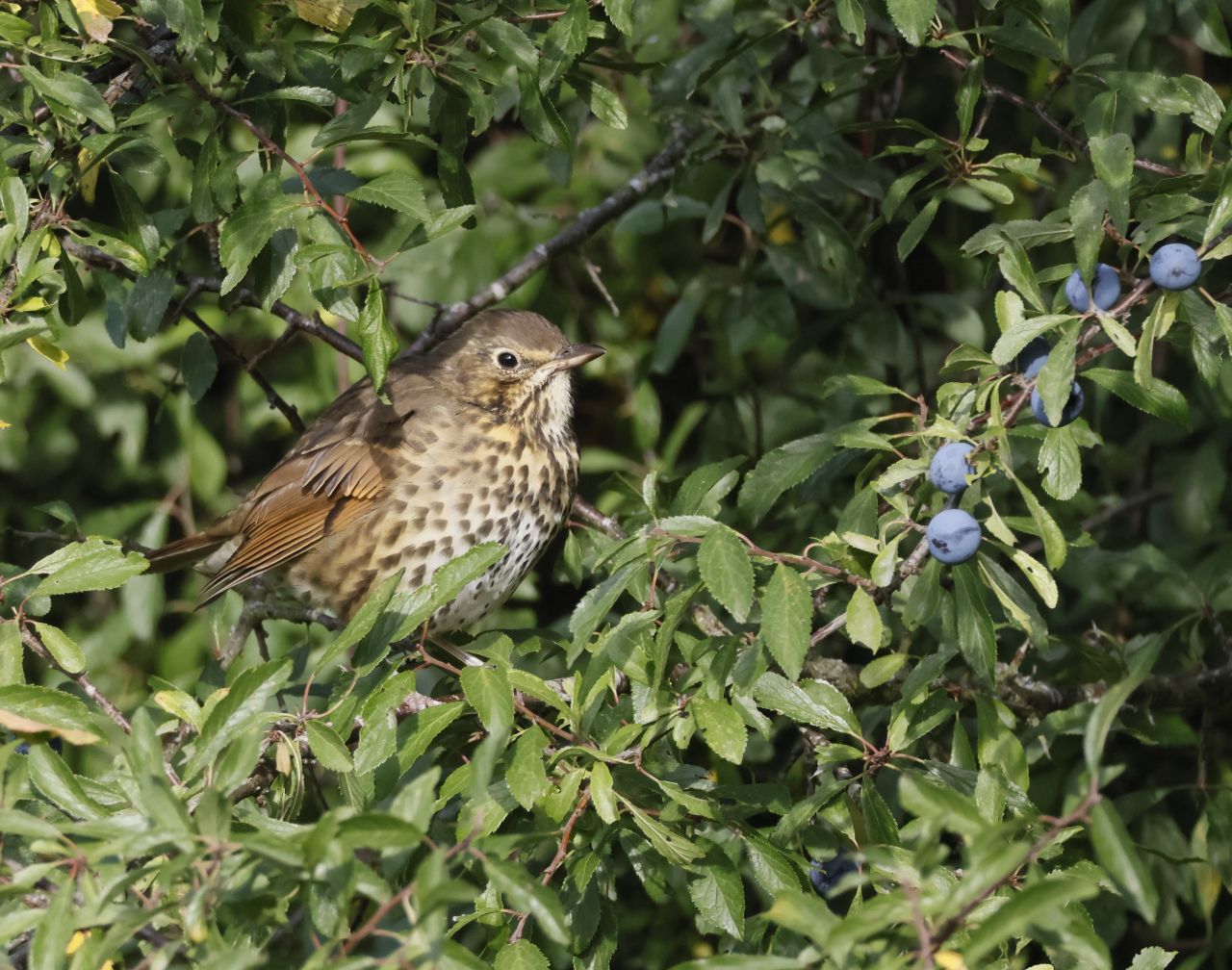
Song thrush in a blackthorn bush, Whitmoor Common..
Across the field and perched up in a blackthorn bush a very confiding song thrush posed for a photo.
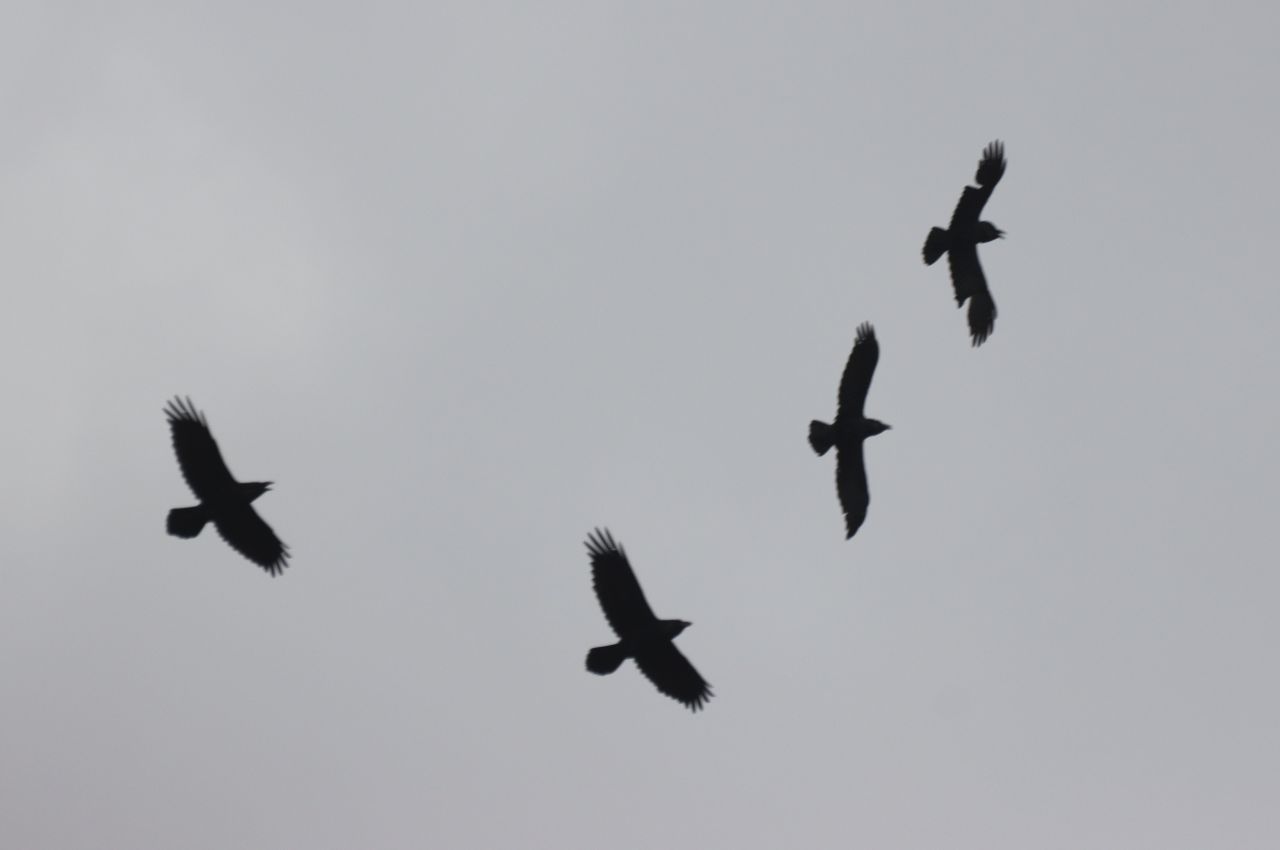
Ravens, Whitmoor Common.
On September 18 the feeling of deja vu swept over me. For the second time this month, and for the first time I can recall before, four ravens made an appearance flying just above the treeline and across the field in the same westerly direction.

Wheatear in the old horse field, Whitmoor Common.
On September 28 a wheatear made an appearance there, stopping off to feed on insects in the field as it made its journey south.
Clouded yellow butterfly in the old horse field, Whitmoor Common.
At least four clouded yellow butterflies continued to be counted during the latter days of the month with at least two still present on September 30.
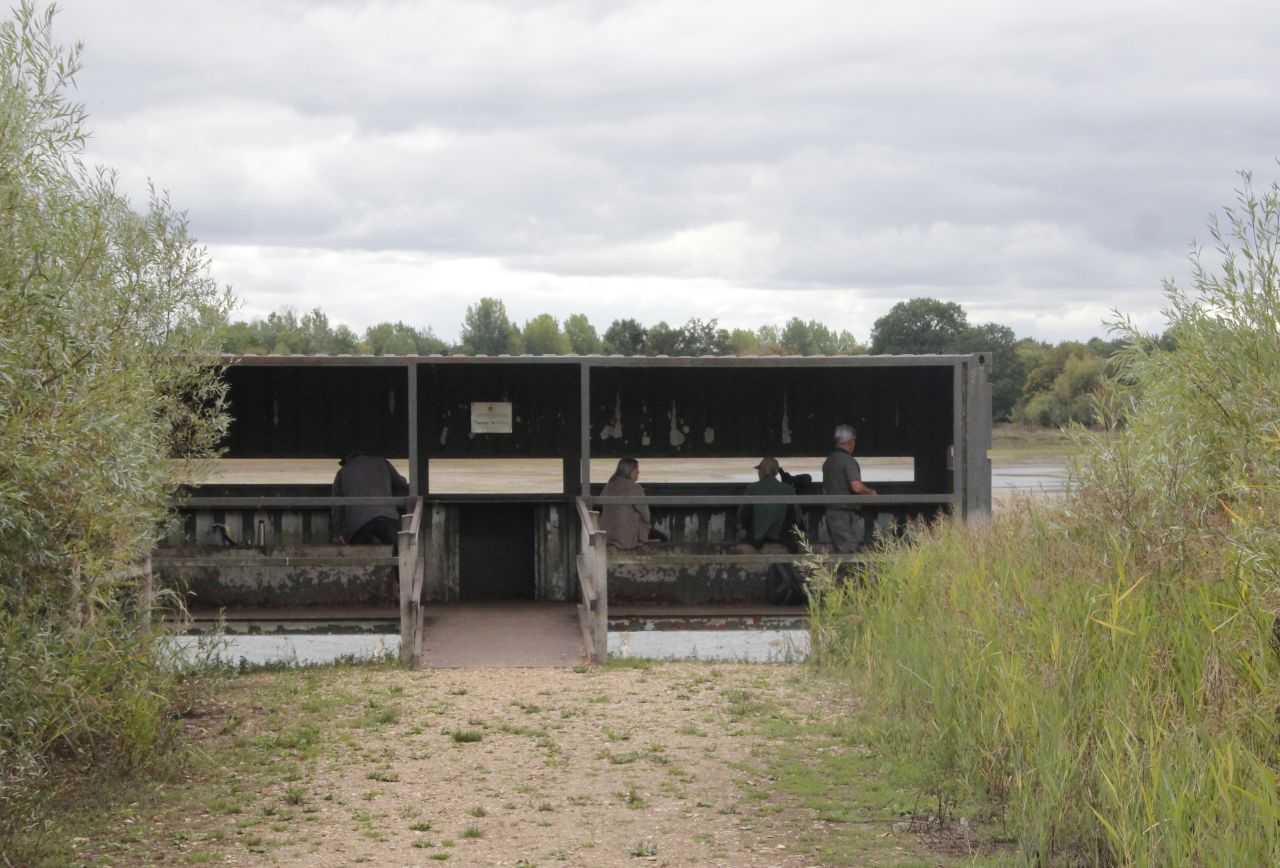
Lower Hide, Tice’s Meadow.
Back in the company of Bob and Dougal on September 27, we visited Tice’s Meadow Nature Reserve, near Farnham.
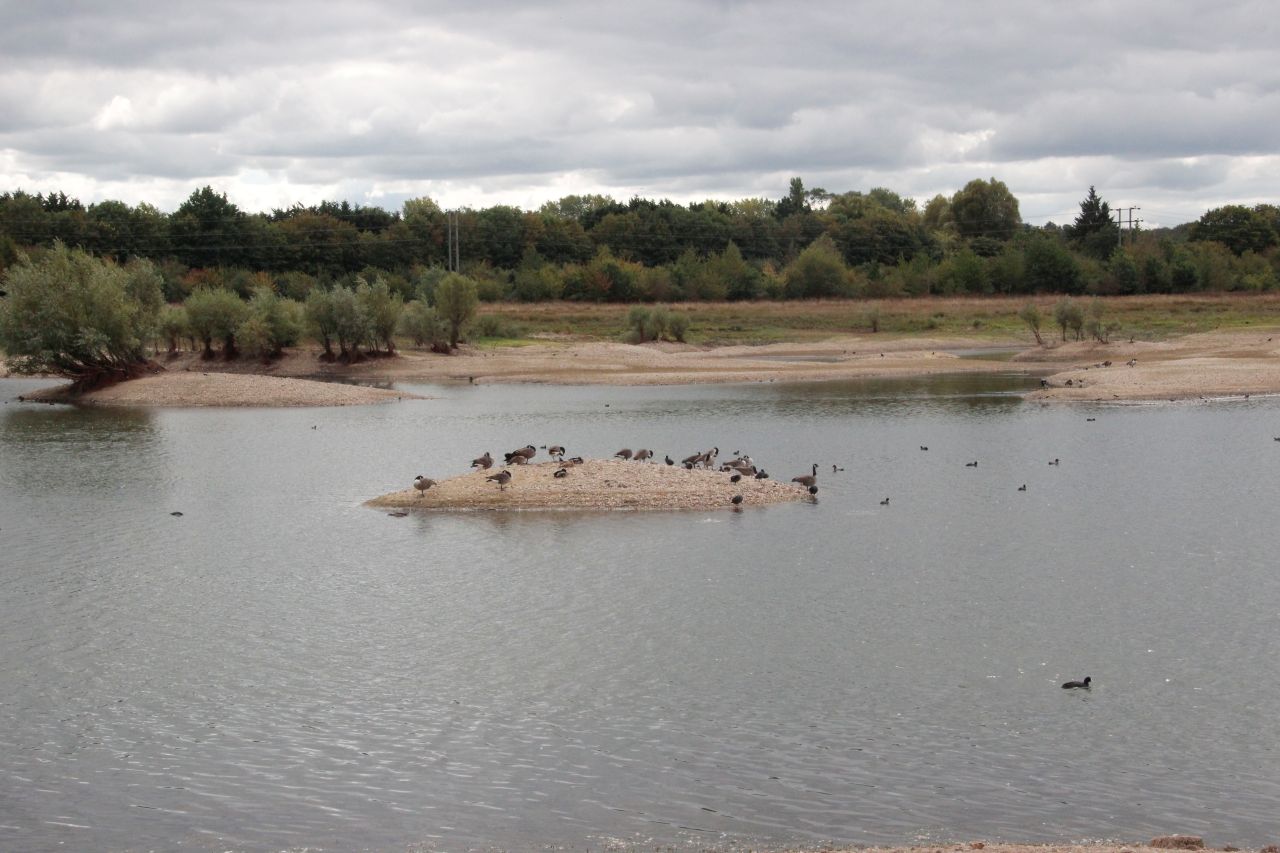
Tice’s Meadow.
Water levels in the old workings still remained at the lowest I can recall. Access to the lower hide saw many islands across the workings that I had never realised existed.
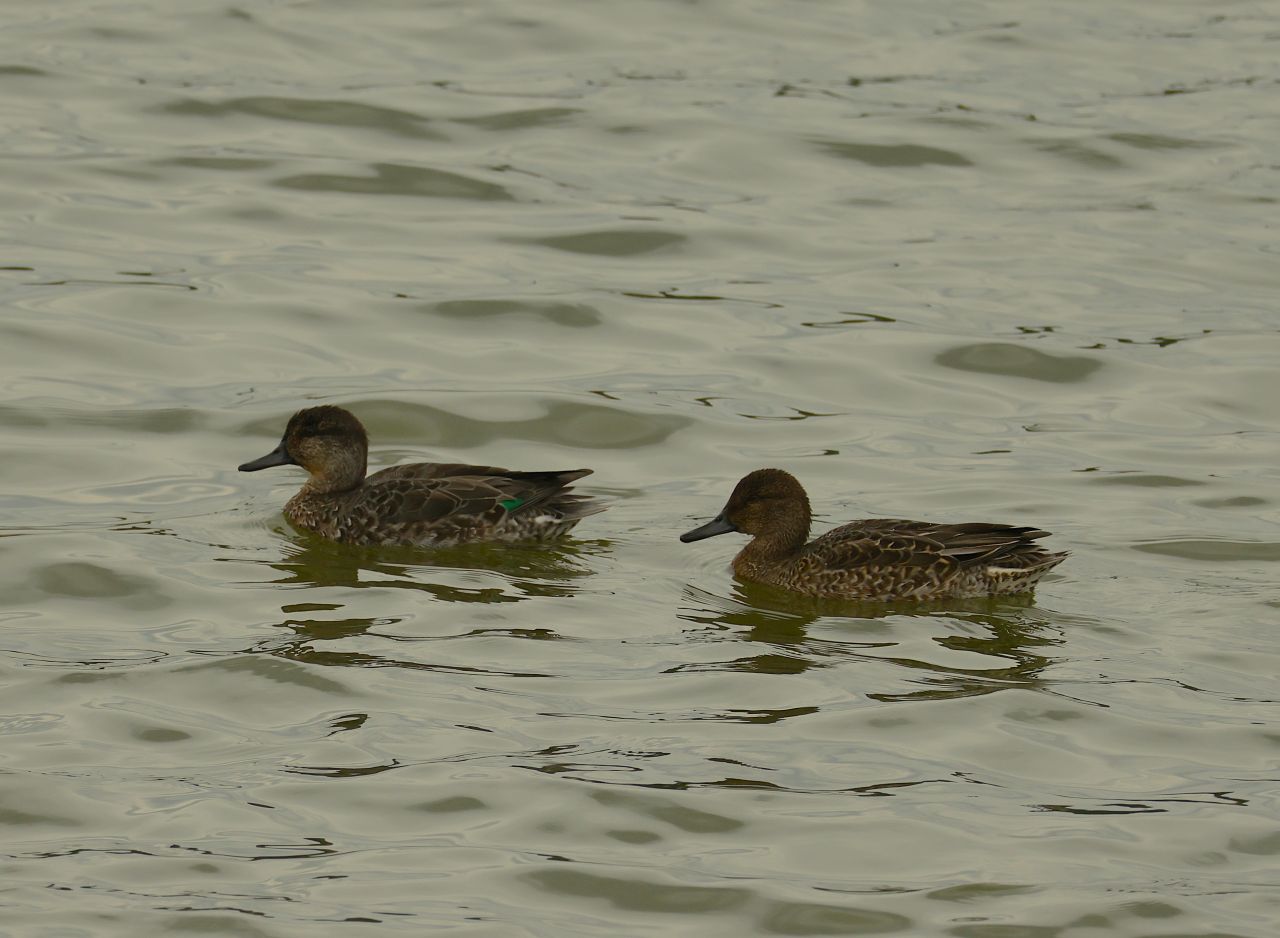
Teal, Tice’s Meadow.
Close to view from the hide were several teal, now already starting to ‘colour-up’, having already almost gone through their ‘eclipse’ plumage.

Cormorants lined up on an island, Tice’s Meadow.
As many as 10 cormorants could be counted on one of the islands.
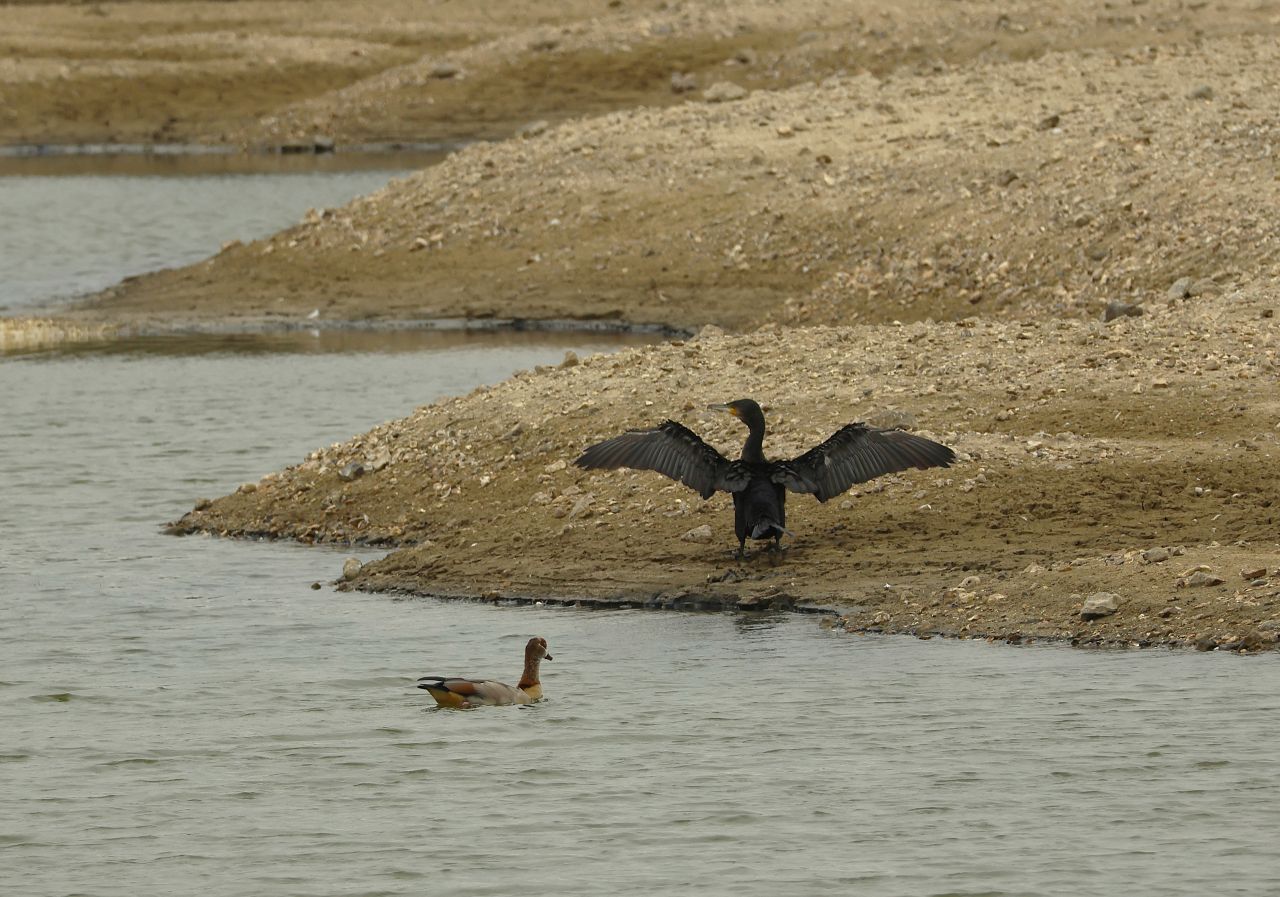
Cormorant, Tice’s Meadow.
While on another island one could be viewed drying off its wings.
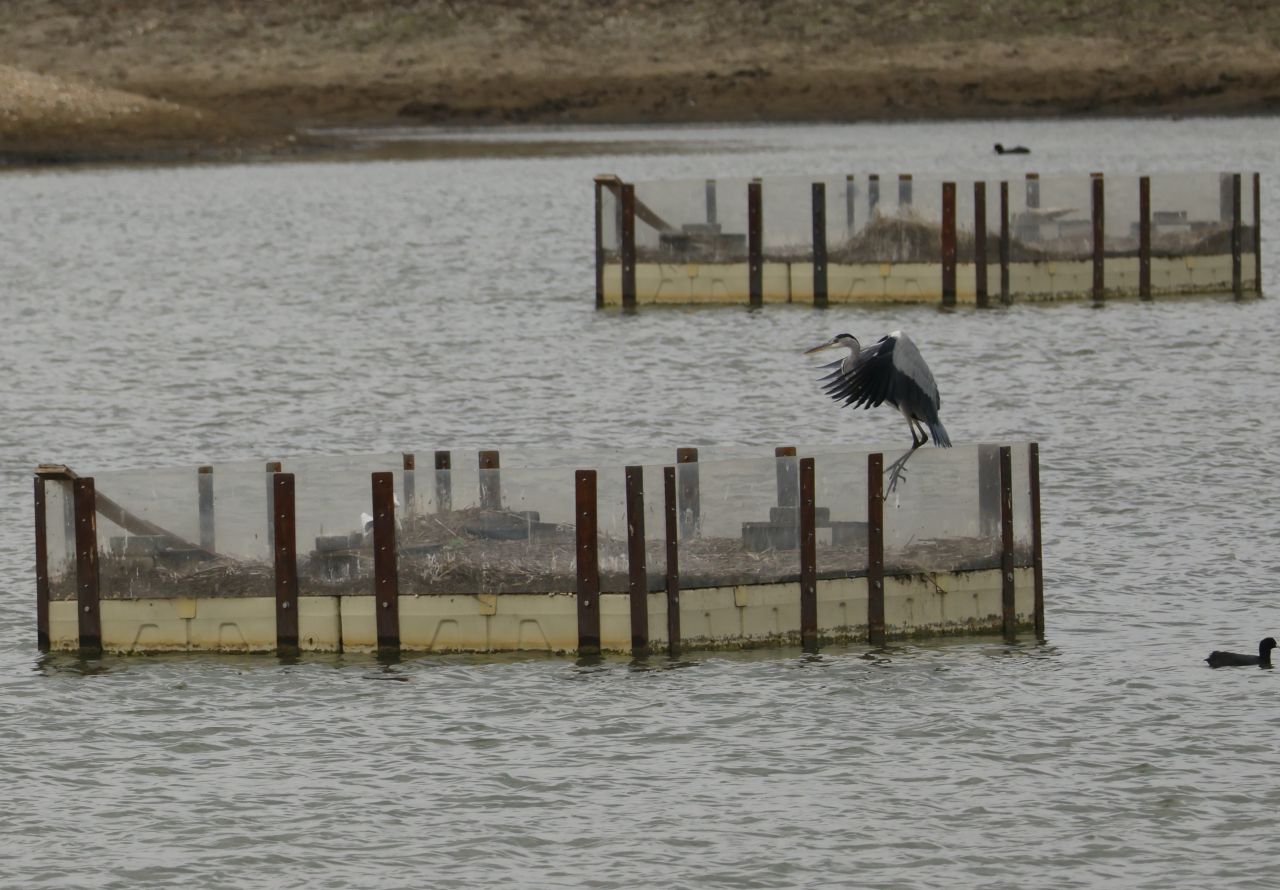
Grey heron, Tice’s Meadow.
As many as half a dozen or more grey herons could also be counted.
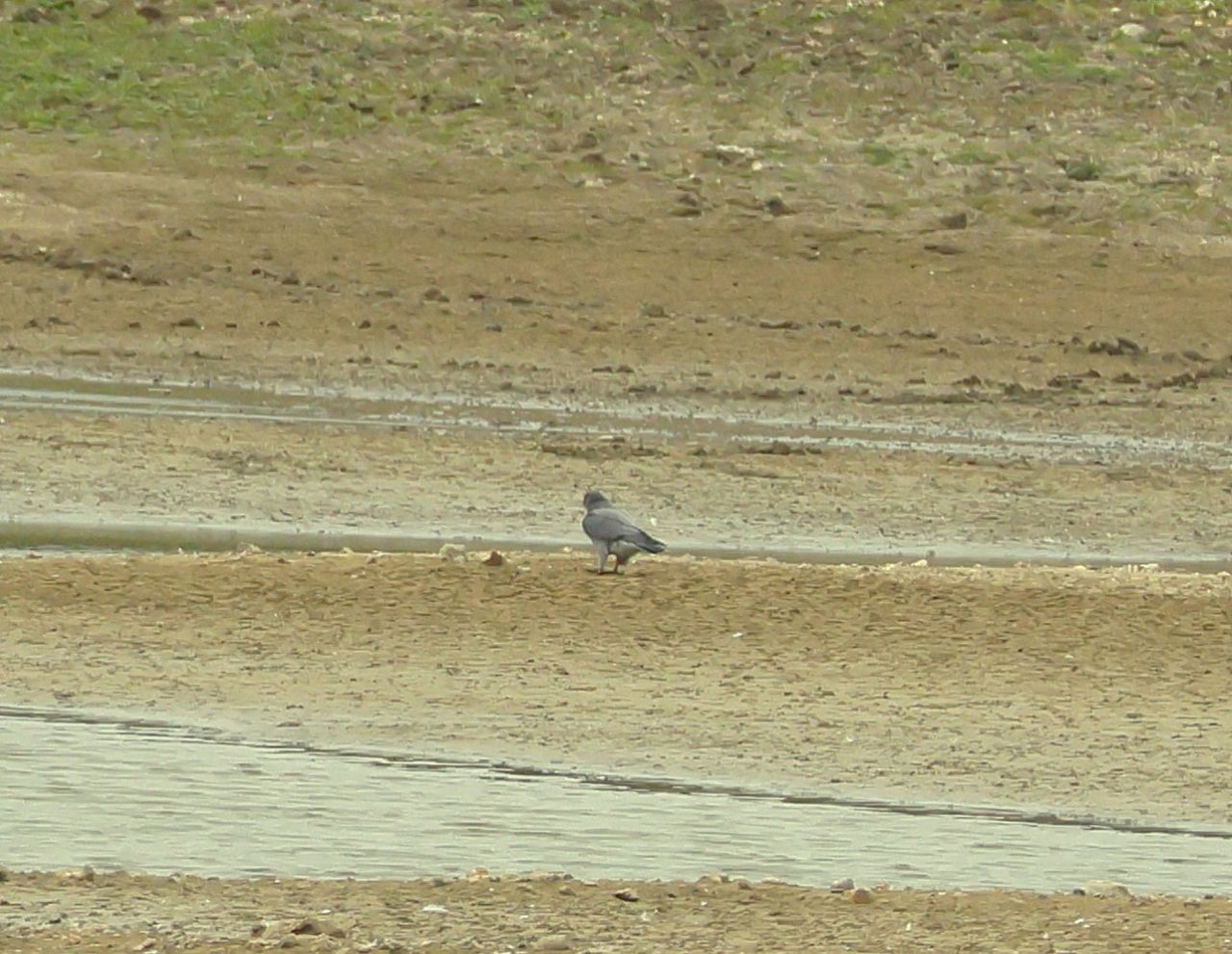
Peregrine, Tice’s Meadow.
On one of the furthest away islands a peregrine falcon could also be picked out.
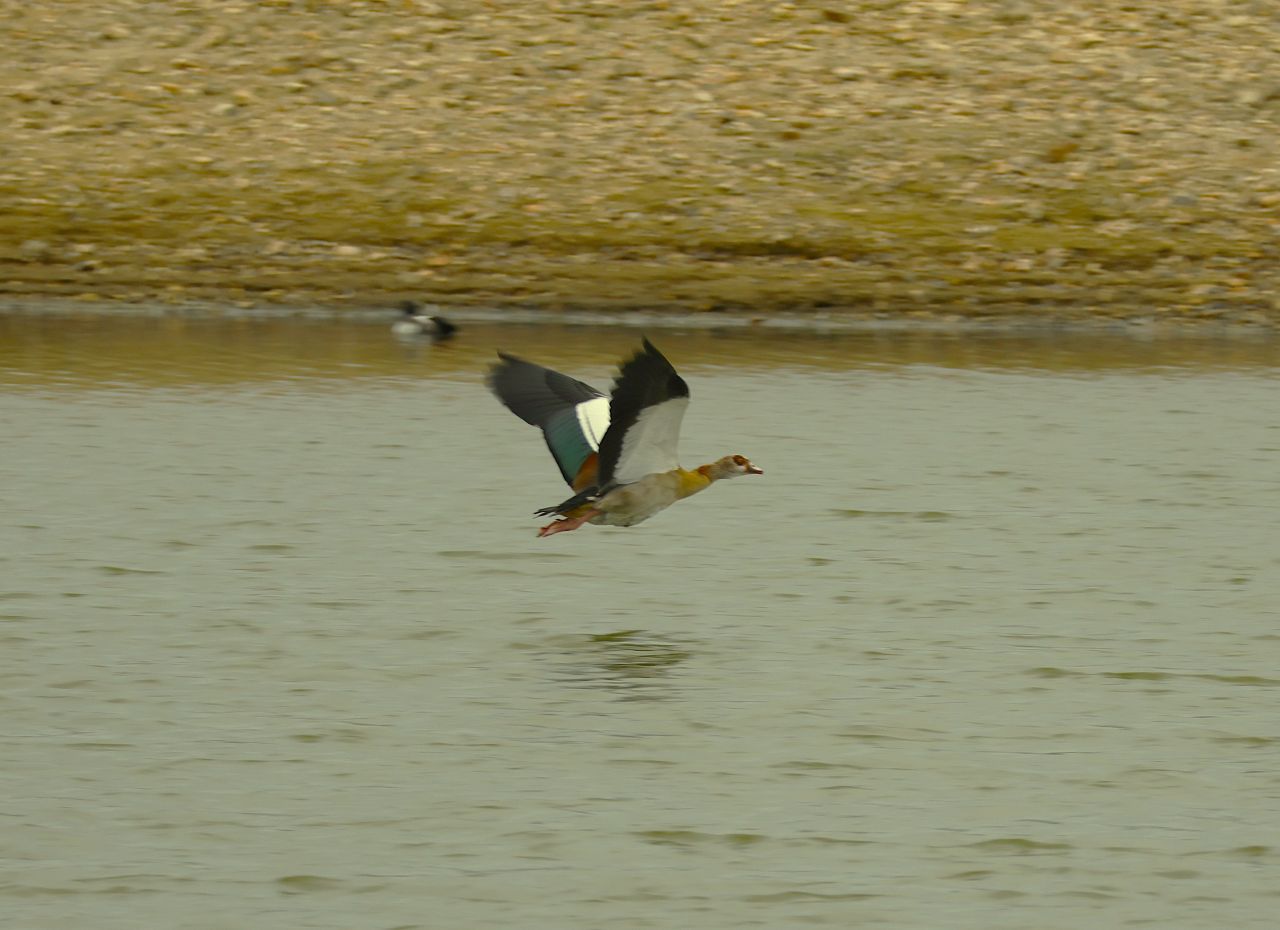
Egyptian goose, Tice’s Meadow.
And two Egyptian geese were also present.
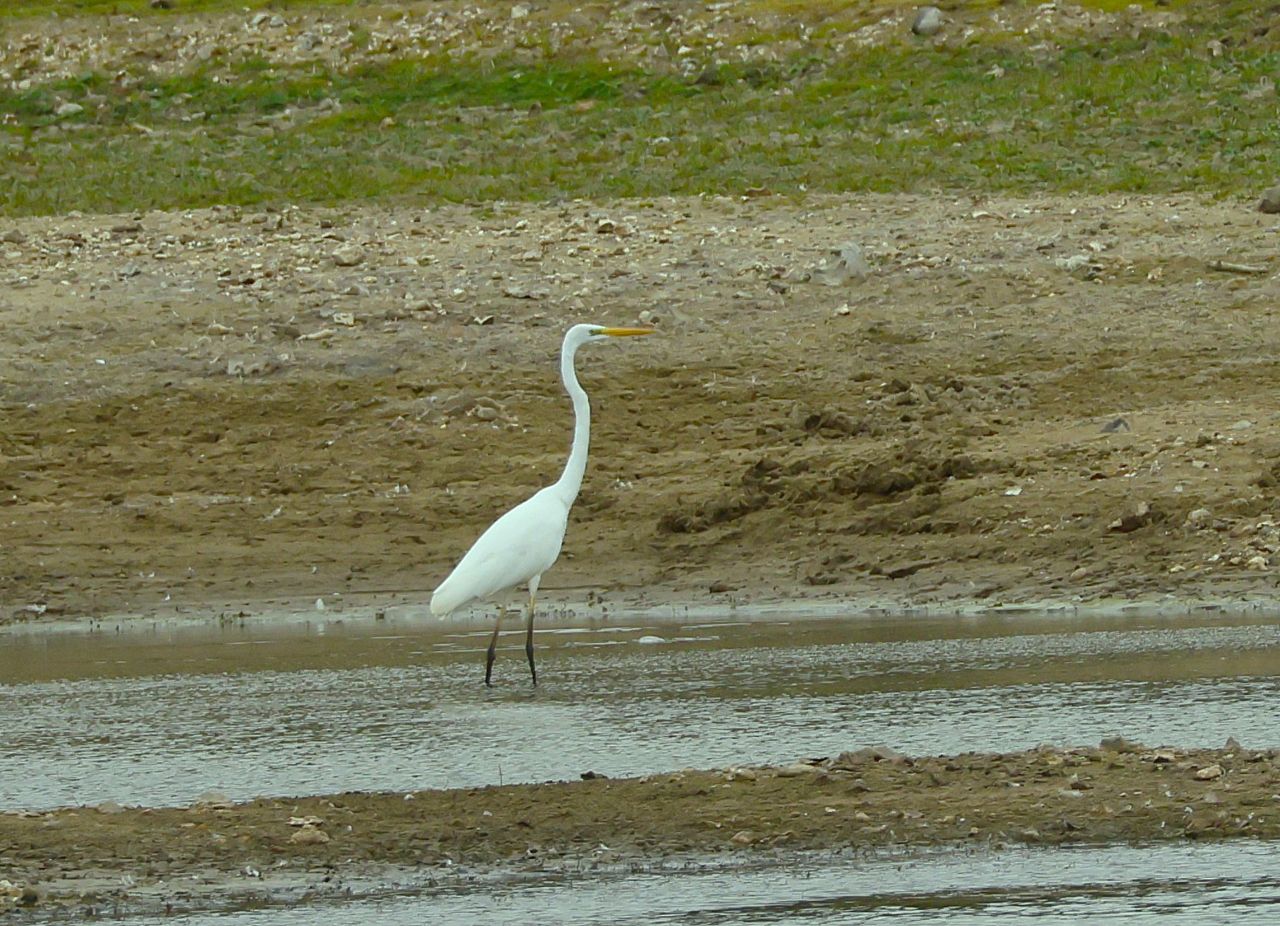
Great white egret, Tice’s Meadow.
Having scanned the waters across the workings for half an hour or more, a great white egret made an appearance from behind one of the mounds on the far bank.
Until recent times these birds were considered a rare and exotic visitor to the UK.
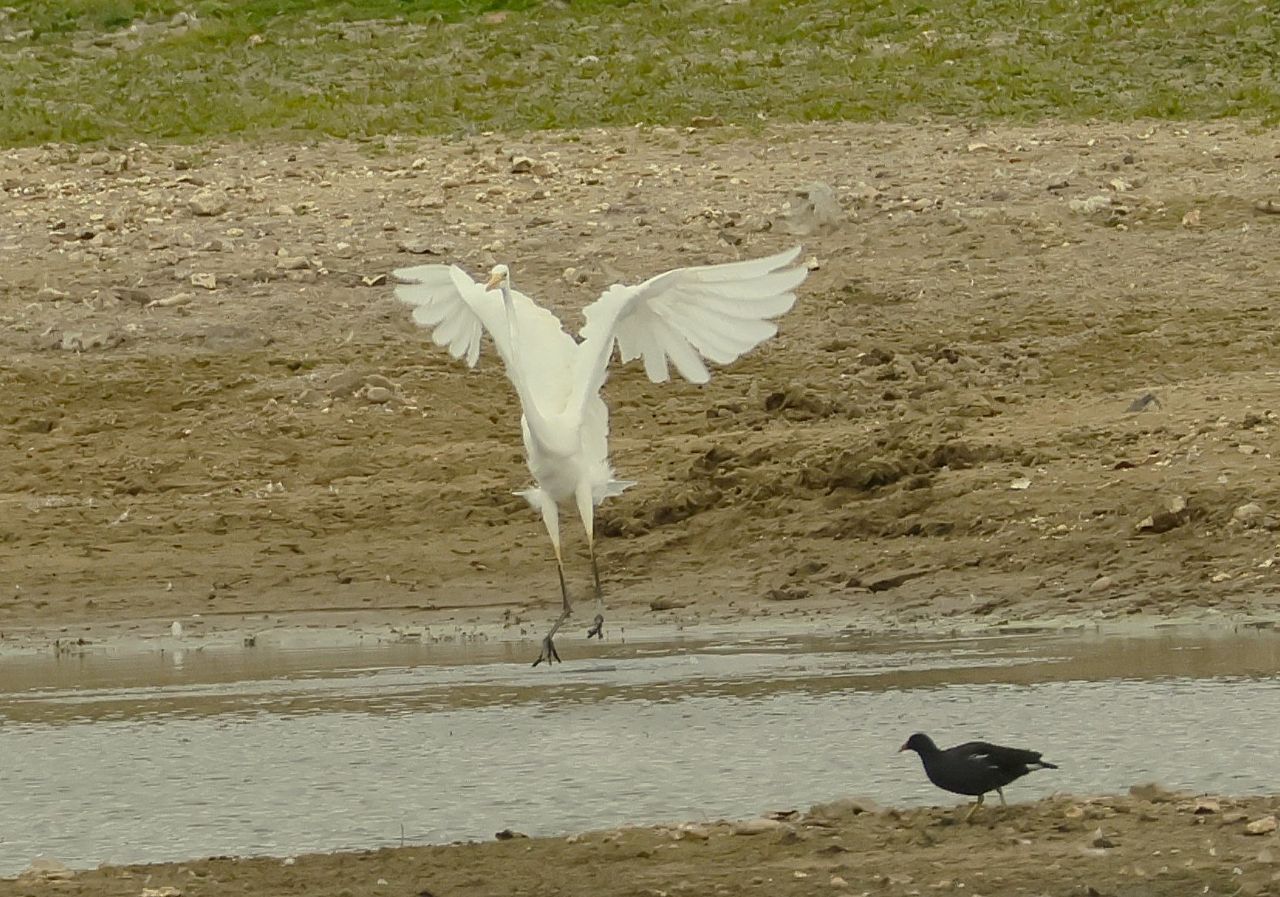
Great white egret, Tice’s Meadow.
However, since having been recorded breeding on the Somerset levels in 2012, and many other locations throughout the British Isles since, like their cousins, the little egret and cattle egret, they have become an increasingly common sighting in recent years especially in the southern counties.
Share This Post











Recent Comments