- Stay Connected

Socialize

 Abraham Lincoln
If given the truth, the people can be depended upon to meet any national crisis...
Abraham Lincoln
If given the truth, the people can be depended upon to meet any national crisis...

 Guildford news...
for Guildford people, brought to you by Guildford reporters - Guildford's own news service
Guildford news...
for Guildford people, brought to you by Guildford reporters - Guildford's own news service
Letter: This Is Not About Access to a Field
Published on: 21 Mar, 2026
Updated on: 22 Mar, 2026
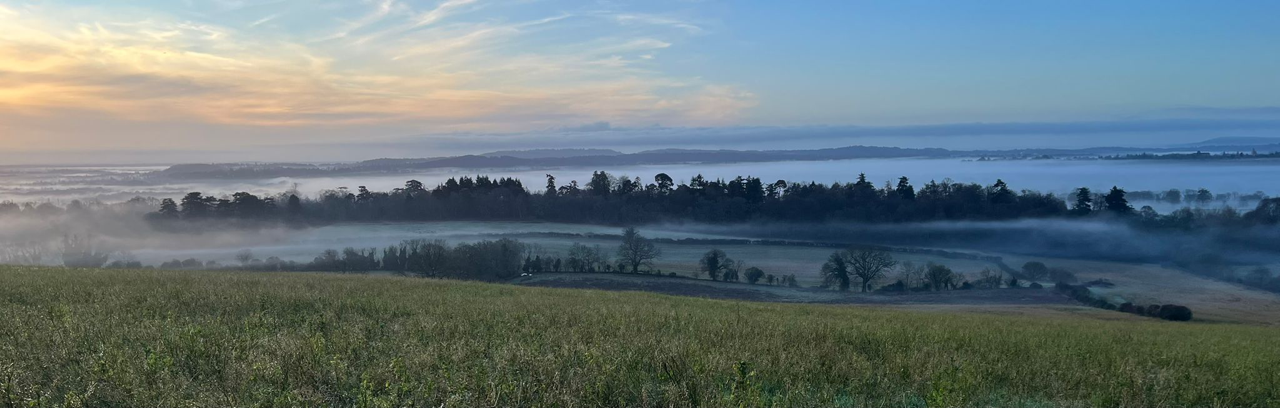
A view from the controversial Hog’s Back path OVRA
From Gavin Morgan
founder of the Guildford History Forum
In response to: Who Would Maintain a Fence by the Hog’s Back ‘South Field’?
I think we need to be constructive about this problem. This is not about access to a field. It is about access to one of the most spectacular views in Surrey.
For decades, local people have been able to walk there and enjoy the landscape that is part of our shared heritage.
The concerns from the tenant farmer are understandable. But so are those of the community. The balance between public access and land management is something that has been worked through in this country for centuries.
From the long history of common rights, through to campaigns associated with organisations such as The Ramblers, access to the countryside has always been the result of discussion, negotiation and practical compromise. Equally, the needs of those who work the land have always had to be respected.
Lincoln Inn Fields in London exists because students in the 1600s wanted access. This established one of London’s first squares and started a unique tradition that has been part of London’s character. Locals in the time of Charles I secured access to Richmond Park and started a tradition of access to royal parks which William Pitt the Elder described as the lungs of London as far back as the 18th century.
There is nothing wrong in the community wanting access to views that belong to all of us so long as it is done with consideration for all parties concerned. The success of the field purchased on Pewley Down shows how land can be fenced off successfully. I am sure the Surrey Wildlife Trust would offer advice. There are grants and schemes in England that can fund things like paths, fencing, gates, and access improvements on farmland.
With goodwill on all sides, there is every reason to hope that access to one of Guildford’s most valued viewpoints can be preserved in a way that is fair, practical and sustainable.
Share This Post



I'm living well for nothing at all! (See: No Trifling Matter: Magpie Trapped in Godalming Sainsbury’s)


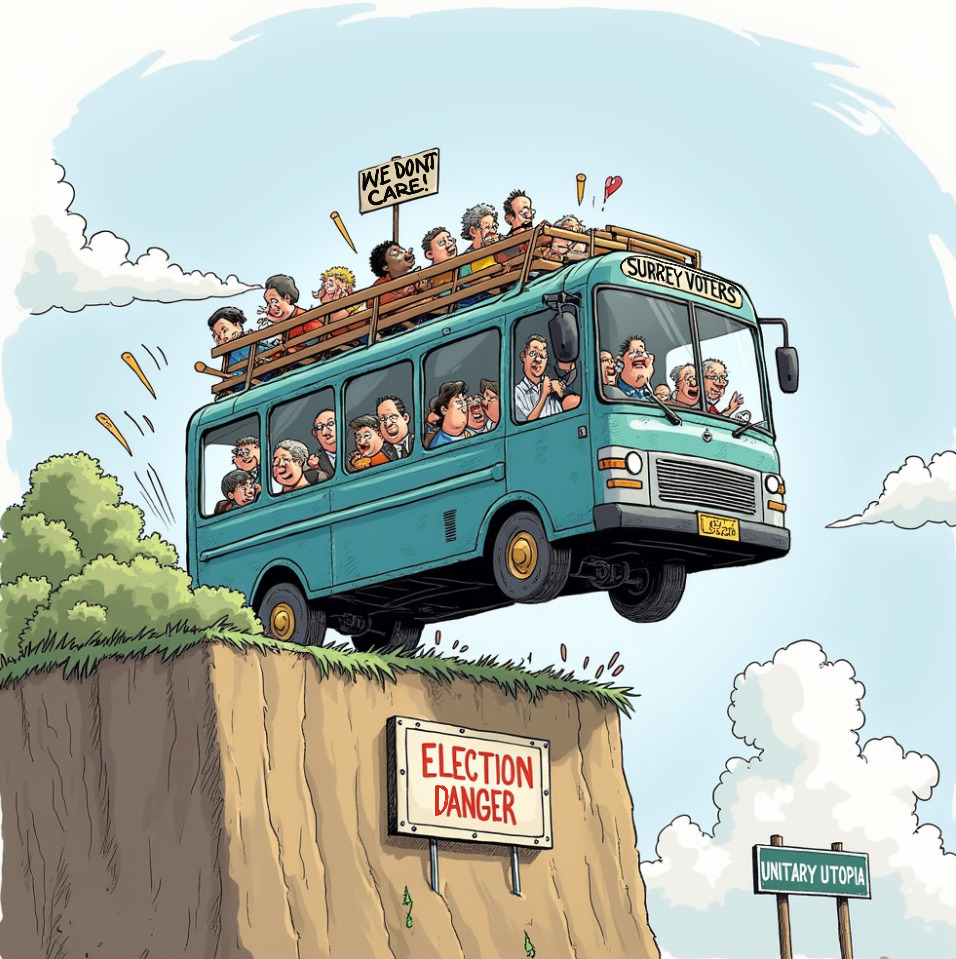
Next stop, Debt Chasm! (See: We Should All Be Outraged About the Failure to Deal with Legacy Debt)





Recent Comments