- Stay Connected

Socialize


 Abraham Lincoln
If given the truth, the people can be depended upon to meet any national crisis...
Abraham Lincoln
If given the truth, the people can be depended upon to meet any national crisis...

 Guildford news...
for Guildford people, brought to you by Guildford reporters - Guildford's own news service
Guildford news...
for Guildford people, brought to you by Guildford reporters - Guildford's own news service
Birdwatcher’s Diary No.347
Published on: 19 Apr, 2026
Updated on: 18 Apr, 2026
By Malcolm Fincham
During the first weeks of April the weather for the most part remained settled with temperatures lifting briefly to 25 Celsius on the 7th and 8th.
These brought the warmest days of the year so far, before returning to mid to low teens.
This gave me little excuses not to get out and about in hope of adding to this year’s sightings and getting a few record-shots with my camera on my local travels.
The month started on a high, having stumbled upon another pair of common crossbills nesting in Surrey. These were on my local heathland at Whitmoor Common.
Keeping a good distance from the nest site and using my long-lensed camera I was able to take what were some of my best photos of them.
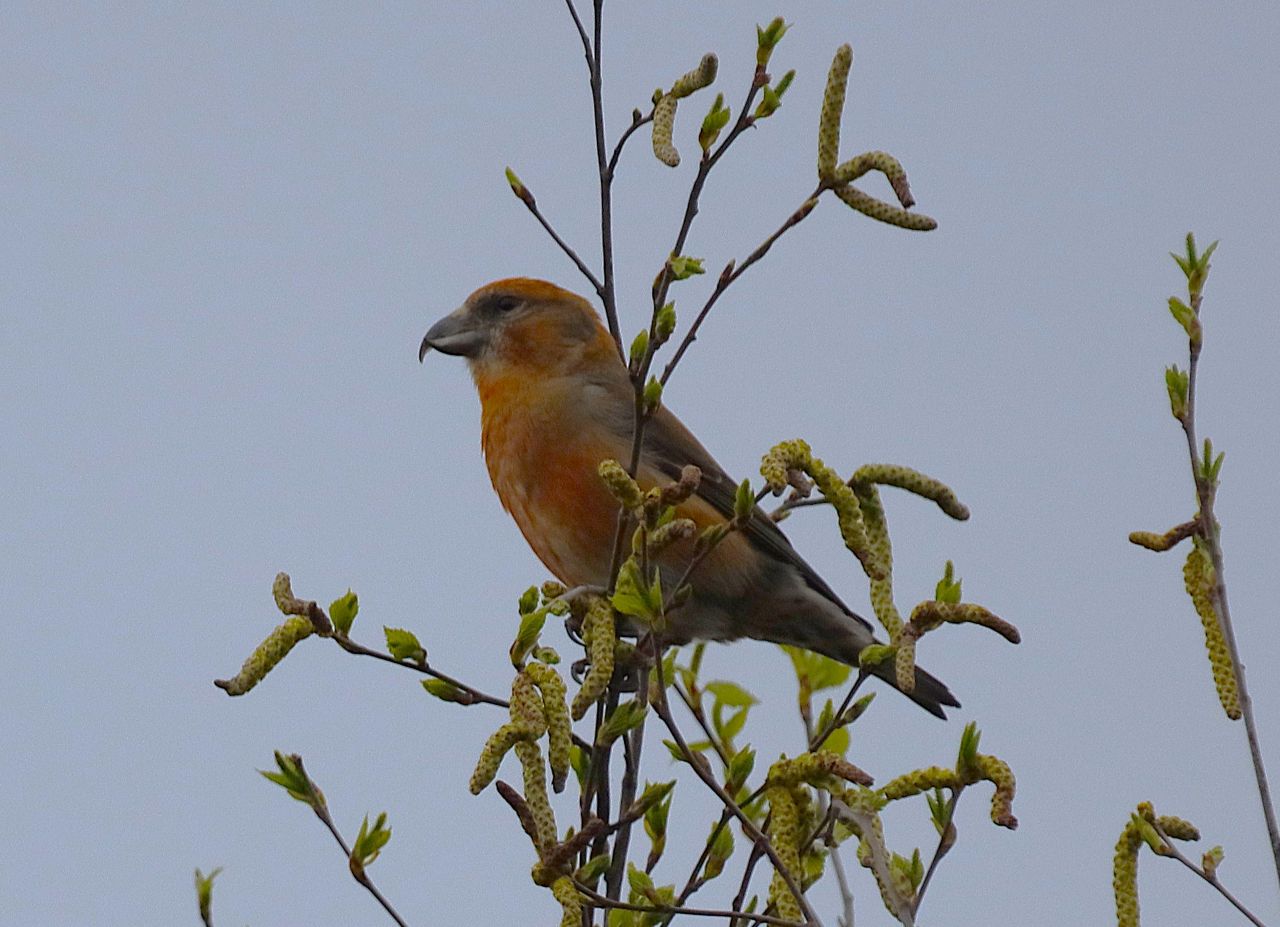
Common crossbill (male), Whitmoor Common.
The brick-red male would occasionally be present, although it spent much time away from the nest site.
The more yellowy-green / olive-coloured female would spend most of its time out of sight on its nest.
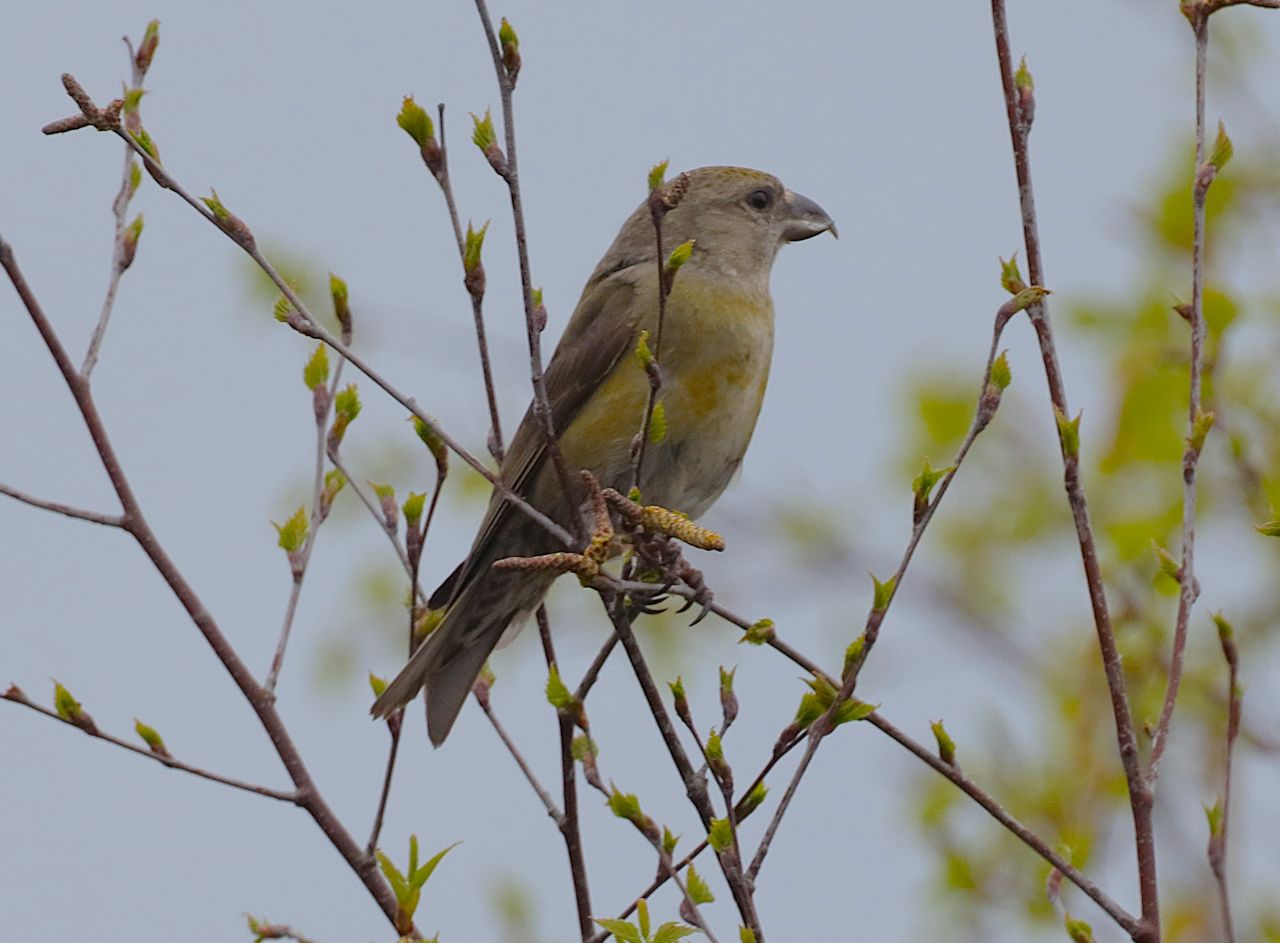
Common crossbill (female), Whitmoor Common.
Occasionally she would make an appearance, close to view, appearing to feed in some nearby silver birches.
These birds are known for being both “irruptive.” and “nomadic” and they don’t stay in one place for long after their breeding season, which can be at any time of the year.
This is because the number of conifer seeds can change a lot from year to year throughout the UK.
If there aren’t enough seeds where they are they will fly. Sometimes long distances to new places to nest where they can find food to raise their young.
In some areas you might see them one year and not the next because their visits are so “irregular.”
I felt very privileged finding two nest sites locally, in Surrey, in recent weeks, having never previously found any before in my entire life!
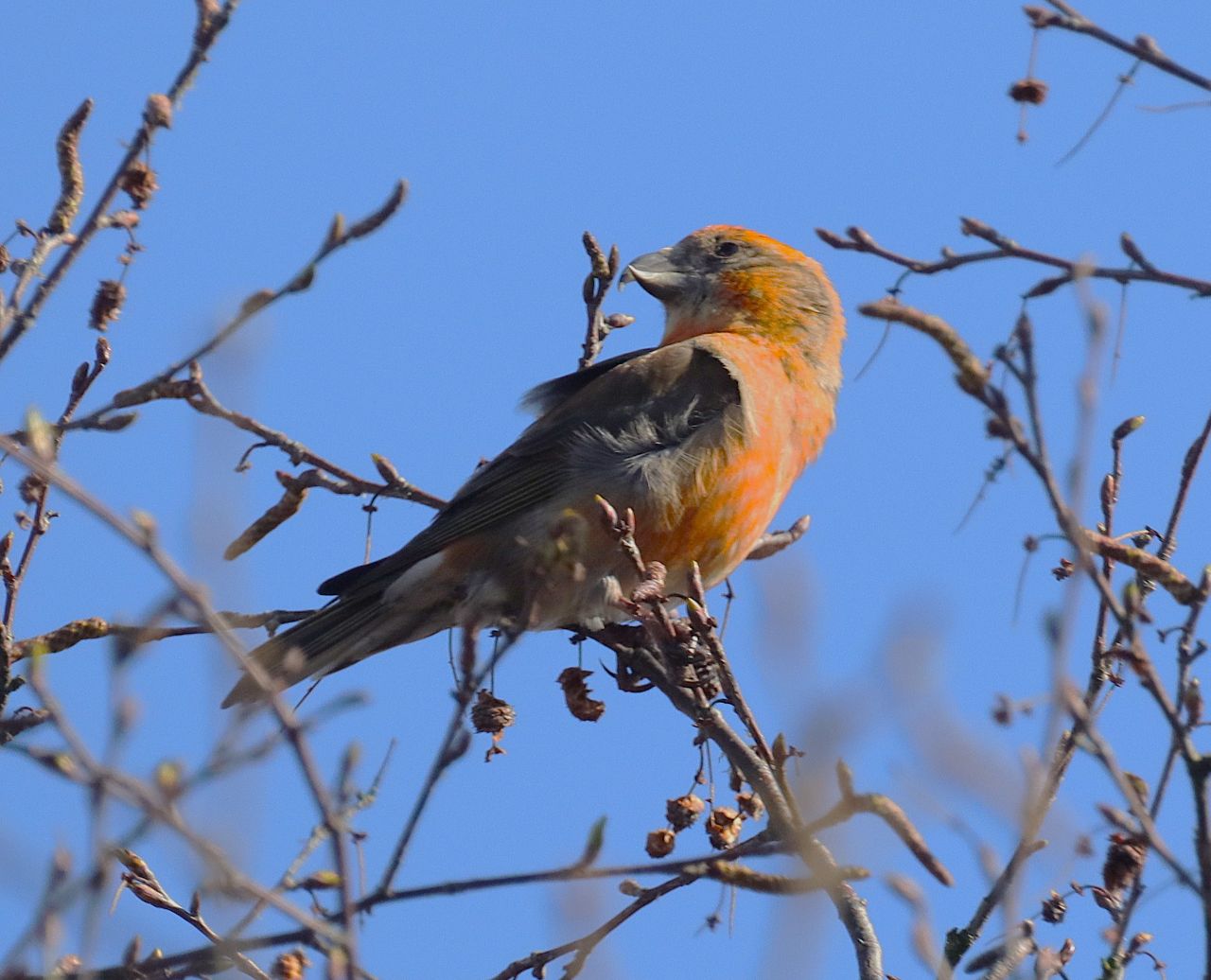
Common crossbill. These special birds have mandibles (the parts of their beak) that cross over each other at the tips. This unusual shape gives them their name!
Crossbills use their crossed beaks like a tool to open up the scales of pine cones.
This helps them pull out the seeds they love to eat.
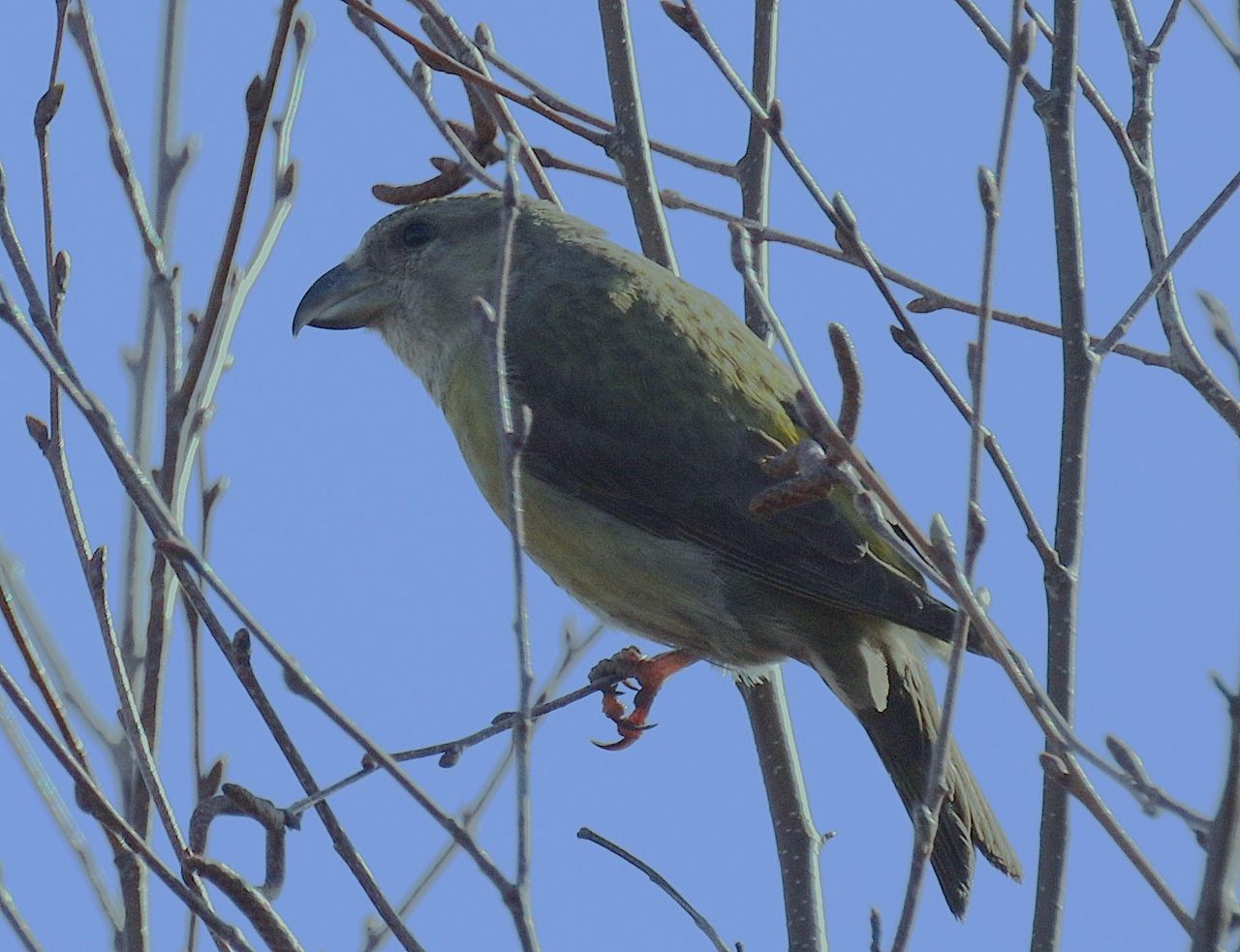
Common crossbill (female), Whitmoor Common.
Their beaks grow throughout their lives, helping them to adapt to the kinds of seeds they prefer.
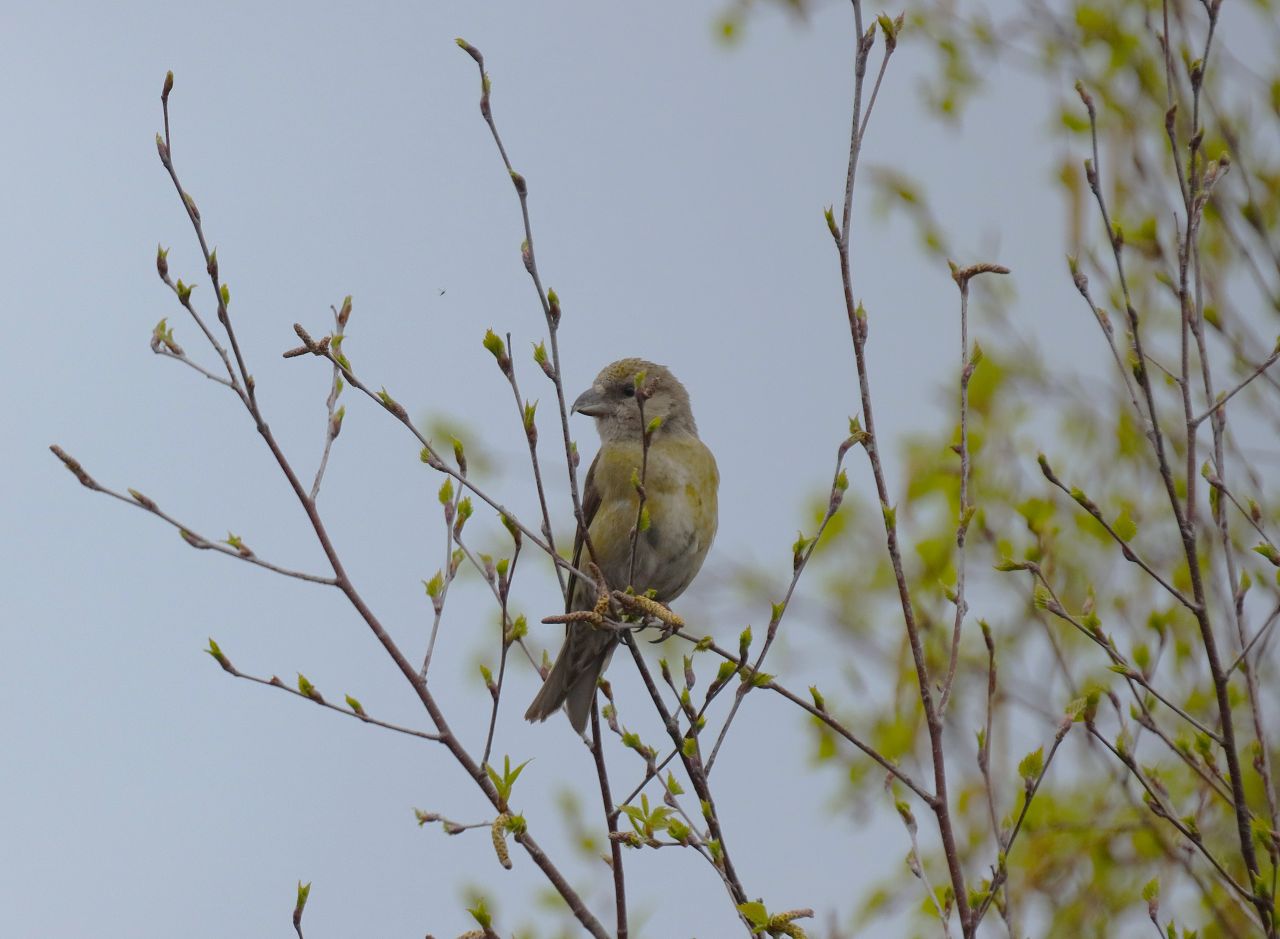
Common crossbill (female). A crossbill uses its beak like a tool to open pine cones for their seeds.
Being members of the ‘family of finches’, to me they are a good example of Darwin’s Galápagos island ‘finches’ back in the days of his researches. https://news.harvard.edu/gazette/story/2006/07/how-darwins-finches-got-their-beaks/
Unfortunately, on Whitmoor Common I wasn’t the only one paying attention to the crossbills’ nesting site. The harsh rattling sounds of at least three magpies could be heard in conversation.
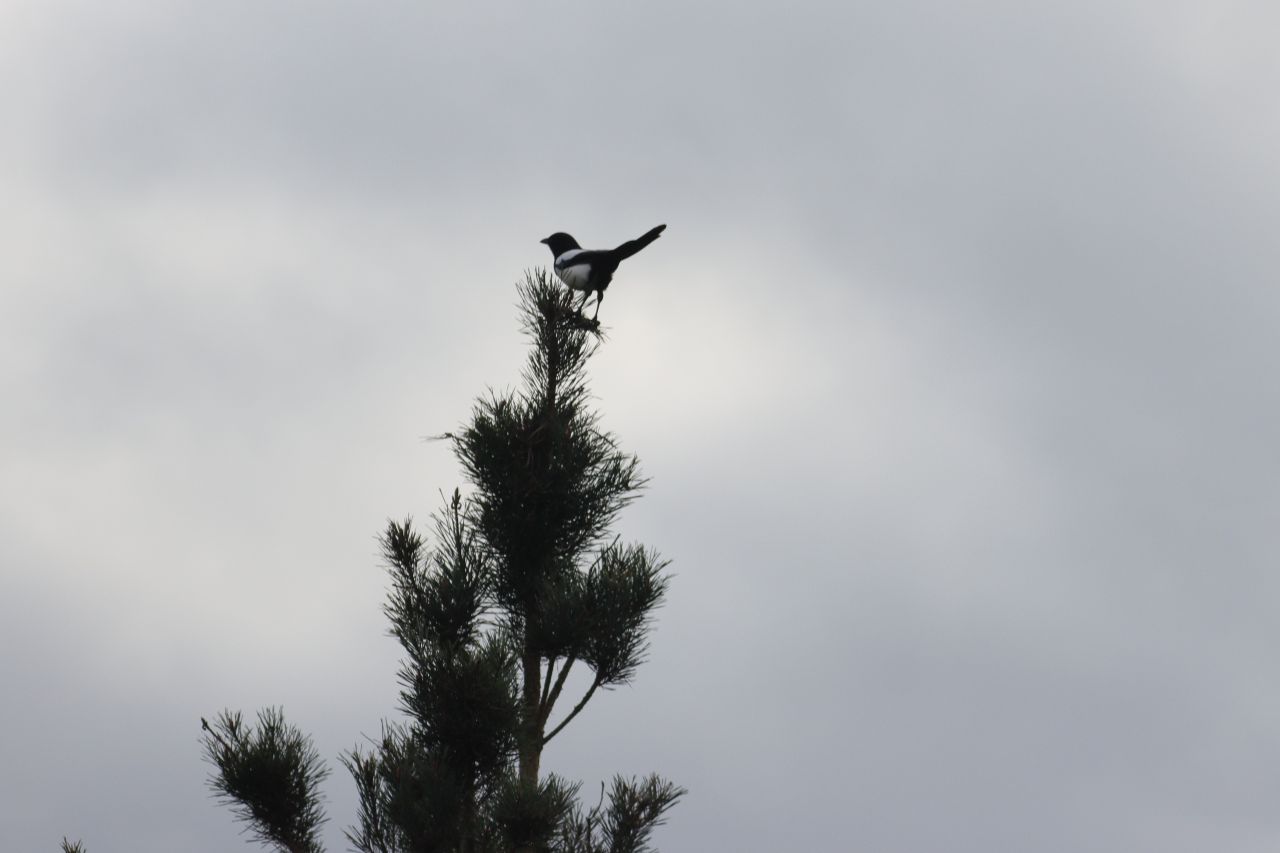
Magpie, Whitmoor Common.
As soon as I noted one of the magpies perching in a pine tree just below the nest site, my heart sank as I realised it would soon be ‘game over’ for the crossbill chicks when they hatched.
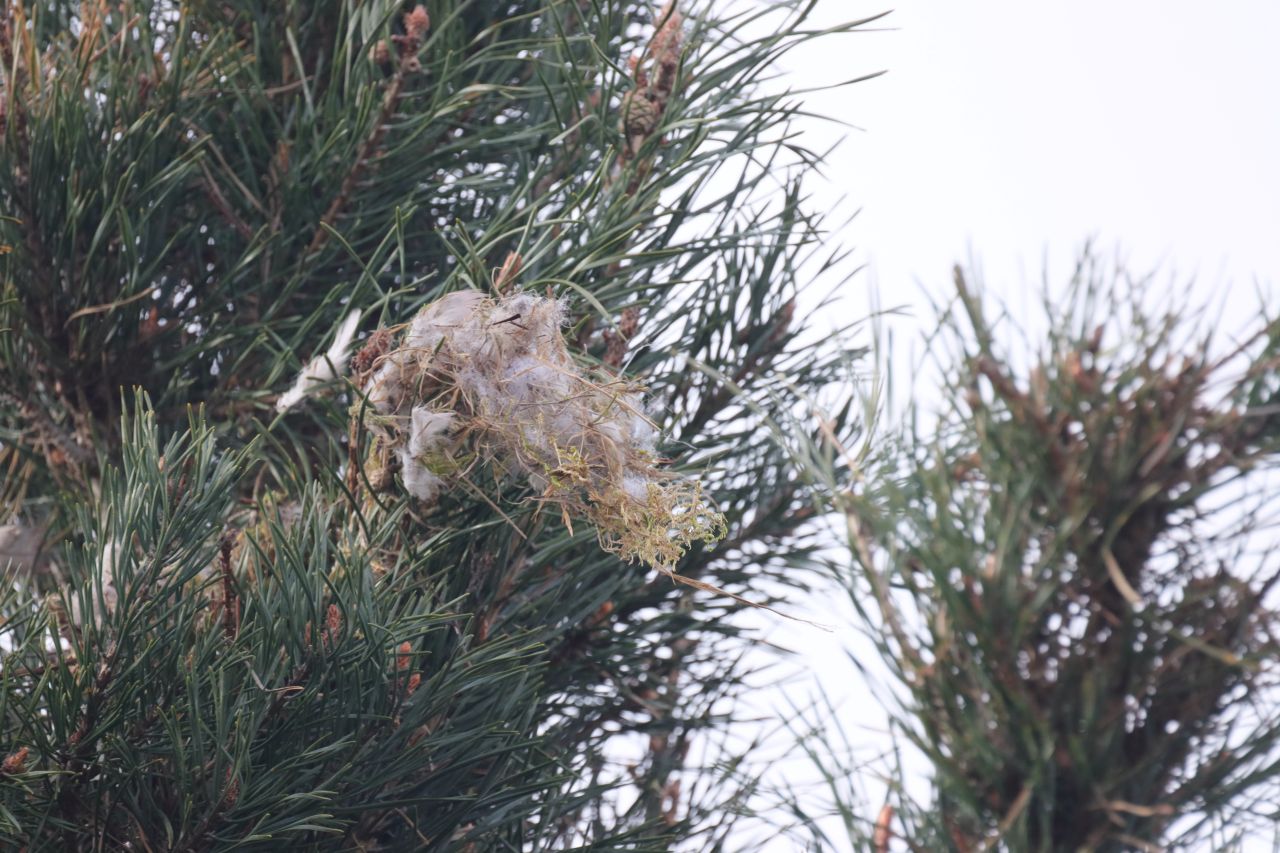
Remains of crossbill nest raided by magpies.
On my return the next day my fears were confirmed.
With no crossbills present, all that could be observed was nesting material hanging out from the top of pine they had nested in.
Thus having to console myself with the saying “It is better to have loved and lost.” Such is nature, I guess?
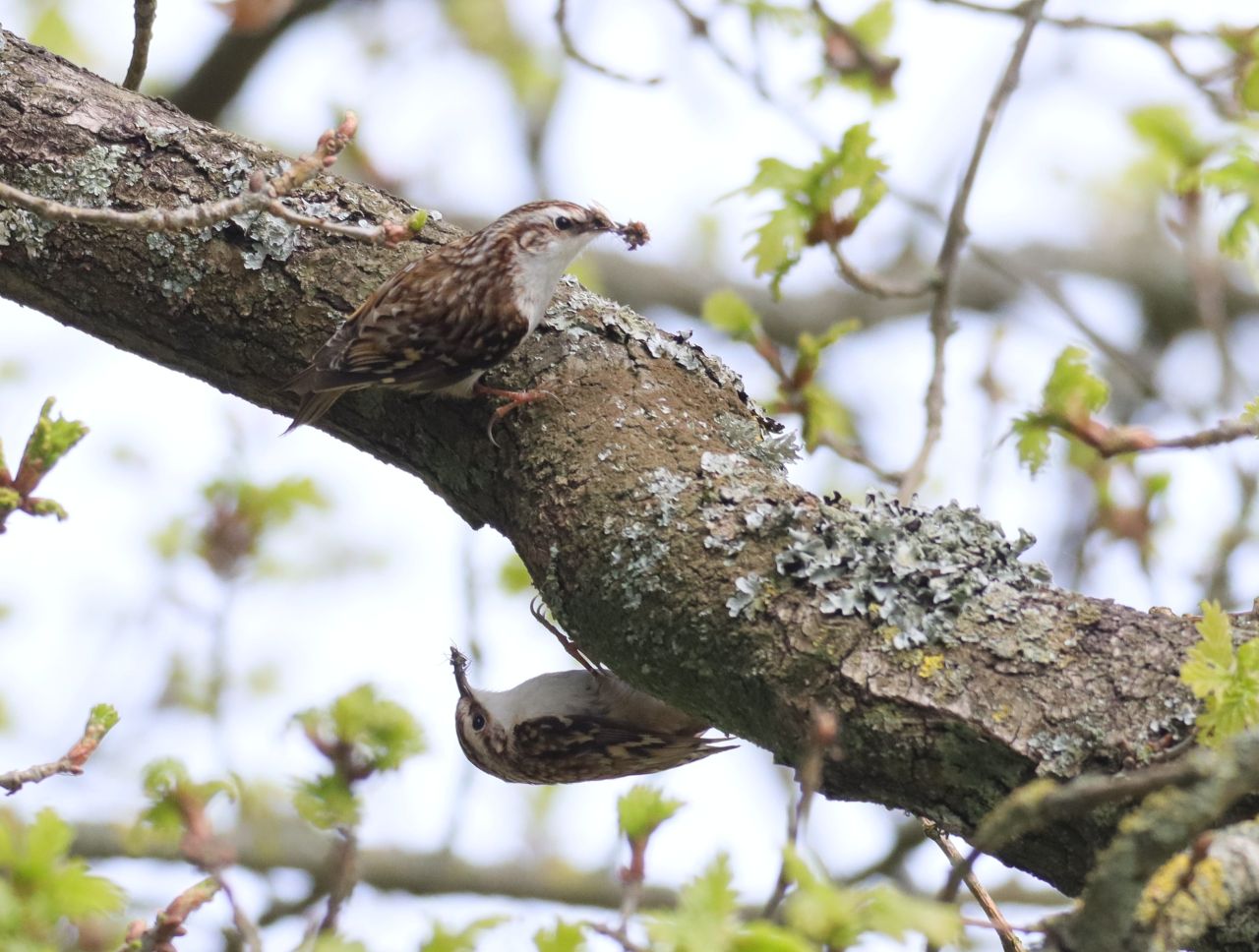
Treecreepers, Whitmoor Common.
Other visits to Whitmoor Common during the first weeks of the month saw a pair of treecreepers appearing to be collecting nesting material.
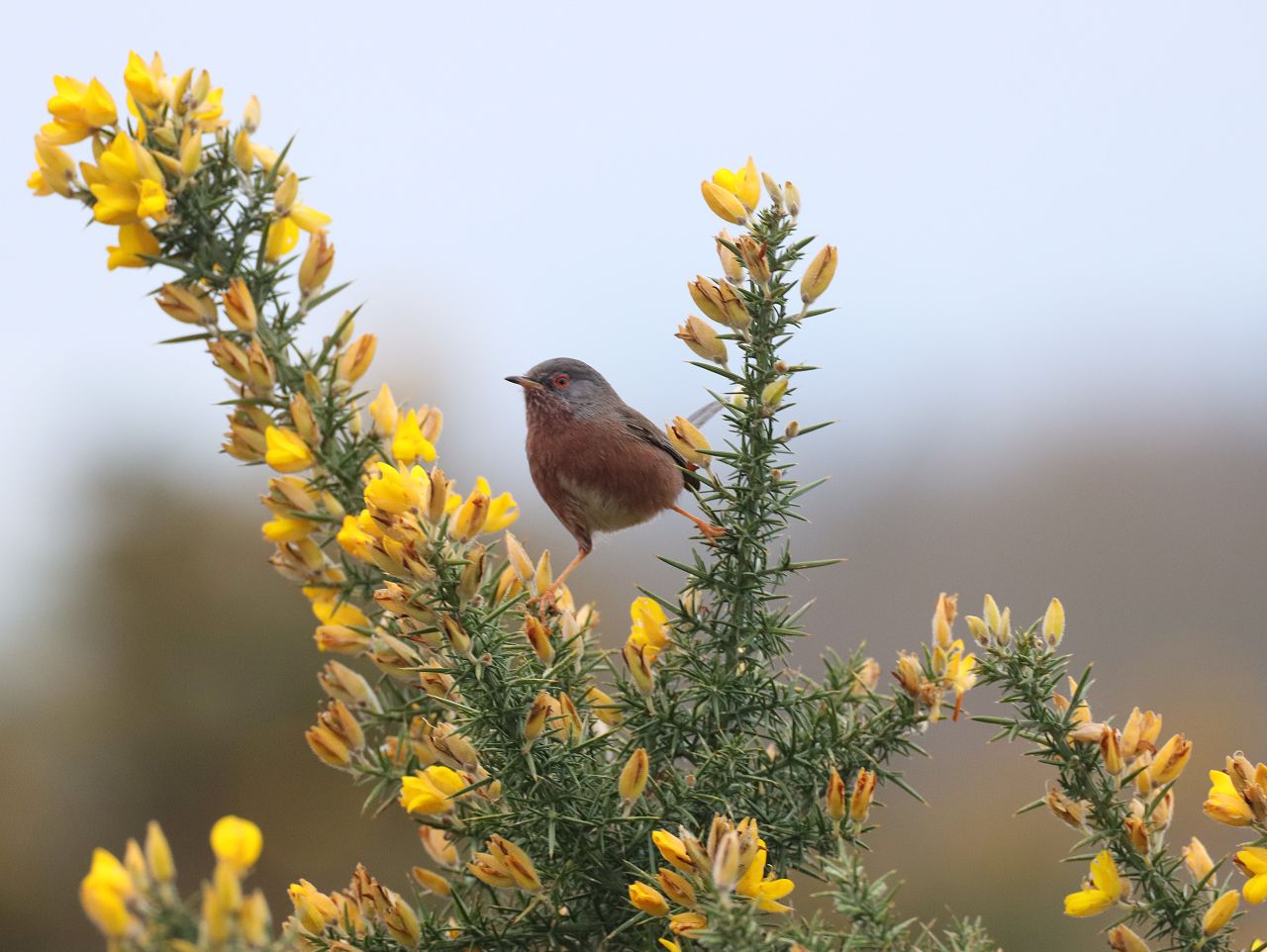
Dartford warbler, Whitmoor Common.
While out on the heathland Dartford warblers regularly showed well among the gorse bushes, now in flower.
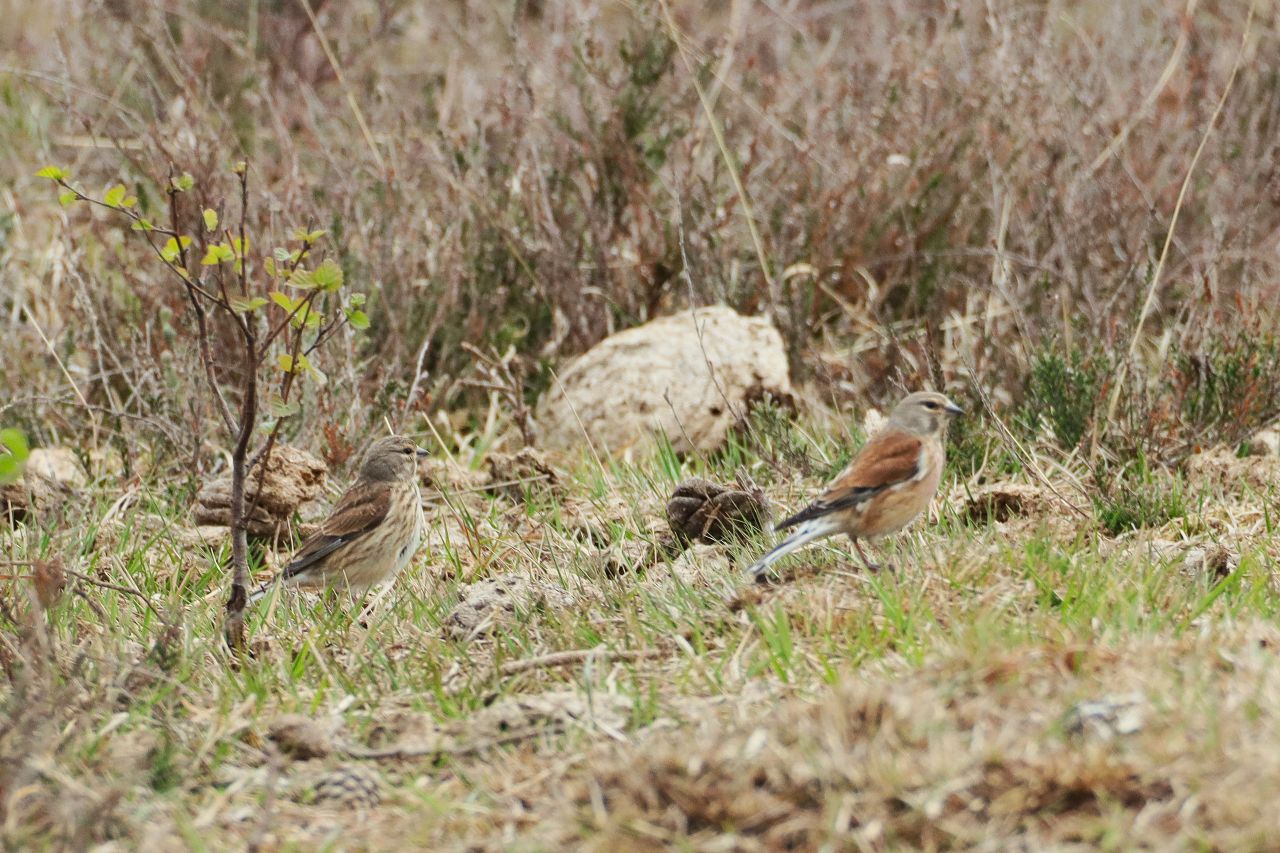
Linnets (male on right), Whitmoor Common.
Linnets could be constantly heard and seen about the heathland.
On reports of a heathland fire, I returned to the common on April 14 to check out how much damage had been done.

Whitmoor Common after recent fire.
With much thanks to the fire crews that had attended, it wasn’t as widespread as I had expected. Most importantly, plenty of breeding habitats remained intact.
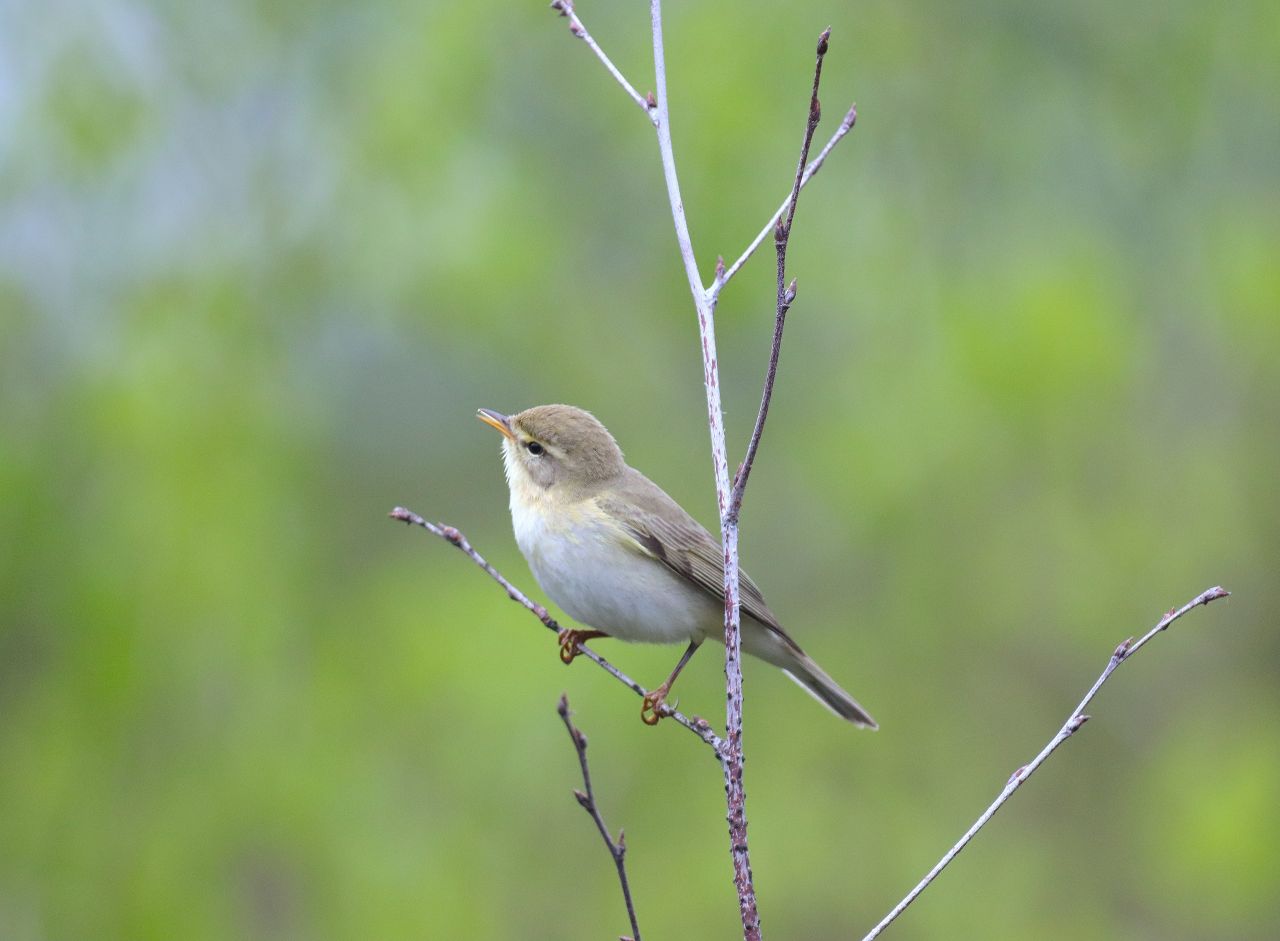
Willow warbler, Whitmoor Common.
A willow warbler could still be heard singing within the fresh green leaves sprouting on the silver birch shrubs close to the heathland.
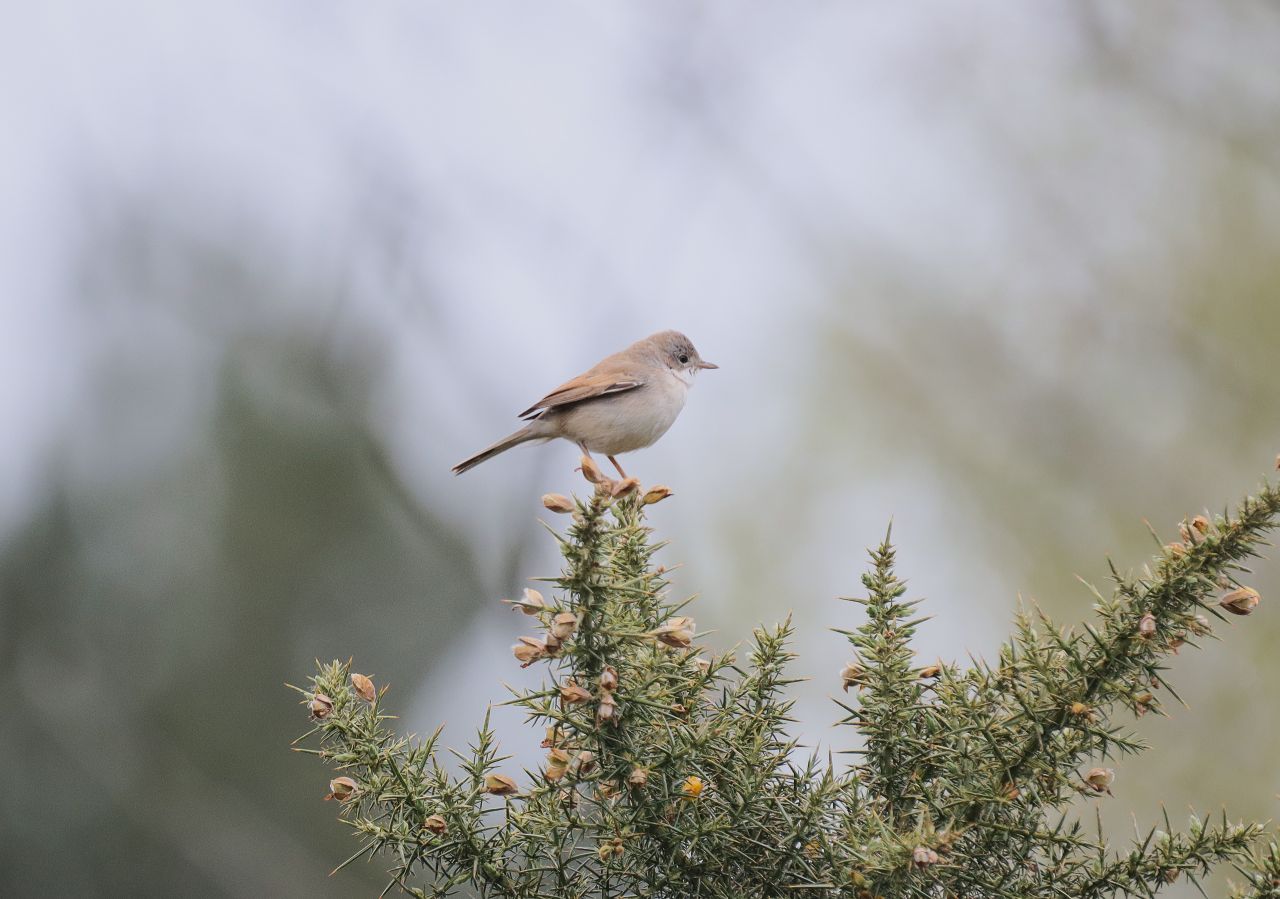
Common whitethroat, Whitmoor Common.
And the recent arrival of at least two common whitethroats could be heard and seen about thickets of gorse.
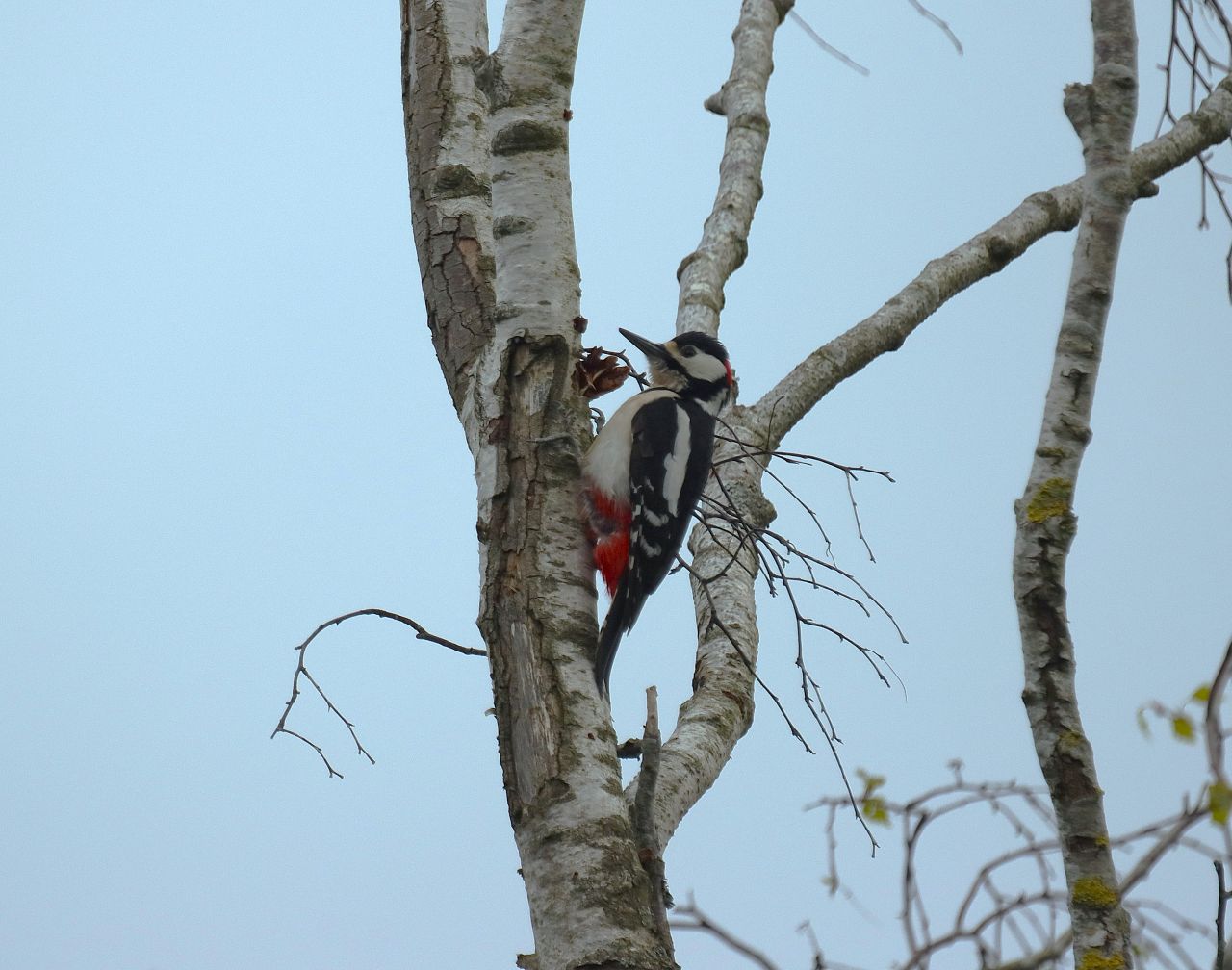
Great spotted woodpecker, Whitmoor Common.
A great spotted woodpecker could also be viewed.

Greenfinch, Whitmoor Common.
Also adding one of a pair of greenfinches to my photos.

Roe deer, Whitmoor Common.
And a roe deer made an appearance in the old horse paddock.
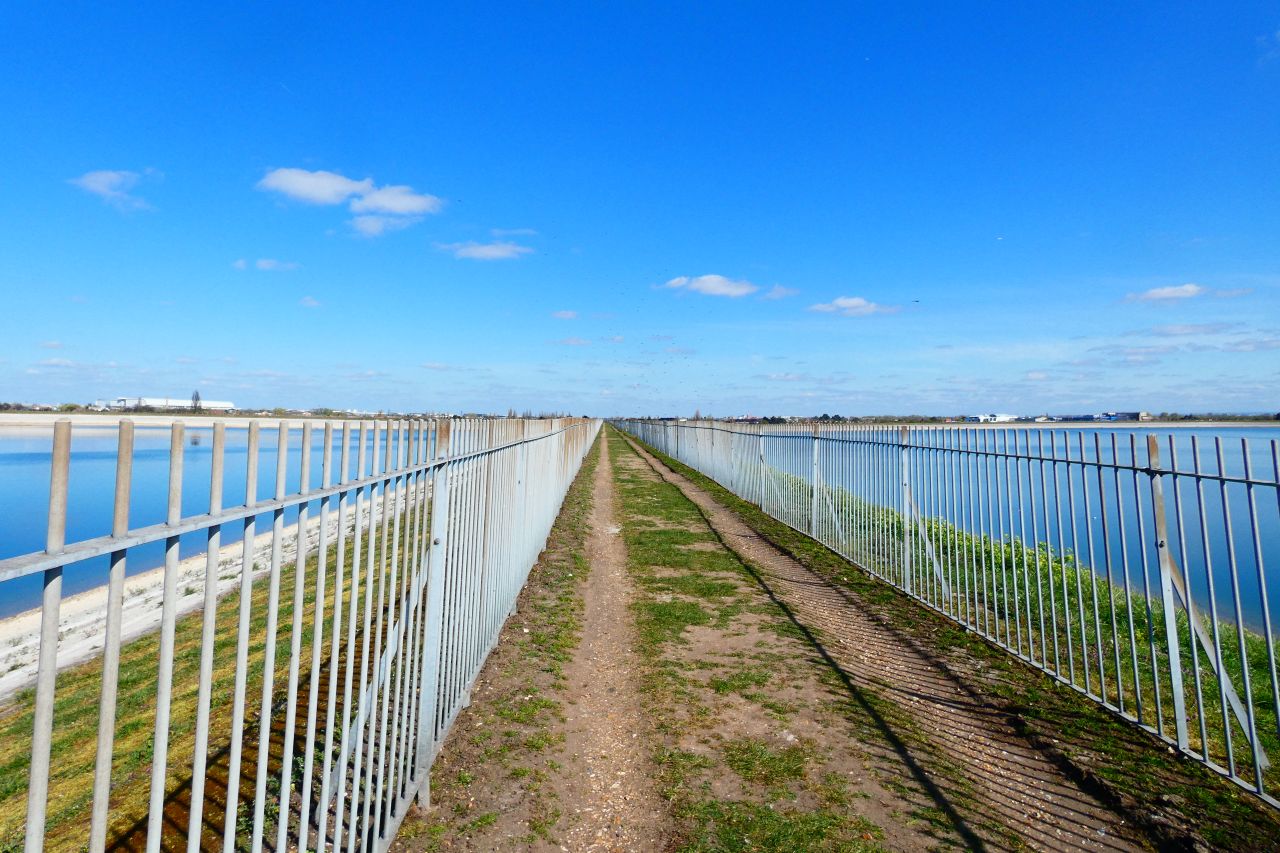
Looking down the Causeway at Staines Reservoir.
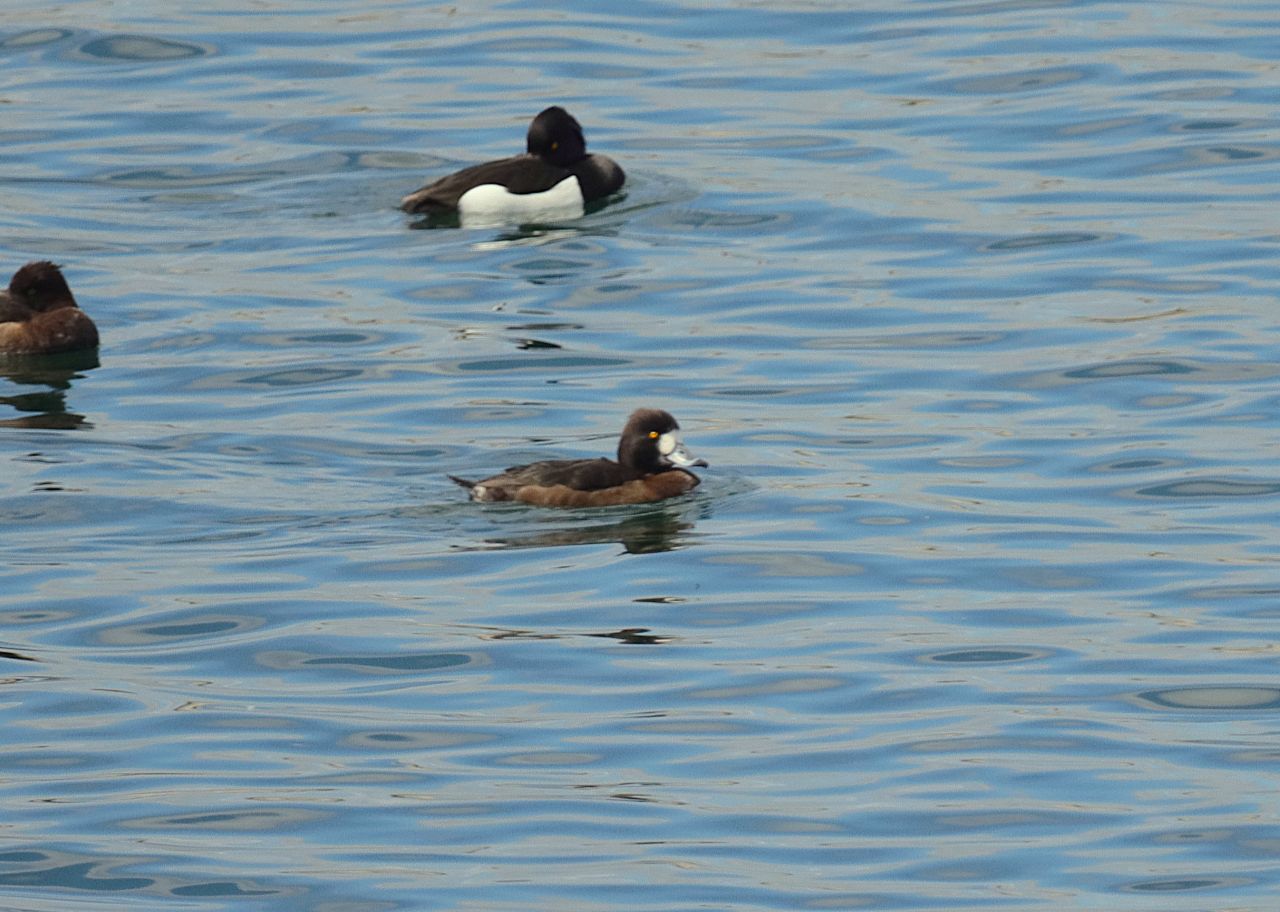
Greater scaup (female), in foreground, tufted duck behind, Staines Reservoir.
On a visit to Staines Reservoir on April 2, in the company of fellow birdwatcher Dougal, the best I photo I could achieve was of a female greater scaup on the North Basin.
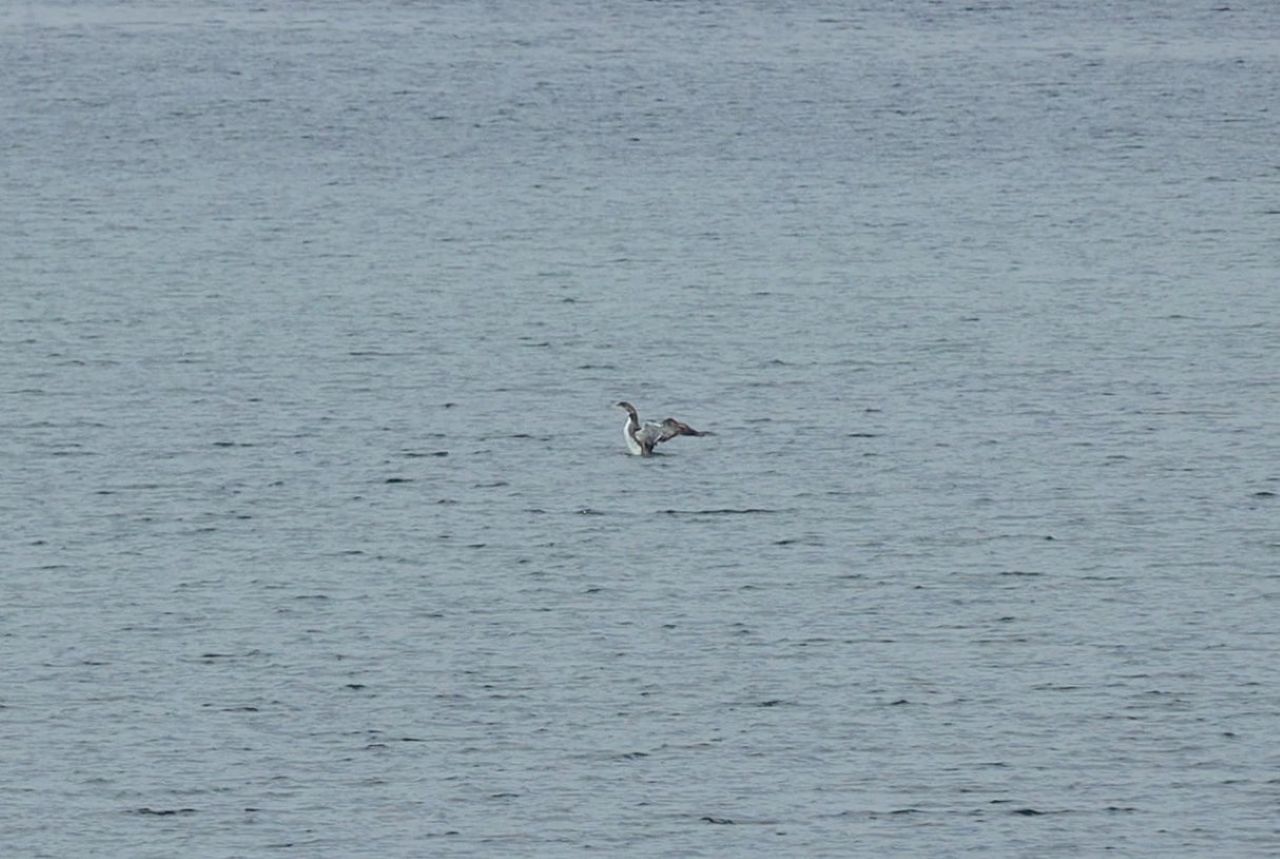
Great northern diver, Staines Reservoir.
While distant to view were as many as three great northern divers.
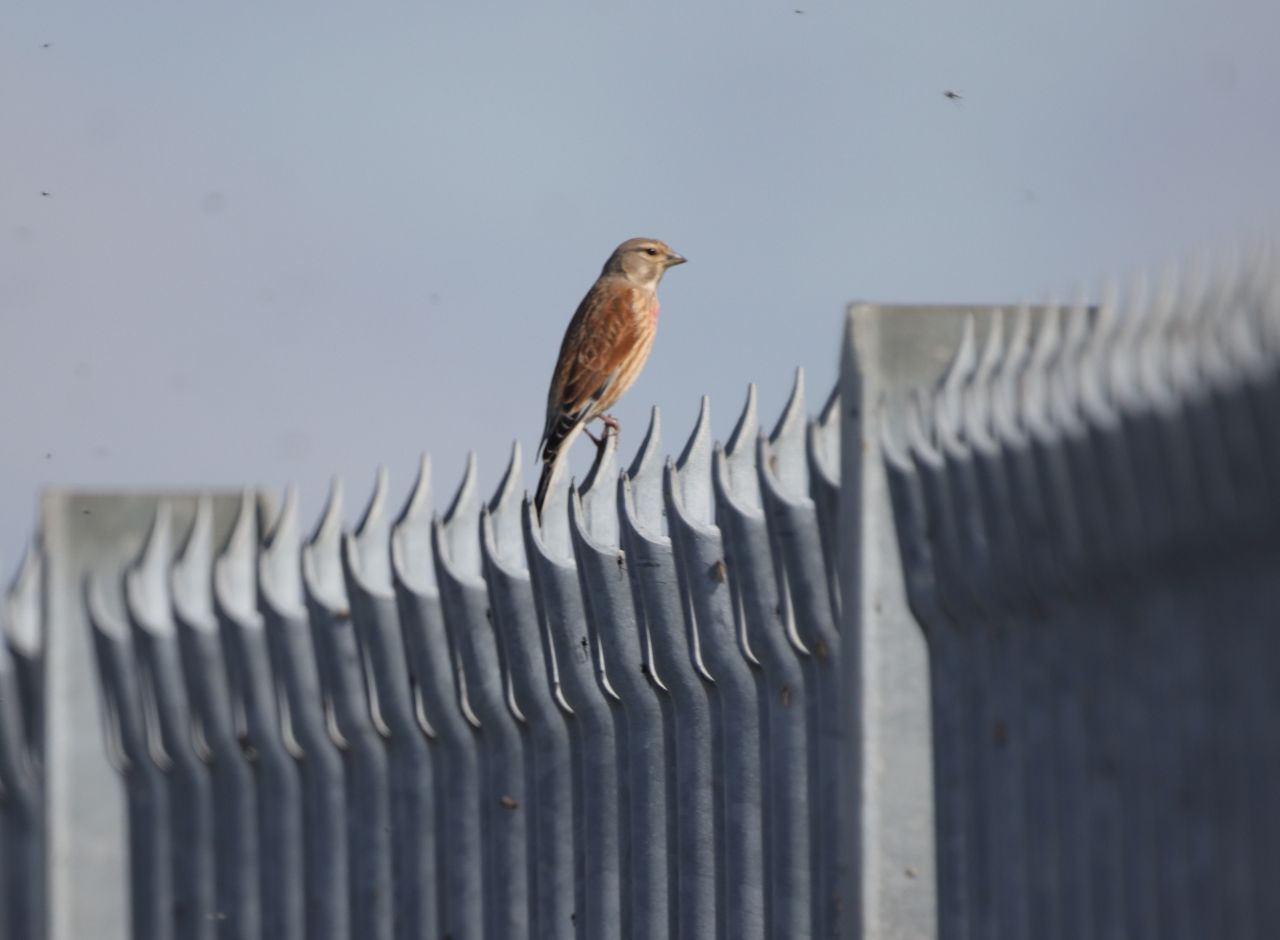
Linnet, Staines Reservoir.
Along the Causeway a small group of linnets could be seen feeding. Occasionally perching up on the railings that separated the north and south basins.
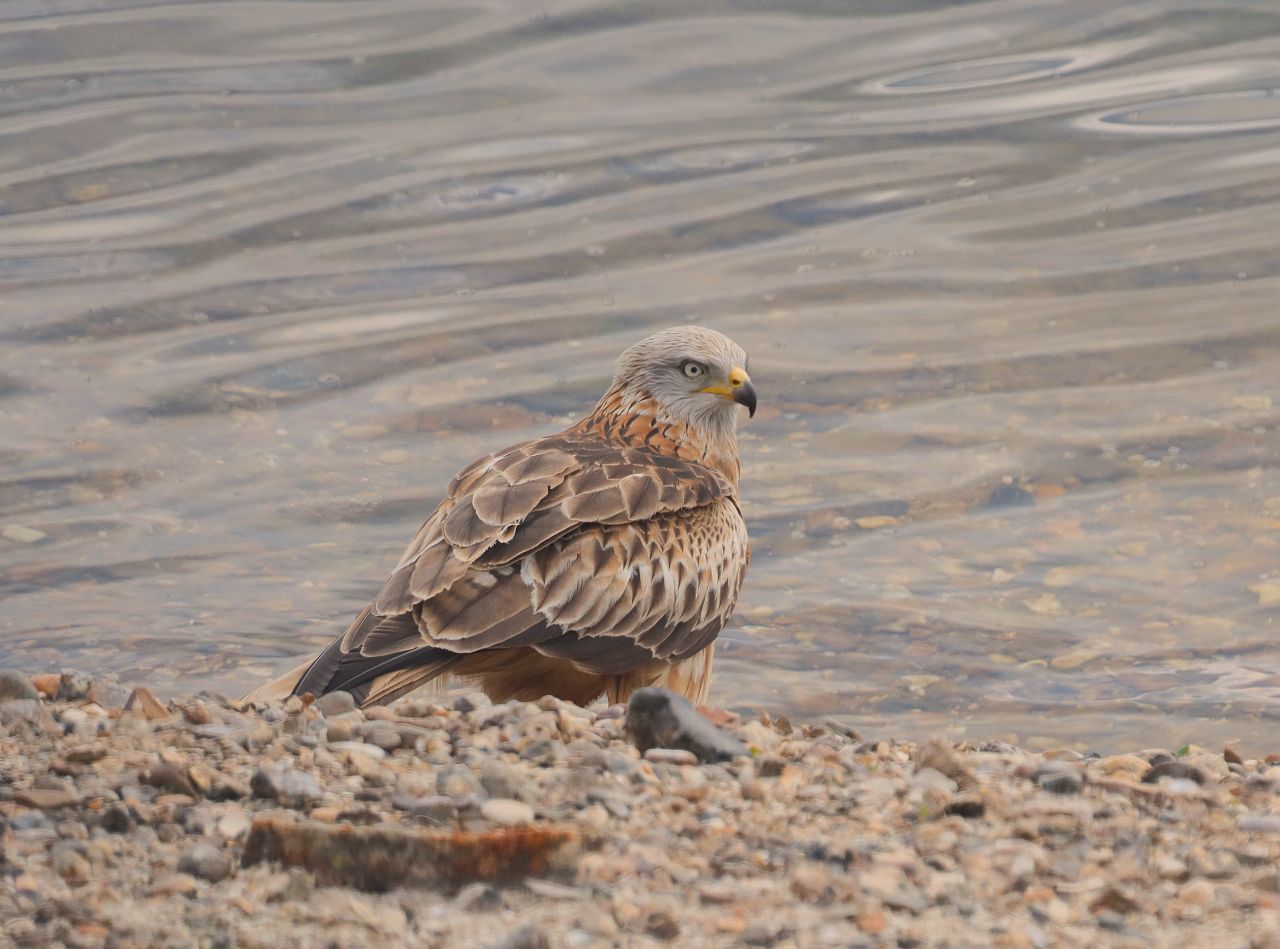
Red kite, Staines Reservoir.
My best photos came my way when a red kite, one of two circling the reservoirs, came down to feast on a carcass by the water’s edge on the south basin.
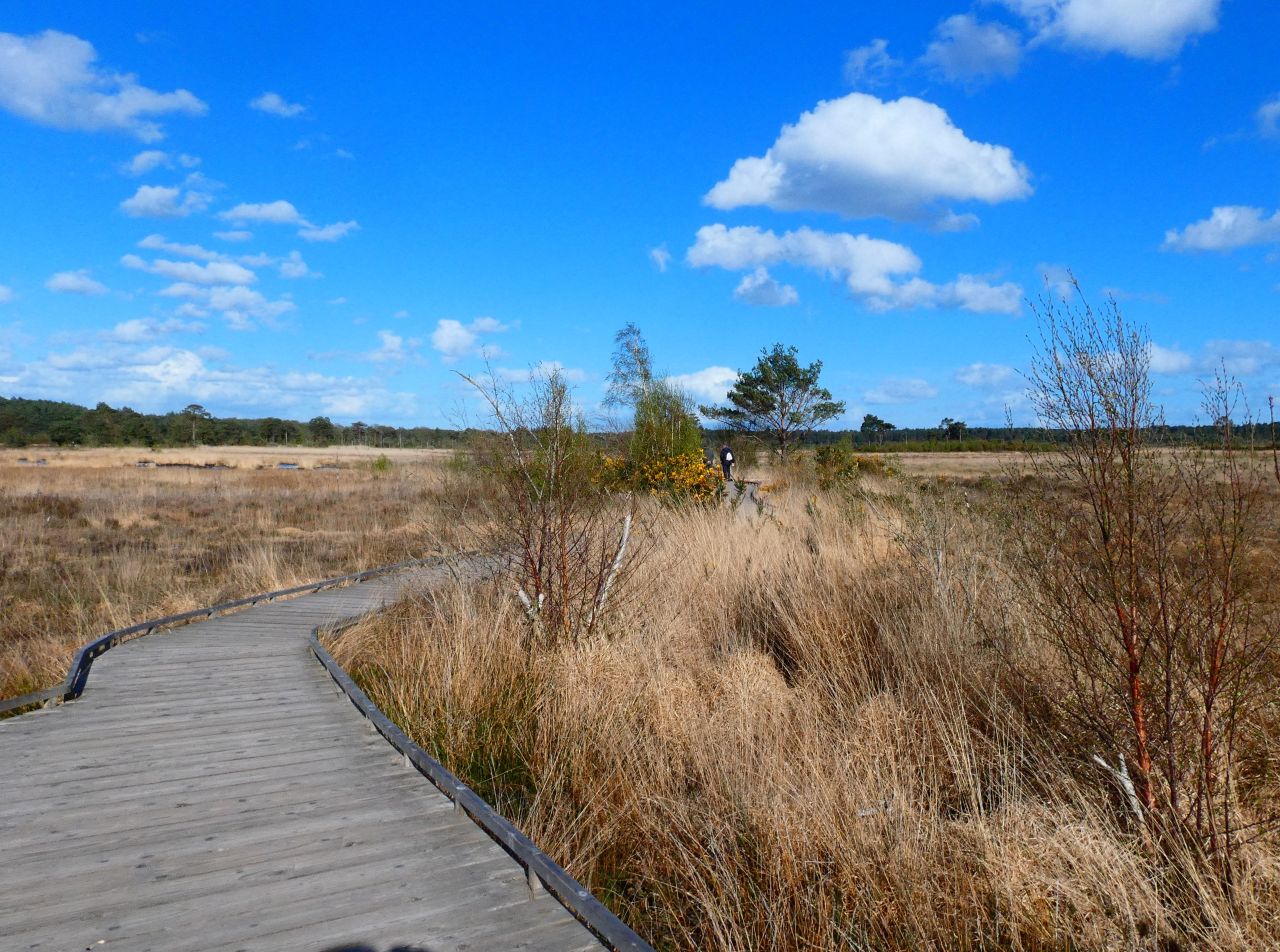
Thursley Common.
As temperatures began to rise and sunny periods prevailed, Dougal, Bob and I visited Thursley Common on April 6.
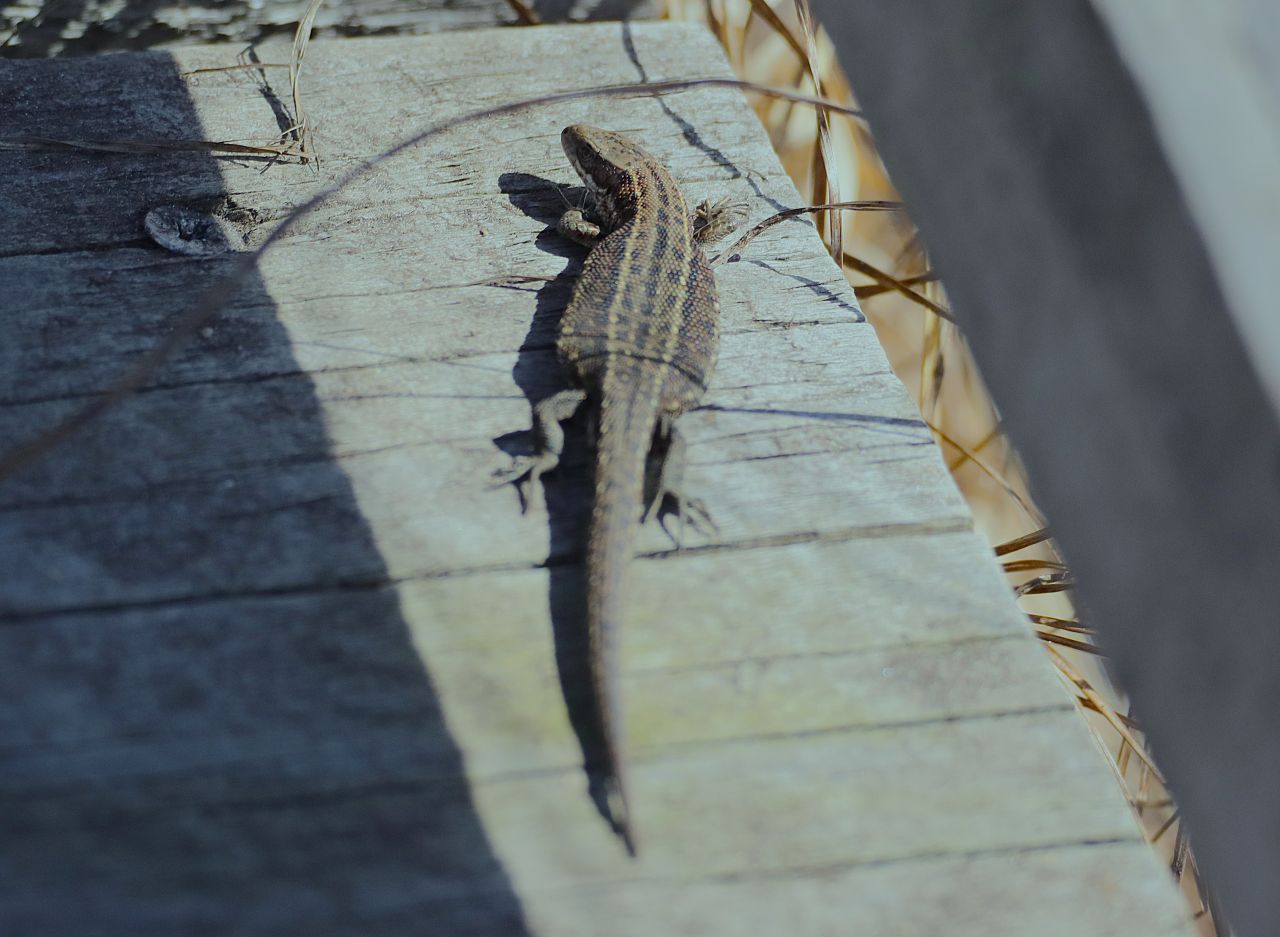
Common lizard, Thursley Common.
The warming sunshine had brought a few common lizards out to bask in its rays.
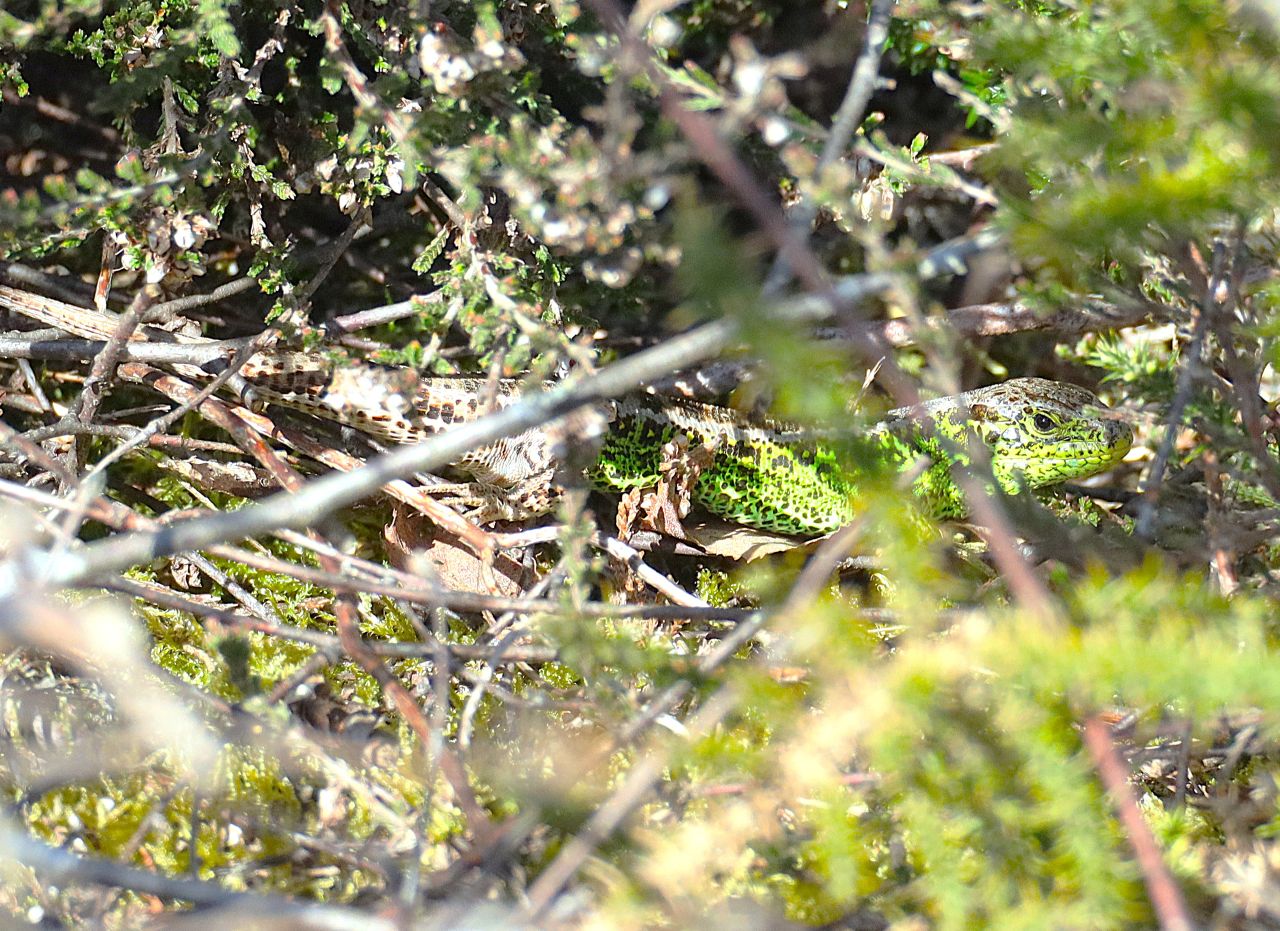
Sand lizard, Thursley Common.
A surprising sighting for us, and the first I can recall ever photographing there, was a sand lizard, one of several that had been reported in recent days.
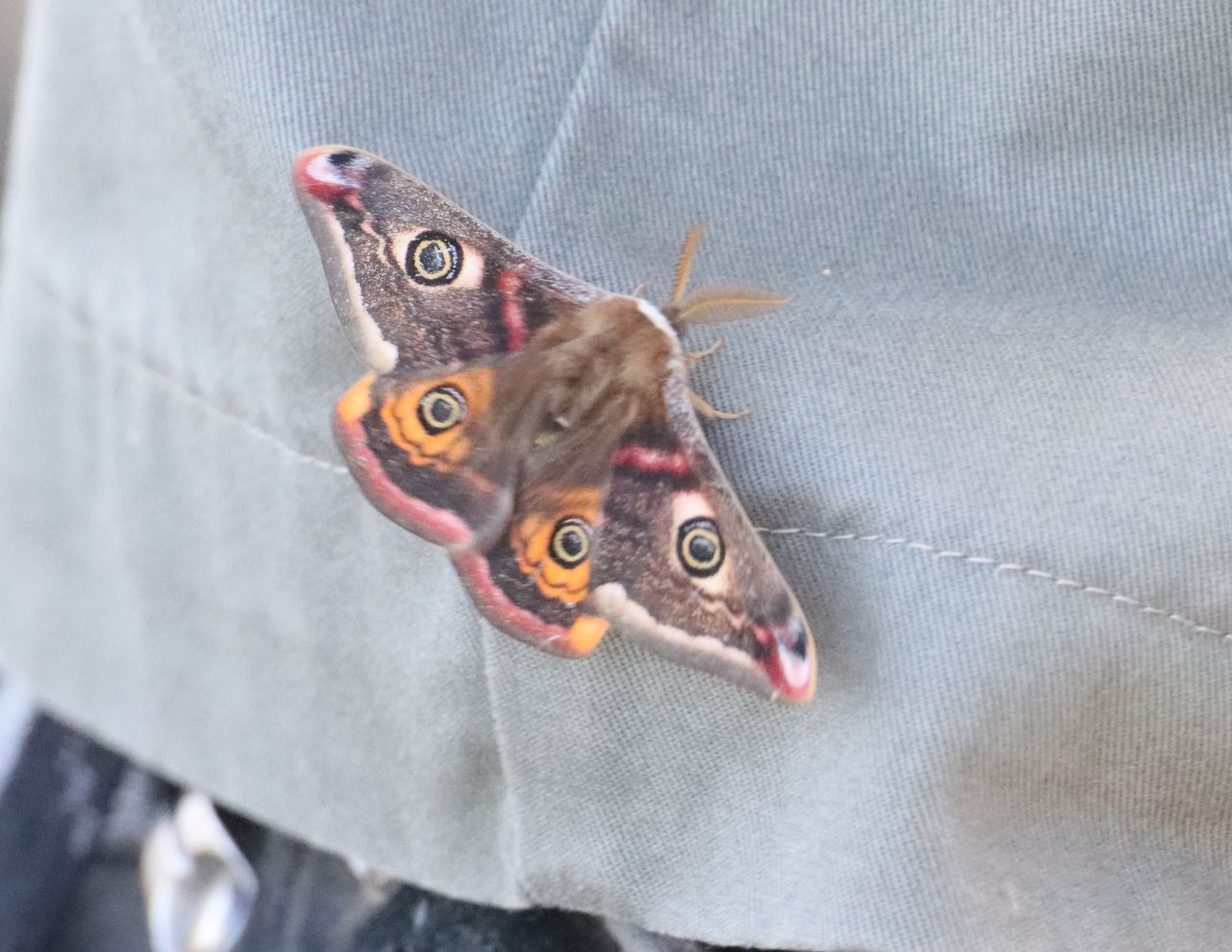
Emperor moth, Thursley Common.
Much thanks to Bob’s now fading pheromones, a few rarely sighted emperor moths came out to play.

Mistle trush, Thursley Common.
In the Parish Field I was able to add my first photo this year of a mistle thrush.
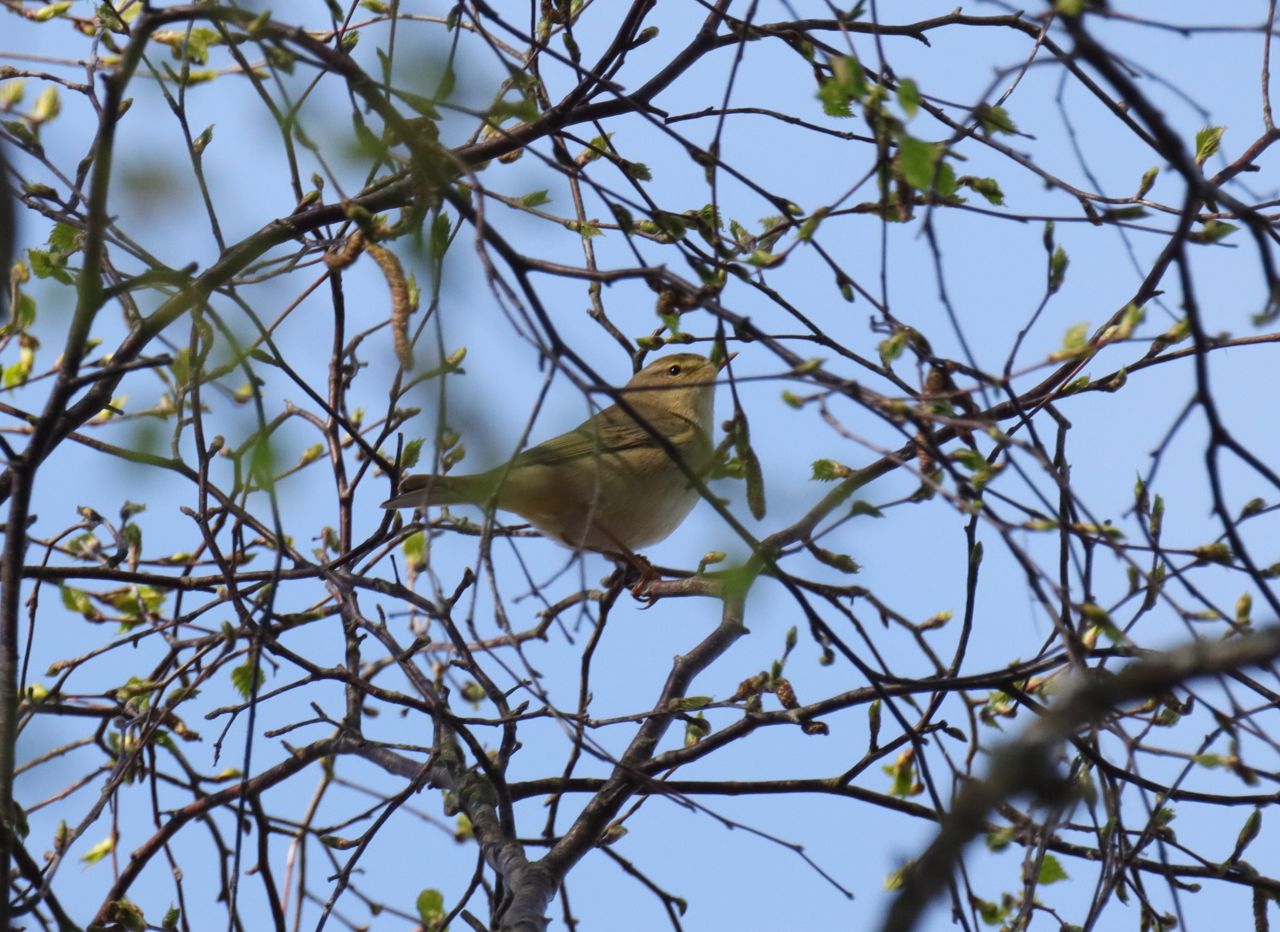
Willow warbler, Thursley Common.
A willow warbler could be heard and seen singing just outside the Parish Field.
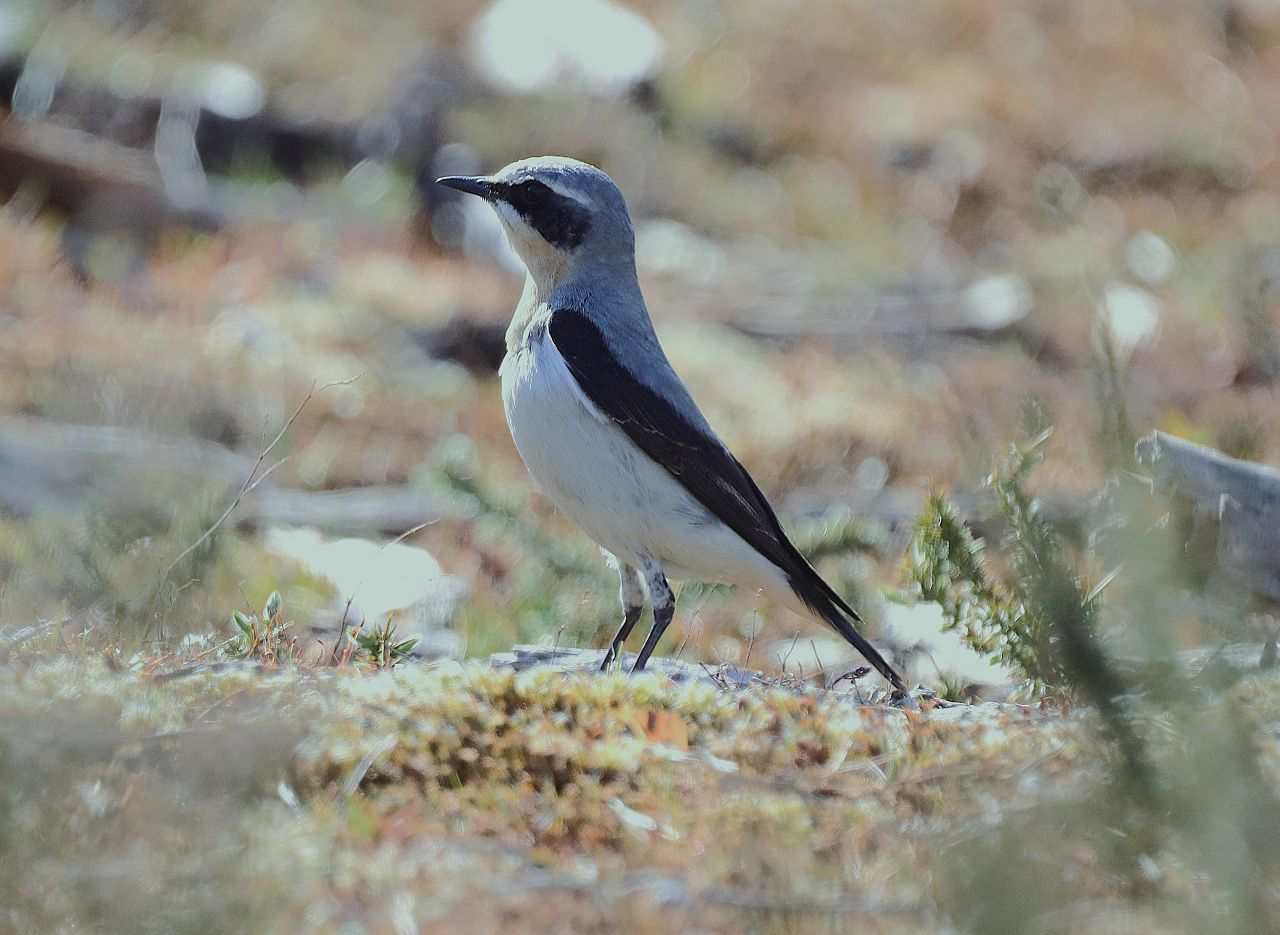
Wheatear (male), Thursley Common.
While at the base of ‘shrike hill’ there were as many as five wheatears, mostly males with at least one female.
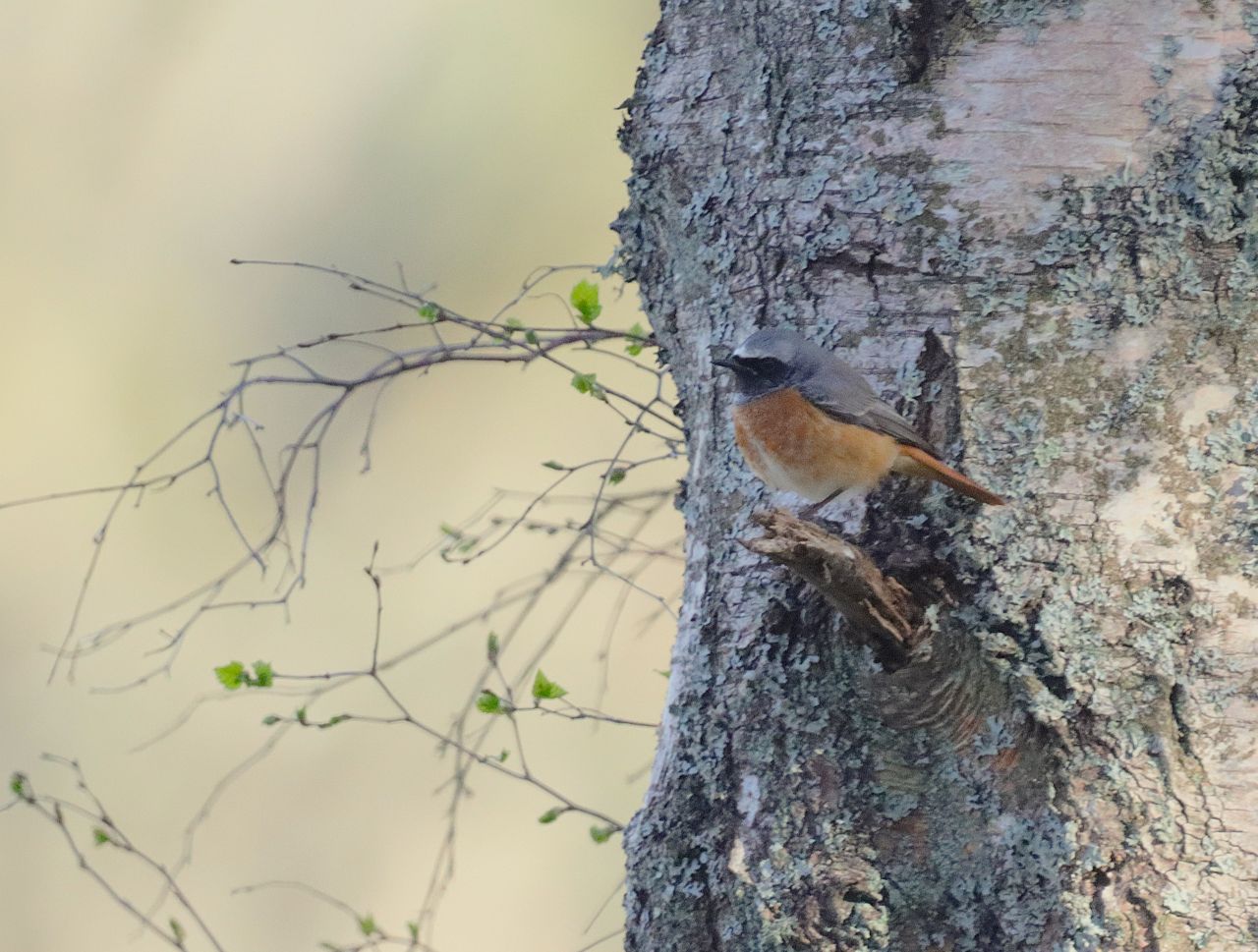
Common redstart, Thursley Common.
Our return to Thursley on April 11 gave us our first sightings this year of a male common redstart.
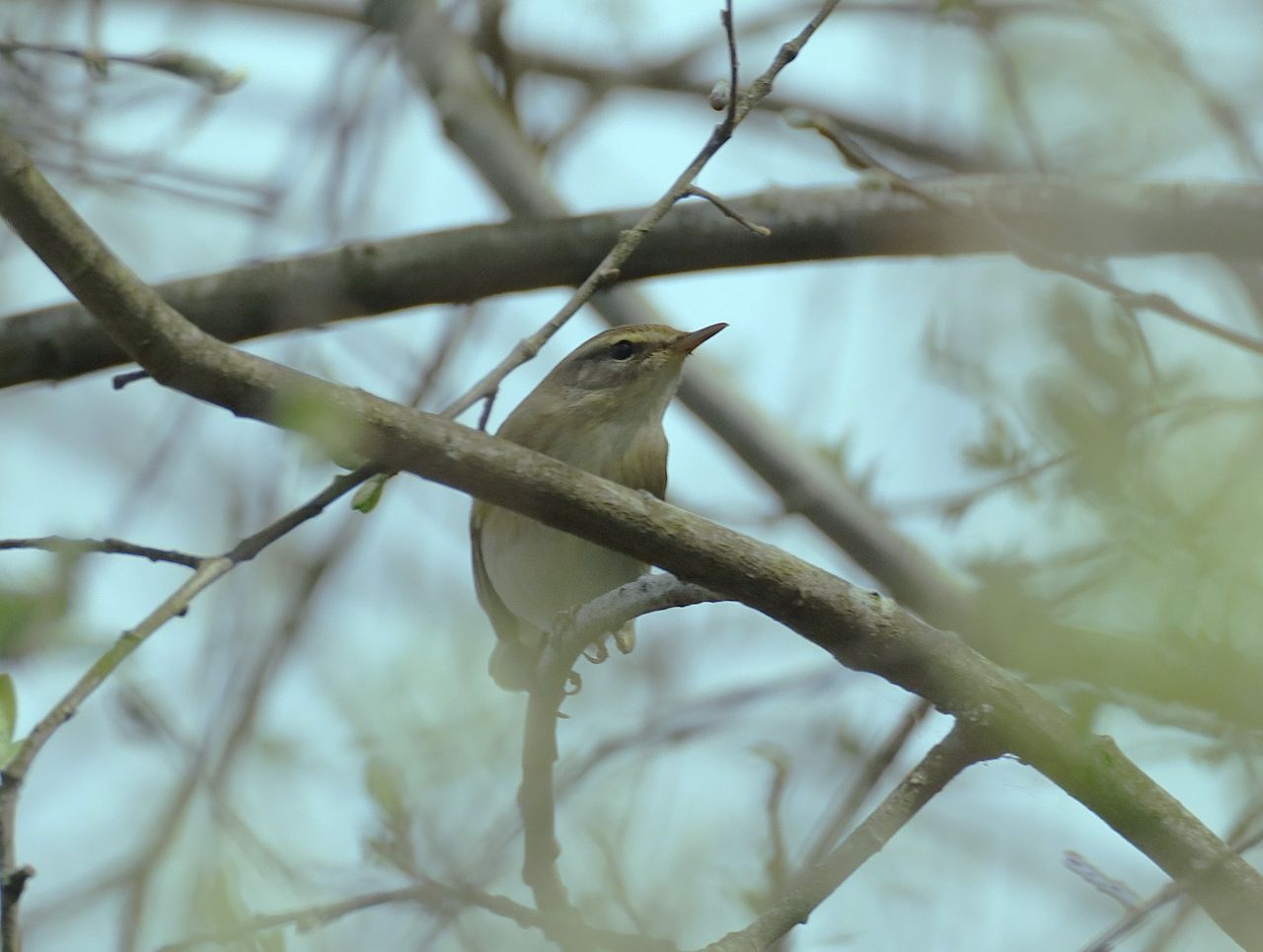
Willow warbler, Riverside Nature Reserve.
On April 5, while dog walking with my daughter at the Riverside Nature Reserve near Burpham, we heard and saw a willow warbler along the towpath of the River Wey.
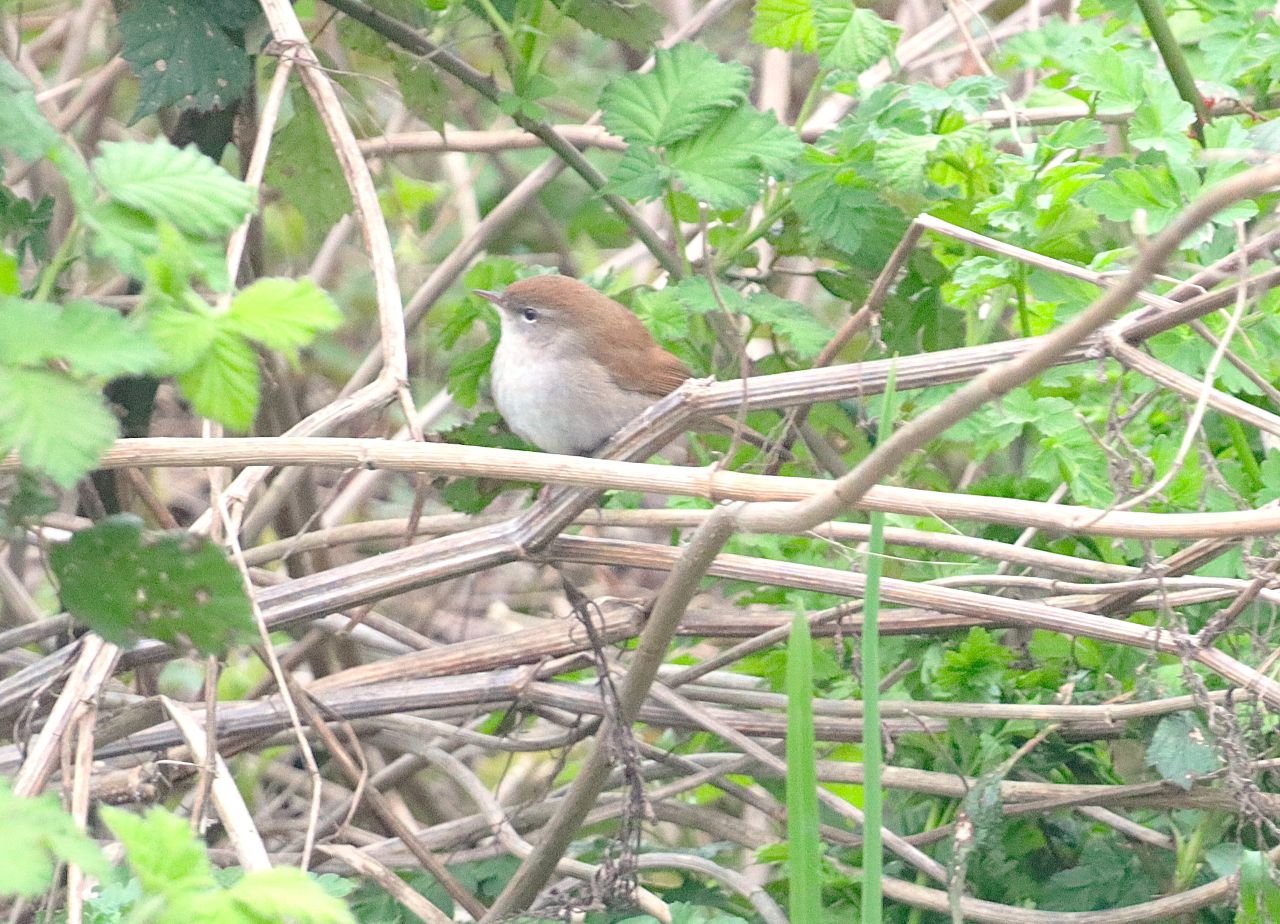
Cetti’s warbler, Riverside Nature Reserve.
Across the river, Cetti’s warblers continued to be heard and occasionally seen.
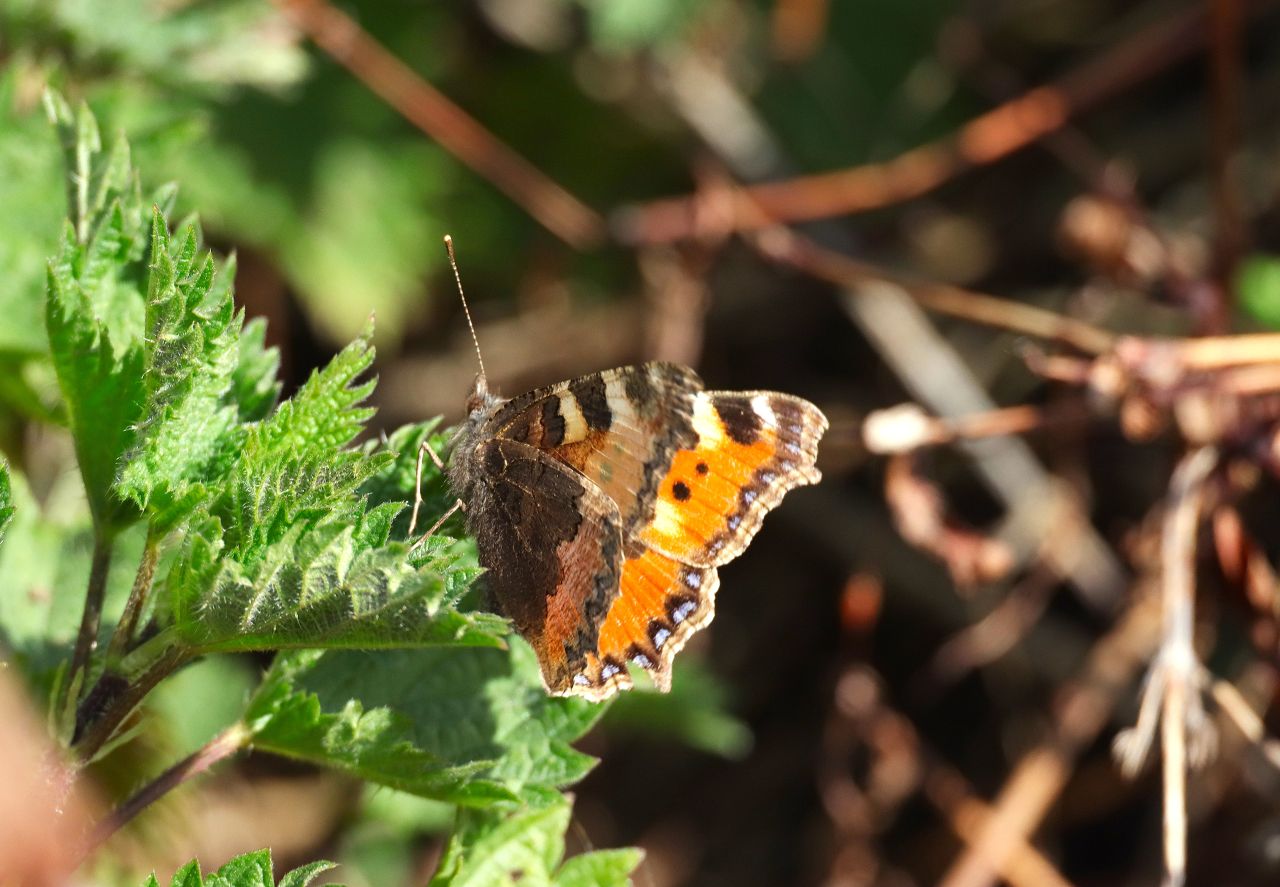
Small Tortoiseshell butterfly, Riverside Nature Reserve.
We also saw, and I photographed at least one small tortoiseshell butterfly – my first of the year. This being one of only a few local spots I have seen them in recent years.
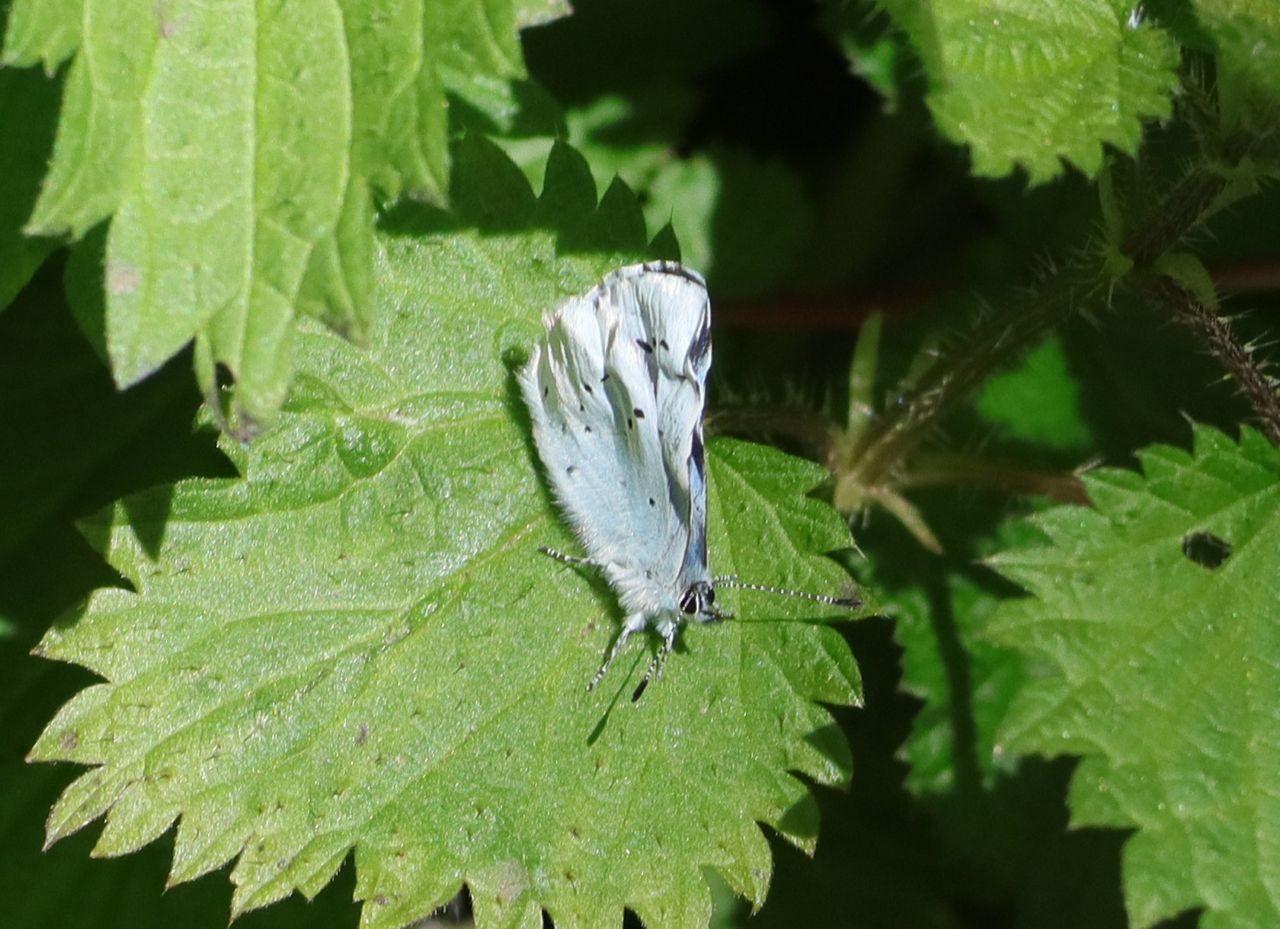
Holly blue butterfly, Riverside Nature Reserve.
Holly blue butterflies were now starting to be seen in good numbers.
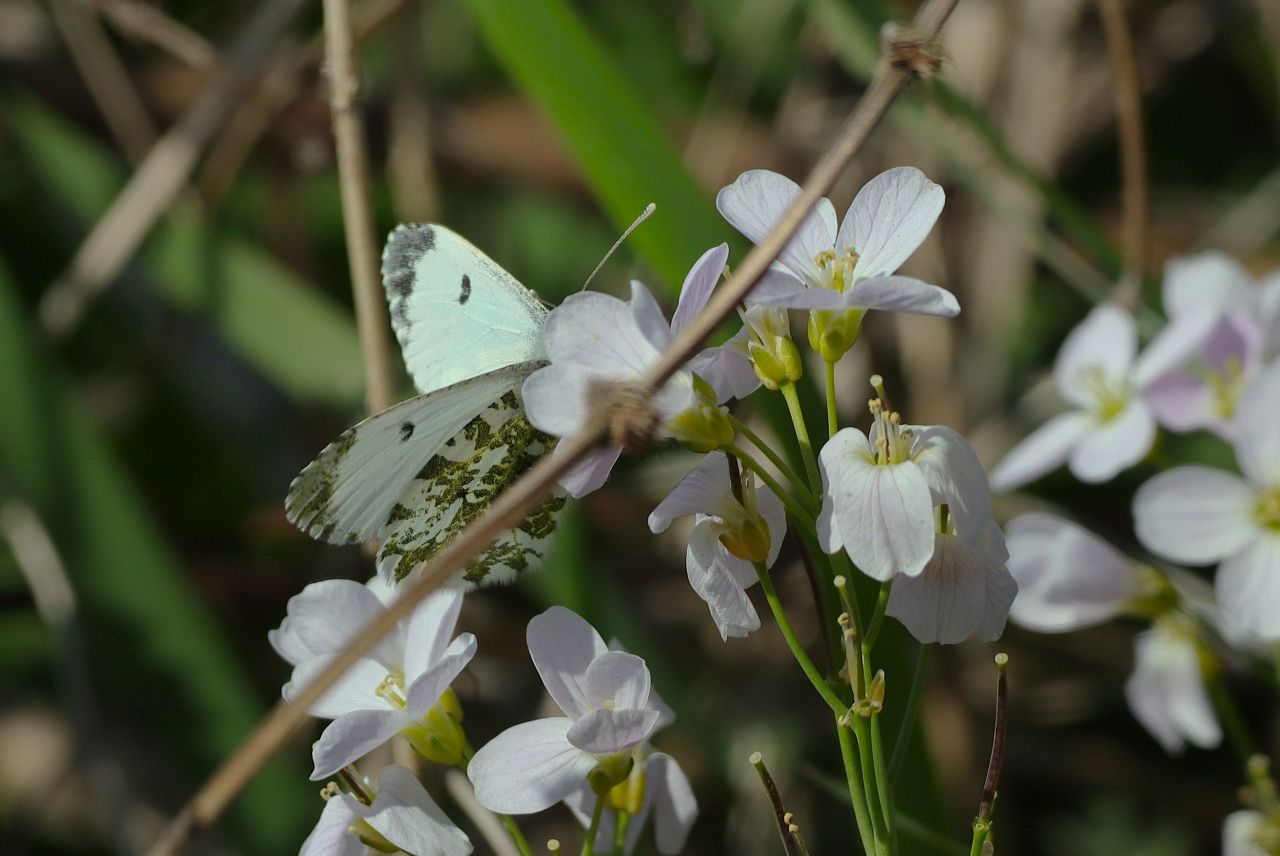
Orange-tip butterfly (female) on ladies’ smock flower, Riverside Nature Reserve.
Also, sighting my first female orange-tip butterfly of this year, noted by its black tips, but with the same green mottled underwings as the male.

Male orange-tip butterfly.
Along with continued sightings of male orange-tip butterflies.
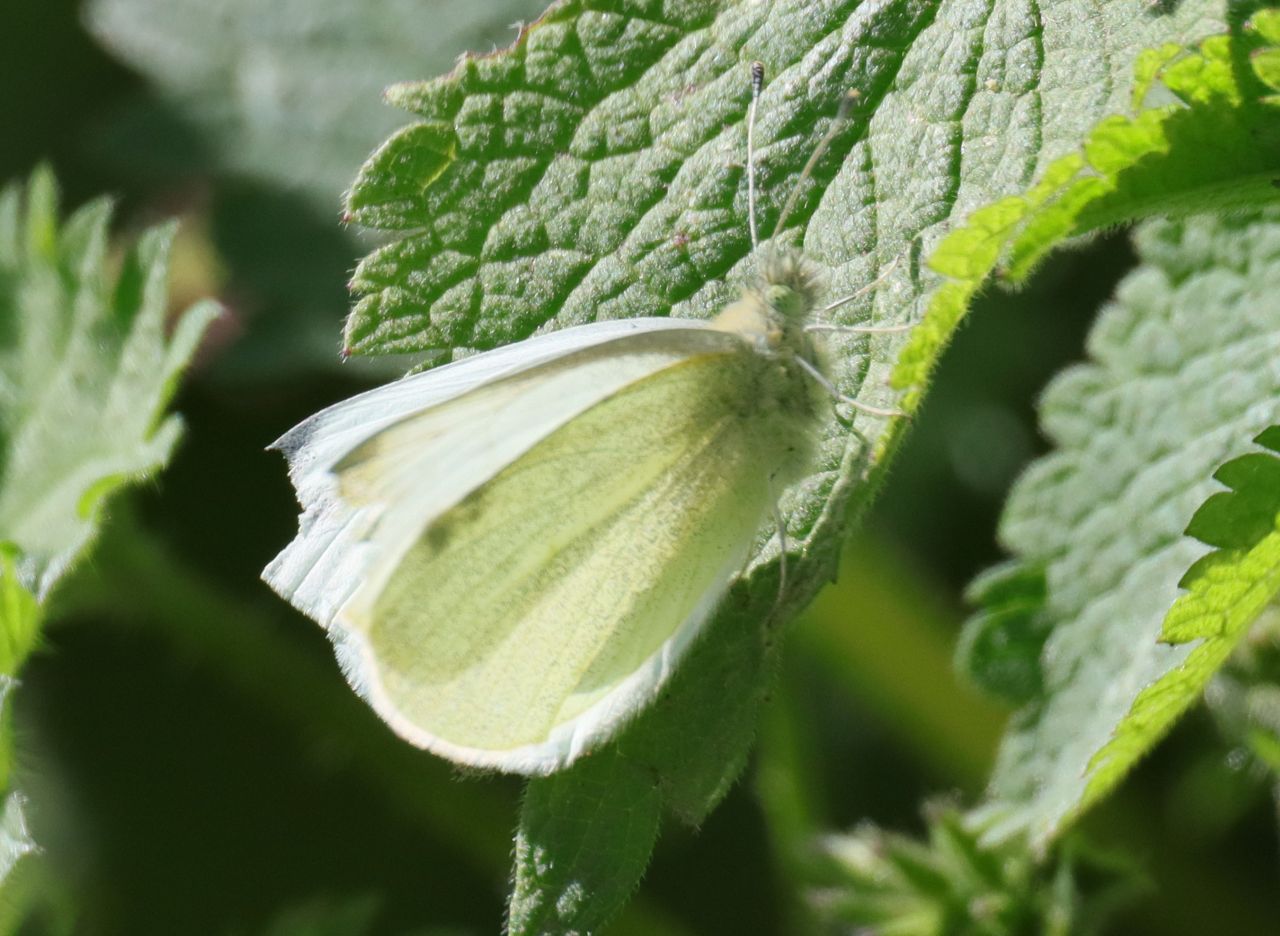
Small white butterfly, Riverside Nature Reserve.
Also adding a small white butterfly to both my day and year list.
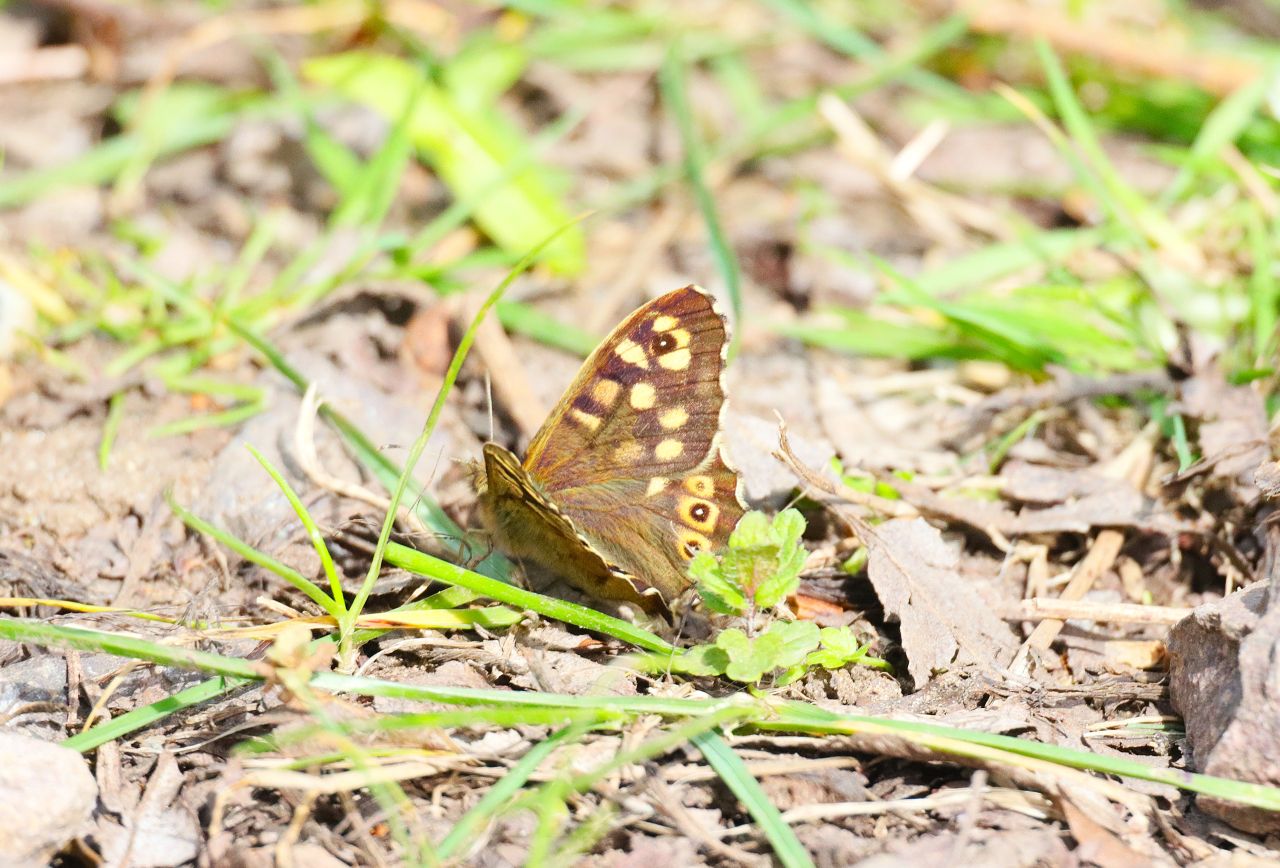
Speckled wood butterfly, Riverside Nature Reserve.
As well as my first speckled wood butterfly of this year.
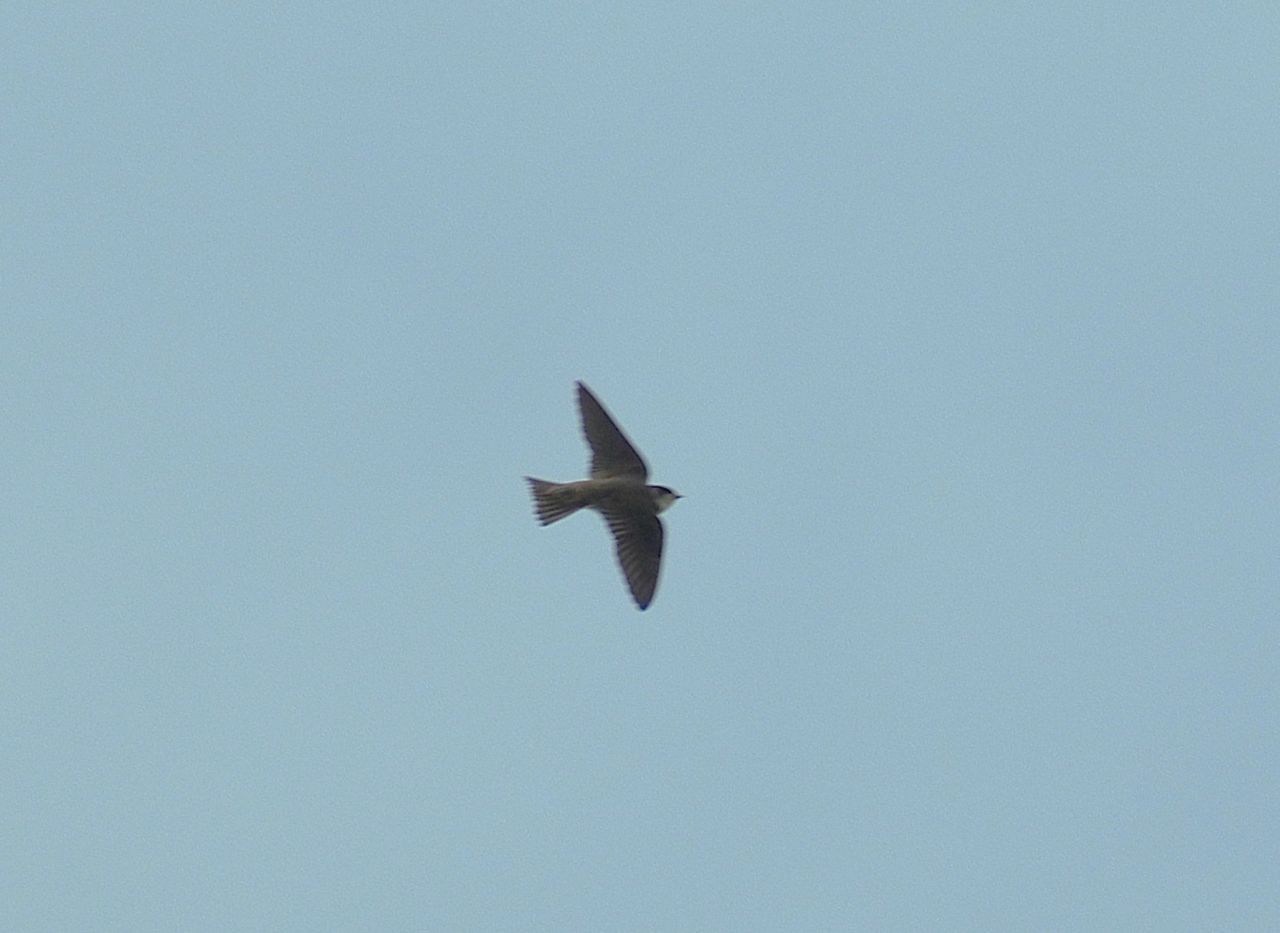
Sand martin over Slyfield sewage works, viewed from Stoke Lock.
Concluding our walk by adding to this year’s sightings more than 20 sand martins hawking insects over the sewage works near Stoke Lock.

Little egrets, Burpham Court Farm.
On later visits, across the river at Burpham Court Farm, four little egrets could be briefly seen in flight before disappearing back within the cover of the marshland.
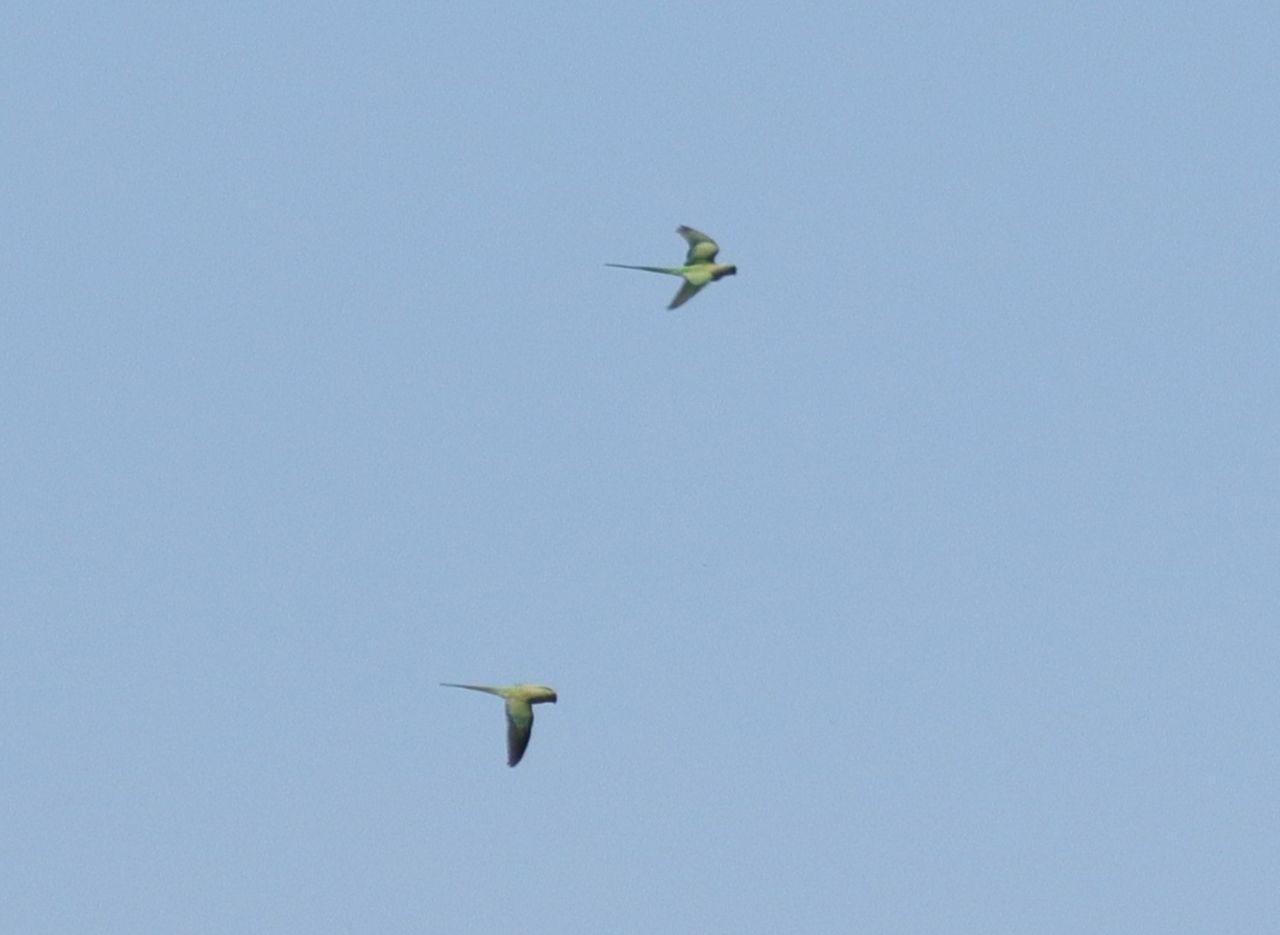
Ring-necked parakeets, Riverside Nature Reserve.
And at least two ring-necked parakeets, in flight, across the river.
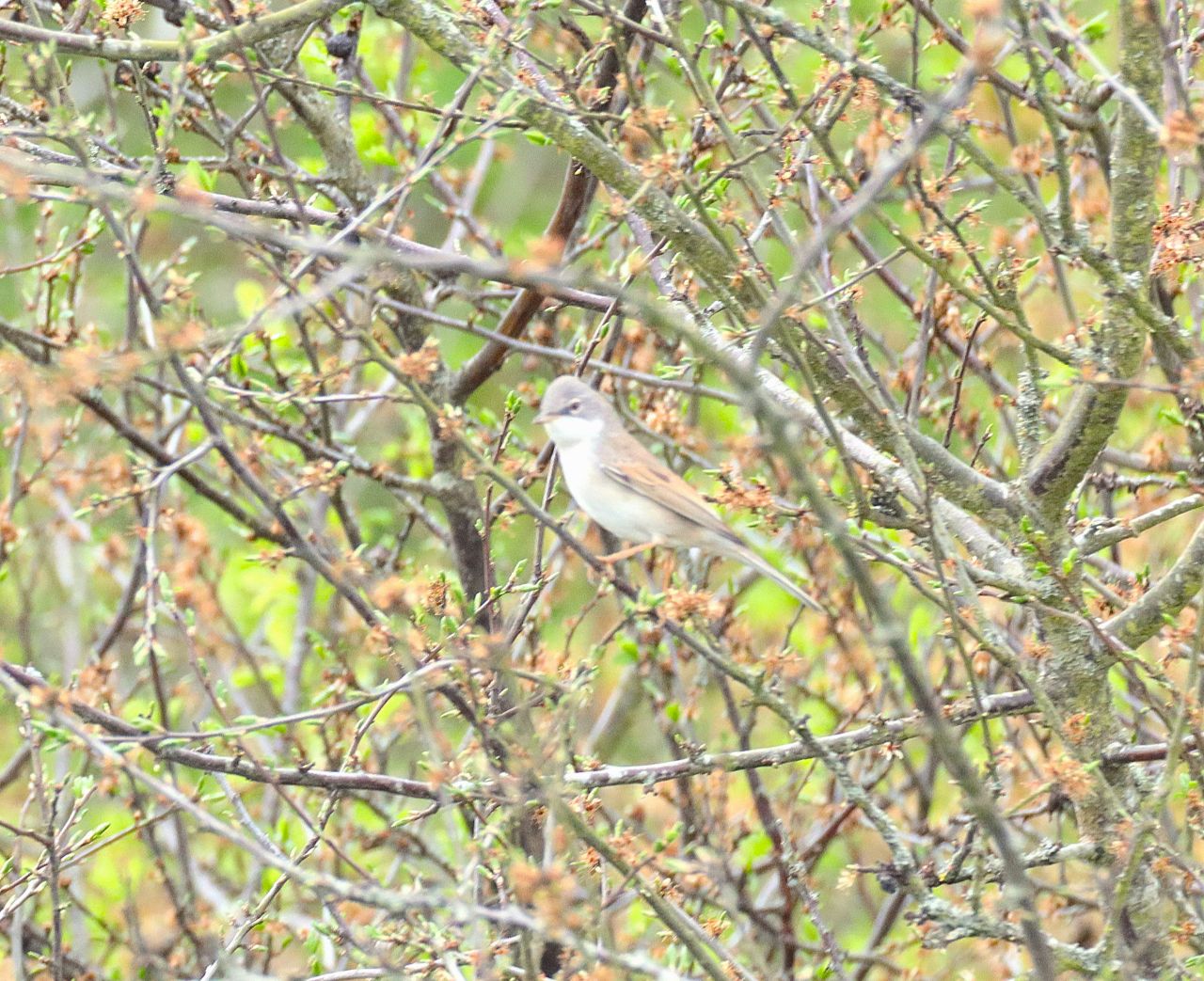
Common whitethroat, Riverside Nature Reserve.
Also adding on April 9 what were my first two common whitethroats in song there this year.
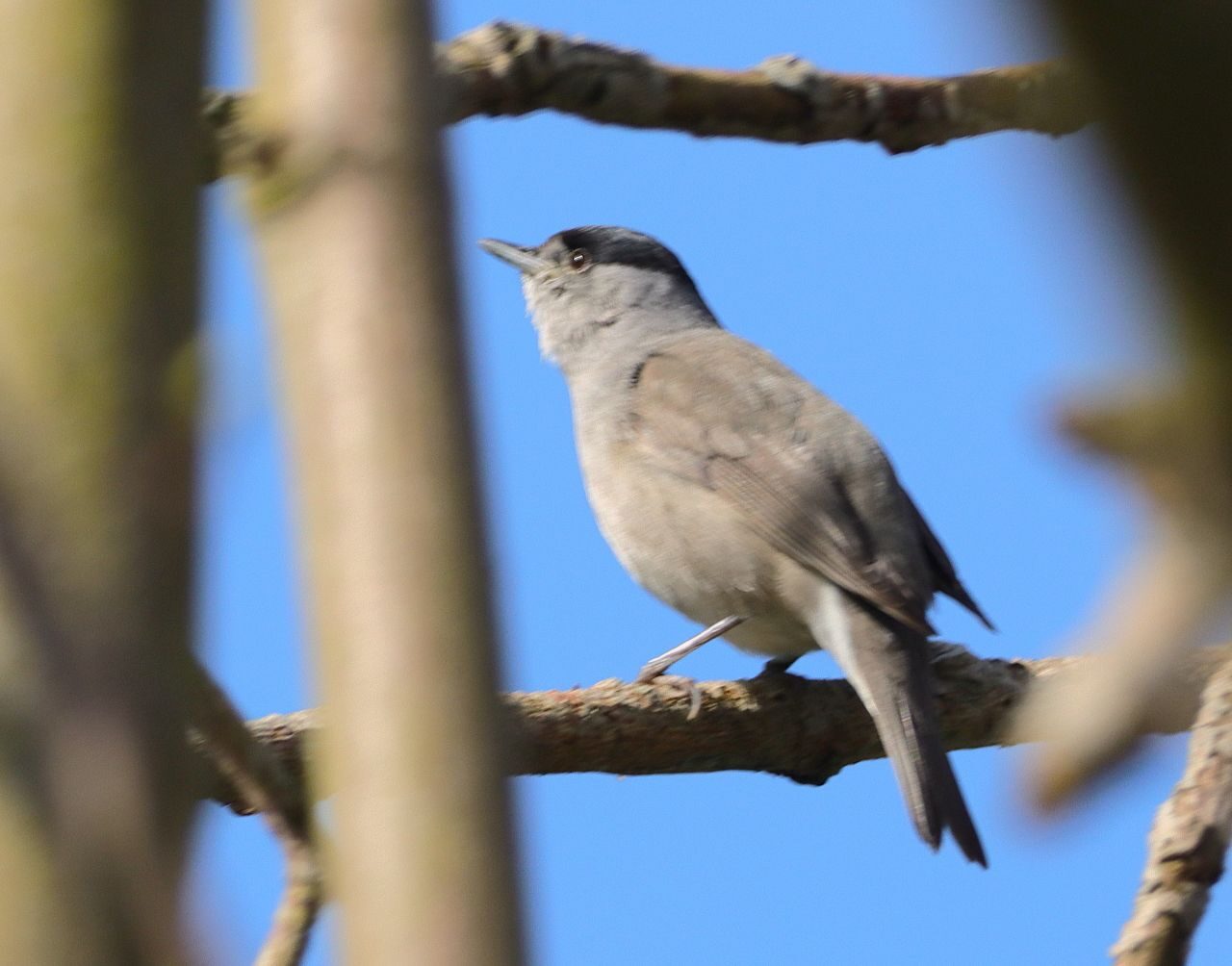
Blackcap, Riverside Nature Reserve.
While several blackcaps continued to sing about the reserve.
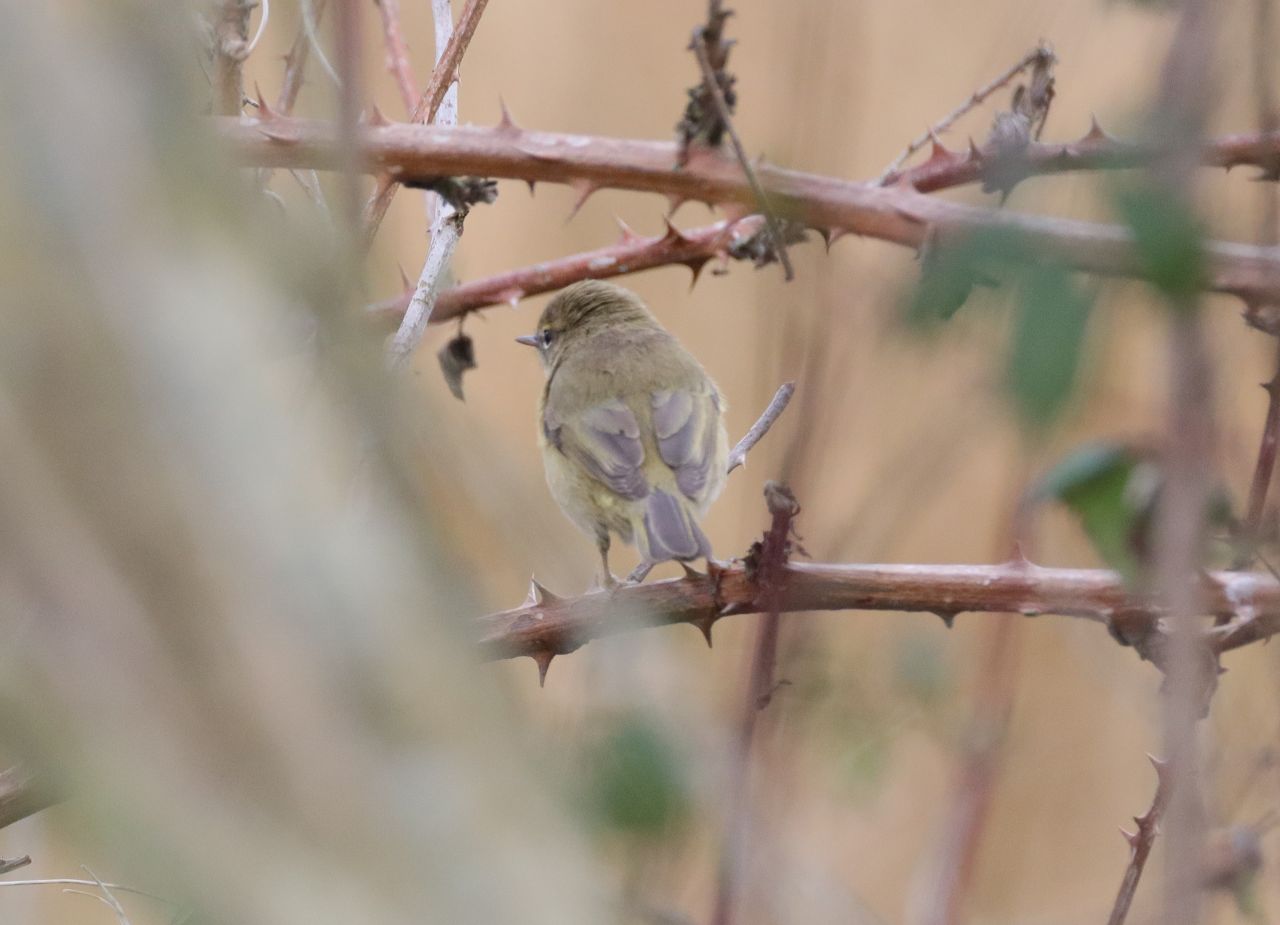
Chiffchaff, Riverside Nature Reserve.
As did chiffchaffs.
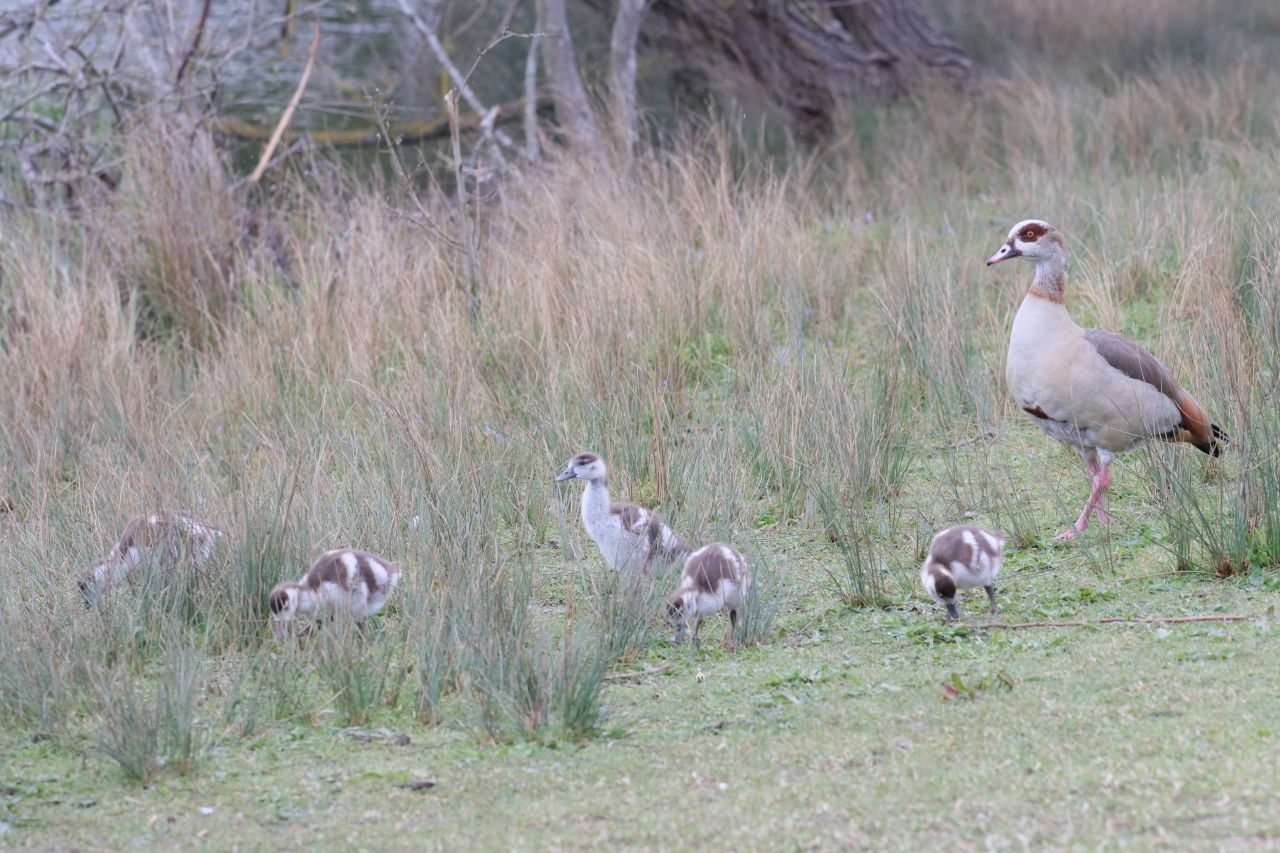
Egyptian goose with goslings at Stoke Lake.
At Stoke Lake by the picnic area, the Egyptian geese could still be observed with their now rapidly growing young.
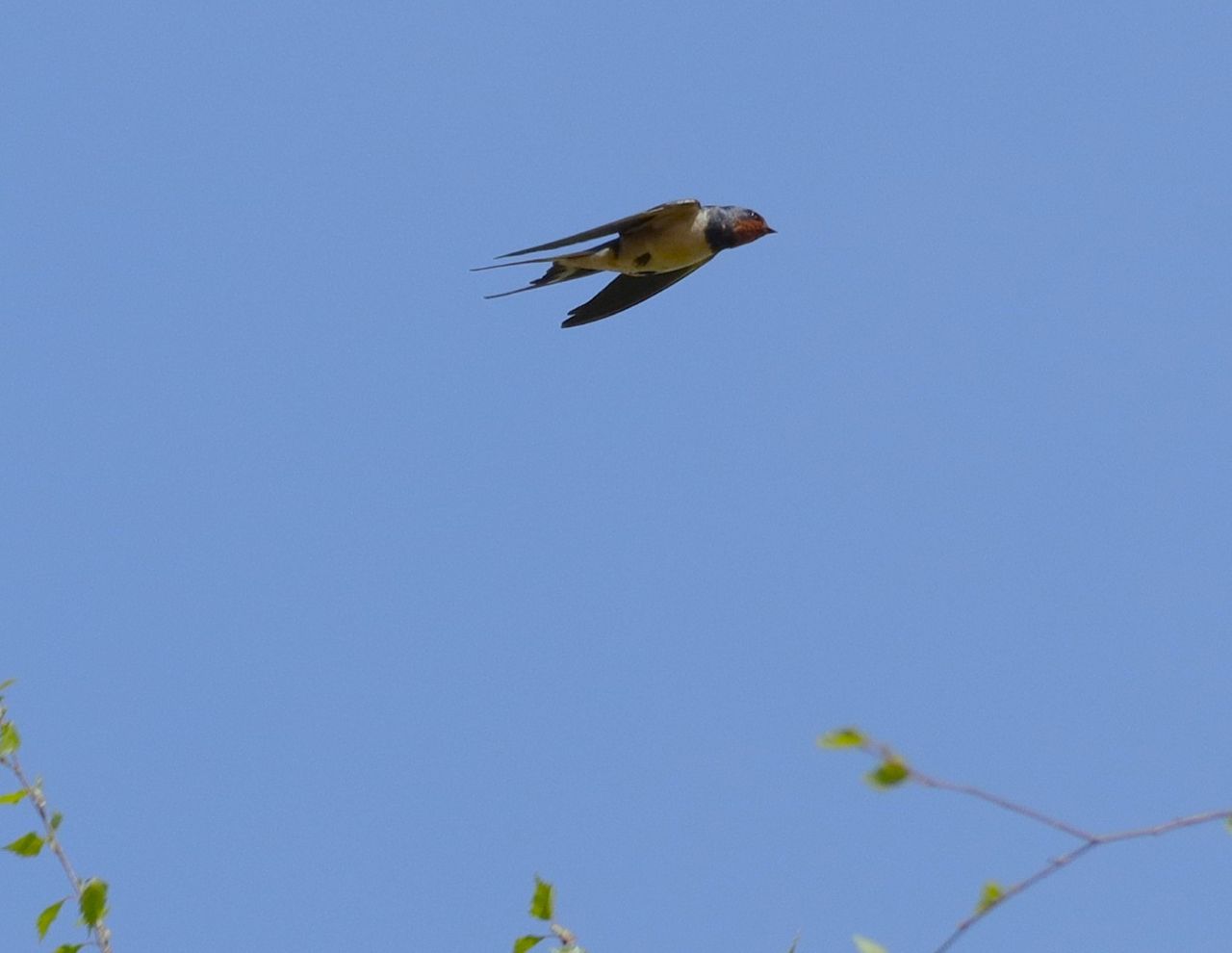
Swallow, Britten’s Pond.
At Britten’s Pond on April 10 a couple of swallows could be seen about the pond.
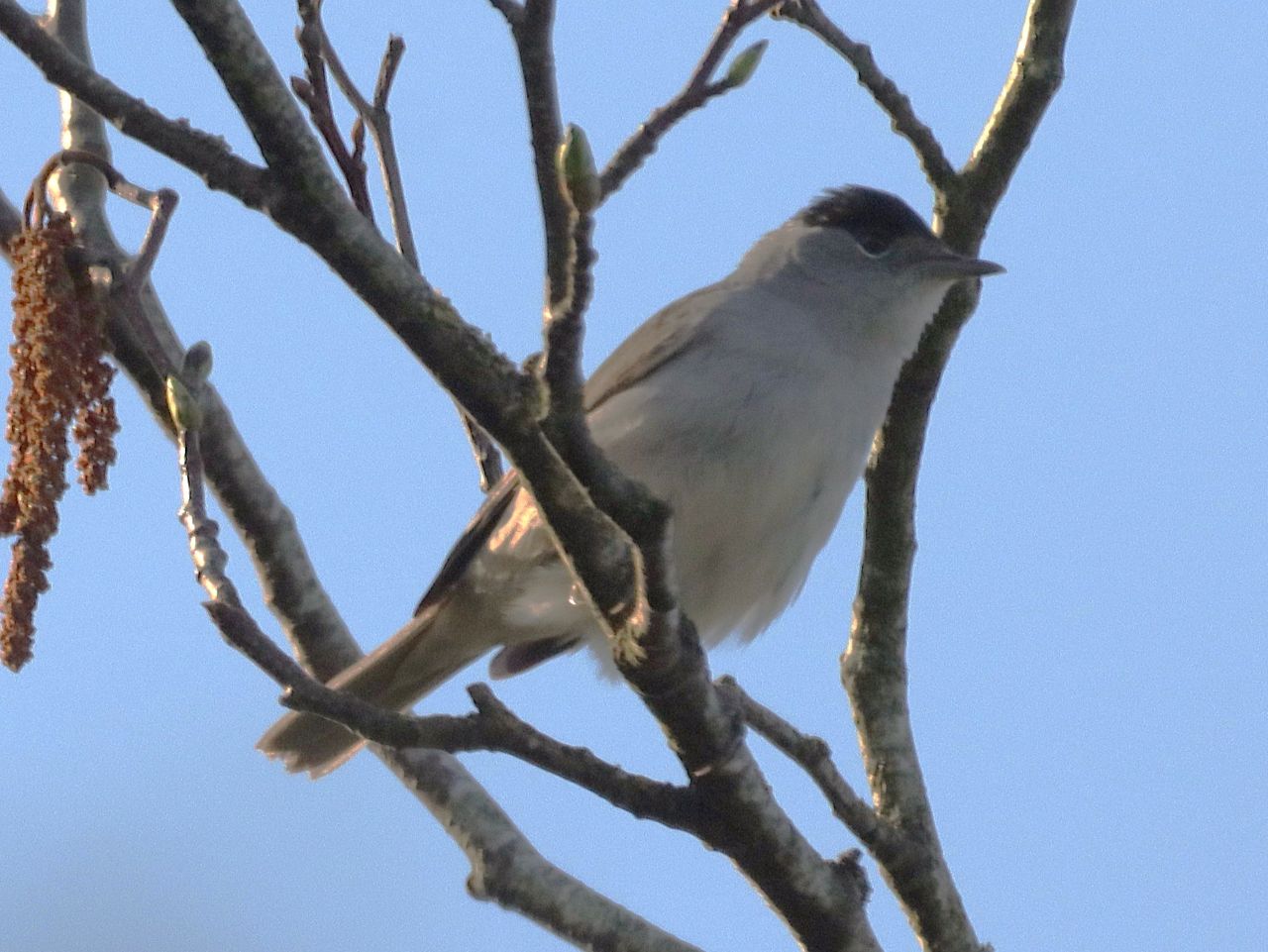
Blackcap.
At least two blackcaps could be seen and heard singing there.
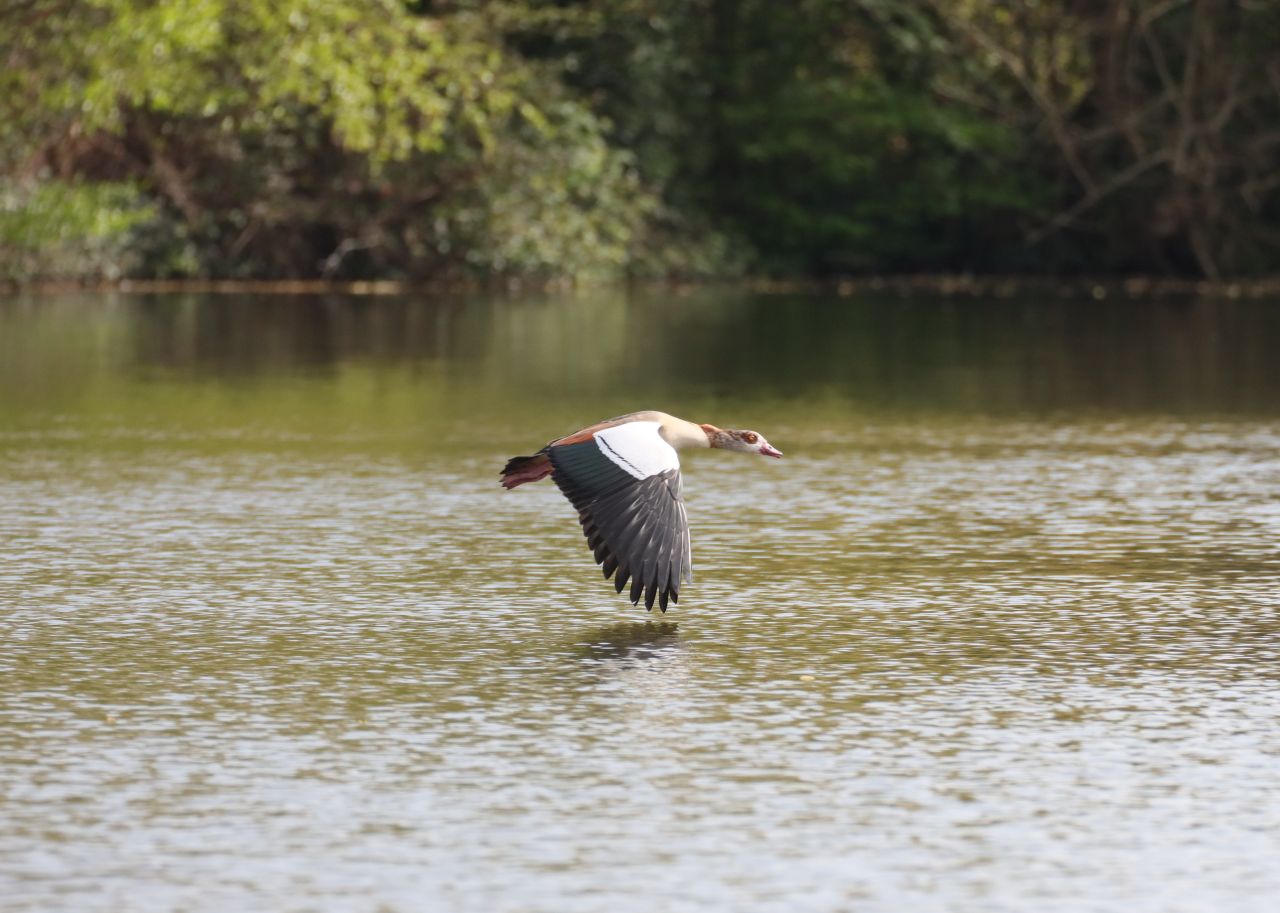
Egyptian goose, Britten’s Pond.
And as many as four adult Egyptian geese could be viewed about the pond.
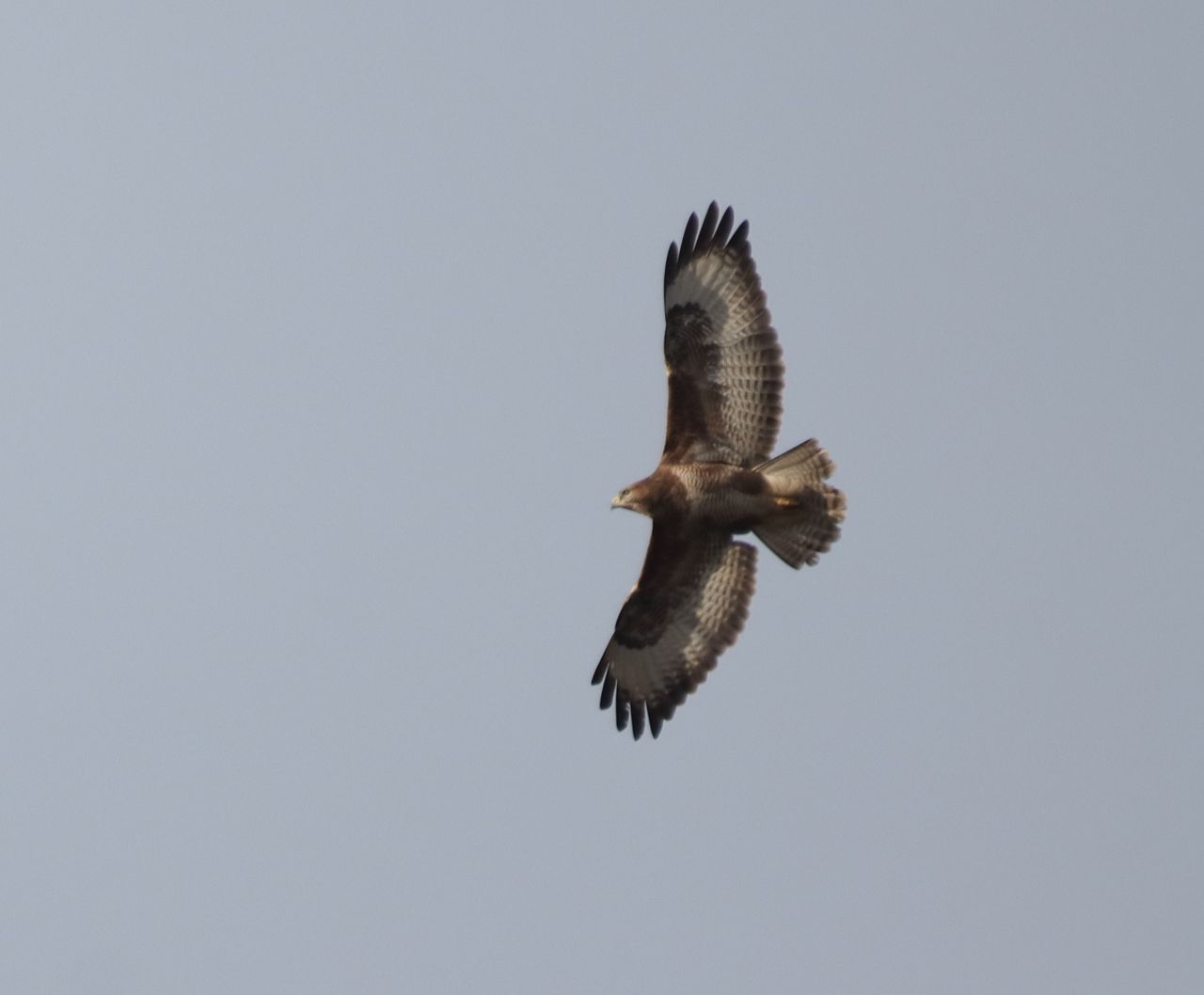
Common buzzard, Britten’s Pond.
Circling the rear of the pond, a pair of common buzzards could be regularly seen.
My return to the Riverside Nature Reserve on April 12, in the company of Dougal, saw a display of hirundines hawking insects over the sewage works adjacent to Stoke Lock.
From their winter homes in Africa, a group of house martins had stopped off on-route to their destinations.
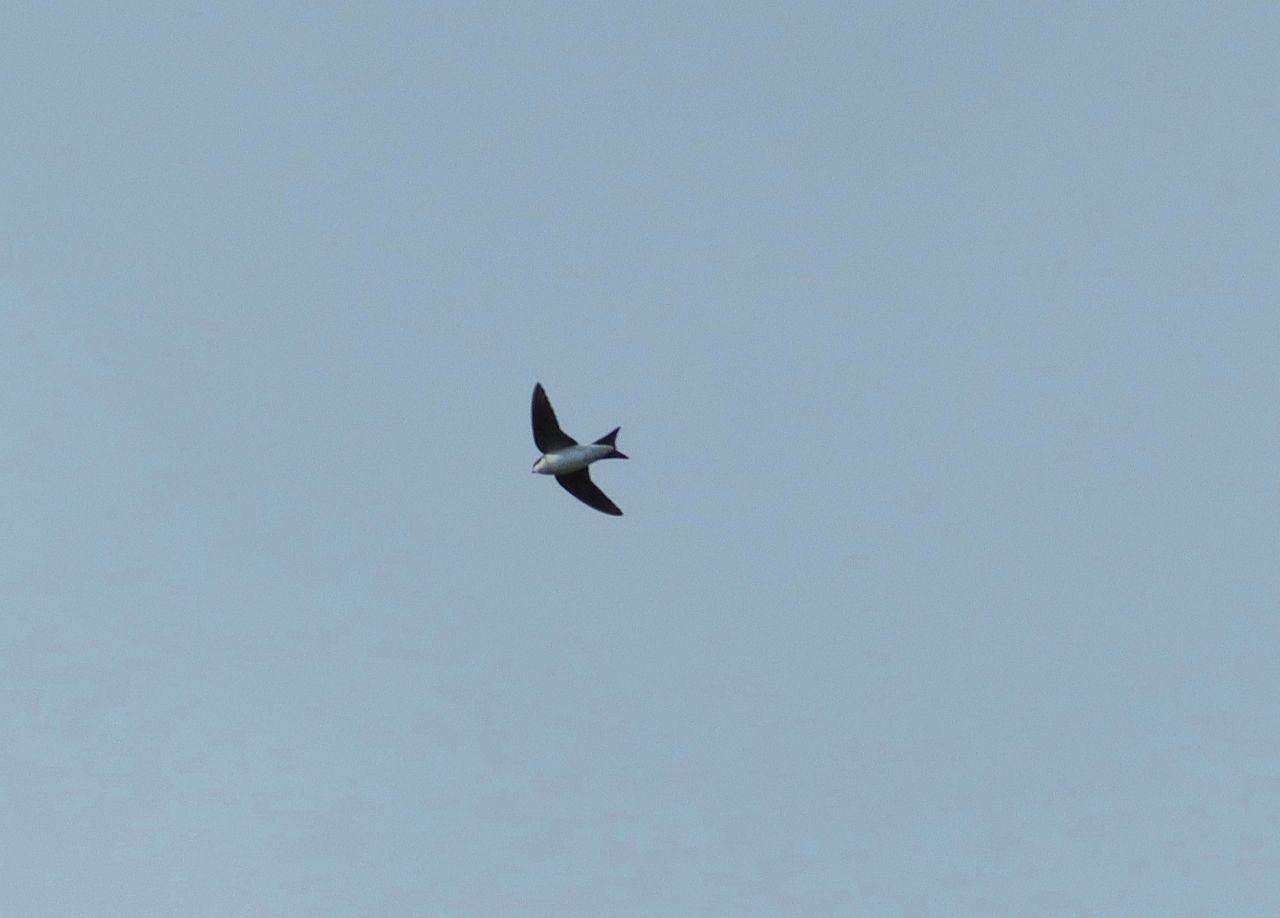
House martin, over Stoke Lock.
Frustration ensued as I attempted to lift my heavy camera lens to capture a few shots as they circled overhead. Eventually I got a few recognisable photos of the 15 or more flying rapidly through the air.
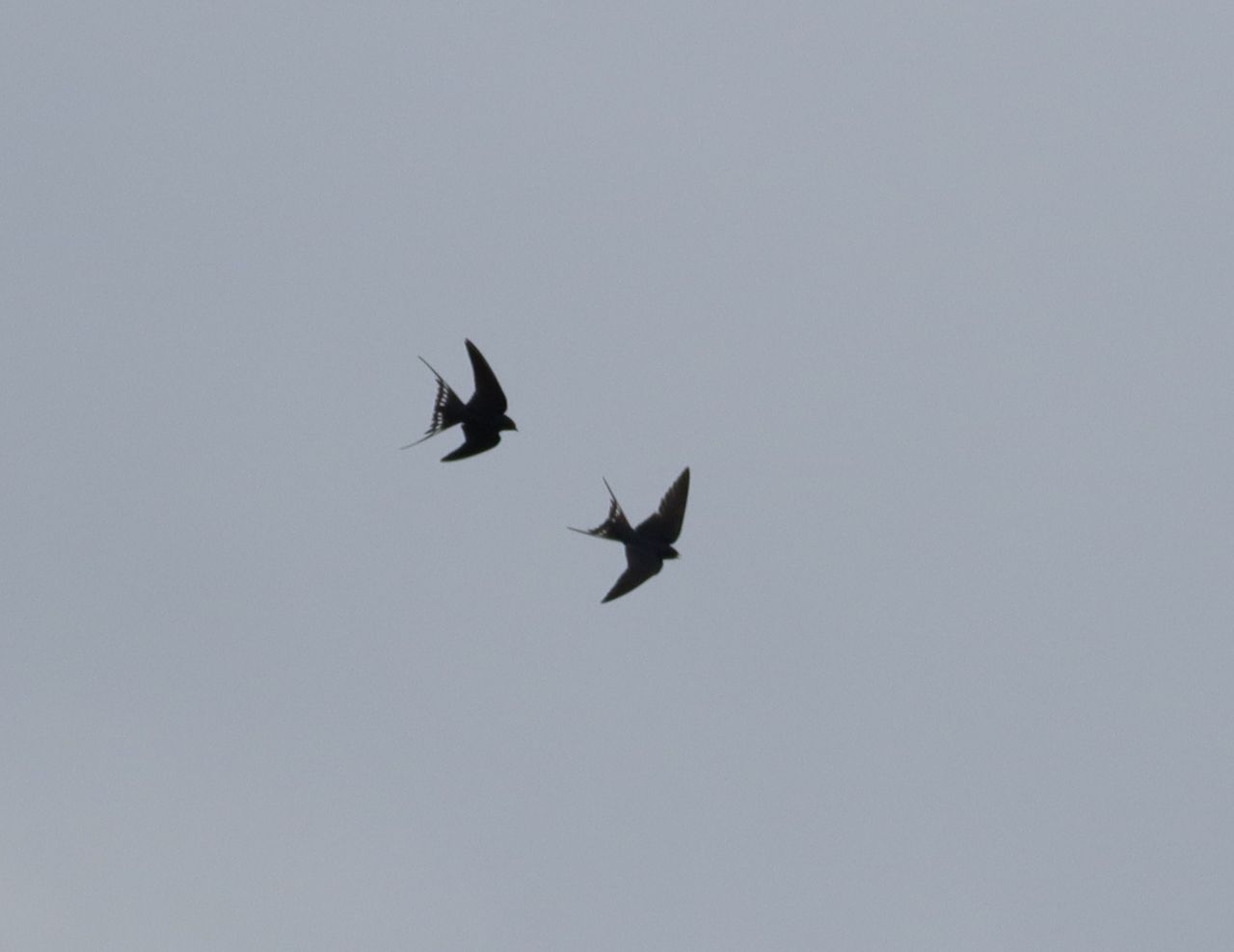
Swallows over Stoke Lock.
Two swallows also added to our sightings (and my photos) as the flew among the group.
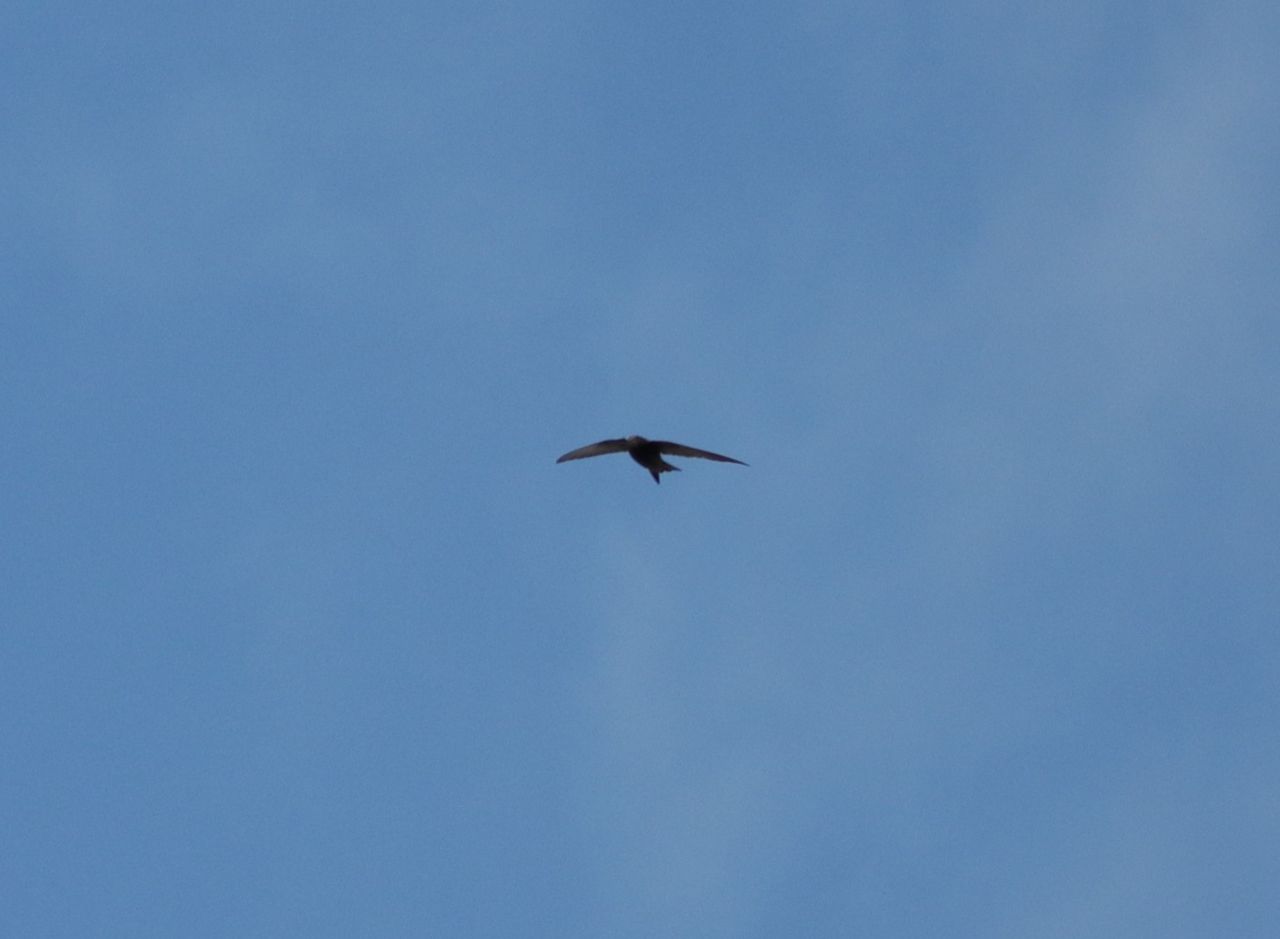
Swift over Stoke Lock.
The surprise sighting of the day, however, was a lone swift. A very early sighting of one indeed and certainly the earliest in a year I can ever recall.
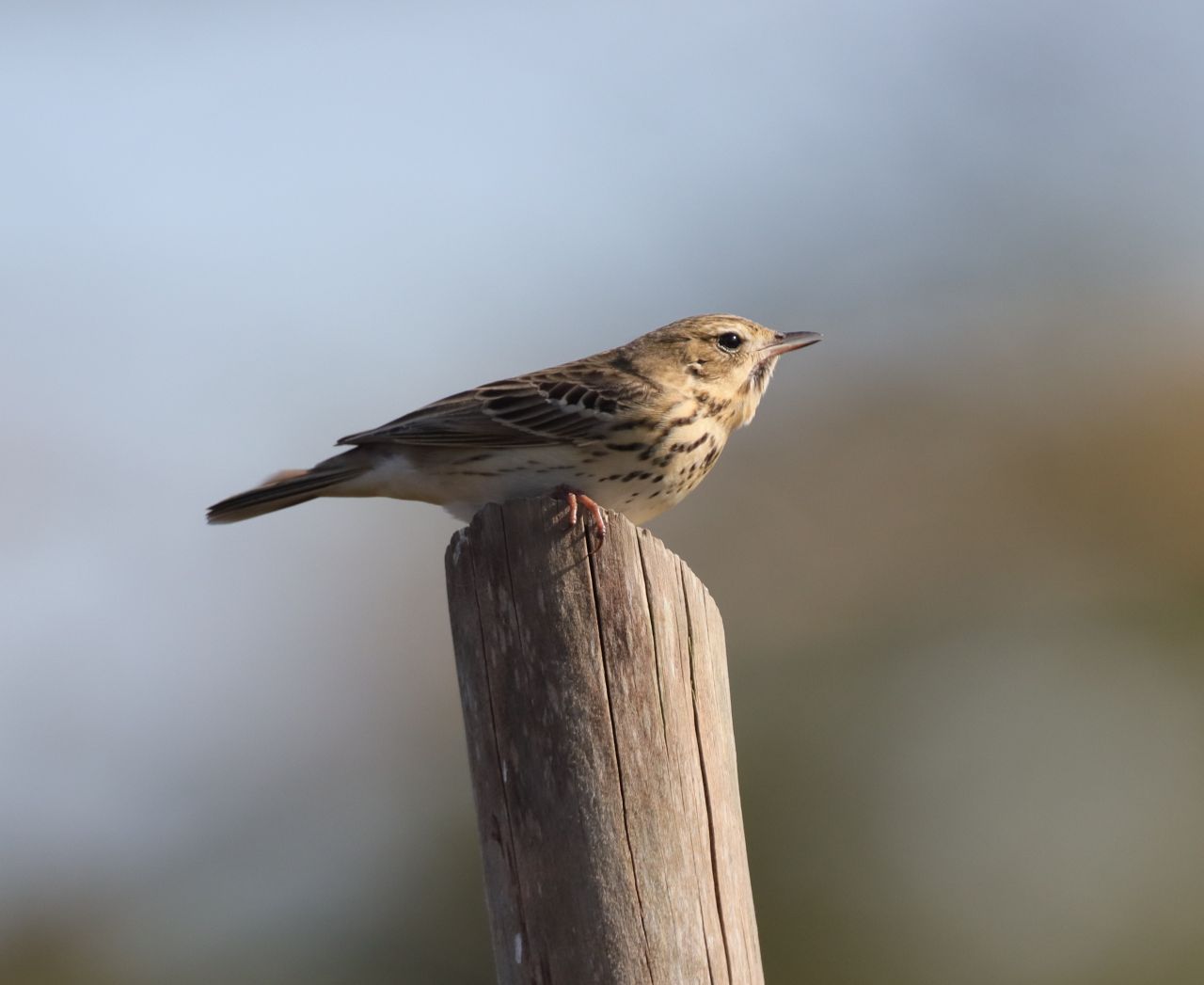
Tree pipit, Hankley Common.
Other places visited during April included Hankley Common, were I was able to get my first pictures this year of one of two newly arriving tree pipits.

Red kites, Hankley Common.
A pair of red kites tussled together across the heathland.
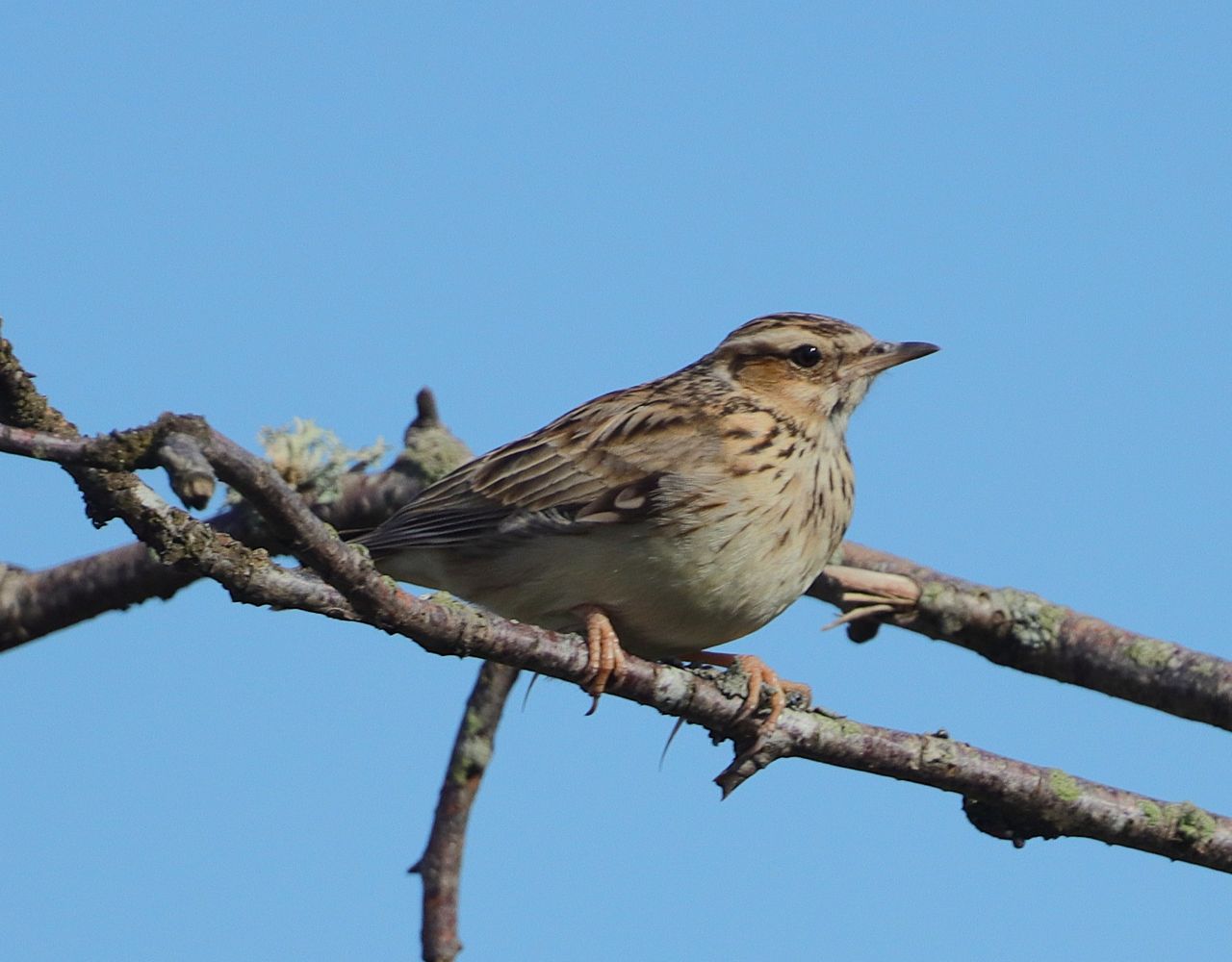
Woodlark, Hankley Common.
And a woodlark kindly posed for a photo.
At a location near Milford a couple of nightingales could be heard in song.
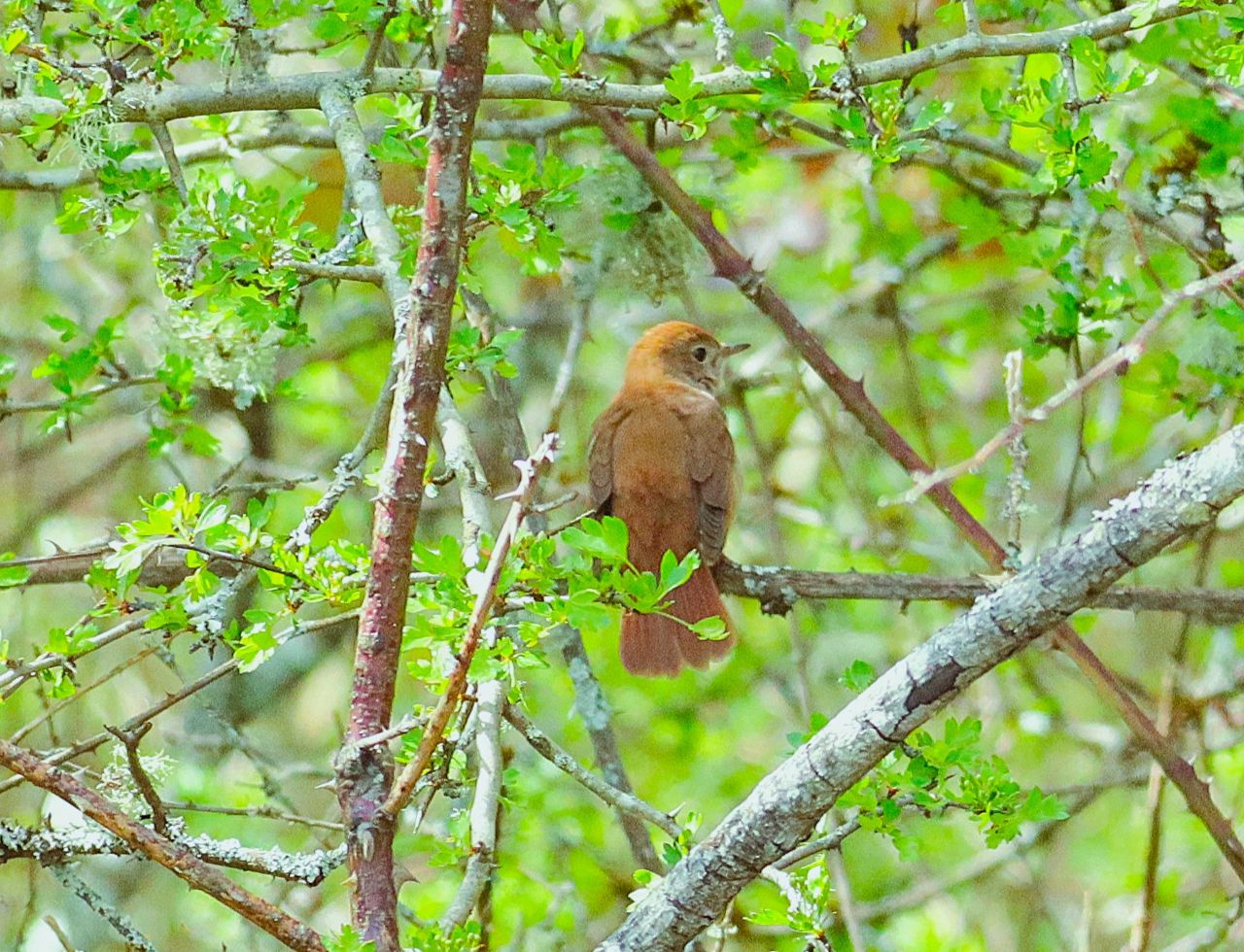
Nightingale.
And although a very skulky bird to view, with much patience and as in previous years I managed to capture a photo of one of the singing birds within the thorny foliage.
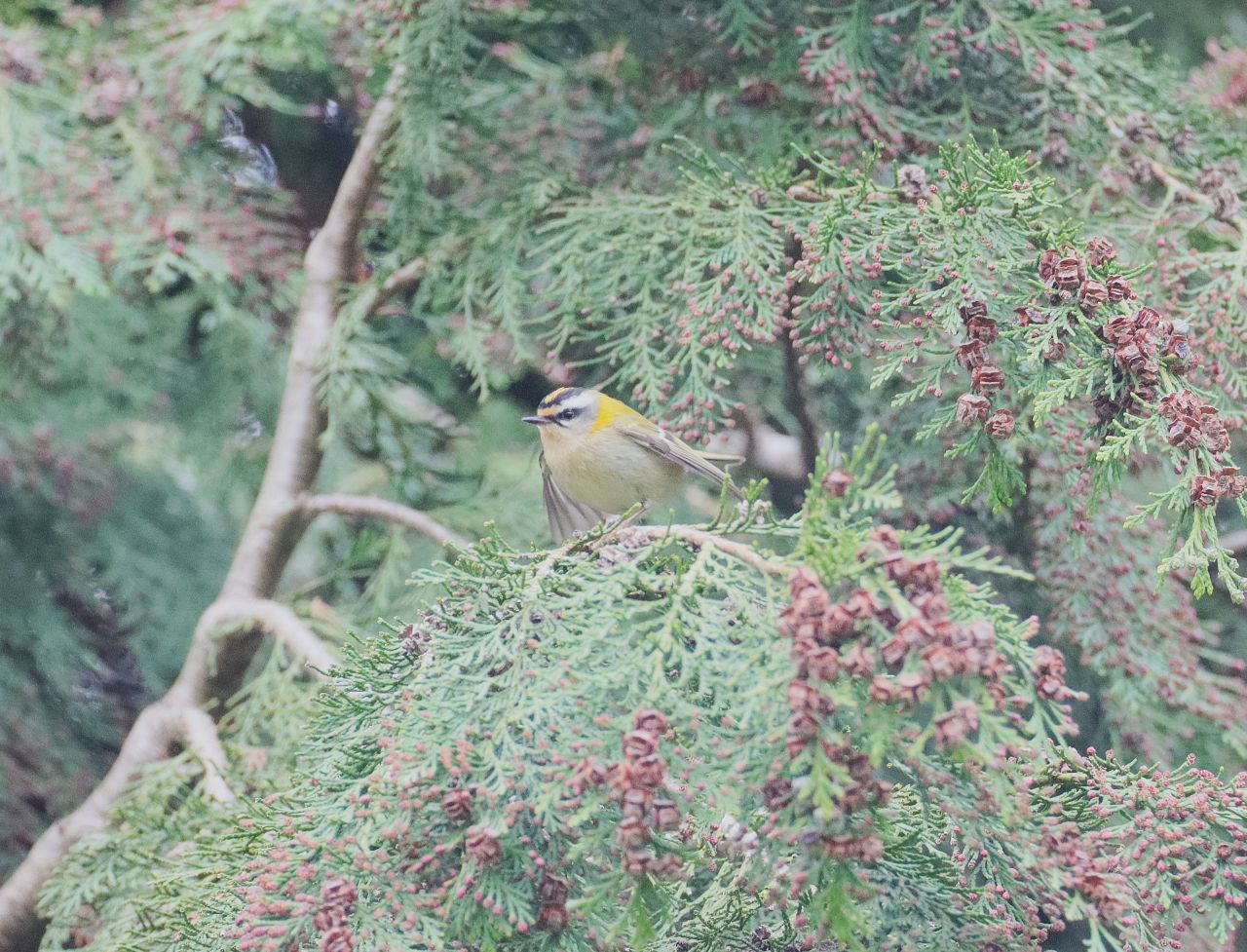
Firecrest, Worplesdon churchyard.
And in St Mary’s churchyard, Perry Hill, Worplesdon, a firecrest could be heard and seen in song.
Share This Post













Recent Comments